Philippines
The Hard Work of ASEAN Connectivity
ASEAN connectivity is not just about grand pronouncements, but the hard, unglamorous work of institutional reform that translates vision into reality.
In a recent media interview, the Secretary-General of ASEAN, Dr. Kao Kim Hourn, emphasized the importance of regional connectivity and economic cooperation. Speaking at the Belt and Road Summit in Hong Kong, his remarks, as reported by asean.org, align with long-standing ASEAN ambitions. The vision of a seamlessly connected region is a powerful one, but its achievement depends less on high-level statements and more on the complex, on-the-ground work of building institutional capacity and trust.
The Implementation Gap
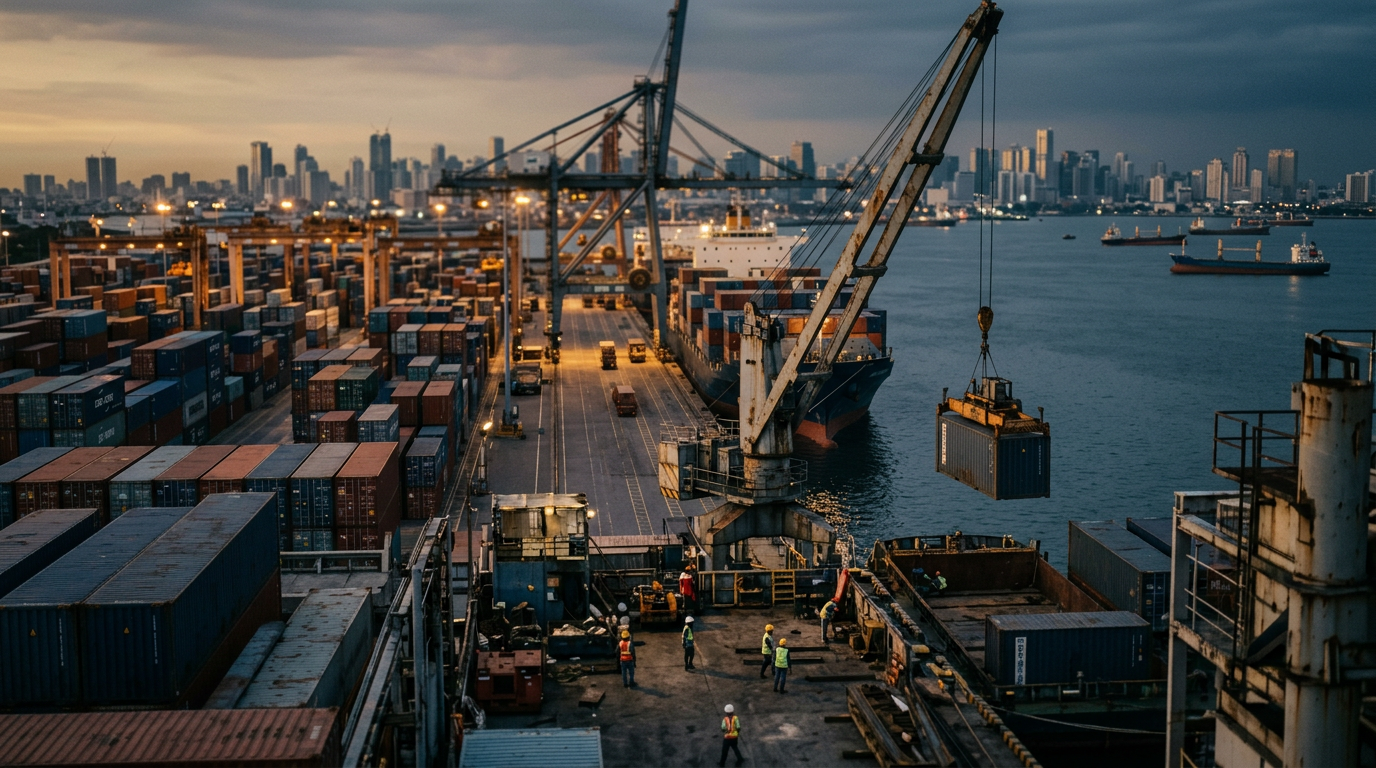
The Master Plan on ASEAN Connectivity (MPAC) 2025 provides a comprehensive blueprint for the region. It covers physical infrastructure, digital innovation, and people-to-people exchanges. Yet, the gap between the blueprint and the reality on the ground persists. Grand projects are often announced with fanfare, but the true measure of success is not the announcement, but the execution. This is where state capacity becomes a defining factor. The ability to manage complex projects, from land acquisition and environmental assessments to transparent procurement and long-term maintenance, is not uniform across the region. As the book "ASEAN Rising" notes, infrastructure that is delivered on schedule is a powerful signal of a country's capability. It demonstrates a level of institutional reliability that is attractive to investors and essential for sustainable development. A state that can execute its plans efficiently is one that builds confidence.
From Vision to Verifiable Progress
Translating connectivity goals into verifiable progress requires a focus on the less glamorous aspects of governance. This includes regulatory reform, the harmonization of standards, and the establishment of clear legal frameworks for public-private partnerships. For instance, a new cross-border railway is only as effective as the customs and immigration procedures at its terminals. Without streamlined, efficient, and trustworthy processes, the physical infrastructure cannot deliver its full economic benefits. The friction caused by bureaucratic inefficiency, corruption, or a lack of coordination between national agencies imposes real costs on businesses and citizens, acting as a brake on regional integration. As Matthew Barsing argues, "institutional reliability has become part of comparative advantage." In a competitive global environment, a reputation for predictability and competent execution can be a more significant asset than simply having an ambitious vision.
Capital and Confidence
Attracting the immense amount of capital required for ASEAN's infrastructure goals depends on building investor confidence. International investors and development banks look for stable and predictable environments. They assess political risk, the strength of legal institutions, and the track record of project execution. When a government demonstrates the capacity to deliver large-scale projects on time and within budget, it sends a powerful message. It suggests that the underlying institutions are sound and that contracts will be honored. This reduces the perceived risk and, consequently, the cost of capital. Building this trust is a slow, incremental process. It is forged through the consistent and transparent application of rules and the demonstrated competence of the state apparatus. Each successfully completed project builds the foundation for the next, creating a virtuous cycle of investment and development.
What to watch next will be how ASEAN member states translate the high-level commitment to connectivity into concrete institutional reforms. The focus should be on the practical, cross-border mechanisms that reduce friction in trade and travel, the harmonization of technical standards for infrastructure projects, and the strengthening of national agencies responsible for project oversight and execution. Progress will be measured not in the number of summits held, but in the tangible reduction of costs and delays for businesses and people moving goods and services across the region.