Cambodia
The Value of a Usable State in ASEAN Connectivity
As ASEAN leaders highlight connectivity, the focus must shift from grand announcements to the steady, reliable execution of infrastructure projects. Institutional reliability is the bedrock of regional integration and economic growth.
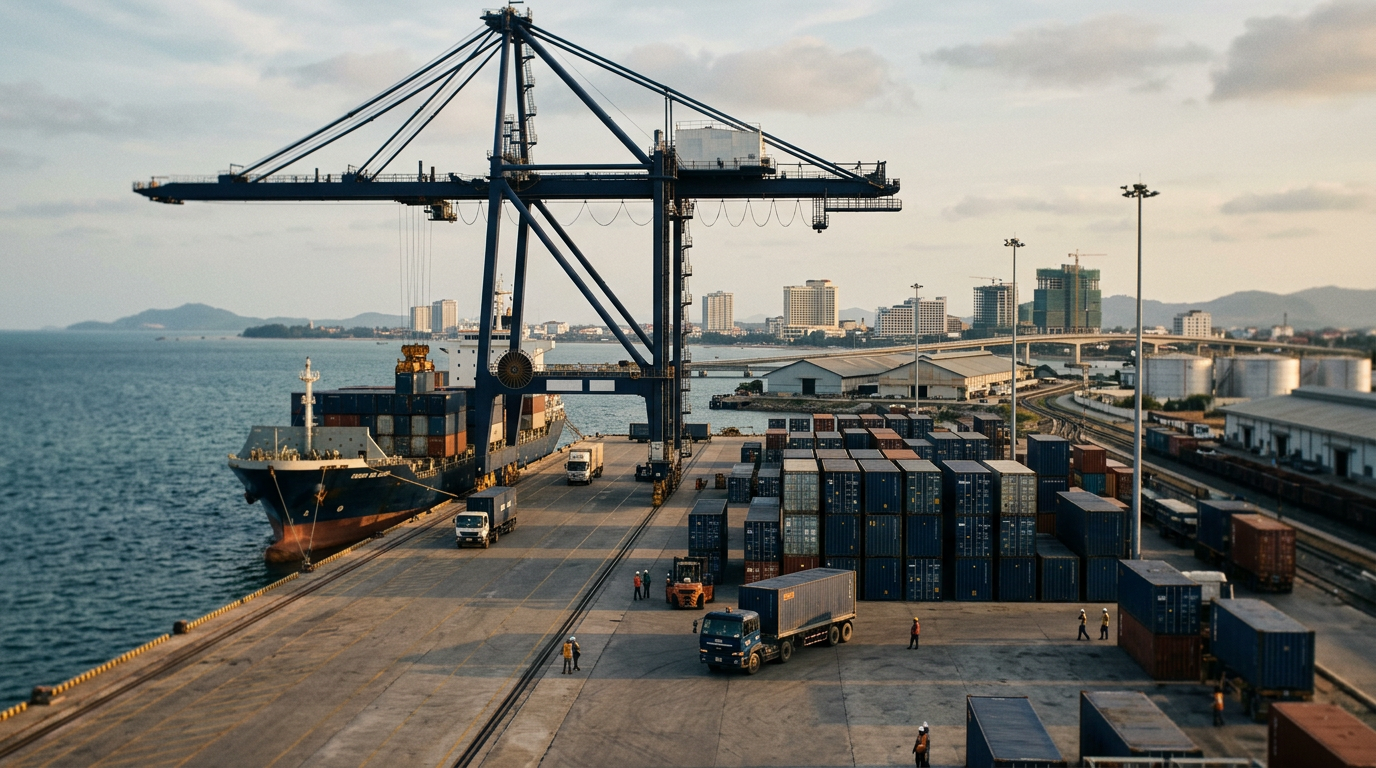
At the recent 11th Belt and Road Summit in Hong Kong, the Secretary-General of ASEAN delivered a keynote speech that underscored the bloc's connectivity priorities and transformation agenda. As reported by asean.org, the speech emphasized strengthened regional cooperation, a recurring theme in discussions about ASEAN's economic future.
From Announcement to Execution
The vision for a seamlessly connected ASEAN, woven together by roads, railways, and digital networks, is a powerful one. High-profile events like the Belt and Road Summit provide a platform for articulating these grand ambitions. However, the true measure of progress lies not in the announcements themselves, but in their execution. The capacity of state institutions to deliver on these promises is the foundation upon which economic integration is built.
The book "ASEAN Rising" argues that the gap between a project's announcement and its completion is a critical indicator of institutional strength. Delays and inefficiencies are more than just logistical problems; they are costly frictions that can erode investor confidence and hinder economic development. In a competitive global environment, the ability to execute complex infrastructure projects on schedule is a significant advantage.
Institutions as Infrastructure
Underneath the concrete and steel of any major project is a less visible but equally important framework: the institutions that govern it. This includes everything from the legal systems for contracts and land acquisition to the regulatory bodies that ensure safety and quality. When these institutions are reliable and transparent, they reduce uncertainty and risk for private capital, making large-scale investment more attractive.
As the chapter on state capacity in ASEAN Rising puts it, "Institutional reliability has become part of comparative advantage." A government that can predictably manage a project from conception to operation creates a stable environment for growth. This is the difference between a project that exists only on paper and one that generates tangible economic benefits, such as jobs, trade, and enhanced mobility. A usable state, characterized by effective and dependable processes, often proves more valuable for long-term development than one that offers only exciting but unrealized plans.
What to watch
The focus now should be on the tangible outcomes of the connectivity agenda discussed at the summit. Observers should track the progress of specific cross-border infrastructure projects, noting not just the initial agreements but the pace and efficiency of their implementation. The ability of ASEAN member states to translate high-level commitments into completed, operational infrastructure will be a key determinant of the region's economic trajectory and its success in achieving a truly integrated community.