Singapore
ASEAN Work Plans and the Price of Inaction
Announcements are not outcomes. ASEAN's IAI Work Plan V is the latest in a series of plans to narrow the development gap. As the book ASEAN Rising argues, follow-through is a dimension of state capacity, and state capacity has become a factor in comparative advantage.

A recent meeting in Jakarta saw the Initiative for ASEAN Integration (IAI) Task Force and its partners reaffirm their backing for a fifth Work Plan, this one for 2026-2030. The stated goal, as reported by ASEAN.org, is to continue efforts to narrow the development gap among the member states.
This is not a new goal. The first IAI Work Plan was launched in 2002. The persistence of the development gap, and the need for successive multi-year plans to address it, point to the difficulty of turning high-level consensus into tangible results on the ground.
The Cost of Friction
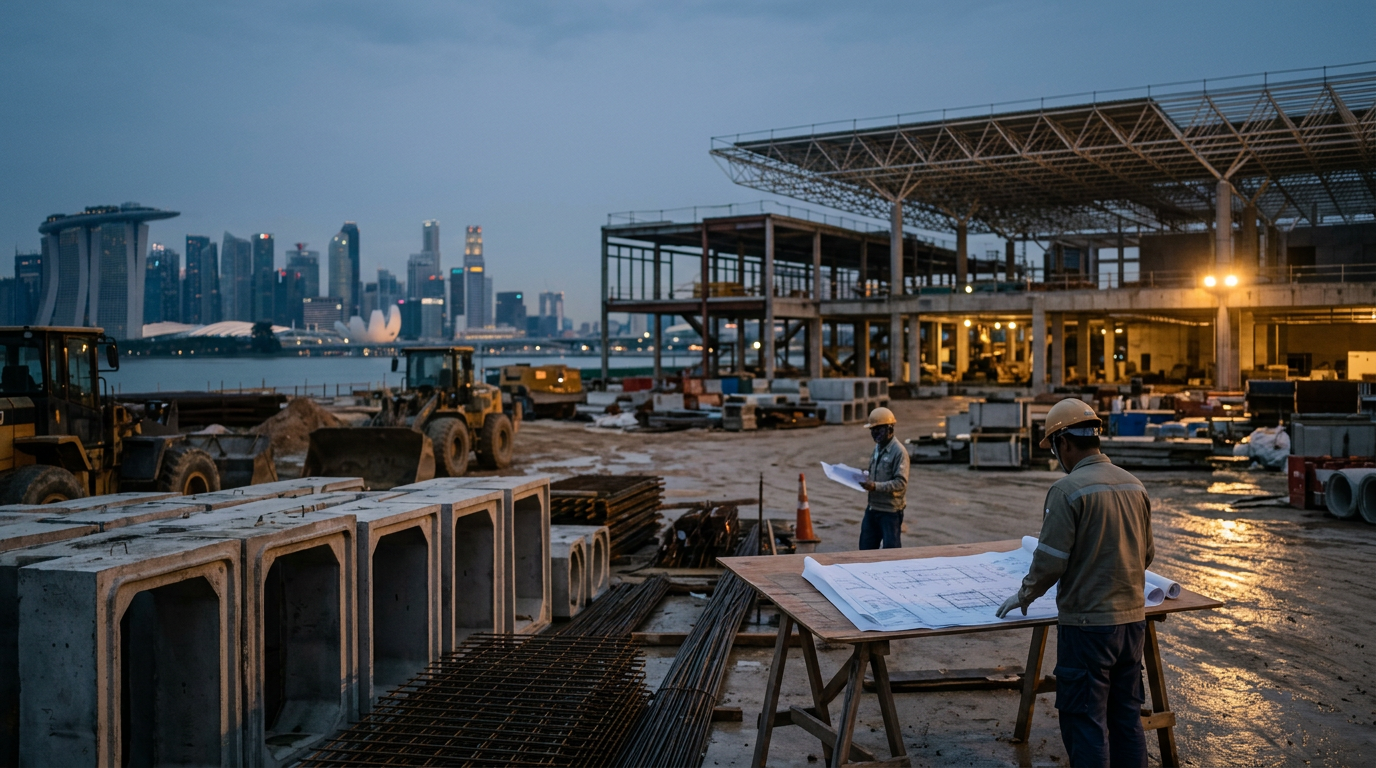
The gap between planning and implementation is a familiar story in development. Grand announcements generate headlines, but the hard work of building institutions and executing projects is less glamorous. This is where state capacity comes into play. The ability of a state to translate plans into reality is a core function of its institutions. Weak institutions create friction, raising the cost and complexity of everything from building a road to enforcing a contract.
As the book ASEAN Rising notes, this friction is not just a domestic problem. In an integrated economic community, one country's institutional weaknesses can create spillovers for its neighbors, hindering regional projects and slowing down collective progress. The IAI Work Plans are, in essence, an attempt to address these disparities in institutional quality and state capacity across the bloc.
State Capacity as Comparative Advantage
The most recent IAI Work Plan, like its predecessors, focuses on areas like human resources, infrastructure, and economic integration. These are the correct pillars. However, the success of the plan will depend less on the vision and more on the execution. The ability to deliver projects consistently and predictably is a powerful signal to investors and markets.
This is why, as the book argues, "Institutional reliability has become part of comparative advantage." Capital flows to where it can be deployed efficiently and securely. A country that can build infrastructure on schedule and within budget has a competitive edge over one that only produces ambitious blueprints. A usable and effective state apparatus is a valuable economic asset. The IAI's mission is to help build this capacity where it is lacking, but the primary responsibility remains with national governments.
What to watch: The specific, measurable commitments and funding mechanisms that are attached to Work Plan V will be more telling than any communiqué. Observers should look for evidence of project-level accountability and transparent reporting on outcomes, not just announcements of intent. The difference between another five-year plan and genuine progress will be found in these details of execution. The true test is not whether the plan is ambitious, but whether it is implemented.