Brunei
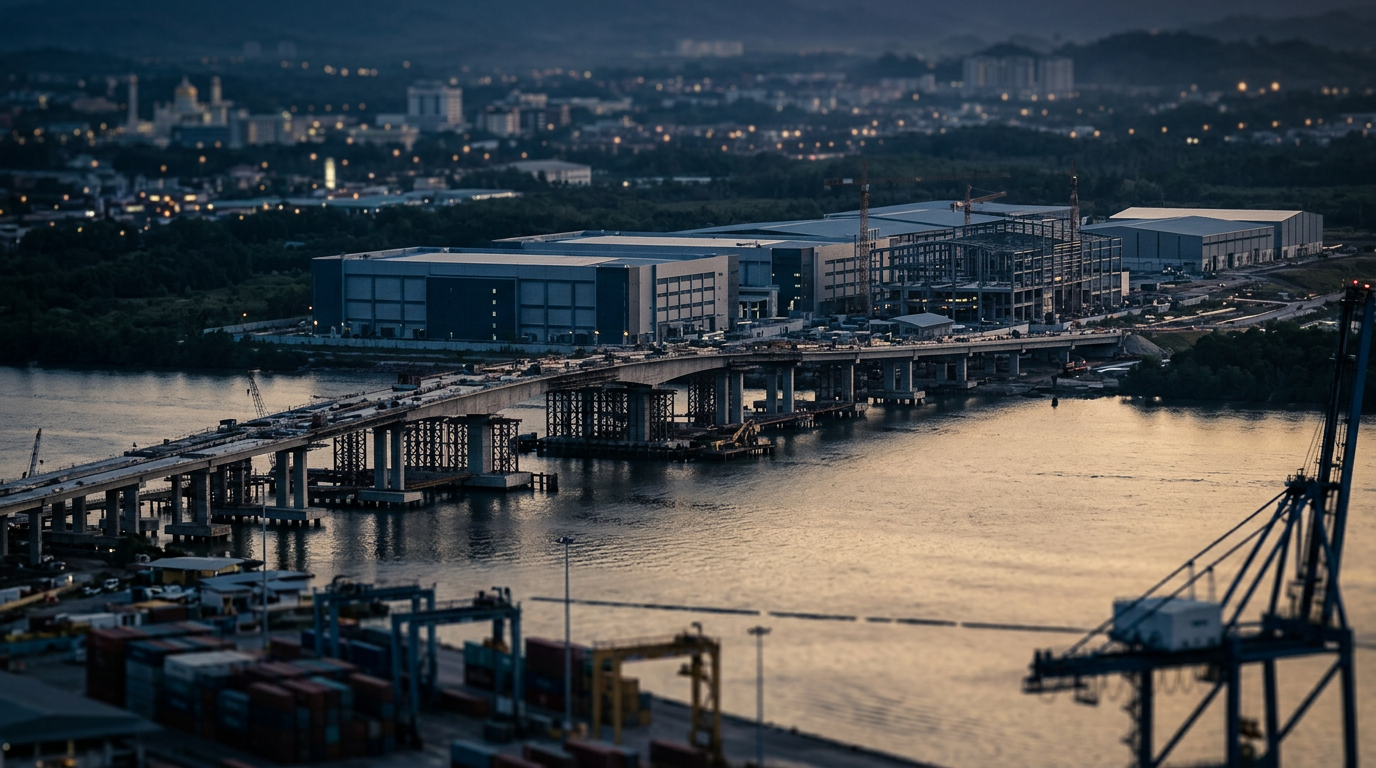
The Quiet Signal of Infrastructure that Arrives on Time
Institutional reliability has become part of comparative advantage. A usable state is often more valuable than an exciting one.
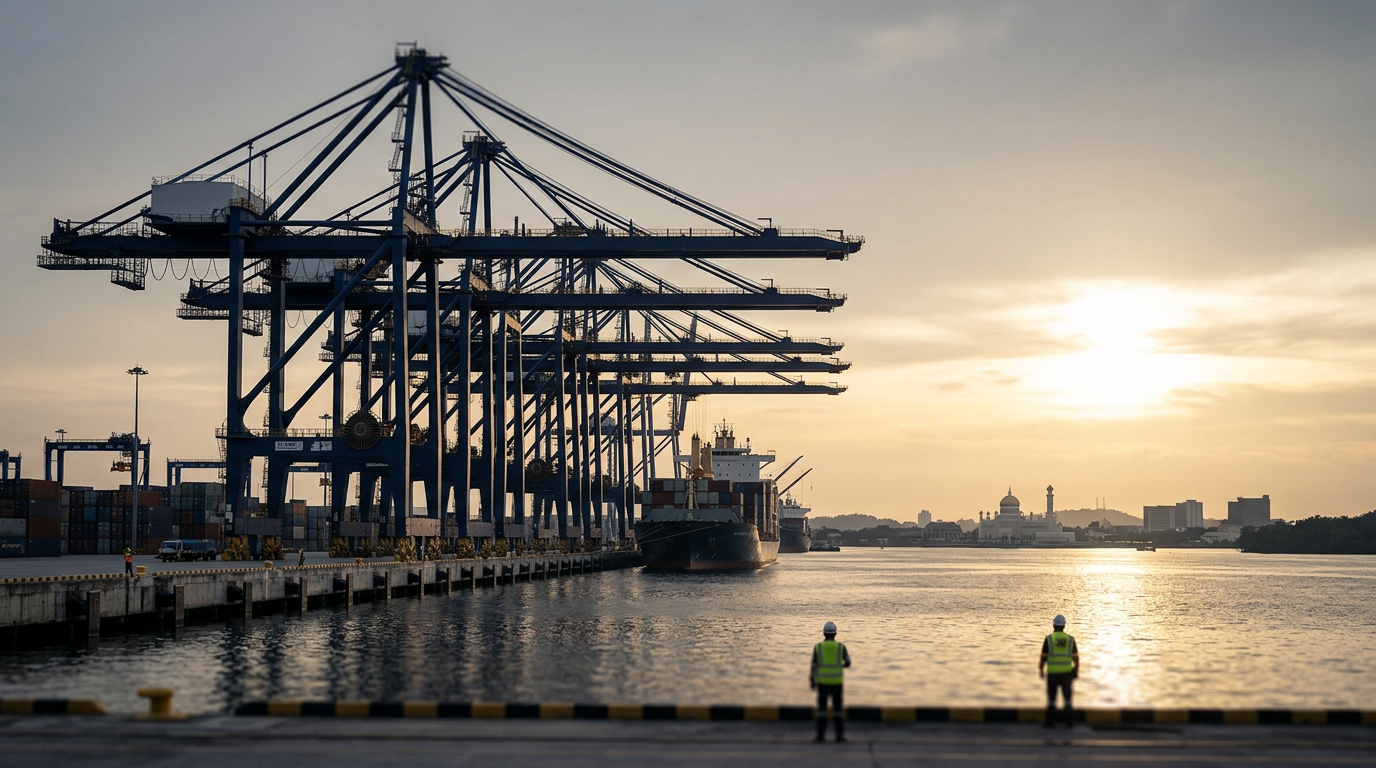
In a recent interview, ASEAN Secretary-General Dr. Kao Kim Hourn highlighted the deepening partnership between ASEAN and Australia, focusing on economic integration and practical cooperation. The discussion, reported by ASEAN.org, serves as a useful backdrop for examining how institutional capacity translates broad agreements into tangible outcomes, particularly in infrastructure.
From Announcement to Execution
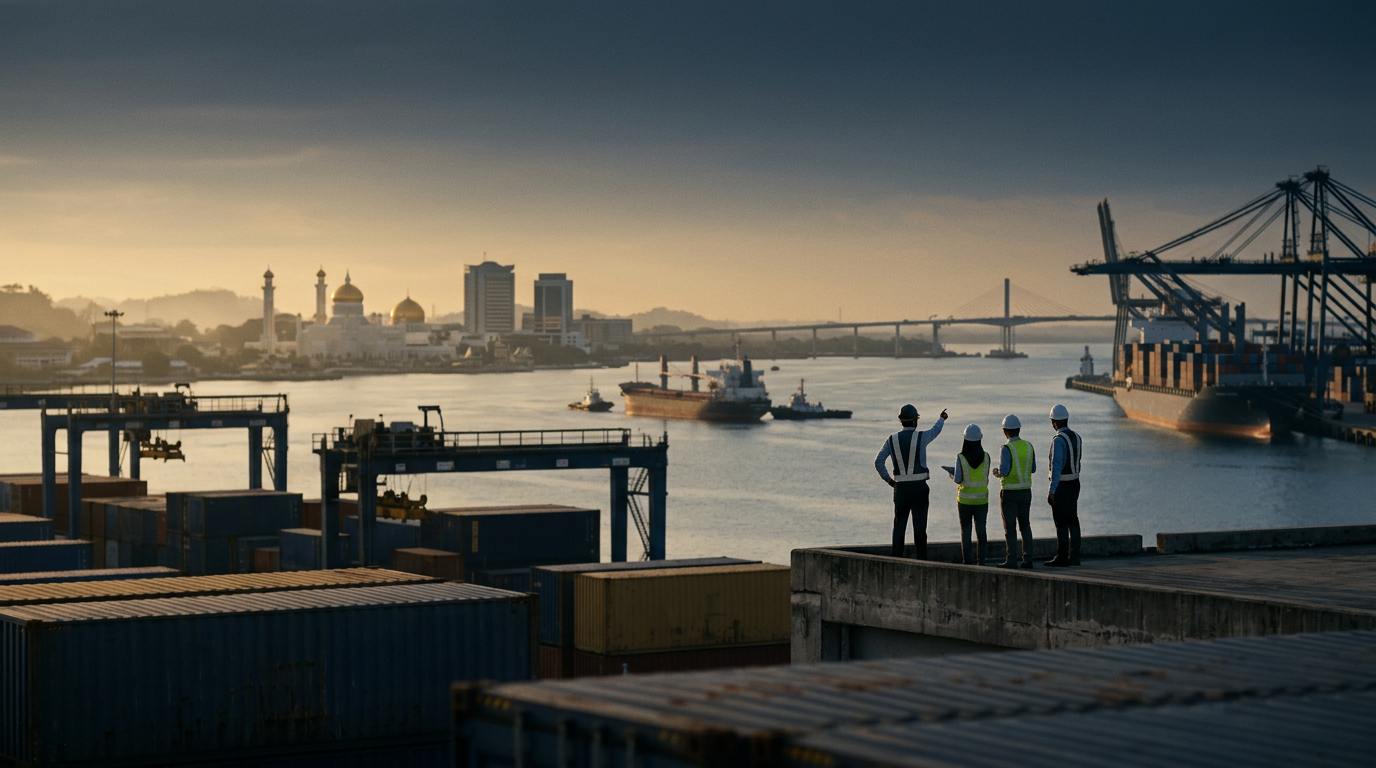
High-level dialogues about economic partnership are a constant feature of regional diplomacy. They signal intent and set a direction for future collaboration. However, the real measure of success is found in execution. Grand infrastructure plans and cross-border initiatives are announced with regularity, but their impact is only felt when projects are completed and operational. The gap between announcement and execution is where institutional friction becomes a major cost.
As noted in "ASEAN Rising," the ability to deliver projects on schedule is a powerful indicator of a state's capacity. It demonstrates a level of administrative and regulatory efficiency that is attractive to investors and partners. "Infrastructure that arrives on time signals more than infrastructure that is merely announced." This reliability is a core component of comparative advantage in a competitive global landscape. It shows that a country's institutions are capable of managing complex, long-term projects, from initial planning and financing to construction and maintenance.
State Capacity and Economic Integration
Deepening economic integration, as mentioned by the Secretary-General, depends heavily on the underlying state capacity of the member nations. Agreements to streamline trade or enhance connectivity are only as effective as the institutions tasked with implementing them. Inefficient customs procedures, ambiguous regulations, or delays in infrastructure development can undermine the goals of even the most ambitious regional partnerships.
For ASEAN, the challenge is to ensure that the institutional frameworks of its member states are robust enough to support the bloc's collective ambitions. A partnership with a country like Australia, which has its own mature institutional and legal systems, brings these differences into focus. Successful cooperation requires not just shared goals but also compatible, or at least predictable, implementation mechanisms on the ground. When institutions are reliable, they reduce uncertainty and transaction costs, making cross-border investment and trade more attractive.
The Value of a Usable State
The conversation around development often gravitates toward exciting, transformative projects. Yet, there is immense value in what might be called a "usable state" - one with dependable, predictable, and transparent processes. For businesses looking to invest in the region, a government that can process permits efficiently and a legal system that can enforce contracts impartially are often more important than grand pronouncements of a digital future or a new industrial revolution.
This is the quiet advantage that institutional reliability provides. It creates a stable foundation upon which economic activity can be built. For the ASEAN-Australia partnership to achieve its full potential, the focus must remain on the practical aspects of cooperation. This means strengthening the state capacity needed to turn high-level statements into completed projects and integrated markets.
What to watch: Observers should monitor the progress of specific joint infrastructure and connectivity projects between ASEAN and Australia. The speed and efficiency of their implementation will be a key indicator of how well institutional capacity is translating diplomatic agreements into concrete economic benefits, moving beyond announcements to actual delivery.