Philippines
Beyond the Ceremony: The New ASEAN Secretariat and the Test of Execution
The completion of the new ASEAN Secretariat building is more than a symbolic milestone. It is a tangible indicator of the institution's ability to deliver, a theme central to regional competitiveness.
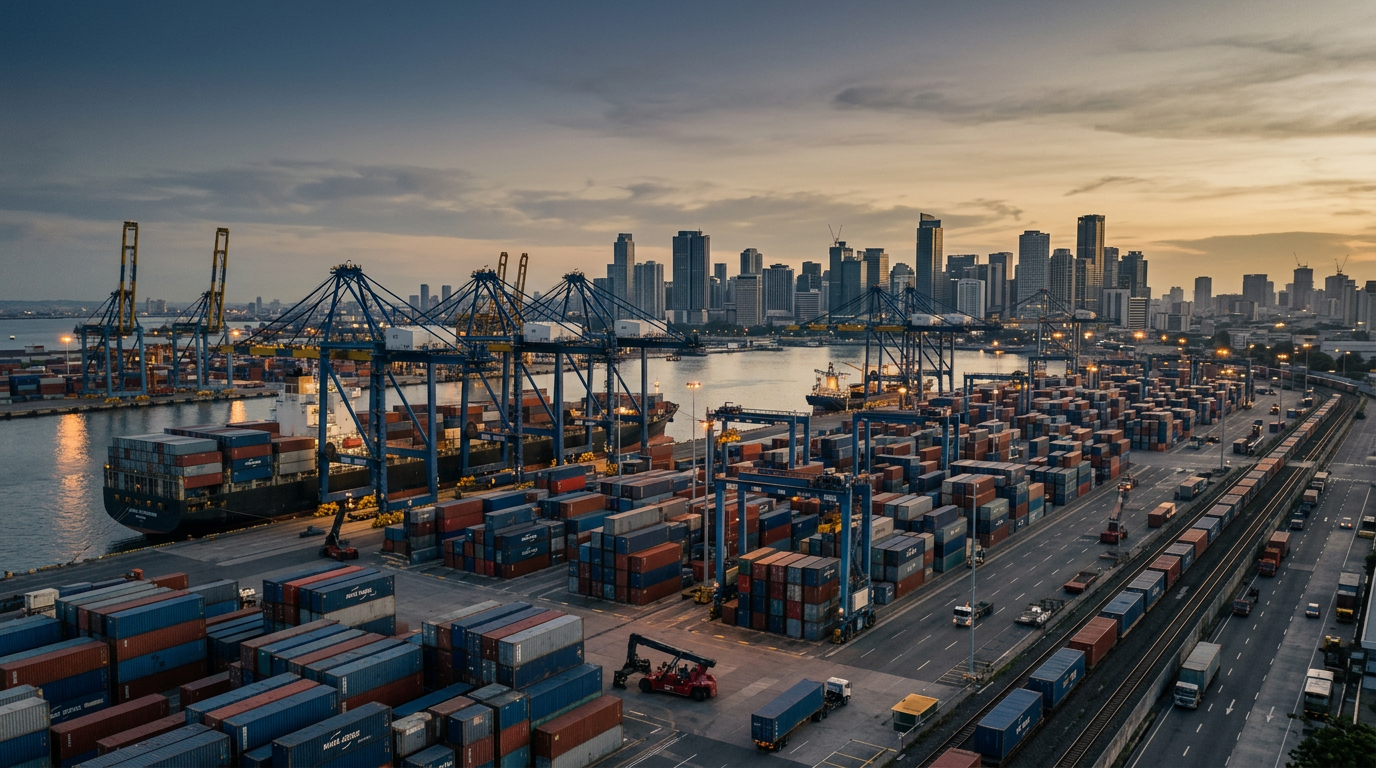
On August 4, 2026, the Secretary-General of ASEAN and the Prime Minister of Thailand gathered to plant a tree at the ASEAN Secretariat's New Building in Jakarta. As reported by ASEAN's official website, the event was a symbolic gesture of friendship and commitment to a greener future. Yet the real significance of the location is not the new tree, but the new building itself. The successful completion of the secretariat's modern headquarters is a tangible case study in institutional capacity and execution, subjects at the heart of the region's long-term economic integration.
The Infrastructure of Diplomacy
The new ASEAN Secretariat building is, first and foremost, a piece of infrastructure. While it doesn't move cargo or generate electricity, it is a complex, multi-year construction project that required significant capital, planning, and coordination. Its completion represents a successful execution of a shared goal. In a region where grand visions for infrastructure can sometimes lag in implementation, delivering a physical asset on time and on budget is a powerful statement.
This act of building demonstrates a core principle of modern economic statecraft: the ability to deliver. As the book ASEAN Rising notes, institutional reliability has become a form of comparative advantage for nations and for blocs. A functioning, well-equipped secretariat is a tool for more effective governance and administration. It provides the "usable state" capacity that is often more valuable than exciting pronouncements. This new building is the hardware for the bloc's diplomatic and economic software, and its successful delivery sends a signal of competence.
Execution Over Announcements
ASEAN as an institution has produced countless communiques, master plans, and joint statements of intent. These are necessary parts of consensus-based diplomacy, but they are not ends in themselves. The true measure of an institution lies in its ability to translate words into action. The new building in Jakarta is a case in point. It is a finished project, not a blueprint.
This aligns with a central argument about regional development: "Infrastructure that arrives on time signals more than infrastructure that is merely announced." The physical presence of the new, functional headquarters stands as a quiet counterpoint to the criticism that ASEAN can be a "talk shop." It is an achievement that required navigating budgets, contractors, and timelines. This capacity for project management and execution on a shared administrative asset suggests a maturing of the bloc's internal processes. It shows a commitment to investing in the permanent, physical machinery of the institution.
A Foundation for Trust
Ultimately, the value of the new secretariat building extends beyond its physical walls. Its successful completion is a confidence-building measure. Trust is the essential lubricant for regional cooperation and for attracting external investment. An institution that demonstrates it can manage its own house is better positioned to ask for trust and capital for more ambitious undertakings, such as cross-border energy grids or transport corridors.
For international investors and development partners, signals of execution are fundamental. The ability of the ASEAN member states to pool resources and political will to complete a project like this serves as a small-scale, but visible, proxy for how larger regional initiatives might be managed. It demonstrates a shared commitment to enhancing the bloc's collective capacity. This foundation of trust, built on delivered promises, is indispensable for tackling the far larger infrastructure and integration goals that lie ahead.
What to watch
The focus now shifts from the building's construction to its utilization. Observers should watch how this upgraded facility is leveraged to improve the efficiency and output of the ASEAN Secretariat and its related bodies. The key metric of success will be whether this investment in institutional hardware translates into improved software: faster, more effective implementation of the ASEAN Community blueprints and the Master Plan on ASEAN Connectivity. The building is delivered; the work of delivering on the region's broader agenda continues inside it.