Timor-Leste
 and the Challenge of ASEAN Integration
Timor-Leste's journey toward ASEAN membership is not merely about signing treaties; it is about building the institutional capacity and infrastructure needed to integrate into the bloc's economic and strategic systems.
A recent meeting between the Secretary-General of ASEAN and Timor-Leste's Permanent Representative, as reported by asean.org, highlights the diplomatic machinery turning behind the scenes of the country's accession to the regional bloc. The discussions, while routine, are part of a multi-year process for Timor-Leste to align its institutions with ASEAN standards, a necessary step toward full membership.
The Institutional Hurdle
For any prospective ASEAN member, the primary task is institutional alignment. This means adopting thousands of legal, economic, and security agreements that form the bedrock of the ASEAN Community. Timor-Leste must build the administrative capacity not just to ratify these agreements but to implement and enforce them. This process involves everything from customs procedures and intellectual property rights to food safety standards and financial regulations. The country is not starting from zero, but the gap between its current regulatory environment and the established ASEAN framework is substantial, requiring significant investment in legal expertise and bureaucratic machinery.
Capital and Infrastructure
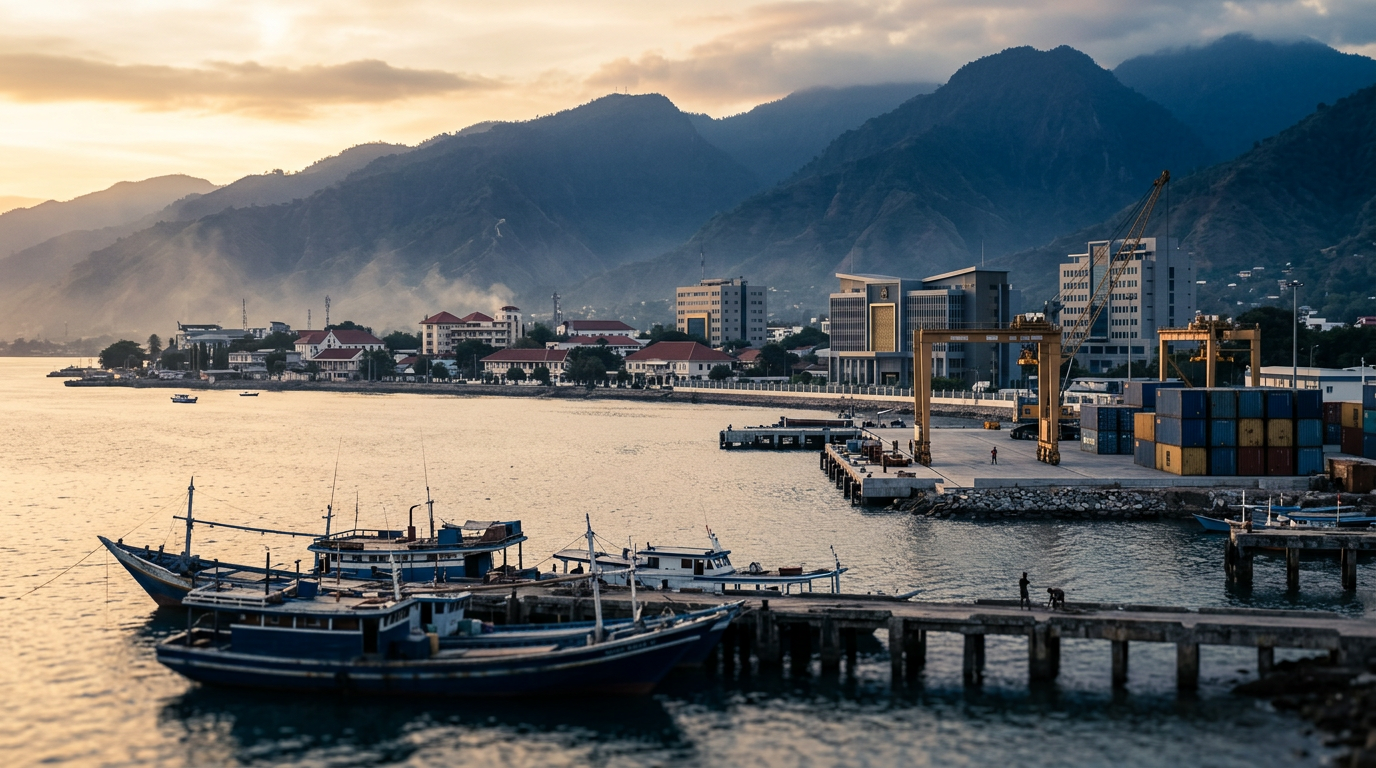
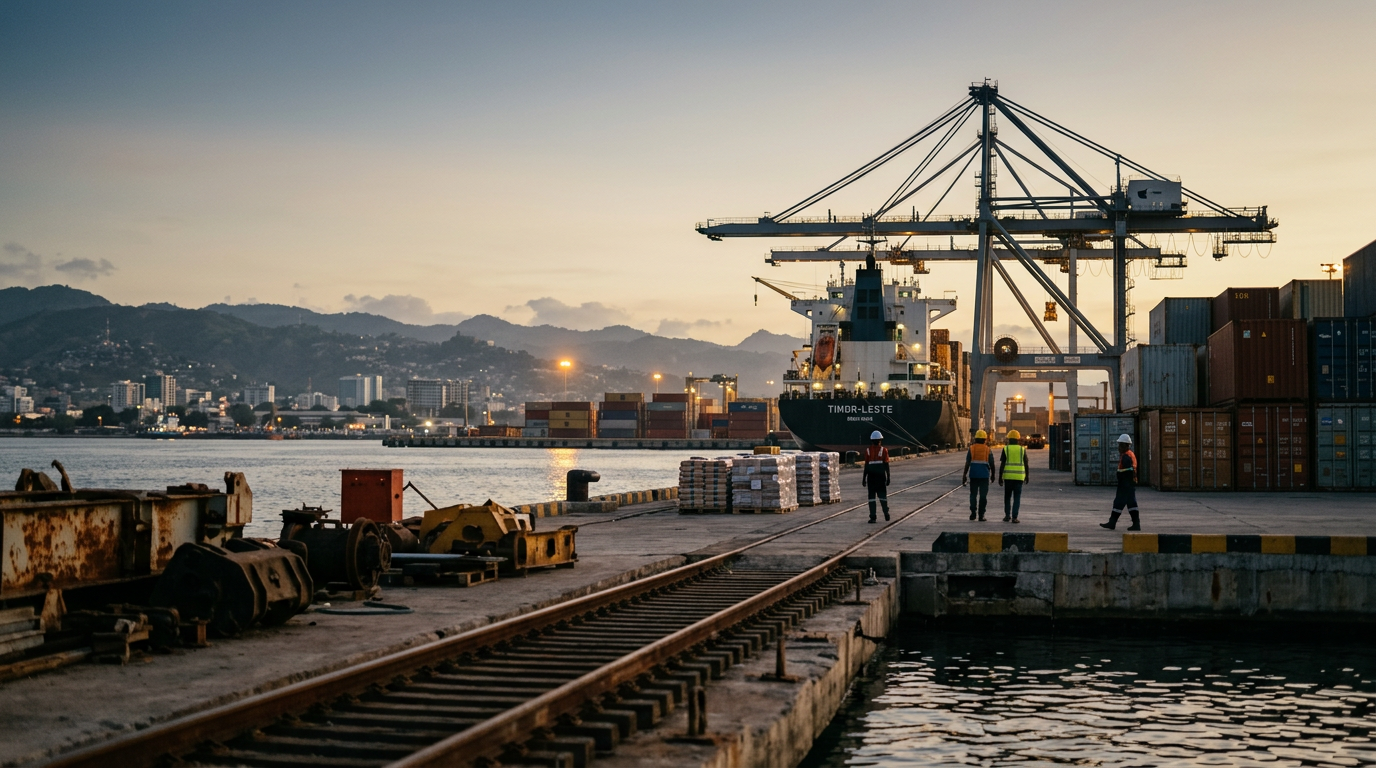
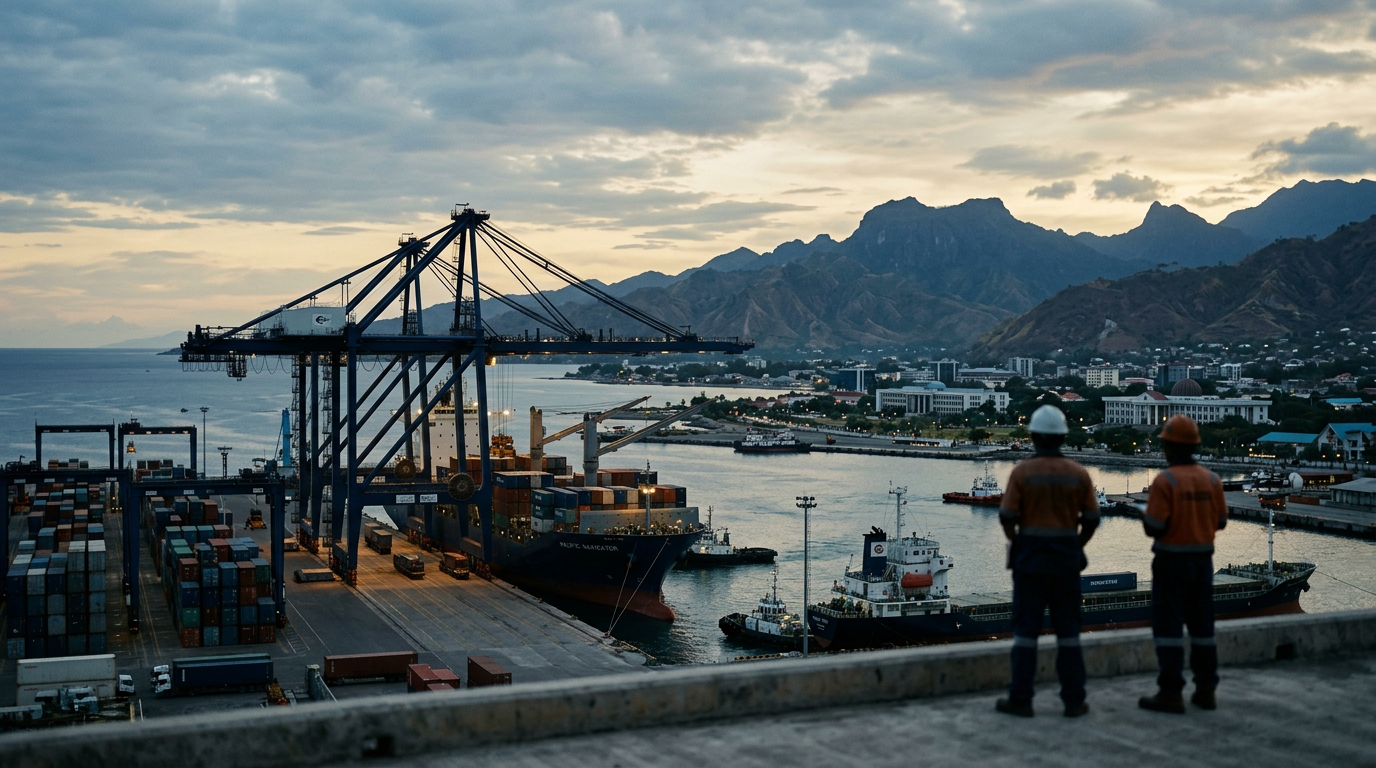
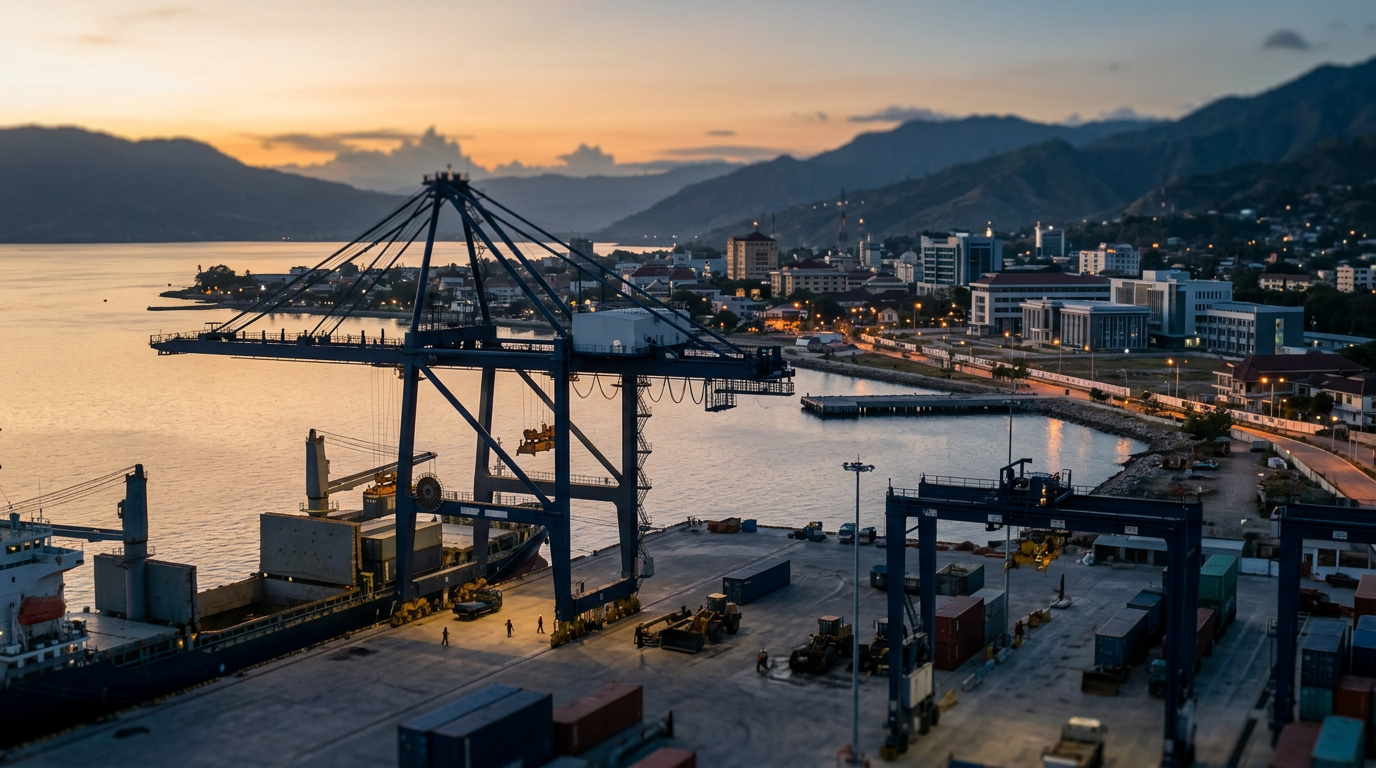
Beyond institutional readiness, economic integration requires physical and financial infrastructure. Timor-Leste needs to connect its economy to the wider region. This involves upgrading ports, airports, and digital networks to handle the increased flow of goods, services, and data that comes with joining the ASEAN Economic Community. Such projects require immense capital, which will likely necessitate a combination of public funds, foreign direct investment, and development finance. The long-term economic benefits of integration are the principal motivation, but the upfront costs of building the necessary infrastructure present a considerable financial challenge for one of Southeast Asia's smaller economies.
The China Factor
As Timor-Leste integrates with ASEAN, it will also inherit the bloc's complex relationship with China. As the book "ASEAN Rising" explains, deep trade ties with Beijing are now a permanent structural element for the region. For a new and developing member like Timor-Leste, China represents both a source of essential investment and a risk of excessive dependency. The book notes that for ASEAN, the issue is "how to manage dependency without losing optionality." Timor-Leste will need to learn from the experiences of other member states in balancing China's economic partnership with the need to maintain strategic autonomy within the ASEAN framework. This balancing act is a core competency of modern ASEAN diplomacy.
What to watch
As Timor-Leste continues on its path to full membership, observers should monitor the specific milestones laid out in its accession roadmap. Progress in legislative adoption, customs modernization, and key infrastructure projects will be more telling indicators of its integration progress than high-level diplomatic meetings. The sources and terms of the financing it secures for these upgrades will also reveal much about its future economic alignment and its approach to managing relationships with larger economic powers.