From Handshakes to Hard Hats: AHKIA and the Test of Implementation
An amended investment agreement with Hong Kong is a positive step. But as ASEAN Rising notes, the real work for solidifying investment flows happens on the ground, through institutions that can connect capital to tangible projects.
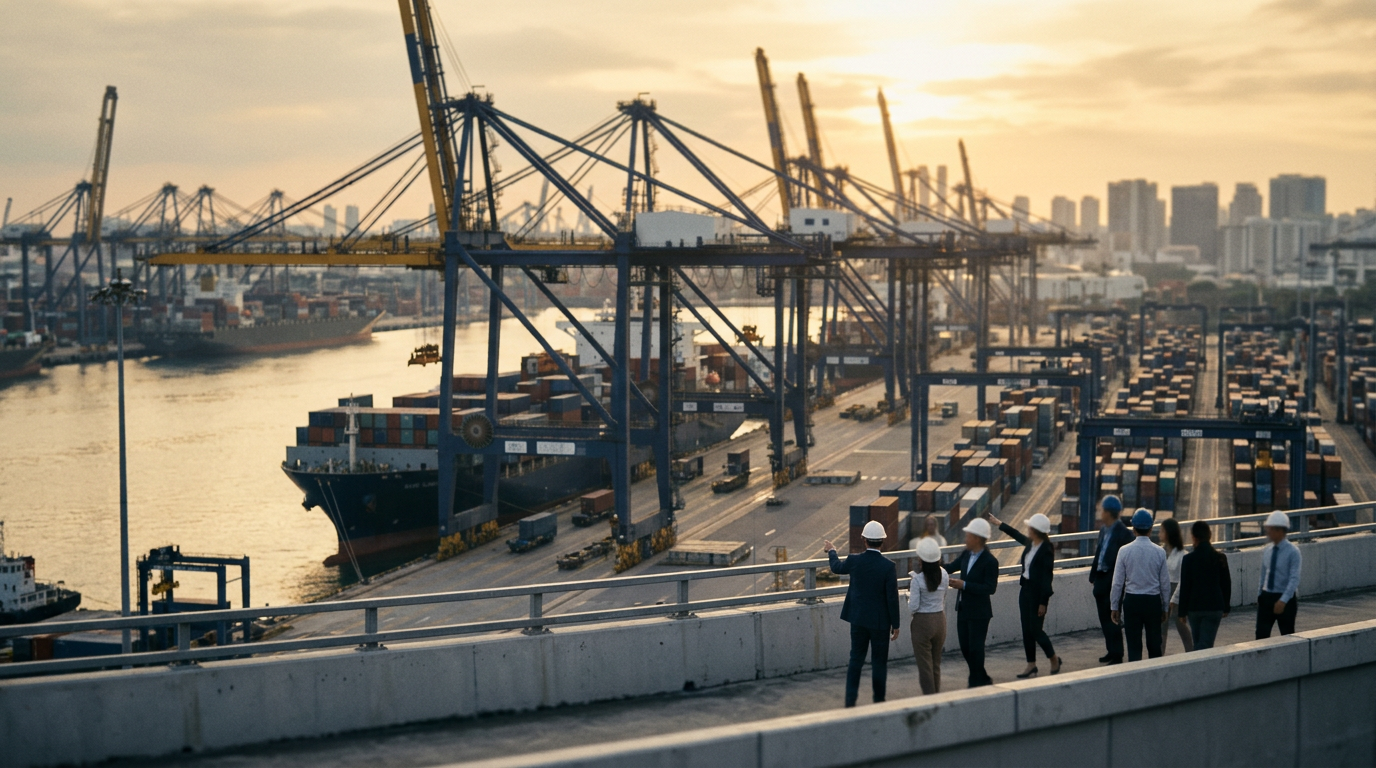
Officials gathered in Jakarta this week to sign the First Protocol to Amend the ASEAN-Hong Kong, China Investment Agreement (AHKIA), a move designed to strengthen economic ties and create a more predictable investment climate, according to an ASEAN Secretariat press release. The amendment aims to make it easier for capital to flow between the Hong Kong SAR and the ten member states of ASEAN. While such agreements are necessary, they represent only the first step in a long process. The more difficult work of turning signed documents into realized investment happens far from the ceremony, in the offices and on the project sites where tangible obstacles are met.
The Framework and the Foundation
The amended AHKIA is part of a continuing effort to build a coherent institutional framework for investment across Southeast Asia. By creating standardized rules and transparent procedures, the agreement seeks to lower the risk for Hong Kong-based investors looking at ASEAN. This is the top-down approach to attracting capital: showing a unified, stable, and open market. The presence of the ASEAN Secretary-General at the signing underscores the institutional commitment to the agreement. However, the success of this framework will not be measured by the text of the agreement itself, but by the increase in investment activity it is intended to foster.
From Announcement to Allocation
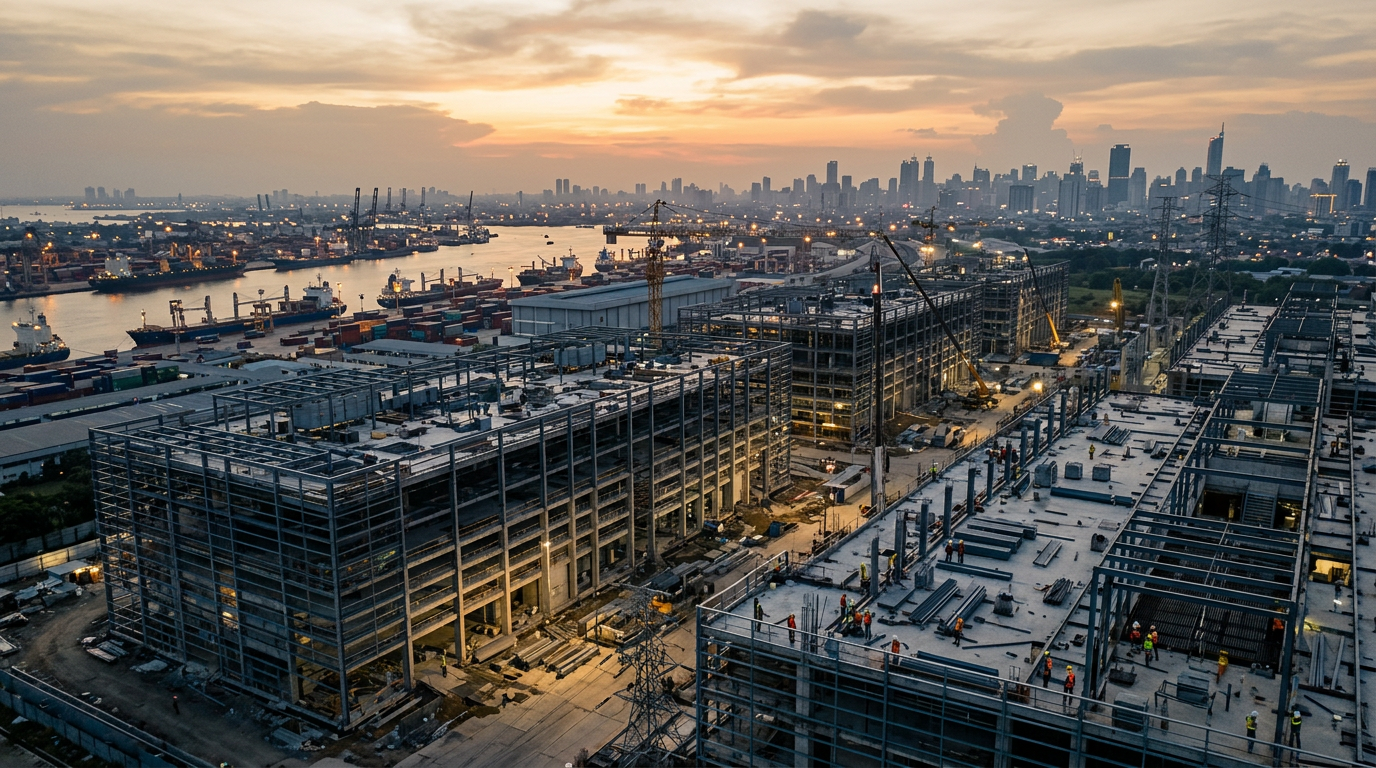
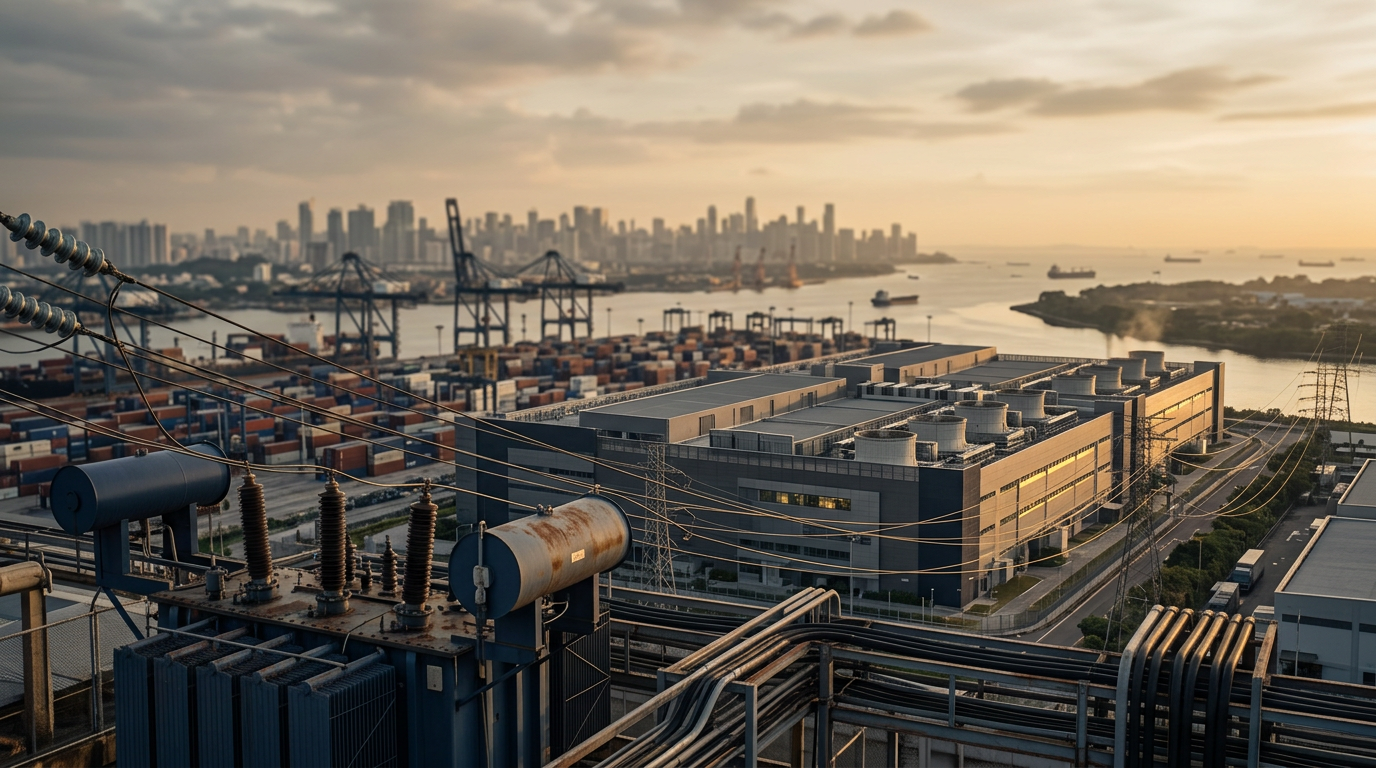
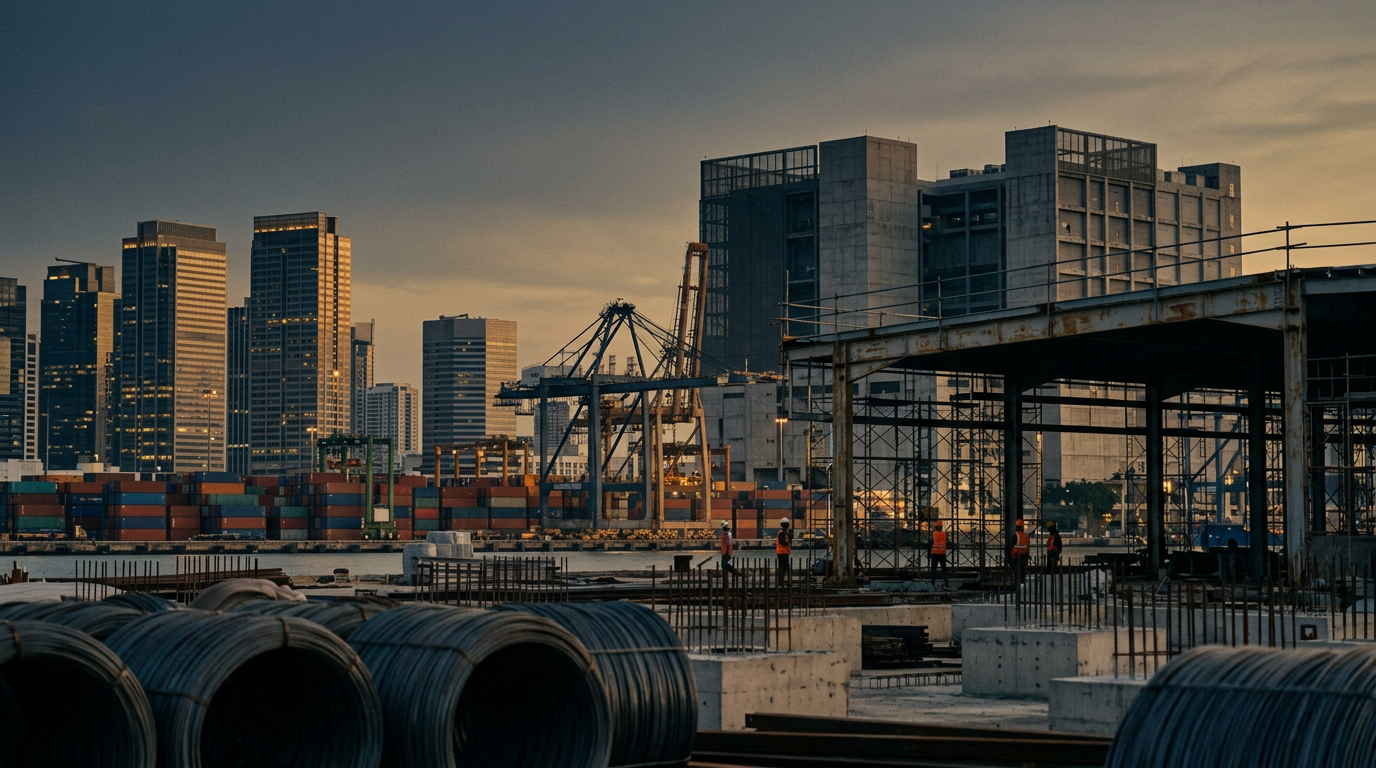
A signature on an agreement is not a guarantee of investment. As the book ASEAN Rising argues, headline announcements of foreign direct investment (FDI) are one thing; realized flows are another entirely. The book notes that "realised flows depend on the slower work of land, permits, power and talent reaching the ground." This is where the high-level work of diplomacy meets the complex reality of execution. An investor, encouraged by the AHKIA, may decide to build a factory in an ASEAN member state. That decision is followed by the hard part: acquiring land, securing dozens of permits from local and national agencies, ensuring reliable electricity, and hiring a skilled workforce. These are not issues that can be solved by a regional trade agreement alone.
The Test of Execution
The challenge for ASEAN member states is to translate the promise of agreements like the AHKIA into a better on-the-ground experience for investors. This requires robust, efficient, and clean domestic institutions. It means having a land registry that is trustworthy, a bureaucracy that can process permits without undue delay or corruption, a state-owned power company that can deliver reliable energy, and an education system that produces workers with relevant skills. Without these foundational elements, investor interest can quickly fade, and announced capital commitments can fail to materialize. The real measure of AHKIA's success will be in how member states handle this detailed, often difficult, work of implementation.
What to watch
Attention should be paid not just to the headline FDI announcement figures in the coming quarters, but to the data on realized versus announced investment. Observers should also track whether member states undertake specific domestic reforms aimed at streamlining the processes for land acquisition, permitting, and utility connections. The progress of these reforms, more than any signing ceremony, will determine the actual volume and velocity of capital flowing from Hong Kong into the ASEAN economies.