Malaysia
Green Pledges and Ground Realities in ASEAN
The recent ESG Symposium 2026 highlighted pathways for a green transition in ASEAN. Yet, turning these ambitions into reality requires a focus on the institutional nuts and bolts that translate announcements into actual investment and industrial capacity.
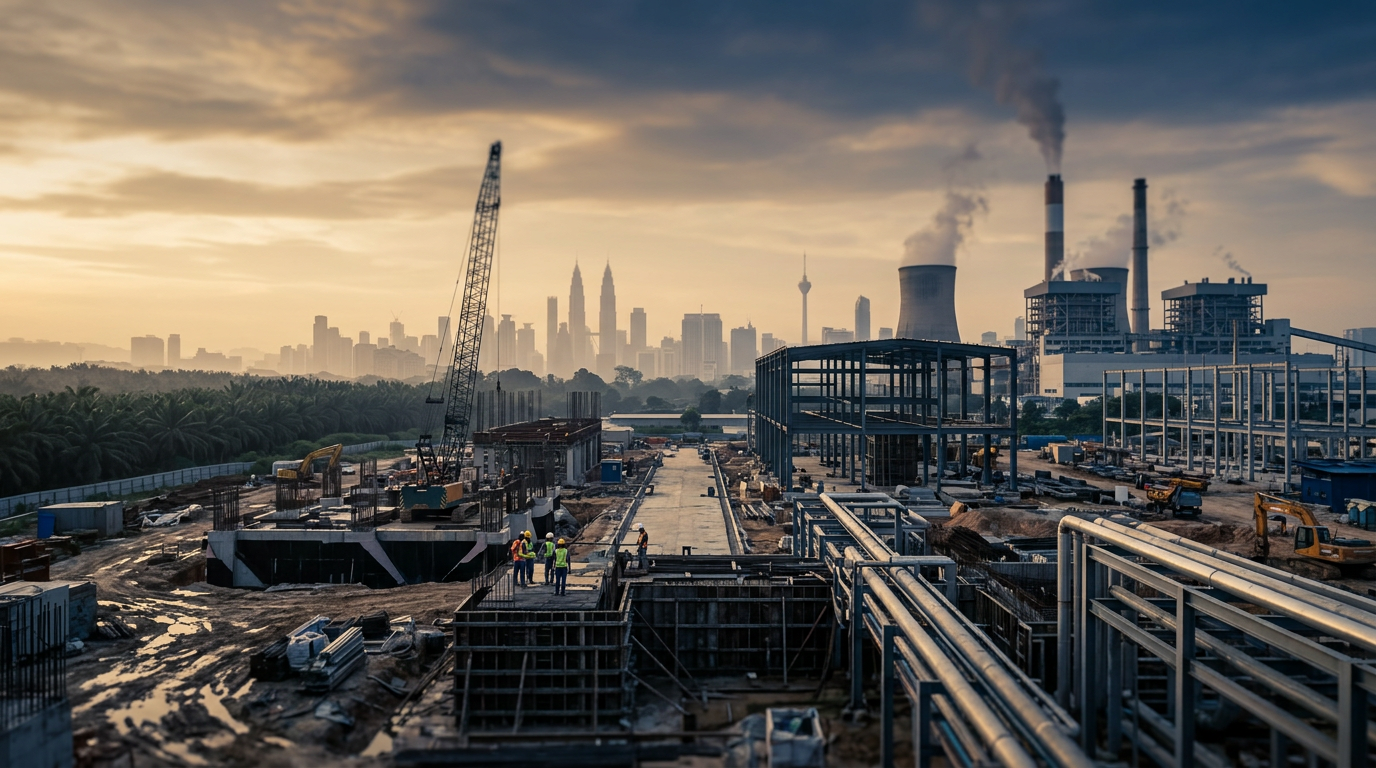
A recent ESG Symposium urged ASEAN to prioritize an inclusive green transition to boost industrial competitiveness and investment, as reported by the Bangkok Post. The meeting focused on aligning environmental, social, and governance (ESG) goals with economic resilience. While such high-level commitments are welcome, their success will depend on the less glamorous work of institutional reform and execution on the ground.
Institutions and Investable Depth
The symposium's goals-industrial competitiveness and sustainable investment-are central to the ASEAN narrative. However, as the book "ASEAN Rising" notes, scale and ambition are not enough. The ability of a nation or a region to attract and absorb capital depends on its institutional capacity. For the green transition, this means creating a stable, predictable environment for long-term investment in new technologies and infrastructure. Pledges made at symposiums are important for signaling intent, but they do not automatically create what the book calls "investable depth." This depth is built through clear regulations, reliable legal frameworks, and transparent governance that give investors the confidence to commit capital for the long term.
Execution is Everything
Translating ESG ambitions into industrial reality is a matter of execution. The path from a foreign direct investment announcement to an operational factory or renewable energy plant is fraught with potential friction. As one analysis of Indonesia's development points out, "Realised flows depend on the slower work of land, permits, power and talent reaching the ground." The green transition will involve complex projects requiring exactly these elements. Securing land for solar farms, obtaining permits for new industrial processes, ensuring a stable supply of green energy, and developing a workforce with relevant skills are all necessary steps. Without effective and efficient execution in these areas, even the most ambitious green targets will remain aspirational.
Capital and Talent
Attracting the immense capital required for a green transition demands more than just favorable policies. Investors in green technology and sustainable infrastructure are sophisticated. They look for markets where the stated goals of policymakers are matched by the capacity of the bureaucracy and the availability of skilled labor. A focus on an "inclusive" transition, as mentioned at the symposium, is therefore not just a social goal but an economic necessity. Inclusivity implies developing local talent and ensuring that the benefits of new industries are broadly shared. This creates a stable operating environment and a deeper pool of human capital, which are as attractive to investors as any tax incentive. A region that successfully aligns its educational and vocational training systems with its green industrial ambitions will be best positioned to attract and retain high-value investment.
What to watch
Moving forward, the key indicator of progress will not be the number of ESG-related conferences or the ambition of national pledges. Instead, observers should watch for concrete changes in administrative efficiency, such as streamlined permitting for renewable energy projects, and for evidence of public and private investment in vocational training for green jobs. The success of ASEAN's green transition will be measured by the steady accumulation of such small, practical victories on the ground.