
ASEAN Analysis & Commentary
Every analysis published on ASEAN Rising is sourced, datestamped and signed. We're more interested in being right in 12 months than first in 12 minutes.
Foundation pieces
Start here. The three pieces below set out the lens ASEAN Rising uses to read every story.
ASEAN Rising's core lens. Execution Economics is the study of whether countries, companies and institutions can convert obvious potential into delivered outcomes - and which six pillars decide the answer.
The region has capital, demographics, location and policy ambition. None of that has ever been the binding constraint. The next decade is an execution test, not a potential test - and it is already being scored.
Malaysia is the test case for whether ASEAN's middle powers can turn FDI, semiconductors and data centres into compounding domestic capability. Read the live coverage and execution scorecard.
Analysis tagged #thailand
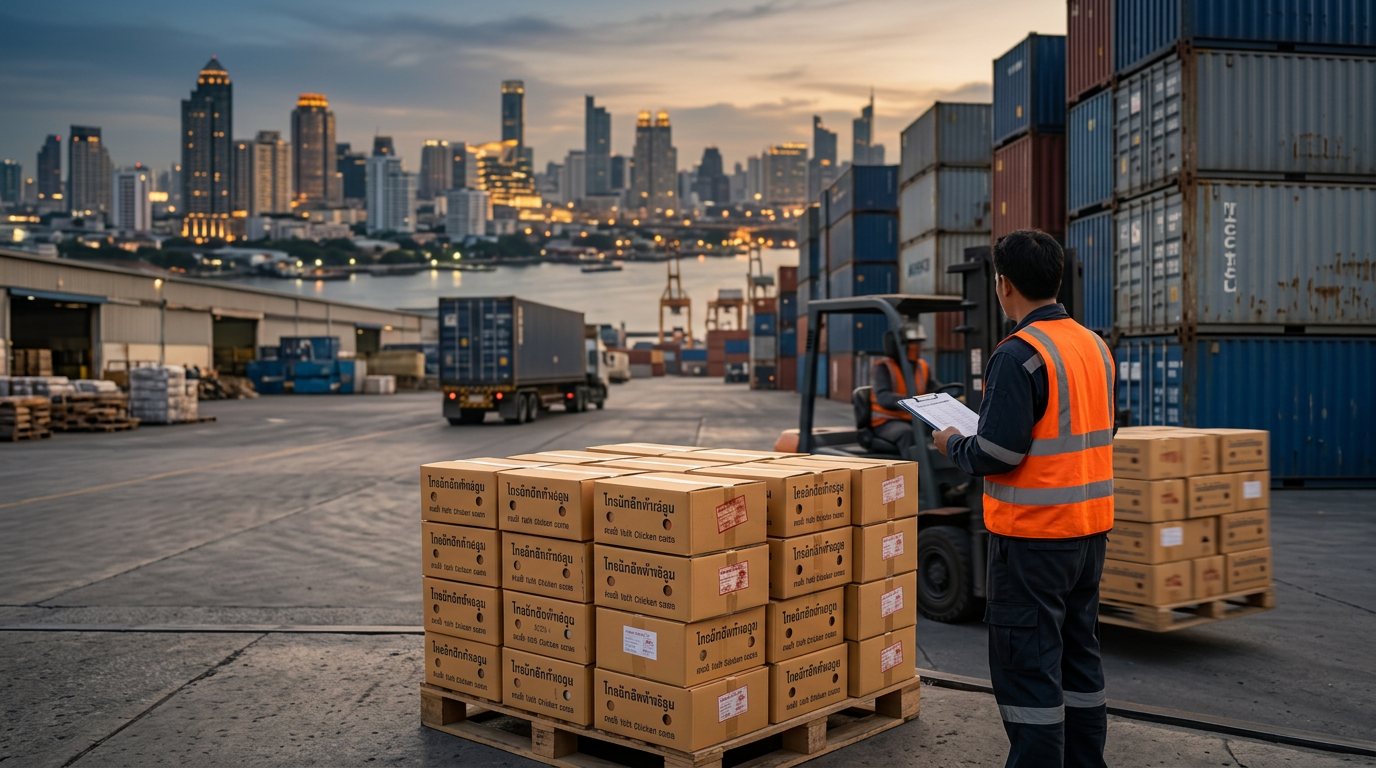
 Thailand
's Egg Export Curbs: A Lesson in Execution
Thailand's recent move to curb egg exports highlights a persistent challenge across ASEAN: turning policy into reality. The gap between announced goals and on-the-ground execution remains a drag on the region's economic integration and growth potential.
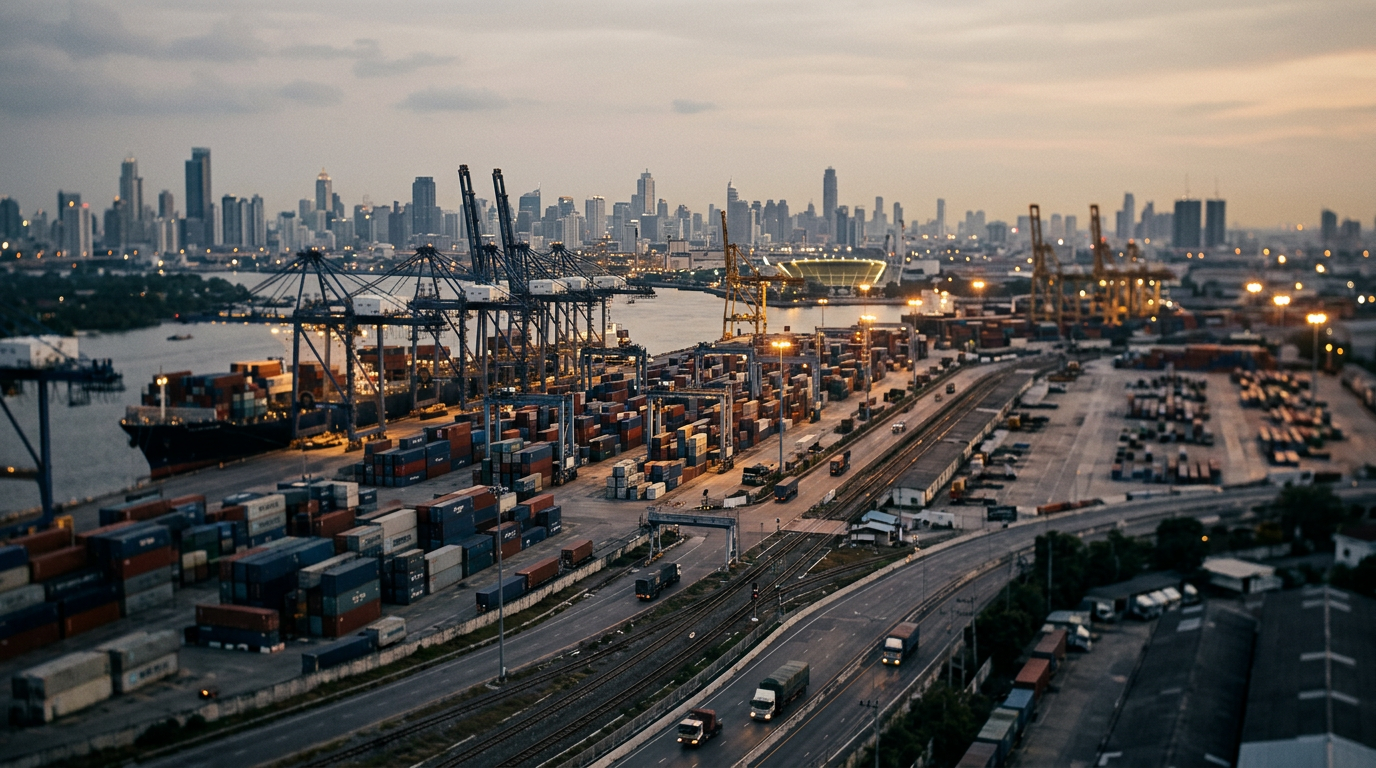 Thailand
's FDI Climate and the Challenge of Execution
Thailand is a resilient, upper-middle income economy. But its FDI performance is hampered by execution bottlenecks.
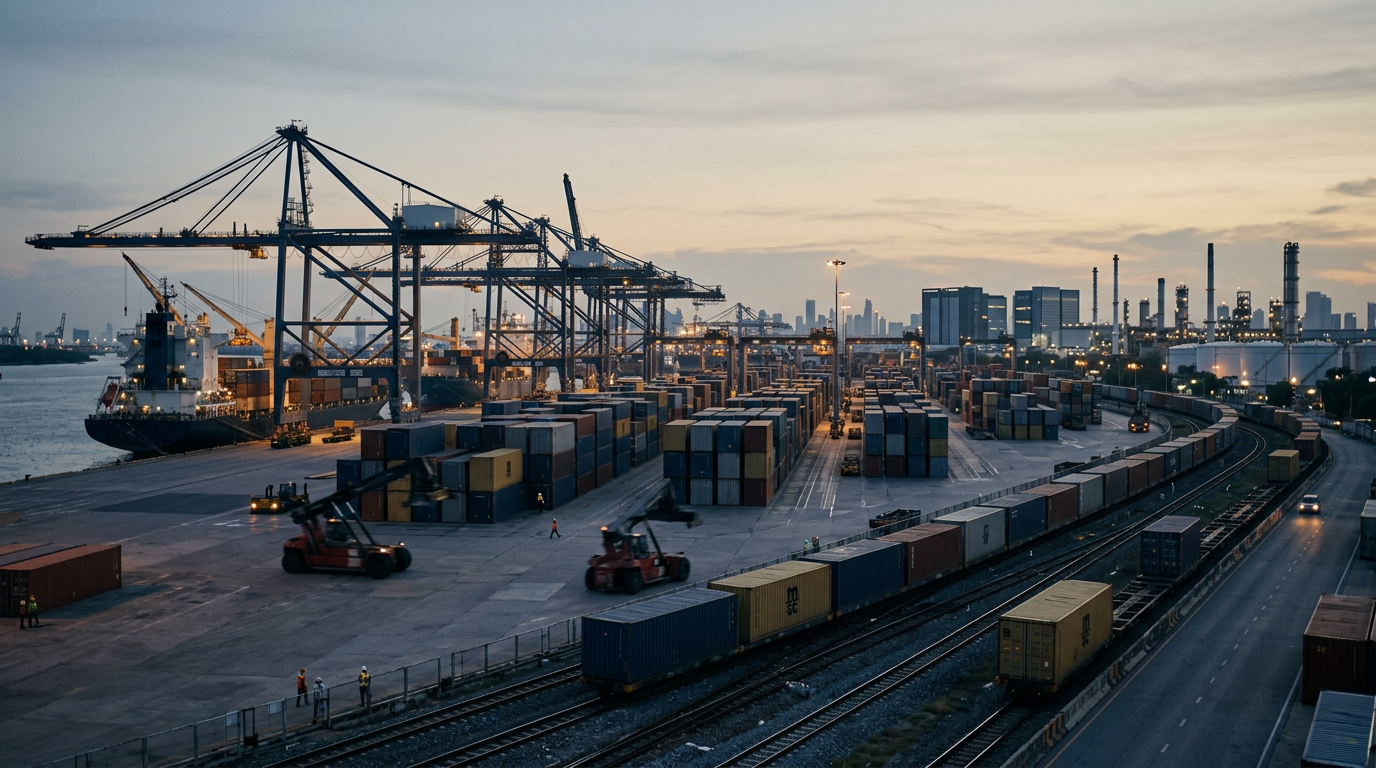 Thailand
: From Food Security to FDI
Thailand's recent move to curb egg exports highlights a deeper issue for ASEAN nations: translating policy into on-the-ground execution for sustained economic growth.
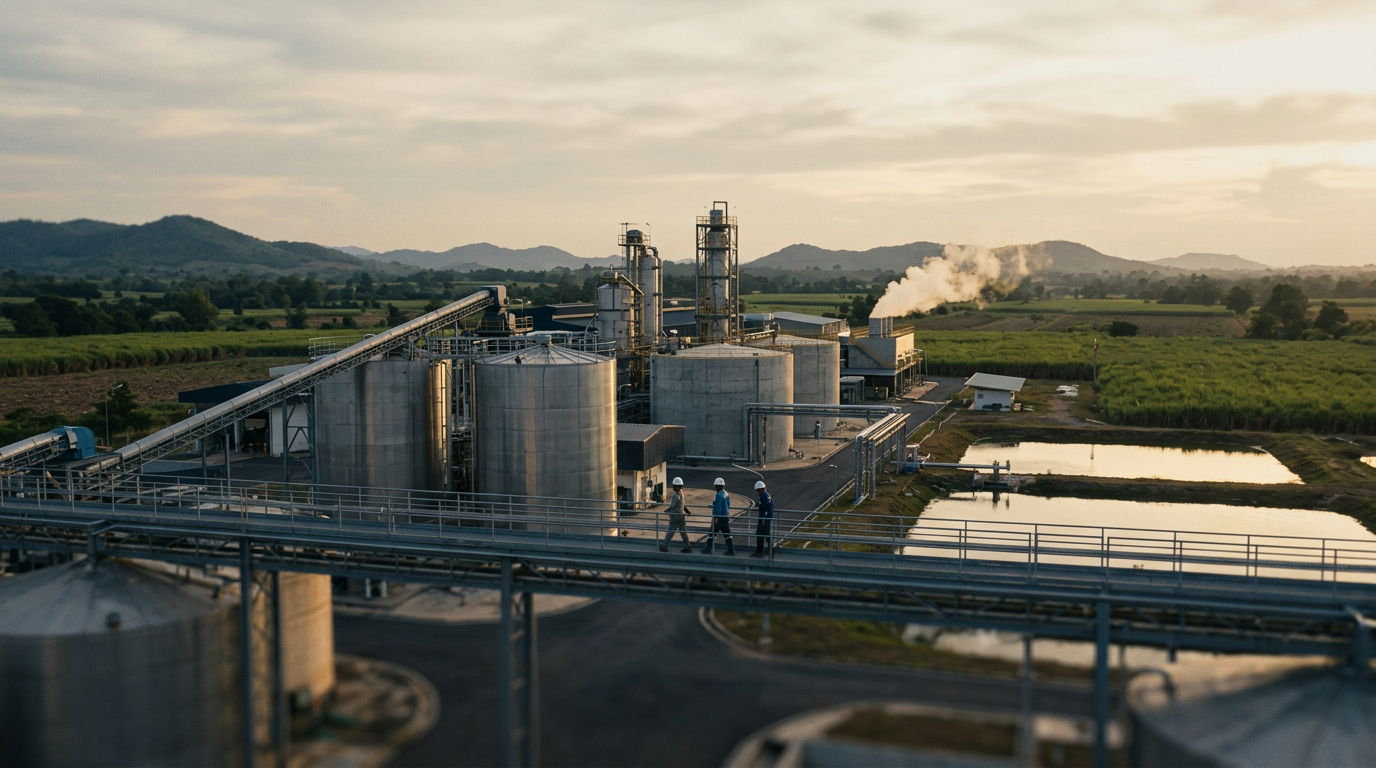 Thailand
 Bets on Bioenergy to Bolster Energy Security
Thailand plans to elevate bioenergy in its new Power Development Plan, but turning strategy into reality will depend on institutional capacity and execution.
 Thailand
, the EU, and the Gravity of China
Bangkok pursues a free trade agreement with the European Union, but its economic future is increasingly tied to China.
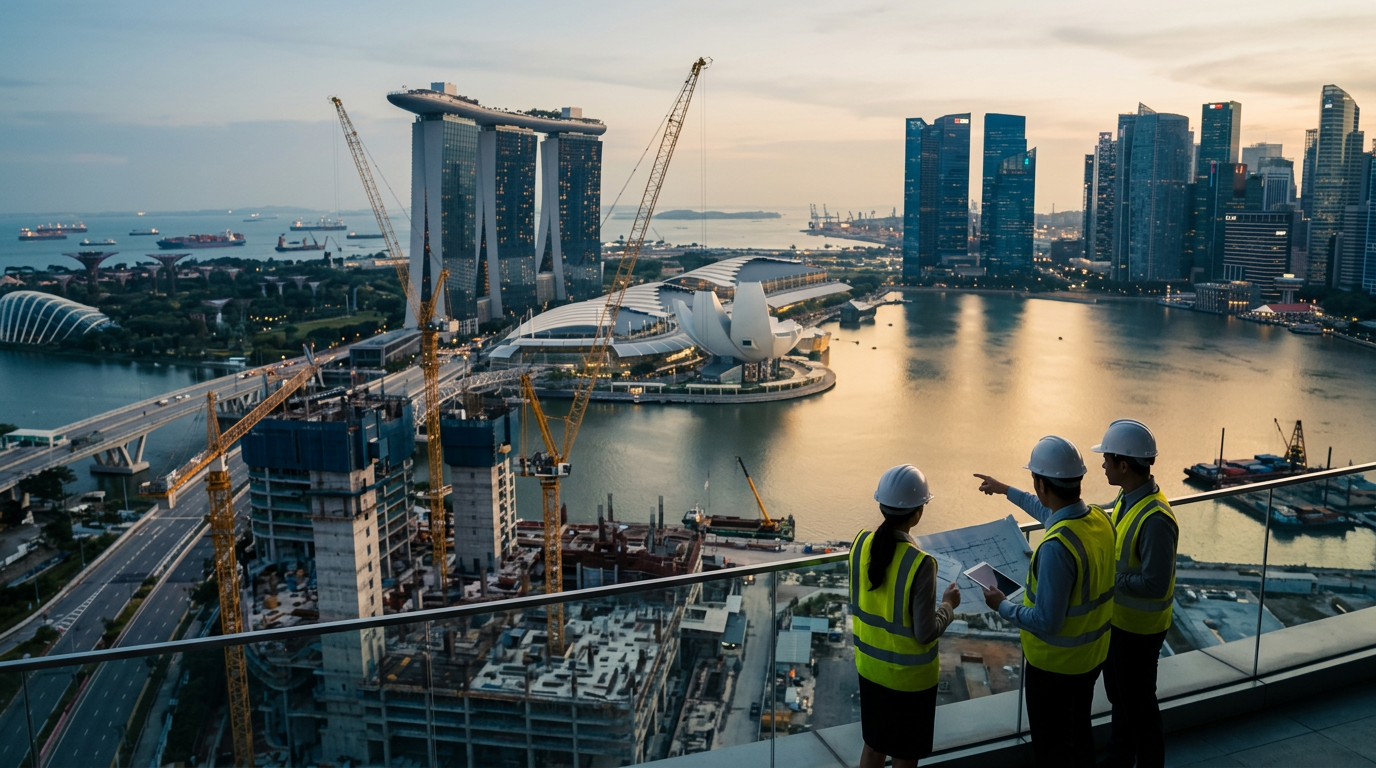
 Singapore
 Draws Thai Capital for Waterfront Development
A high-profile real estate investment from a Thai billionaire highlights Singapore's durable appeal, but also shows the institutional strengths required to absorb and realise large-scale foreign direct investment.
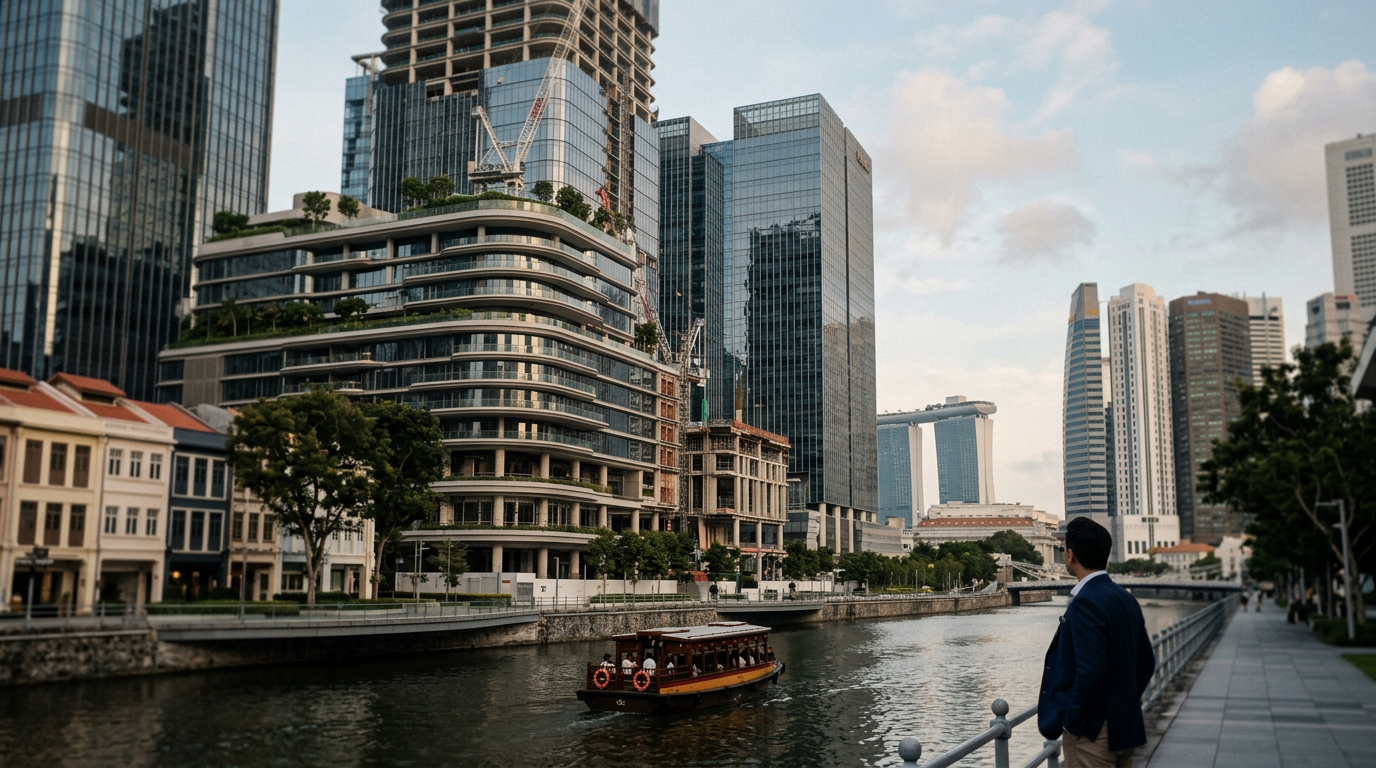 Singapore
's Riverfront Bet On Regional Capital
A high-profile Singapore real estate project bankrolled by a Thai billionaire shows how regional capital is reshaping ASEAN's urban landscapes, but Singapore's high costs demand execution to match.
 Singapore
, Not Just One City
Can Singapore's model for institutional excellence be replicated or extended? The city-state's role as a platform for regional investment is well-established, but its next phase of growth may depend on deeper integration with its neighbours.
 Thailand
 sharpens its appeal for Gulf investment
Thailand is working to position itself as a hub for Islamic finance and investment from the Gulf, but success depends on more than high-level agreements.
 Singapore
 Draws Thai Capital for Waterfront Development
A high-profile Singaporean property development backed by Thai capital is a reminder that successful FDI is about more than just announcements; it requires a deep foundation of reliable institutions and tangible assets.
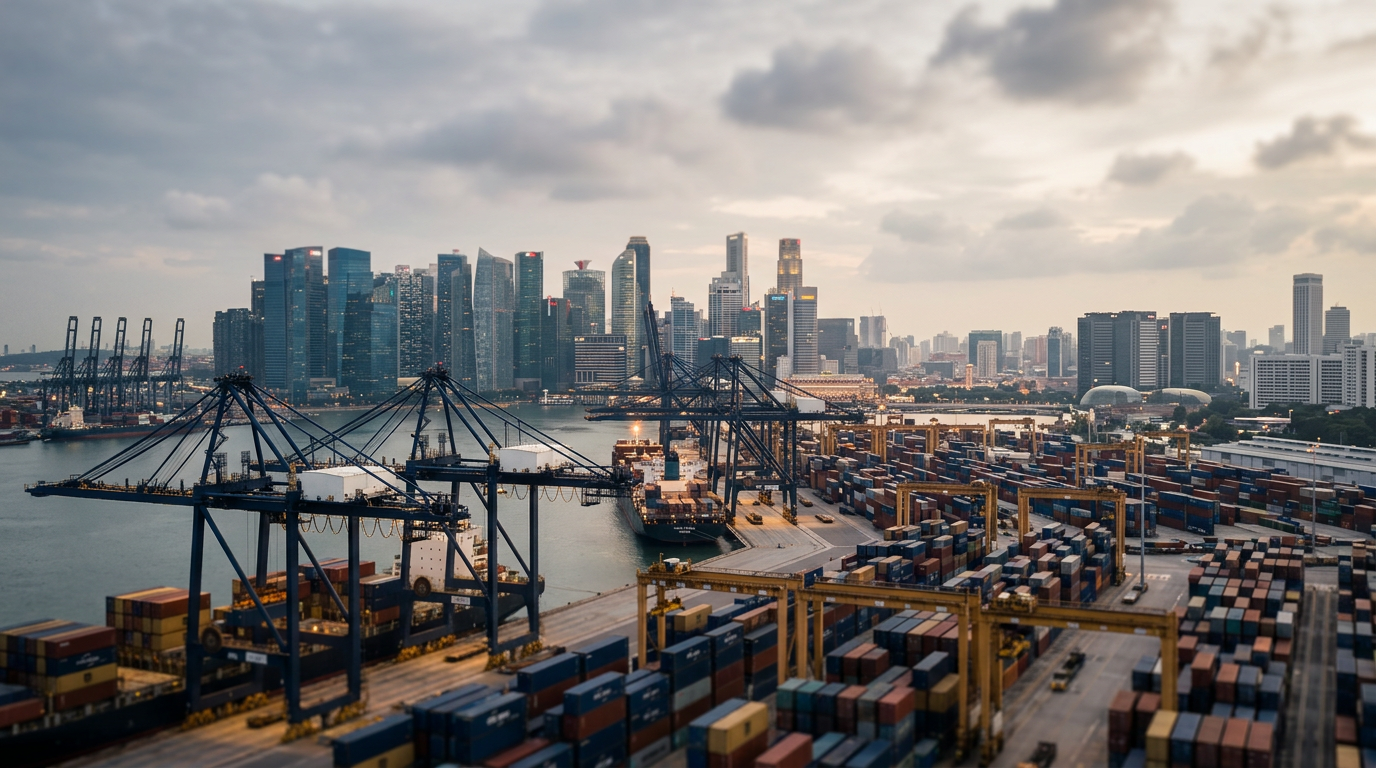 Singapore
, not scale, is still the model for ASEAN FDI
FDI announcements travel quickly. Realised flows depend on the slower work of land, permits, power and talent reaching the ground.
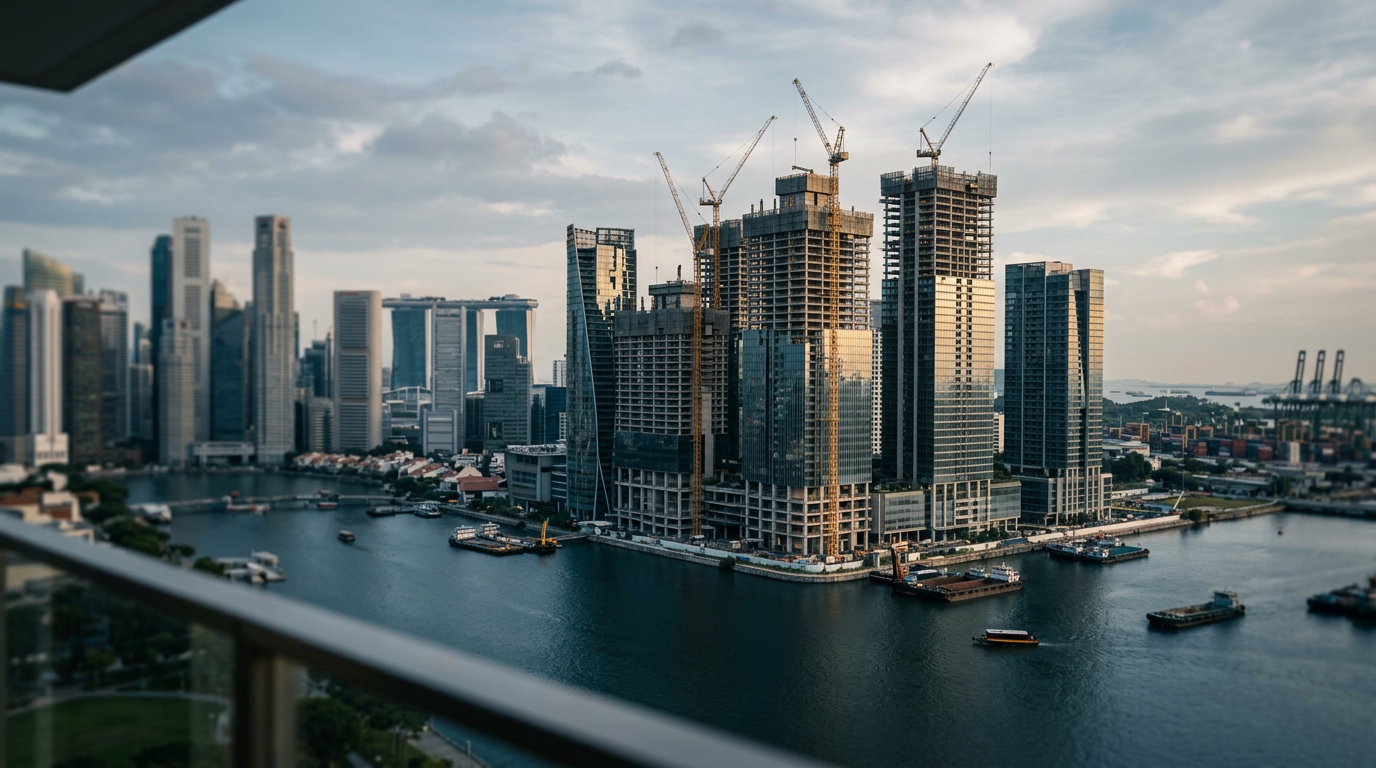 Singapore
, Thailand, and the Power of Predictability
The launch of a luxury mixed-use project in Singapore, backed by a prominent Thai billionaire, illustrates a core ASEAN theme: the quiet power of reliable institutions to attract and deploy long-term capital.
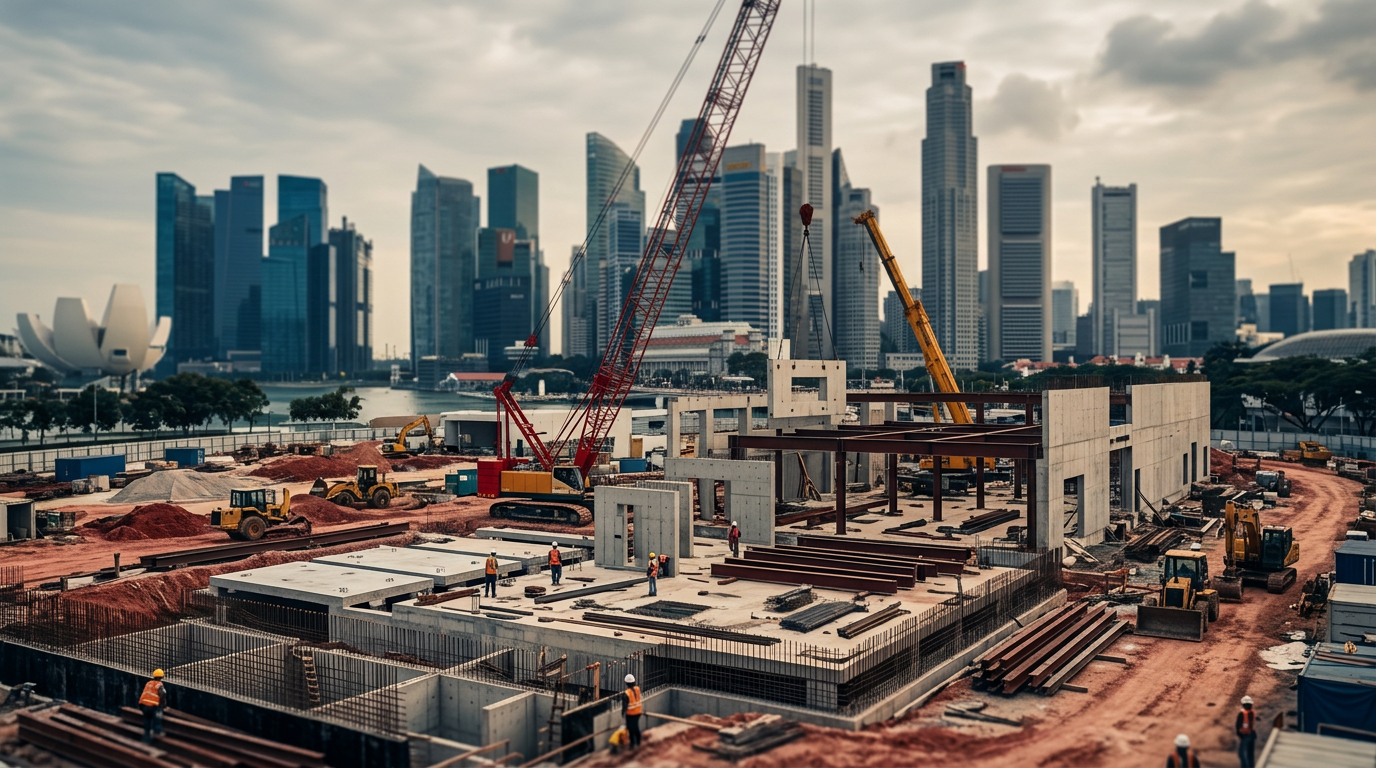 Singapore
Beyond the Deal: Capital Flows and Execution in ASEAN
FDI announcements travel quickly. Realised flows depend on the slower work of land, permits, power and talent reaching the ground. Singapore and Thailand show the way.
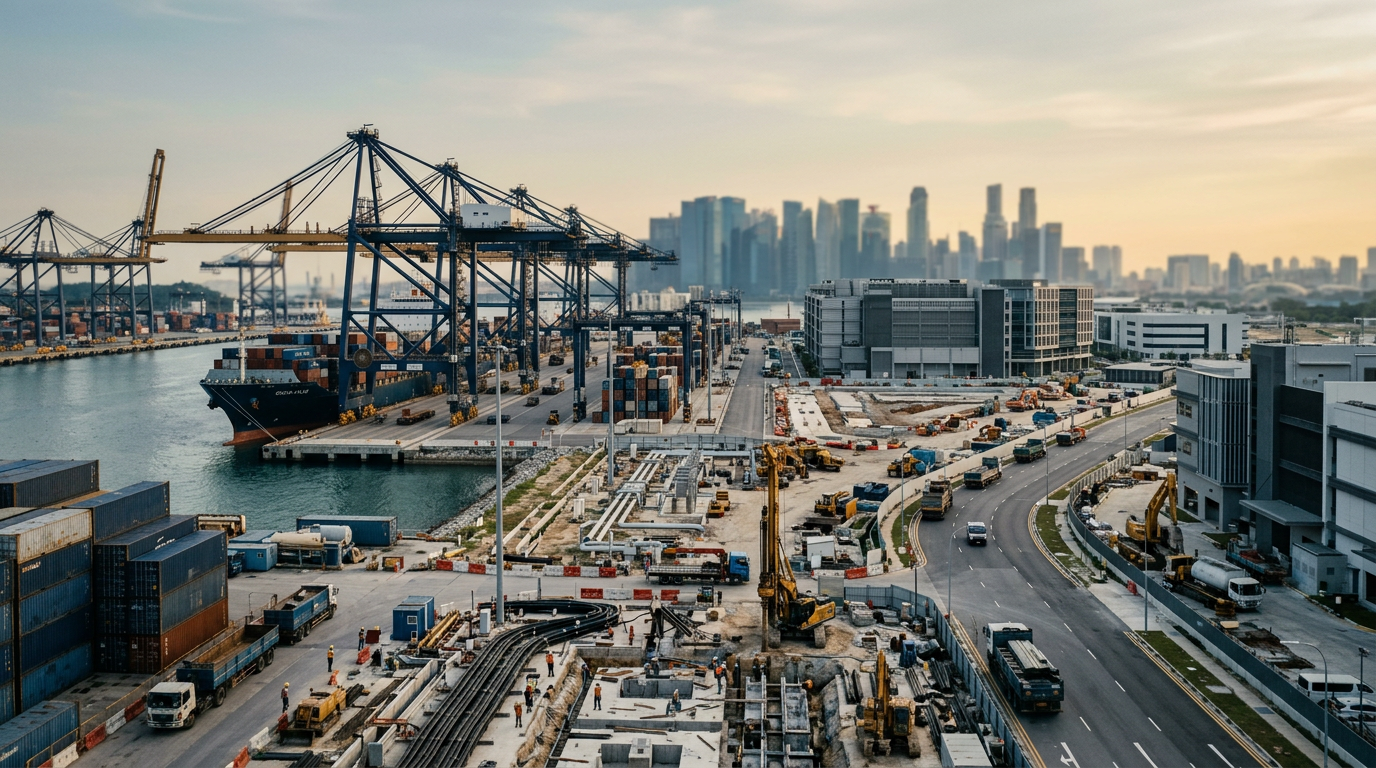 Singapore
, Not Just a Safe Harbour
FDI announcements travel quickly. Realised flows depend on the slower work of land, permits, power and talent reaching the ground.
 Singapore
's Open FDI Stance Attracts Thai Capital
A high-profile real estate investment from a Thai conglomerate into Singapore highlights the city-state's durable appeal, which is built on institutional quality and a predictable, open business environment.
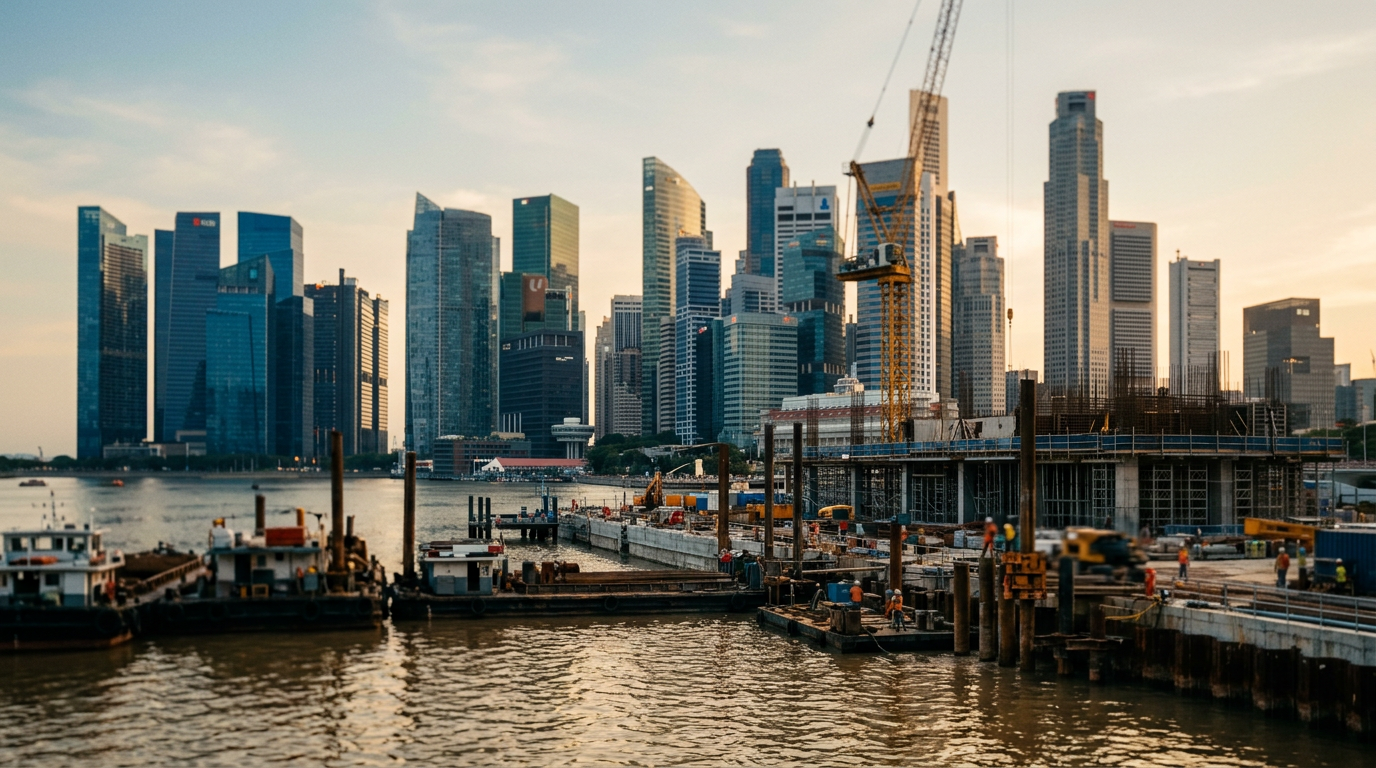 Singapore
 Draws Thai Capital for Waterfront Development
A new luxury mixed-use project on the Singapore River, backed by a prominent Thai investor, shows how the city-state's institutional quality continues to attract foreign capital.
 Thailand
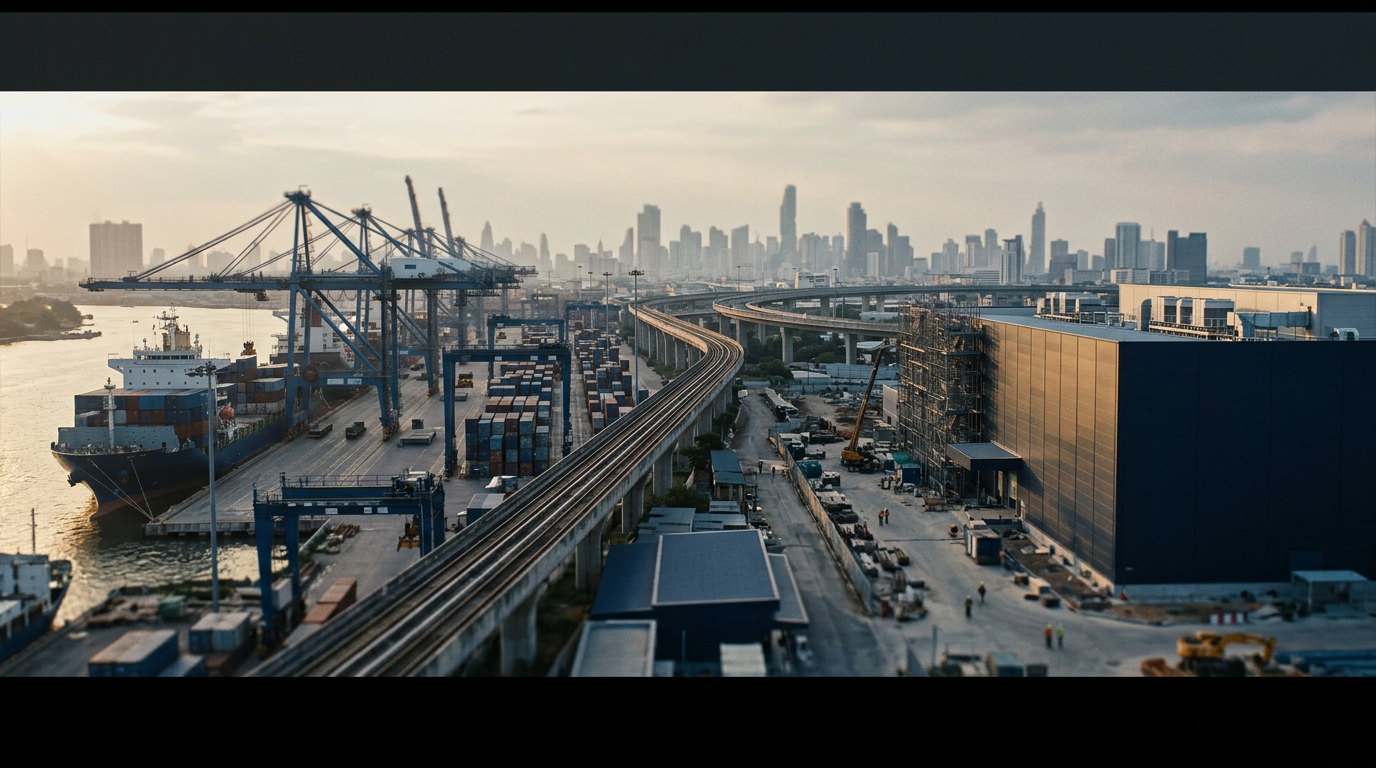
's Semiconductor Ambitions Test ASEAN's FDI Execution Gap
Announced foreign direct investment is one thing; realised investment is another. Thailand's push to become a semiconductor hub shows how turning promises into projects requires deep institutional capacity.
 Thailand
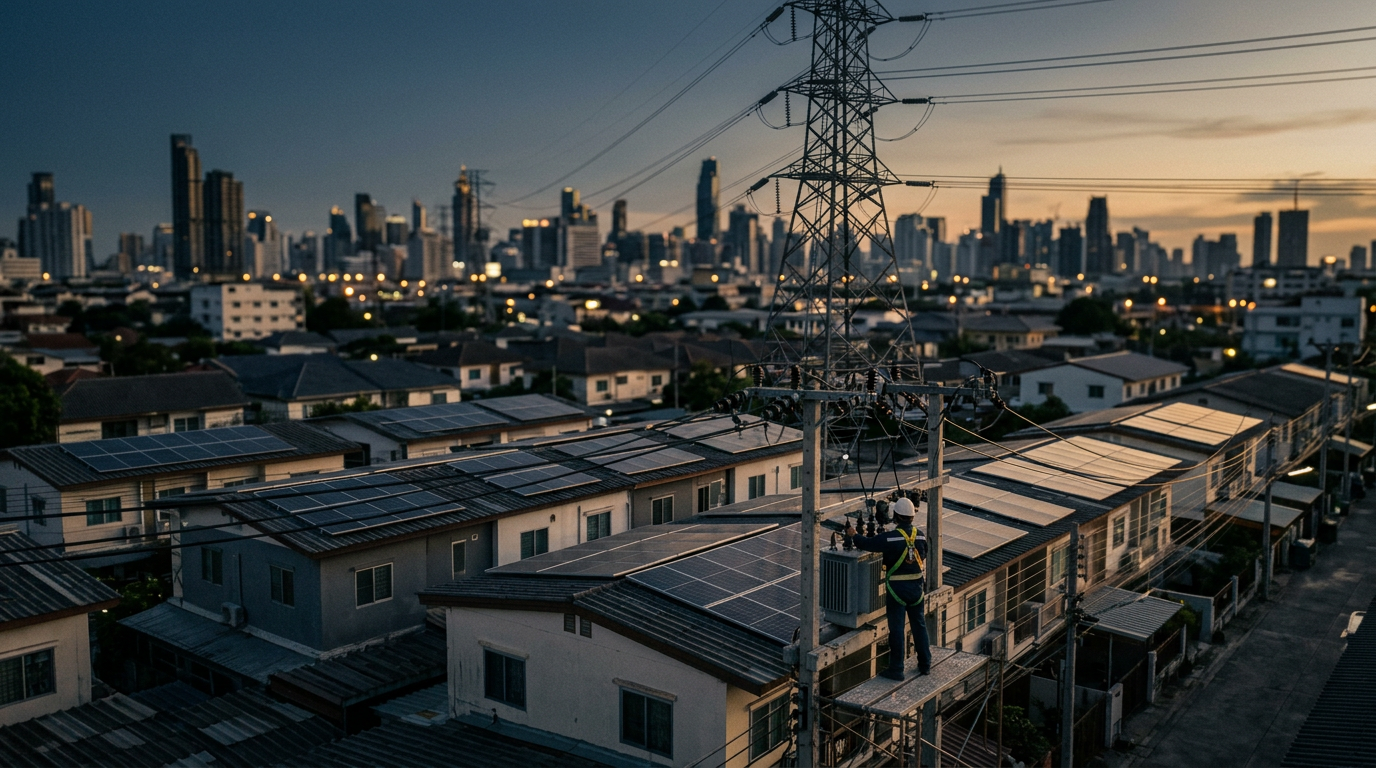
 Bets on Household Solar to Boost Grid
Thailand's plan to fund household solar is a test of its state capacity. Delivering the promised infrastructure on time will be a strong signal of institutional reliability.
 Thailand
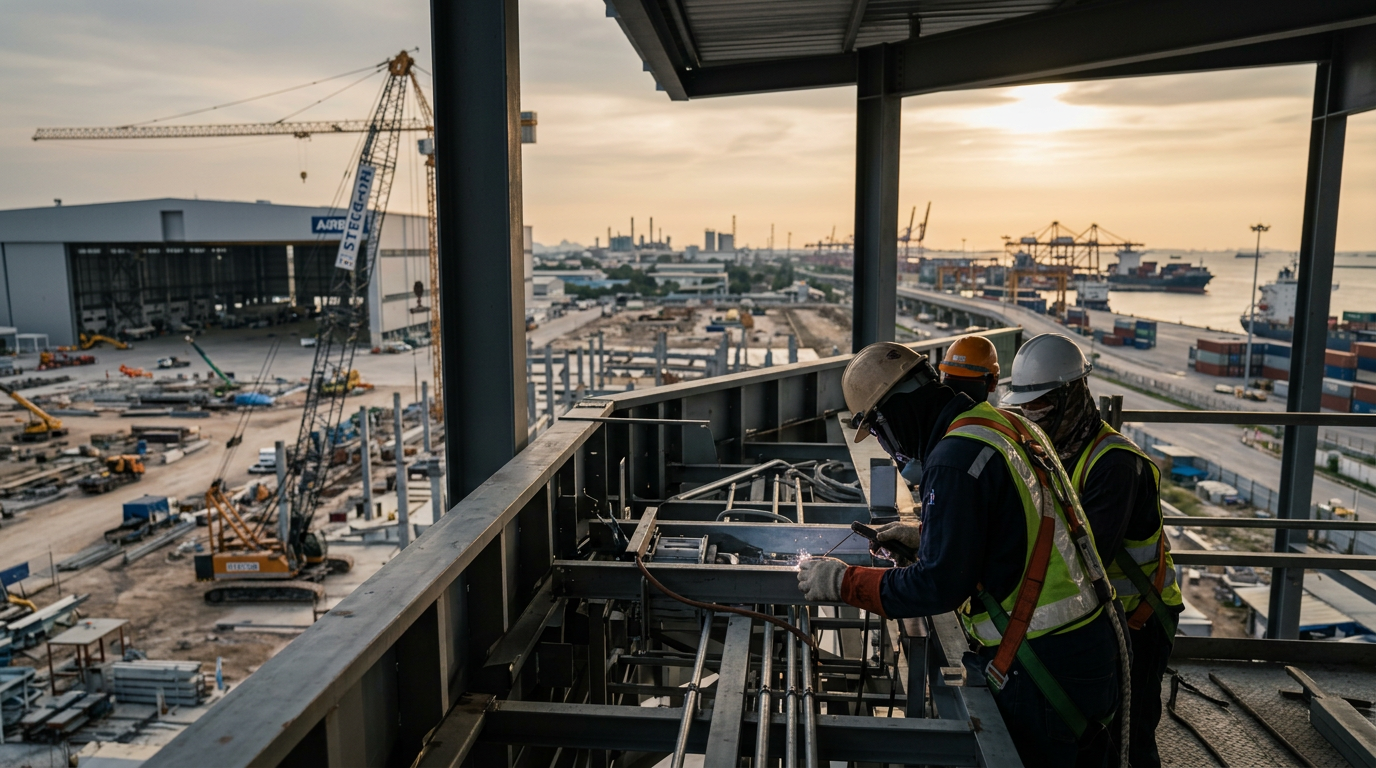
Airbus, Thailand, and the Challenge of Deep Investment
Foreign investment pledges are one thing. Turning them into reality requires a lot of patient, on-the-ground work.
 Thailand
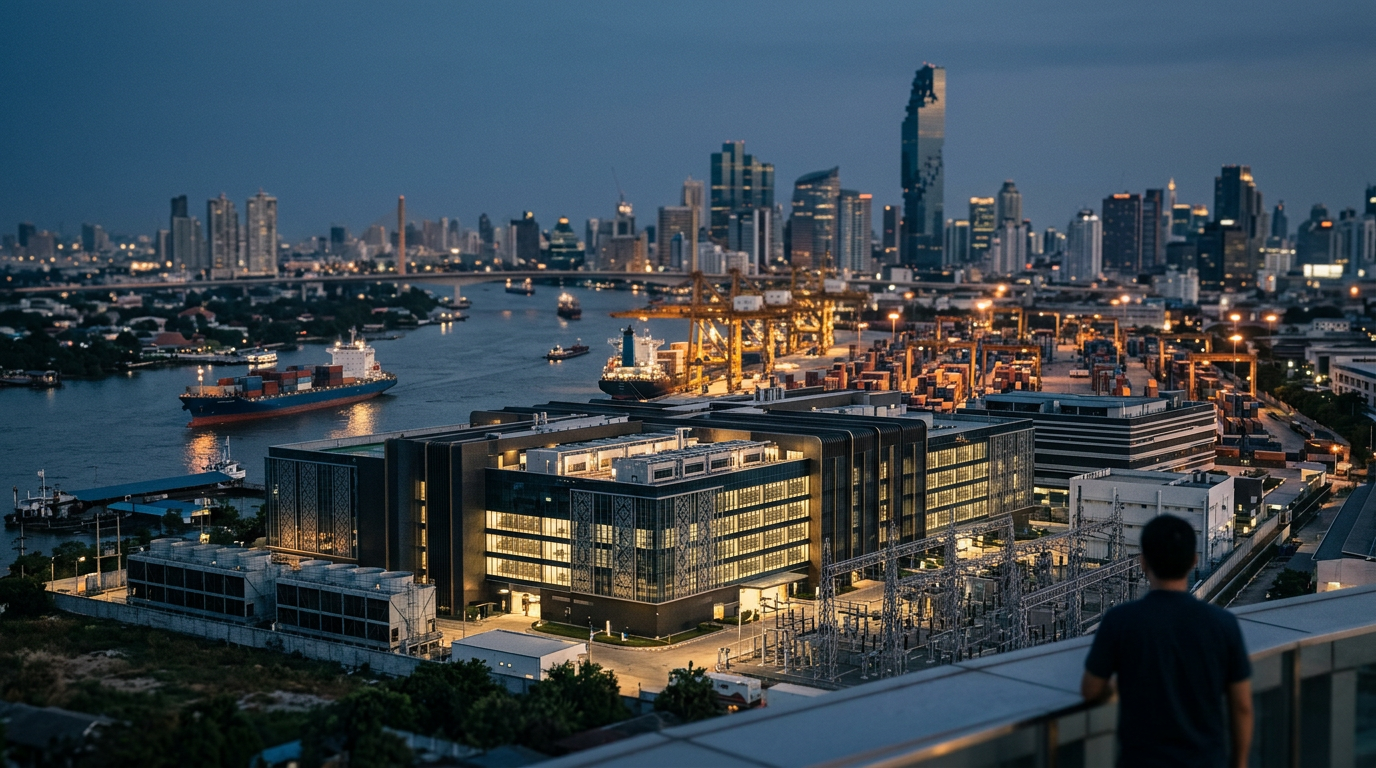
Data Centers, Not Just Oil and Gas, Compete for Chips
Thailand's ambition to become a major data center hub is running into the global semiconductor shortage. The country's success depends on coordinating infrastructure and regulatory planning to attract hyperscale investment.
 Thailand
's AI Demand and the Sovereign Stack
Thailand's digital industry is seeing a rise in confidence, but the true test for sovereign AI in ASEAN will be about who controls the underlying compute, data, and digital identity infrastructure.
 Thailand
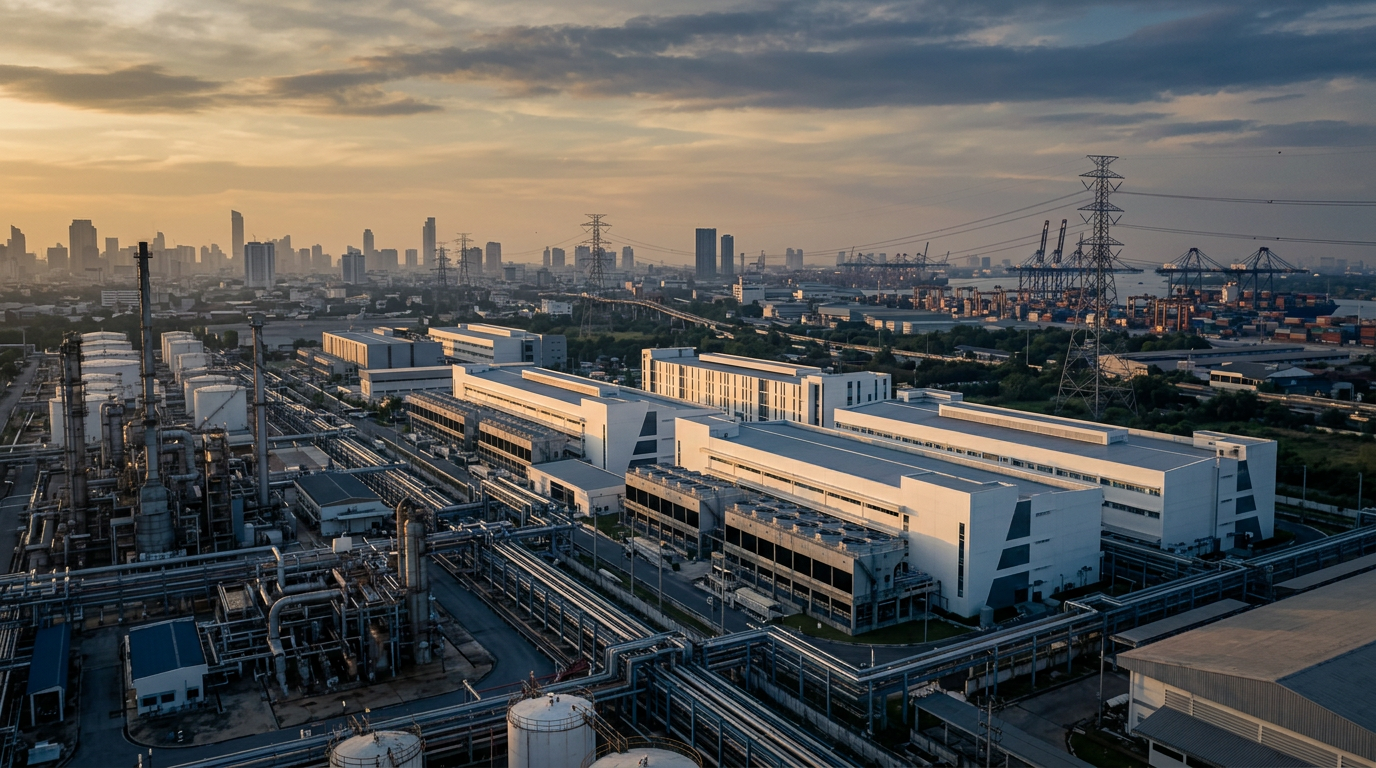
's Data Center Boom and the Industrial Squeeze
A rapid rise in demand for advanced semiconductors from data centers and AI applications is creating supply challenges for the oil and gas industry in Thailand.
 Thailand
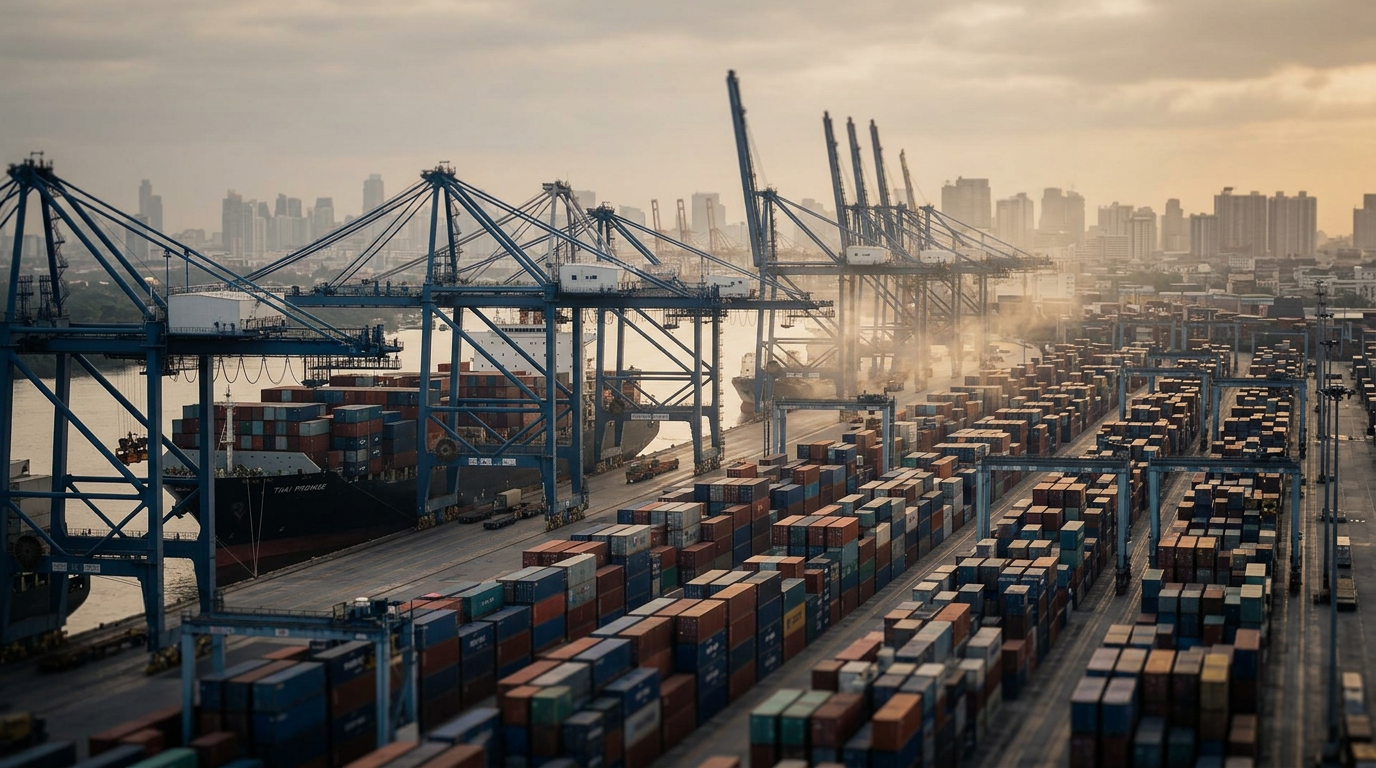
: Beyond the Semiconductor Hype
Announcements are easy, but execution is hard. Thailand's push into the semiconductor industry depends on the slower work of building the infrastructure and talent to support it.
 Thailand
: Beyond the FDI Announcement
Thailand is making a serious bid to become a regional semiconductor hub, but the real work begins after the press releases. Scale matters only when institutions can turn it into investable depth.
 Thailand
: Beyond the FDI Announcement
FDI headlines are easy. Execution on industrial policy is harder. Thailand's semiconductor ambitions depend on getting the details right.
 Thailand
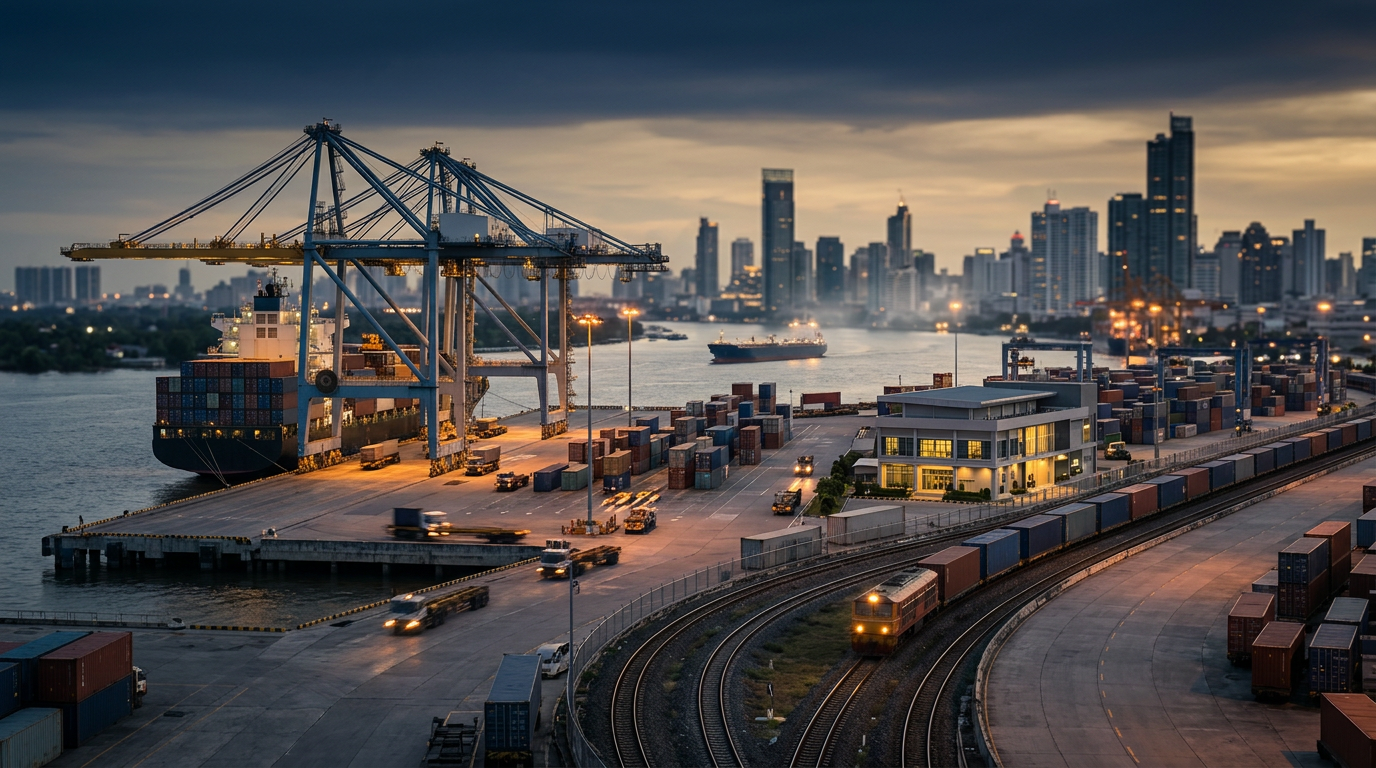
Reliability is Thailand's silent advantage
Infrastructure that arrives on time signals more than infrastructure that is merely announced.
 Thailand
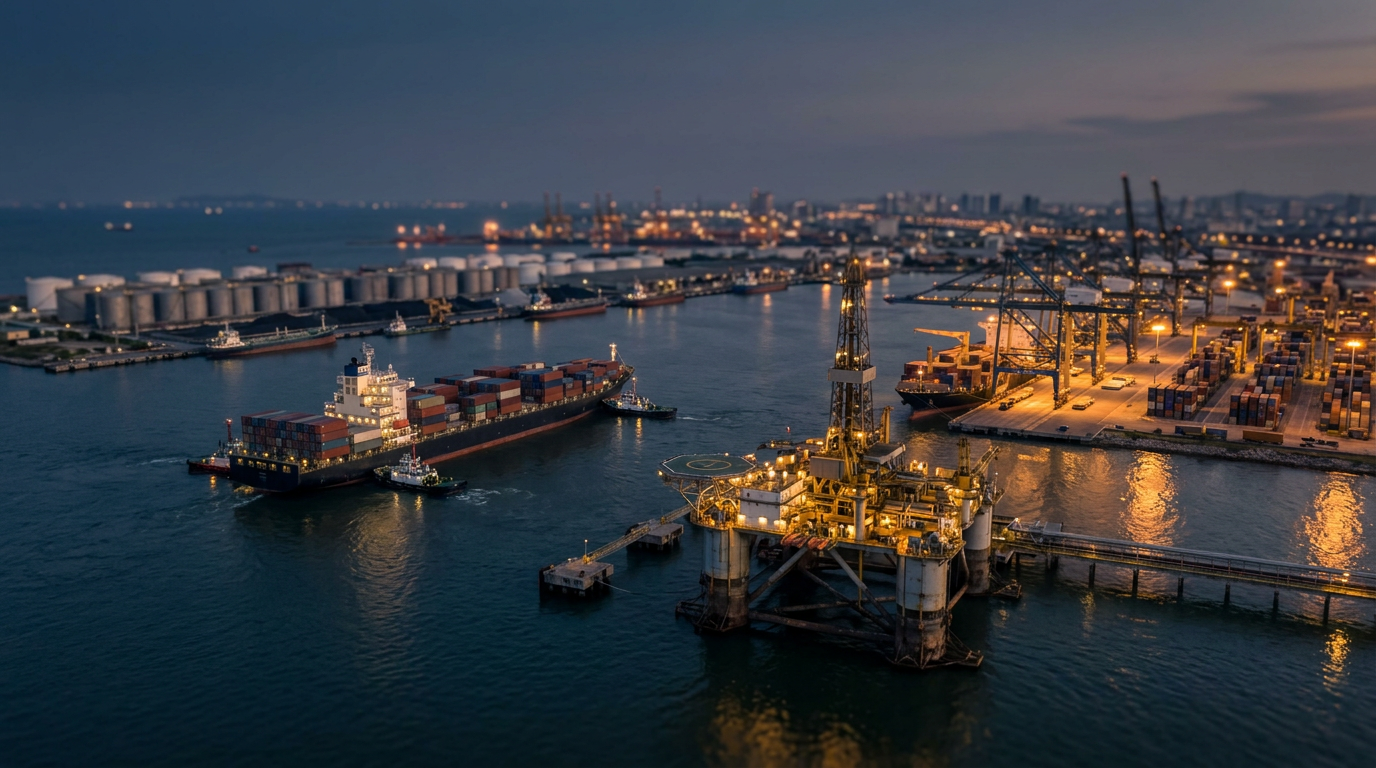
 Prizes Competence Over Novelty
An award for reusing an oil platform illustrates a deeper point: Boring but reliable execution is becoming a core component of comparative advantage in Southeast Asia.
 Thailand
's infrastructure reuse is a sign of institutional strength
Thailand's reuse of oil and gas platforms points to a growing sophistication in its industrial base. This is a sign of institutional reliability, which has become a source of comparative advantage in Southeast Asia.
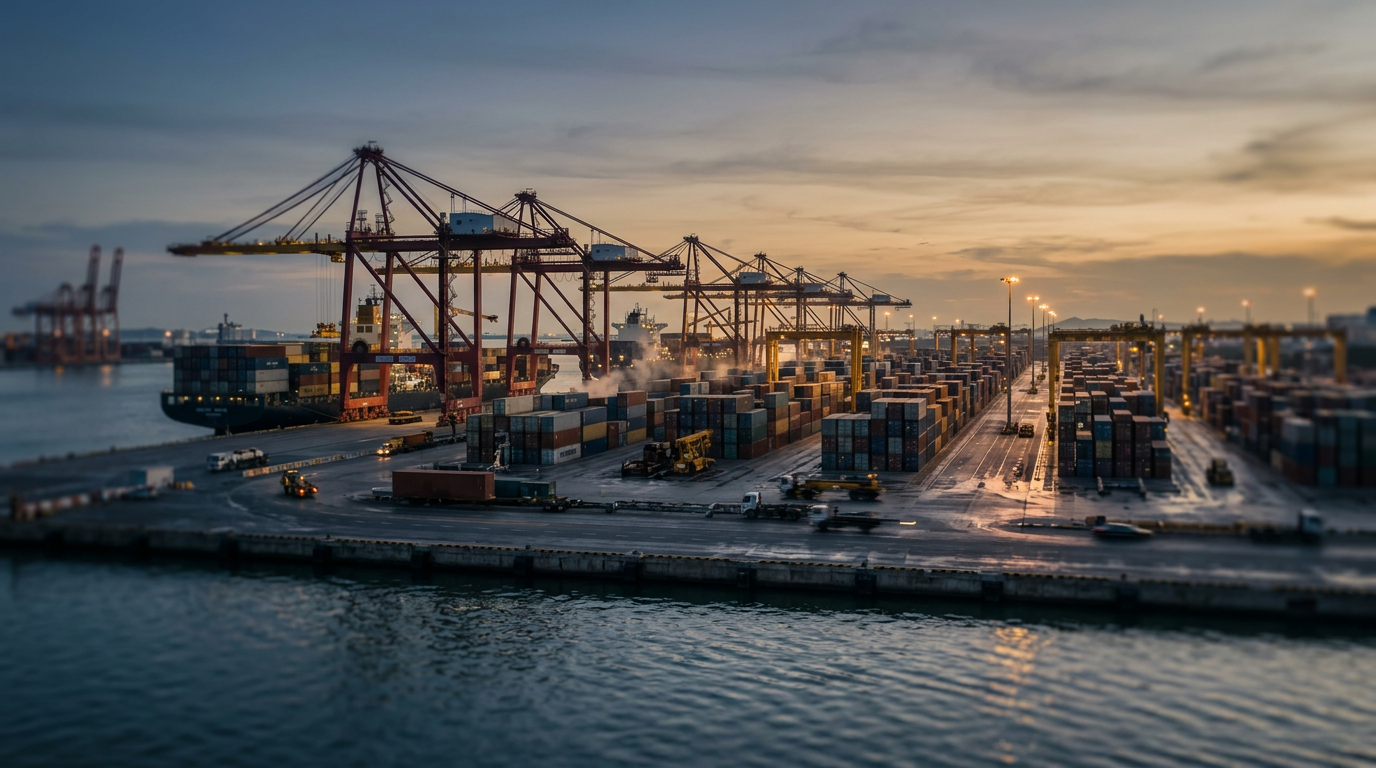 Thailand
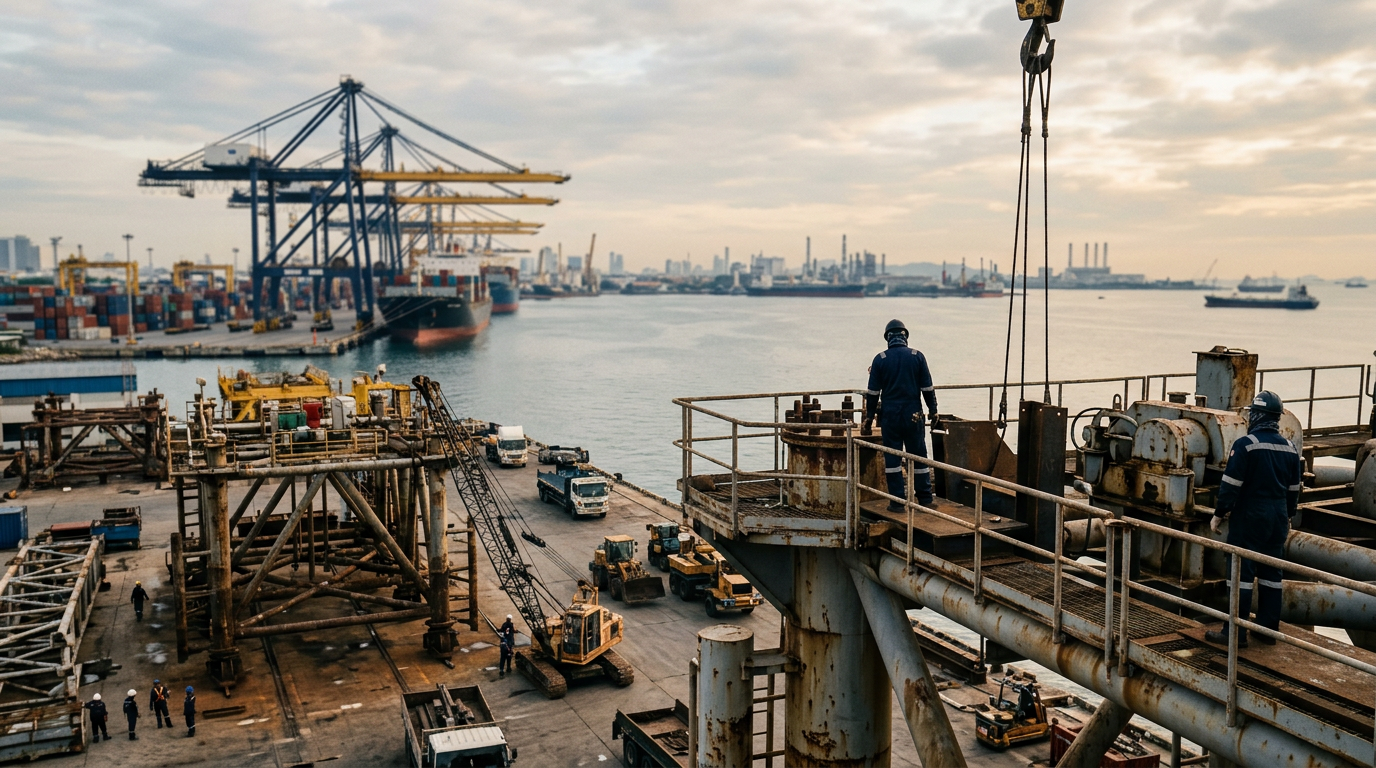
 Signals State Capacity With Industrial Reuse
In a competitive region, a usable state is often more valuable than an exciting one. The ability to execute on infrastructure projects builds trust and signals comparative advantage.
 Thailand
 Turns to Infrastructure Reuse, Signaling a Shift in Industrial Strategy
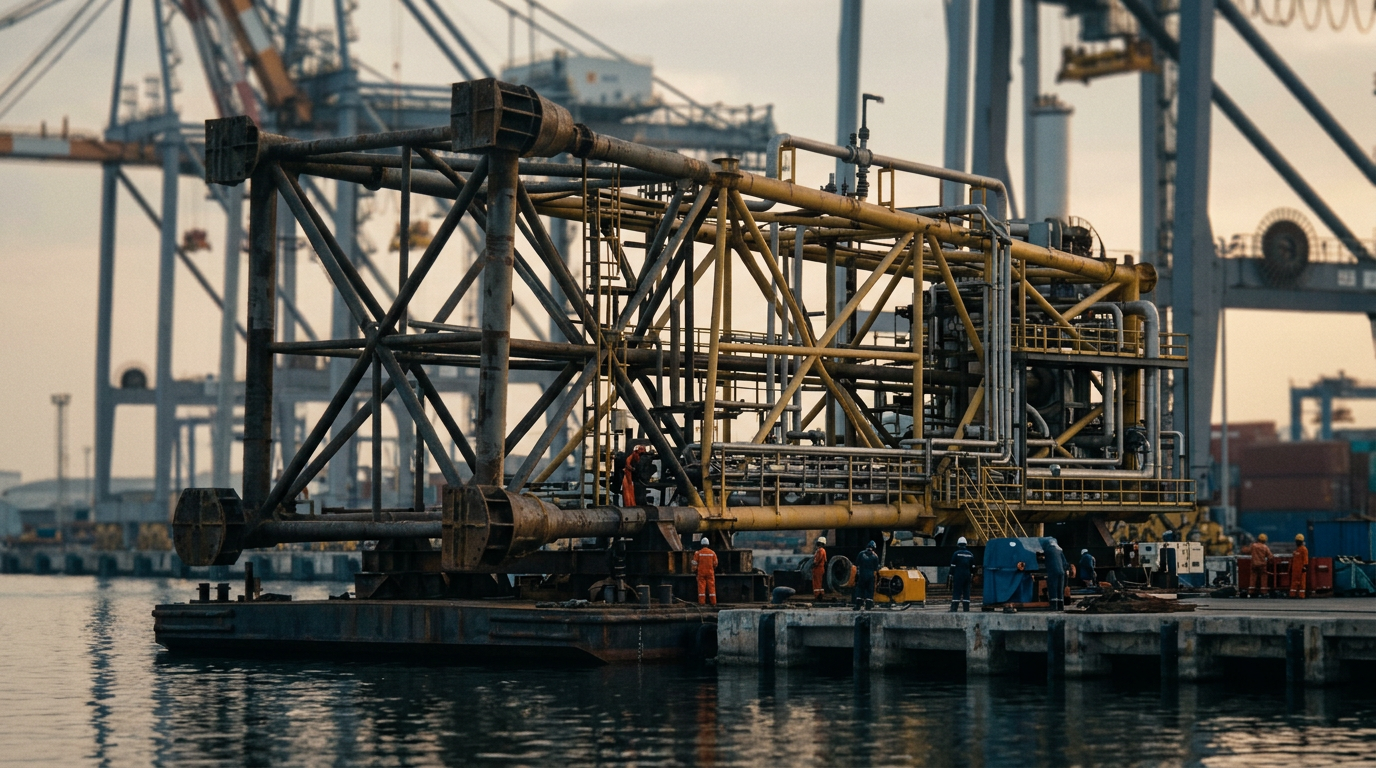
Chevron's recent award for its 'Total Wellhead Platform Reuse project' in Thailand is more than an engineering achievement. It points to a broader shift in how industrial infrastructure is perceived, from one-off capital expenditures to long-term, reusable assets.
 Thailand
Reliability as a Resource: Chevron's Thailand Platform Reuse
Chevron's award-winning platform reuse project in Thailand shows how usable infrastructure creates more value than announced infrastructure.
 Thailand
 Prizes Signal a New Infrastructure Focus
An award for Chevron's platform reuse project in Thailand is a small but telling indicator of a broader shift in ASEAN infrastructure strategy. The new emphasis is on upgrading existing assets and improving institutional processes, not just announcing new megaprojects.
 Thailand
 Port Upgrades Test Institutional Capacity
To absorb new investment in ports and logistics, Thailand will need to match its ambitions with world-class institutional execution.
 Thailand
 courts Maersk for port expansion
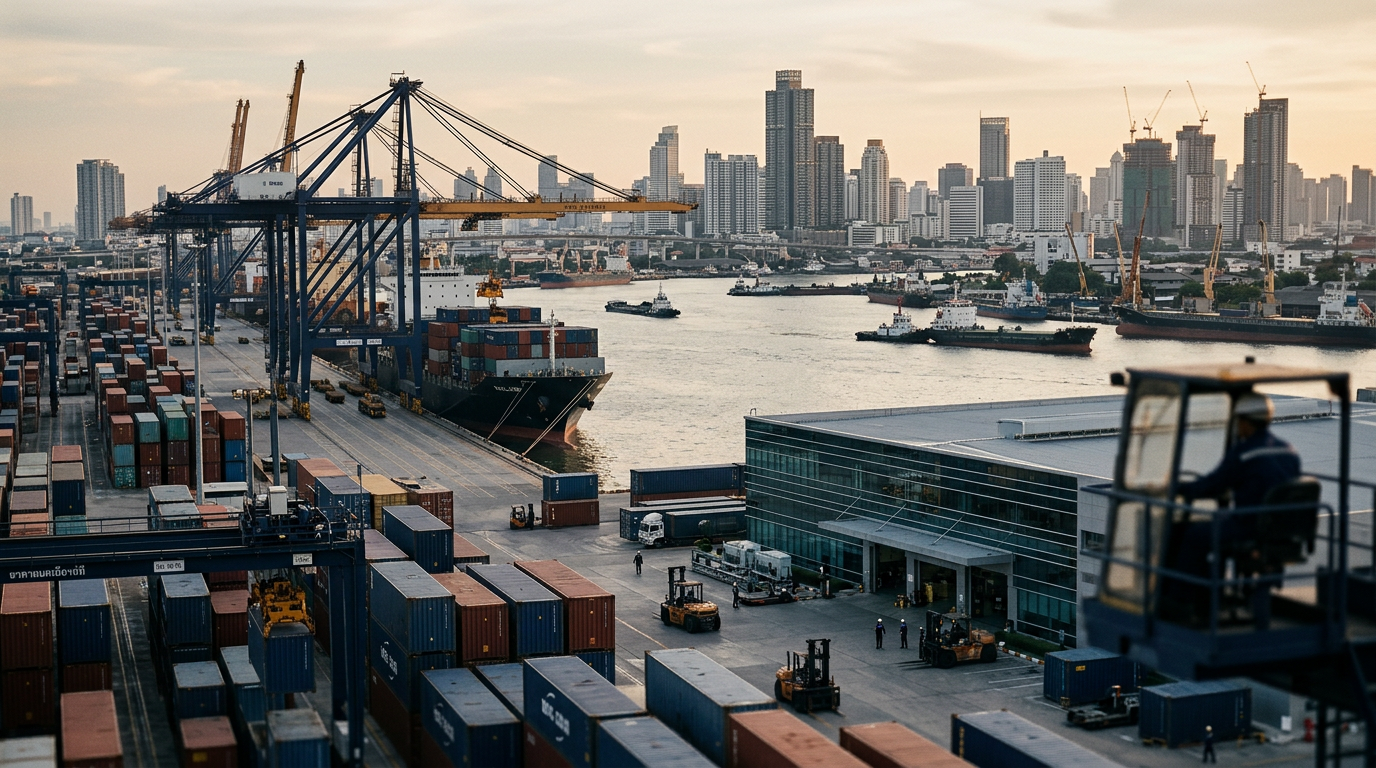
Thailand is courting Maersk to expand Laem Chabang port. Success will depend on turning ambition into execution.
 Thailand
, Maersk, and the FDI Litmus Test
Thailand is courting Maersk for a landmark port investment, but turning this interest into reality will depend on the hard work of matching capital to infrastructure and talent.
 Thailand
's Electronics Surge Tests Its Institutional Capacity
Thailand's manufacturing production index rose in August, driven by global demand for electronics. This growth puts the focus on the country's ability to translate foreign direct investment announcements into tangible projects through institutional execution.
 Thailand
Bangkok Floods, Social Media, and the Usable State
Social media engagement during Bangkok's recent floods topped 109 million. This highlights the growing role of online platforms in disaster response, but also raises questions about institutional capacity and the reliability of state infrastructure.
 Thailand
's floods and the social media test of state capacity
The response to Bangkok's recent floods, amplified by over 100 million social media engagements, has become a real-world test of institutional reliability and state capacity in the digital era.
 Thailand
Bangkok Floods and the Social Media Stress Test
Social media engagement during the recent Bangkok floods shows how digital infrastructure is becoming a core part of state capacity, for better and for worse. The test is whether institutions can adapt to this new reality.
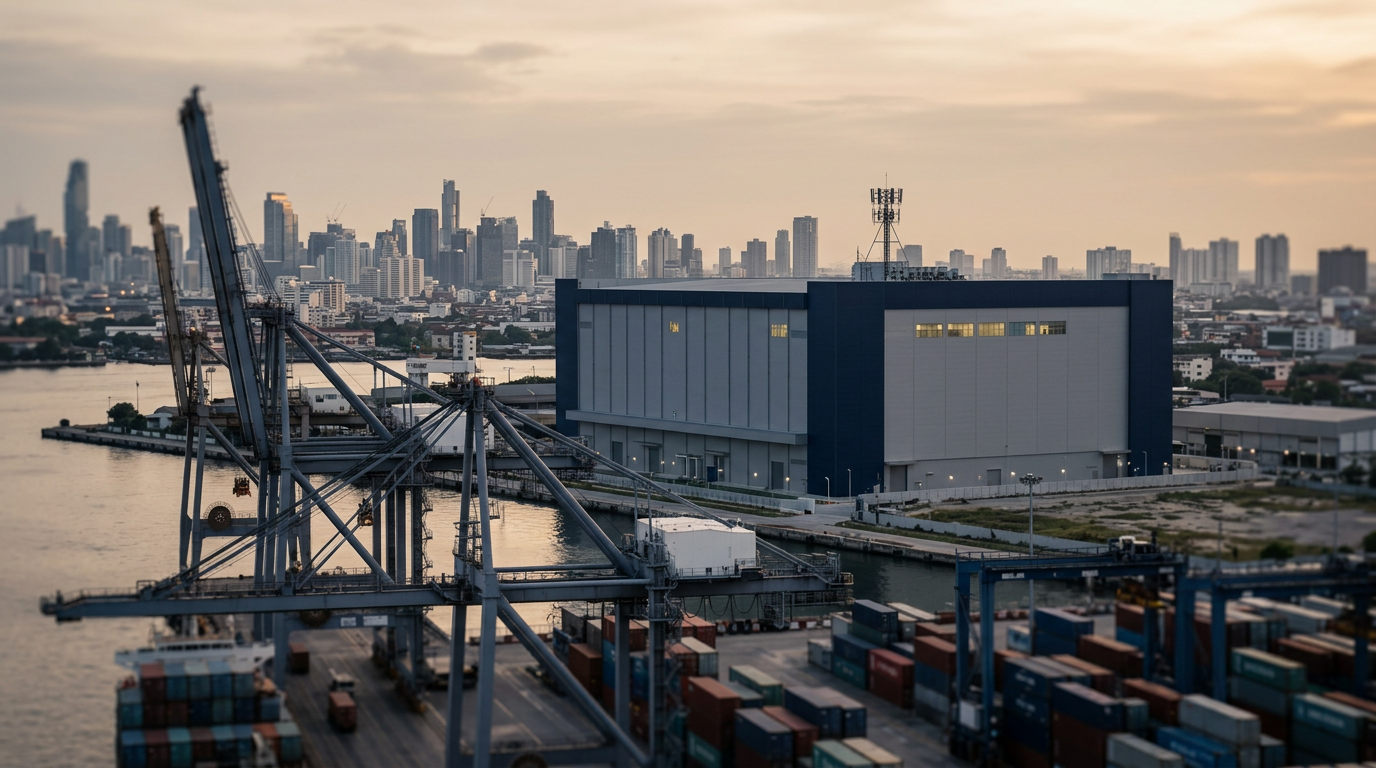 Thailand
 Enters the Hyperscale Arena
Meta's recent move to secure AI capacity in Thailand is a bet on the country's infrastructure and institutions, not just its power grid. For hyperscale data centers, execution is everything.
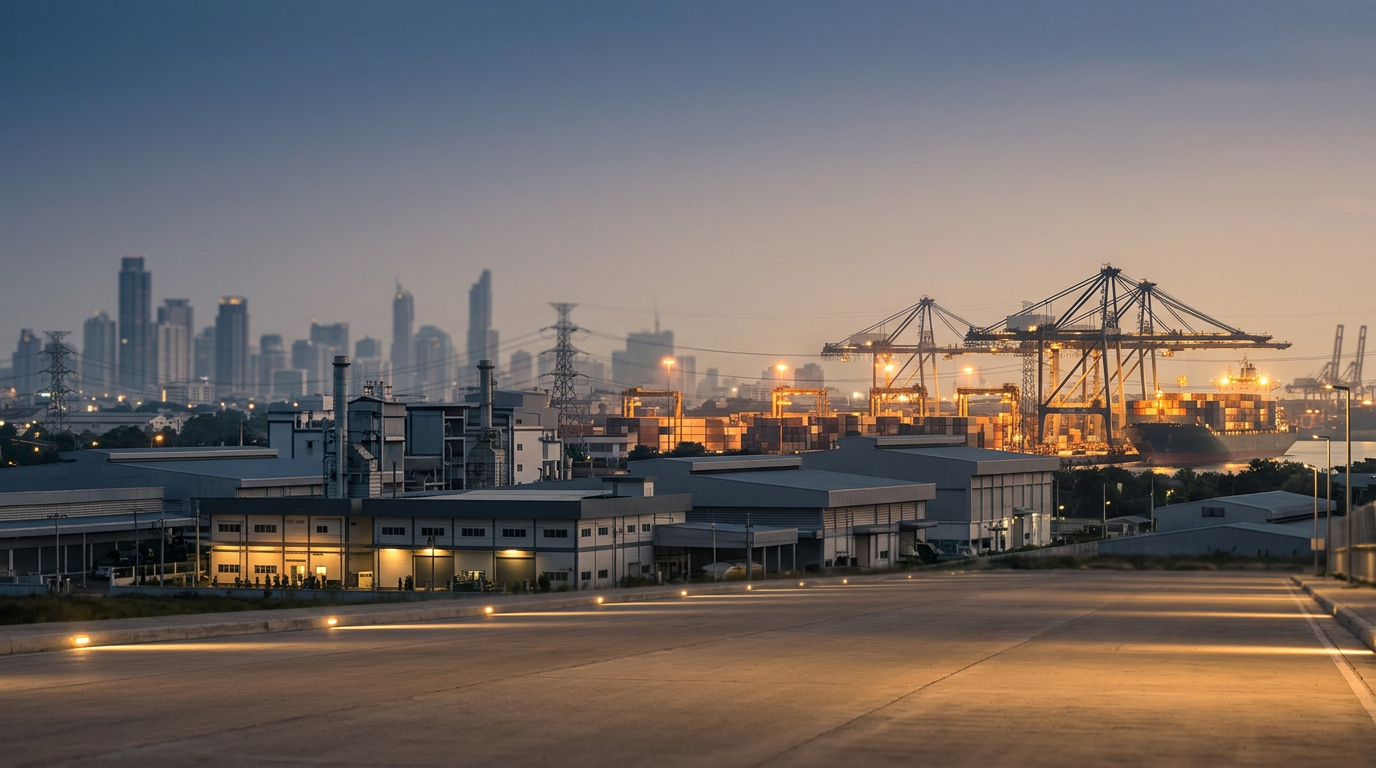 Thailand
 Speeds Up FDI Approvals. What Happens Next?
Thailand is accelerating regulatory approvals for major industrial projects. Execution on land, power, and talent will determine if announced FDI becomes realised investment.
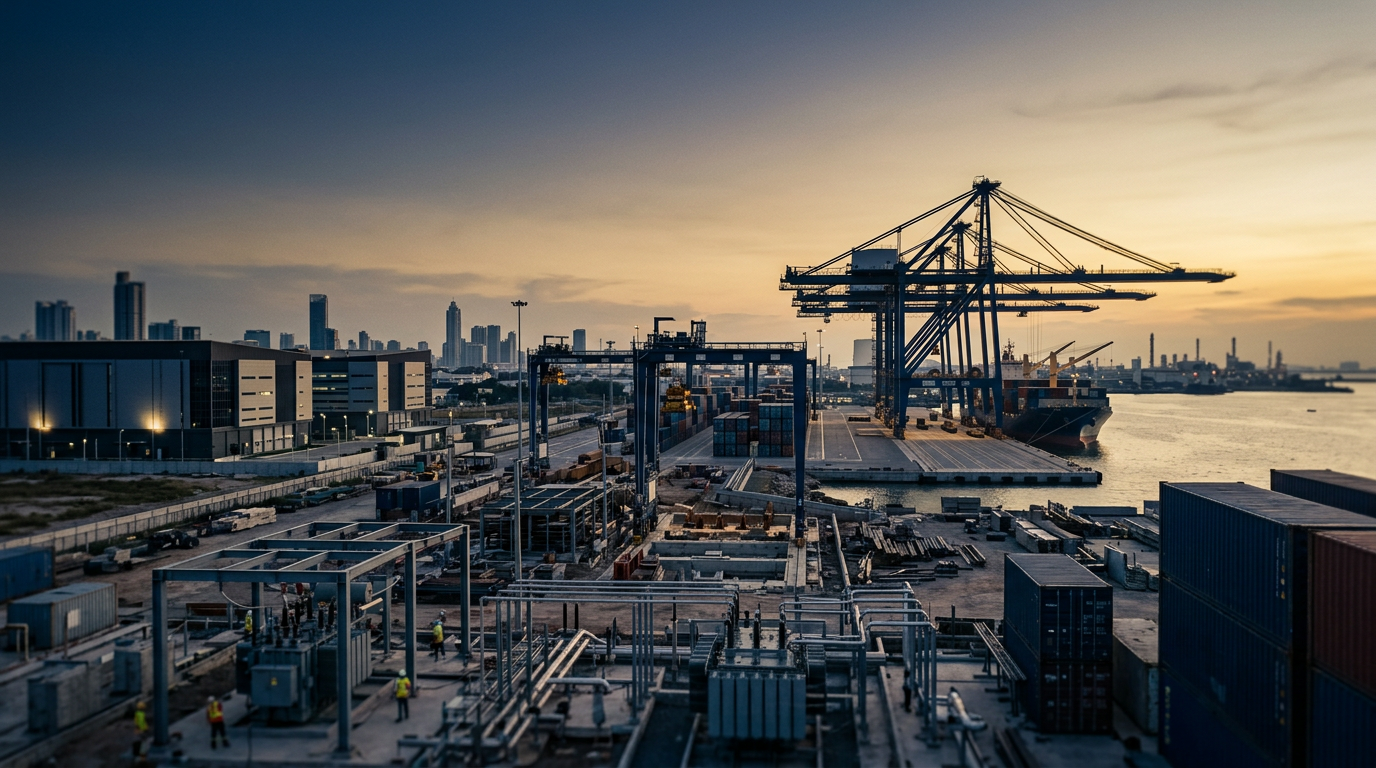 Thailand
 Bets on Execution to Win FDI Race
FDI announcements travel quickly. Realised flows depend on the slower work of land, permits, power and talent reaching the ground. Can Thailand deliver?
 Thailand
 Bets on Execution to Win Foreign Investment
Thailand is fast-tracking regulatory approval for USD 3.66 billion in strategic industrial investment, a classic ASEAN contest where institutional execution, not just incentives, will determine the winner.
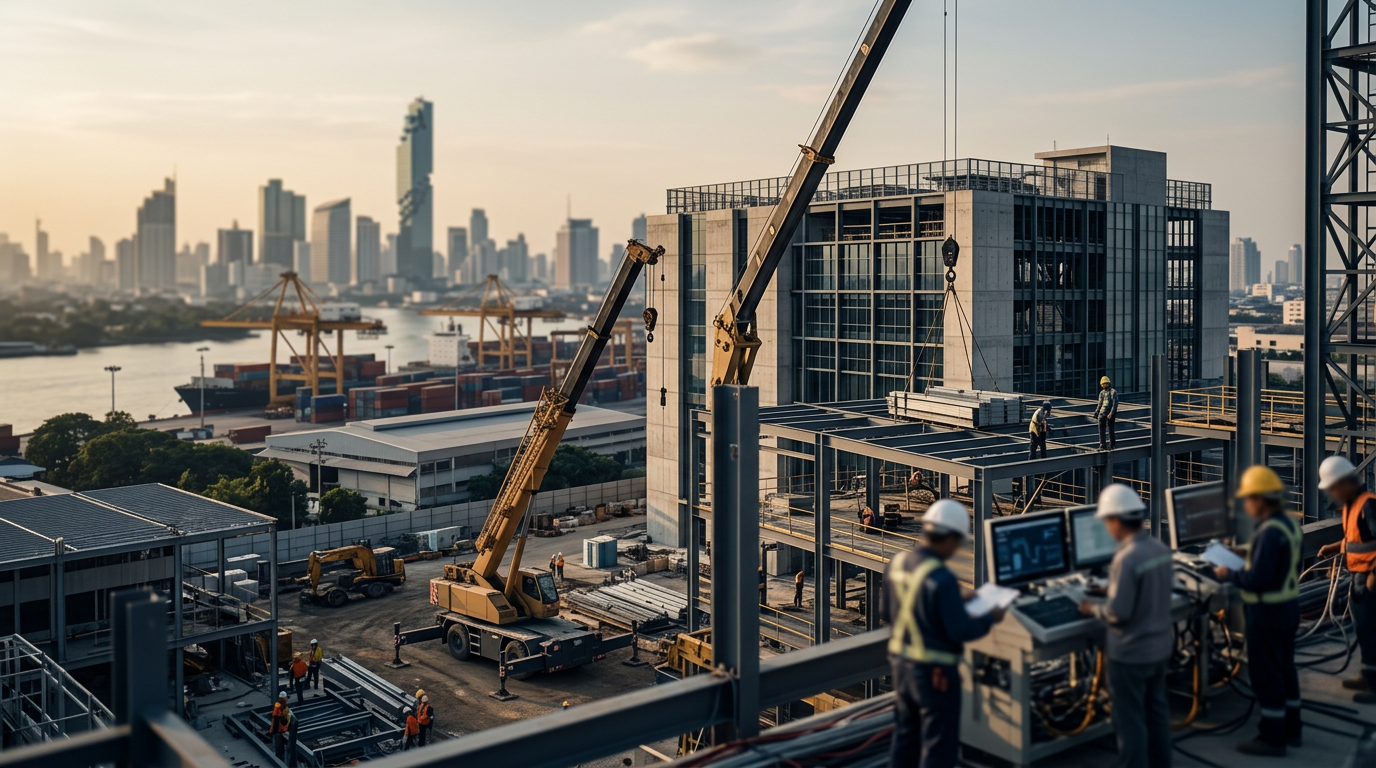 Thailand
's FDI Push Tests Its Execution Capacity
Thailand is fast-tracking industrial investment and offering new tax incentives for tech IPOs, but its ability to translate policy into realised investment will depend on institutional capacity and follow-through.
 Thailand
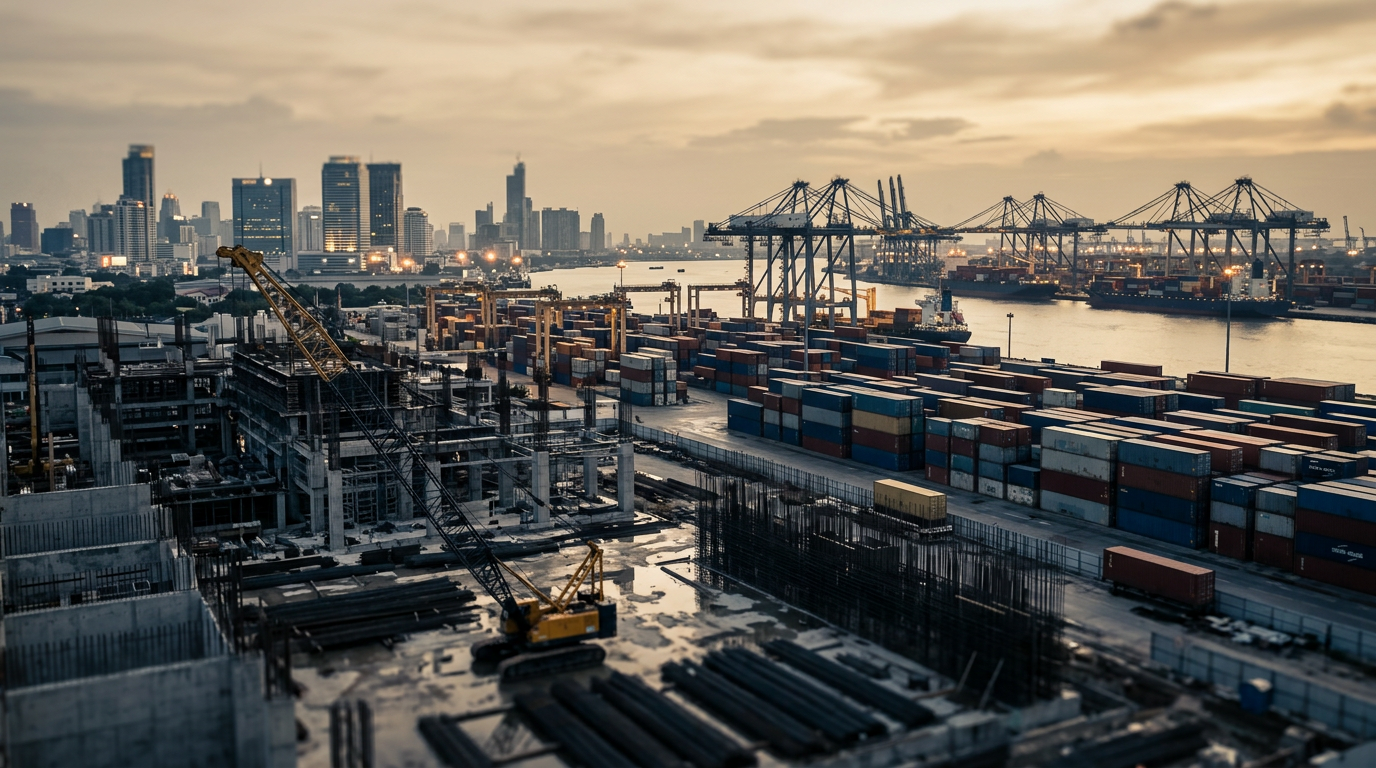
's Industrial Push Tests Its Execution Capacity
Thailand is fast-tracking regulatory approval for $3.66 billion in strategic industrial investment, a move that tests its institutional capacity to turn announcements into realised projects.
 Thailand
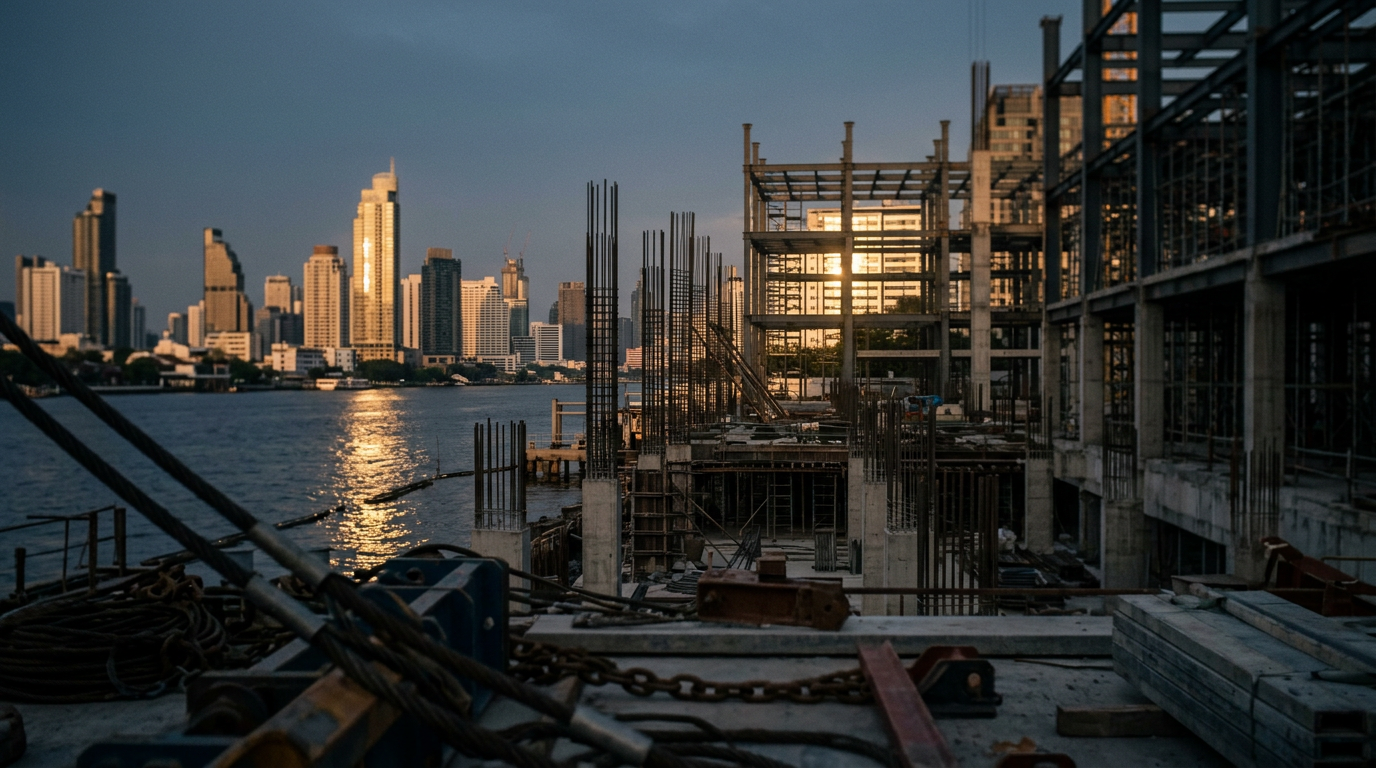
 wants bigger IPOs. Is its market ready?
The Stock Exchange of Thailand is courting four major firms for domestic listings. A look at the institutional factors that separate ambition from execution.
 Thailand
: From FDI to Domestic Capital
The Stock Exchange of Thailand (SET) is courting four major Thai companies for domestic listings. This move signals a maturing capital market, but the true test lies in improving the institutional framework that governs how capital is allocated and how listed firms perform.
 Thailand
: From FDI to Domestic Capital
The Stock Exchange of Thailand is courting major domestic firms for local listings. This reflects a deeper institutional challenge across ASEAN: turning foreign investment announcements into durable, domestic economic strength.
 Thailand
 courts domestic listings for deeper capital markets
The Stock Exchange of Thailand is courting four major Thai companies for domestic listings. This reflects a broader ASEAN trend where institutional capacity is key to converting scale into investable depth.
 Thailand
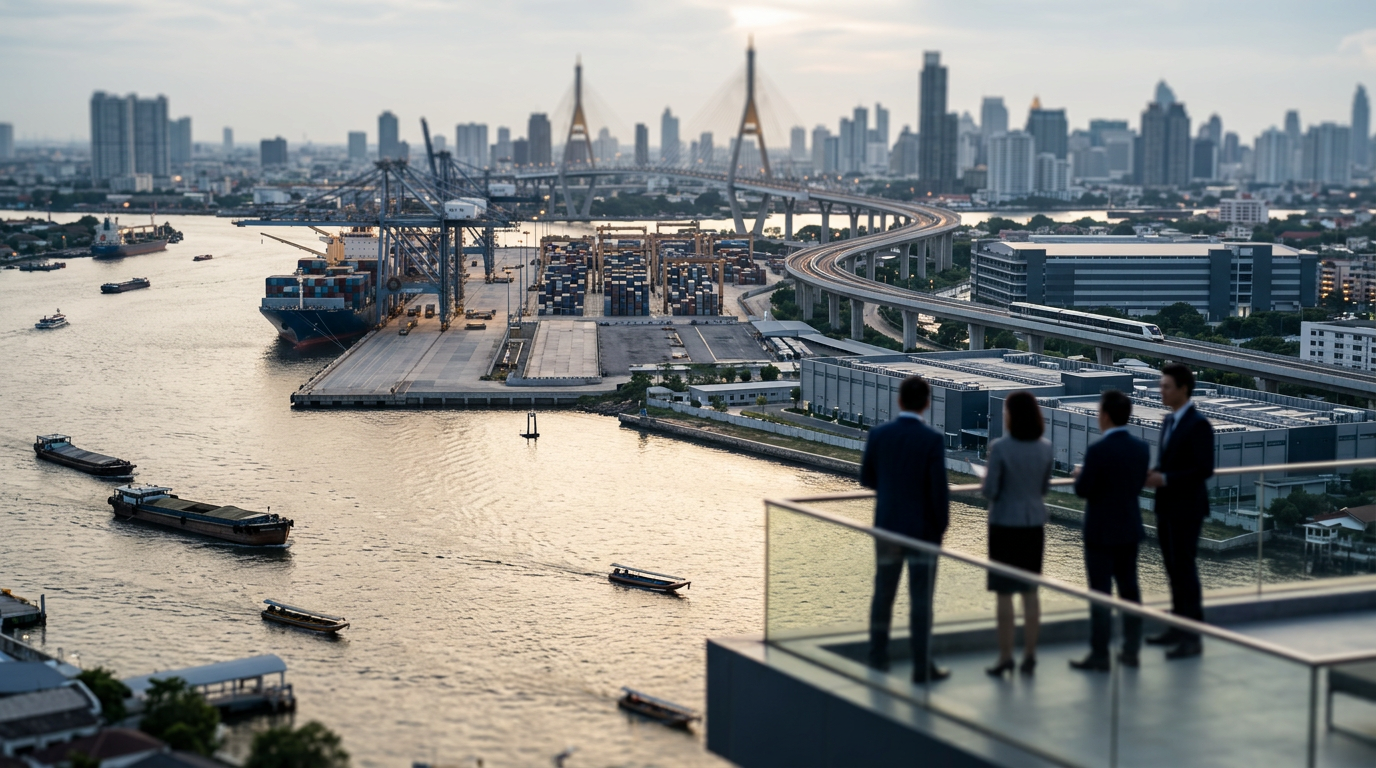
: From FDI Darling to Domestic Capital Deepening
The Stock Exchange of Thailand is courting four major domestic firms for local listings. This reflects a broader shift across ASEAN, where turning foreign direct investment announcements into reality requires strong domestic institutions and deep, liquid local capital markets.