Thailand
Bangkok Floods, Social Media, and the Usable State
Social media engagement during Bangkok's recent floods topped 109 million. This highlights the growing role of online platforms in disaster response, but also raises questions about institutional capacity and the reliability of state infrastructure.
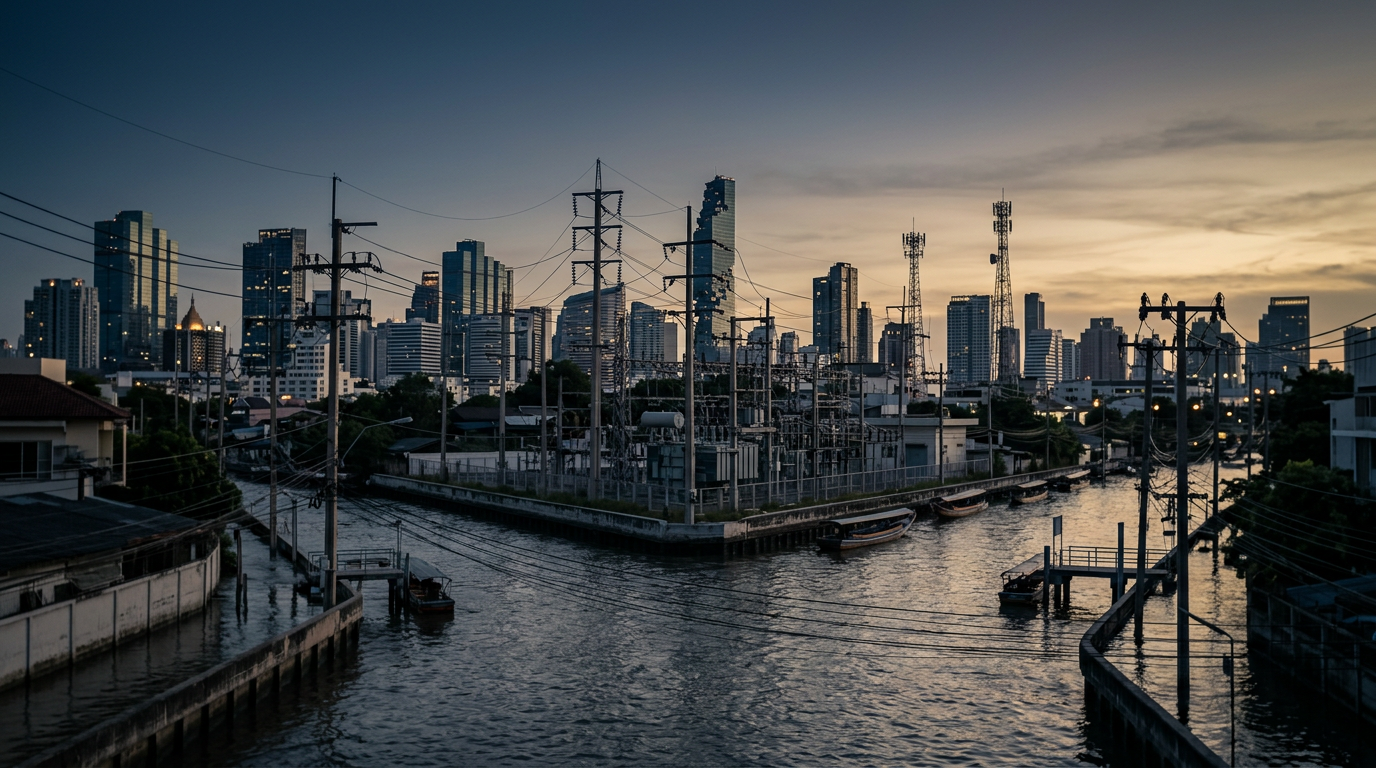
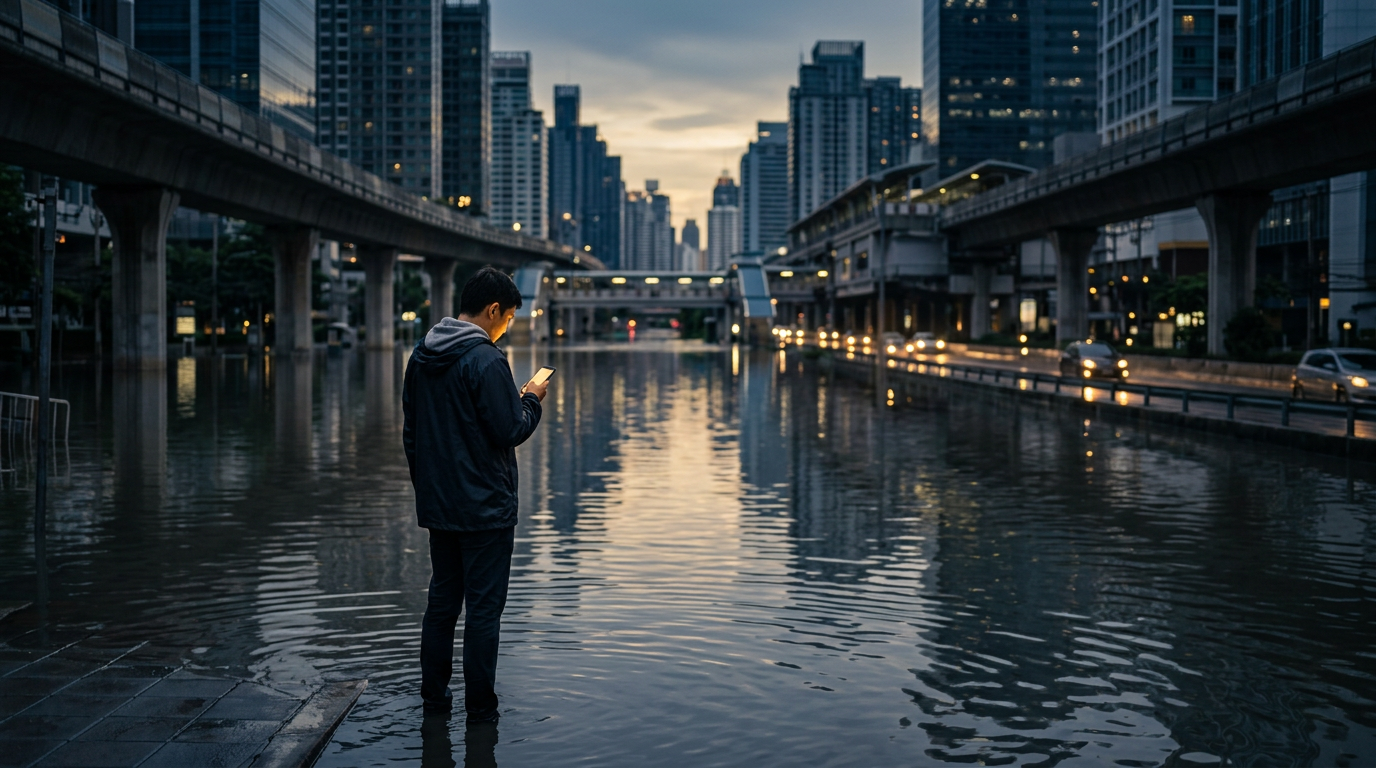
Social media took a central role in Bangkok's response to the September floods, with related online engagements exceeding 109.1 million according to a recent Bangkok Post report. These platforms served as impromptu systems for everything from early warnings and requests for help to the coordination of emergency services. While this digital response demonstrates the power of networked citizens, it also casts a bright light on the condition of public institutions and the physical infrastructure they are meant to manage.
Institutions and Infrastructure
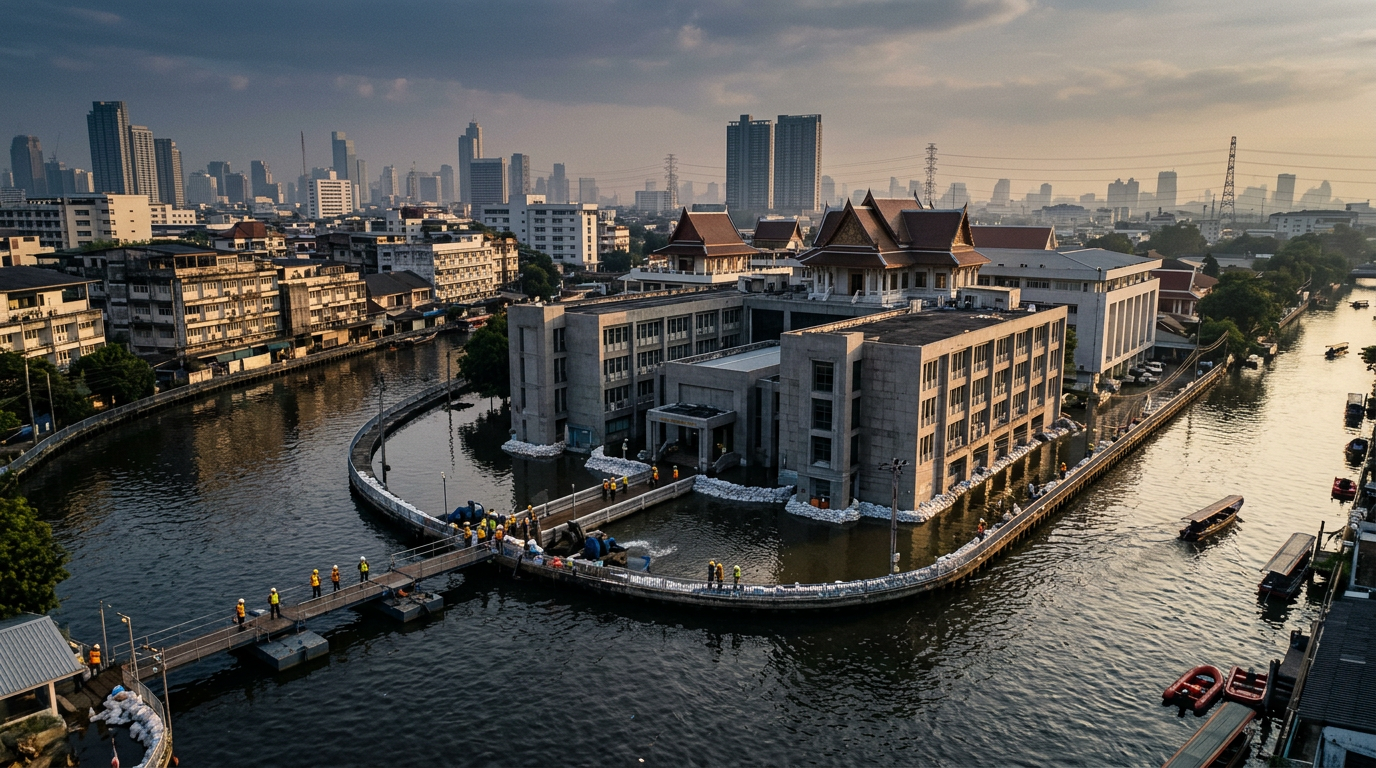
The viral spread of information and calls for assistance during the floods illustrates a society stepping in where state capacity shows strain. The core function of government includes protecting citizens and property from foreseeable events like seasonal flooding. When individuals turn to social media as a primary tool for disaster management, it signals a gap in official communication channels and a lag in the physical response. Effective governance is not merely about grand announcements of new projects; it is about the predictable, reliable execution of essential services. As "ASEAN Rising" notes, "A usable state is often more valuable than an exciting one." The value of a flood barrier is in its timely construction and maintenance, not in the blueprint or the press conference announcing it.
The Cost of Friction
This reliance on ad hoc digital solutions carries its own costs. While social media can be remarkably fast, it is not a substitute for durable institutions. Information on these platforms can be unverified, leading to confusion. Coordination can be chaotic, duplicating efforts in one area while neglecting another. This friction-the difficulty in achieving a coordinated, reliable outcome-is a tax on the entire system. For a megacity like Bangkok, which is a hub for regional capital and commerce, the inability to manage predictable weather events has economic consequences that extend beyond the immediate damage. It raises questions for investors and businesses about operational risk and the dependability of the underlying infrastructure that supports the economy.
What to watch
Going forward, the key indicator of progress will not be the volume of social media traffic during the next crisis. Instead, observe how public institutions adapt. Will government agencies integrate these citizen-led communication networks into their own formal response systems? The real measure of success will be a future where such massive digital mobilizations become less necessary because the state's own infrastructure-both physical and institutional-has become more reliable and responsive to the public's needs.