
ASEAN Analysis & Commentary
Every analysis published on ASEAN Rising is sourced, datestamped and signed. We're more interested in being right in 12 months than first in 12 minutes.
Foundation pieces
Start here. The three pieces below set out the lens ASEAN Rising uses to read every story.
ASEAN Rising's core lens. Execution Economics is the study of whether countries, companies and institutions can convert obvious potential into delivered outcomes - and which six pillars decide the answer.
The region has capital, demographics, location and policy ambition. None of that has ever been the binding constraint. The next decade is an execution test, not a potential test - and it is already being scored.
Malaysia is the test case for whether ASEAN's middle powers can turn FDI, semiconductors and data centres into compounding domestic capability. Read the live coverage and execution scorecard.
Analysis tagged #investment
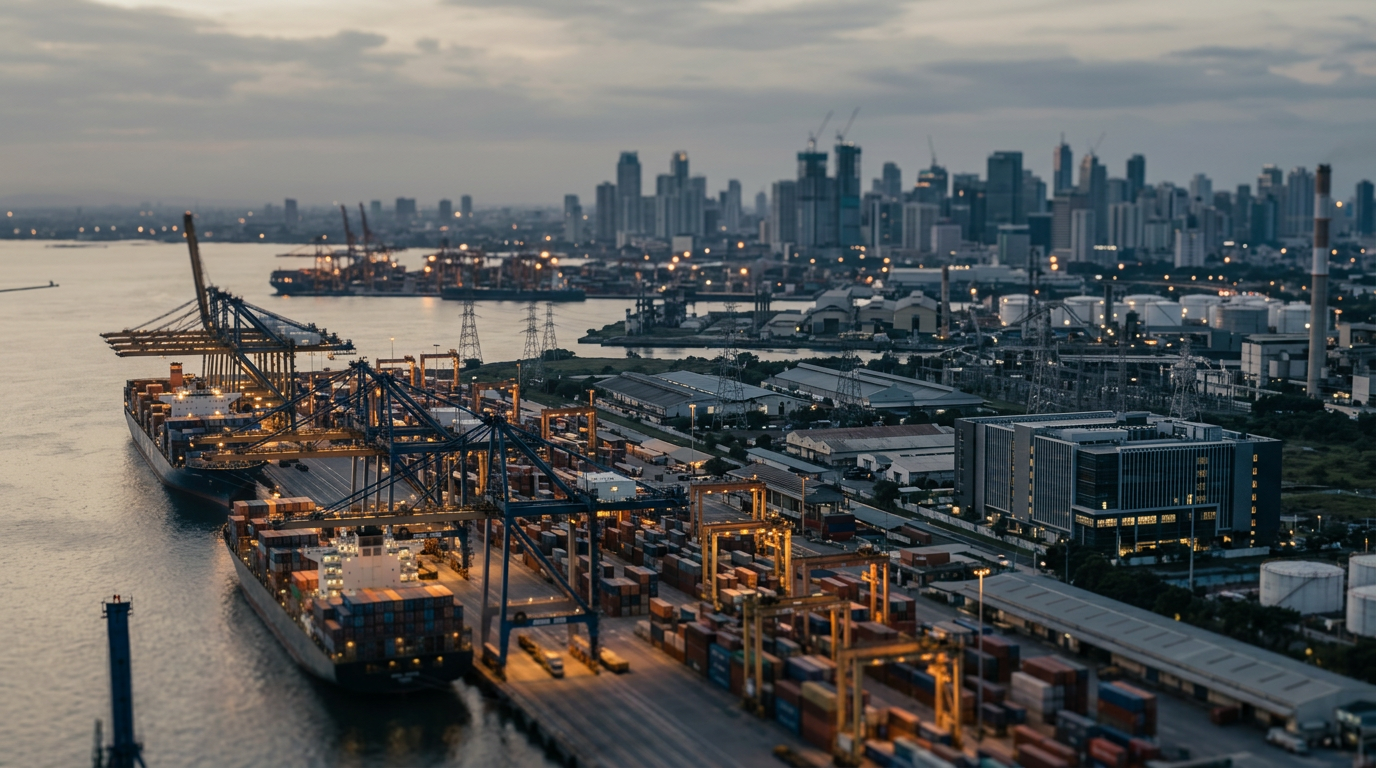
 Philippines
ASEAN's Energy Transition and the China Question
The 44th ASEAN Energy Ministers Meeting in Manila will test the bloc's ability to coordinate on energy security while managing its deep trade and investment dependency on China, a central theme in regional institution building.
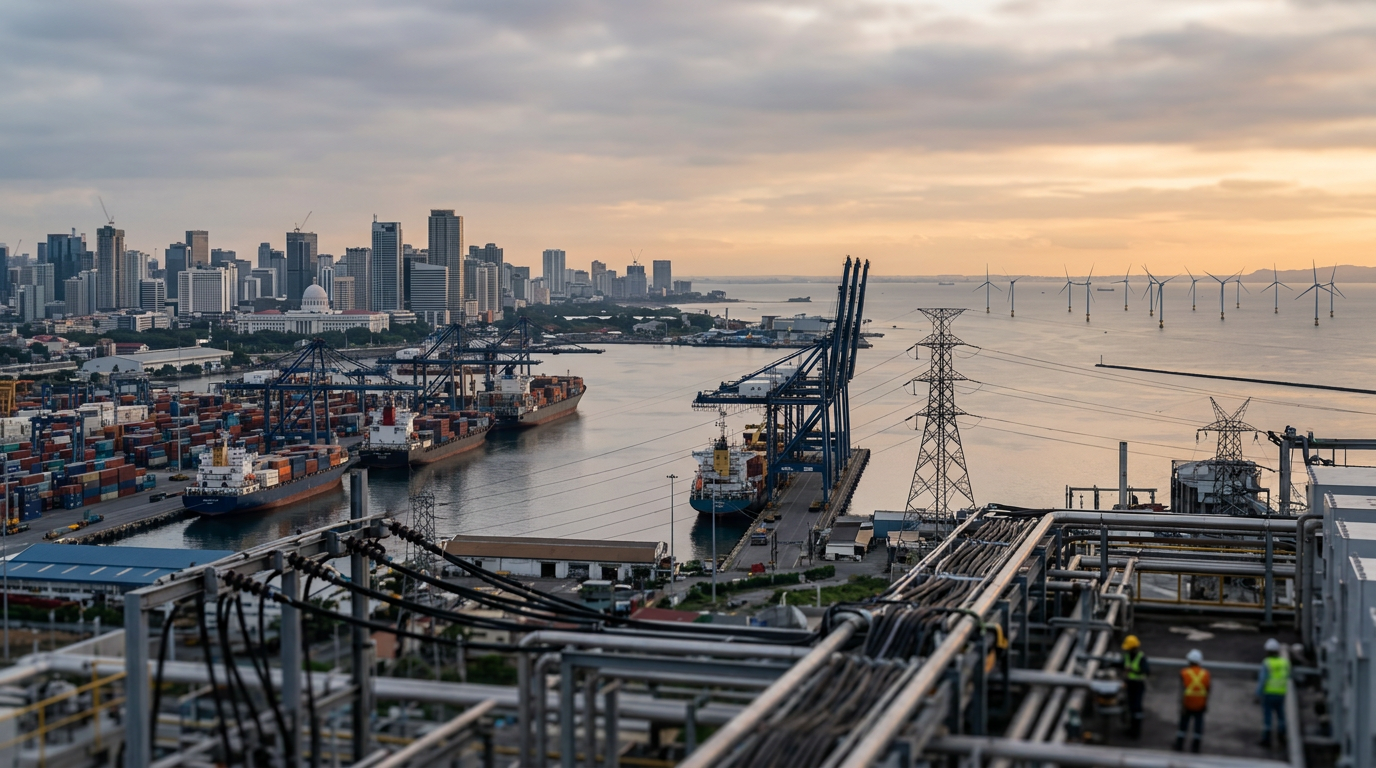 Philippines
ASEAN Energy Ministers Meet in Manila to Address Grid and Governance
The 44th ASEAN Energy Ministers meeting in Manila confronts the dual challenge of harmonizing the region's power grid while managing its deep trade and investment dependency on China in the renewables sector.
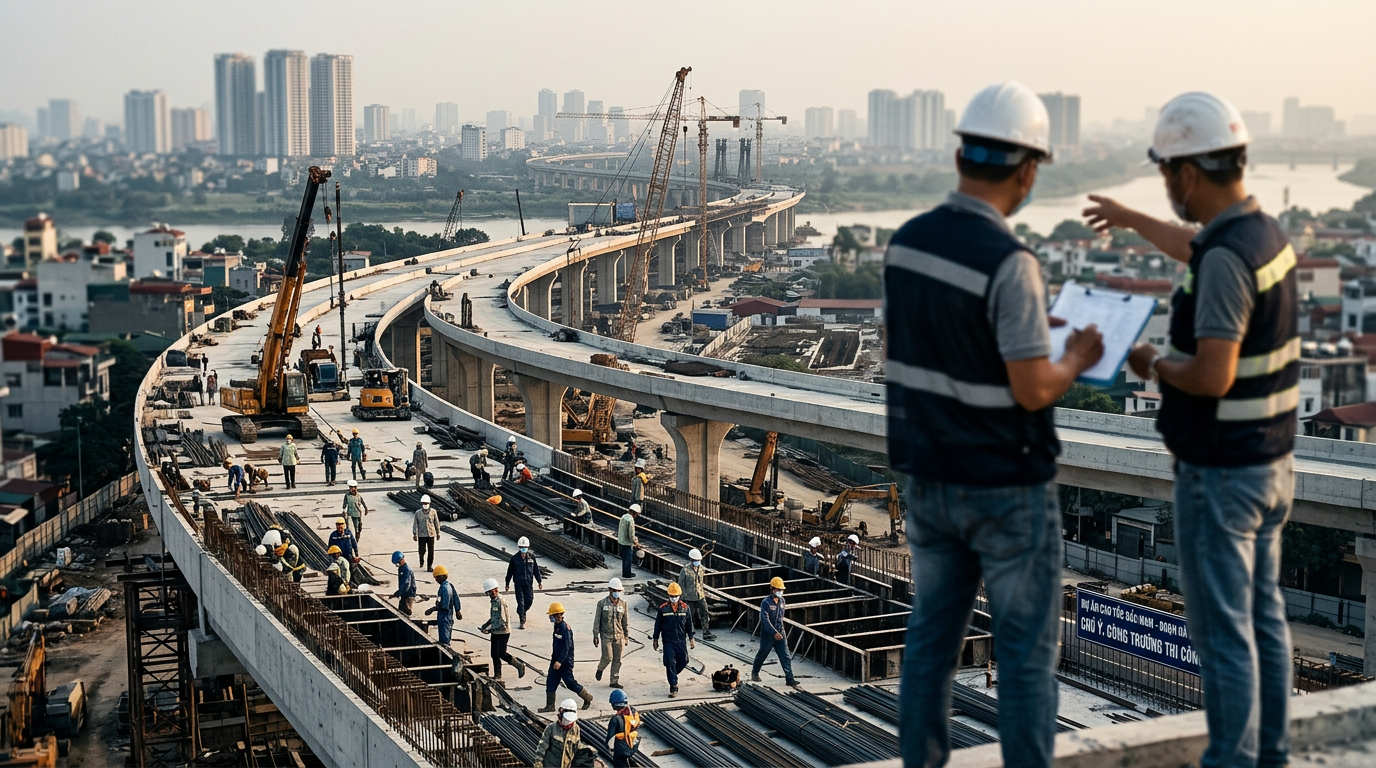
 Vietnam
's Infrastructure Push Tests its Institutions
Hanoi is trying to bring more private capital into its ambitious expressway buildout. The real test is not in the announcement, but in the execution and the reliability of the institutions that oversee these complex projects.
 Philippines
Manila Cruise Port Plan Moves to Feasibility Study
A plan to build a new cruise port in Manila is advancing, but the true test lies in its execution. For the Philippines, delivering infrastructure on time is more valuable than just announcing ambitious projects.
 Philippines
Manila's Cruise Port Plan and the Value of a Usable State
A planned P5-billion cruise port in Manila highlights the difference between announcing infrastructure and delivering it, a core theme in ASEAN's development.
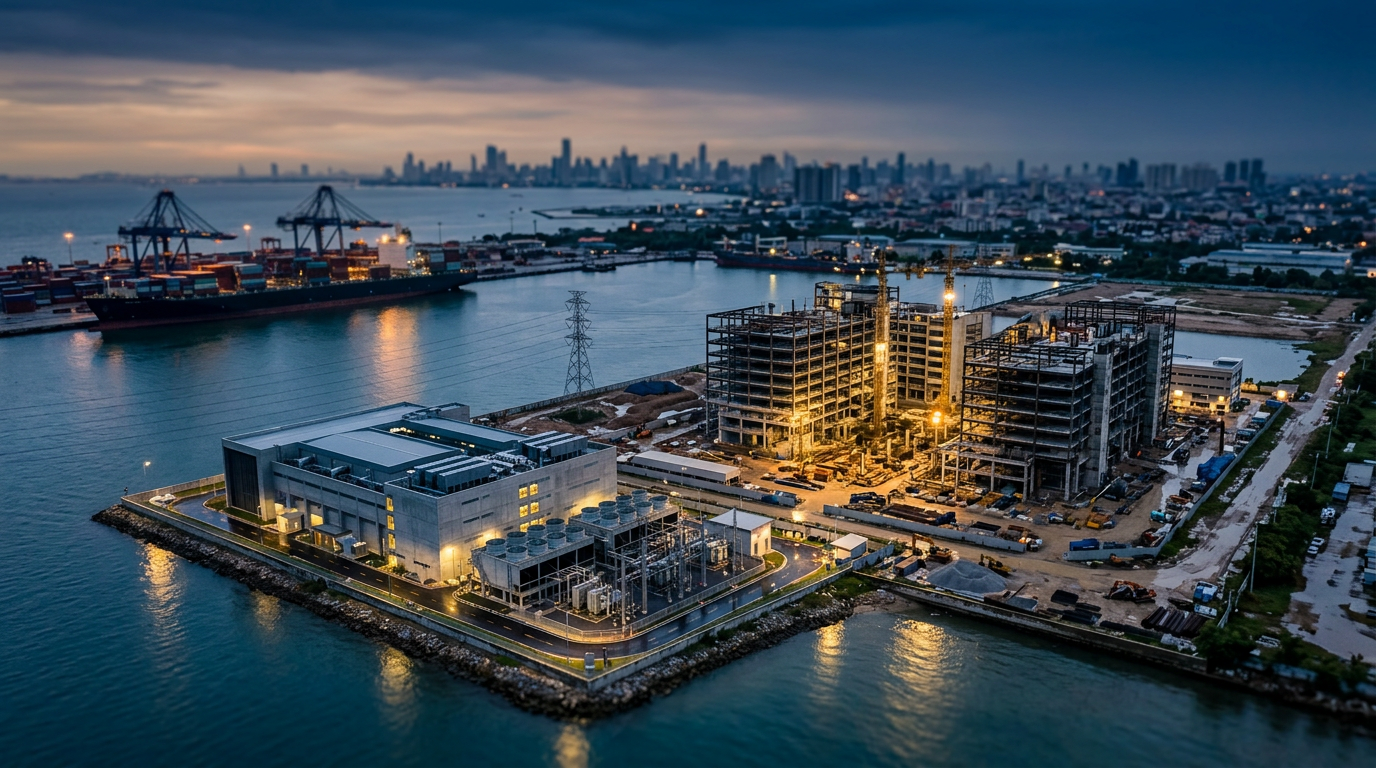
 Thailand
Data Center Investment Beyond Singapore
A recent IPO filing shows how demand for hyperscale data centers is spilling over from Singapore to its neighbors. Yet capturing this demand requires more than just cheap land and power.
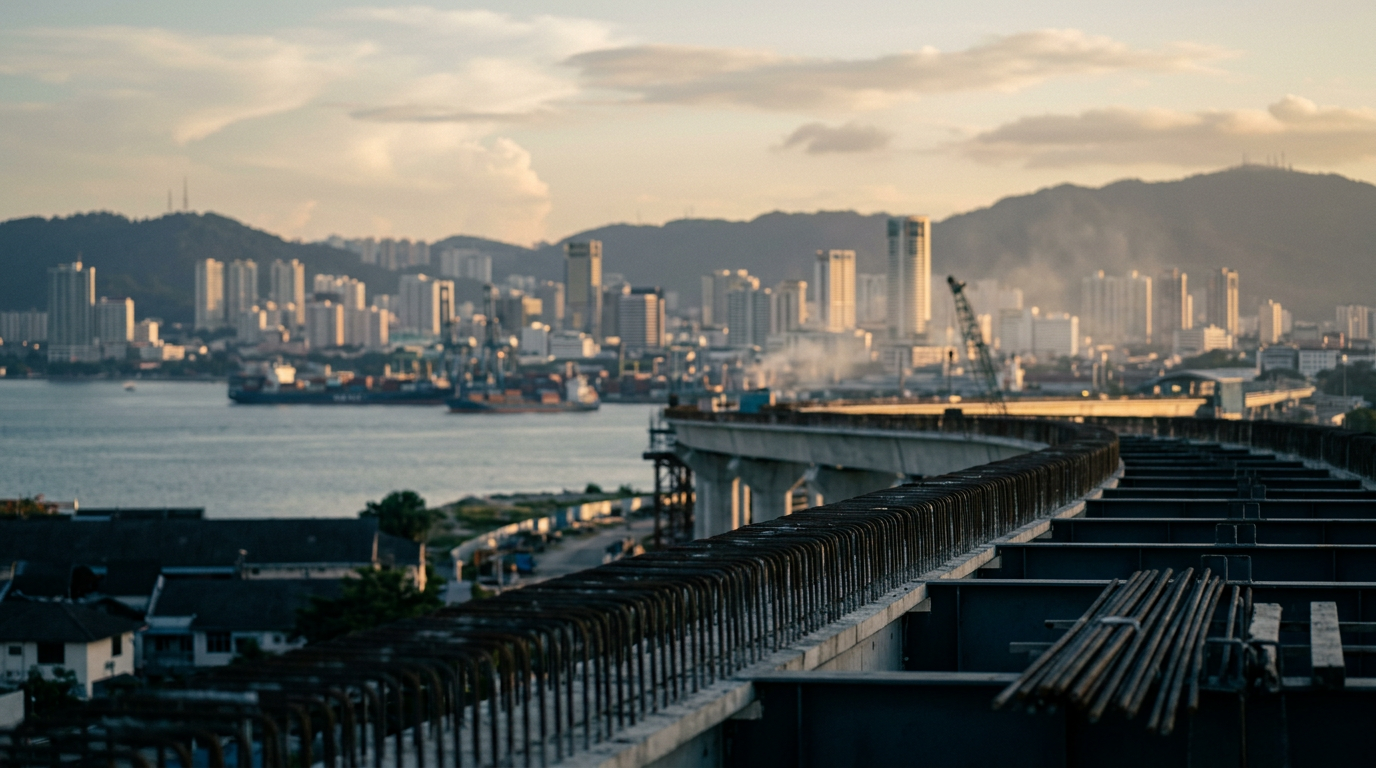
 Malaysia
Penang LRT Signals a New Phase in Malaysia's Infrastructure Push
Penang's new LRT Mutiara Line shows how Malaysia is moving to execute complex transport projects. Institutional capacity, not just vision, is the core of the challenge.
 Vietnam
 Seeks Private Capital for Expressway Expansion
Vietnam is seeking approximately VND846 trillion in private capital for 29 priority projects to expand its expressway network. This highlights a broader ASEAN theme: the push for reliable infrastructure development as a core component of economic competitiveness.
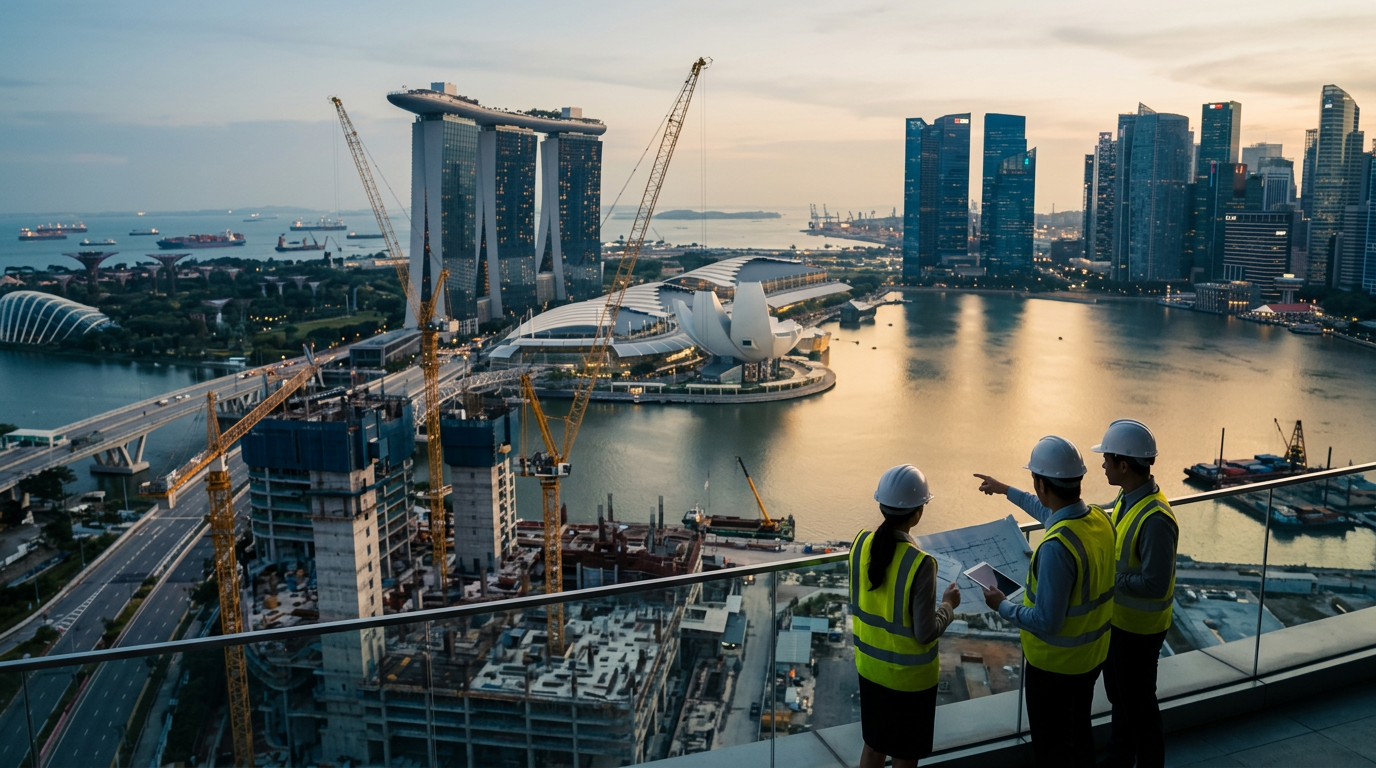
 Singapore
 Draws Thai Capital for Waterfront Development
A high-profile real estate investment from a Thai billionaire highlights Singapore's durable appeal, but also shows the institutional strengths required to absorb and realise large-scale foreign direct investment.
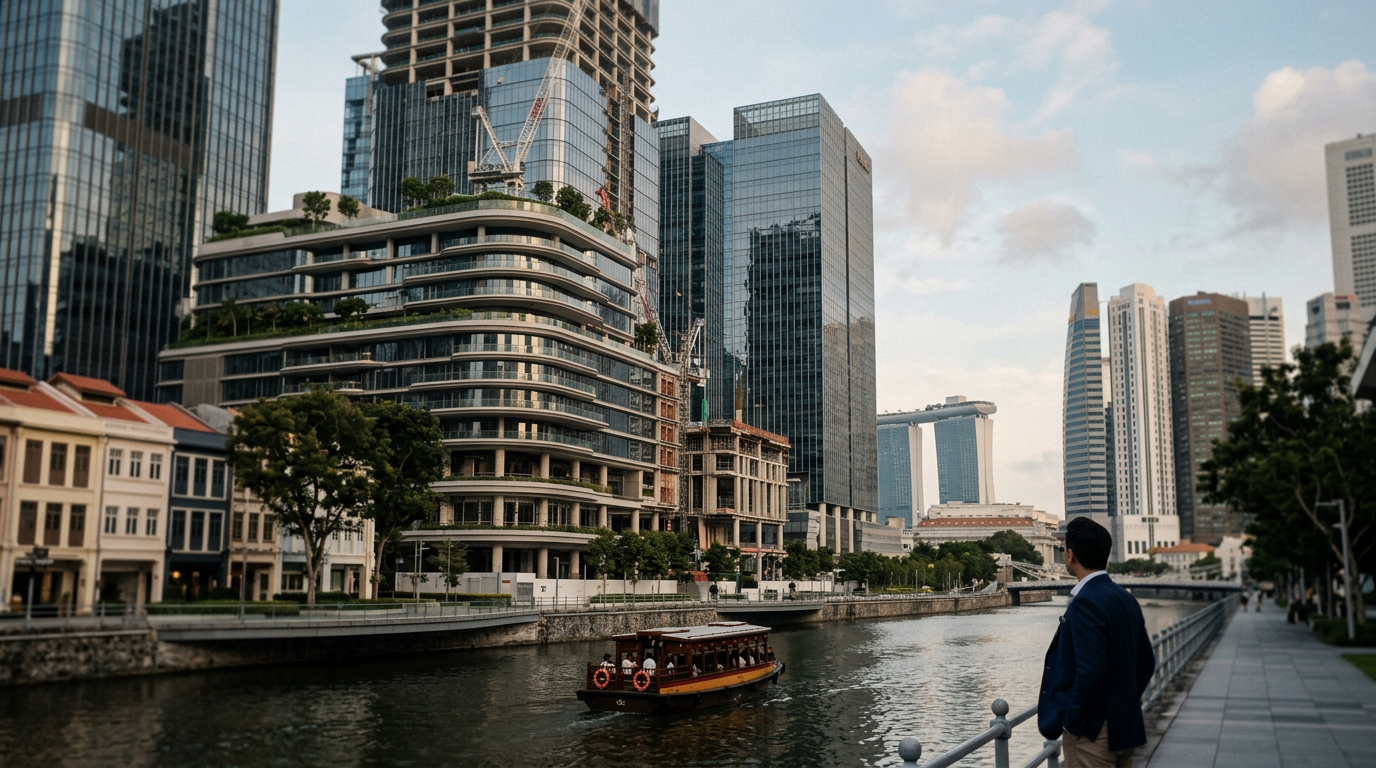 Singapore
's Riverfront Bet On Regional Capital
A high-profile Singapore real estate project bankrolled by a Thai billionaire shows how regional capital is reshaping ASEAN's urban landscapes, but Singapore's high costs demand execution to match.
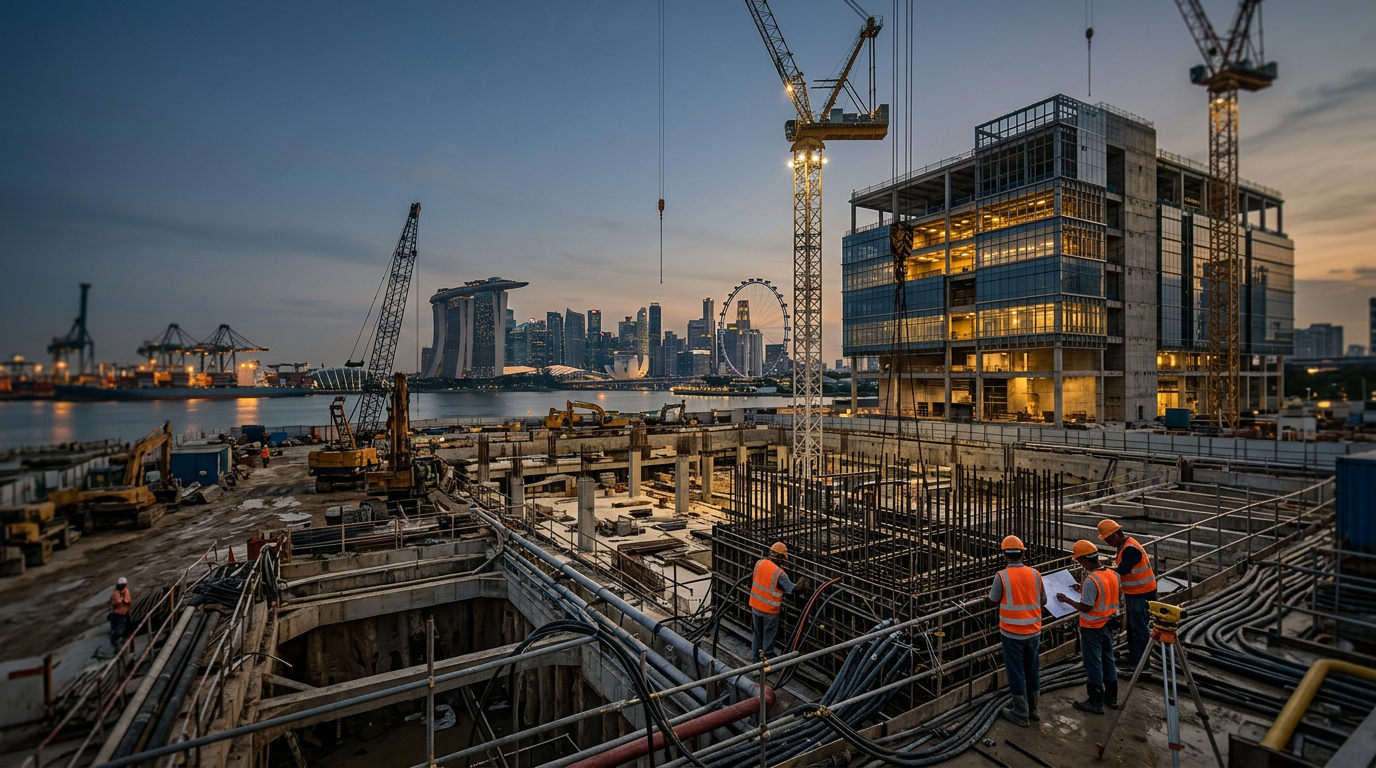 Singapore
Foreign Capital and Local Execution in ASEAN
A high-profile Singapore property deal is a useful reminder that foreign investment depends on the slower work of land, permits, power, and talent.
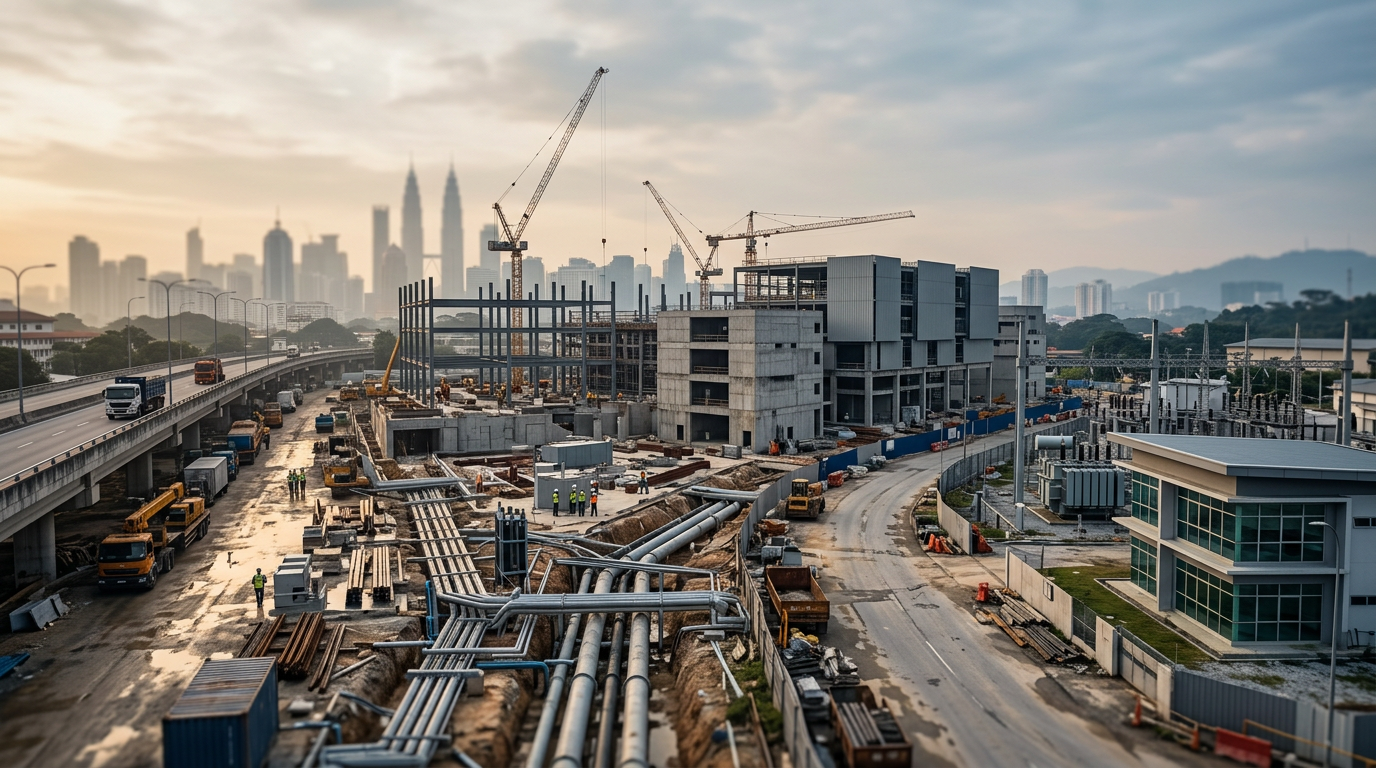 Malaysia
's FDI Ambitions Test Its Institutional Capacity
Malaysia's FDI successes are clear, but a resilient economy depends on the slower work of improving land, permits, power, and talent.
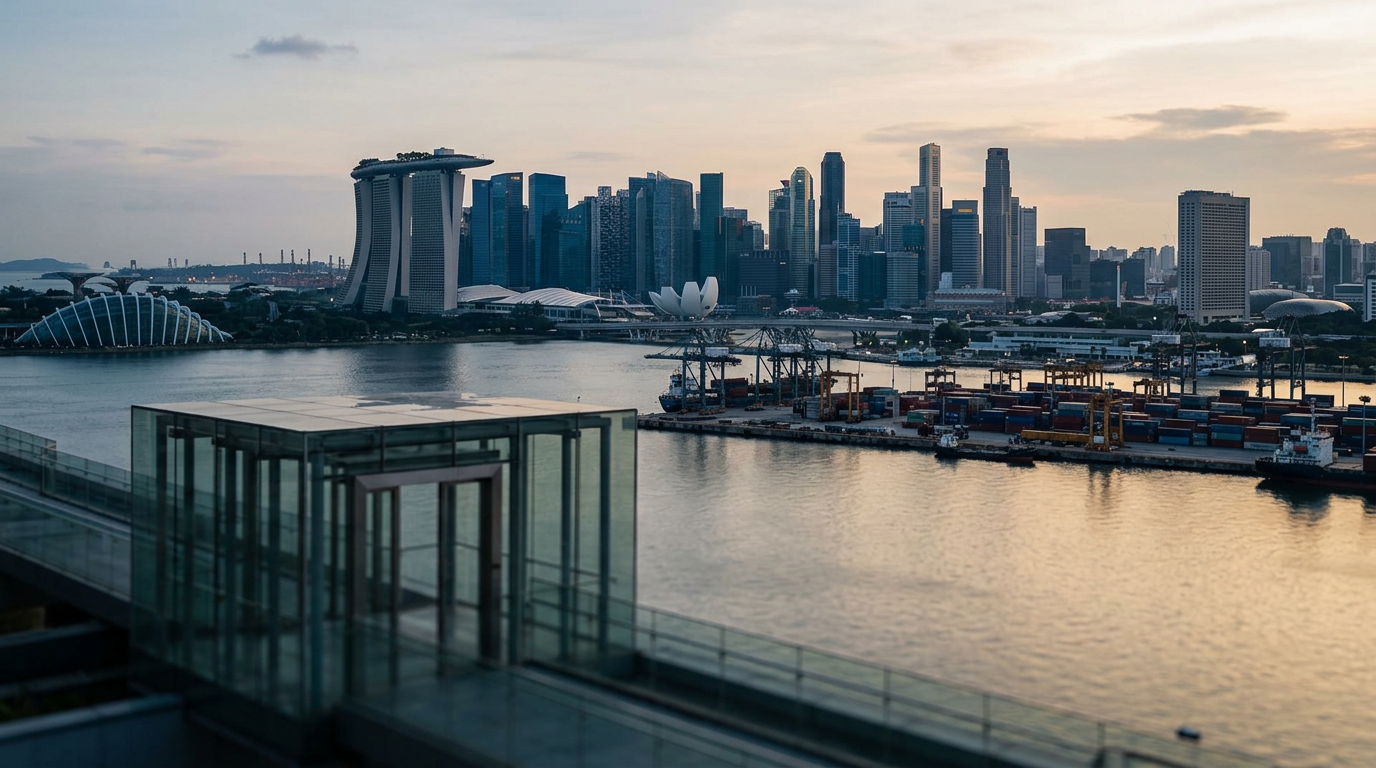 Singapore
, Not Just One City
Can Singapore's model for institutional excellence be replicated or extended? The city-state's role as a platform for regional investment is well-established, but its next phase of growth may depend on deeper integration with its neighbours.
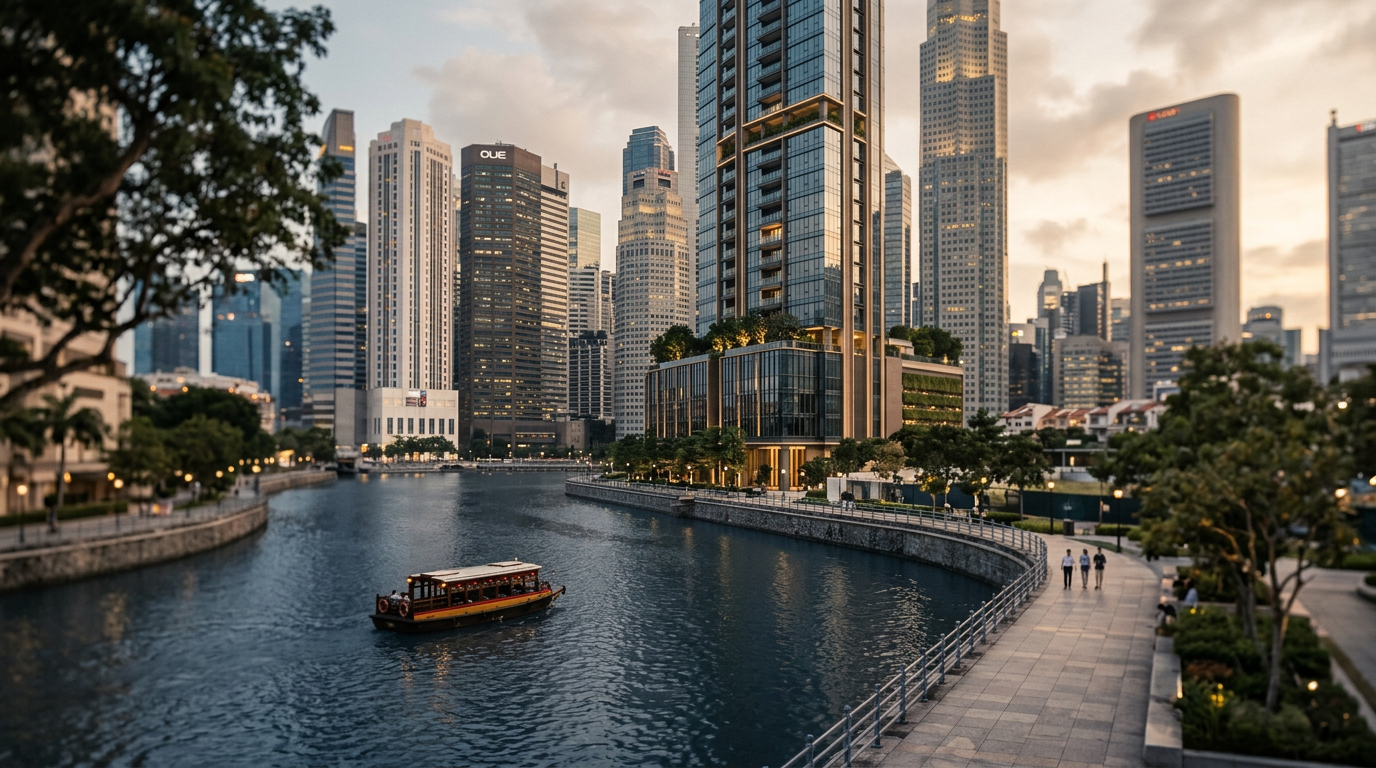 Singapore
, the Enduring Hub for ASEAN Capital
Foreign investment announcements travel fast. Realised projects depend on the slower work of execution. A new luxury development on the Singapore River shows how the city-state still leads the region in turning plans into reality.
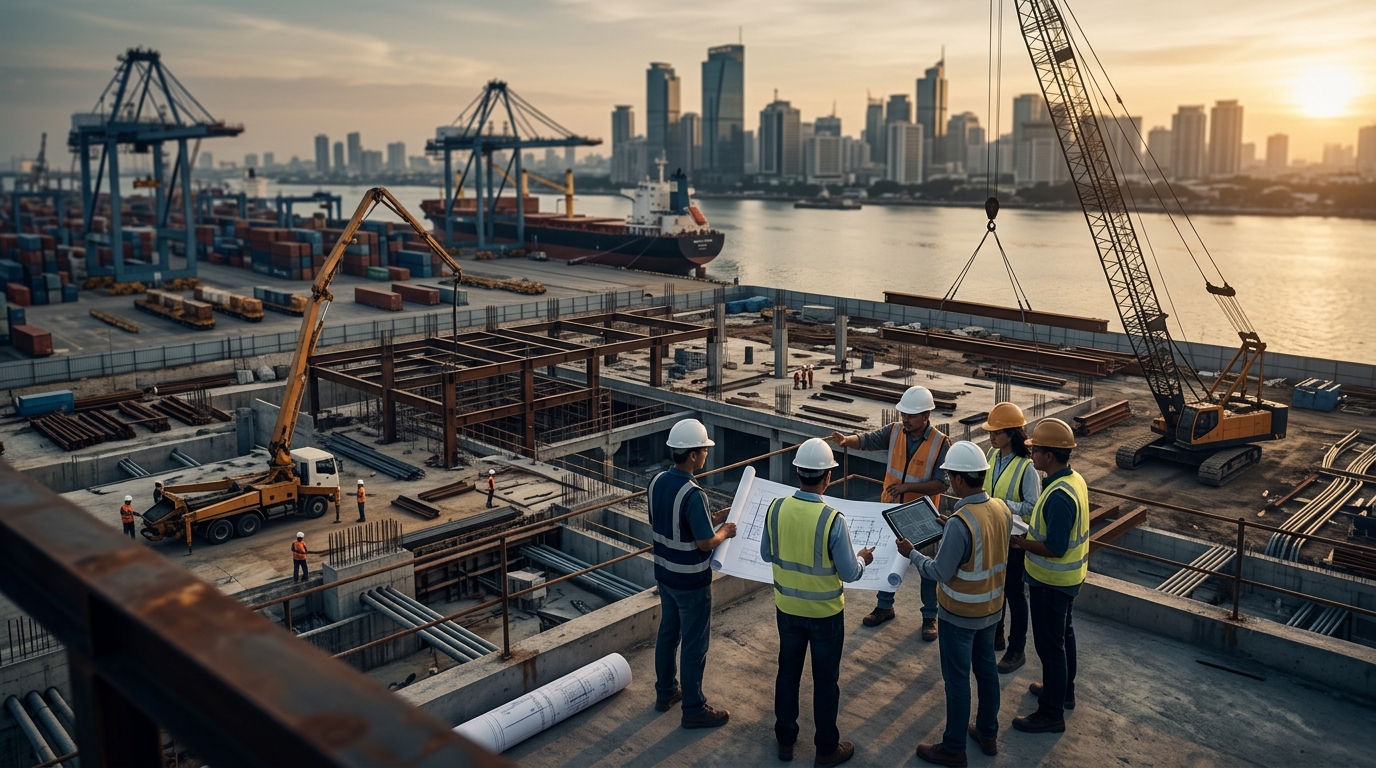
 Indonesia
 and the test of FDI realisation
FDI announcements travel quickly. Realised flows depend on the slower work of land, permits, power and talent reaching the ground.
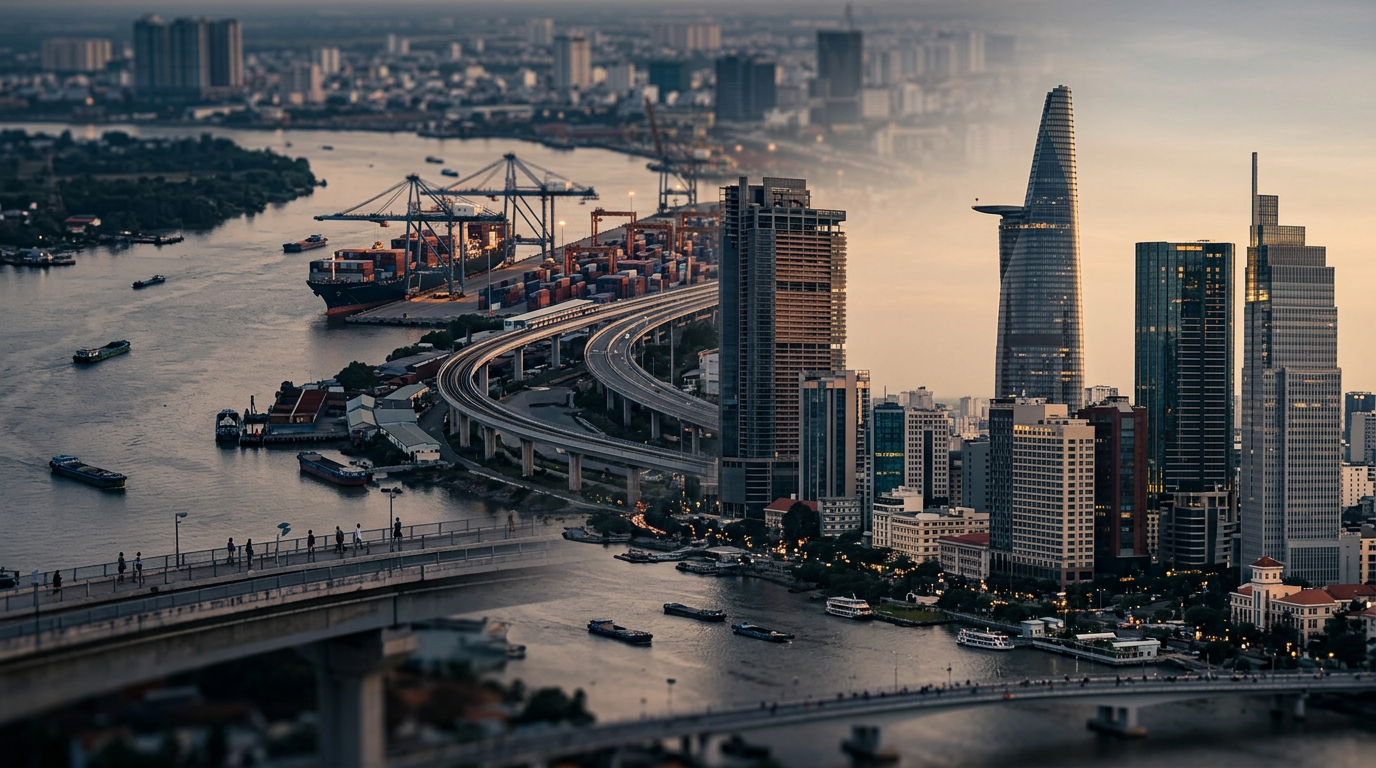 Vietnam
's Growing Wealth and the Test of Institutions
While Vietnam's rising number of wealthy individuals is a sign of economic dynamism, the country's ability to translate this wealth into broad-based, sustainable development will depend on the strength of its institutions.
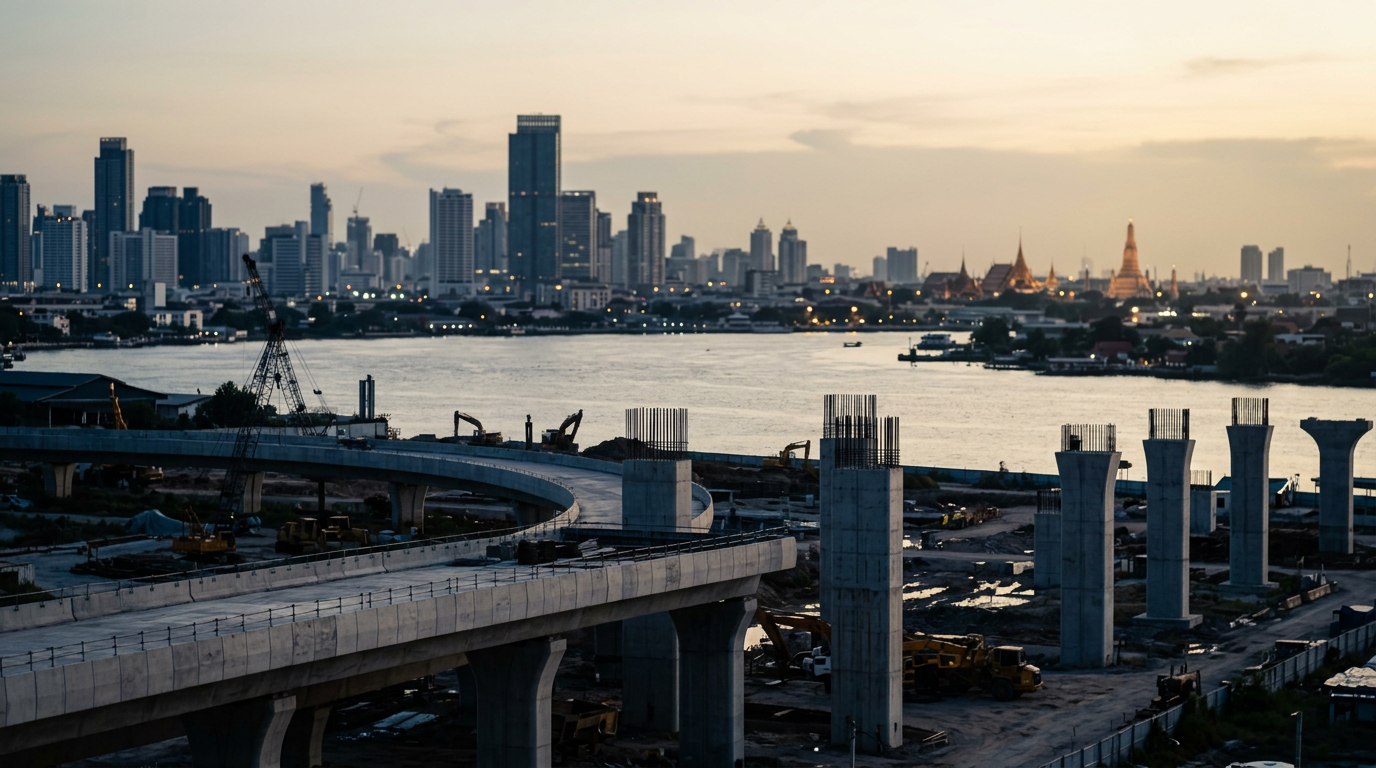 Thailand
 sharpens its appeal for Gulf investment
Thailand is working to position itself as a hub for Islamic finance and investment from the Gulf, but success depends on more than high-level agreements.
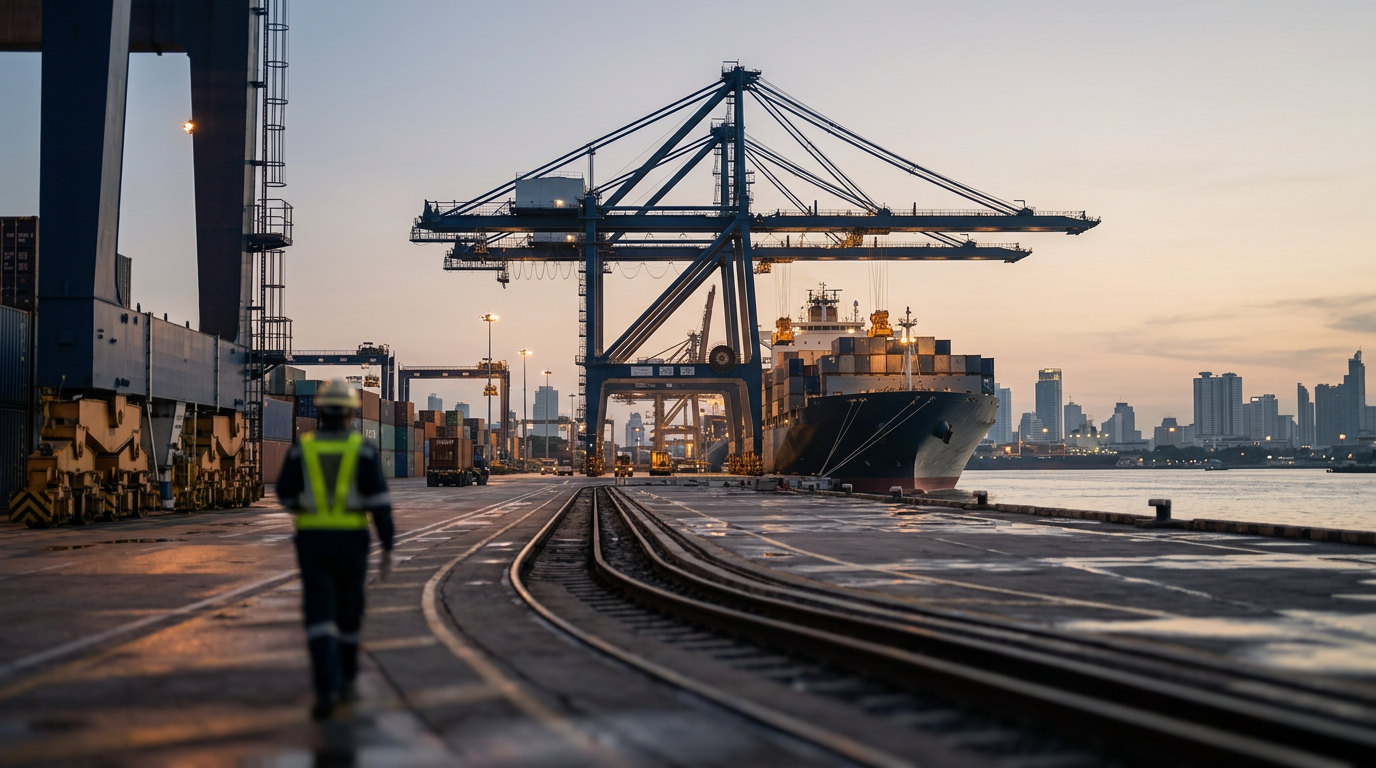 Thailand
The Quiet Signal of ASEAN Infrastructure That Works
Well-executed infrastructure projects signal institutional capacity and attract long-term investment. They are more than just concrete and steel; they are a sign of a reliable state, which has become a key part of comparative advantage.
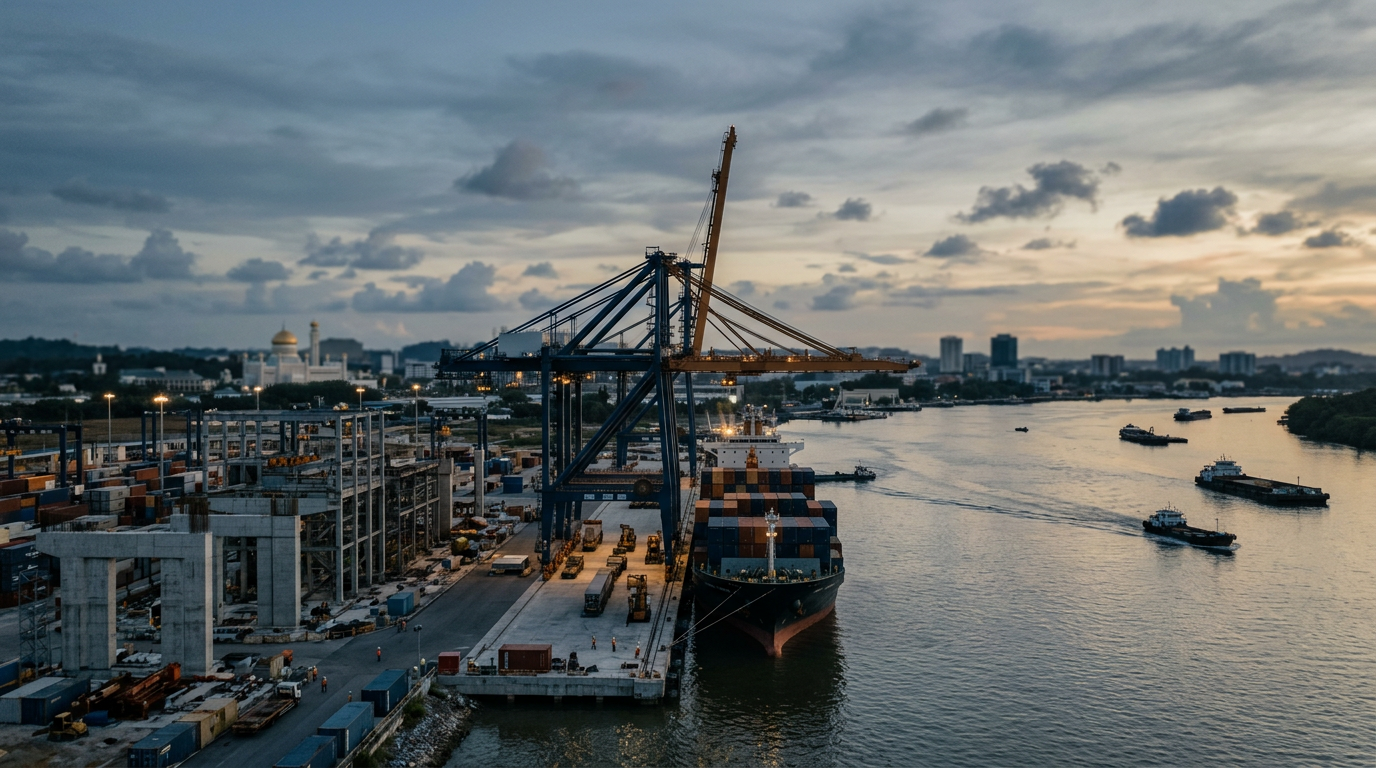
 Brunei
ASEAN and Australia: Beyond Announcements
The recent ASEAN-Australia summit highlights a persistent theme in regional development: the gap between stated intentions and on-the-ground execution. For ASEAN, turning high-level agreements into tangible infrastructure and economic integration is the core task.
 Thailand
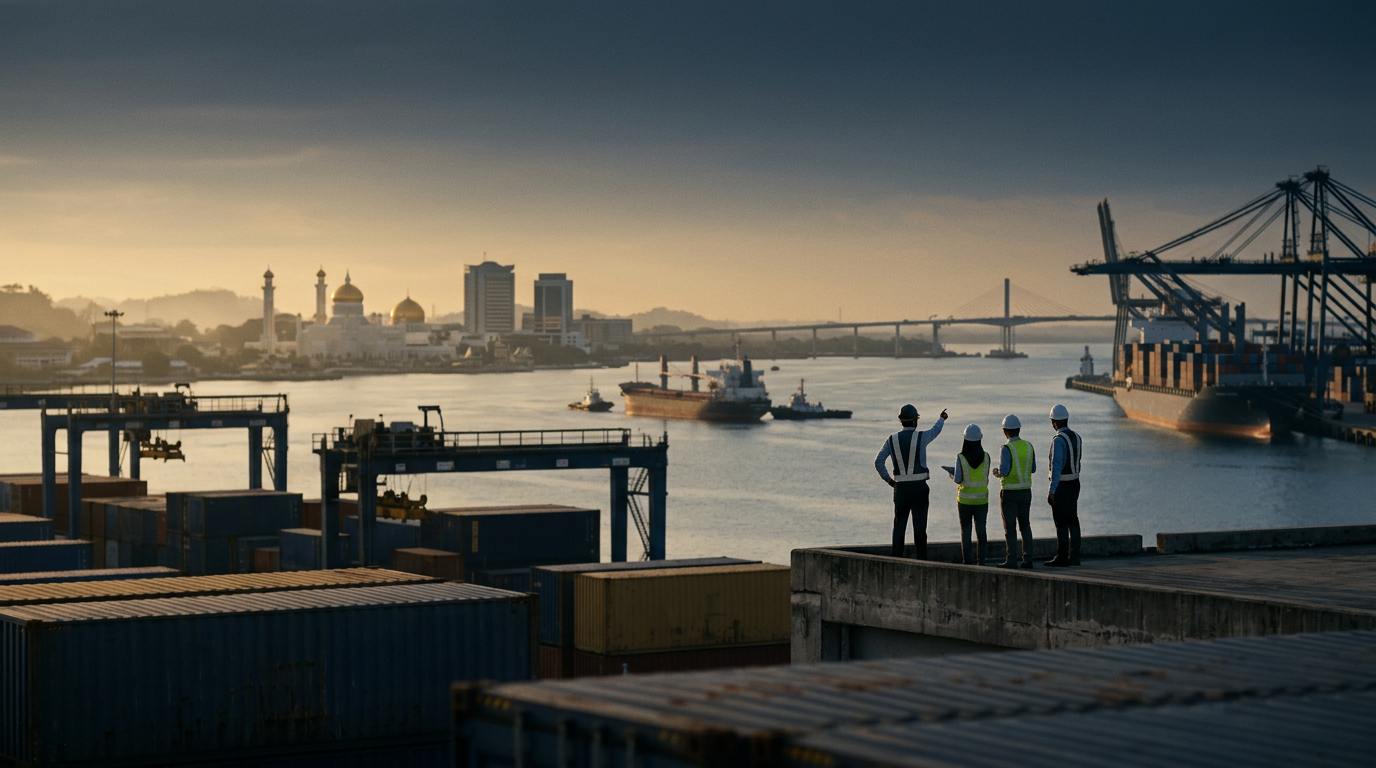
The Quiet Signal of Infrastructure That Arrives On Time
In Southeast Asia, the link between reliable state capacity and economic reality is becoming clearer. Infrastructure that is delivered on time signals more than just project completion; it is a direct indicator of institutional reliability and a foundation for durable growth.
 Brunei
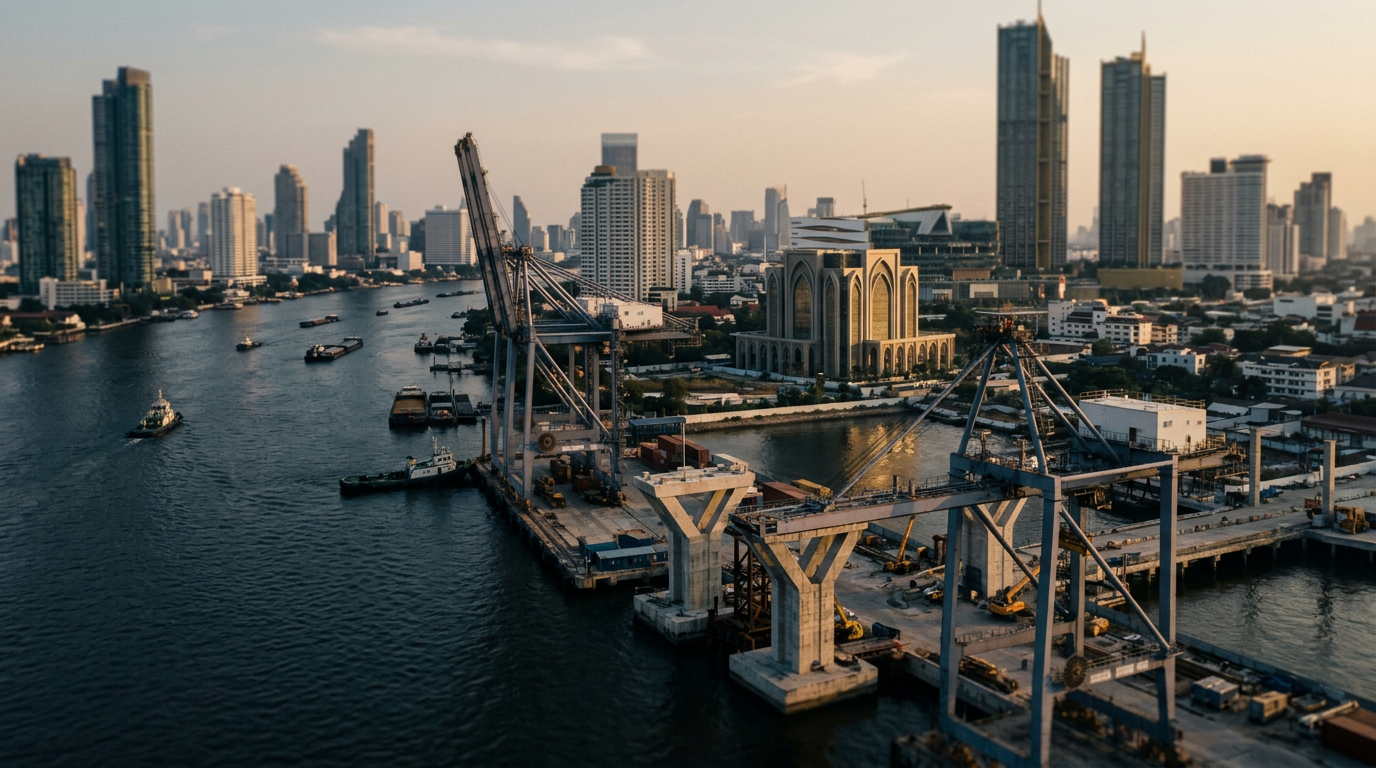
ASEAN-Australia: The Quiet Power of Getting Things Done
As ASEAN and Australia celebrate 50 years of partnership, the focus is shifting from grand announcements to the practical, daily work of building institutions and infrastructure. For investors, a usable state is more valuable than an exciting one.
 Thailand
 Courts Gulf Capital With Islamic Finance Push
Thailand aims to attract investment from Gulf states by positioning itself as an Islamic finance hub. Success will depend on more than just high-level announcements; it requires the foundational work of improving institutions and ensuring project execution.
 Singapore
 Draws Thai Capital for Waterfront Development
A high-profile Singaporean property development backed by Thai capital is a reminder that successful FDI is about more than just announcements; it requires a deep foundation of reliable institutions and tangible assets.
 Vietnam
Vietnam is seeking private capital for its ambitious expressway expansion. Success will depend on more than just announcements; it will require demonstrating institutional reliability to secure the necessary investment.
 Singapore
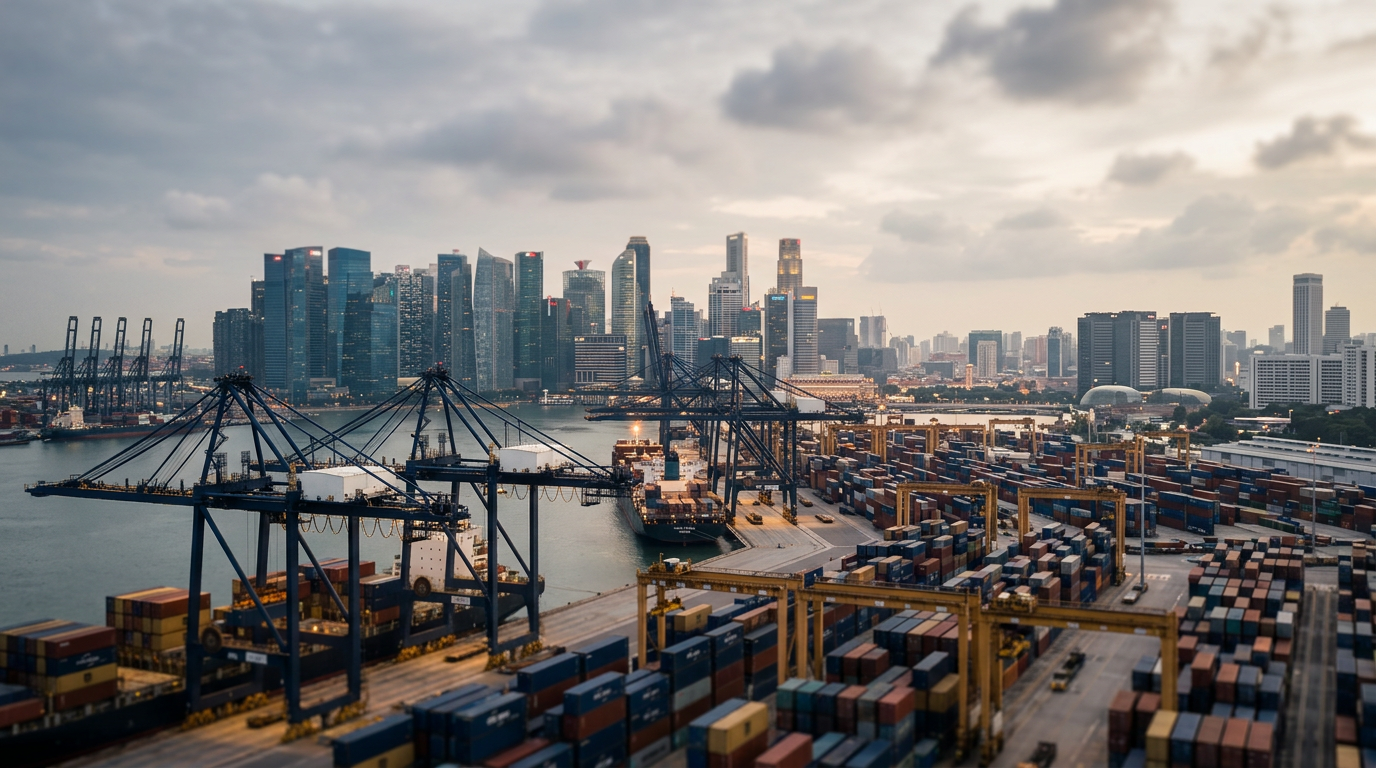
, not scale, is still the model for ASEAN FDI
FDI announcements travel quickly. Realised flows depend on the slower work of land, permits, power and talent reaching the ground.
 Vietnam
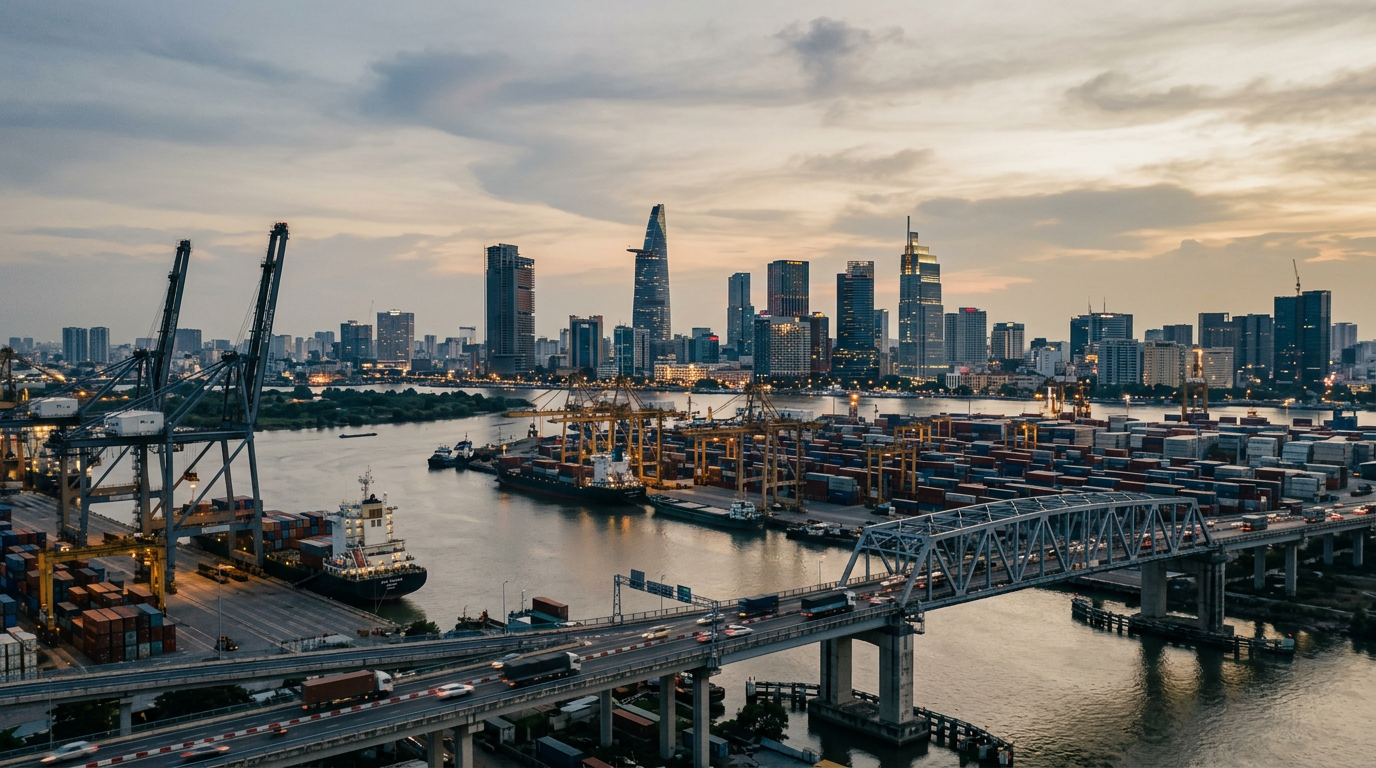
's Growing Wealth and the Test for Institutions
The rapid rise in Vietnam's ultra-high-net-worth population is a signal of its economic dynamism. Yet, this growth story will depend on whether its economic and governance institutions can effectively translate this new capital into broad, sustainable development.
 Singapore
: Execution Over Scale
A major property investment by a Thai billionaire in Singapore is a reminder that successful FDI is about more than just market size. Execution, institutions, and trust are what turn announcements into assets.
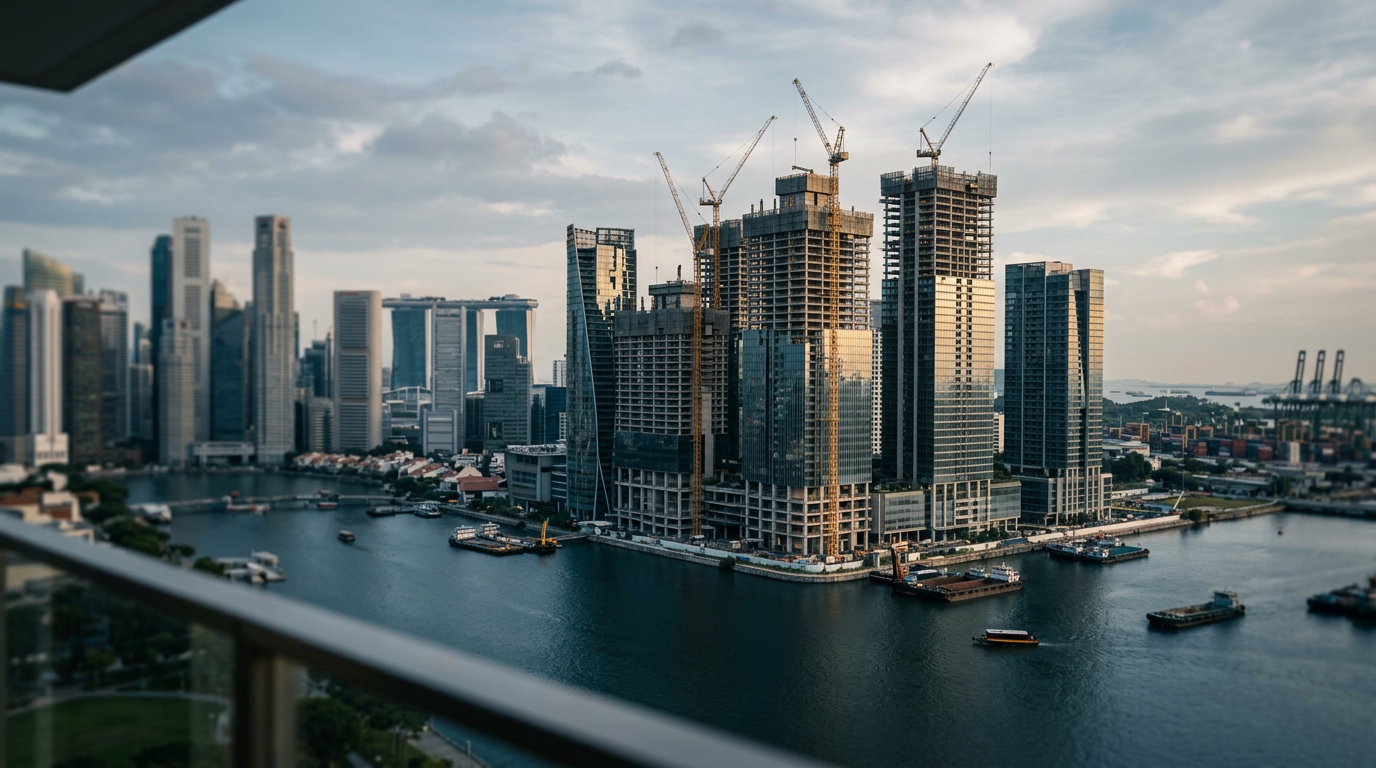 Singapore
, Thailand, and the Power of Predictability
The launch of a luxury mixed-use project in Singapore, backed by a prominent Thai billionaire, illustrates a core ASEAN theme: the quiet power of reliable institutions to attract and deploy long-term capital.
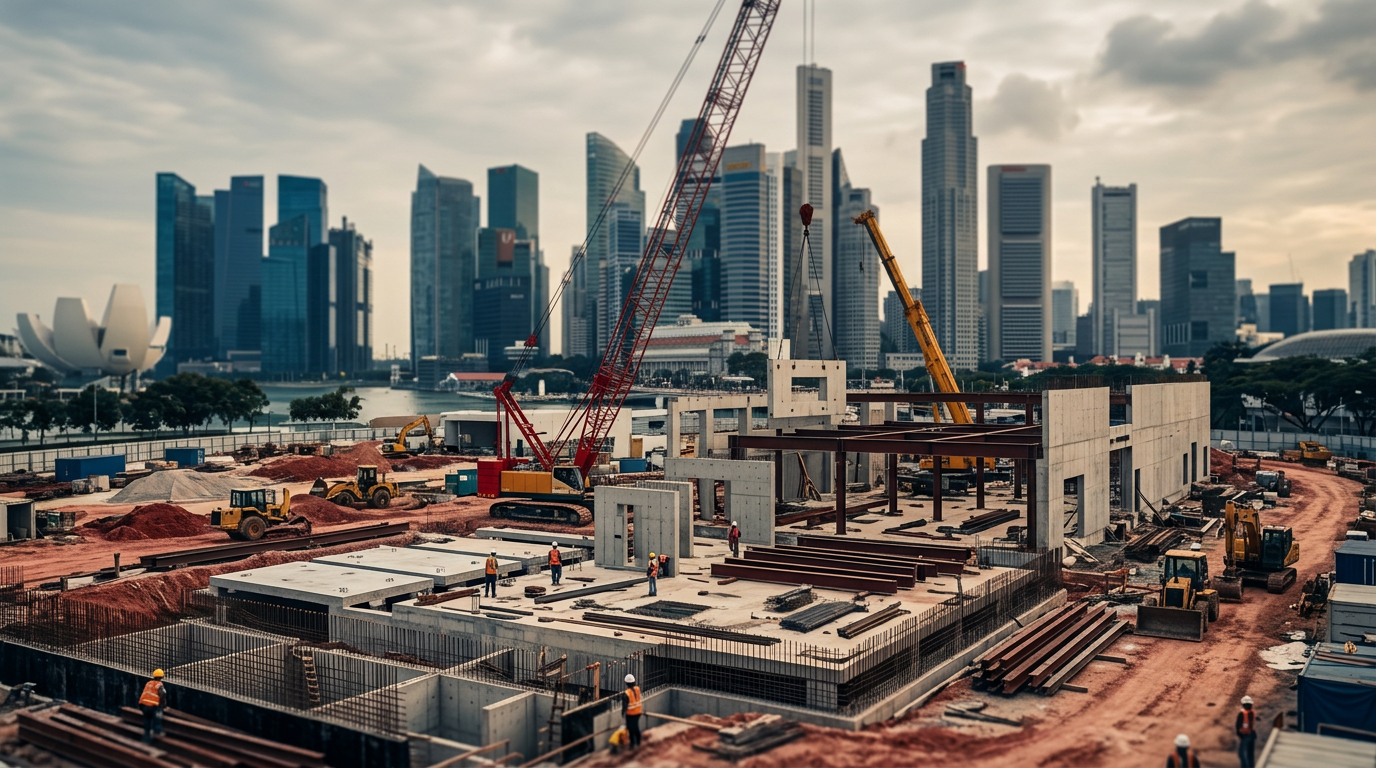 Singapore
Beyond the Deal: Capital Flows and Execution in ASEAN
FDI announcements travel quickly. Realised flows depend on the slower work of land, permits, power and talent reaching the ground. Singapore and Thailand show the way.
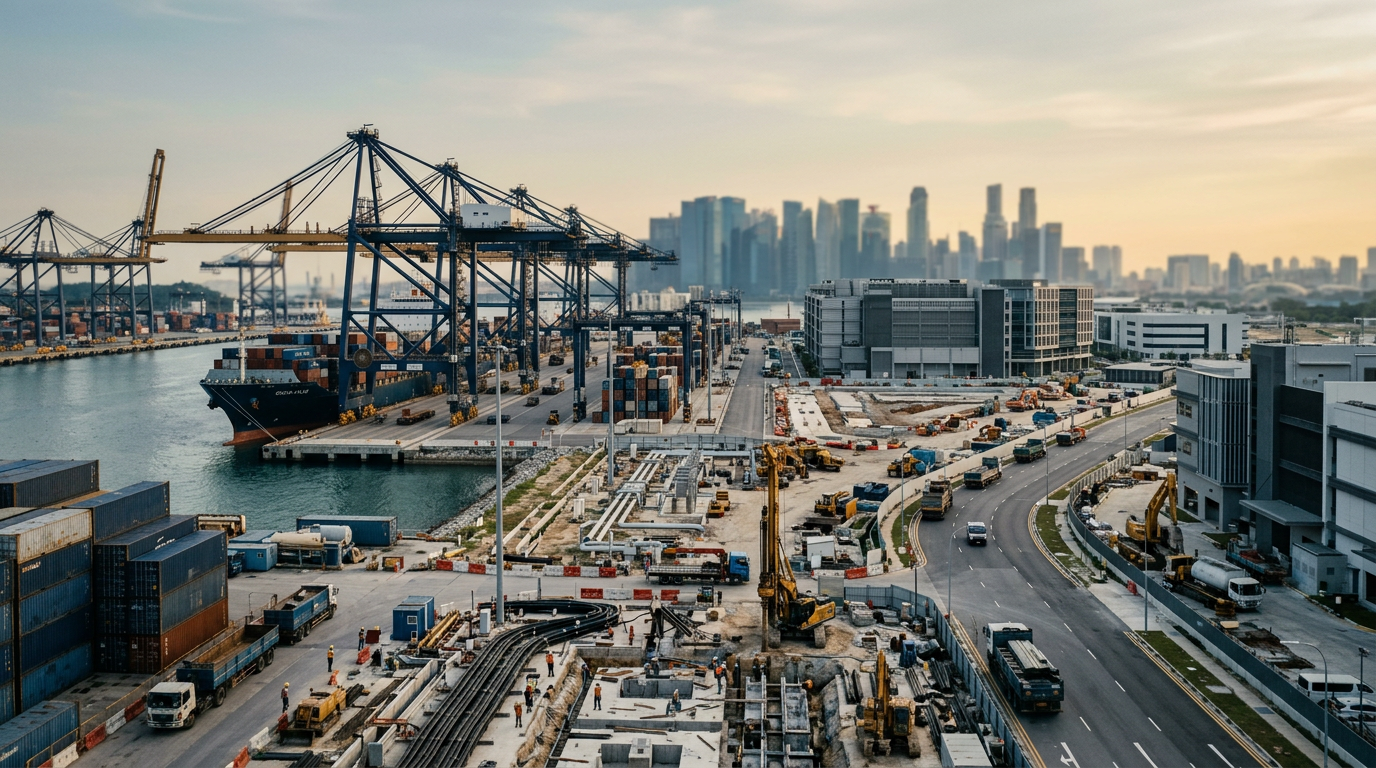 Singapore
, Not Just a Safe Harbour
FDI announcements travel quickly. Realised flows depend on the slower work of land, permits, power and talent reaching the ground.
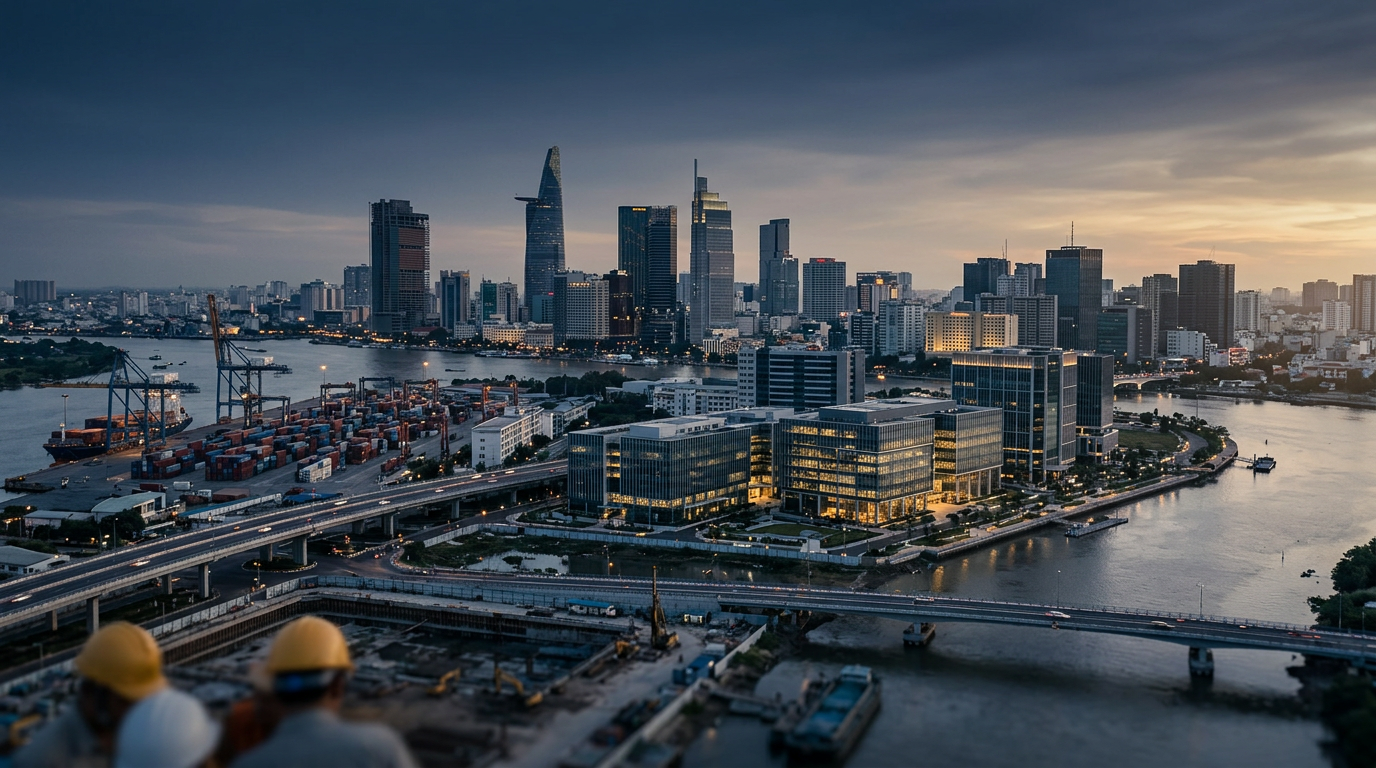 Vietnam
's Growing Wealth: From High Net Worth to Investable Depth
A recent report highlights the rapid growth of Vietnam's ultra-high-net-worth population. While a sign of economic dynamism, this growth in private wealth must be channeled into productive, long-term investment to sustain the country's development trajectory.
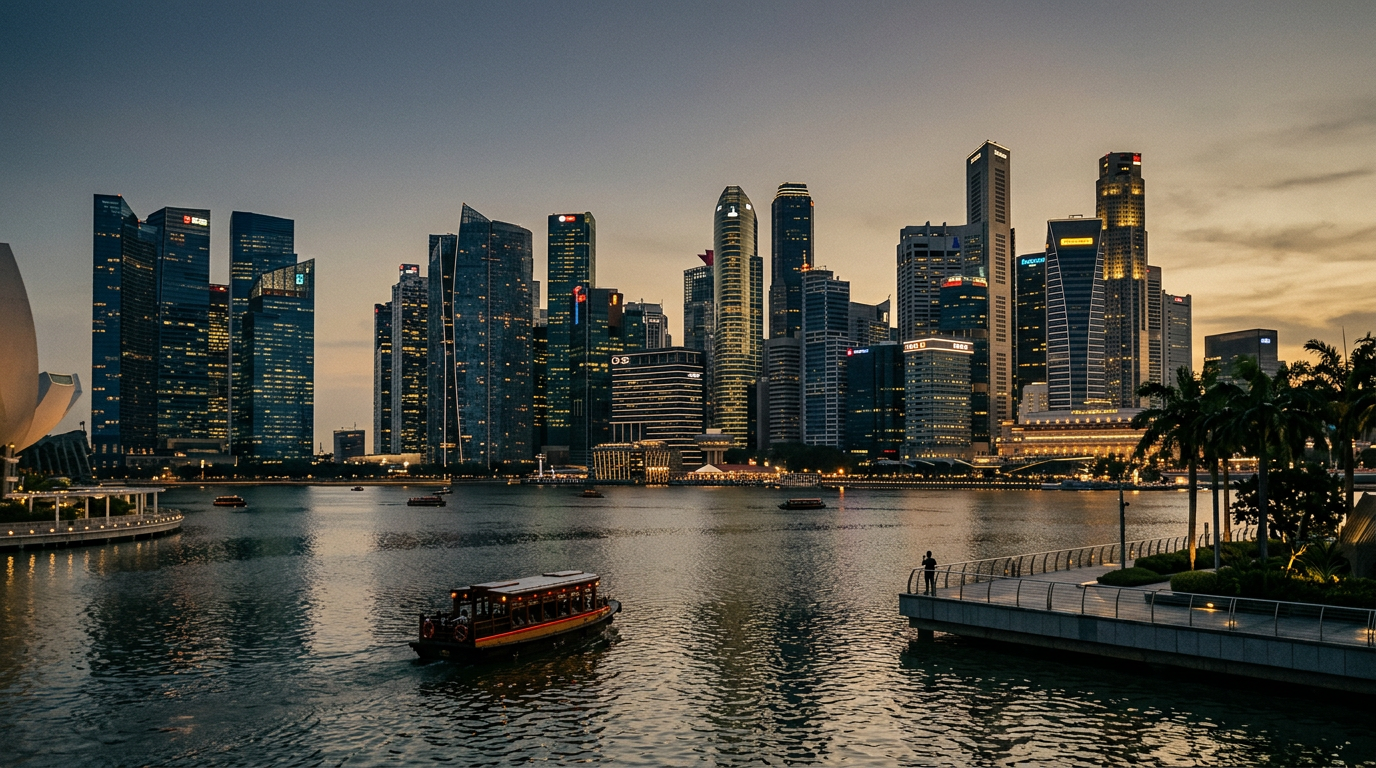 Singapore
's Open FDI Stance Attracts Thai Capital
A high-profile real estate investment from a Thai conglomerate into Singapore highlights the city-state's durable appeal, which is built on institutional quality and a predictable, open business environment.
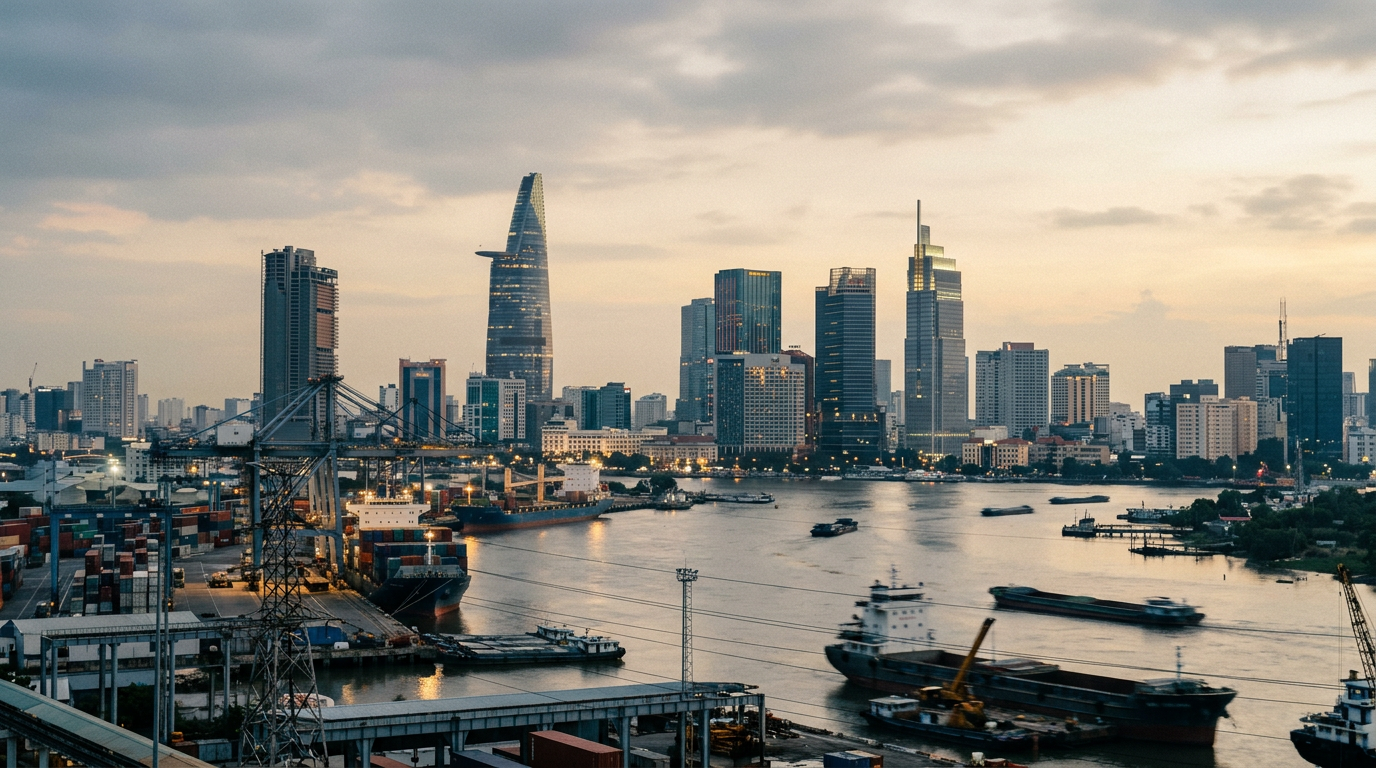 Vietnam
Capital in Vietnam: From Wealth to Investable Depth
Vietnam's expanding class of ultra-rich individuals is a sign of economic dynamism. The next step is translating that capital into broad, investable economic depth through institutional reform.
 Vietnam
's Private Capital Surge Tests Institutional Capacity
A rapid rise in private wealth is a positive indicator for Vietnam, but channeling this new capital into productive, long-term national assets requires robust institutional and regulatory frameworks.
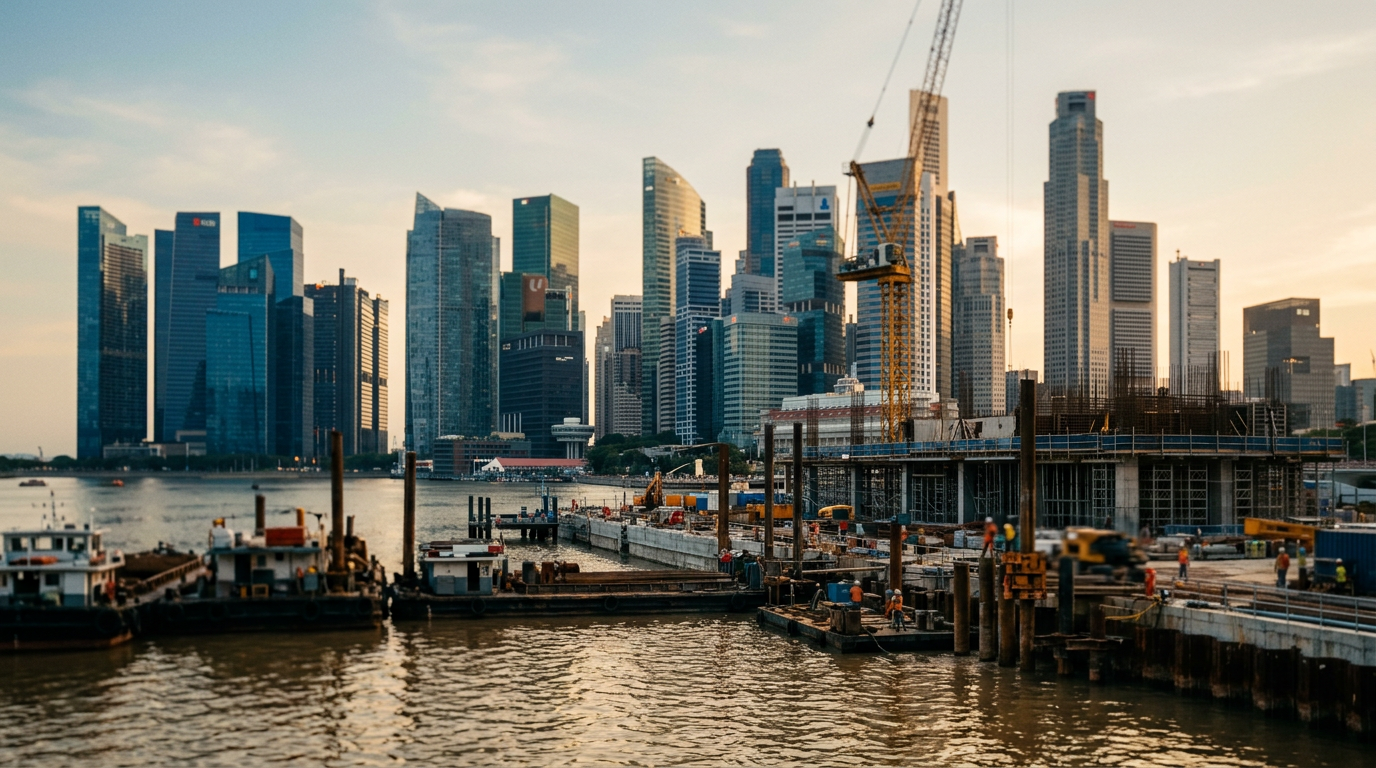 Singapore
 Draws Thai Capital for Waterfront Development
A new luxury mixed-use project on the Singapore River, backed by a prominent Thai investor, shows how the city-state's institutional quality continues to attract foreign capital.
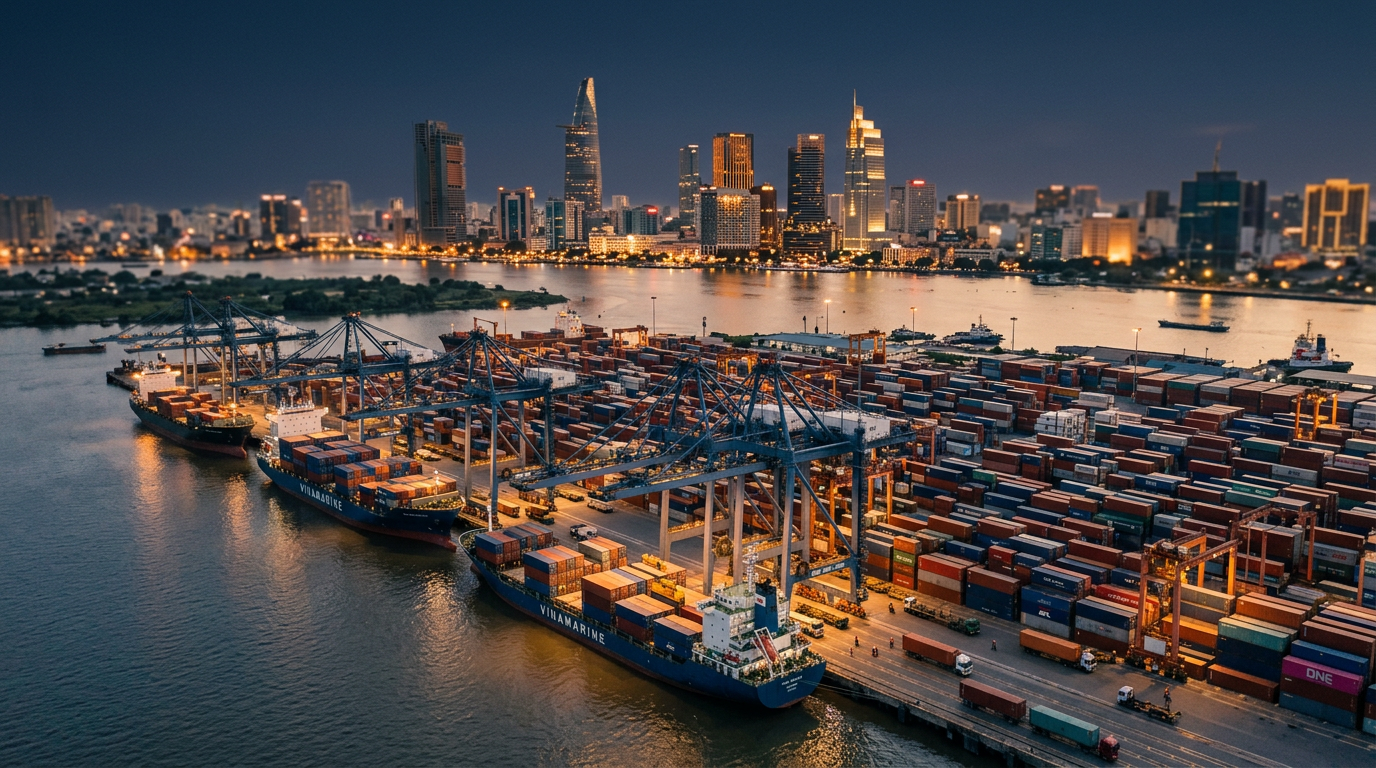 Vietnam
Capital and Institutions in Vietnam
Vietnam's fast-growing cohort of wealthy individuals is a sign of economic dynamism, but converting this domestic capital into durable national assets requires stronger institutional frameworks.
 Vietnam
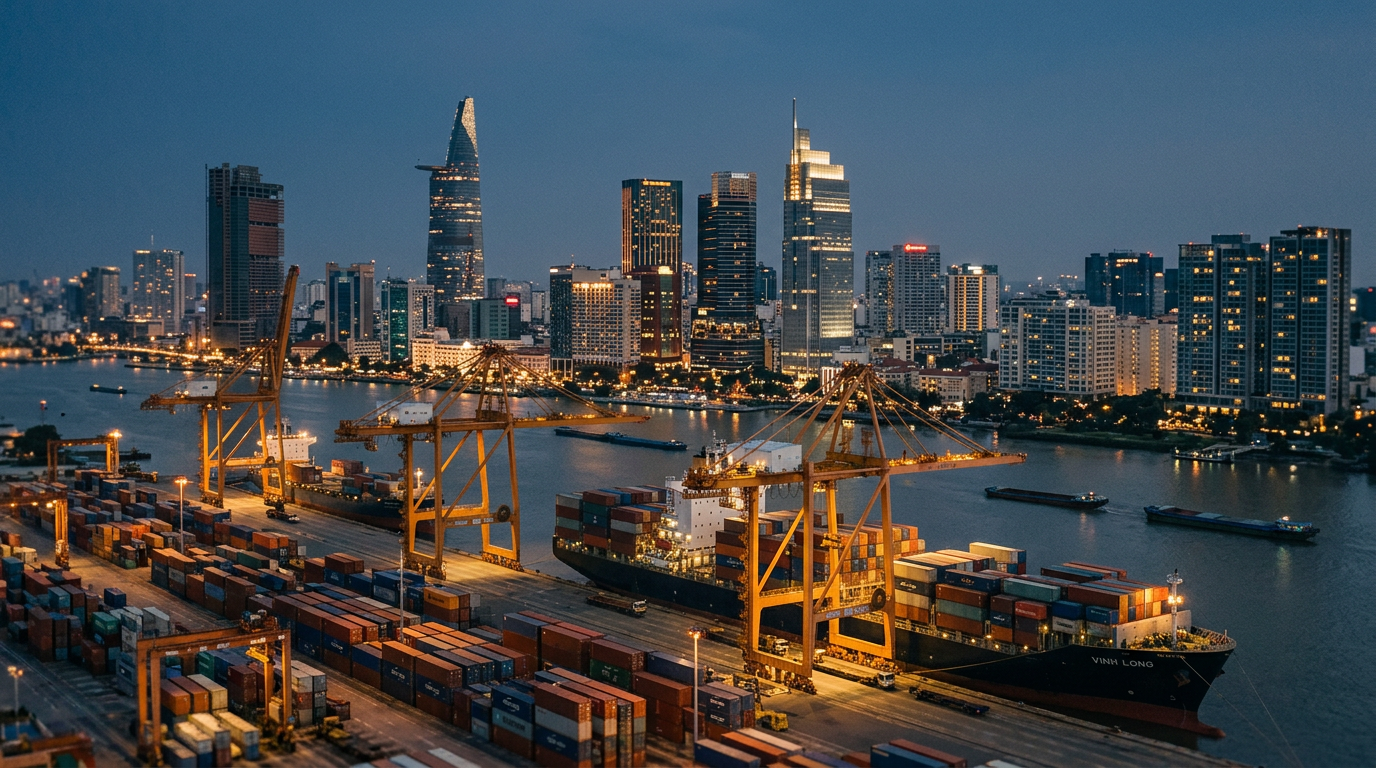
's Growing Wealth: From Affluence to Investment
The rapid growth in Vietnam's ultra-rich population is a notable headline, but translating this domestic capital into productive, long-term investment requires institutional strengthening and a focus on execution.
 Malaysia
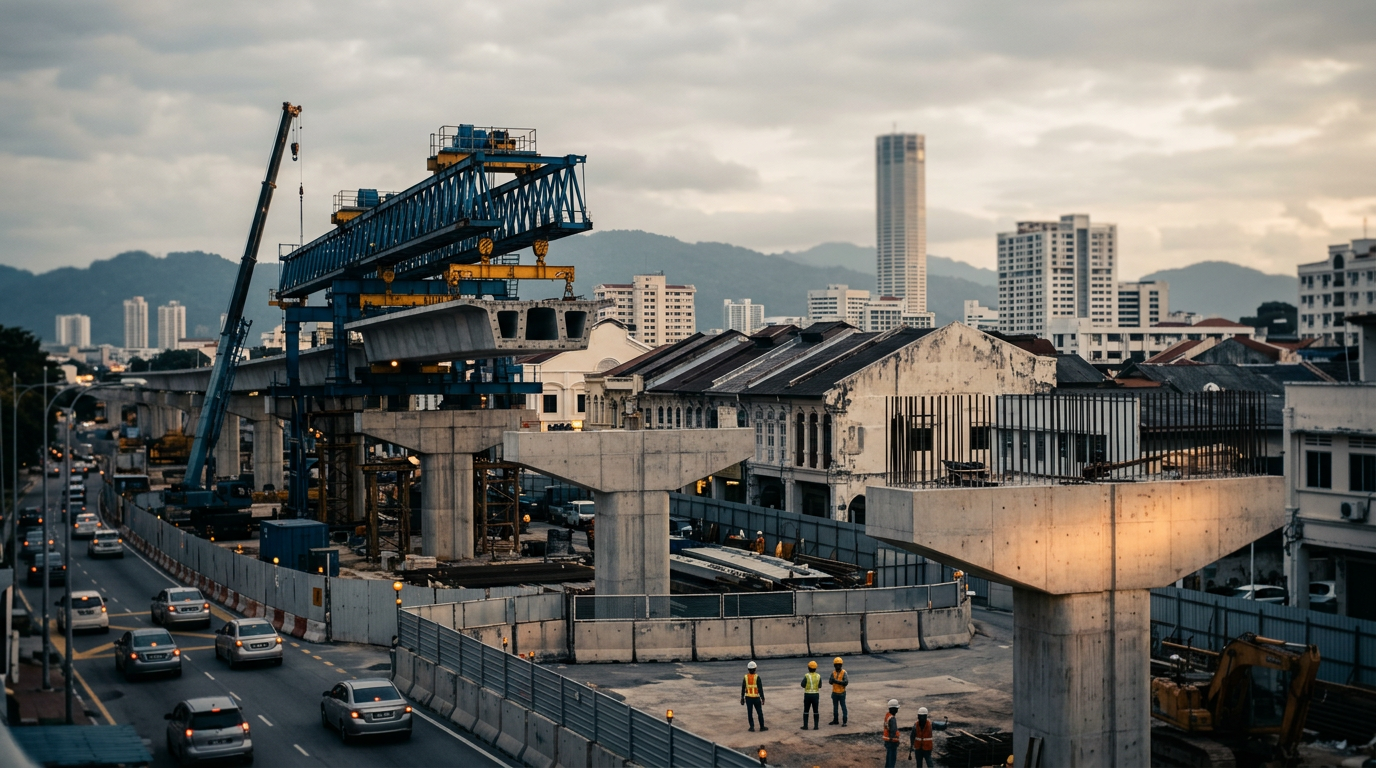
Penang LRT Signals Malaysia's Infrastructure Test
The partial lane closures on Jalan Sultan Azlan Shah in George Town for the LRT Mutiara Line are more than a local traffic story. They are a real-time test of Malaysia's institutional capacity to deliver complex infrastructure projects on schedule and on budget.
 Vietnam
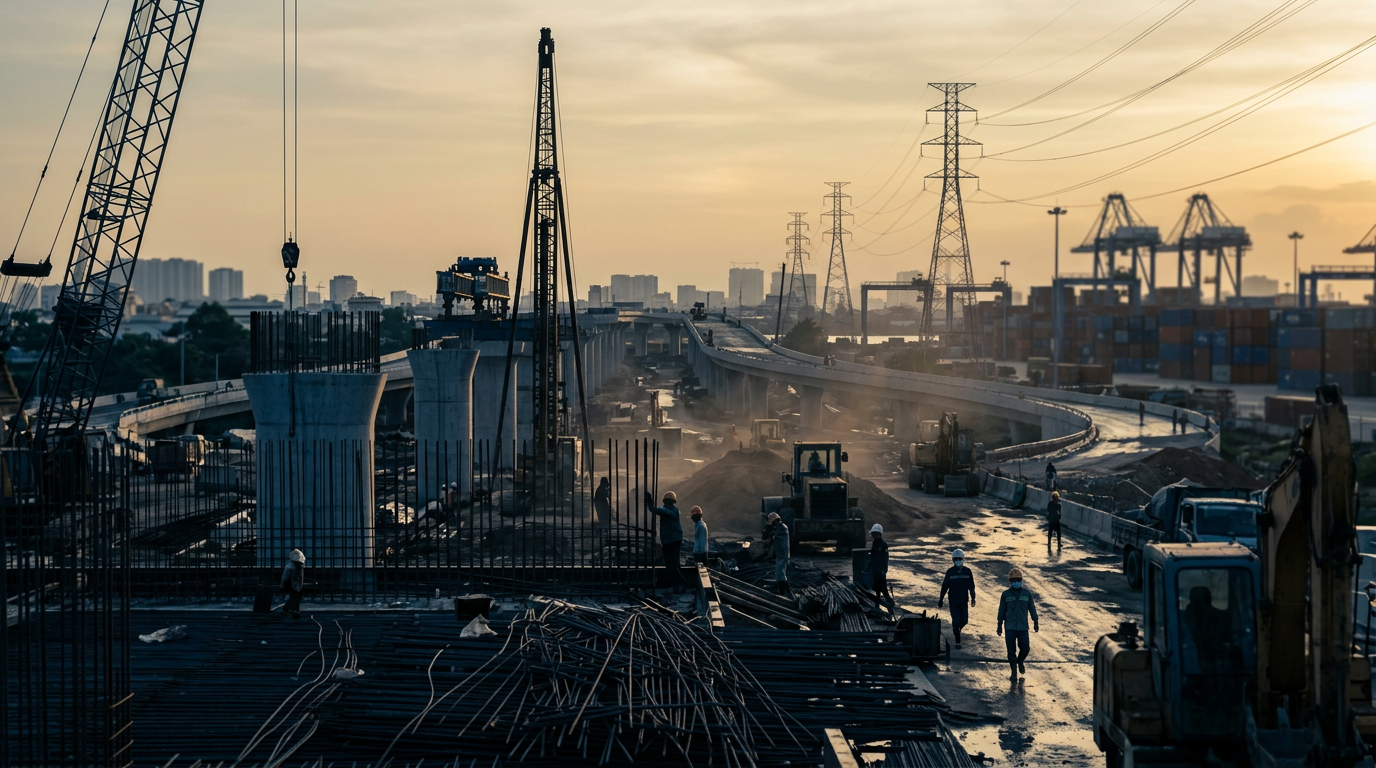
's Expressway Push Tests State Capacity
Vietnam aims to mobilize VND846 trillion in private capital for expressways. Success will depend on institutional quality and the state's ability to manage complex infrastructure projects.
 Vietnam
Vietnam is seeking approximately VND846 trillion in private capital for 29 priority projects to expand its expressway network to over 5,000 km by 2030, enhancing efforts to attract private investment.
 Vietnam
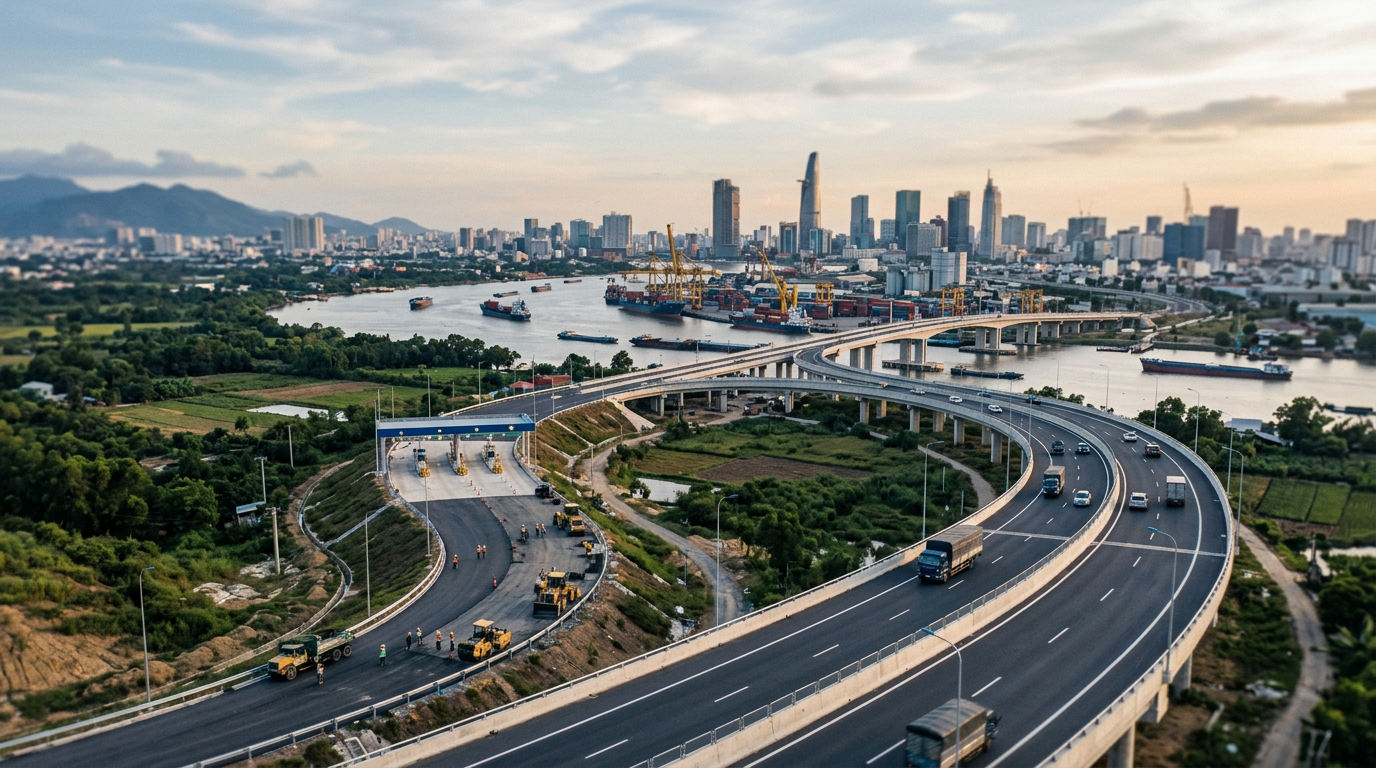
The Expressway to Development in Việt Nam
Việt Nam is looking for private capital to build out its national expressway network. For investors, the reliability of state institutions will be as important as the spreadsheets.
 Vietnam
's Infrastructure Execution Test
Hanoi has an ambitious plan to expand its national expressway network, but a multi-billion-dollar funding gap puts the focus on its ability to execute. For foreign investors, infrastructure that arrives on time is a powerful signal of a state's capacity.
 Thailand
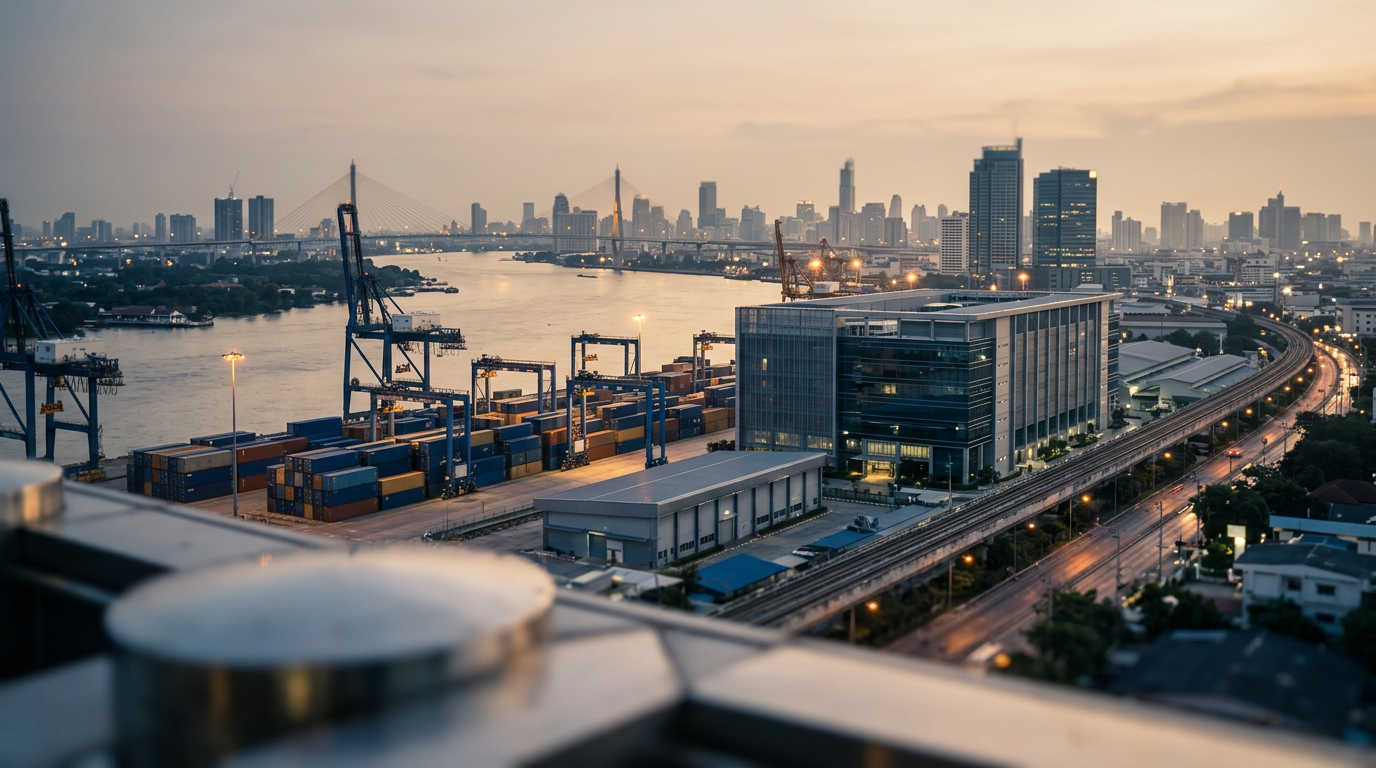
 Prizes Point to a Deeper Institutional Story
Chevron's recent innovation awards in Thailand are a useful reminder that institutional reliability is a core component of comparative advantage in Southeast Asia.
 Malaysia
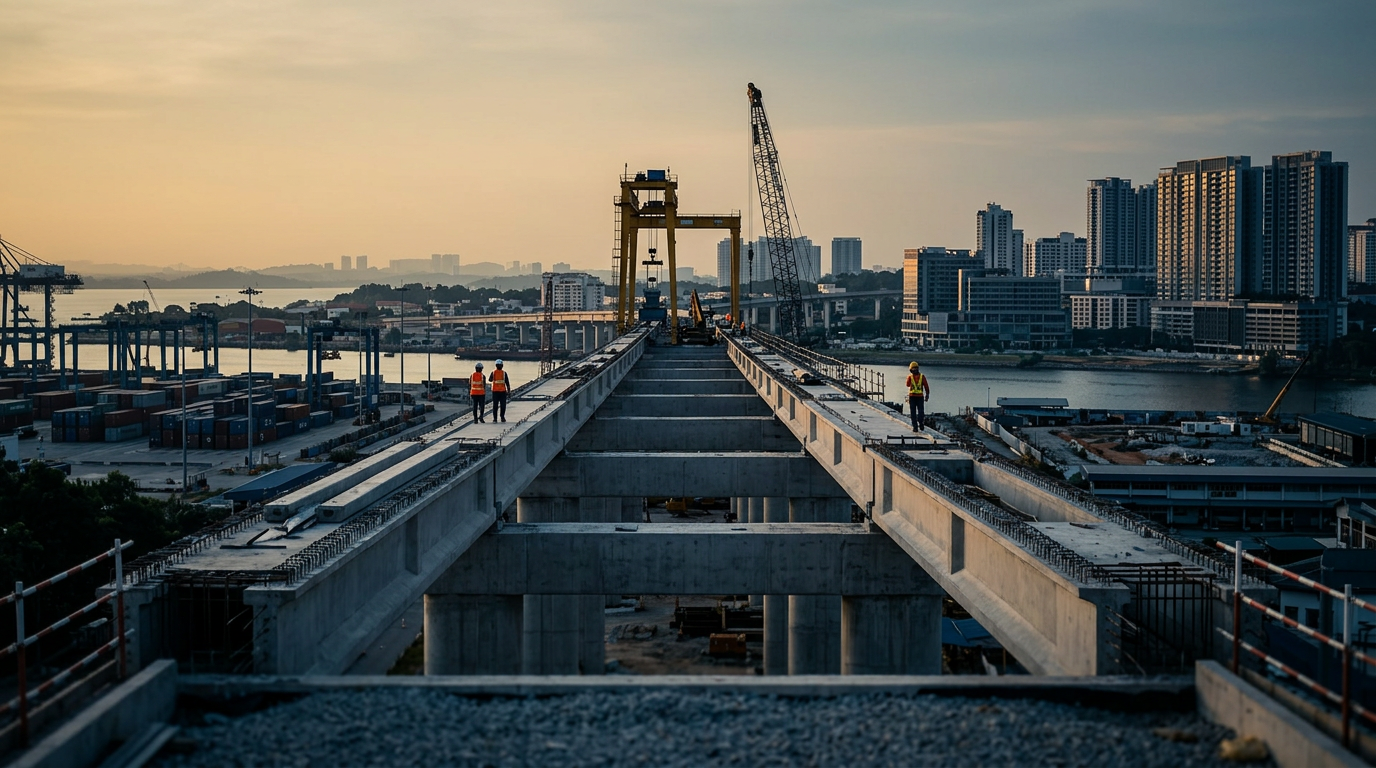
's RTS Link Delay Highlights the Governance Gap in Large-Scale Infrastructure
The delay in the Johor Bahru-Singapore RTS Link, a key project for Malaysia's economic ambitions, shows that execution is as important as the initial investment announcement. Turning vision into reality requires navigating complex regulatory and technical challenges.
 Malaysia
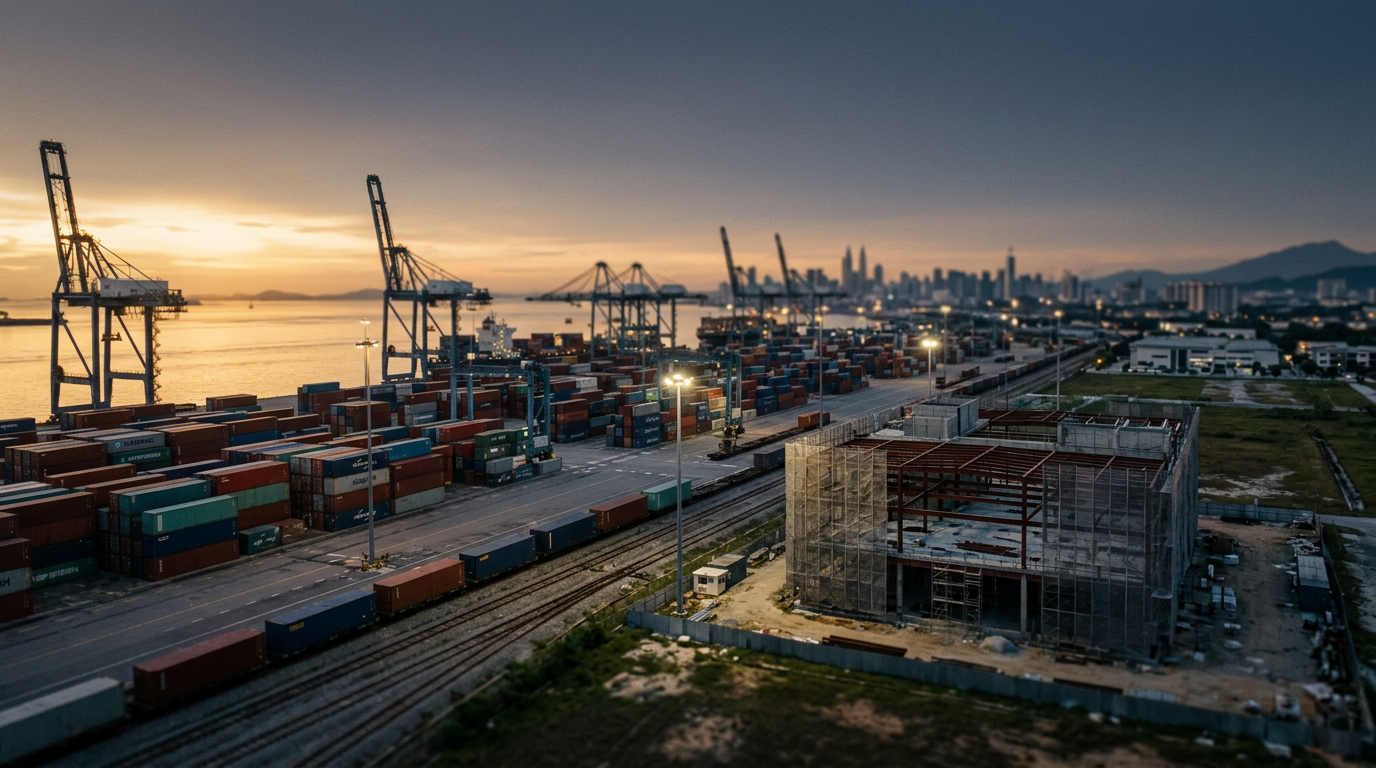
's FDI Wins Meet the Execution Test
Foreign investment pledges are one thing; turning them into reality requires solid execution on infrastructure, talent, and regulatory support. Malaysia is making progress.
 Laos
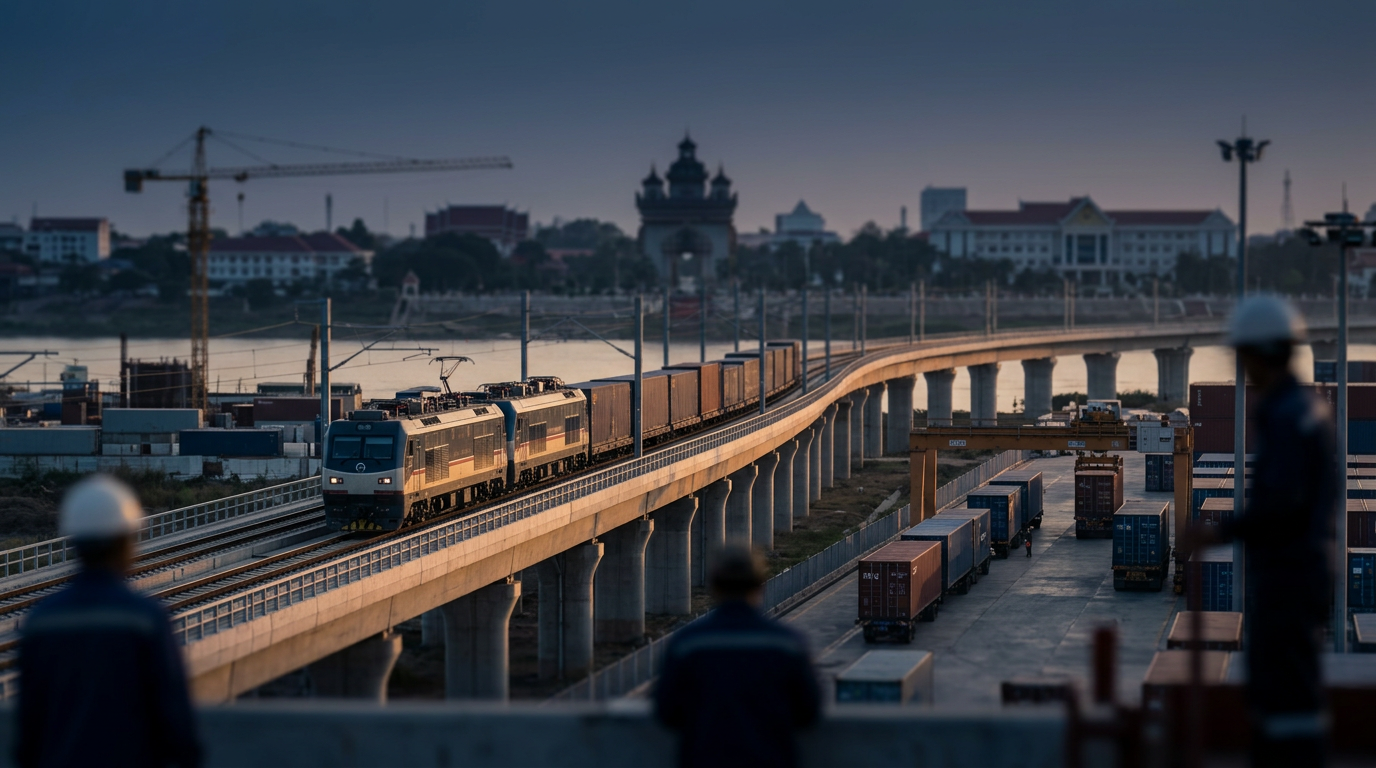
Reliability is the New Advantage in ASEAN
Infrastructure that arrives on time signals more than infrastructure that is merely announced. Institutional reliability is becoming a key part of comparative advantage across the region.
 Thailand
Data Centers, Not Just Oil and Gas, Compete for Chips
Thailand's ambition to become a major data center hub is running into the global semiconductor shortage. The country's success depends on coordinating infrastructure and regulatory planning to attract hyperscale investment.
 Singapore
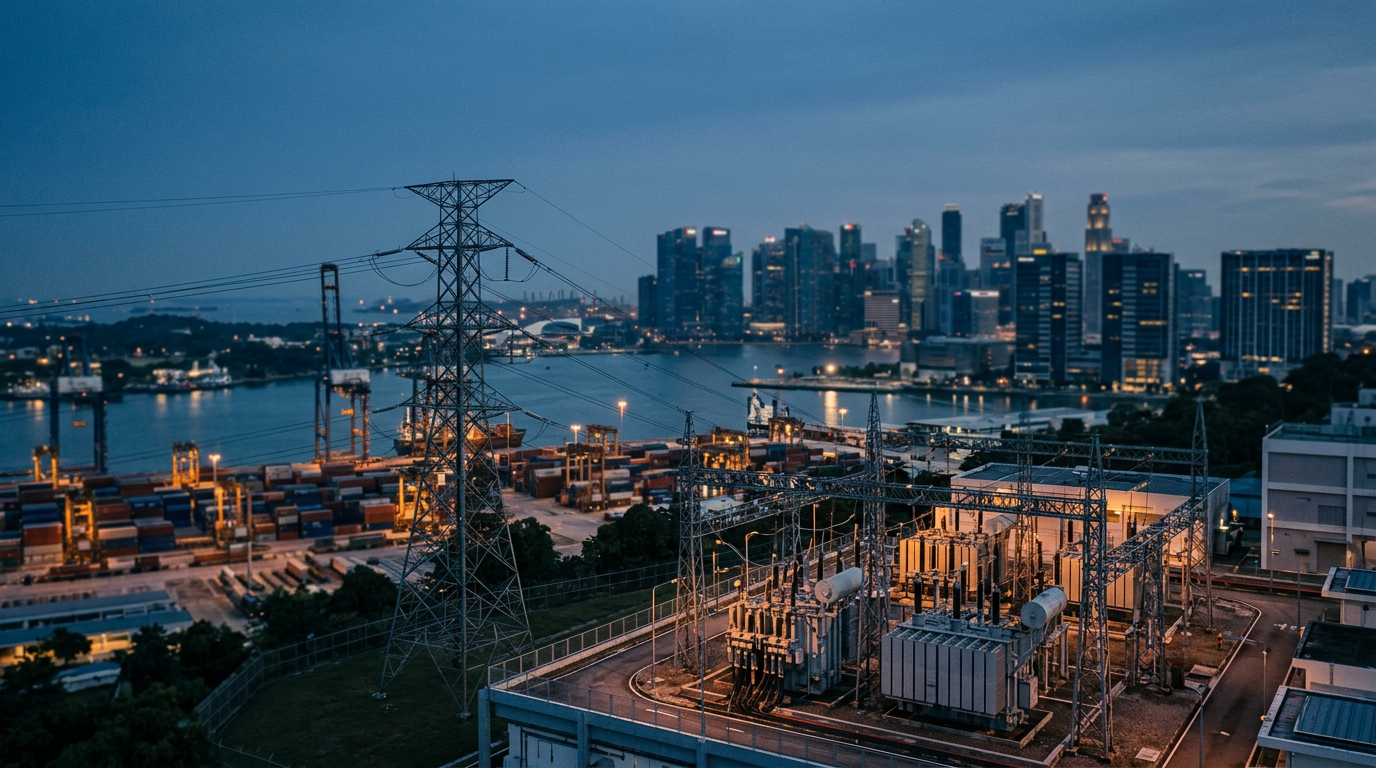
The ASEAN Power Grid Needs More Than Announcements
The new Singapore-World Bank partnership to make the ASEAN Power Grid investable is a positive step, but turning ambition into reality requires a focus on institutional reliability and execution.
 Vietnam
The Hard Work of Building Tomorrow's Infrastructure
Patient, long-term investment in infrastructure is a core element of national competitive advantage.
 Philippines
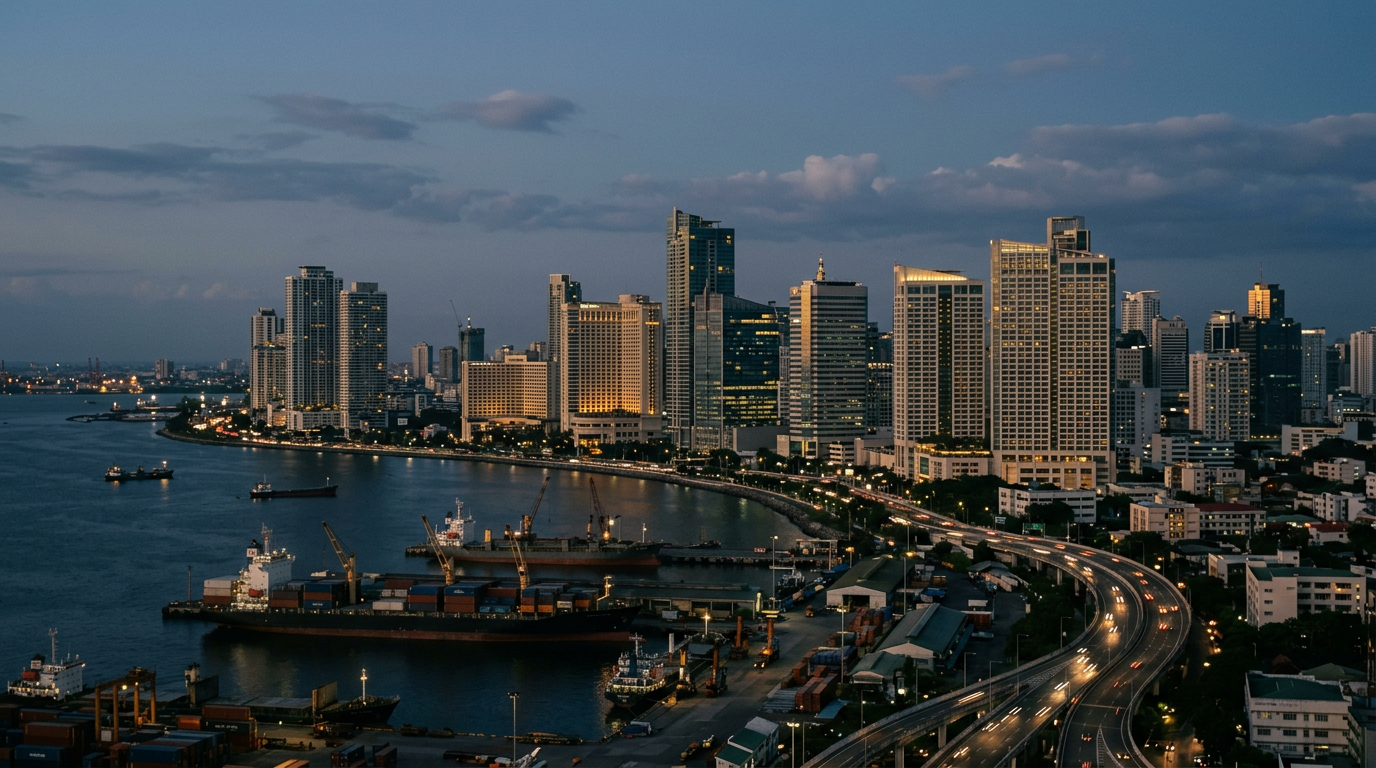
Robinsons Hotels and Resorts Award Signals Deeper Trends in Philippine Hospitality
An award for Robinsons Hotels and Resorts points to a deeper story about institutional capacity and its role in translating tourism growth into durable economic gains.