
ASEAN Analysis & Commentary
Every analysis published on ASEAN Rising is sourced, datestamped and signed. We're more interested in being right in 12 months than first in 12 minutes.
Foundation pieces
Start here. The three pieces below set out the lens ASEAN Rising uses to read every story.
ASEAN Rising's core lens. Execution Economics is the study of whether countries, companies and institutions can convert obvious potential into delivered outcomes - and which six pillars decide the answer.
The region has capital, demographics, location and policy ambition. None of that has ever been the binding constraint. The next decade is an execution test, not a potential test - and it is already being scored.
Malaysia is the test case for whether ASEAN's middle powers can turn FDI, semiconductors and data centres into compounding domestic capability. Read the live coverage and execution scorecard.
Analysis tagged #data centres
 Malaysia
's Data Centre Boom Tests Its Foundations
Malaysia is attracting record FDI in data centres. Execution on land, power, and talent will determine if this translates into sustained growth.
 Malaysia
's Data Centre Boom Tests Its Foundations
Malaysia's data centre boom is attracting significant foreign investment. But growth depends on the slower work of land, permits, power and talent.
 Singapore
's Data Centre Leadership: A Test of Coordinated Capital
A recent PwC forecast highlights massive growth in data centre investment in Singapore and Malaysia, but capital alone is not enough. Execution requires a level of institutional coordination that has become a Singaporean signature.
 Singapore
, Malaysia, and the data-centre buildout
A recent PwC forecast on data-centre investment shows how Singapore's established ecosystem and Malaysia's emerging scale are shaping Southeast Asia's digital infrastructure. The ability to coordinate capital, utilities, and planning remains the key differentiator.
 Singapore
, Malaysia, and the data-centre buildout
PwC forecasts Singapore's annual data centre investment to reach US$19.2 billion by 2050, up from US$7 billion in 2026. This is part of a US$1.29 trillion regional surge in which Malaysia is also participating. For Singapore, the challenge is not just attracting capital, but.
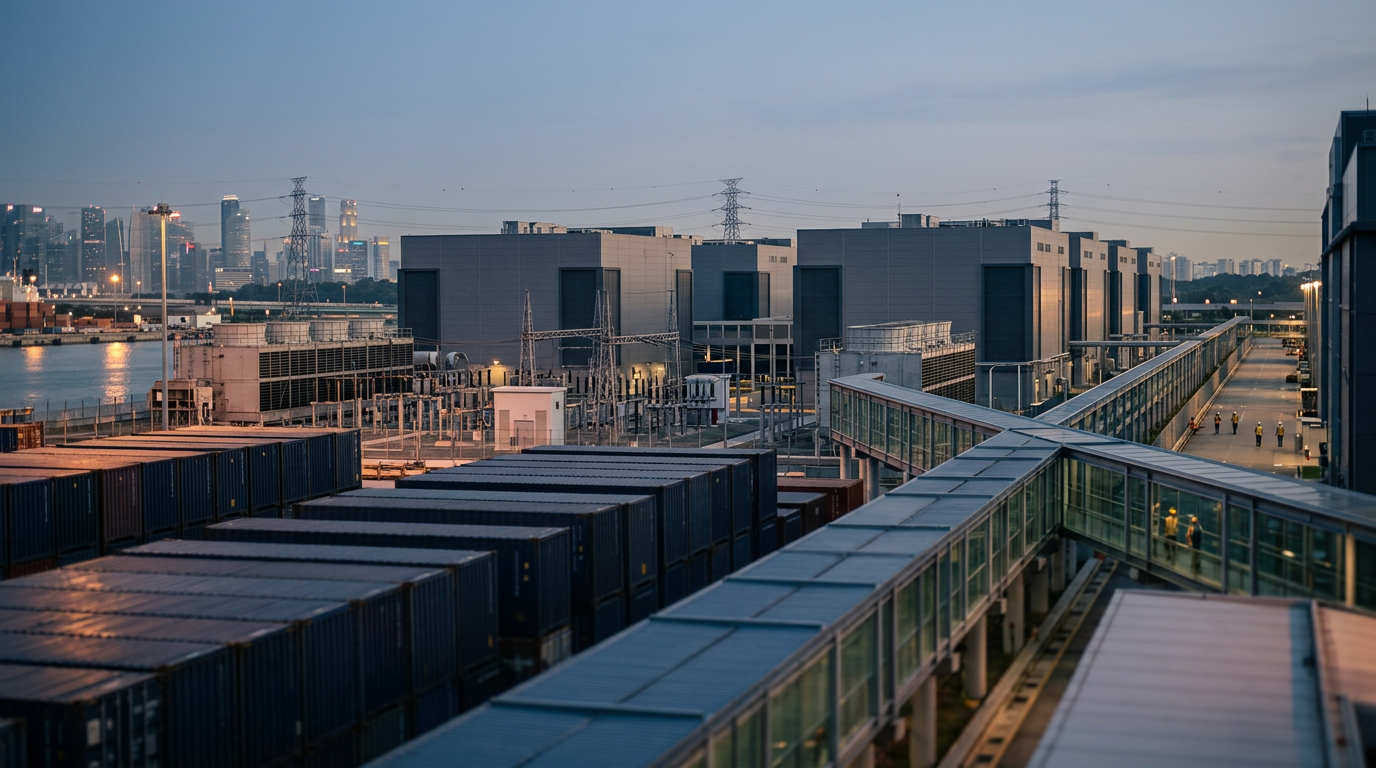 Singapore
Aligning Power, Planning, and Capital in ASEAN Data Centres
A recent PwC forecast on data centre investment in Singapore and Malaysia highlights the importance of aligning infrastructure, from power grids to network connectivity. Where these elements are coordinated, hyperscale capacity follows.
 Singapore
, Malaysia, and the data centre boom
PwC forecasts Singapore's annual data centre investment to reach US$19.2 billion by 2050, as part of a US$1.29 trillion regional surge that includes Malaysia.
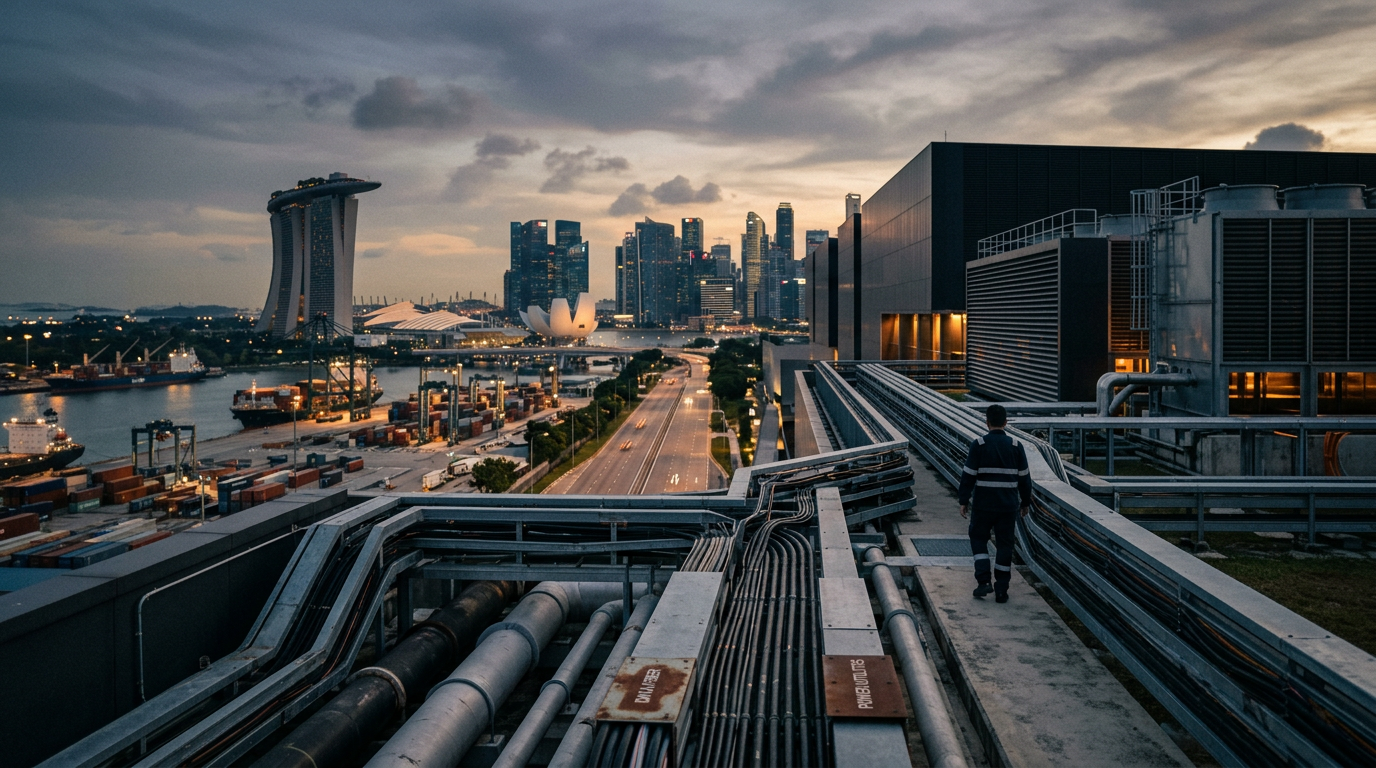 Singapore
, Malaysia, and the data-centre buildout: not just about power
PwC projects a data-centre investment surge in Singapore and Malaysia. While power is a necessary input, it is not sufficient. Capital coordination across utilities, planning, and connectivity is what makes hyperscale capacity possible.
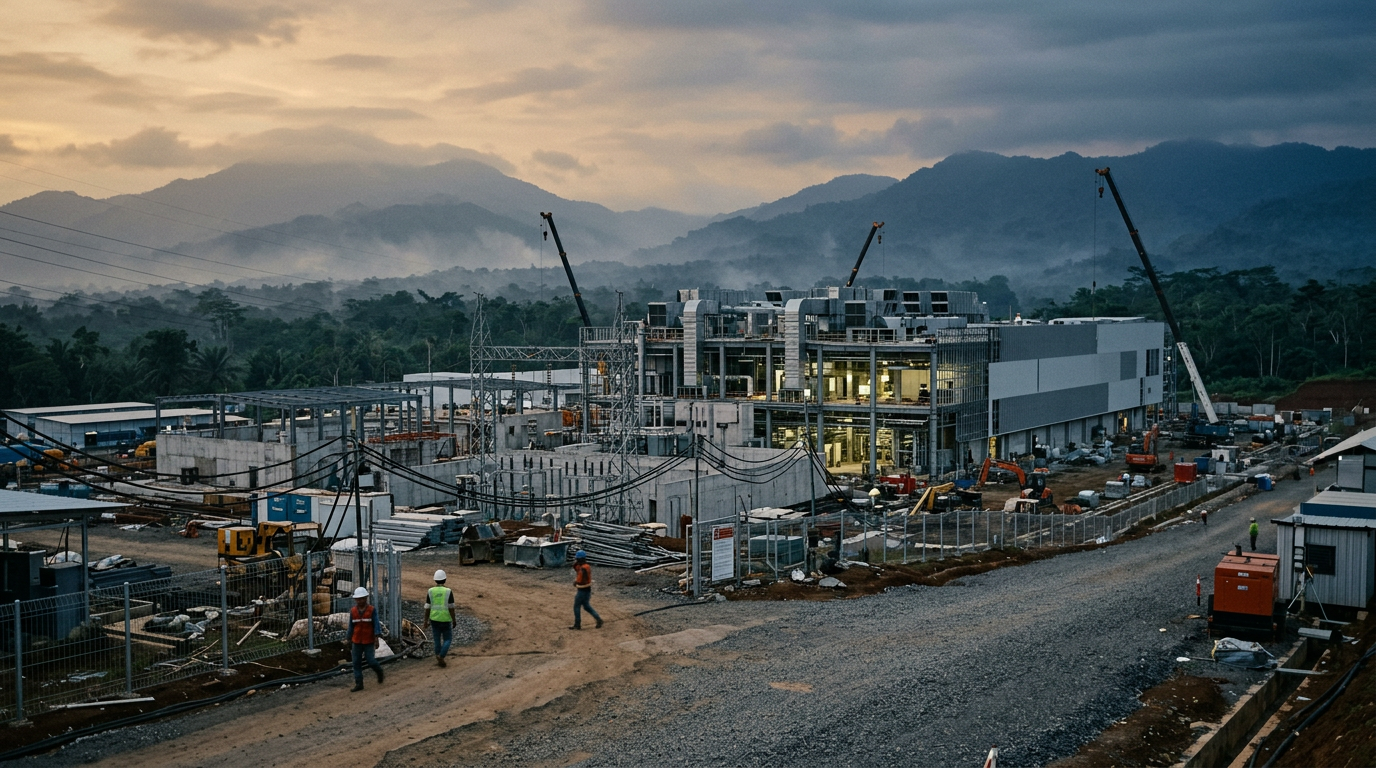
 Indonesia
Java's New Data Centre Highlights an ASEAN Execution Gap
A new 640 MW data centre project in West Java is a positive step for Indonesia's digital economy. But the project also shows the persistent gap between Indonesia's infrastructure goals and its execution on the ground.
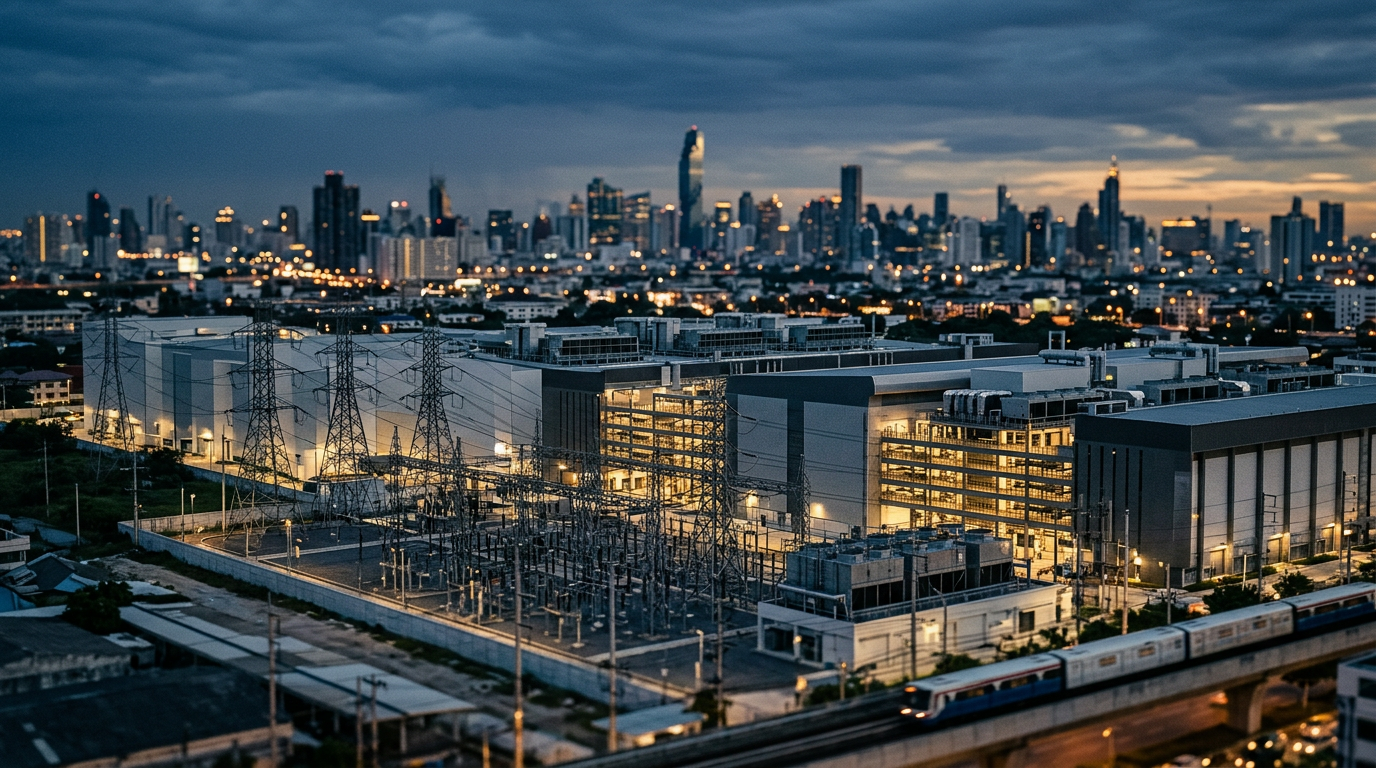
 Thailand
's Data Centre Boom and the Energy Question
Thailand's data centre boom is straining its energy grid. The country's ability to coordinate infrastructure and power will determine its success in the hyperscale era.
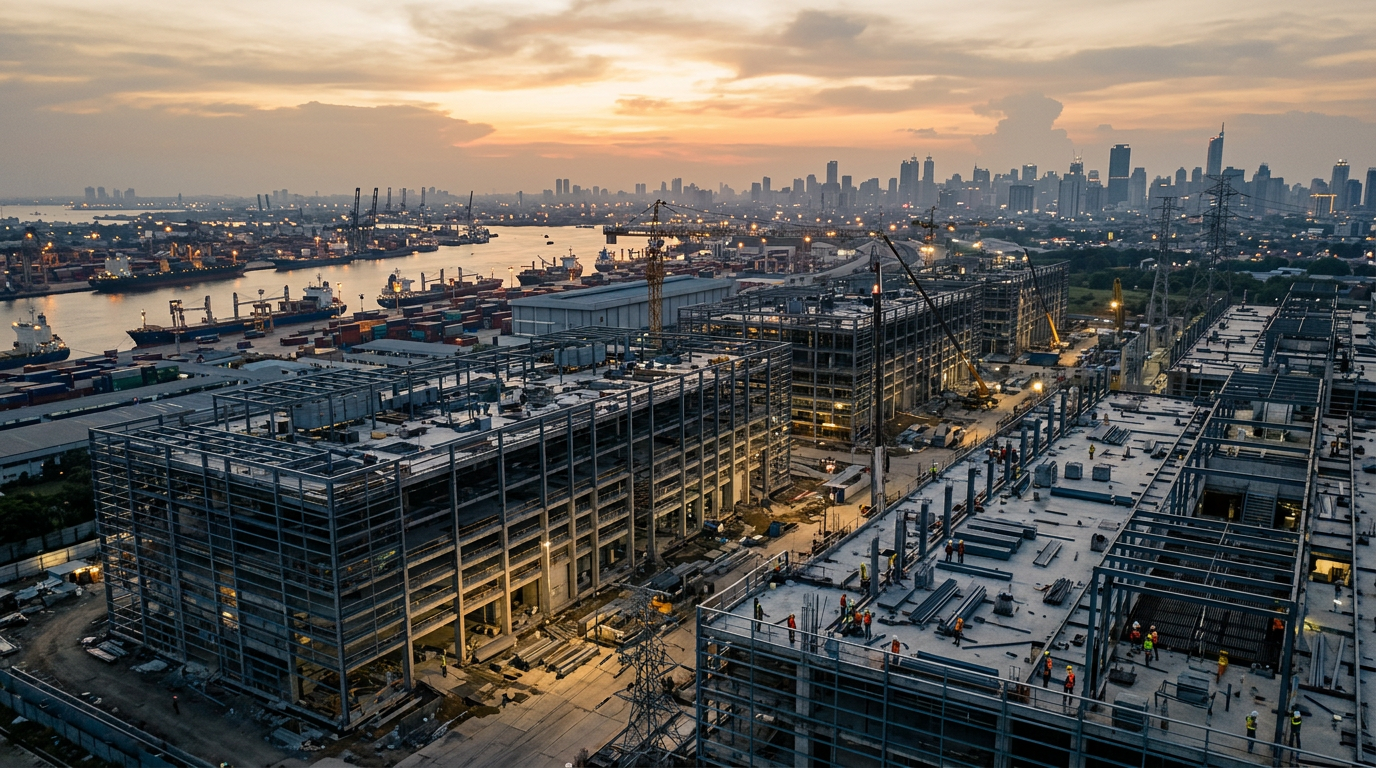
Alibaba's Big Bet on Data Centres Spotlights ASEAN's Infrastructure Test
Alibaba is launching a major international data centre expansion, aiming for over 20 gigawatts of global capacity by 2032. This global push will test ASEAN's ability to coordinate power, connectivity, and planning to attract these hyperscale investments.
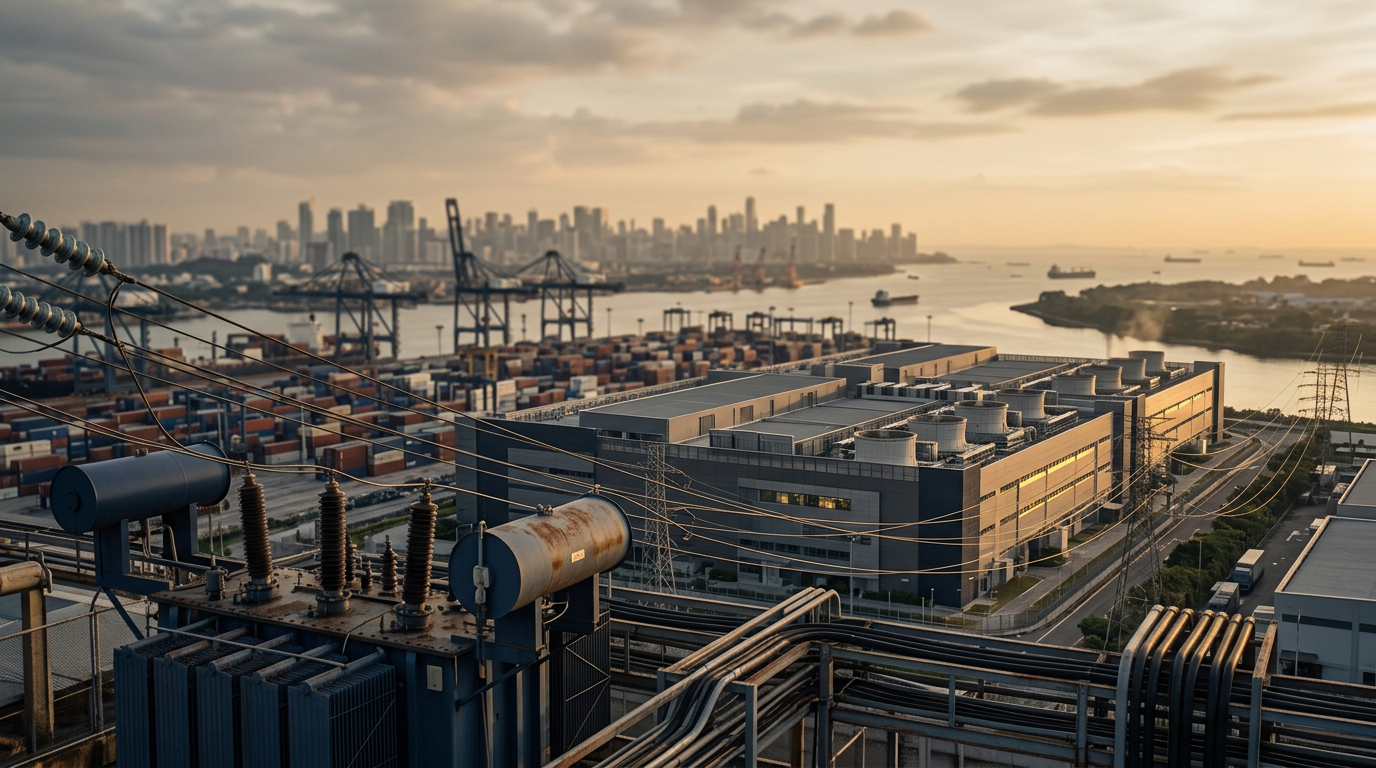
Data centres: The limits of cheap power
Alibaba's new AI chip is a reminder that data centre investment is not just about computing power. As ASEAN Rising argues, "capital coordination is itself an industrial input." Without coordinated planning, even cheap electricity is not enough.
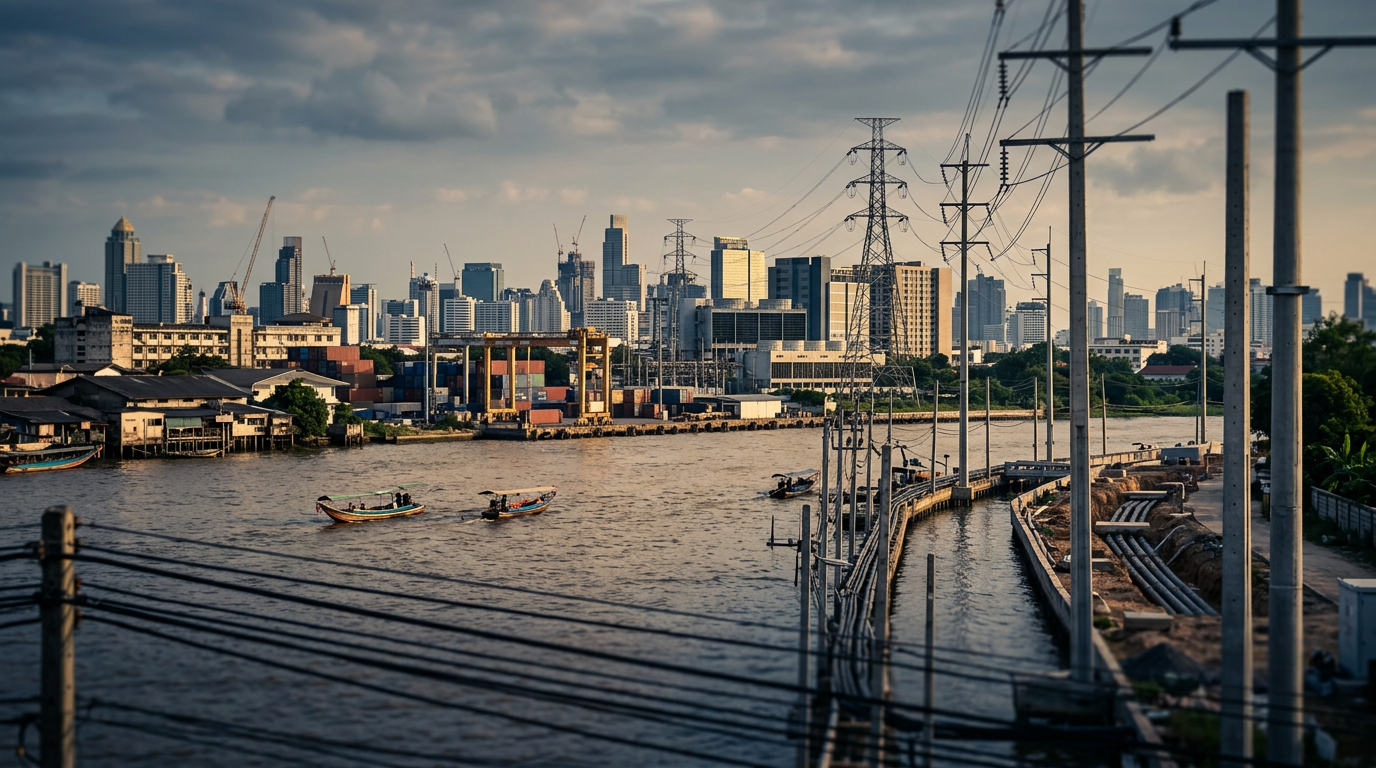 Thailand
's Data Centre Boom Tests Its Infrastructure
Thailand's ambitions in the digital economy are running up against a familiar challenge: infrastructure. Bangkok's data centre boom is testing the limits of the capital's power and land, pushing new investment into provincial areas.
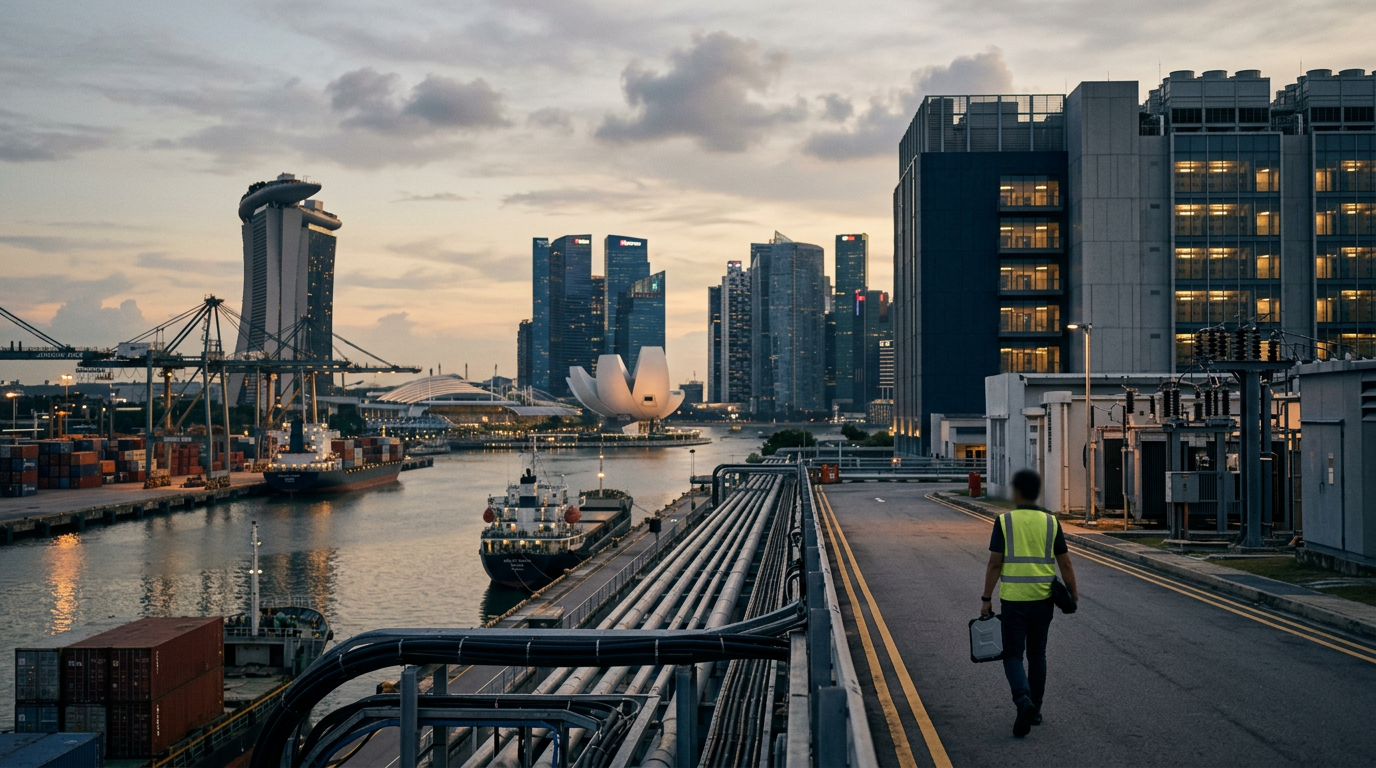 Singapore
's Data Centre Evolution
Singapore's data centre operators are moving up the value chain, evolving from pure-play hyperscale providers into sophisticated multi-tenant ecosystems. This shift reflects a maturing market where coordinated capital and infrastructure planning create new forms of value.
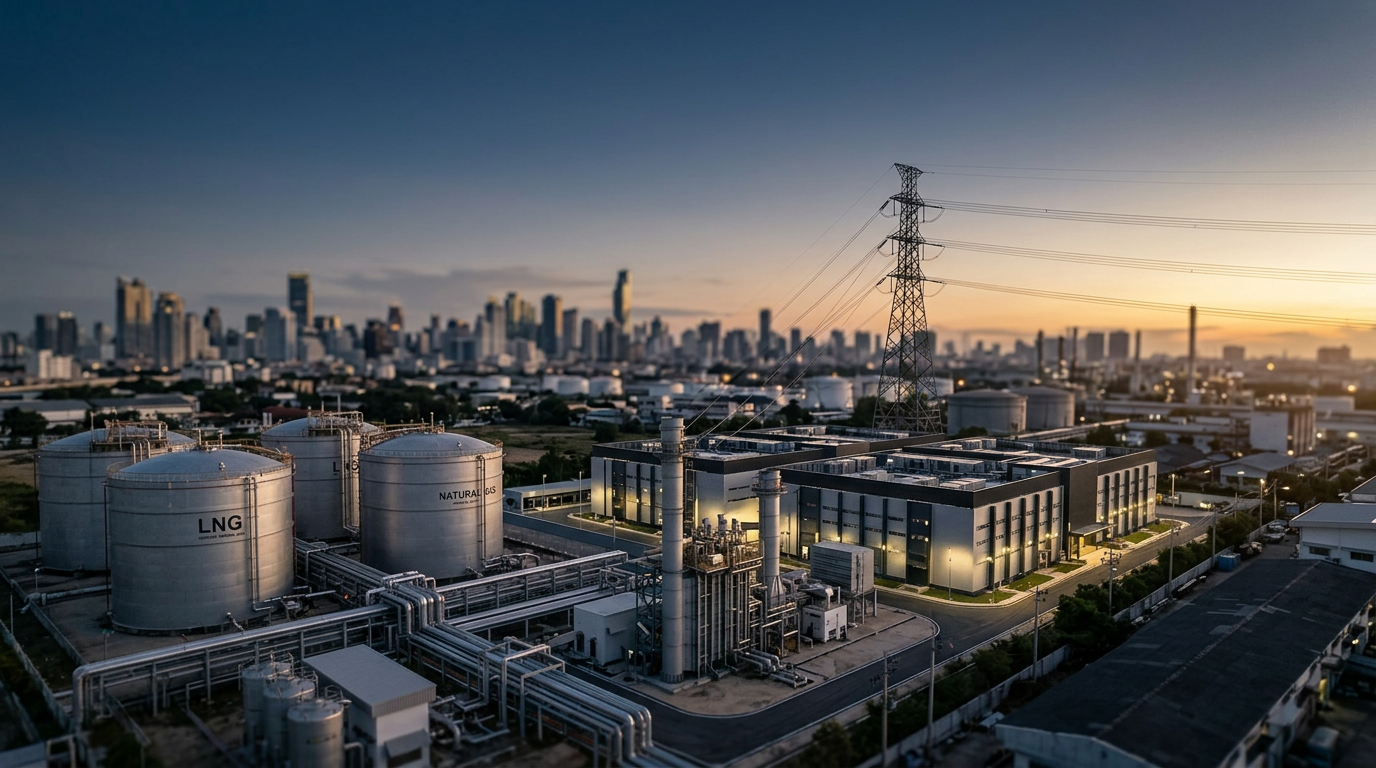 Thailand
's data centre ambitions test its energy transition
AI data centres are coming to Thailand, and they demand vast amounts of power. For Thai energy conglomerate Banpu, this is a signal to enter the LNG market, putting the country's energy transition and infrastructure coordination to the test.
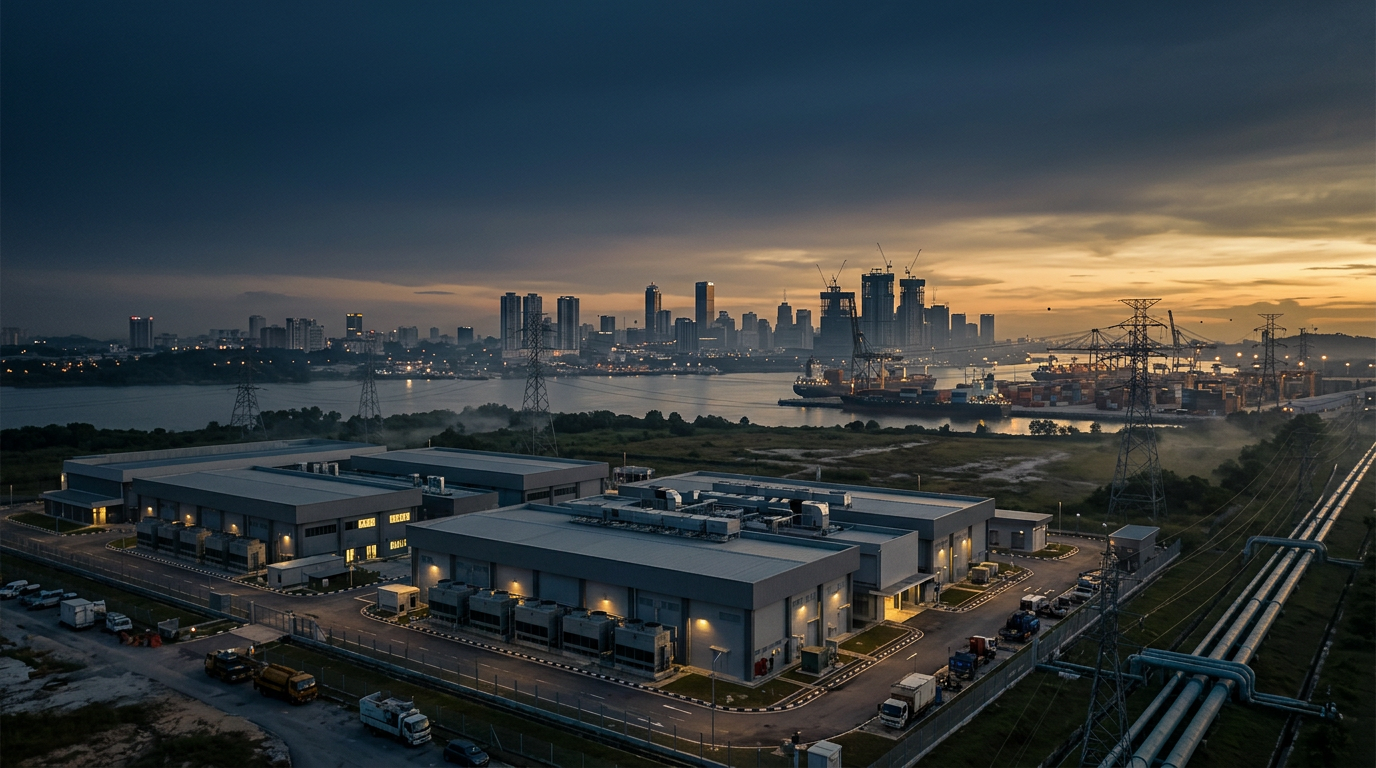 Malaysia
Johor Bahru's Hyperscale Test
The new Bridge Data Centres facility in Johor Bahru highlights the Malaysian state's test: can it coordinate power, water, and fiber capacity at scale?
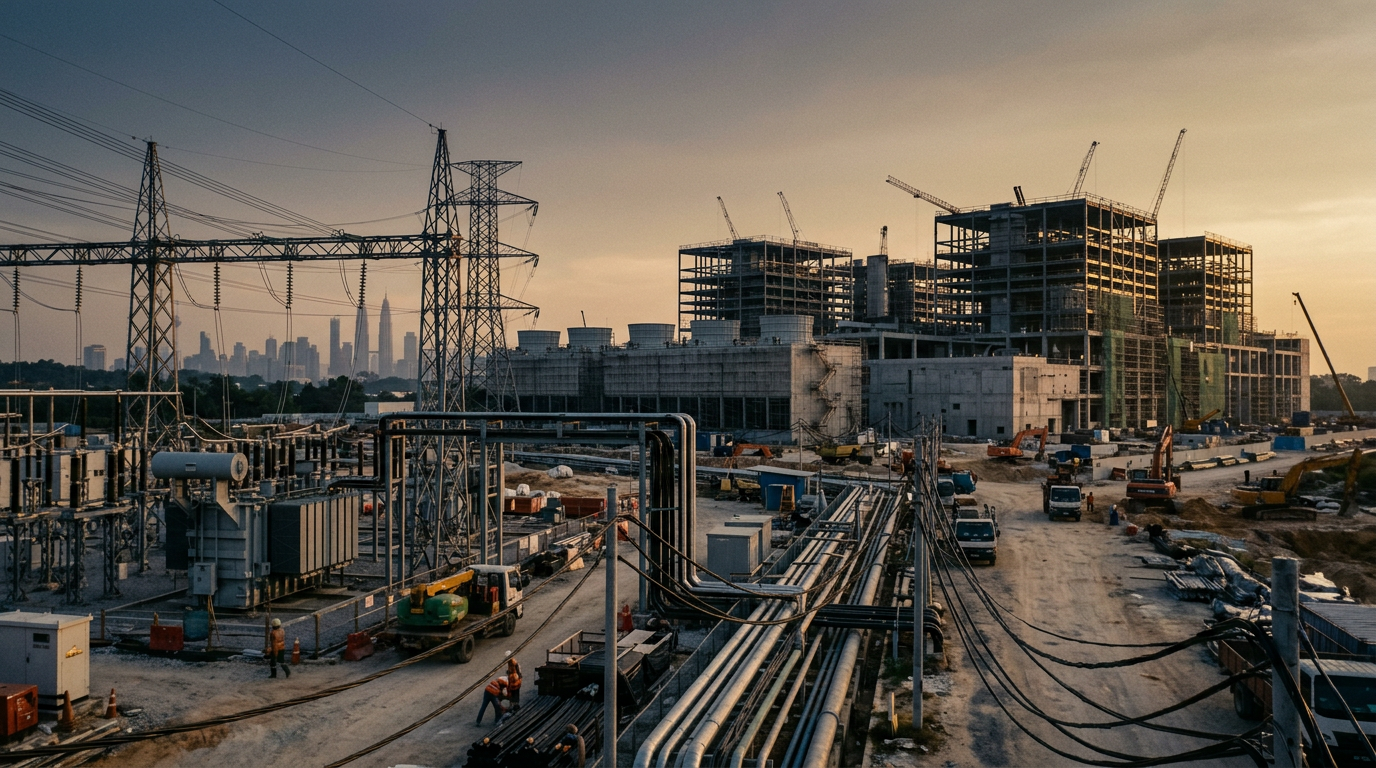 Malaysia
's Hyperscale Data Centre Push Tests Its Coordination
Malaysia's latest hyperscale data centre project highlights the complex coordination required between infrastructure, power, and planning for such large-scale digital investments to succeed.
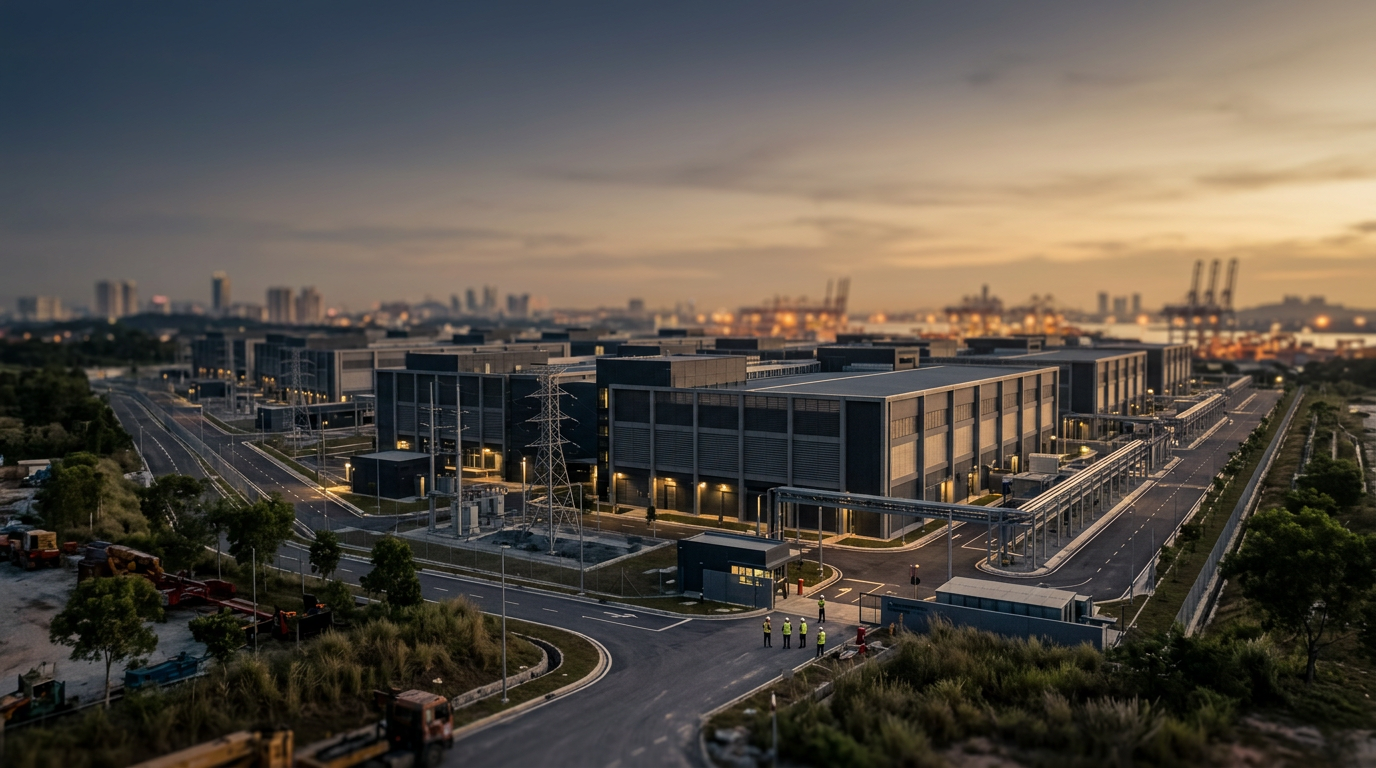 Malaysia
Johor's Data Centre Boom is About More Than Land
A recent RM57.18 million series of subcontracts for a new hyperscale data centre in Johor highlights the state's emergence as a data hub. But this success is not accidental; it is a direct result of coordinated investment in the foundational pillars that attract hyperscale.
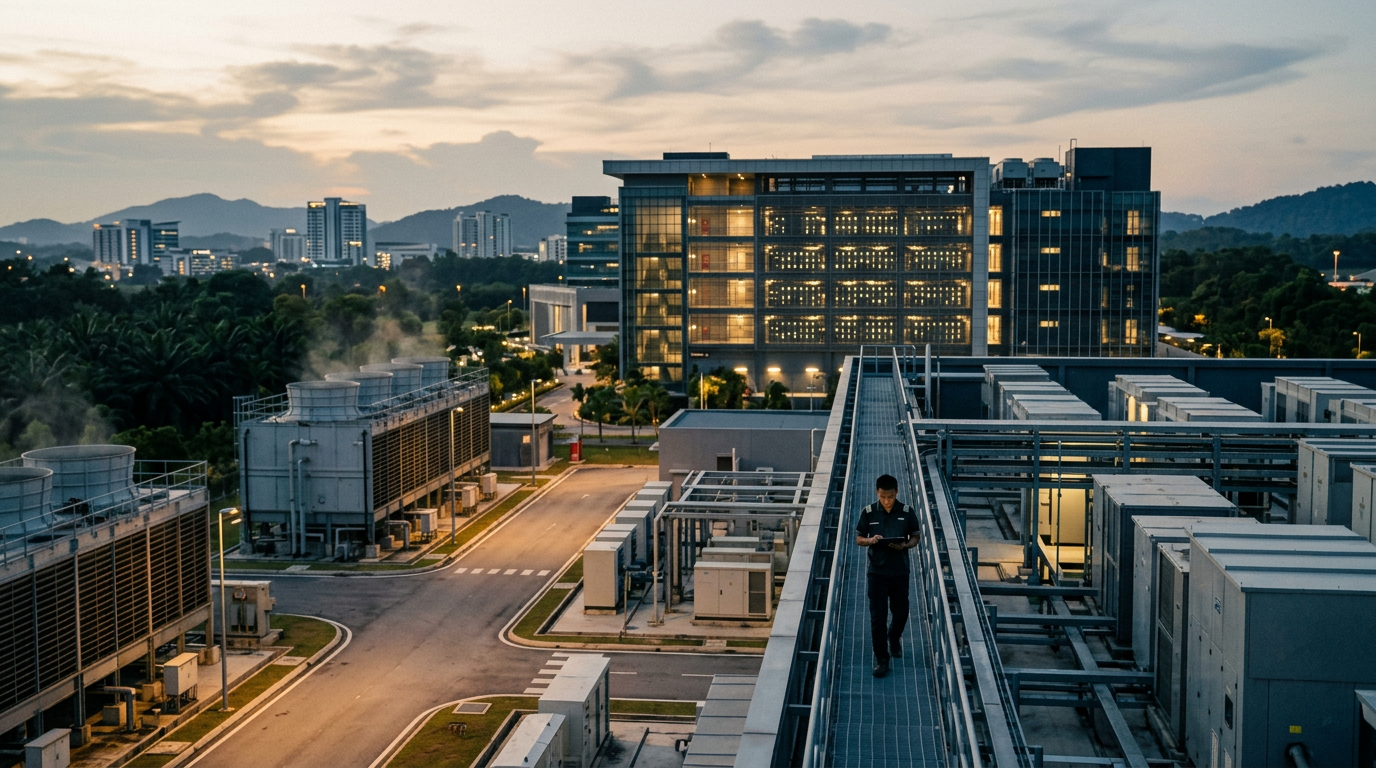 Malaysia
 Races Ahead in the Global AI Race
A new deal by an Nvidia-backed firm with OpenAI for data centre capacity in Malaysia highlights the country's growing appeal for high-tech investment, but the harder work of implementation will determine the long-term outcome.
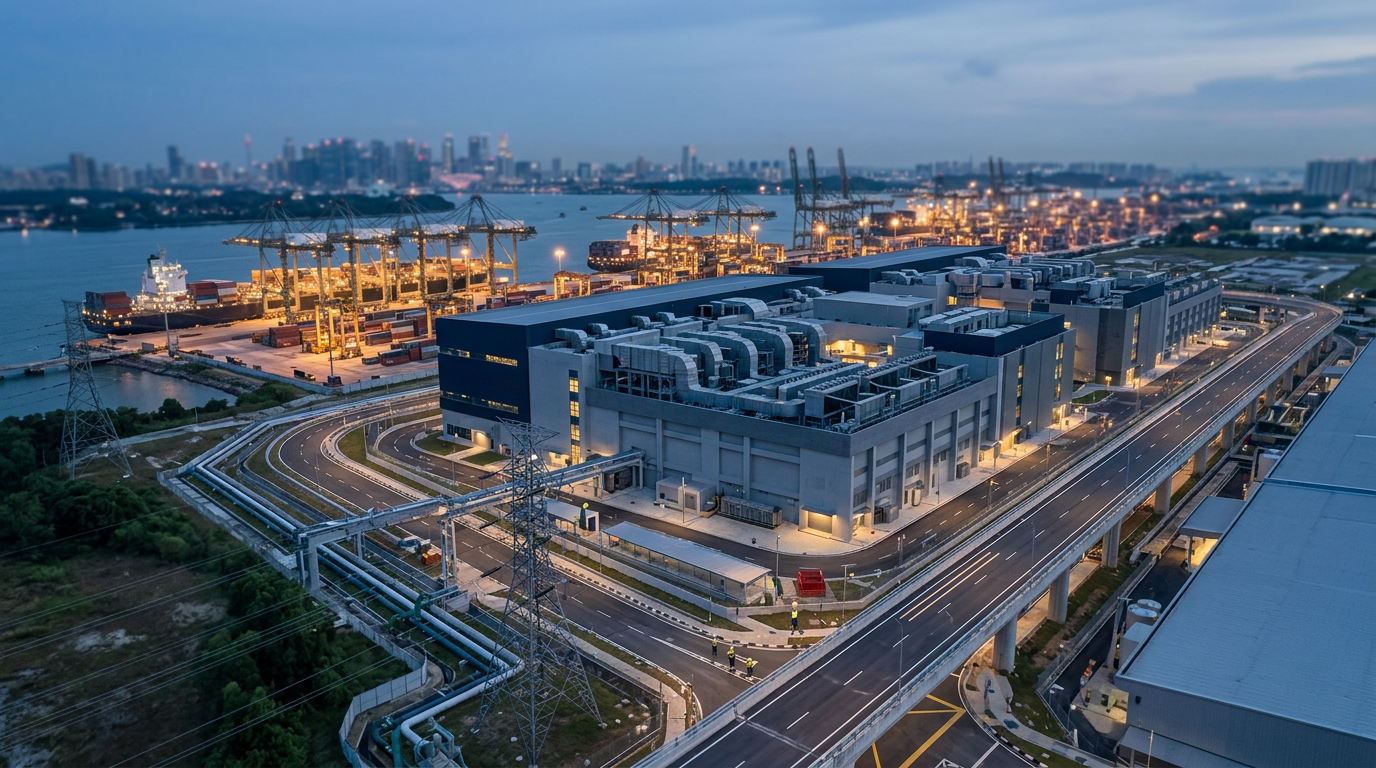 Malaysia
Johor's Data Centre Boom is a Test of Coordination
A recent string of contracts for a hyperscale data centre in Johor, Malaysia, illustrates a core theme of regional development: hyperscale investment follows coordinated infrastructure, not just cheap inputs.
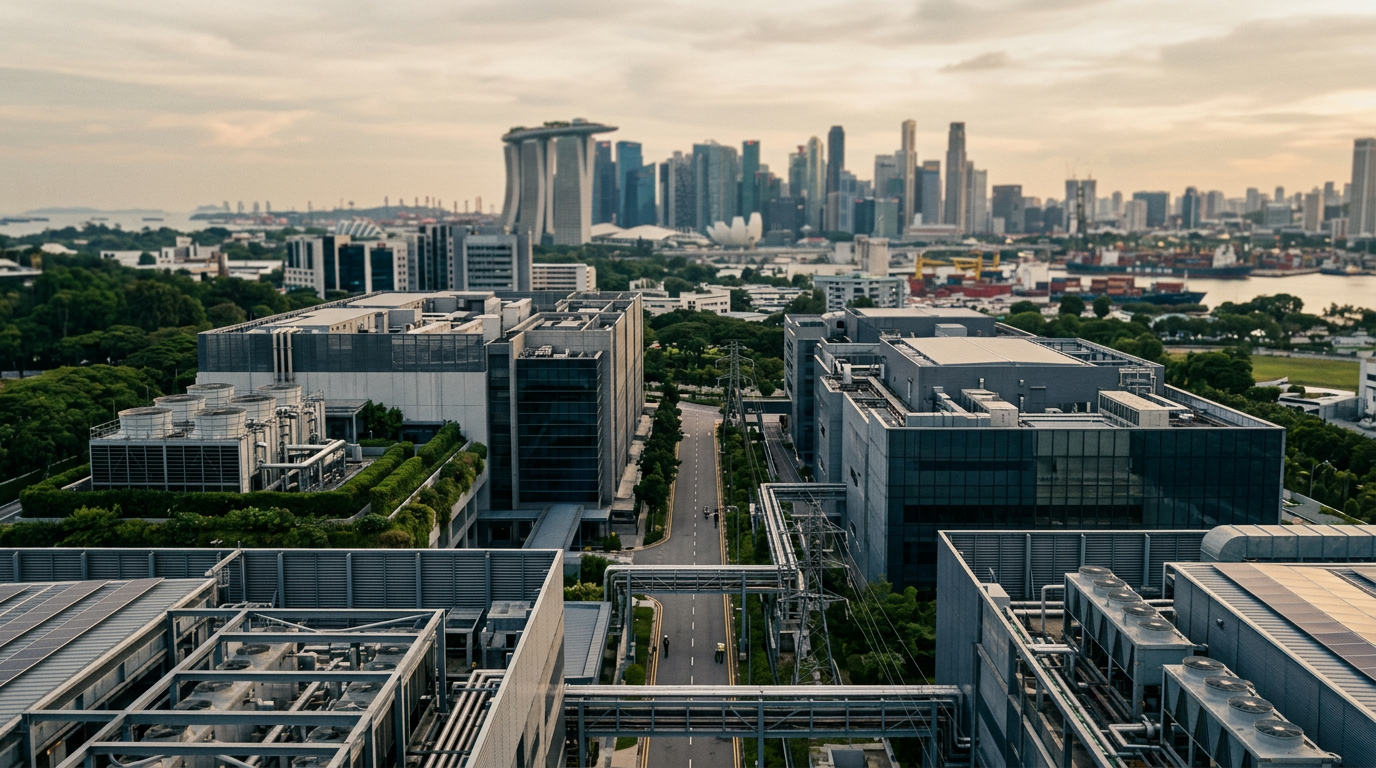 Singapore
 balances data centre growth and green energy goals
Singapore's proposed energy-efficiency laws for data centres highlight the need for careful coordination of capital, infrastructure, and regulation to support sustainable growth in the digital economy.
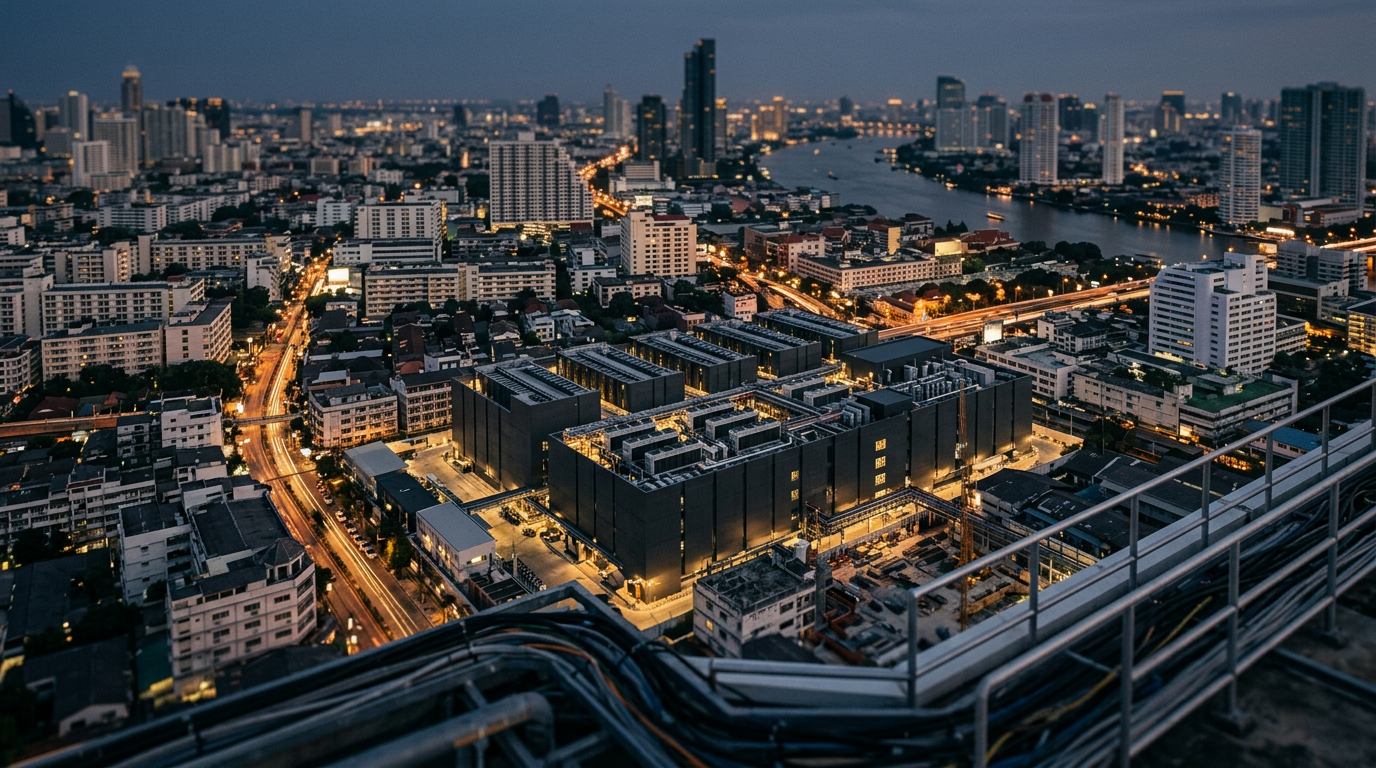 Thailand
Bangkok
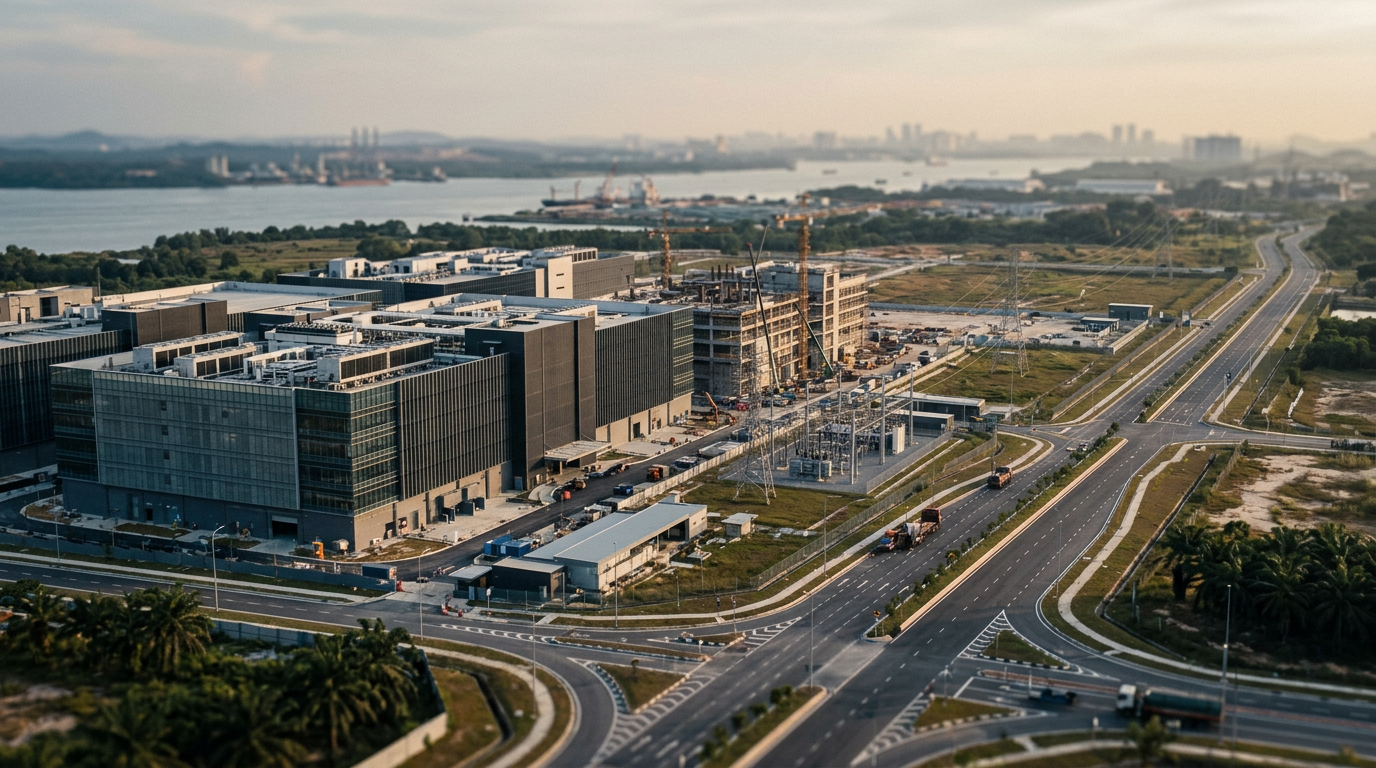
Data centre development in Bangkok highlights the need for institutional coordination to manage the industry
 Malaysia
Johor's Data Centre Boom Tests Malaysia's Execution Capacity
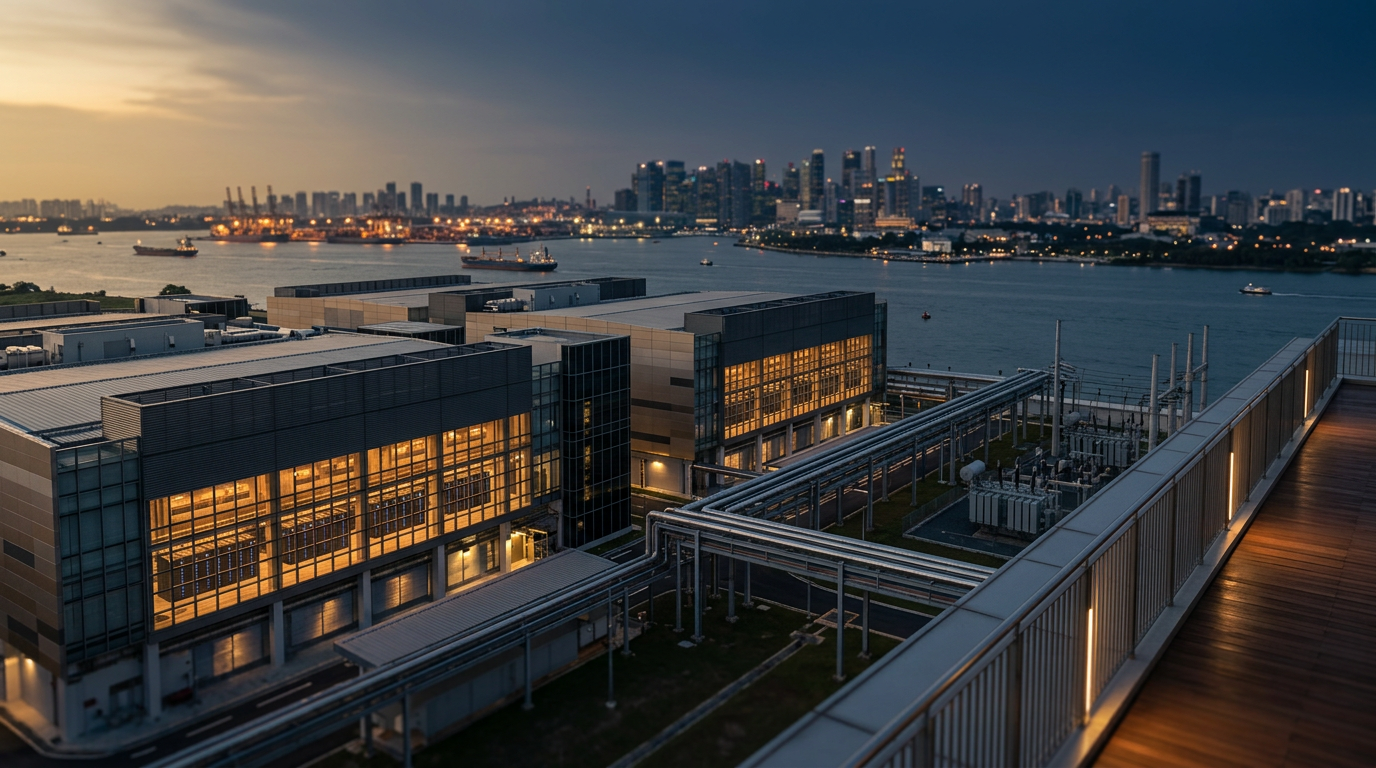
Johor's emergence as a data centre hub is a test of Malaysia's ability to coordinate capital, infrastructure, and talent. While new investments are positive, long-term success depends on integrated planning and execution.
 Malaysia
Green Financing for Johor Data Centre Campus Highlights Cross-Border Capital Coordination
A recent green financing deal for a Johor data centre, led by a Singaporean firm, shows how capital and infrastructure planning are converging in the region, a key theme of ASEAN Rising.
 Singapore
's Barclays Boost Is About More Than Bankers
Barclays' decision to double its private banker headcount in Singapore by 2030 is not just a vote of confidence in the city-state's wealth management sector. It's a sign of how Singapore's institutional coordination makes it a magnet for international capital.

Copper, Capacity, and ASEAN's Data Centre Surge
The global AI-driven expansion of data centres is creating a surge in demand for copper, a trend with significant implications for ASEAN's industrial strategy and infrastructure development.
 Vietnam
 Enters the Hyperscale Data Centre Fray
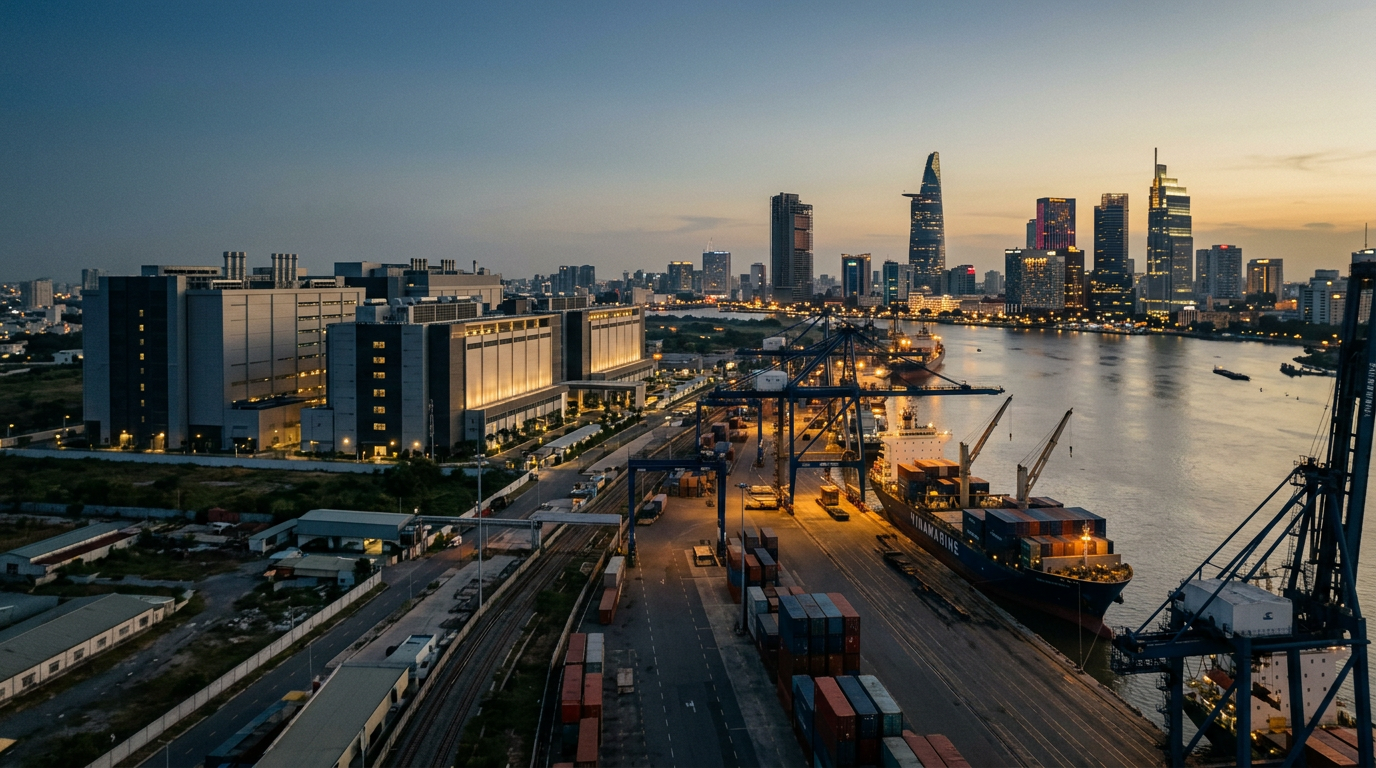
Vietnam's data centre market is heating up, but "capital coordination is itself an industrial input," as ASEAN Rising notes. Success will depend on more than just attracting investment; it requires a concerted effort in planning, infrastructure, and regulatory alignment.
 Singapore
 Tests Hydrogen for Data Centre Power
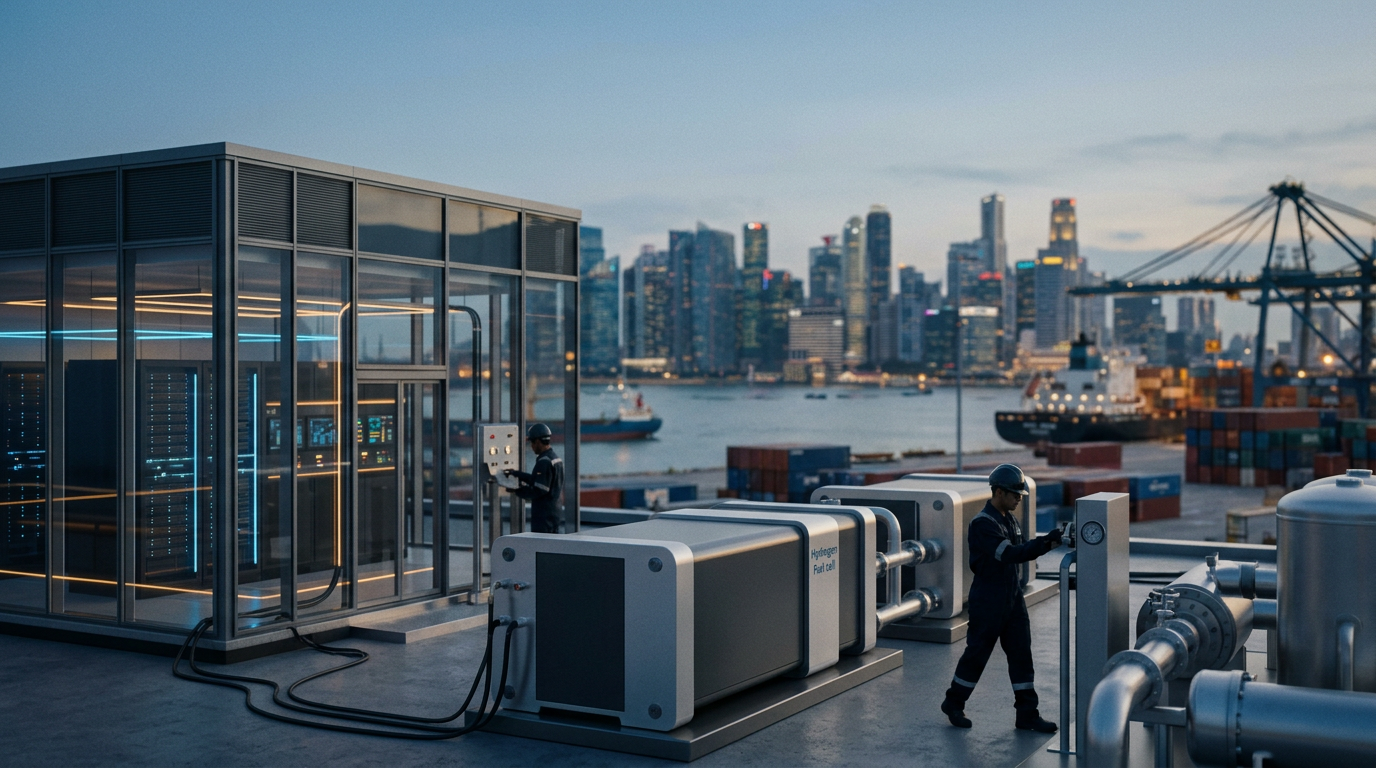
A new facility will test the viability of hydrogen fuel cells to resolve power constraints for Singapore's data centres, a test of the nation's model of capital coordination.
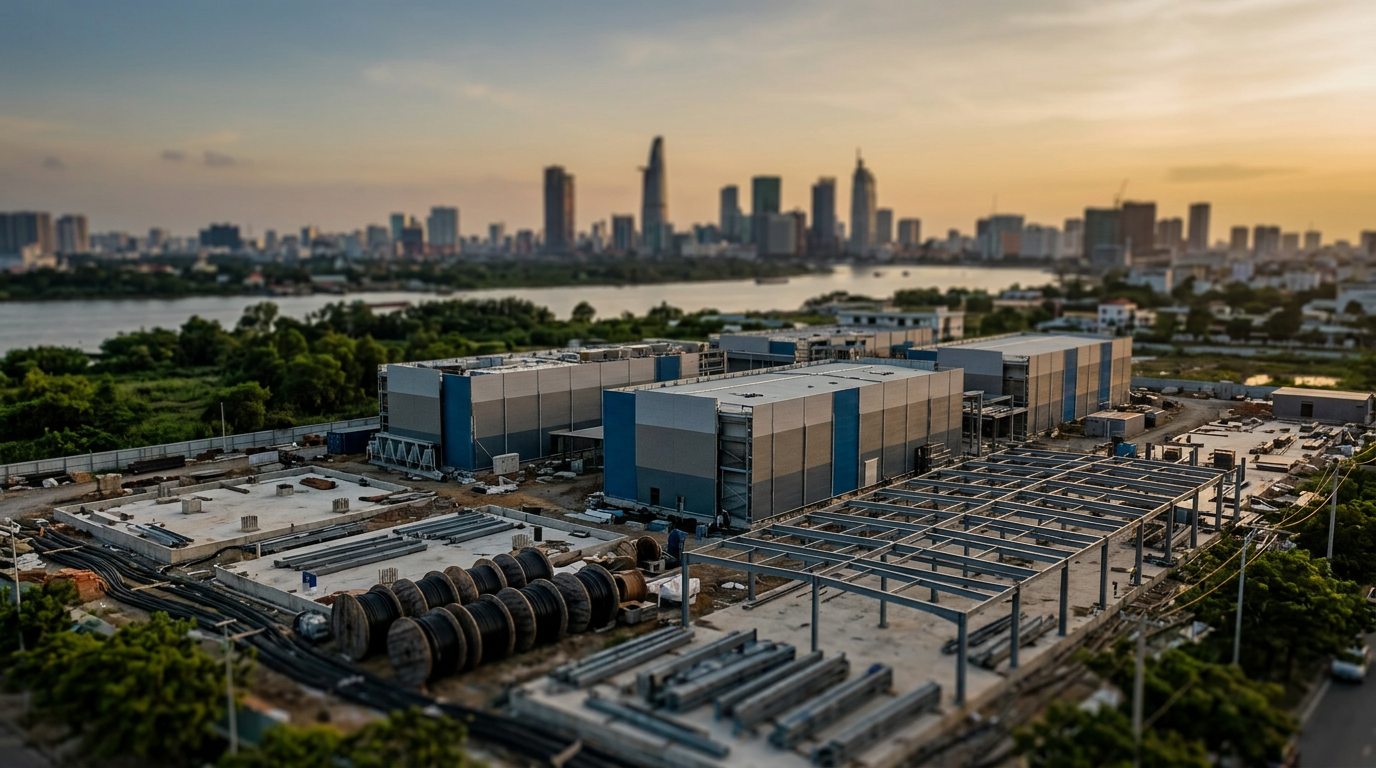 Vietnam
's Data Centre Ambitions Test Its Coordination Capacity
A 3.5 billion USD proposal for an AI data centre in Tay Ninh highlights Vietnam's digital ambitions. Success will depend on coordinating capital, infrastructure, and talent, a key theme in ASEAN's economic development.
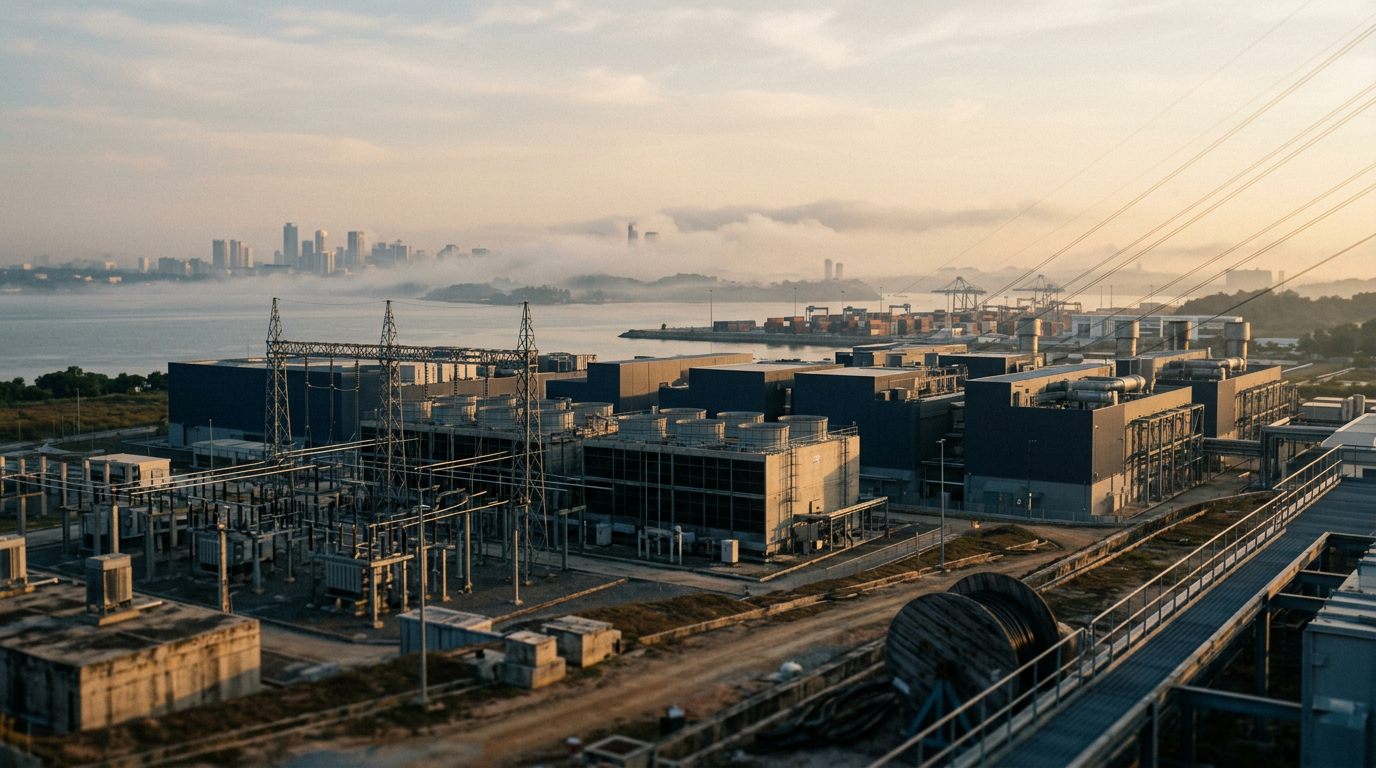 Malaysia
's Hyperscale Ambition
Malaysia has long been a destination for data centre investment. But as the demands of hyperscale operators change, Johor's ability to provide coordinated capital and infrastructure will determine its success.
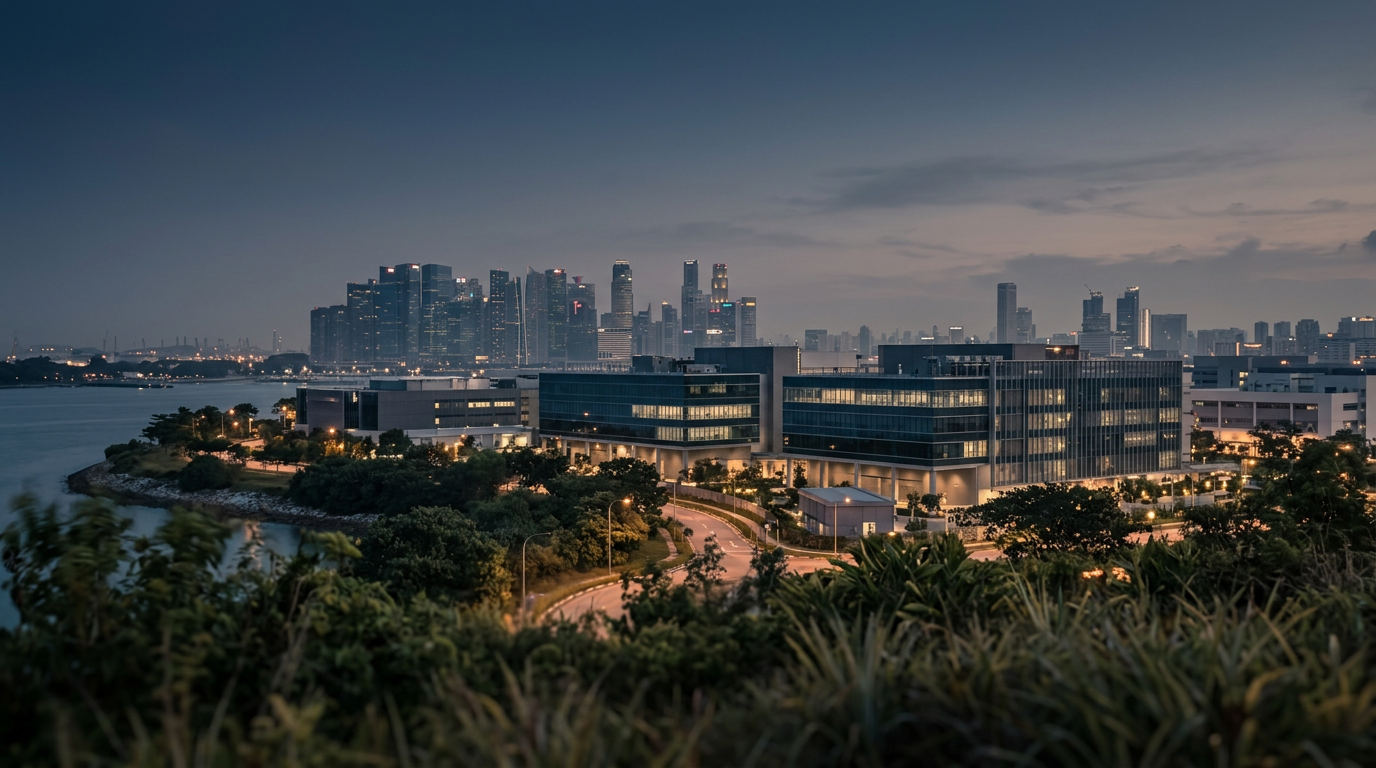 Singapore
 Tests Its Green Data Centre Model
New data centres in Singapore are mandated to use renewables. Upcoming facilities on Jurong Island offer a chance to test new frontiers in sustainable energy integration.
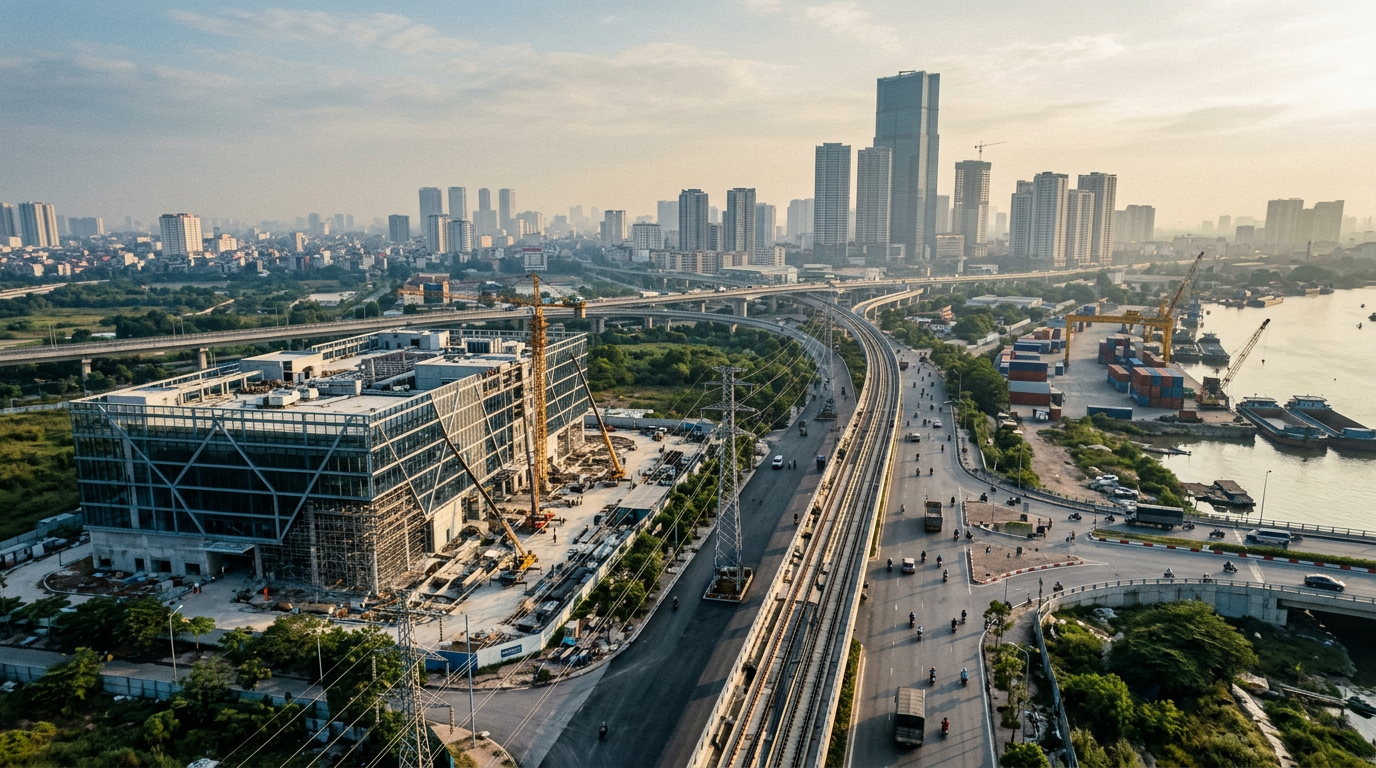 Vietnam
's Data Centre Buildout Tests Its Coordination
Vietnam's fast-growing data centre market is attracting billions in investment. Success will depend on whether the country can coordinate utilities, planning, and connectivity at the same speed.
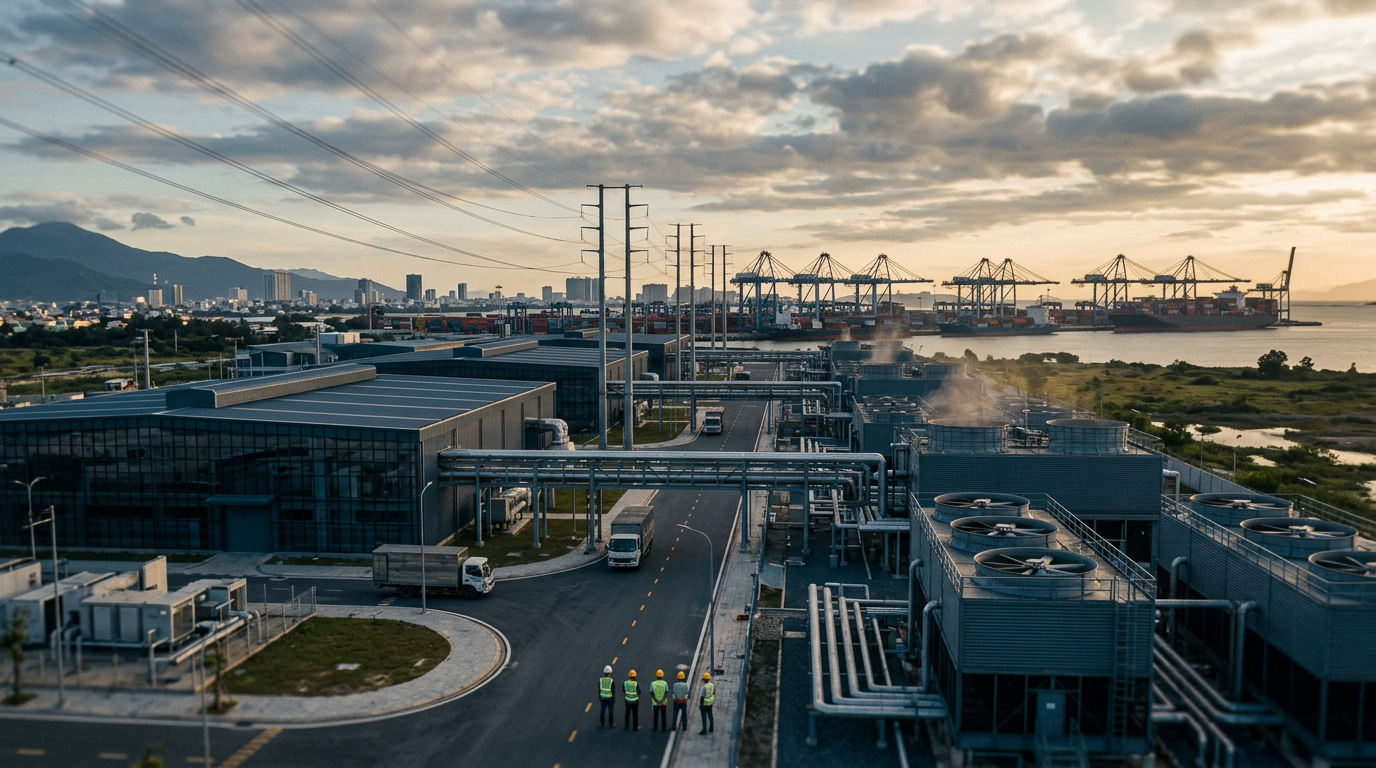 Vietnam
's AI Ambitions and the Hyperscale Test
Vietnam is building its own AI capabilities. Its success will depend on coordinating capital, infrastructure, and institutions to attract hyperscale data centres.
 Singapore
 Sets a New Standard for AI Infrastructure
Singapore's new liquid-cooling standard for AI data centres shows how institutional capacity and smart regulation can create durable competitive advantages, even in a tropical climate.
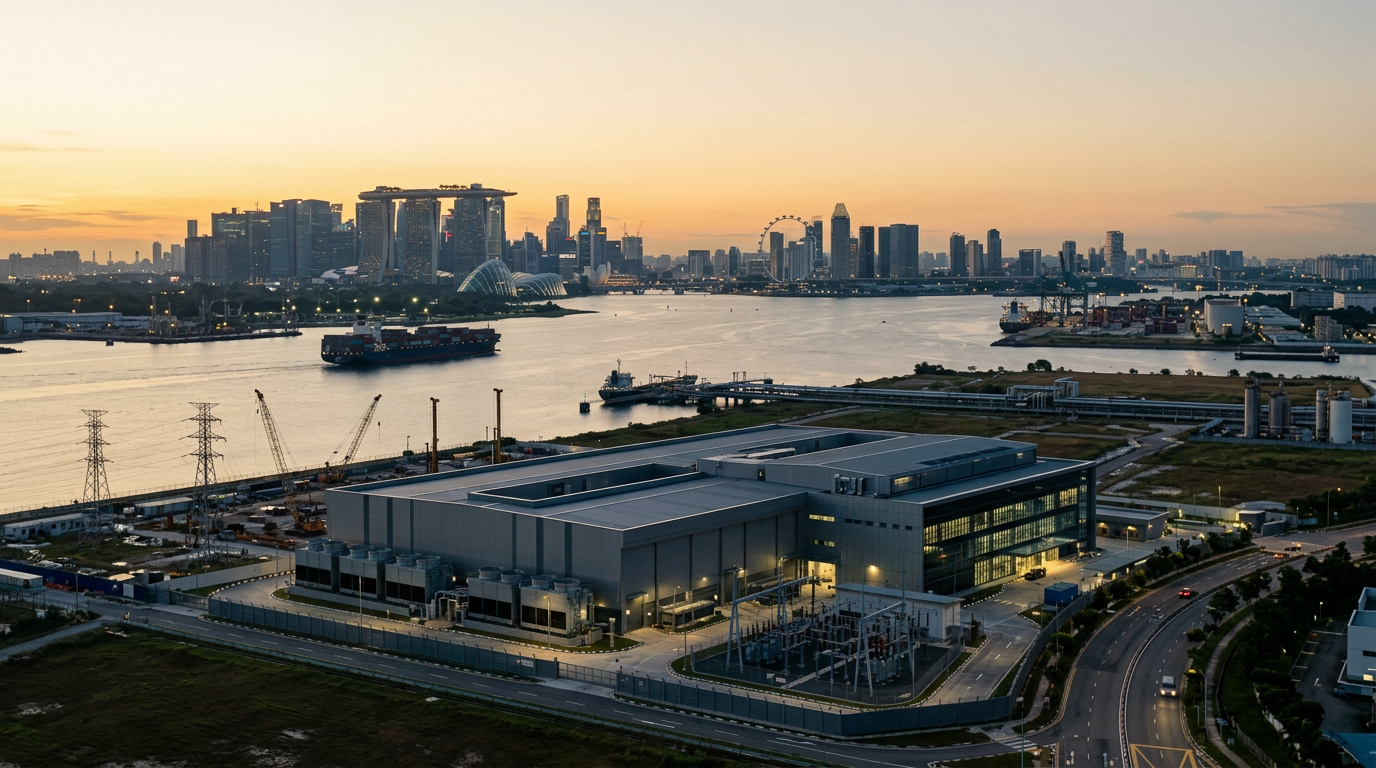 Singapore
, Johor, and Batam: A Data Centre Ecosystem
Singapore is pursuing a premium data centre strategy due to resource constraints, while nearby Johor and Batam attract hyperscale investments. This emerging specialisation within the Singapore-Johor-Batam growth triangle is a live test of regional coordination on.
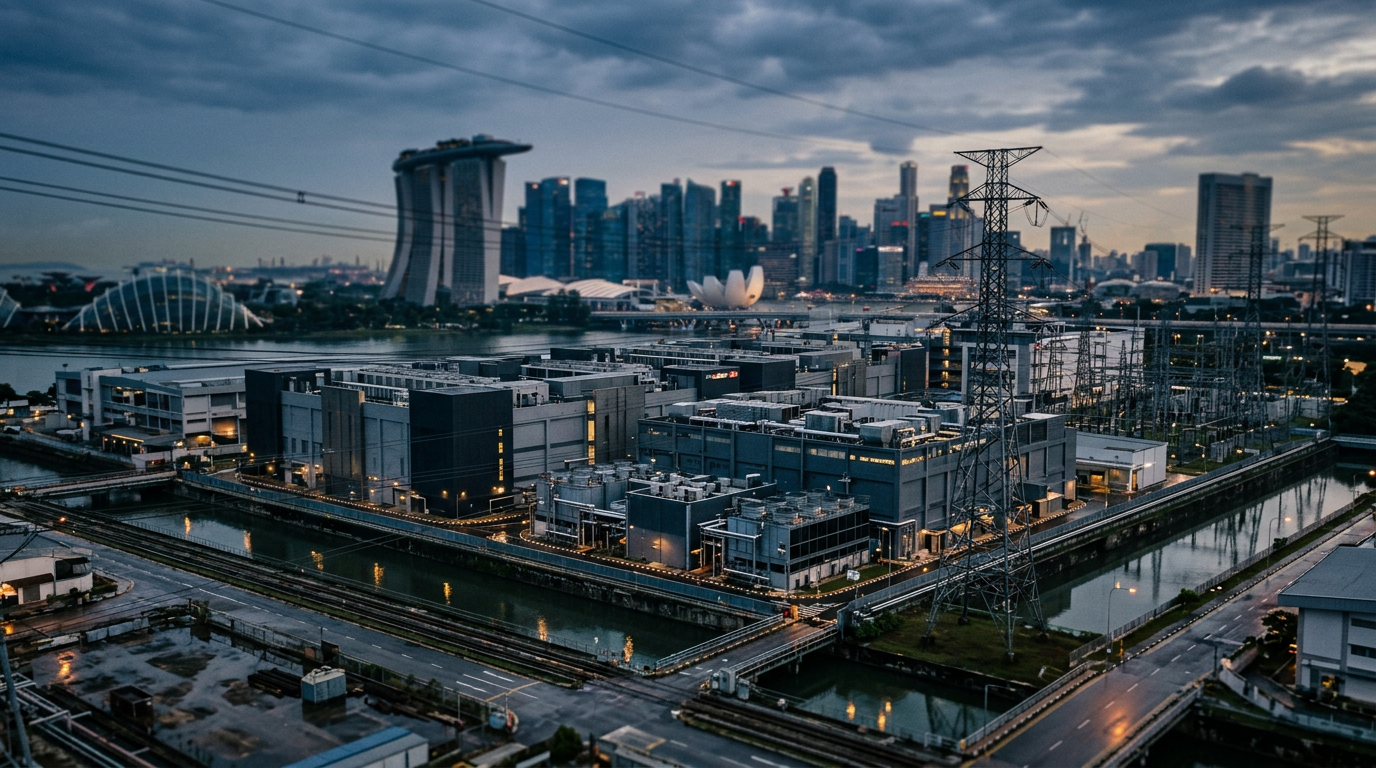 Singapore
's data centre energy challenge
A new survey highlights the growing pressure on Singapore's energy grid from data centres. This reflects a core theme of ASEAN Rising: the need for integrated infrastructure planning to attract and sustain high-value investment.
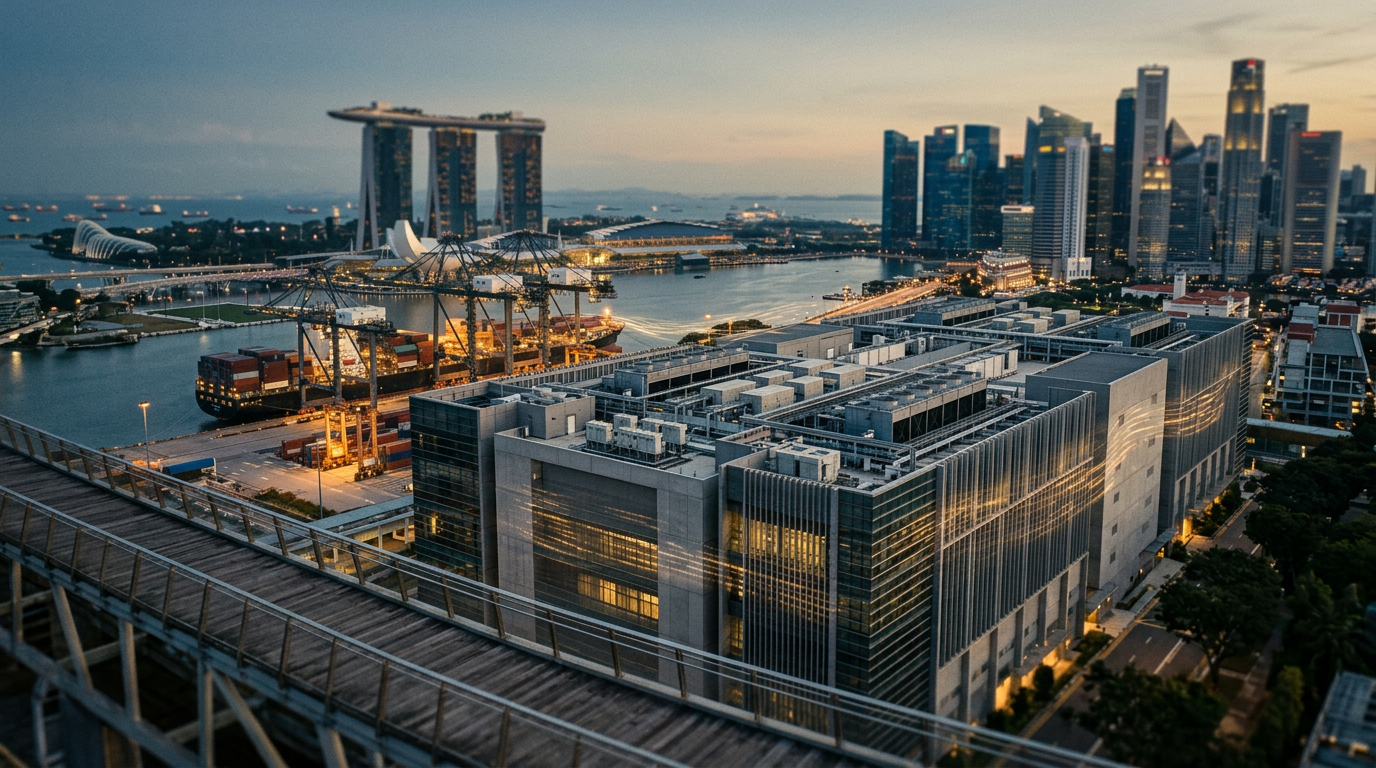 Singapore
 Stays Hyperscale
Singapore's exacting standards for data centre development show that capital coordination is a decisive industrial input. The city-state's latest allocations reward integrated planning over cheap power alone, signaling a mature and sustainable approach to digital infrastructure.
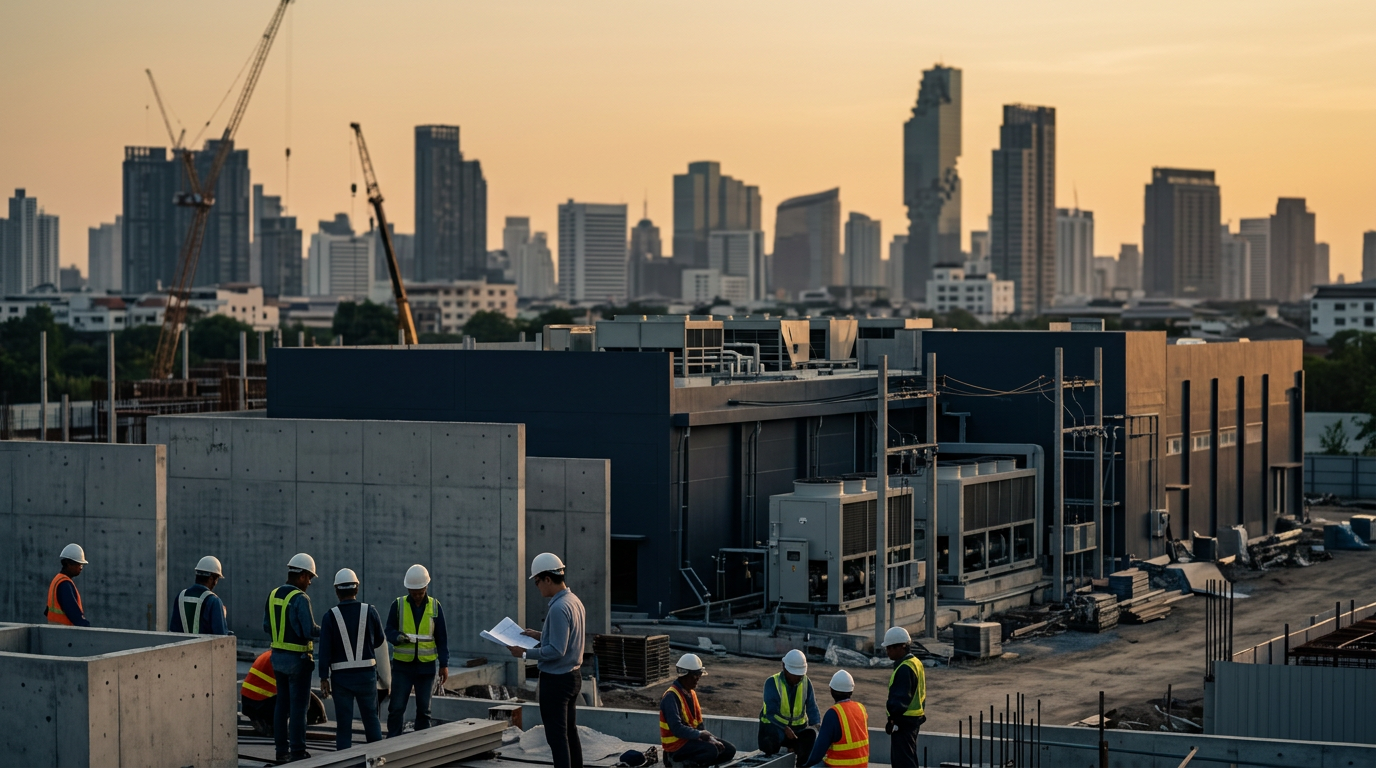 Thailand
's Data Centre Ambitions Test Its Execution Capacity
Thailand is attracting significant investment in data centres, but its ability to coordinate capital, infrastructure, and talent will determine its success in a competitive regional market.
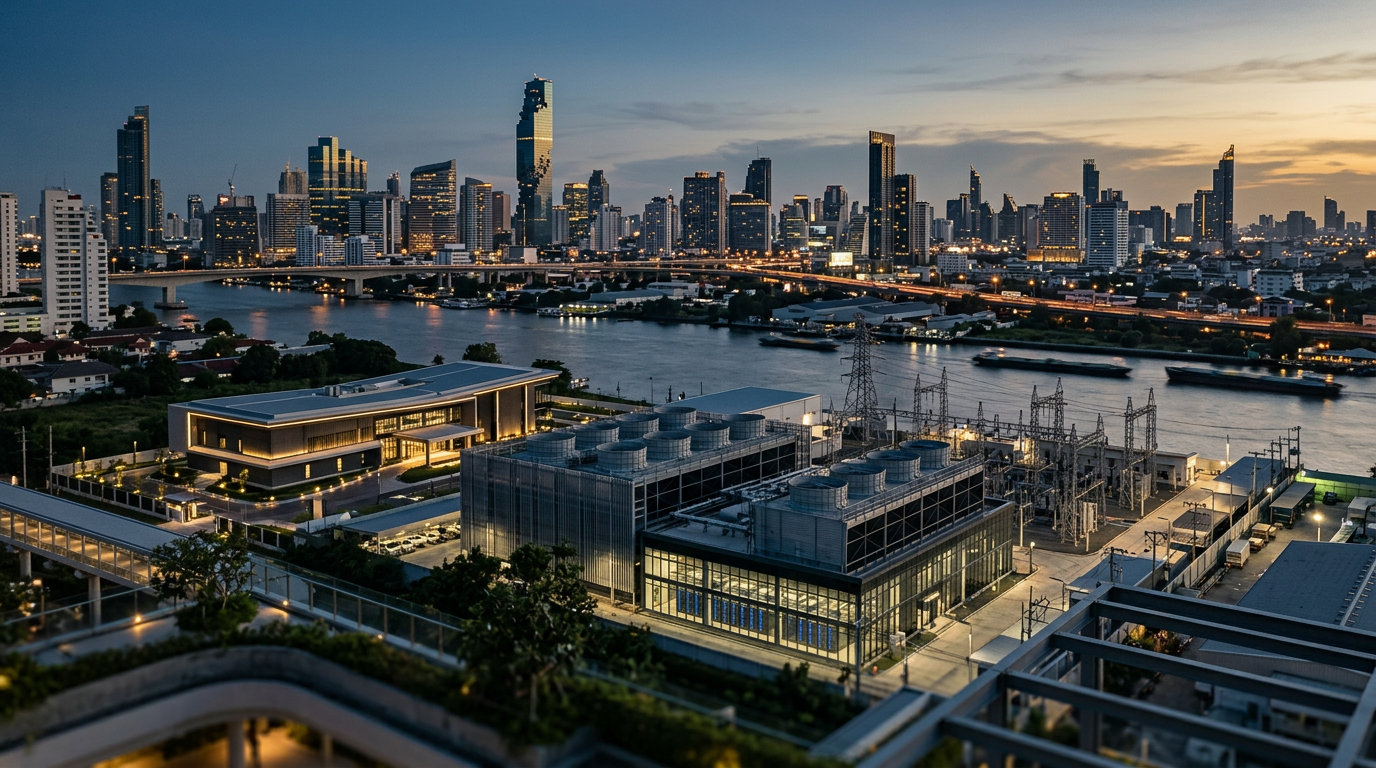 Thailand
 Weighs Central Authority for Data Centres
Thailand is considering a central authority to coordinate its fast-growing data centre market, echoing lessons from Singapore on the importance of aligning infrastructure, power, and planning to attract hyperscale investment.
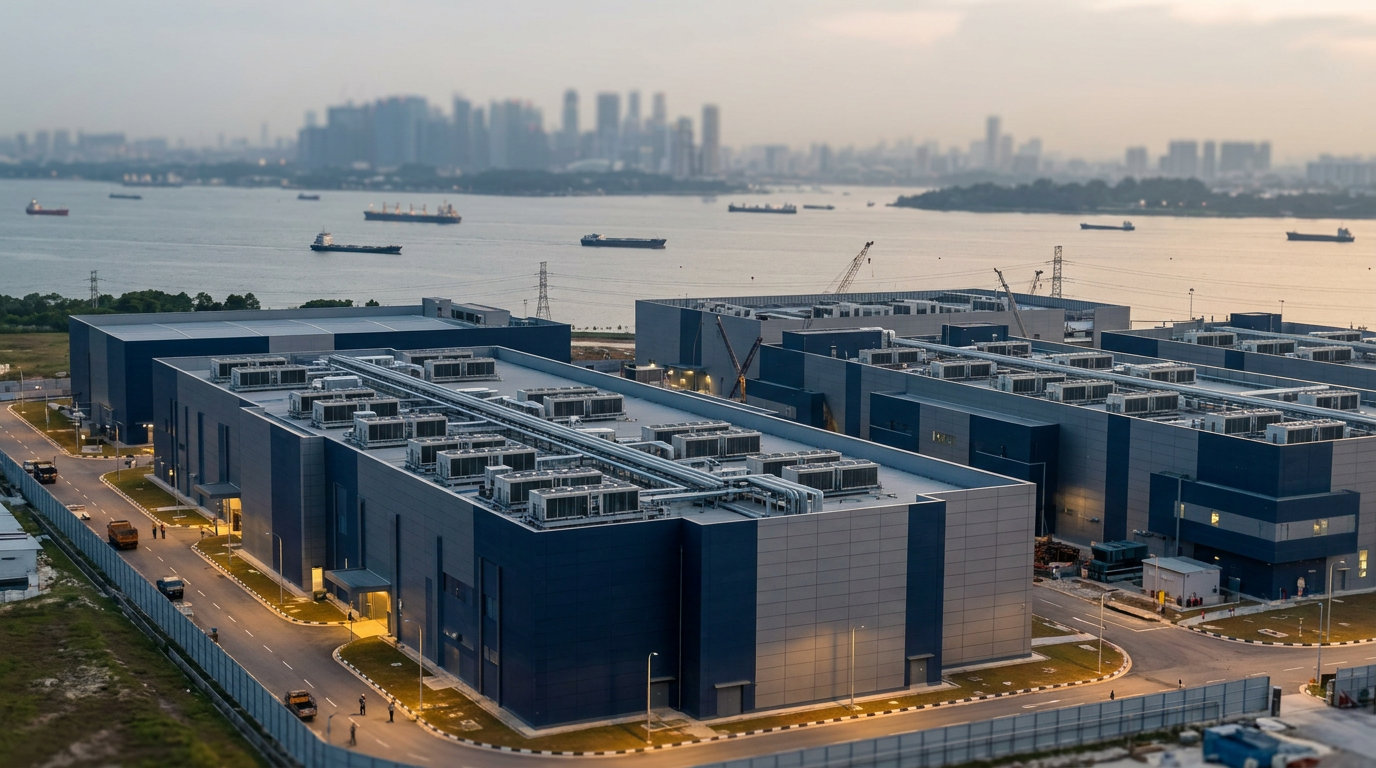 Malaysia
Singapore, Malaysia, and the New Data Centre Diplomacy
A new data centre project in Johor, Malaysia, financed by a Singaporean entity, illustrates how capital, infrastructure, and talent flow across ASEAN borders.
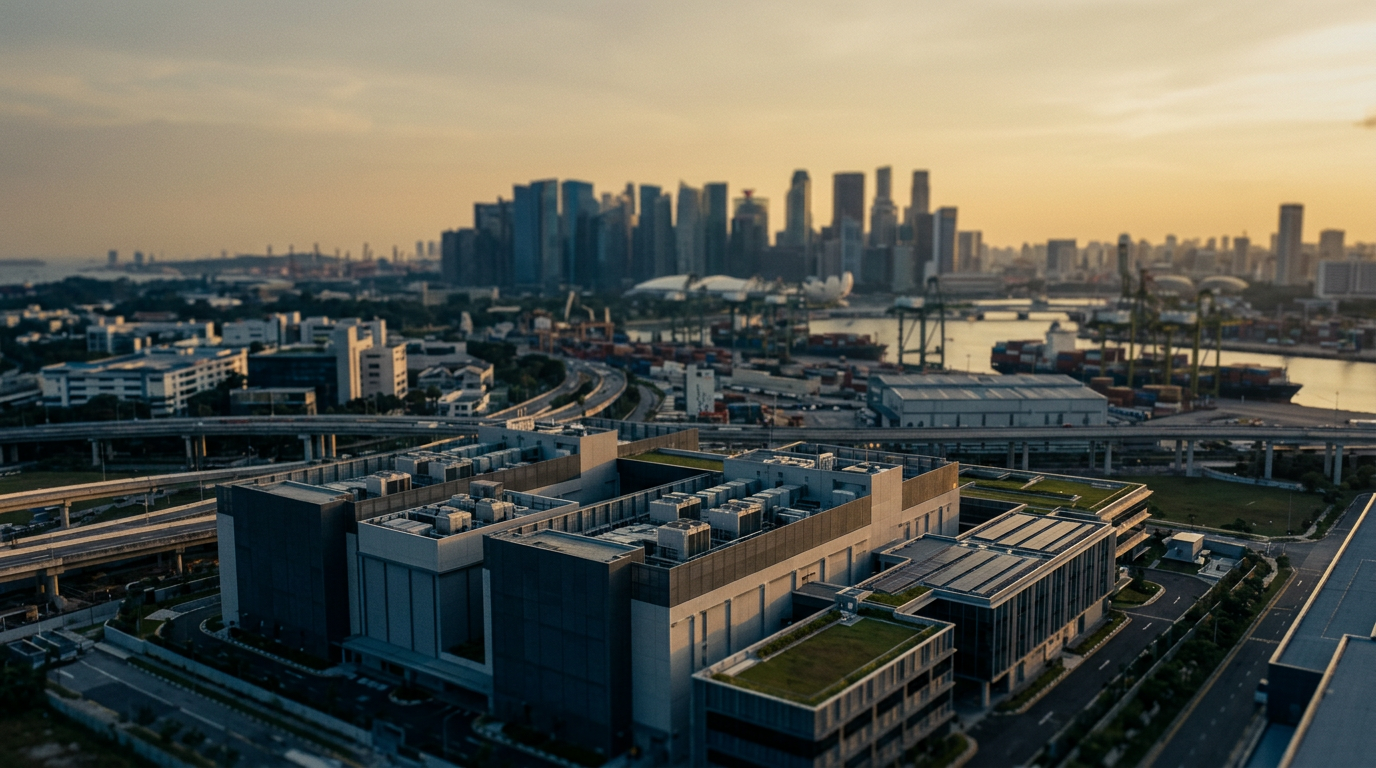 Singapore
 Adds Data Centre Capacity in a Play for AI Dominance
Singapore's recent allocation of 200 MW of new data centre capacity is a calculated move to solidify its position as a global AI hub, emphasizing coordinated infrastructure over sheer scale.
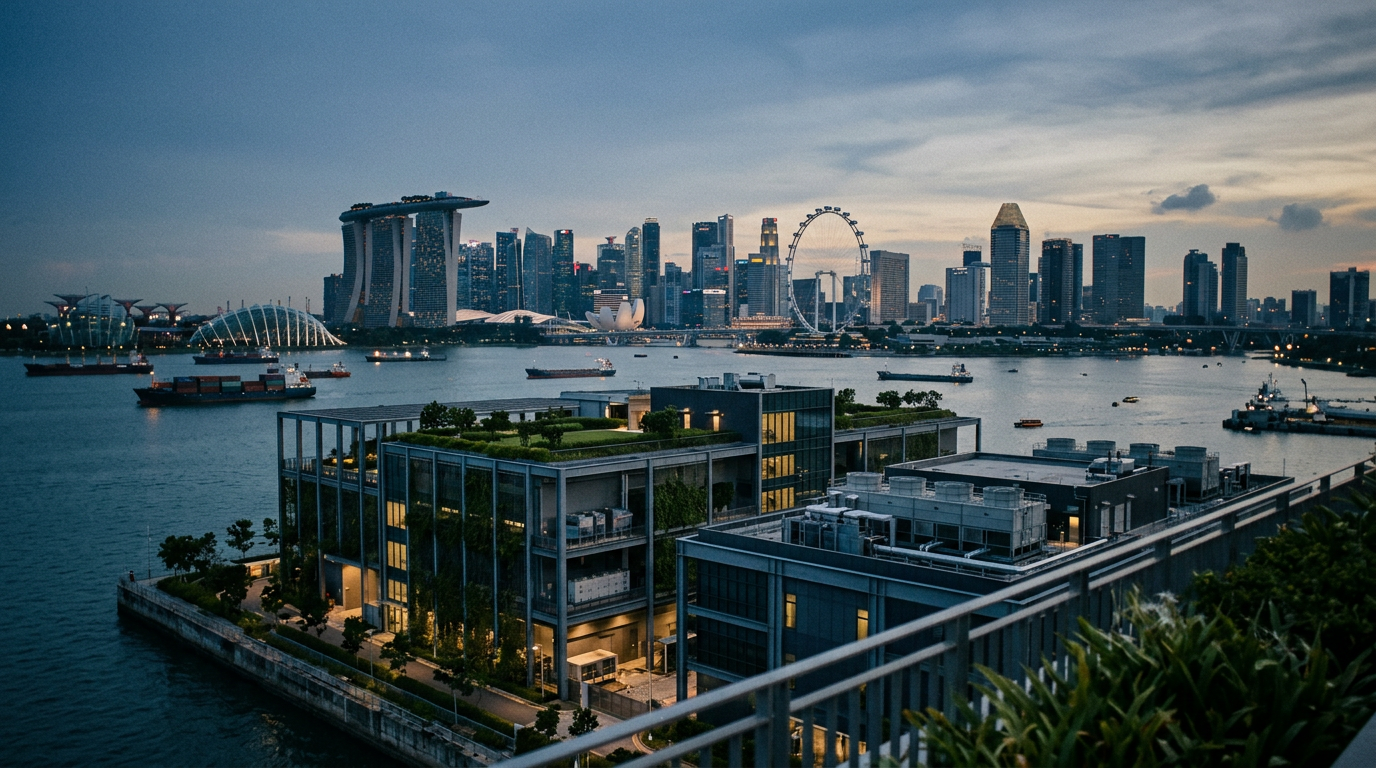 Singapore
 Tests a New Model for Data Centre Growth
Singapore's latest data centre capacity awards show a maturing public-private coordination model that other ASEAN digital economies can learn from, balancing green energy goals with hyperscale demand.
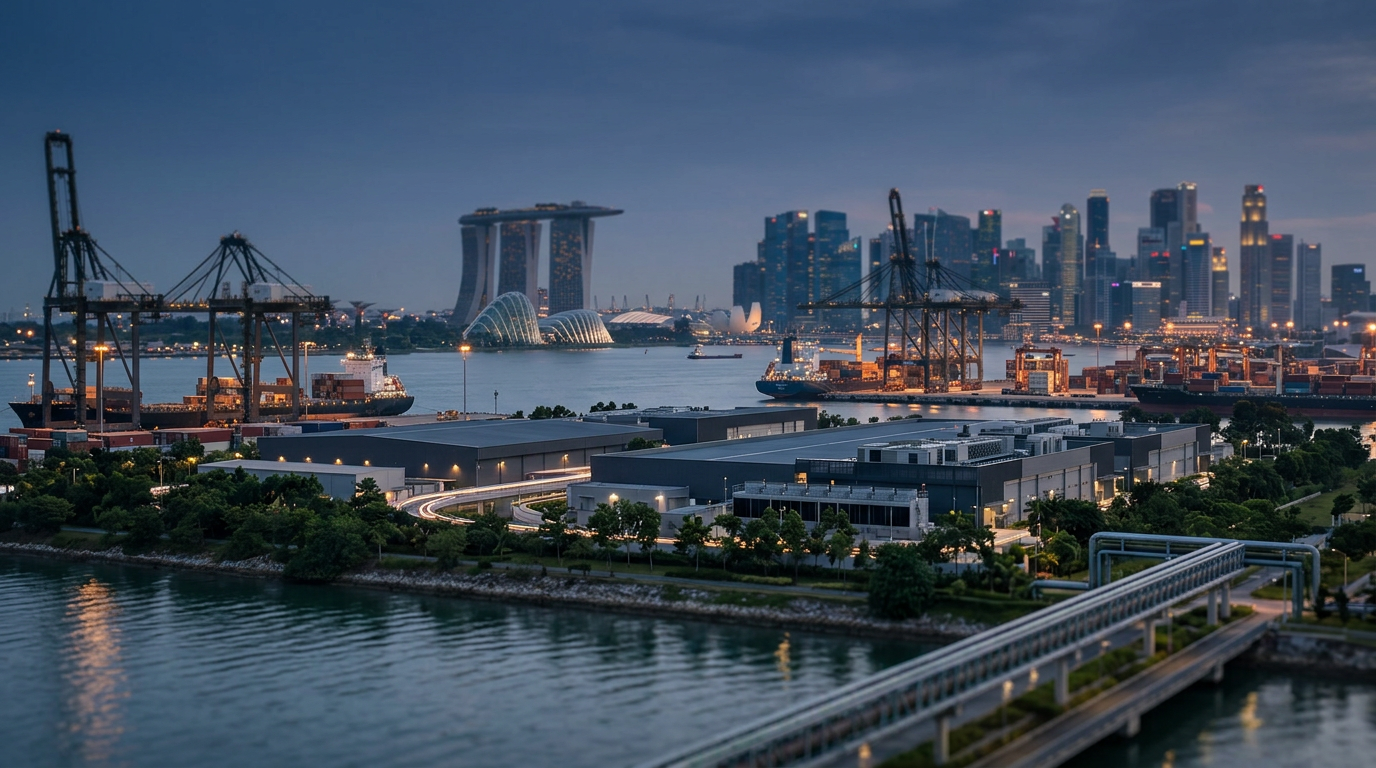 Singapore
 Eases Data Centre Moratorium, But The Real Story Is Coordination
Singapore's latest data centre capacity allocation is not just about megawatts. It is a lesson in how coordinated planning for power, connectivity, and land is a critical industrial input, shaping the digital future of the region.
 Thailand
 Weighs Data Centre Regulation for AI Ambition
Thailand is at a regulatory fork in the road. It can coordinate its rules and infrastructure to attract global AI data centre investment, or it can watch that capital flow to more prepared neighbours.
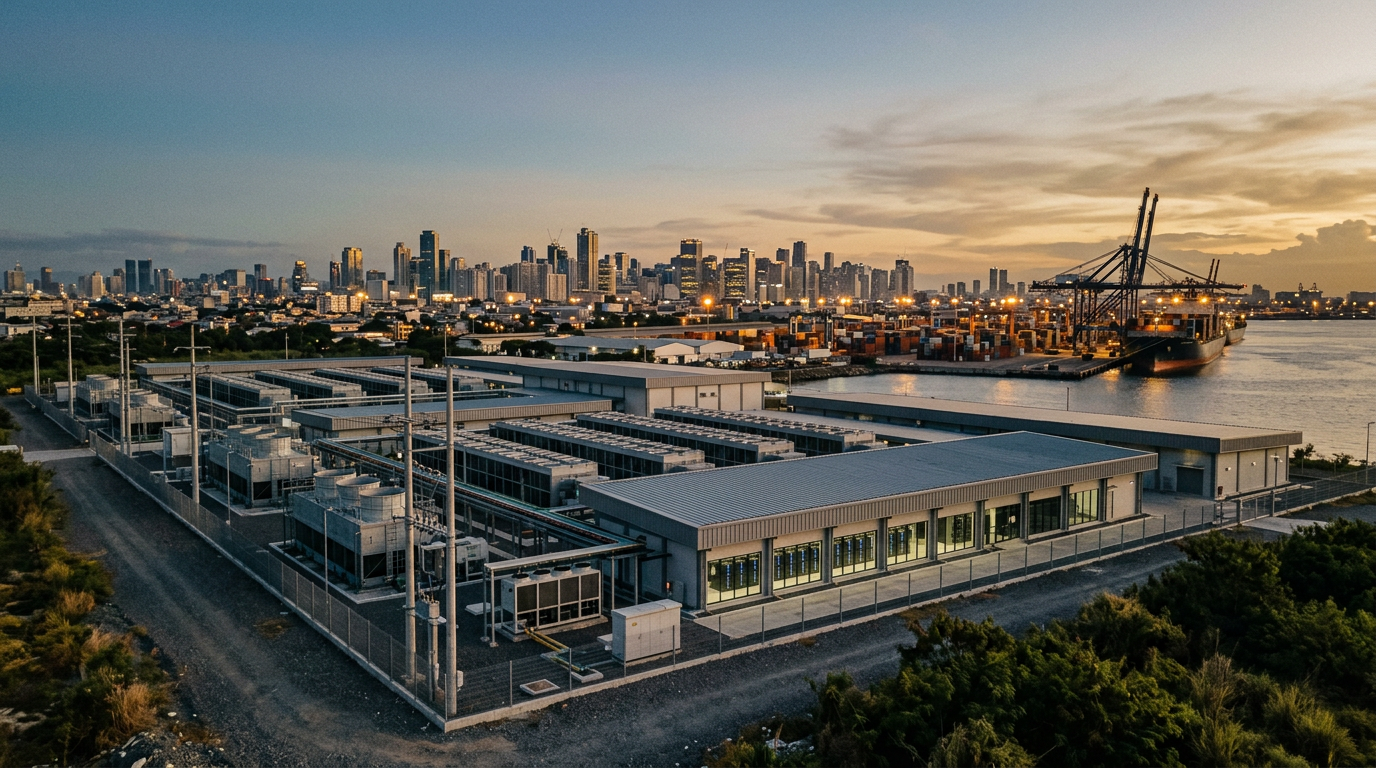
 Philippines
The Philippines Switches On Its Digital Economy
The Philippines has driven down the cost of mobile data, a key step in attracting the hyperscale data centres that underpin the digital economy. While network improvements are a good first step, the country needs to coordinate capital and infrastructure to compete.
 Singapore
 Reits Ride the AI Data Center Wave
Singapore is well positioned to benefit from the growth in data centres, a result of its long term investments in capital coordination.
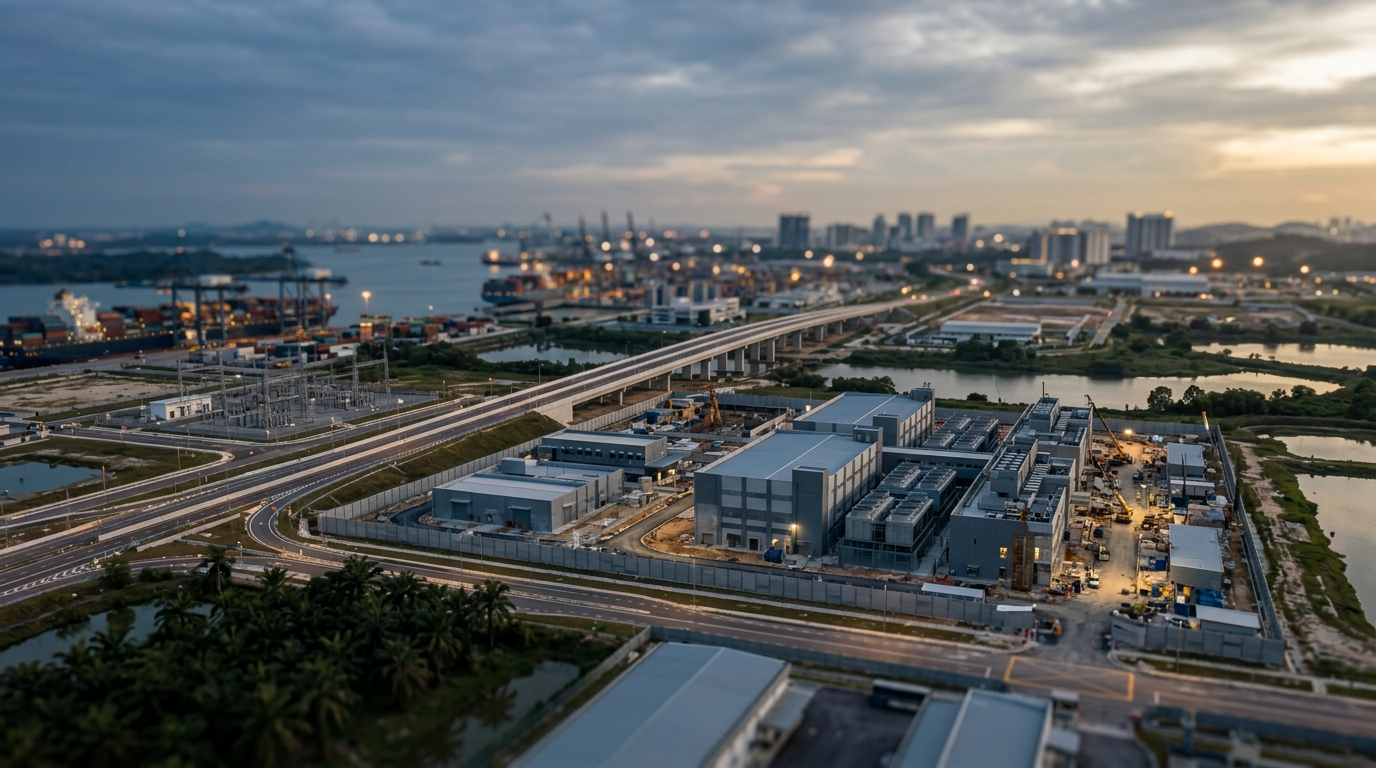 Malaysia
Iskandar Puteri as a Data Centre Hub: A Test of Coordination
ST Telemedia Global Data Centres' green financing for its Johor campus is a major milestone for Malaysia's digital economy. But the long-term success of the project will depend on the coordination of capital, infrastructure, and talent.
 Malaysia
's data centre buildout is a test of its institutions
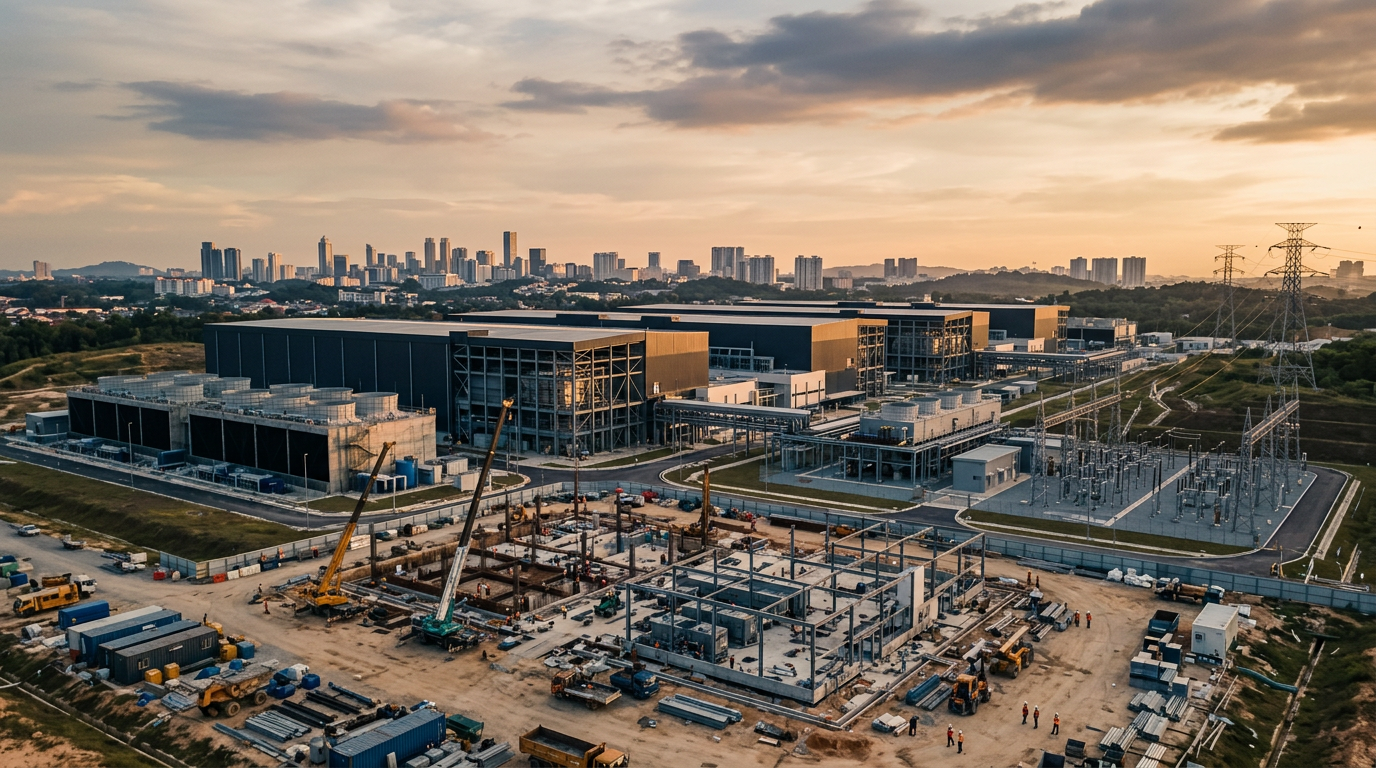
Bridge Data Centres' fourth hyperscale data centre campus in Johor is a bet on Malaysian institutions to deliver hyperscale capacity. As ASEAN Rising argues, "Capital coordination is itself an industrial input." Where utilities, planning and connectivity move together, capacity.
 Singapore
, Data Centres, and the Power of Coordinated Capital
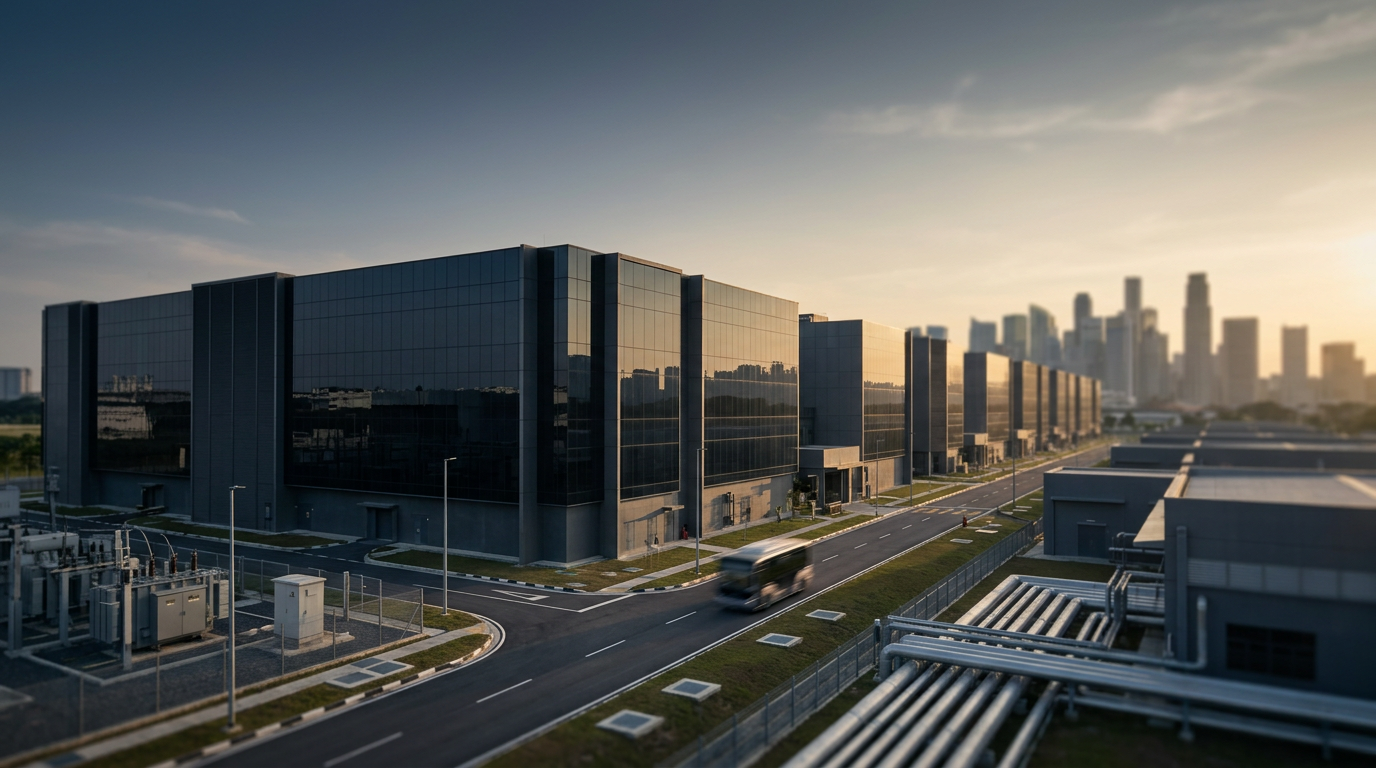
DayOne's IPO filing shows how Singapore's coordinated approach to infrastructure, regulation, and capital allocation creates an environment where high-value, hyperscale projects can succeed.
 Thailand
 rethinks data centres as resource strain shows
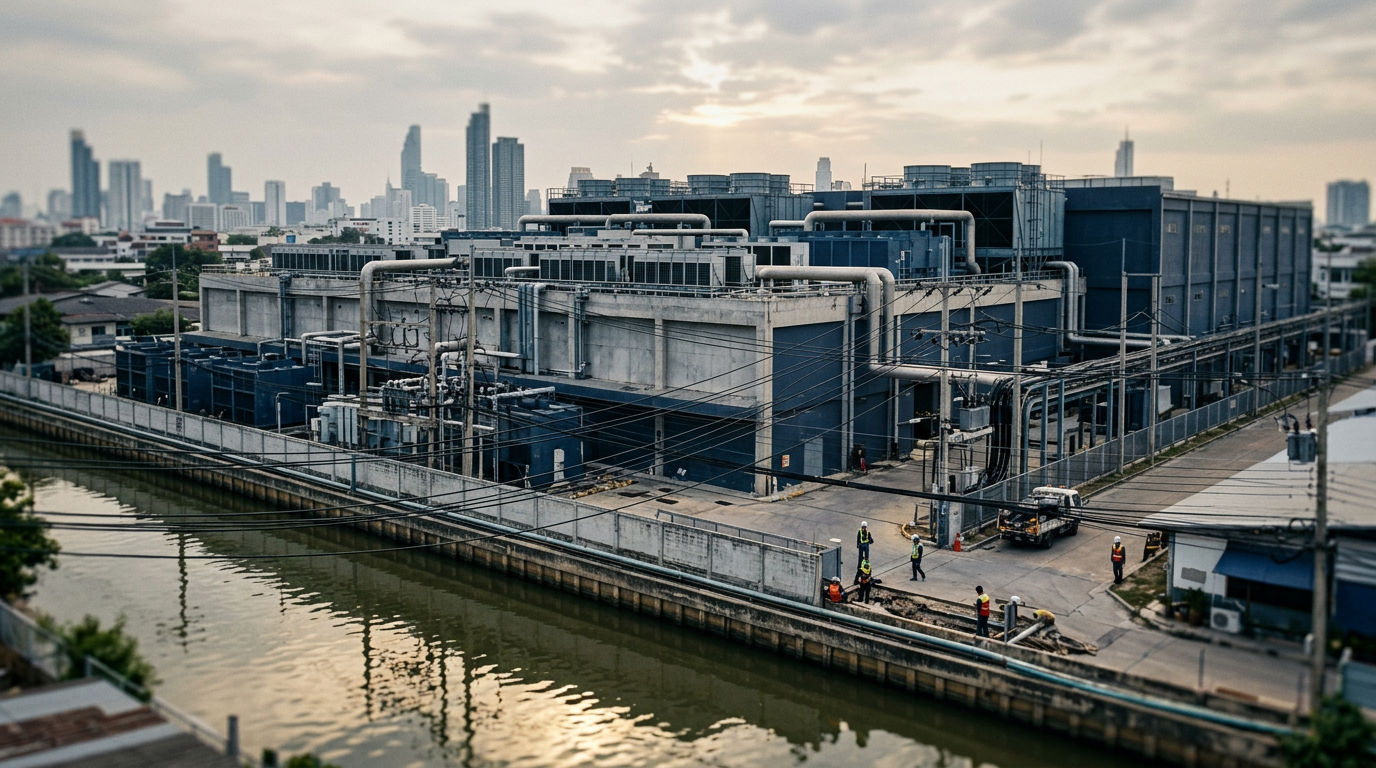
The Thai government is preparing tougher screening criteria for data centre investments due to concerns over their heavy use of electricity and water.