Thailand
Thailand's data centre ambitions test its energy transition
AI data centres are coming to Thailand, and they demand vast amounts of power. For Thai energy conglomerate Banpu, this is a signal to enter the LNG market, putting the country's energy transition and infrastructure coordination to the test.
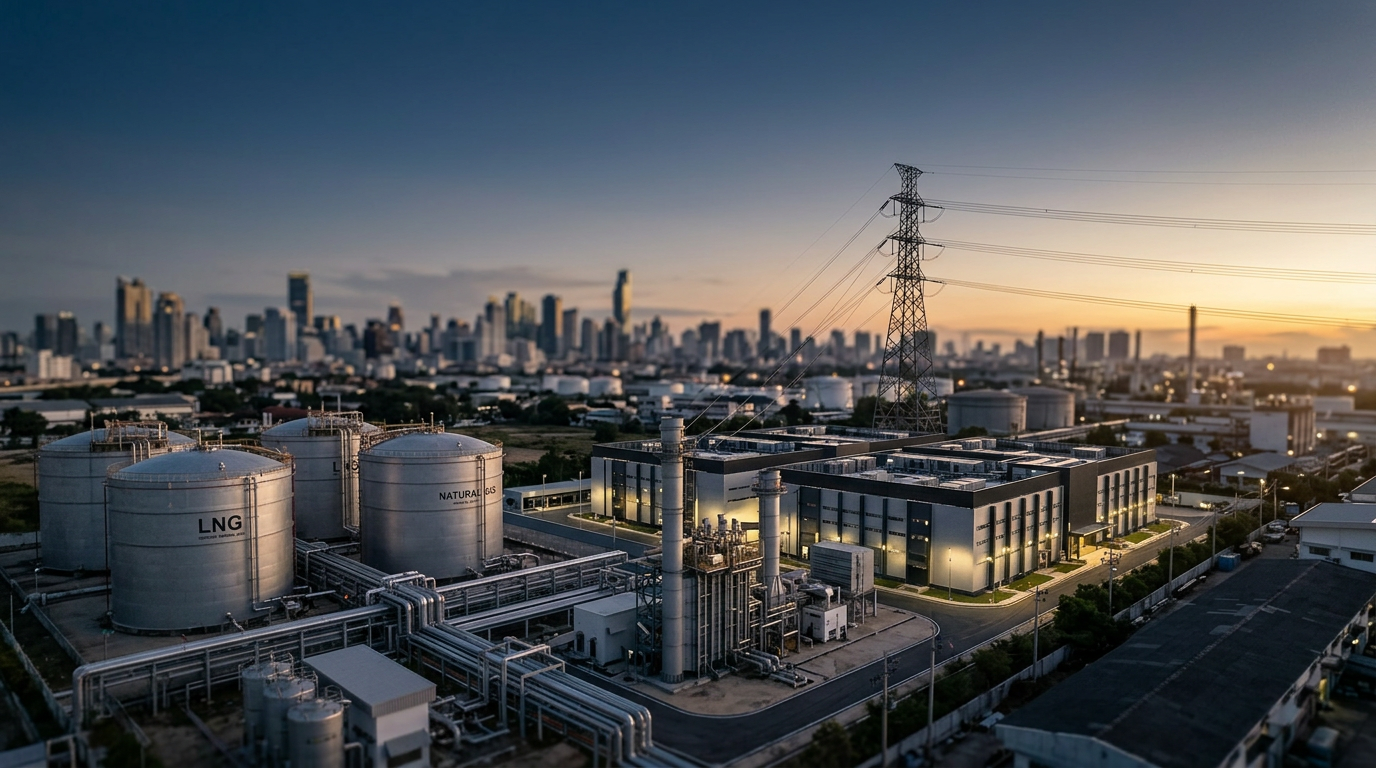
Thai energy conglomerate Banpu Plc is considering entering the liquefied natural gas (LNG) business, spurred by rising electricity demand from artificial intelligence data centres. As reported in the Bangkok Post, the firm sees a future in supplying power to the energy-hungry hyperscale facilities that are expanding across Southeast Asia. This move puts a spotlight on a core challenge for the region: powering the digital economy while managing a complex energy transition.
The Hyperscale Power Play
AI and cloud computing are not just about algorithms and software; they are physical industries that consume immense amounts of electricity and require massive cooling infrastructure. For nations like Thailand, attracting this digital investment is a strategic priority. However, the energy required by a single hyperscale data centre can rival that of a small city. This creates an immediate tension with national goals for decarbonization and the managed phase-out of fossil fuels.
Banpu's interest in LNG highlights this dilemma. While natural gas is often presented as a "bridge fuel" that is cleaner than coal, a significant investment in LNG infrastructure could lock in fossil fuel dependency for decades. This is happening just as Thailand aims to increase the share of renewables in its energy mix. The country's Power Development Plan has set ambitious targets, but the sudden, concentrated demand from the data centre industry complicates the timeline and the required investment in grid modernization. It is a test of whether the country can balance its industrial policy with its climate commitments.
Coordination as an Input
Successful development of a hyperscale data centre ecosystem is not solely about securing a power source. As the book "ASEAN Rising" notes, "Capital coordination is itself an industrial input." This means that the availability of cheap power is not enough to guarantee a project's success. Investors in hyperscale infrastructure look for environments where power, water for cooling, fiber-optic connectivity, and land use planning are seamlessly integrated. A failure in any one of these areas can render a project unviable.
For Thailand, this means that Banpu's potential LNG venture is only one part of a much larger puzzle. It will require concerted coordination between the Ministry of Energy, the Board of Investment, the Industrial Estate Authority of Thailand, and national utility providers. These institutions must work together to create a predictable and efficient environment for data centre operators. This includes not just the generation of power but also the high-voltage transmission infrastructure to deliver it reliably and the regulatory frameworks that govern its sale. Without this institutional harmony, Thailand risks attracting only speculative interest rather than the concrete, long-term investment it seeks.
What to watch: The Thai government's upcoming revisions to the Power Development Plan will be a key indicator of its strategy. Observe whether the plan explicitly integrates the specific needs of data centres, how it balances the role of LNG against renewable energy sources like solar and wind, and what new investments are earmarked for grid upgrades to support these new industrial loads. The level of detail and institutional alignment in the plan will signal how effectively Thailand is competing for a share of the region's digital future.