Philippines
The Philippines Switches On Its Digital Economy
The Philippines has driven down the cost of mobile data, a key step in attracting the hyperscale data centres that underpin the digital economy. While network improvements are a good first step, the country needs to coordinate capital and infrastructure to compete.
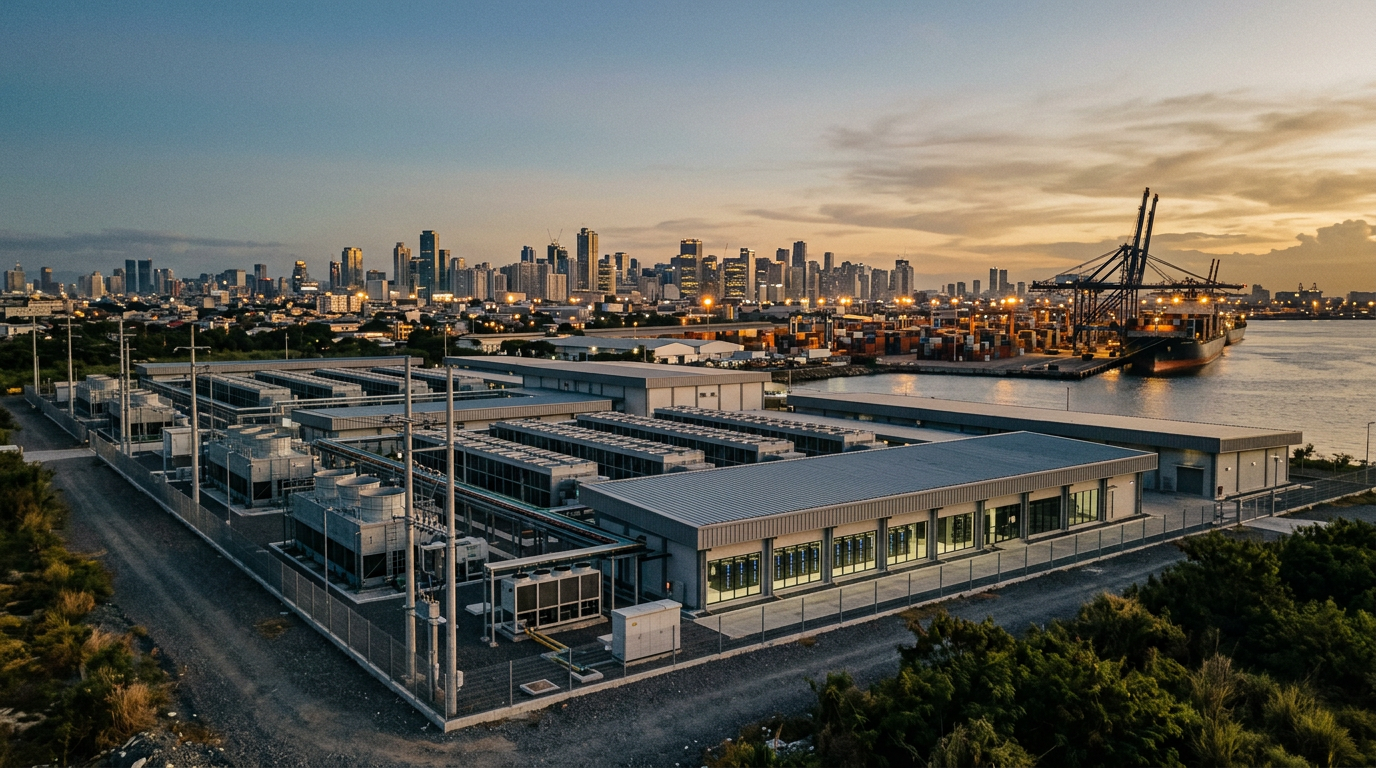
A report from philstar.com highlights a significant drop in mobile data costs in the Philippines, now down to approximately P7 per gigabyte. This seventy-five percent reduction is a result of government-led initiatives to improve network coverage and speed. While lower data prices benefit consumers, they also signal a potential shift in the country's strategy to attract digital infrastructure investment, particularly the large-scale data centres that are the foundation of the modern digital economy.
From Connectivity to Capacity
For the Philippines, cheaper and faster mobile data is a positive development, but it is only the first step. The ultimate goal is to attract the hyperscale data centres that can host and process this data locally. These facilities are the engines of the digital economy, enabling everything from e-commerce and financial services to artificial intelligence and cloud computing. A robust domestic data centre market reduces reliance on overseas infrastructure, improves data security, and lowers latency for end-users.
Attracting these hyperscale investments, however, requires more than just good connectivity. It demands a holistic approach to infrastructure. As "ASEAN Rising" notes, successful data centre projects depend on the coordinated delivery of reliable power, urban planning, and robust connectivity. Without this alignment, even abundant and inexpensive energy is not enough to secure a major investment. The Philippines must demonstrate that it can provide not just the digital network, but also the physical and regulatory infrastructure to support it.
The Regional Race
The competition for data centre investment in Southeast Asia is intense. Neighbours like Malaysia and Indonesia are also making aggressive plays to become regional hubs. They are leveraging their own unique advantages, from land availability to renewable energy sources. The Philippines cannot afford to compete on a single metric alone. Instead, it must create a comprehensive value proposition for hyperscale operators.
This is where the concept of "capital coordination is itself an industrial input" becomes relevant. A successful strategy involves aligning public and private capital around a clear national vision for digital infrastructure. This means fast-tracking permits, ensuring grid stability for power-hungry facilities, and developing a skilled workforce to manage them. The government