Thailand
Thailand rethinks data centres as resource strain shows
The Thai government is preparing tougher screening criteria for data centre investments due to concerns over their heavy use of electricity and water.
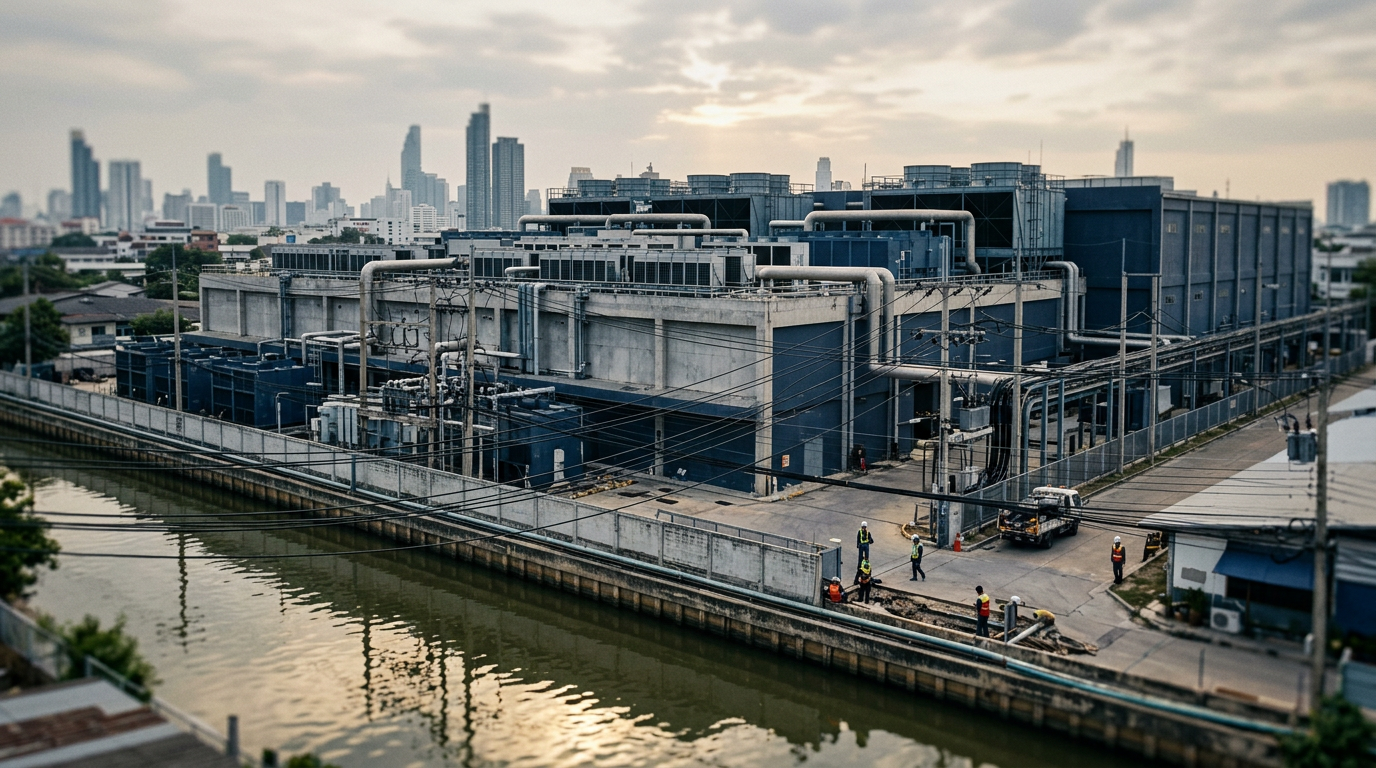
New screening criteria for data centre investments in Thailand are a sober reminder that headline foreign direct investment (FDI) pledges are only one part of the story. The Bangkok Post reports that the Thai government is preparing tougher checks on new data centre projects, citing their intensive consumption of electricity and water. This move highlights the growing tension between attracting high-tech investment and managing finite national resources.
From announcement to execution
Attracting FDI is a cornerstone of economic policy for every ASEAN member. Data centres, in particular, are seen as a gateway to the digital economy, promising high-skill jobs and the ancillary growth of a local technology ecosystem. Thailand has been a significant beneficiary of this trend, attracting interest from global technology firms eager to serve the growing Southeast Asian market. The government's latest actions, however, suggest a shift from a purely promotional stance to a more discerning one, where the long-term operational impact of an investment is weighed against its initial promise.
This administrative recalibration is a common theme in rapidly growing markets. As discussed in "ASEAN Rising," the journey from a celebrated FDI announcement to a fully operational facility is long and complex. The book notes that "realised flows depend on the slower work of land, permits, power and talent reaching the ground." Thailand's proposed checks on data centres are a clear manifestation of this principle. The government is not closing the door on investment, but rather ensuring that the country's infrastructure- particularly its power grid and water supply- can sustain it without creating broader economic or social stress.
Institutions and infrastructure
The case of Thai data centres puts the spotlight on the quality of institutions and the readiness of infrastructure. Effective screening mechanisms require a public sector that can accurately forecast resource demand and enforce standards. This is not merely a technical exercise in permitting; it is a strategic function of the state. It involves coordinating between investment promotion agencies, utility providers, and environmental authorities to create a coherent and predictable regulatory environment for investors.
For Thailand, and indeed for its ASEAN neighbours, the challenge is to build the institutional capacity to manage the consequences of investment success. As more capital flows into sophisticated sectors, the demands on national infrastructure will only intensify. The ability to assess, approve, and support these projects without faltering is what separates a fleeting investment boom from a durable economic transformation. The government's response to the data centre boom is a test of its ability to manage this complexity.
What to watch
Foreign investors will be watching to see if these new screening criteria in Thailand become a transparent and predictable part of the investment process or an arbitrary hurdle. The outcome will influence not only the future of Thailand's data centre industry but also provide lessons for other ASEAN nations grappling with the same pressures of balancing growth with sustainability. The focus will be on the execution of these new rules and the government's ability to communicate the standards required for new projects to proceed.