Thailand
Bangkok
Data centre development in Bangkok highlights the need for institutional coordination to manage the industry
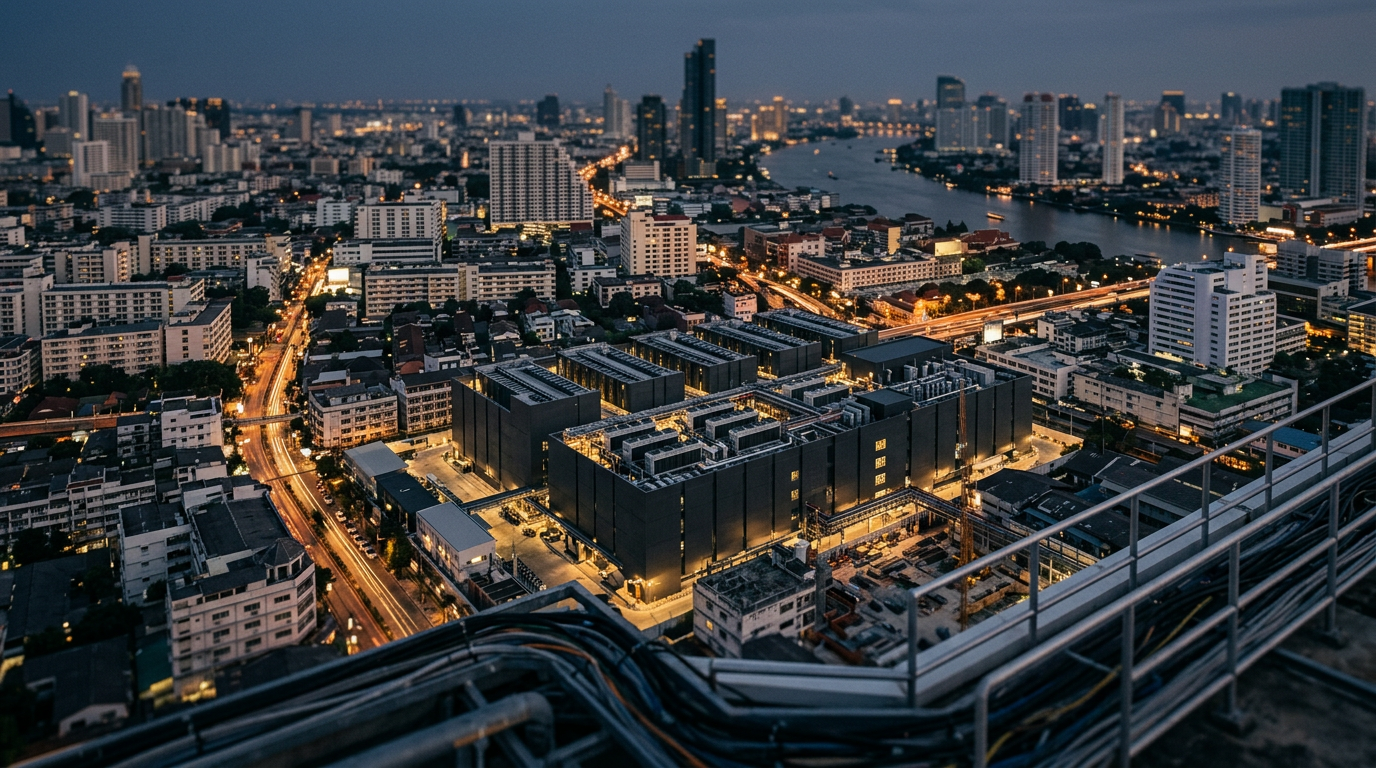
A recent CNA report on the safety and regulatory gaps in Bangkok's data centre market highlights a growing challenge for urban planners across Southeast Asia. As AI-driven demand accelerates the need for hyperscale computing, facilities are proliferating in residential and commercial zones, raising questions about energy consumption, fuel storage, and public safety. The situation in Bangkok, as detailed in the CNA article, is a case study in the friction between rapid industrial development and the institutional frameworks that guide it.
The Coordination Challenge
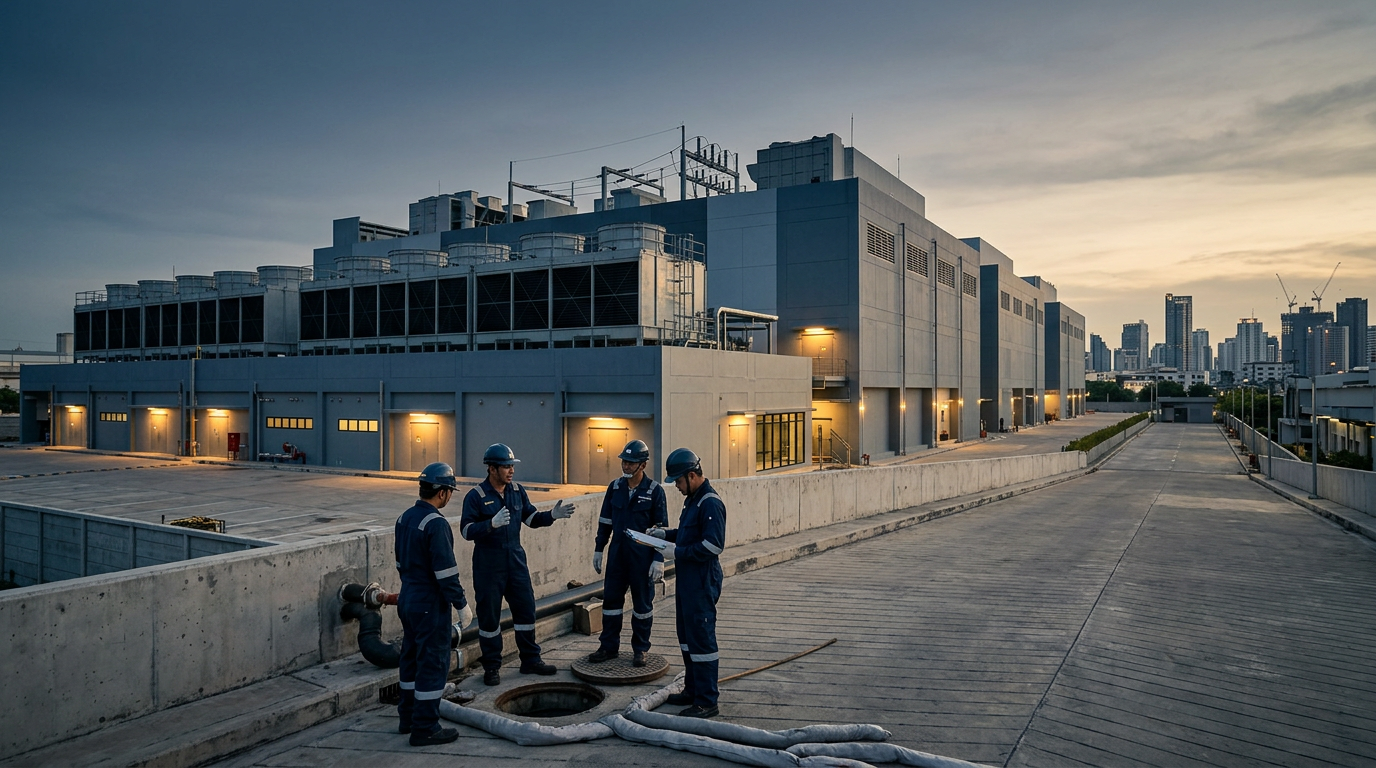
The clustering of data centres in urban and suburban areas is a logical outcome of the need for proximity to power grids and fiber optic networks. However, without a master plan, this can lead to significant conflict. The CNA report notes that residents and local businesses in Bangkok are increasingly concerned about the risks associated with having large-scale industrial facilities as neighbours. These data centres require substantial and reliable electricity, and often store large amounts of diesel fuel for backup generators, introducing safety and environmental risks in densely populated areas.
This is not just a technical problem of energy grids and zoning laws; it is a problem of institutional coordination. As "ASEAN Rising" argues, "Capital coordination is itself an industrial input." The success of a data centre hub depends not only on the availability of cheap power or land but on the ability of government agencies to work together. This includes utility providers, urban planning departments, investment boards, and environmental agencies. When these bodies are aligned, they can proactively designate suitable zones for industrial development, ensuring that infrastructure for power, water, and connectivity is developed in concert. When they are not, the market develops haphazardly, leading to the kinds of regulatory gaps and safety concerns now becoming apparent in Bangkok.