Malaysia
Iskandar Puteri as a Data Centre Hub: A Test of Coordination
ST Telemedia Global Data Centres' green financing for its Johor campus is a major milestone for Malaysia's digital economy. But the long-term success of the project will depend on the coordination of capital, infrastructure, and talent.
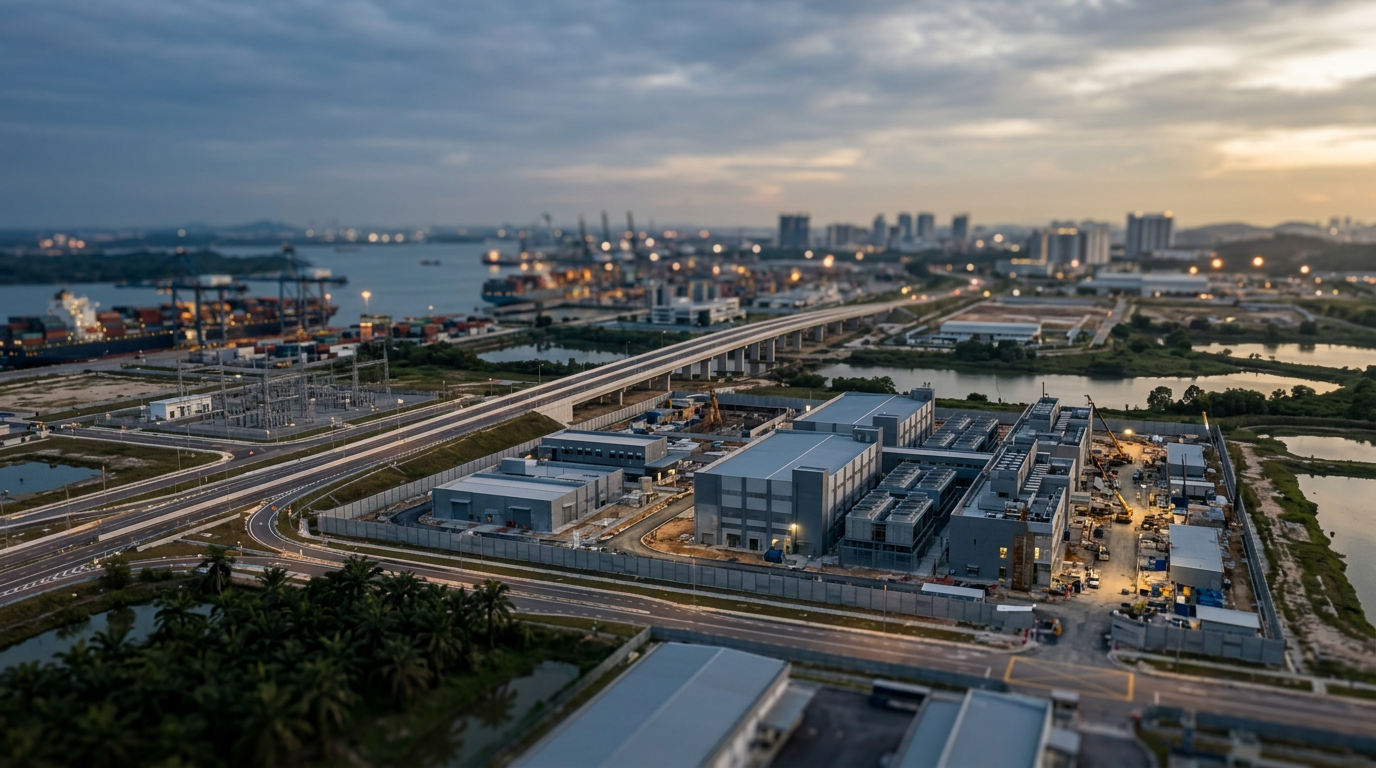
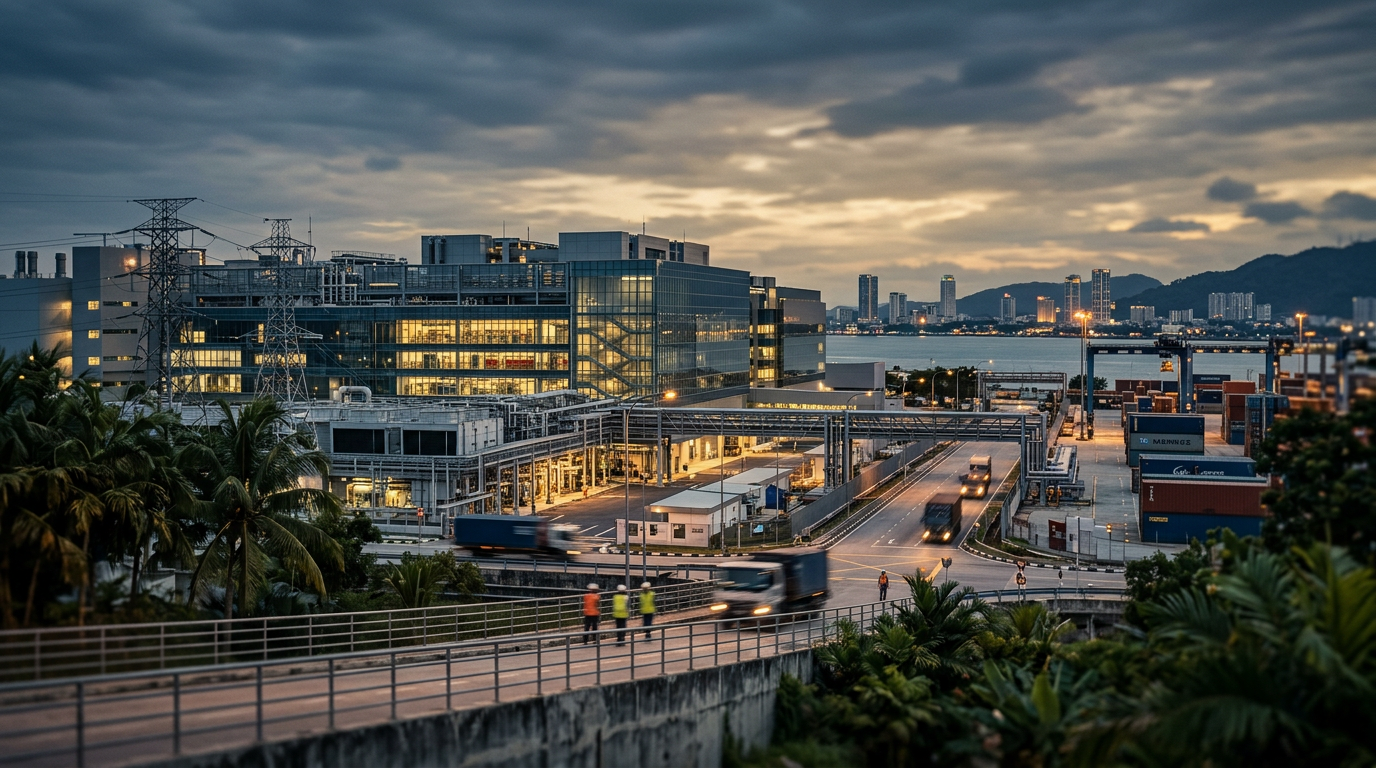
A recent announcement by Singaporean operator ST Telemedia Global Data Centres (STT GDC) marks a significant step for Malaysia's growing data centre industry. The company has secured up to US$1.37 billion in green financing for its data centre campus in Johor, as reported by malaymail.com. The move highlights the increasing integration of the Singaporean and Malaysian economies, particularly in the digital sector, and puts a spotlight on the Iskandar Puteri region in Johor as an emerging data centre hub.
Capital Follows Coordination
The STT GDC investment is a prime example of a theme central to "ASEAN Rising": the idea that "capital coordination is itself an industrial input." The decision to build a hyperscale data centre campus is not merely about finding cheap land or power. It requires a confluence of reliable utilities, forward-thinking urban planning, and robust connectivity. STT GDC's ability to secure substantial green financing indicates that investors are confident not only in the project itself but also in the supporting ecosystem that Johor is building. The development of the Iskandar Puteri region is a test case for Malaysia's ability to execute on this coordinated model.
Institutions and Infrastructure
For Iskandar Puteri to succeed as a data centre hub, institutional alignment is as important as the physical infrastructure. The green financing obtained by STT GDC is a testament to the growing sophistication of sustainable finance mechanisms in the region. However, this is just one part of the equation. The long-term viability of the data centre campus will depend on the Malaysian authorities' ability to provide reliable power grids, high-speed fiber optic networks, and a clear regulatory framework. The proximity to Singapore is a distinct advantage, allowing the Johor campus to function as a spillover location for the land-constrained city-state. This cross-border relationship requires continuous institutional cooperation on everything from data governance to energy policies.
The Talent Dimension
While capital and infrastructure are foundational, the availability of a skilled workforce will ultimately determine the sustainability of Johor's data centre ambitions. The development of a hyperscale campus will create demand for a new class of technicians, engineers, and cybersecurity specialists. Local universities and vocational training institutes will need to adapt their programs to meet this demand. The Malaysian government's ability to foster a pipeline of local talent, supplemented by policies that attract foreign experts, will be a key factor in the project's success. Without a focus on human capital, even the best-laid infrastructure plans can falter.
What to watch
Moving forward, observers should monitor the execution of the STT GDC project and the broader development of the Iskandar Puteri ecosystem. Key indicators will include the stability of the power supply, the rollout of supporting digital infrastructure, and the growth of a local skilled workforce. The success or failure of this initiative will offer valuable lessons for other regions in ASEAN seeking to attract similar high-value investments in the digital economy.