Copper, Capacity, and ASEAN's Data Centre Surge
The global AI-driven expansion of data centres is creating a surge in demand for copper, a trend with significant implications for ASEAN's industrial strategy and infrastructure development.
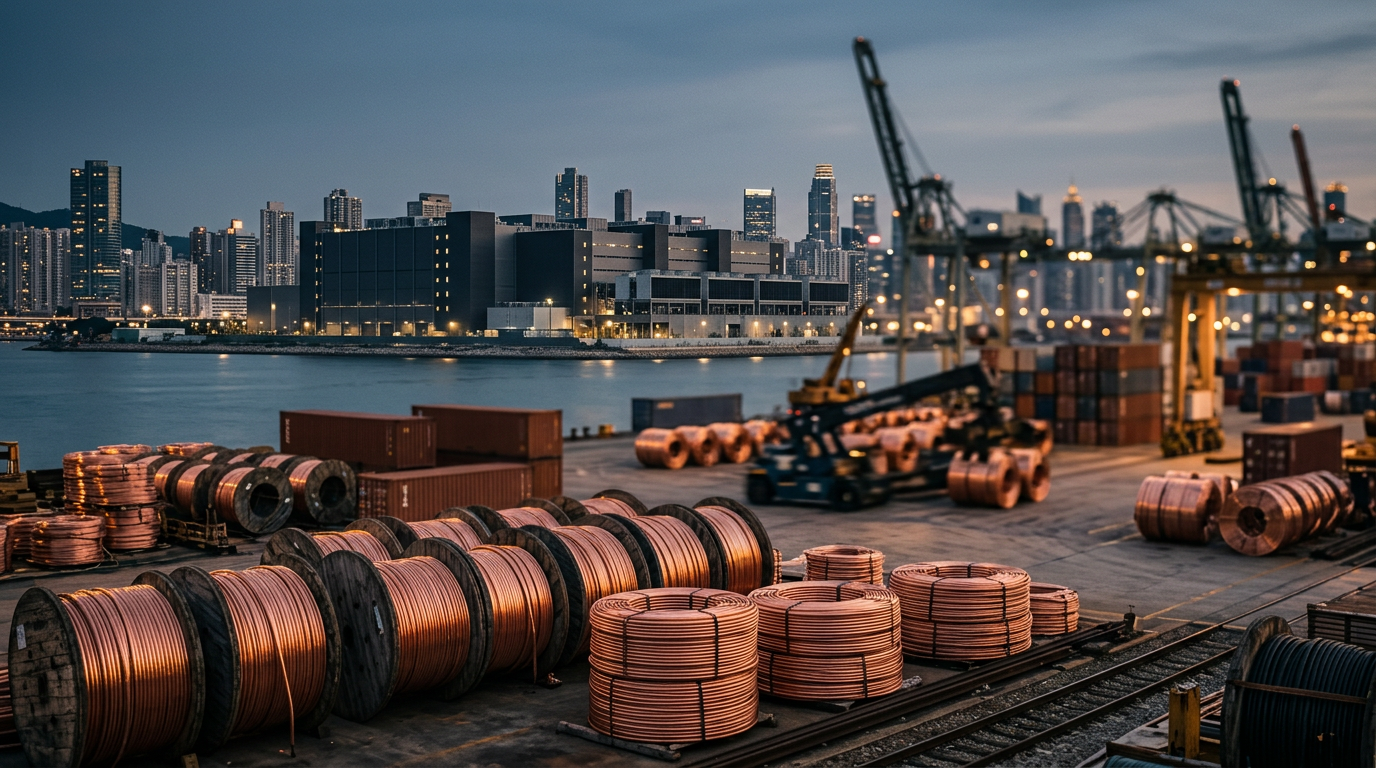
A recent report from The Straits Times highlights the increasing demand for copper, driven by the global expansion of data centres. As artificial intelligence applications proliferate, the need for data processing and storage capacity is surging, making copper a vital, and increasingly valuable, industrial commodity.
The Anatomy of a Data Centre
Data centres are complex industrial facilities. The popular imagination focuses on the servers and processors, but the physical infrastructure required to power and cool these machines is immense. This includes miles of copper wiring for power distribution, grounding, and connectivity. The renewed focus on copper underscores a fundamental point: the digital economy rests on a physical foundation of industrial materials and infrastructure. Without reliable access to commodities like copper and, more importantly, the industrial capacity to manufacture high-quality components from them, a digital strategy cannot be executed.
Industrial Inputs and Coordination
As explored in "ASEAN Rising," the successful development of high-value industrial capacity, such as data centres, depends on more than just isolated factors like cheap land or power. The book argues that "capital coordination is itself an industrial input." This means that the deliberate, planned integration of utilities, telecommunications, and regulatory approvals is a decisive factor in attracting and retaining investment. Where these elements are aligned, as they often are in Singapore's industrial estates, hyperscale projects can thrive. Where they are fragmented or unreliable, projects often stall, regardless of other incentives.
The rising price of copper is a market signal that the demand for data centre components is outstripping supply. For ASEAN economies, this presents a clear lane. Countries that can reliably produce the copper wiring, busbars, and cooling system components for data centres position themselves to capture a significant share of the value chain. This requires not just raw material access but also advanced manufacturing capabilities and a supportive industrial policy that ensures coordination between different sectors.
The Singapore Model
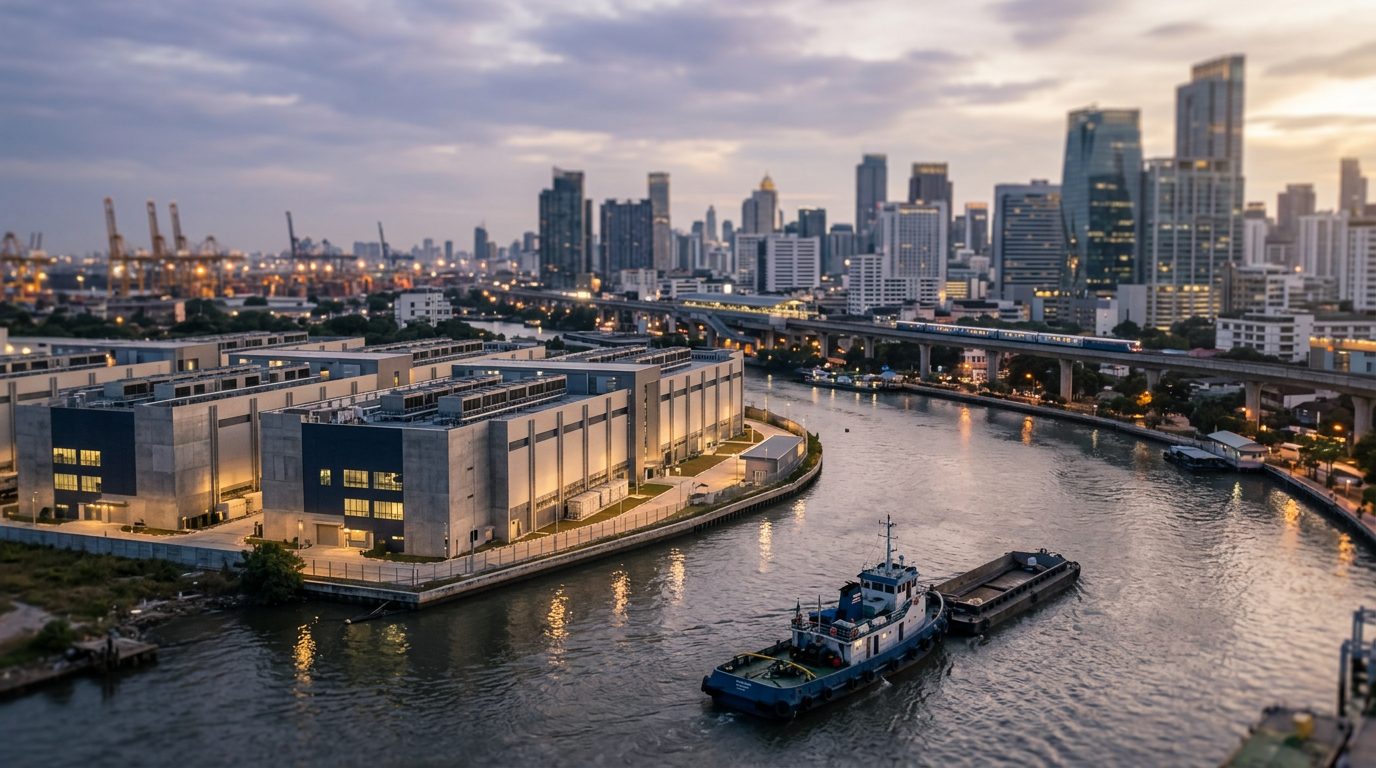
Singapore has long been a hub for data centres in Southeast Asia, largely because of its success in this type of coordination. The city-state's approach to industrial planning, where power, water, fiber optic networks, and site accessibility are developed in concert, provides a template for hyperscale development. While Singapore faces its own constraints, particularly around energy, its model of integrated planning remains relevant. As other ASEAN members like Malaysia and Indonesia build out their own data centre capacity, the primary determinant of success will be their ability to execute a similar level of infrastructural and regulatory coordination. The availability of copper is just one part of a much larger industrial puzzle.
What to watch
As the demand for AI continues to accelerate, observe which ASEAN nations successfully translate their industrial policies into tangible manufacturing and infrastructure outcomes. Pay attention not to announcements of new data centres, but to the development of the underlying supply chains for components like high-grade copper wiring, cooling systems, and power distribution units. The nations that succeed in building these foundational industrial capacities will be the long-term beneficiaries of the AI-driven data centre boom.