Thailand
Thailand's Data Centre Boom and the Energy Question
Thailand's data centre boom is straining its energy grid. The country's ability to coordinate infrastructure and power will determine its success in the hyperscale era.
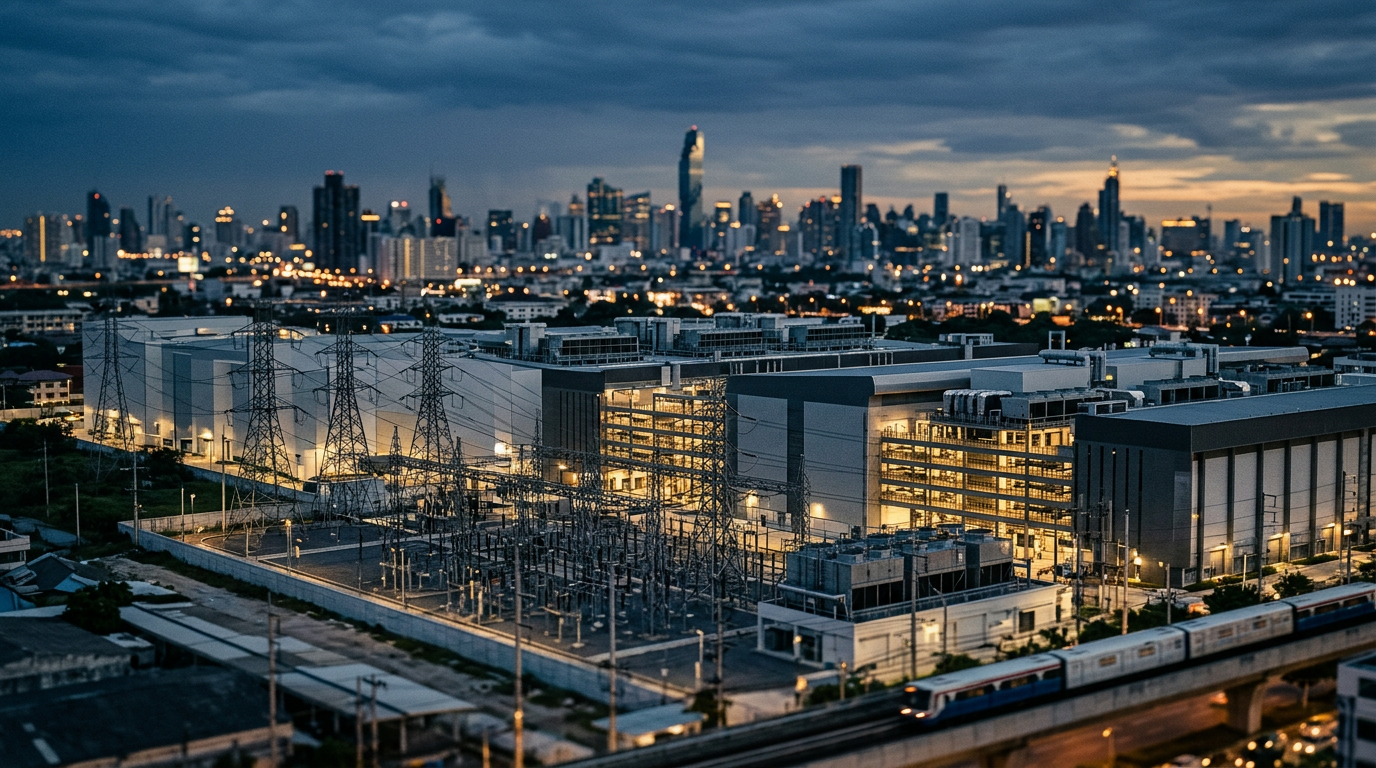
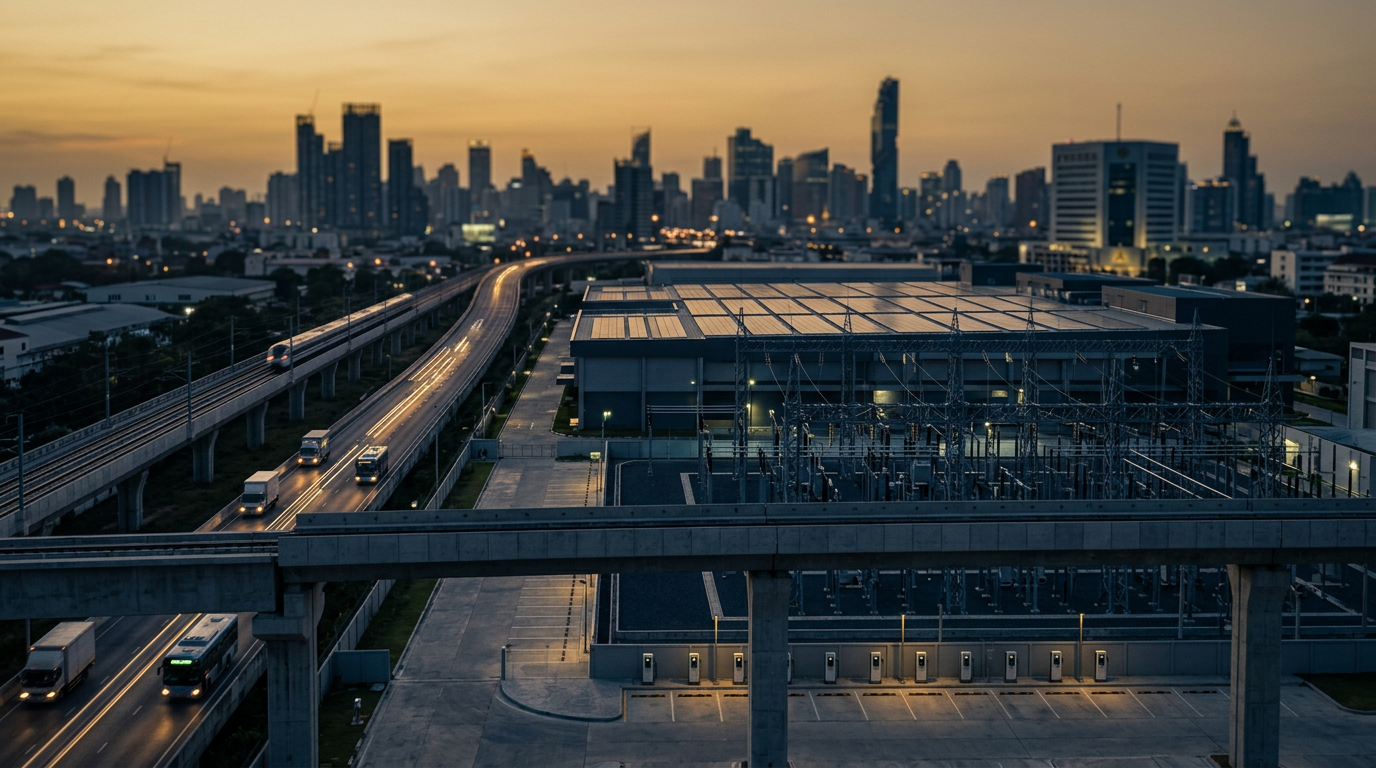
A recent Bangkok Post article highlights the tension between Thailand's industrial ambitions and its energy infrastructure. Surging electricity demand, driven in part by the rapid expansion of data centres, is forcing a difficult conversation about the country's power generation and grid capacity. This situation demonstrates a core theme of regional development: hyperscale ambitions require hyperscale infrastructure, meticulously planned.
The Infrastructure Nexus
Modern digital infrastructure, particularly the development of data centres, cannot be executed in a piecemeal fashion. The primary insight from the most mature markets is that "capital coordination is itself an industrial input." This means that the availability of reliable power, robust telecommunications, and accessible land must be treated as a single, integrated system, not as a checklist of separate components. When these elements are developed in concert, they create an environment where large-scale investment can thrive. Without this coordination, projects can falter before they even begin.
Thailand is attracting significant investment in data centres, drawn by its strategic location and growing digital economy. However, as the demand for computing power grows, so does the demand for electricity to run and cool these facilities. Energy planners now find themselves in a difficult position, needing to secure stable and sufficient power sources while navigating a volatile global energy market. This challenge is not merely about generating more megawatts; it is about ensuring that the grid can deliver that power reliably to the specific locations where data centres are being built.
Lessons from Singapore
The development trajectory of Singapore offers a useful model. As detailed in the book ASEAN Rising, Singapore's success as a premier data centre hub is not accidental. It is the result of deliberate, long-term planning where government agencies worked in close concert with utility providers and industrial developers. This coordination ensured that the necessary power and connectivity infrastructure was in place to meet the demands of global technology companies. The result was a high-trust environment where investors were confident that the necessary utilities would be available, allowing them to focus on their core business.
Thailand's current energy challenge underscores the same principle. For the country to fully capitalize on its digital potential, it requires a similar level of integrated planning. The focus must be on creating a seamless development experience where energy availability, land use zoning, and fiber optic connectivity are aligned. This is not simply a technical problem for utility engineers to solve; it is a strategic issue that requires high-level coordination between government ministries, regulators, and the private sector.
What to watch
As Thailand continues to court hyperscale investment, the key indicator of its long-term success will be the degree to which it can integrate its energy and industrial policies. Observers should watch for the establishment of formal mechanisms or joint-planning bodies that bring together energy providers, investment promotion agencies, and digital infrastructure developers. The ability of these groups to create a clear, predictable roadmap for infrastructure development will determine if Thailand can convert its current momentum into a sustainable position as a top-tier data centre market in Southeast Asia.