Alibaba's Big Bet on Data Centres Spotlights ASEAN's Infrastructure Test
Alibaba is launching a major international data centre expansion, aiming for over 20 gigawatts of global capacity by 2032. This global push will test ASEAN's ability to coordinate power, connectivity, and planning to attract these hyperscale investments.
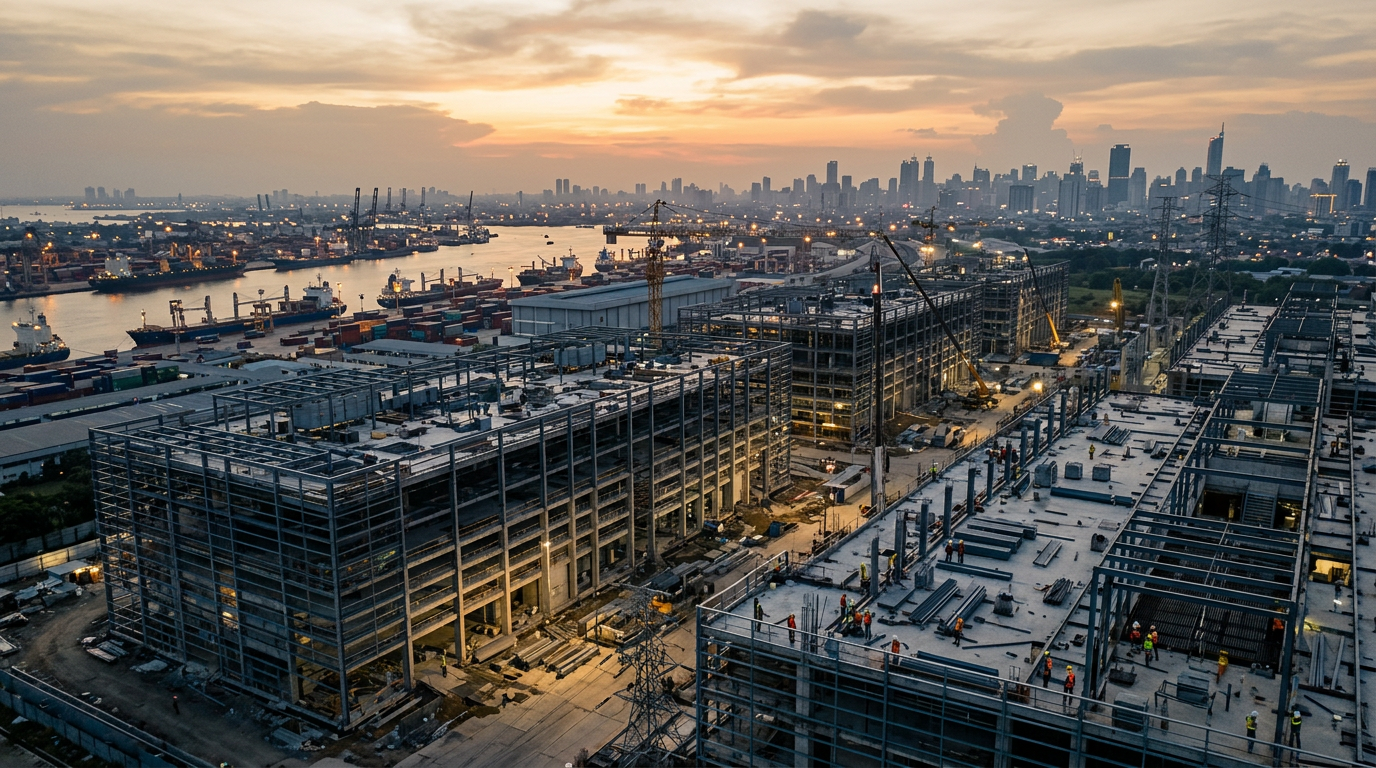
Chinese technology giant Alibaba is launching a significant international data centre expansion, with the goal of reaching over 20 gigawatts of global capacity by 2032. As reported in the Straits Times, this move signals a global push that will have substantial implications for the ASEAN region, a key battleground for cloud services and digital infrastructure.
The Coordination Challenge
Hyperscale data centres, the foundation of the modern digital economy, are notoriously demanding. They require immense and reliable power, high-speed fiber optic connectivity, and a regulatory environment that allows for rapid construction and operation. As ASEAN markets compete for these large-scale investments from companies like Alibaba, success will not be determined by a single factor like cheap land or electricity.
The central challenge is the orchestration of multiple inputs. The book "ASEAN Rising" makes the point that "capital coordination is itself an industrial input." Without a coherent strategy that brings together utility providers, urban planners, and telecommunications firms, projects can falter. A disciplined approach to infrastructure development is necessary to provide the certainty that hyperscale operators require for their long-term, high-stakes investments. Singapore has historically excelled at this, but land and power constraints are pushing new investments into neighboring markets in Malaysia and Indonesia, putting their own coordination capabilities to the test.
Execution Over Promises
Attracting a multi-billion dollar data centre investment requires more than a government announcement or a memorandum of understanding. It demands a proven ability to execute complex, multi-stakeholder projects. International cloud providers will scrutinize a location's track record, not just its promises. They need assurance that power grids can handle the load, that fiber optic cables will be laid on schedule, and that all necessary permits will be processed efficiently.
This is where institutional quality becomes a decisive competitive advantage. Markets that can demonstrate a history of successful large-scale infrastructure projects are better positioned to win these investments. The ability to deliver on commitments is a tangible asset. As new data centre hubs emerge in places like Johor in Malaysia or Batam in Indonesia, their long-term success will depend on building a reputation for reliable execution. Alibaba's expansion will undoubtedly favor locations that can deliver integrated infrastructure over those offering isolated incentives.
Infrastructure as a Strategic Asset
The race to attract data centres is not just about securing foreign investment; it is about building the foundational infrastructure for a country's own digital future. The availability of local, high-performance computing capacity can accelerate the growth of domestic technology firms, improve the delivery of digital government services, and enhance national competitiveness.
Therefore, the strategic planning for data centre infrastructure cannot be separated from a nation's broader economic development goals. It involves complex trade-offs regarding energy policy, land use, and talent development. Countries that view the necessary power and connectivity upgrades as strategic national assets, rather than just costs associated with a single project, will be better prepared to capture the full value of the expanding digital economy.
What to watch
As Alibaba and its global competitors roll out their expansion plans, the key indicator to watch will be how investment flows are distributed across the region. Observe whether new projects cluster in markets that demonstrate superior institutional capacity for coordinating power, connectivity, and planning. The ability of ASEAN nations to move beyond simply offering incentives and toward delivering integrated, reliable infrastructure will determine which economies will host the next generation of digital growth engines.