Singapore
Singapore Tests Its Green Data Centre Model
New data centres in Singapore are mandated to use renewables. Upcoming facilities on Jurong Island offer a chance to test new frontiers in sustainable energy integration.
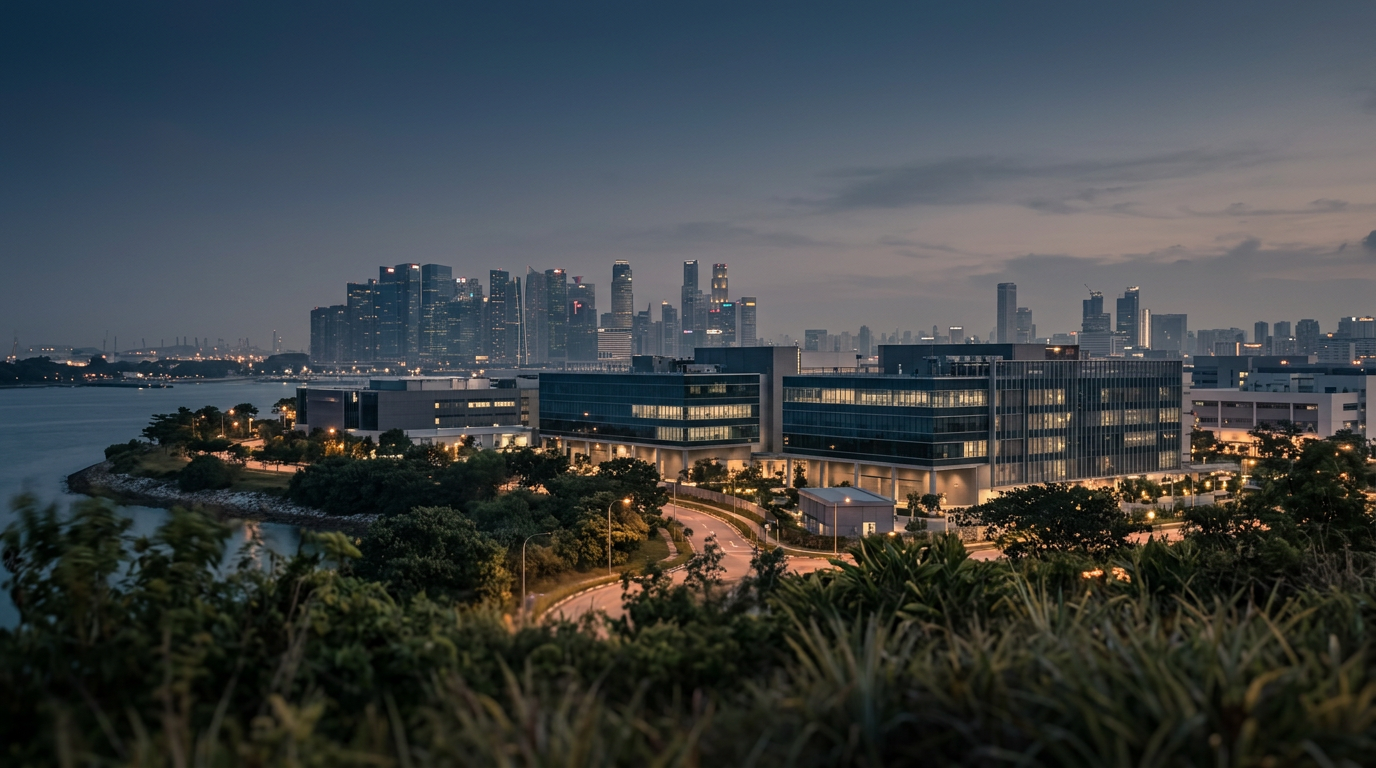
Singapore is proceeding with a measured resumption of data centre construction after a 2019-2022 moratorium, conditioning new capacity on sustainability and efficiency targets. A recent report from the Business Times highlights that the next round of facilities will be greener, but also smaller. Four new sites have been awarded rights to build, with a combined 80 megawatts of capacity, a fraction of the hundreds of megawatts that came online annually before the pause.
The Green Bottleneck
The new data centres must meet high standards for energy efficiency and incorporate renewable energy sources. This presents a challenge in land-scarce Singapore, where domestic renewable energy options like solar are limited. The new facilities on Jurong Island are seen as a testbed for integrating innovative sustainability practices, including advanced cooling solutions and the use of hydrogen-ready gas turbines. However, the scale is modest. This measured approach reflects a deliberate governmental strategy to balance digital growth with environmental responsibility.
The core issue is that while Singapore has the digital infrastructure and international connectivity that data centre operators require, its domestic energy market cannot easily absorb the vast power demands of large-scale facilities, especially when tied to green mandates. The grid itself is a bottleneck. This forces a choice between capping the size of the digital economy or finding new models for energy provision.
Capital and Coordination
Singapore's approach to the data centre issue is a live test of a core concept from the book ASEAN Rising: the idea that effective coordination of utilities, planning, and connectivity is a determinative factor in attracting hyperscale investment. The government is not simply allowing new construction; it is actively shaping the sector's development by linking building rights to national sustainability goals. This is an exercise in industrial policy where "capital coordination is itself an industrial input."
The government's role extends beyond setting rules. It involves orchestrating the development of new energy infrastructure, such as the potential for hydrogen power on Jurong Island, and facilitating agreements that might allow data centres to access renewable energy from neighboring countries. This level of coordination is what distinguishes a successful hub from a location that offers only one or two favorable inputs, such as cheap land or power. Without this integrated approach, individual projects often fail to achieve scale or efficiency.
What to watch: The success of Singapore's strategy will depend on how effectively these smaller, greener data centres can prove new models of energy use and management. The results will influence whether the government continues with this incremental approach or opens the door to larger-scale developments, potentially tied to regional energy import schemes. The outcomes will also provide a template for other ASEAN nations facing the same tension between attracting digital investment and managing the environmental impact. The ability to execute this complex coordination of capital, infrastructure, and regulation will determine Singapore's long-term position as a premier data hub.