Malaysia
Johor's Data Centre Boom is About More Than Land
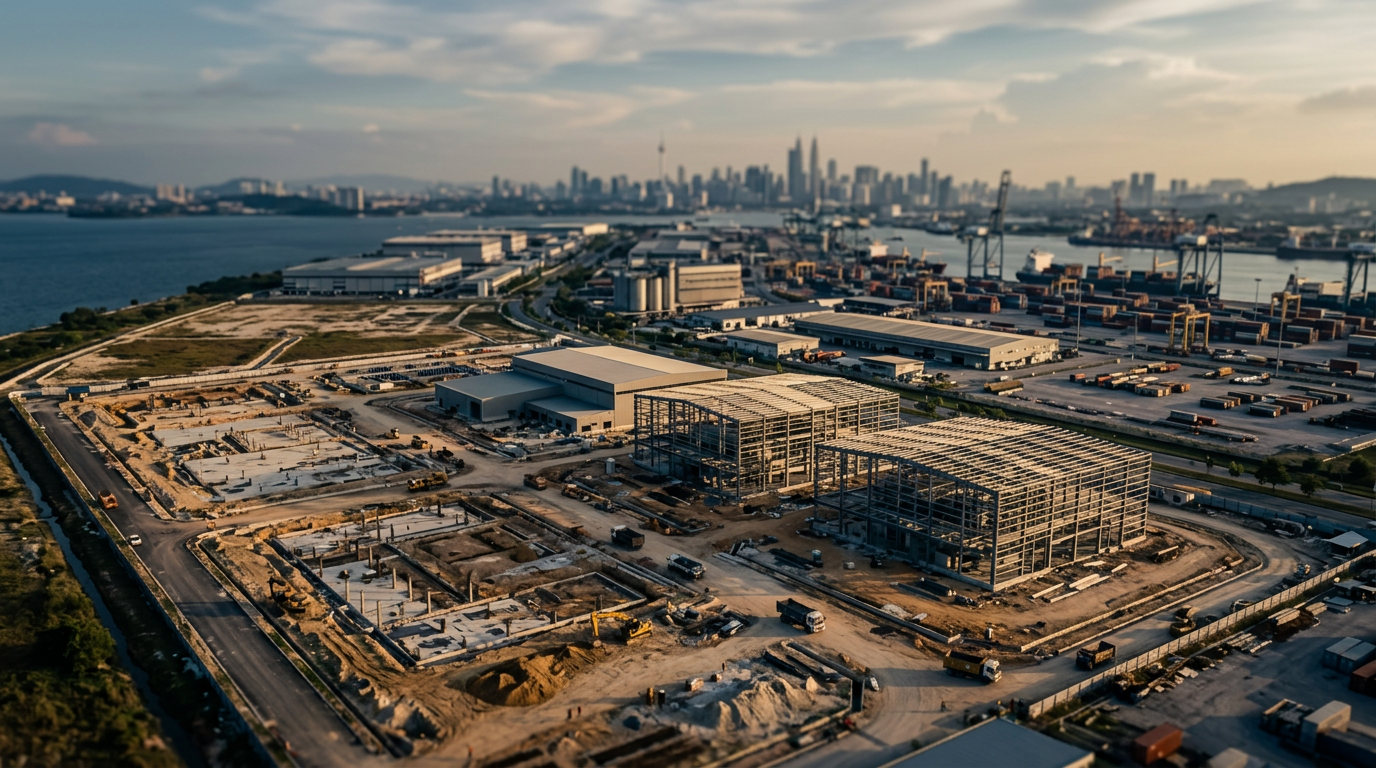
A recent RM57.18 million series of subcontracts for a new hyperscale data centre in Johor highlights the state's emergence as a data hub. But this success is not accidental; it is a direct result of coordinated investment in the foundational pillars that attract hyperscale.
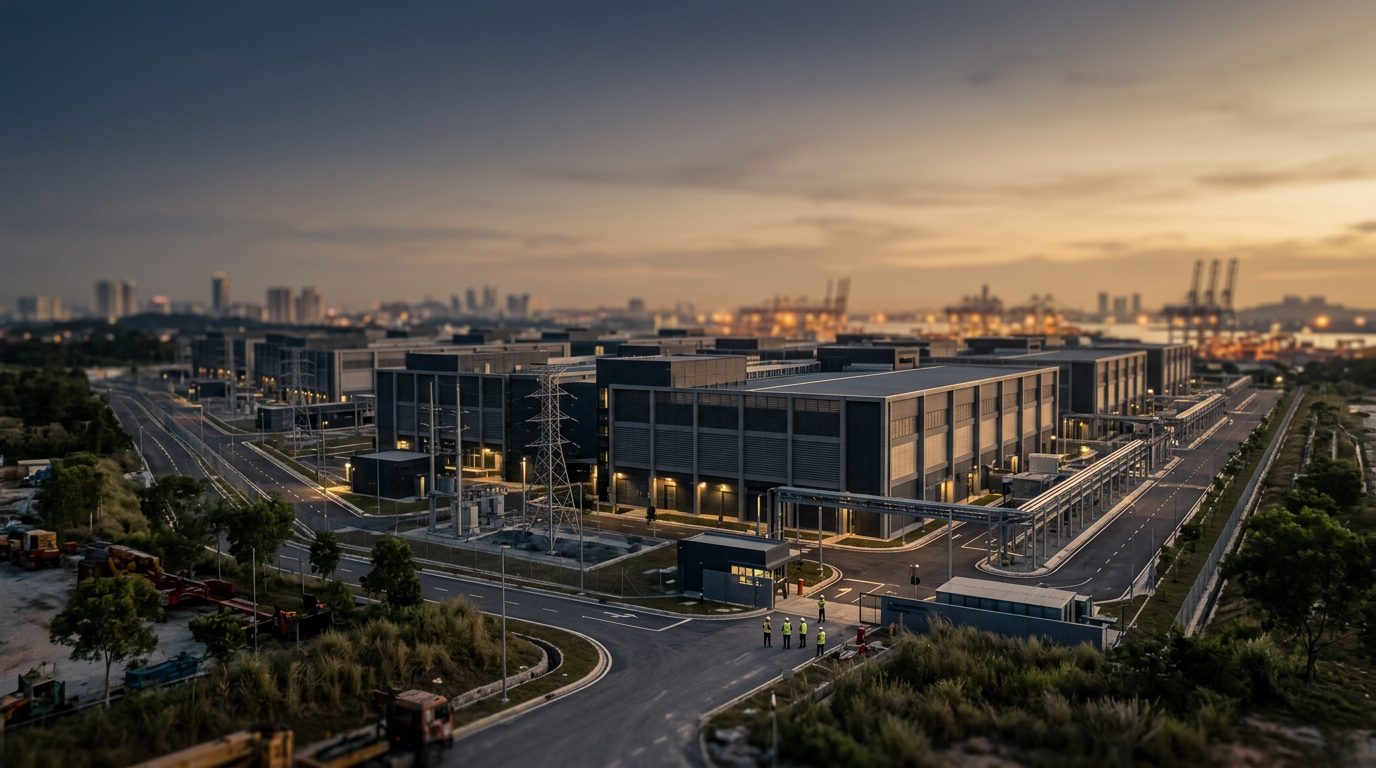
A recent announcement that Pekat Group secured subcontracts worth RM57.18 million for a new hyperscale data centre in Johor has drawn fresh attention to the region's growth. As reported by Bernama, the deal involves design, supply, and installation services, signaling that the project is moving from planning to execution. While land and power costs are often cited as the primary drivers of data centre location, Johor's success story is more complex, illustrating the principle that coordinated infrastructure development is a prerequisite for attracting high-value digital investment.
The Anatomy of a Hub
The congregation of data centres in Johor is not accidental. It is the outcome of deliberate, long-term planning that aligns multiple infrastructure components. Locating a data centre is not as simple as finding a cheap plot of land. Hyperscale operators, who build massive facilities for global cloud services, require a specific combination of reliable power, high-capacity fiber optic connectivity, and streamlined regulatory processes. The absence of any one of these can render a project unviable. As the book "ASEAN Rising" notes, "Capital coordination is itself an industrial input."
Johor, particularly the Iskandar Puteri region, has become an attractive location because it has successfully bundled these necessary inputs. Its proximity to Singapore, a mature but land-constrained data centre market, provides an initial advantage. However, this advantage would be meaningless without local enablers. State and federal authorities have worked to ensure that industrial parks designated for data centres are equipped with the requisite high-voltage substations and dark fiber connections. This integrated approach reduces the risk and complexity for developers, making Johor a more predictable and therefore more attractive investment destination than locations that offer only one or two of these components.
Execution and Trust
Securing multi-million ringgit subcontracts, like the one awarded to Pekat Group, demonstrates that a project is transitioning from a high-level plan to a tangible build. This is where execution capability becomes the determining factor. The ability of local firms to meet the exacting technical standards of global hyperscale operators is a testament to the development of a skilled talent pool in Malaysia. This includes expertise in specialized areas like electrical engineering, mechanical systems, and project management for mission-critical facilities.
This execution phase is also where trust is solidified. International investors need assurance that local partners and supply chains can deliver on time and to specification. Every subcontract fulfilled reinforces the reputation of the local ecosystem. This track record of successful project delivery creates a virtuous cycle, attracting further investment and building a deeper base of institutional knowledge. The Johor government's role in facilitating these projects, ensuring that permits are processed efficiently and that utility connections are provisioned as promised, is a core part of building this trust.
What to watch
As Johor solidifies its position, the key factor to watch is how it manages the immense demands these facilities place on the energy grid. The long-term sustainability of this data centre boom will depend on the state's ability to integrate renewable energy sources and manage power capacity at scale. Furthermore, observe how the development of this specialized industrial cluster affects the broader regional economy, from the growth of supporting service industries to the development of technical talent across southern Malaysia.