Malaysia
Johor's Data Centre Boom is a Test of Coordination
A recent string of contracts for a hyperscale data centre in Johor, Malaysia, illustrates a core theme of regional development: hyperscale investment follows coordinated infrastructure, not just cheap inputs.

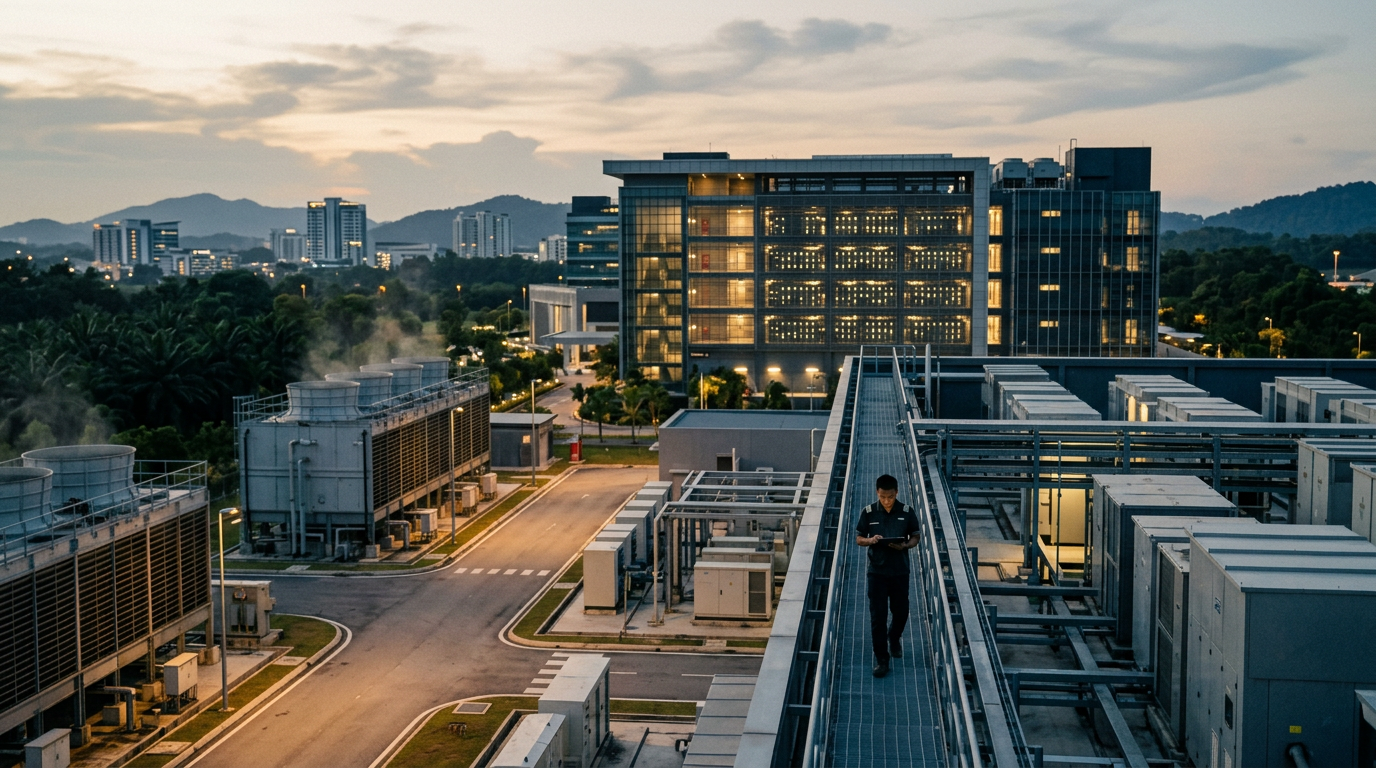
A recent report from The Star that Pekat Group secured RM57.18 million in subcontracts for a new hyperscale data centre in Johor provides another signal of Malaysia's growing importance in the data infrastructure sector. The project, located in the Sedenak Tech Park, is part of a larger trend that has seen both domestic and international players invest heavily in Johor's data centre capacity. This flurry of activity is a direct test of the state's ability to coordinate the complex inputs required for such massive undertakings.
The Sedenak Model
Johor, and specifically the Sedenak Tech Park, has become a focal point for the data centre industry in Southeast Asia. The state's proximity to Singapore, coupled with available land and a supportive government, makes it an attractive location. However, building a data centre involves more than just assembling servers in a warehouse. These facilities require immense and reliable power, high-capacity fiber optic connections, and significant water resources for cooling.
The concentration of investment in Sedenak is a deliberate strategy. By creating a dedicated tech park, Johor aims to solve the coordination problem for investors. The park provides pre-vetted sites with access to the necessary infrastructure, streamlining the development process. This approach acknowledges that hyperscale operators are not just looking for low-cost land or power; they are looking for a location where all the necessary components are available, reliable, and can be brought online within predictable timelines.
Coordination as a Bottleneck
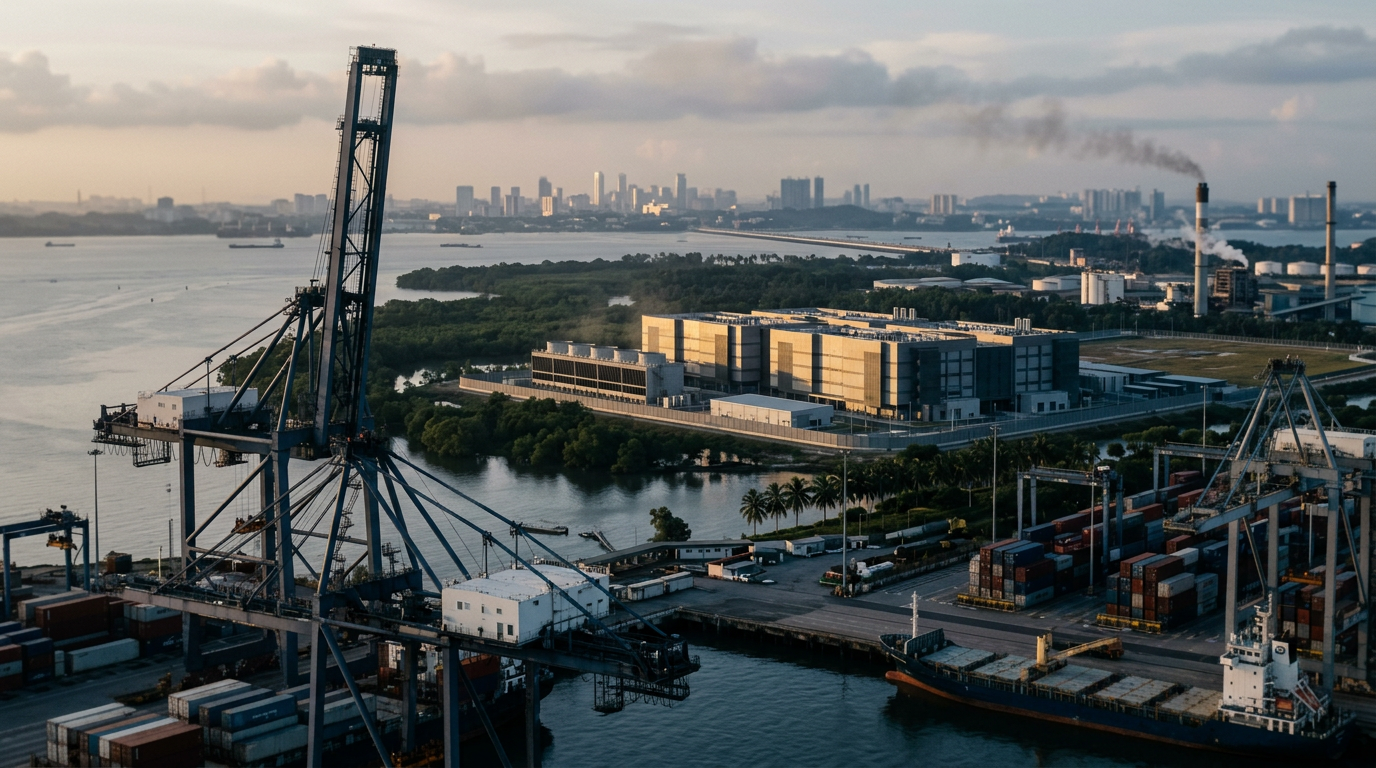
As discussed in ASEAN Rising, Singapore has historically excelled at this type of coordination, treating it as a critical component of its industrial strategy. The book notes that "Capital coordination is itself an industrial input." Singapore's own moratorium on new data centre projects, driven by power constraints, created the opening that Johor is now seeking to fill. Malaysia's challenge is to prove it can match Singapore's execution in delivering integrated infrastructure.
Successfully attracting a hyperscale anchor tenant is only the beginning. The next step is to ensure that the utility providers, construction firms, and regulatory bodies work in concert to meet the project's demanding schedule. Any failure in this chain-whether a delay in substation construction or a bottleneck in permitting-can jeopardize the entire investment. The contracts awarded to Pekat Group for specialized systems like earthing and lightning protection are just one small piece of a much larger and more intricate puzzle.
Malaysia's Broader Strategy
The developments in Johor are a key part of Malaysia's national digital strategy. The country aims to leverage its strategic location and growing renewable energy capacity to become a premier data centre hub for the region. Success in Johor would not only bring in foreign investment and create high-skilled jobs but also demonstrate that Malaysia possesses the institutional capacity to manage complex, large-scale technology projects.
The ability to execute in Sedenak will be watched closely by other potential investors. If Johor can prove its model of coordinated infrastructure development is robust, it could unlock a much larger wave of investment across the country. Conversely, any significant project delays or failures would reinforce the perception that such complex undertakings are best left to established hubs like Singapore, despite their higher costs and space constraints.
What to watch
Observers should monitor the execution of the large-scale data centre projects currently underway in Johor, particularly regarding utility readiness and the performance of the local supply chain. The Malaysian government's ability to streamline regulatory processes and ensure that power and connectivity infrastructure comes online in sync with data centre construction timelines will determine if the current boom is sustainable. The success or failure of this coordination will serve as a clear indicator of Malaysia's competitiveness in the global digital economy.