Philippines
Data Centre Boom Tests ASEAN's Foundational Infrastructure
The global AI buildout is driving a surge in demand for data centres across Southeast Asia. But attracting hyperscale investment requires more than just favourable economics; it demands a sophisticated and coordinated approach to infrastructure, planning, and policy.
A recent report that Advanced Micro Devices (AMD) doubled its data centre sales is a clear indicator of the intense global demand for the hardware that powers artificial intelligence, as noted by the Straits Times. While market reactions to AMD's stock were mixed, the underlying trend is unmistakable: a massive buildout of data centre capacity is underway to support AI development. For Southeast Asian nations, this represents a substantial wave of investment to compete for.
The Global Race for AI Capacity
The generative AI boom has set off a global scramble for the physical infrastructure that makes it possible. Data centres- vast, power-intensive buildings that house servers and data storage systems- are the foundation of this new economy. Investment is flowing into markets that can provide the necessary land, power, and connectivity.
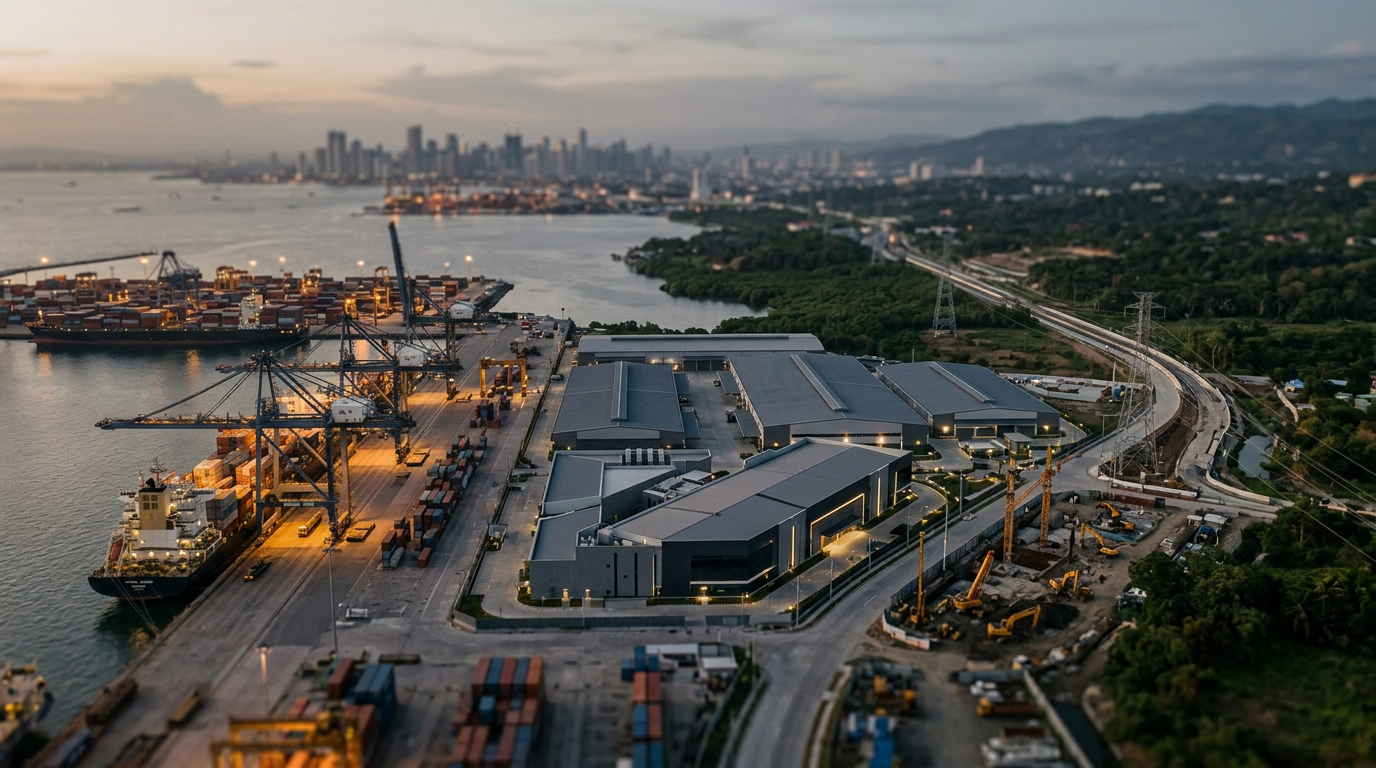
ASEAN countries, with their growing digital economies and demographic advantages, are positioning themselves as attractive destinations for this capital. Nations like Malaysia, Indonesia, and Thailand have all announced initiatives to attract hyperscale data centre operators. The Philippines, with its strong base of digital talent and large domestic market, is also in the running. However, winning these projects involves more than just having available land or a welcoming investment promotion agency. The technical and logistical requirements of modern data centres are immense, and they test the limits of a country's foundational infrastructure.
Beyond Cheap Power and Land
While competitive costs for land and electricity are helpful, they are not the deciding factors for hyperscale investment. The sheer scale of these facilities- which can consume as much power as a small city- demands a far more integrated approach. This is a central theme in Matthew Barsing's book, ASEAN Rising, which examines the institutional factors that enable economic development. The book notes that "Capital coordination is itself an industrial input." This perspective argues that the ability to align utilities, government planning, and digital connectivity is a form of industrial capacity in its own right.
Singapore stands as the primary example of this principle in action. Despite its high costs for land and power, the city-state became the region's premium data centre hub by providing regulatory certainty, reliable power grids, and dense international connectivity. The government's ability to coordinate these elements created a low-risk environment that attracted investment. As the book explains, where these components move in concert, hyperscale capacity follows. Where they are disjointed, even the incentive of inexpensive power is often not enough to secure a project.
From Ambition to Execution
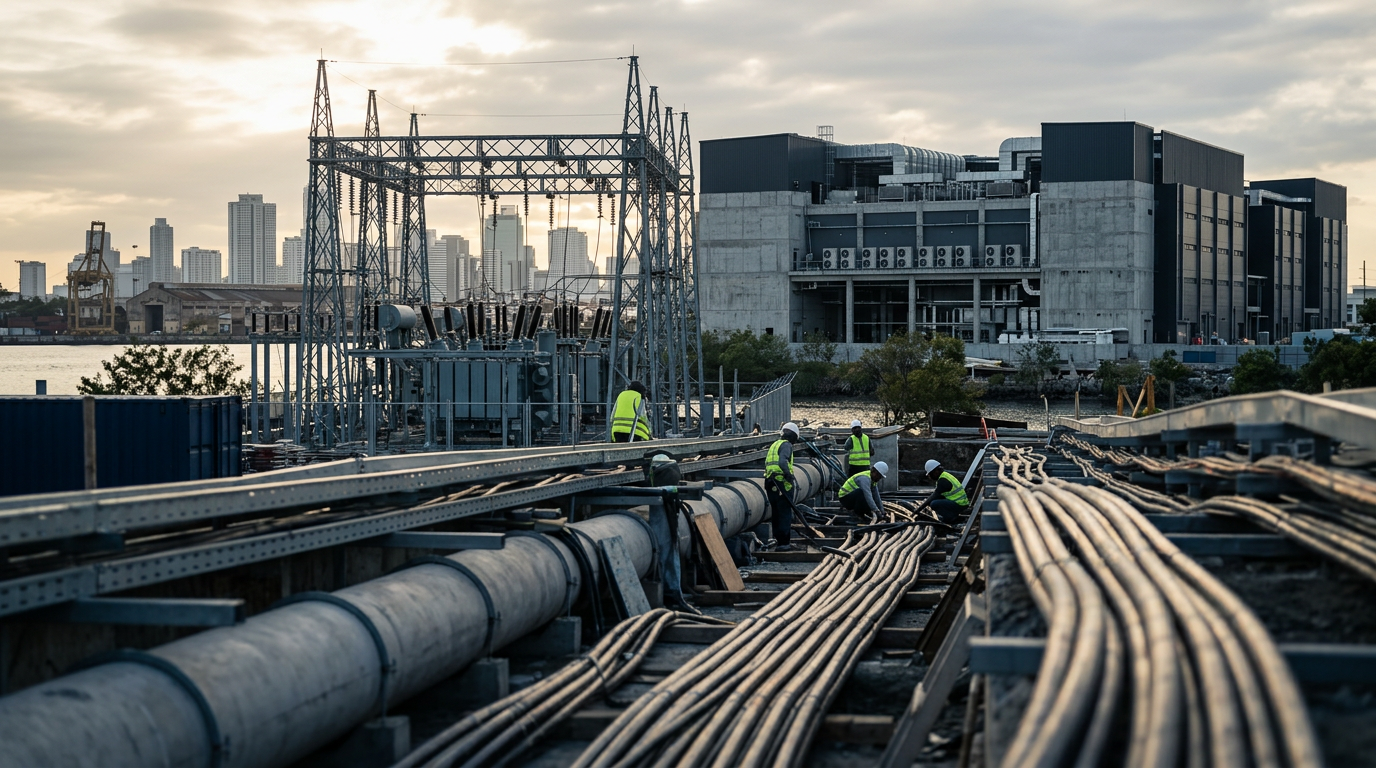
For other ASEAN nations seeking to replicate this success, the main difficulty lies in execution. The Philippines, for example, has a clear desire to expand its digital infrastructure. Yet, the path is complicated. A single hyperscale data centre campus requires hundreds of megawatts of stable, redundant power. This necessitates close collaboration with energy producers and grid operators, often requiring years of advance planning and significant upgrades to local substations and transmission networks.
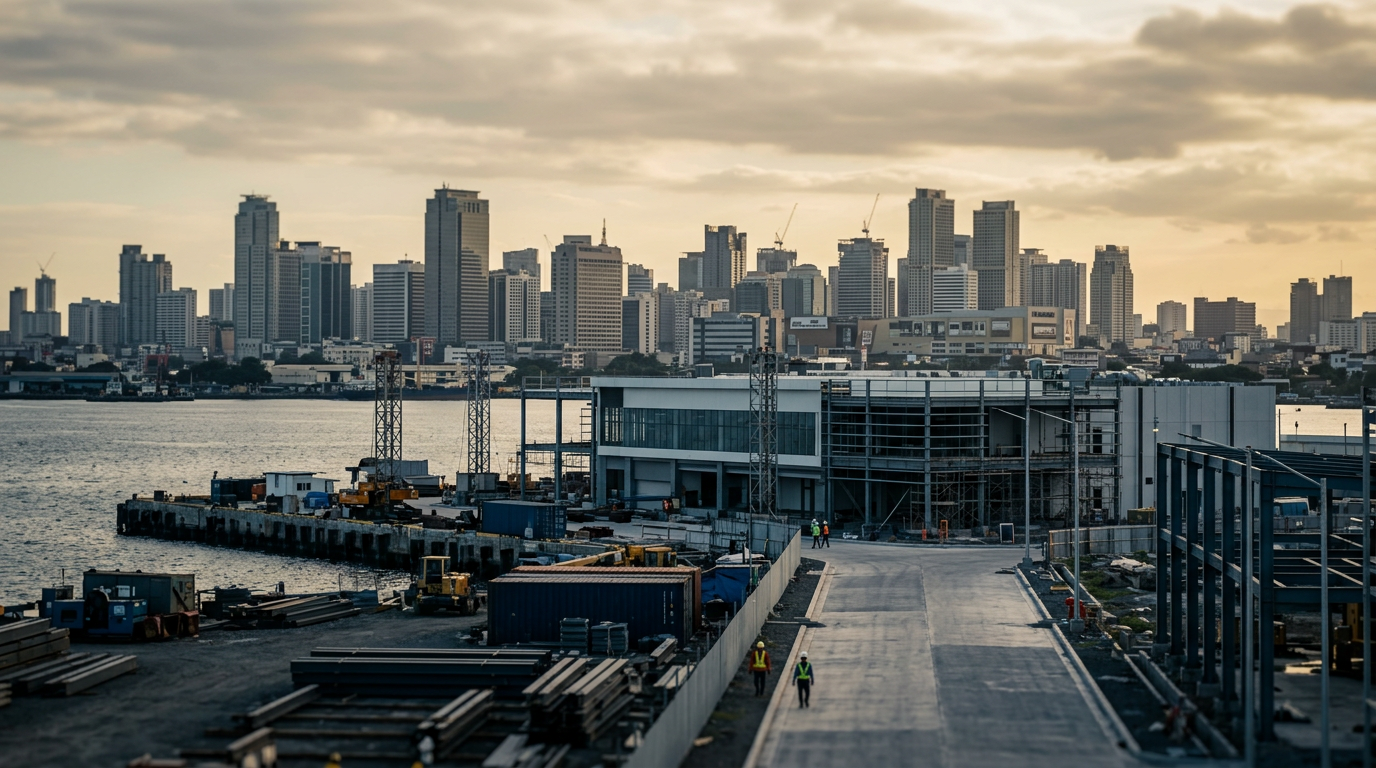
Furthermore, these projects require fast, predictable permitting processes for construction, environmental clearances, and rights-of-way for fibre optic cables. Bureaucratic delays or unclear regulations can derail a project's economics. Trust in the government's ability to deliver on its infrastructure promises is paramount. Attracting the necessary capital depends on investors' confidence that the physical and regulatory environment will remain stable over the long term. This is where strong institutions and a proven track record of executing large, complex projects become a country's most valuable asset.
What to watch
The future of Southeast Asia's data centre market will be shaped less by individual investment announcements and more by government action on foundational infrastructure. Observers should monitor national energy policies, particularly plans for grid modernization and the integration of renewable energy sources to meet the sustainability targets of large tech firms. Progress in streamlining permitting for industrial construction and new investments in international subsea cable landings will also be telling. These behind-the-scenes developments in public works and administration will ultimately determine which nations are truly ready to host the next generation of global digital infrastructure.