Thailand
Thailand: Market Confidence is Not a Substitute for Execution
Bullish stock market predictions are a vote of confidence in Thailand, but sustainable growth depends on the slower work of building investable depth.
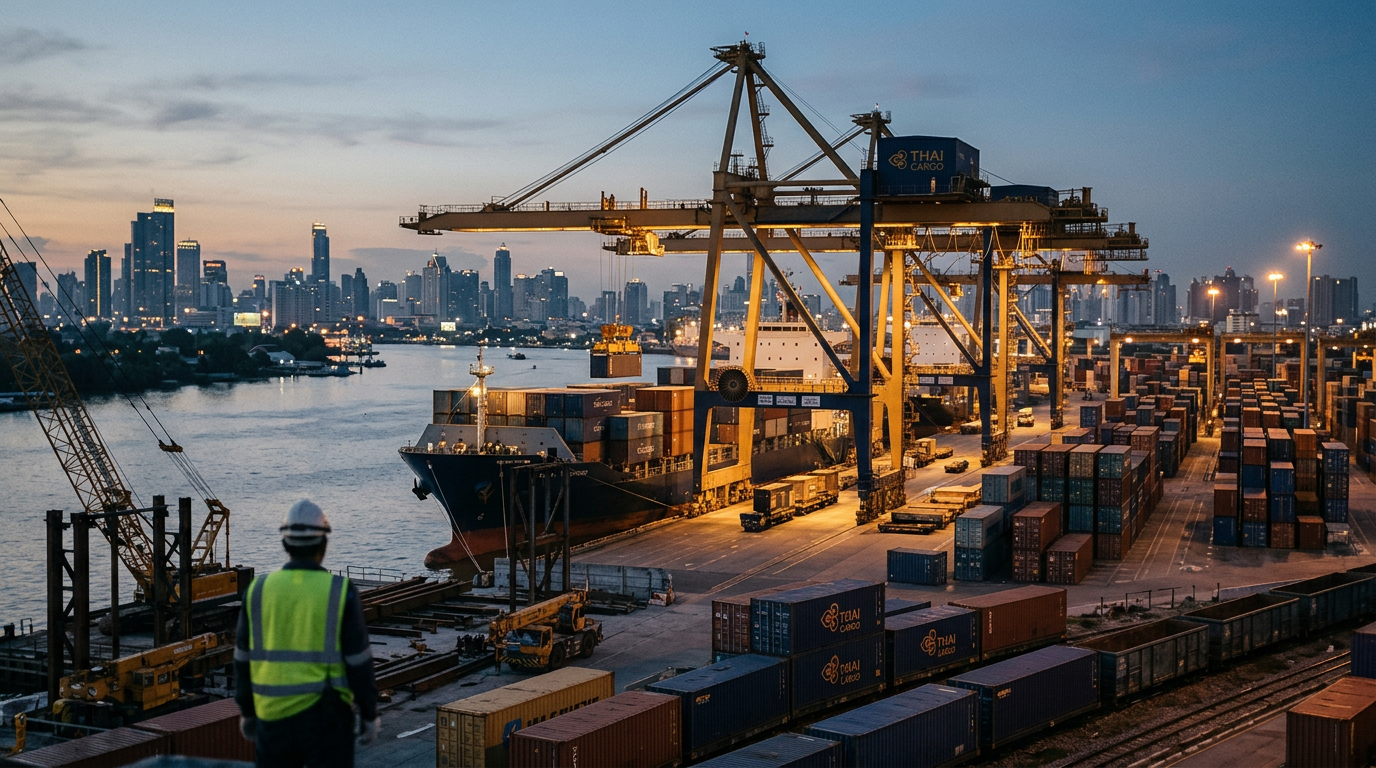
A recent forecast in the Bangkok Post projects a bull run for Thailand's stock market for the next one to two years, contingent on stable economic and political fundamentals. While such optimism from market advisors is welcome, it is a reminder that investor sentiment and actual economic development are two different things. Turning market confidence into long-term growth requires a focus on the tangible aspects of the investment environment.
From Sentiment to Substance
Market sentiment, as reflected in the Stock Exchange of Thailand (SET) predictions, is an important indicator. It suggests that investors have confidence in the country's near-term stability and economic direction. However, this optimism does not automatically translate into realized foreign direct investment (FDI) or sustainable economic expansion. Capital follows the path of least resistance, and for investment to flow into productive sectors of the economy, the underlying structures must be sound.
As the book ASEAN Rising notes, "FDI announcements travel quickly. Realised flows depend on the slower work of land, permits, power and talent reaching the ground." This observation is as relevant for Thailand as it is for its neighbors. The positive outlook for the SET is a good starting point, but the government and private sector must now focus on the institutional capacity required to absorb and deploy capital effectively. This means streamlining regulations, ensuring reliable infrastructure, and cultivating a skilled workforce.
The Execution Imperative
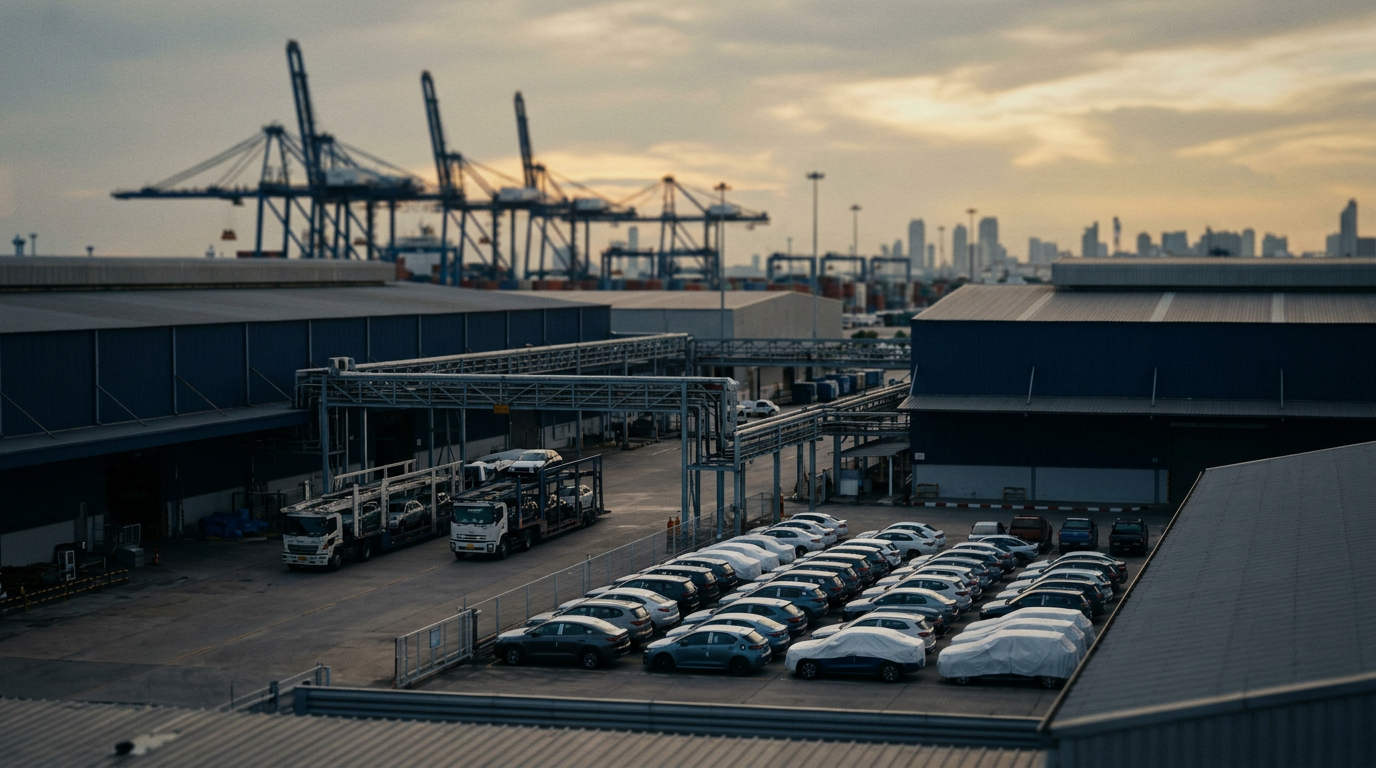
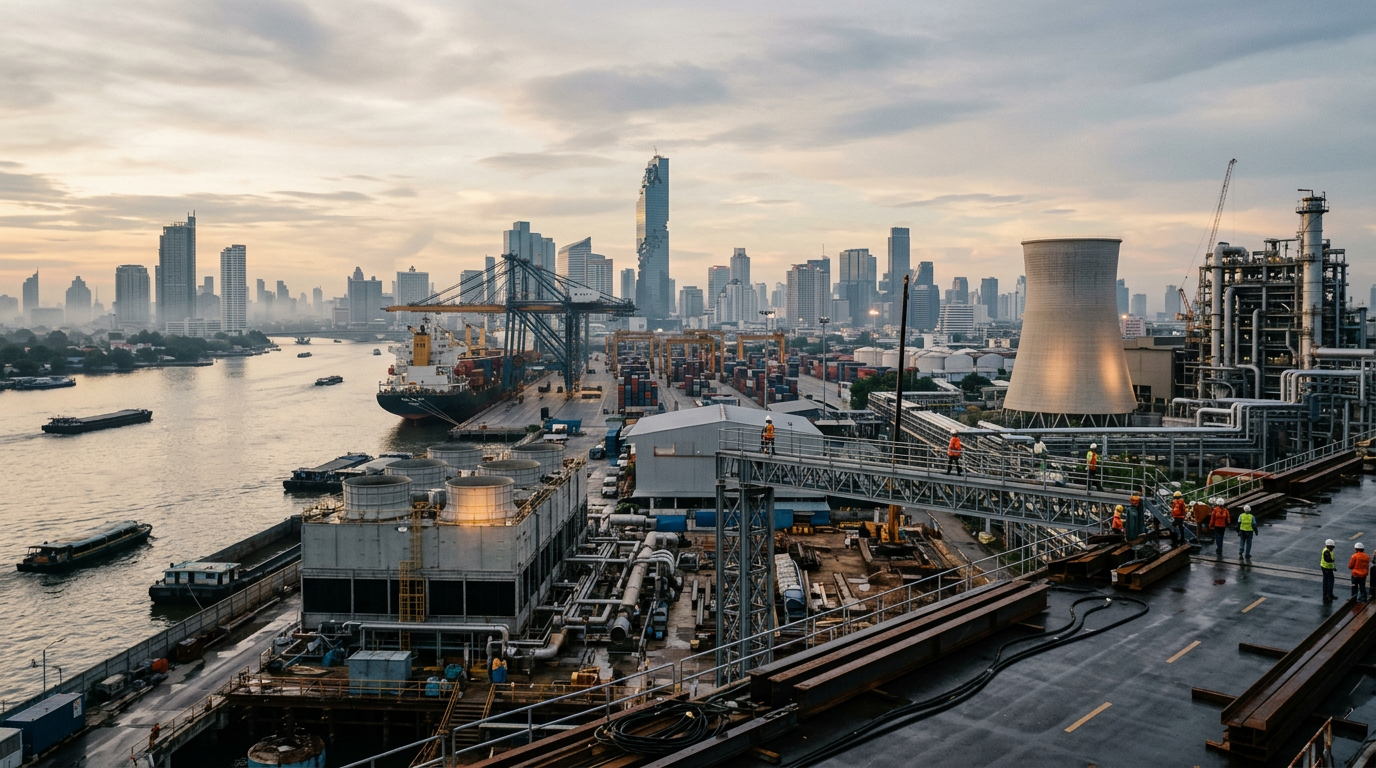
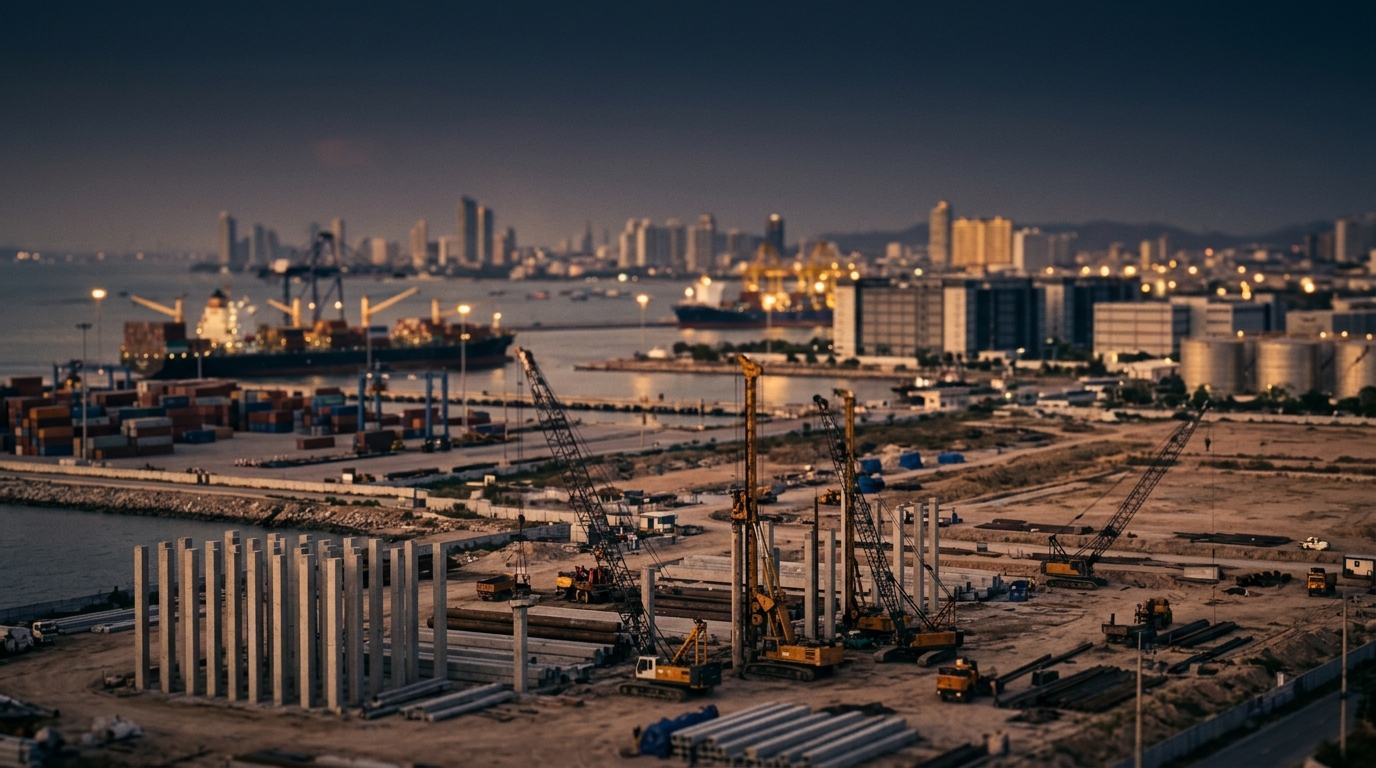
Thailand has long-standing strengths, including a developed industrial base and a strategic location. To build on these, attention must shift to the quality of execution. The process of securing land for industrial use, obtaining the necessary permits, guaranteeing stable and competitively priced power, and accessing a qualified labor pool are the real determinants of investment success. These are the areas that transform a headline-grabbing announcement into a functioning factory or a thriving service business.
For Thailand to convert its positive market sentiment into a durable growth story, it must ensure that the machinery of the state and the capacity of its infrastructure keep pace with investor expectations. Without this focus on the fundamentals of the investment climate, a bull market can become a missed opportunity, where financial assets appreciate without a corresponding increase in the economy's productive capacity. The challenge is to connect the financial markets to the real economy through deliberate, sustained effort on the ground.
What to watch
The key indicators to watch are not just the SET index, but also the rates of realized versus announced FDI, progress on major infrastructure projects, and metrics on the quality and availability of vocational and technical training. These figures will provide a clearer picture of whether Thailand is successfully converting investor confidence into the kind of investable depth that supports long-term prosperity. The government's ability to manage the administrative details of investment will be more significant than any market forecast.