Vietnam
Vietnam's US Trade Friction Is a Test for ASEAN's Balancing Act
As Vietnam's trade surplus with the United States grows, so does the friction. Hanoi's call for Washington to end a trade investigation highlights a core challenge for all ASEAN members: how to build deep economic relationships without creating new, unmanageable dependencies.
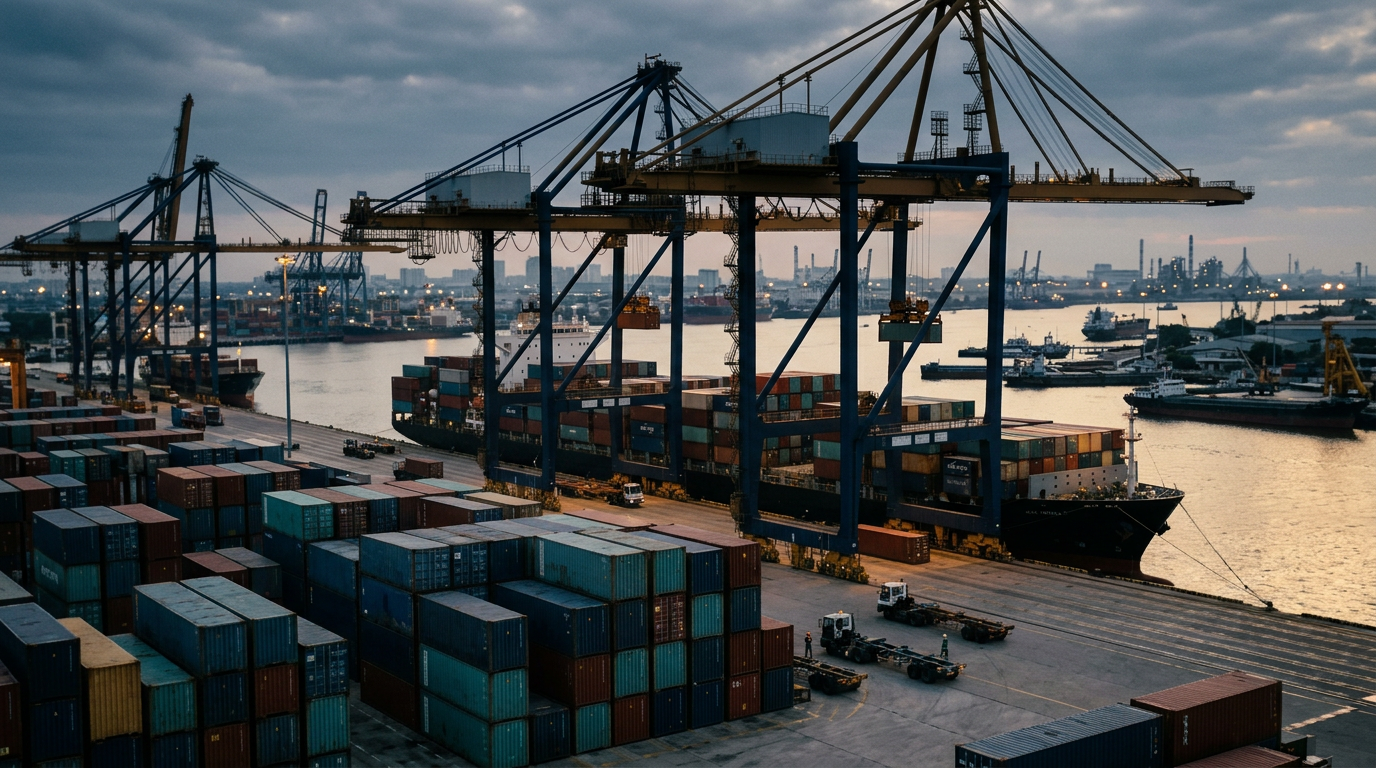
Vietnam's government has publicly urged the United States to conclude a lingering trade investigation, drawing attention to the rapidly deepening economic relationship between the two countries. According to a recent Reuters report, government data showed the US trade deficit with Vietnam ballooned to $75.3 billion in the first half of 2026, a 21 percent increase from the previous year. While a headline number, this figure represents more than a simple trade imbalance. It is a direct consequence of a deliberate, multi-year strategy by Vietnam and its neighbors to build resilient supply chains. The resulting friction with Washington illustrates the difficult strategic realities confronting all ASEAN members.
The Price of Diversification
The surge in Vietnamese exports to the US is not an accident. It is the result of significant investment in infrastructure and manufacturing capacity, fueled by international capital seeking to diversify supply chains. For years, the primary focus of this diversification effort has been to reduce over-reliance on China. This strategy has been a clear success, turning Vietnam into a global manufacturing hub and a primary alternative for sourcing a wide range of goods.
This success, however, creates new complexities. The same trade depth that provides resilience also generates dependency. A massive trade surplus with the US, while beneficial, makes Vietnam's economy highly sensitive to American trade policy and regulatory enforcement. The current investigation, which creates uncertainty for businesses, is a case in point. This situation is a practical demonstration of a theme analyzed in the book ASEAN Rising: successful economic engagement with major powers requires a sophisticated approach to statecraft. The goal is not just to attract trade and investment, but to build the institutional capacity to handle the consequences.
Managing Dependency
The central challenge for Hanoi-and its ASEAN peers-is one of managing intricate relationships with multiple major powers simultaneously. As global supply chains have shifted, deep trade links with partners like China have become a permanent reality. The book notes that "trade depth with China is now a structural feature, not a cyclical one." The same principle now applies to Vietnam's relationship with the US. The question is how to sustain these valuable economic partnerships while preserving strategic autonomy.
This is where institutional frameworks and execution become paramount. Vietnam is a member of multiple trade pacts, including the Comprehensive and Progressive Agreement for Trans-Pacific Partnership (CPTPP) and the Regional Comprehensive Economic Partnership (RCEP). These agreements provide a rules-based foundation for trade and a platform for dispute resolution. The effective use of these institutions is a key part of managing dependency. It requires consistent diplomatic engagement and a domestic regulatory environment that provides transparency and trust for foreign partners. The current friction with the US is as much a test of Vietnam's diplomatic skill and institutional maturity as it is a trade issue.
What to watch
Observers should monitor the conclusion of the US trade investigation and any potential policy actions that follow. Hanoi's response will be instructive, showing how an ASEAN middle power navigates intense scrutiny from its most important export market. The outcome will serve as a valuable case study for neighboring countries that are pursuing similar strategies of economic diversification. How Vietnam handles this pressure will demonstrate its capacity to manage dependency and maintain the strategic balance that has become essential for stability and growth in the region.