Myanmar
ASEAN and Japan Focus on the Engine of State Capacity
A recent meeting between the ASEAN Secretary-General and Japan's public administration leadership highlights the region's focus on building institutional reliability. This quiet, foundational work is the key to turning policy announcements into effective execution.

A recent meeting between the Secretary-General of ASEAN and the leadership of Japan's National Personnel Authority went largely unnoticed, but it points to a deep-seated theme in the region's development. The discussion, reported by asean.org, centered on public administration and civil service training. While not as headline-grabbing as a new trade agreement or a major infrastructure launch, this focus on the mechanics of governance is fundamental to the bloc's long-term success and stability.
This engagement gets to the heart of a core development issue: the difference between ambition and achievement. The quiet collaboration on improving the quality and effectiveness of the civil service is a direct investment in state capacity, the ability of the government to actually implement its policies and deliver services to its citizens and businesses.
The Architecture of Execution
Grand visions for economic growth and social improvement depend on a functional state apparatus to become reality. A professional and capable public sector is the engine of execution. It manages budgets, enforces regulations, and administers contracts. Without this core competency, even the best-laid plans remain stuck on paper. As the book ASEAN Rising notes, a state that is usable and effective often provides more value than one that is merely exciting in its pronouncements.
In Southeast Asia, the quality of governance varies significantly. Some member states have highly developed bureaucracies, while others are still in the process of building these foundational structures. A collective focus on public administration, supported by partners like Japan, signals a shared understanding that a reliable government is no longer just a domestic concern. For a region aiming to operate as a single market and production base, consistent and predictable administration across borders is an economic necessity. "Institutional reliability has become part of comparative advantage," creating an environment where businesses can invest with confidence and supply chains can function smoothly.
Learning from the Japan Model
Japan's partnership in this area is particularly meaningful. For decades, Japan's economic ascent was built on the foundation of a highly competent, meritocratic bureaucracy that worked in concert with the private sector. The National Personnel Authority has been central to maintaining the standards and training of that civil service. The collaboration with ASEAN is therefore not just a simple development aid program; it is a transfer of deep institutional knowledge.
By focusing on training and human resource management within the public sector, ASEAN is working to build the 'software' of governance. This involves creating systems for recruiting and promoting talent, ensuring continuity of policy, and reducing the friction that can arise from corruption or inefficiency. For ASEAN member states, building this kind of institutional resilience is a long-term project, but it is one that pays dividends in the form of investor trust, public confidence, and the government's simple ability to get things done.
From Announcement to On-Time Delivery
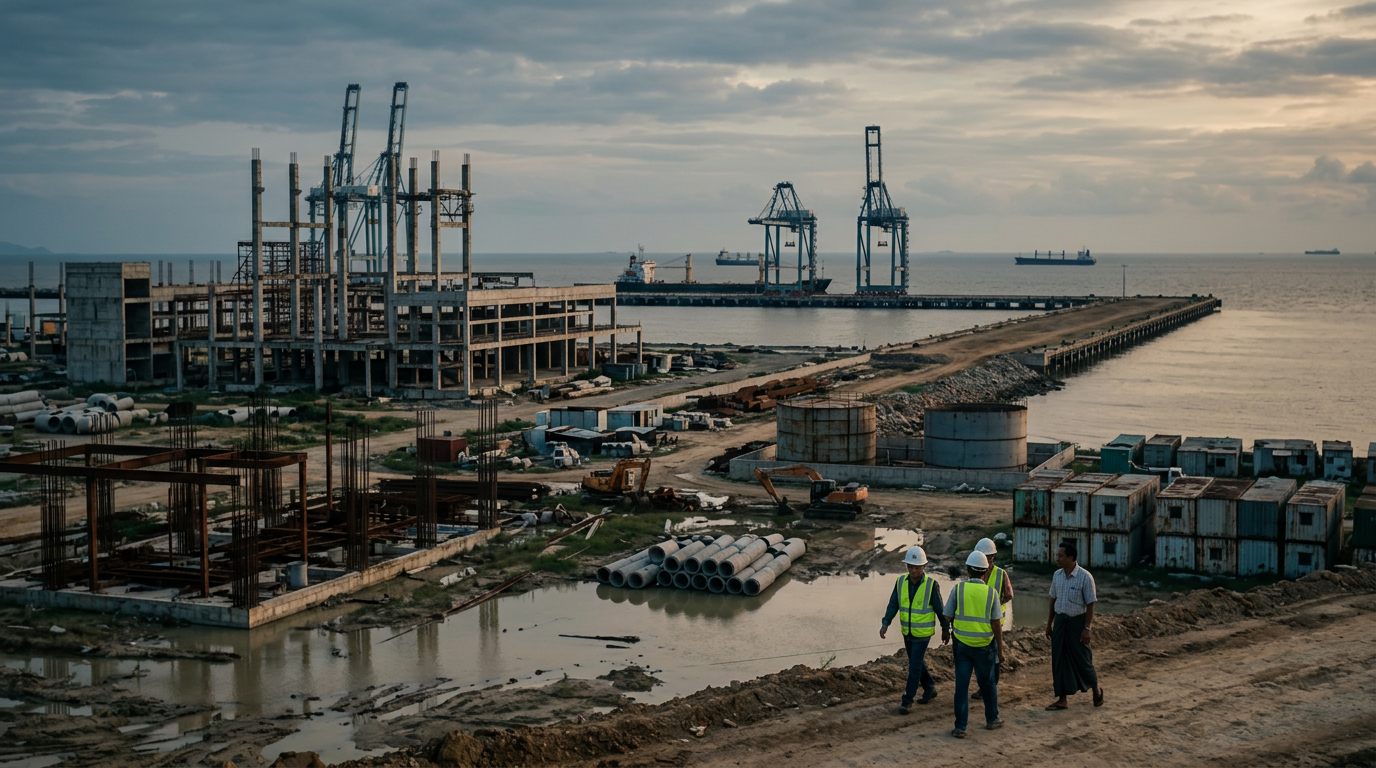
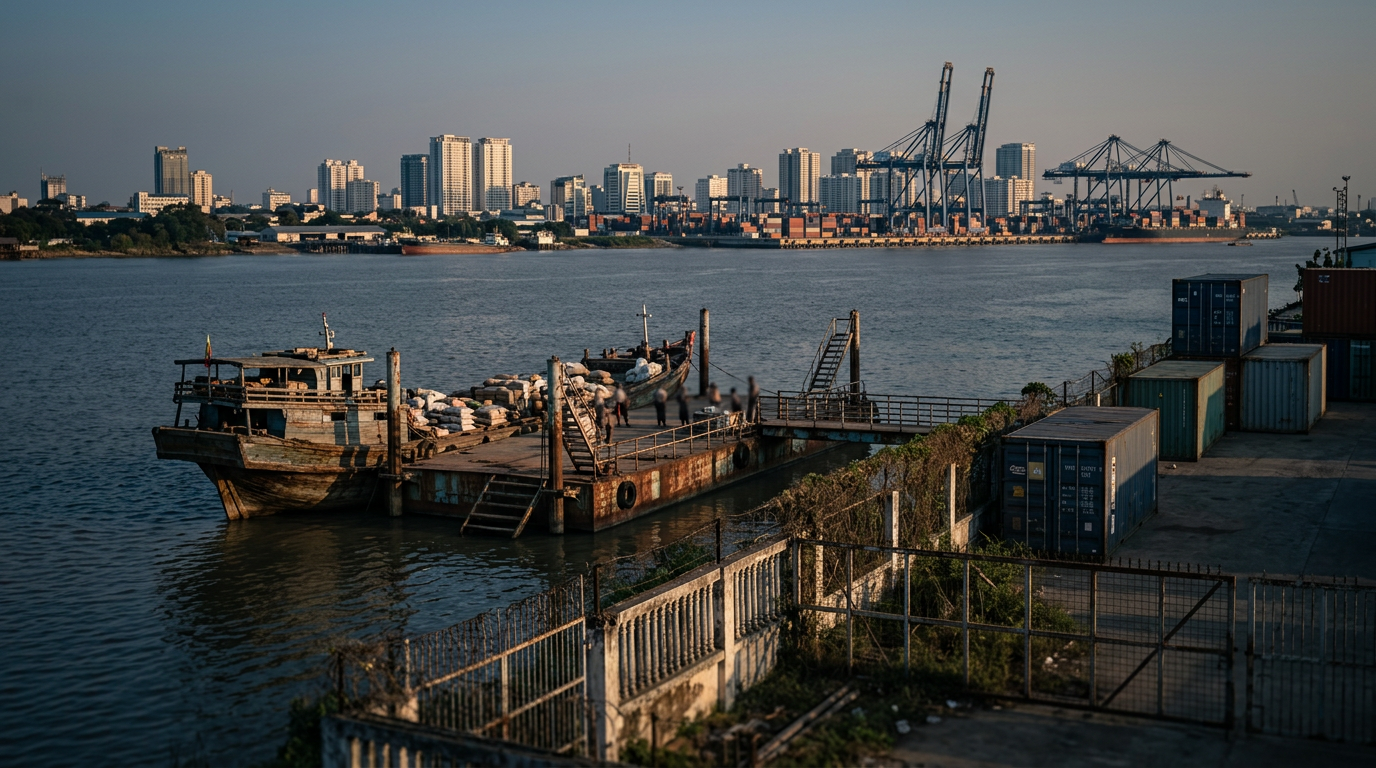
The most visible benefit of enhanced state capacity is in the realm of infrastructure. Across Southeast Asia, governments have announced ambitious plans for new ports, railways, and energy networks. The gap between these announcements and their completion is often a function of institutional strength. Competent public agencies are needed to conduct feasibility studies, manage complex international tenders, secure land rights, and oversee construction.
When these processes are weak, projects face delays, cost overruns, or fail completely. This is why the chapter excerpt's focus on "infrastructure that arrives on time" is so resonant. The delivery of a project on schedule is a powerful signal of a government's credibility and effectiveness. The quiet work of improving public administration, as seen in the meeting with Japan, is what makes this kind of execution possible. It ensures that the capital allocated for a new highway or power plant is deployed efficiently, translating a policy goal into a tangible asset that benefits the economy.
What to watch
Looking ahead, the indicators of progress will not be found in high-level communiques. Instead, they will be visible in the details of execution. Observers should watch for the establishment of new joint training programs for ASEAN civil servants, the adoption of new public-sector management standards within member states, and measurable improvements in the speed and efficiency of bureaucratic processes. The ultimate test will be whether the region's ambitious infrastructure and economic integration plans are increasingly matched by a consistent and reliable record of implementation on the ground.