Philippines
The Philippine Nuclear Question: Beyond Technology
The push for nuclear power generation in the Philippines is not merely a technological or financial choice. It is a profound test of state capacity, regulatory strength, and the ability to build public trust over the long term.
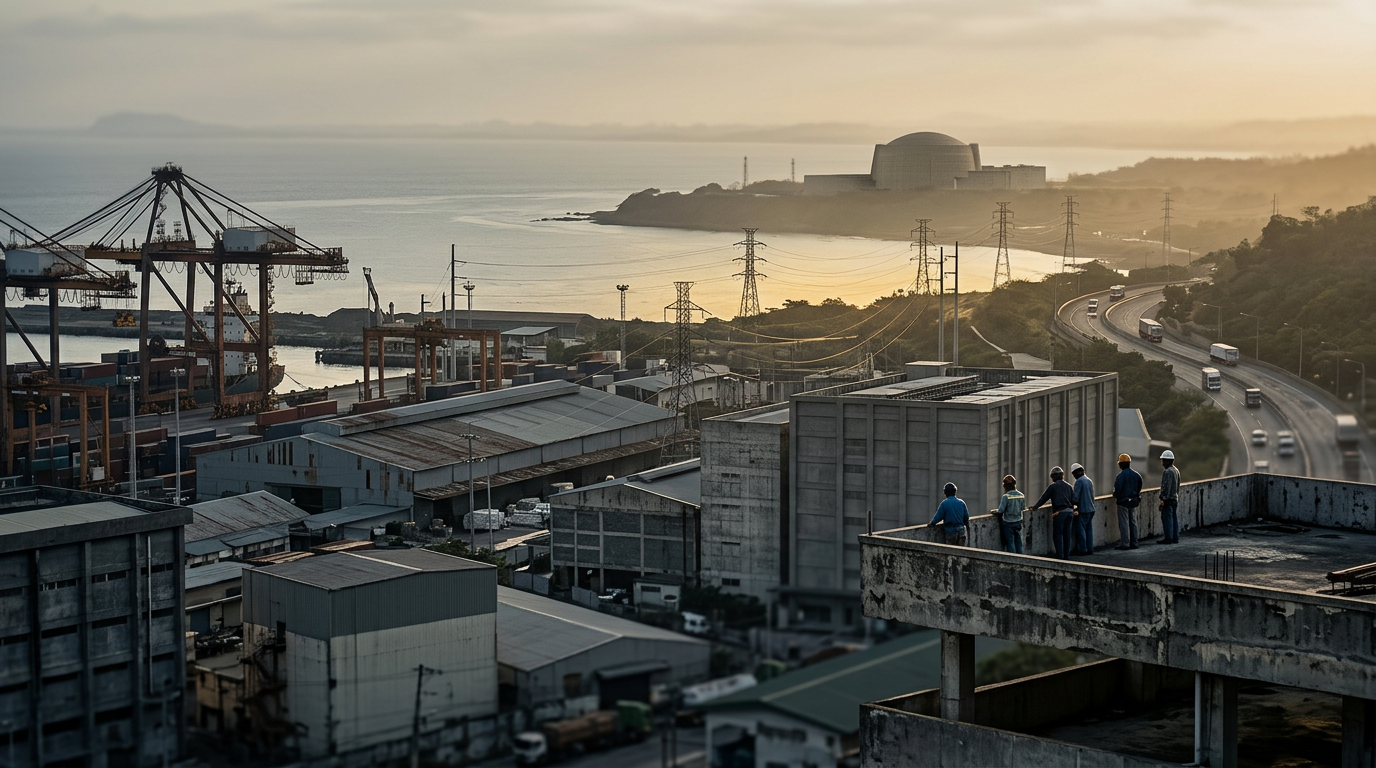
In a notable move for its long-term energy strategy, Aboitiz Power Corp. is formally exploring the development of nuclear power in the Philippines. The company announced a partnership with Korea Hydro & Nuclear Power Co. Ltd. to study the prospect, as reported by philstar.com. While the turn toward nuclear technology is a significant headline, the project's success will ultimately depend less on engineering schematics and more on the groundwork of governance, finance, and public confidence.
The Execution Test
The Philippines, like many of its ASEAN neighbors, faces a growing demand for stable and scalable energy sources to power its economy. Nuclear energy presents a potential solution, offering carbon-free, baseload power that is not subject to the intermittency of some renewable sources. Yet the path from a memorandum of understanding to an operating nuclear facility is exceptionally long and filled with non-technical hurdles. The ambition to build is one thing; the ability to execute is another entirely.
The history of the Bataan Nuclear Power Plant serves as a powerful local reminder of this reality. Completed in the mid-1980s but never fueled or operated due to safety and corruption concerns following the Chernobyl disaster and a change in government, the facility stands as a testament to how political and social factors can halt a massive infrastructure project. The lesson is clear: infrastructure that is merely announced or even constructed is of little value. The true measure is the delivery of a functional, reliable asset that serves its intended purpose for decades.
Institutions as Advantage
Any serious nuclear power program requires an ecosystem of robust and credible state institutions. This is where the core challenge lies. Aboitiz Power and its South Korean partner bring technical expertise and access to capital, but the project's viability rests upon the capacity of the Philippine state to be a reliable partner. It requires a clear, stable, and independent regulatory framework for safety, construction, and operation. It also demands legal structures that can govern everything from land use to waste disposal with clarity and finality.
As the book ASEAN Rising argues, a predictable and usable state apparatus is a direct economic asset. For projects with timelines measured in decades, "Institutional reliability has become part of comparative advantage." International partners and private financiers will not commit the immense capital required for a nuclear plant without confidence that the rules of the game will not change with each new political administration. Reducing the cost of friction caused by bureaucracy and regulatory uncertainty is a prerequisite for attracting the kind of long-term investment that nuclear power demands.
Capital, Talent, and Trust
Beyond state capacity, a nuclear venture on this scale presents a three-fold challenge of capital, talent, and trust. The financial undertaking is immense, likely requiring complex public-private partnership models. These structures, in turn, depend on the government's ability to make credible long-term financial commitments and guarantees, creating a stable foundation for private capital.
Simultaneously, the country must cultivate a specialized talent pool of nuclear physicists, engineers, and safety technicians to operate and regulate the industry. This is not a workforce that can be imported wholesale; it requires a sustained investment in education and training that must begin years before a plant is scheduled to come online.
Finally, the entire endeavor rests on a foundation of public trust. Given the history of the Bataan project and global concerns about nuclear safety, building social license will be a slow and deliberate process. It demands transparent communication from both the government and the private proponents regarding safety protocols, environmental impact, and economic costs. Without sustained public consent, the project will face insurmountable political opposition, regardless of its technical soundness.
What to watch
The Aboitiz announcement is an important signal of private sector intent. What to watch now are the corresponding actions from the Philippine government. The key developments will be the legislative and administrative steps taken to build a durable regulatory home for a modern nuclear industry. The ability to foster a broad-based political and public consensus around the project will ultimately determine whether this latest exploration leads to new energy generation or becomes another chapter in the nation's long-stalled nuclear story.