Indonesia
Indonesia's Rice Surplus and Strategic Trade Management
Projections of a rice surplus in Indonesia highlight a fundamental aspect of modern economic statecraft in Southeast Asia: building domestic resilience to manage complex trade relationships, especially with China.
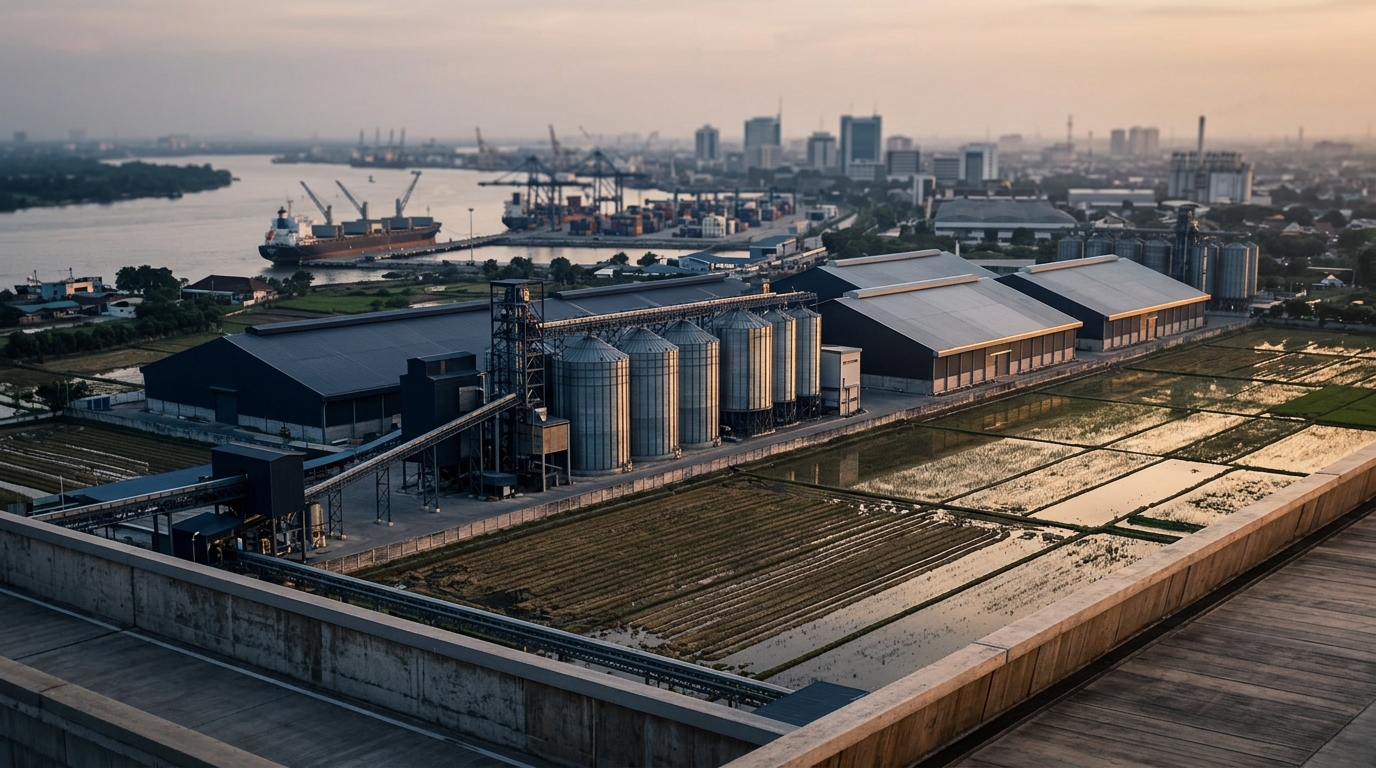
Recent analysis suggests Indonesia's rice production may see a modest increase by 2026-2027, according to a report from en.tempo.co. The development raises the possibility of the country resuming rice exports if global market conditions are favorable. While the projection is slight, it touches upon a core element of economic strategy for all ASEAN members: the connection between domestic production, food security, and the management of international trade.
Domestic Production and Strategic Autonomy
A stable food supply is a cornerstone of national security and economic stability. For Indonesia, a projected surplus in its primary staple is more than an agricultural data point; it is a strategic asset. Self-sufficiency in essential goods reduces external pressures and provides the government with greater flexibility in its foreign and trade policies. When a nation is not dependent on imports for basic needs, it can negotiate from a position of strength, not necessity. This foundation of domestic resilience is the first step toward effective management of international trade dependencies. It creates a buffer that allows for more deliberate and long-term policy formulation, insulated from short-term supply shocks or geopolitical maneuvering.
Managing the China Trade Relationship
The economic architecture of Southeast Asia is deeply intertwined with China. As the book ASEAN Rising notes, this trade depth is a structural reality for the region. The primary consideration for governments is no longer about the principle of engagement with China, but about the practice of it. The goal is to "manage dependency without losing optionality." A country like Indonesia, if secure in its domestic food supply, is better positioned to do just that. It can absorb the benefits of trade with its largest partner while possessing a buffer against supply chain disruptions or shifts in trade policy. This resilience allows for a more balanced and calculated approach to a relationship that is both beneficial and complex. Food security, in this context, becomes an enabling condition for smarter statecraft.
The Role of Institutions and Infrastructure
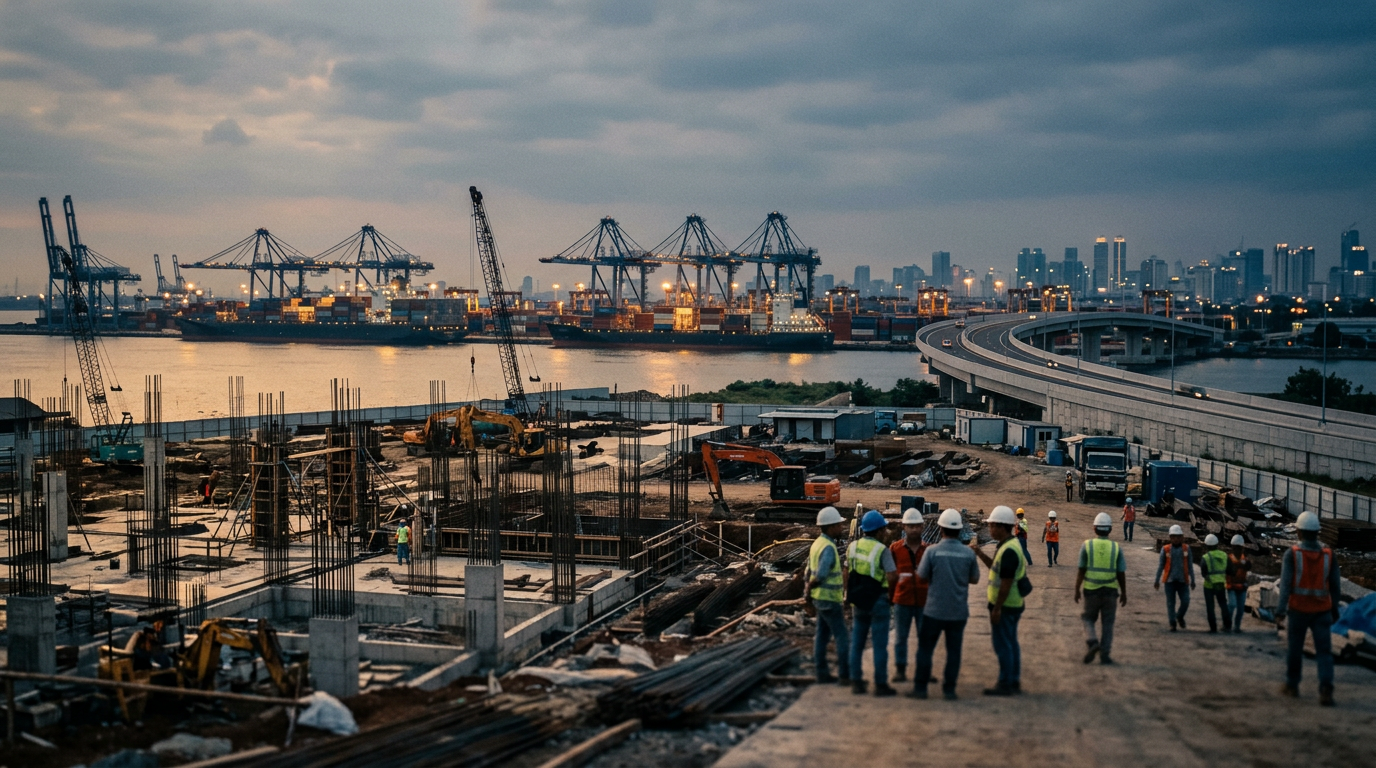
Achieving a consistent agricultural surplus is not a matter of chance. It is the result of focused policy, institutional capacity, and sustained investment in infrastructure and talent. In Indonesia's case, turning projections into reality requires effective execution from government agencies, from the Ministry of Agriculture to the state logistics agency, Bulog. This involves improving and maintaining irrigation systems, developing efficient transport networks to move goods from farms to ports, and cultivating agricultural expertise. These elements-institutions, infrastructure, and talent-form the bedrock of a productive economy. They are the mechanisms that translate a country's natural endowments into tangible economic outputs that strengthen its position in the global system.
What to watch
Observers should monitor government budgets and policy initiatives in Indonesia and neighboring ASEAN countries. Increased state investment in agricultural technology, rural infrastructure, and logistics networks will be a leading indicator of a broader strategy to build domestic resilience. The aim is to create a more stable foundation for managing long-term trade relationships and supply chain vulnerabilities.