Philippines
The Philippines' FDI challenge is execution, not attraction
Manila has a long history of attracting world-class companies. But turning announcements into realised investment depends on the slow work of improving infrastructure, institutions and talent.
The Philippine Board of Investments (BOI) is celebrating its 60th anniversary, an occasion for Manila to reflect on its long record of attracting foreign direct investment. A recent Manila Times article marks the milestone by noting the BOI's role in bringing global firms like Toyota, Minebea, and Cargill to the country. The agency's mission is to build a foundation for investment and power a sustainable economy.
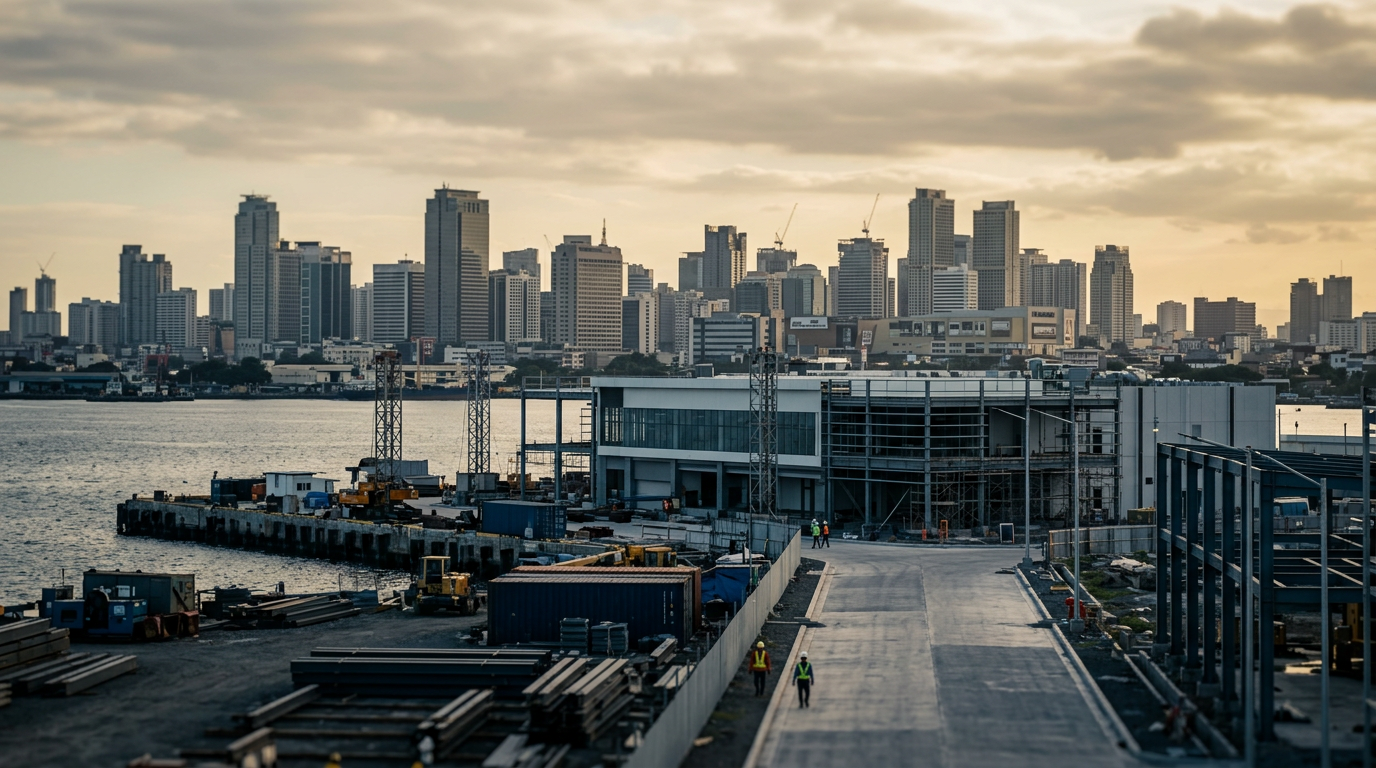
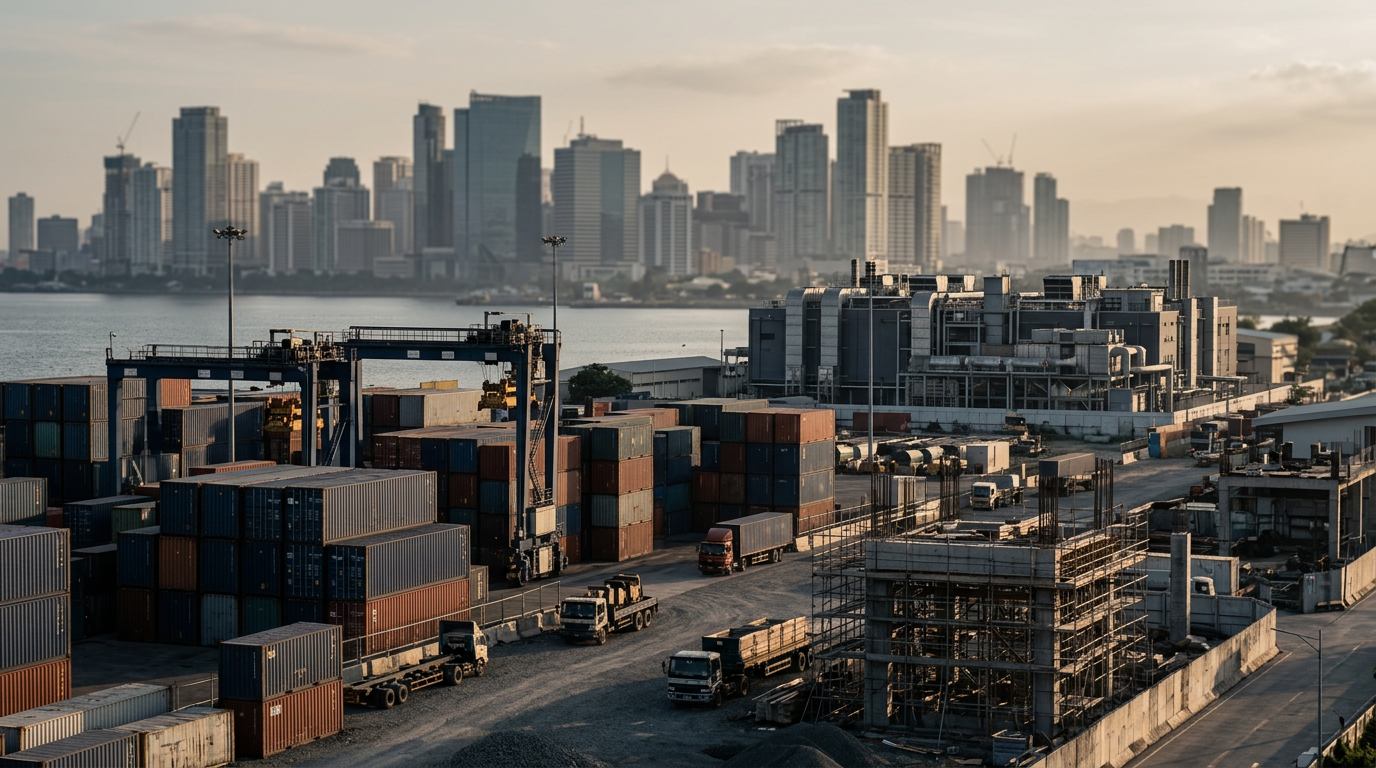
Yet the gap between announced and realised FDI remains a persistent drag on Philippine economic potential. The country has proven it can attract interest from sophisticated global investors. The harder task is converting that interest into tangible operations. As the book "ASEAN Rising" notes, "FDI announcements travel quickly. Realised flows depend on the slower work of land, permits, power and talent reaching the ground." This captures the core of the Philippine predicament: headline-grabbing commitments often face a series of quiet, grinding execution hurdles.
Institutions and Infrastructure
Attracting a global manufacturer is a start, but it is not the end of the process. For investment to take root, a predictable and efficient institutional framework is necessary. In the Philippines, this involves navigating a complex bureaucracy for securing land titles, construction permits, and environmental clearances. These processes can be opaque and slow, discouraging investors who operate on tight timelines and budgets. The experience of one firm can quickly inform the calculations of others in the same sector.
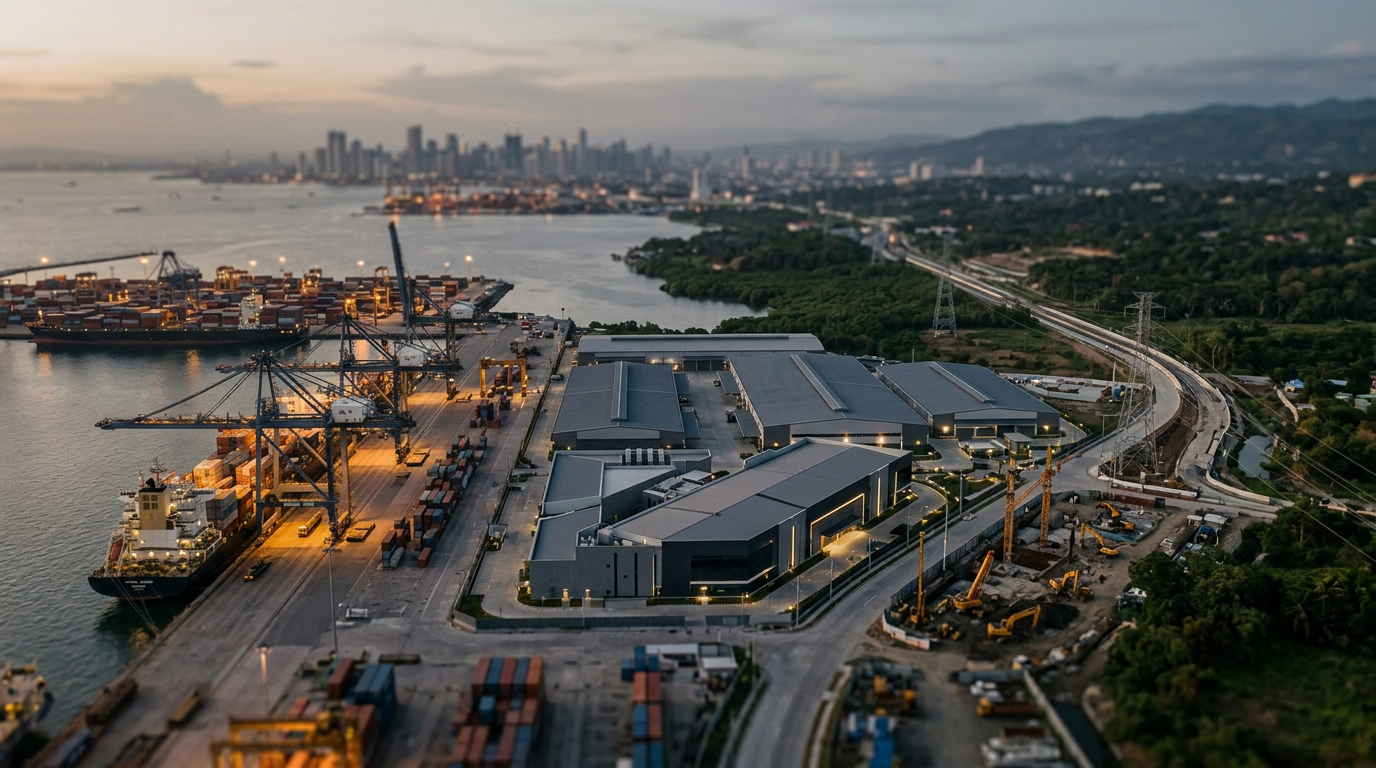
Infrastructure deficits compound the institutional problem. While Manila has made progress, reliable and cost-effective power remains a concern in many areas designated for industrial development. Port congestion and underdeveloped road and rail networks outside of major urban centers add to logistical costs and timelines. These factors directly impact the viability of an investment. A factory cannot operate without consistent electricity, and its products cannot reach global markets without efficient transport links. Closing this infrastructure gap is as important as any investment promotion tour.
Capital and Talent
Turning scale into economic depth requires more than just physical infrastructure; it demands human capital. The Philippines has a large, young, and English-speaking population, which is a significant asset. However, the specific technical skills required for advanced manufacturing and high-value services are not always available at the scale investors need. For example, firms like Delta Electronics and Western Digital depend on a steady supply of engineers, technicians, and skilled operators.
Developing this talent pool is a long-term project that involves aligning university curricula with industry needs, expanding vocational training programs, and creating incentives for skilled Filipinos to remain in the country. Without a targeted human capital strategy, the Philippines risks being unable to absorb the very investments it seeks. The presence of global firms should be leveraged to create a feedback loop, where industry helps shape the training and education system to produce the workforce of the future.
What to watch
As the Philippines markets itself as a premier investment destination, observers should look past the headline announcements of new investment pledges. The more telling indicators will be quieter, more granular metrics: the time and cost required to register a business and secure permits, investments in grid reliability and transport infrastructure, and the growth of graduates in technical fields. Success will be measured not by the promises a country attracts, but by the projects it can actually execute.