Thailand
Thailand, the EU, and the ASEAN Balancing Act
Thailand's recent progress in trade negotiations with the European Union is more than a procedural step; it is a clear example of a core ASEAN strategy: managing economic dependency through deliberate diversification.
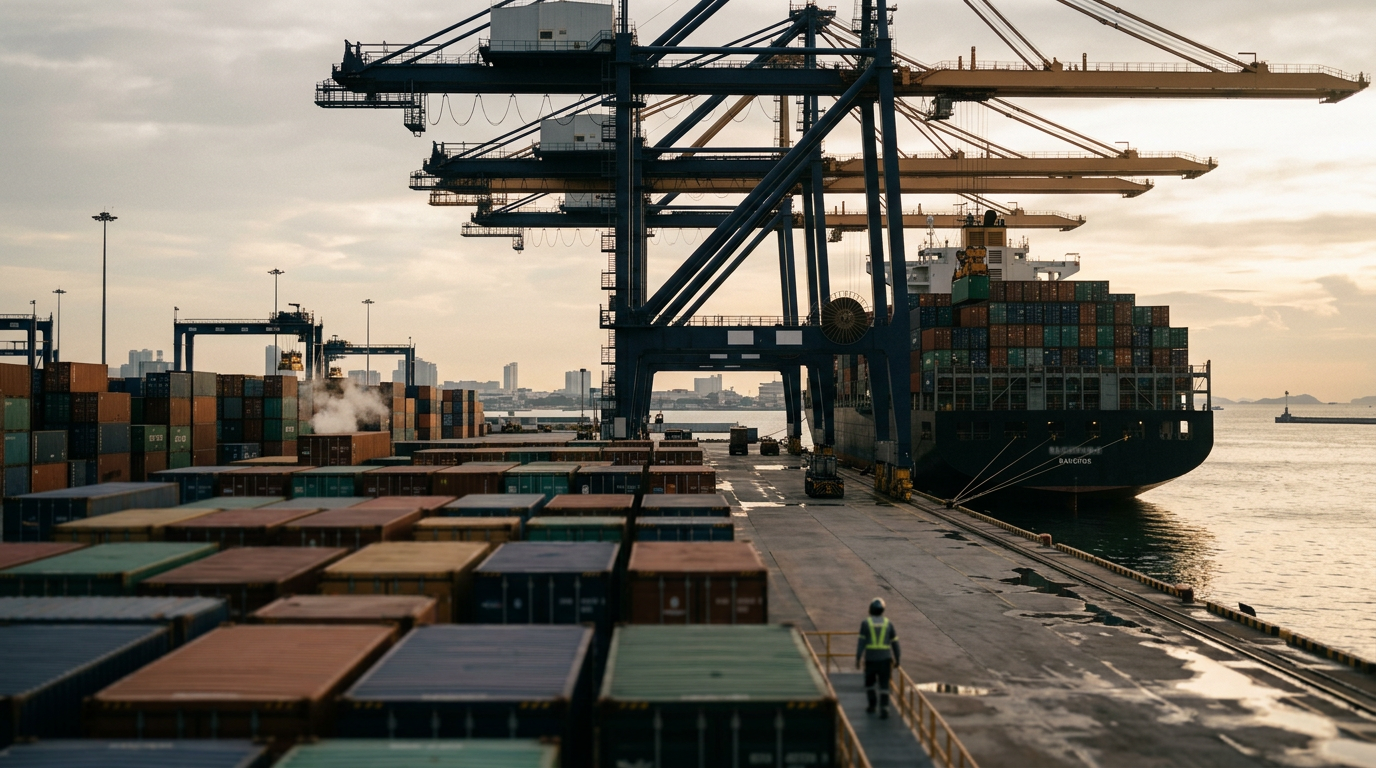
Thailand and the European Union have finished negotiations on the state-owned enterprises chapter for a proposed free trade agreement, according to a report from the Bangkok Post. This development, while just one part of a larger negotiation, offers a clear window into the sophisticated economic statecraft at play within leading ASEAN nations.
The Strategic Logic of Diversification
For any ASEAN member, deep economic integration with China is a structural reality. The geographic proximity, market size, and production networks of the world's second-largest economy make it an indispensable economic partner. Yet, over-reliance on any single partner carries inherent risks, from exposure to economic downturns to reduced autonomy in foreign policy.
This is why an FTA with the European Union is a logical and necessary strategic objective for Thailand. The EU represents a massive source of capital, a hub of technological innovation, and a market of 450 million consumers. A comprehensive trade agreement opens up new avenues for Thai exports, attracts investment in high-value sectors, and encourages the transfer of knowledge and standards. It is a proactive measure to build a more resilient and balanced national economy.
A Policy of Optionality
This strategy is not about choosing one partner over another. Rather, it reflects a pragmatic approach to navigating a complex global environment. The book ASEAN Rising observes that for the region's governments, the goal is to "manage dependency without losing optionality." The Thai-EU FTA negotiation is a textbook illustration of this principle in practice. By actively pursuing a deep and binding agreement with the EU, Thailand is ensuring it has multiple strong economic anchors.
This policy of maintaining "optionality" allows a nation to absorb shocks from one part of the world while capitalizing on opportunities in another. It strengthens the country's negotiating position with all its partners and enhances its status as a stable and predictable place for international business. It is a quiet but determined assertion of economic sovereignty.
Institutions and Trust
The specific focus of the concluded chapter-state-owned enterprises (SOEs)-is significant. SOEs are frequently a sticking point in international trade talks, as they touch upon foundational questions of market competition, government subsidies, and corporate governance. Reaching an accord with the EU in this area signals Thailand's willingness to engage in substantive institutional alignment.
This process builds trust. It demonstrates to a demanding partner like the EU that Thailand is capable of upholding the high standards required for a modern, transparent, and fair economic relationship. This alignment of regulatory frameworks is a prerequisite for the long-term flow of capital and the integration of Thai firms into resilient, high-value global supply chains. It shows that the country's institutional capacity is prepared for a deeper form of global integration.
What to watch
What to watch next is the progress on the remaining chapters of the Thai-EU FTA, particularly in sensitive areas like intellectual property and government procurement. The successful conclusion and ratification of the full agreement would set a powerful example for other ASEAN nations. The ultimate measure of success, however, will be its execution-how effectively Thai businesses and institutions utilize the new framework to generate tangible economic growth and deepen the nation's global connections.