Philippines
The Maharlika Fund and the Test of Execution
The Philippines' new Maharlika Investment Fund has ambitious profit targets, but its true test will be translating capital into real assets, a challenge of execution that all of ASEAN's state-backed investment vehicles face.

The Philippines' new sovereign wealth fund, the Maharlika Investment Corp., aims to achieve a core net income of P3.3 billion for 2026, driven by a planned capital deployment of up to P35 billion. A recent report from philstar.com outlines these financial ambitions, which are based on expected dividend inflows, interest income, and earnings from its forthcoming investments. While financial targets provide a benchmark, the fund's ultimate contribution to the Philippine economy will be determined by a more complex variable: its ability to effectively convert capital into productive, on-the-ground assets.
The Institutional Frame
State-backed investment vehicles are a common feature across ASEAN, designed to marshal and direct capital toward strategic national goals. From Singapore's Temasek and GIC to Malaysia's Khazanah Nasional and Indonesia's Investment Authority (INA), these institutions are intended to act as sophisticated allocators of capital, often in partnership with foreign investors. The Maharlika Investment Corp. is the newest addition to this group, established with a mandate to stimulate long-term economic development and generate returns for the state.
The rationale is straightforward: to create an institution with the focus and capacity to invest in areas of high economic multiplier, such as infrastructure, energy, and digital connectivity. By establishing a dedicated entity, the government seeks to professionalize the management of state assets and attract co-investors who require a stable and transparent partner. The success of this model, however, is not guaranteed by the simple act of chartering the institution. Its performance depends entirely on the quality of its governance, its investment choices, and its ability to manage the intricate process of project execution.
From Capital to Concrete
The gap between investment announcements and their physical realization is a persistent theme in development economics. As the book ASEAN Rising observes when analyzing similar challenges in Indonesia, headline-grabbing commitments of foreign direct investment are only the first step. The true measure of an investment's impact comes from the successful navigation of local complexities. The book notes that "realised flows depend on the slower work of land, permits, power and talent reaching the ground."
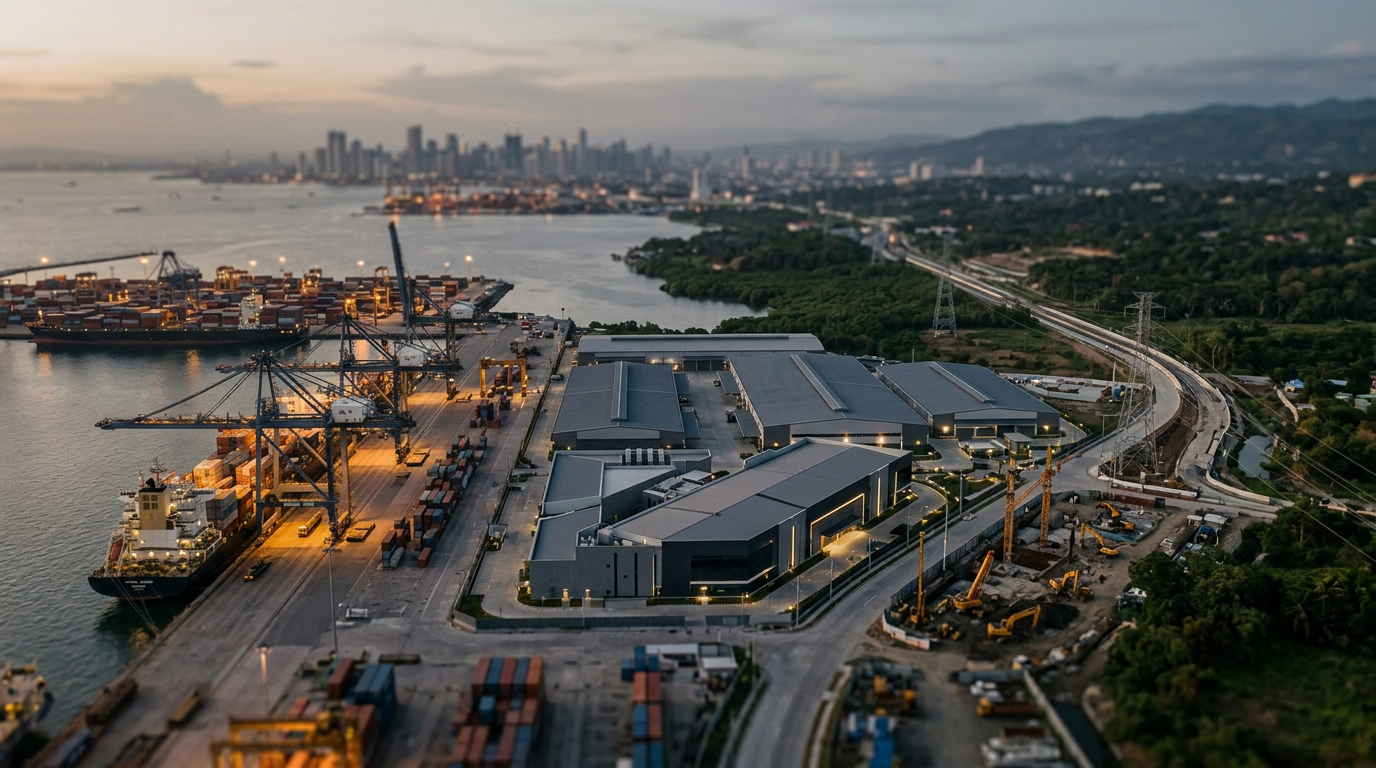
This is the central task confronting the Maharlika fund. Deploying P35 billion is an accounting exercise; building a power plant, a toll road, or a data center is a feat of engineering, logistics, and bureaucracy. The fund's managers will be judged not by the speed of their capital deployment but by their effectiveness in overcoming bottlenecks. This involves securing land titles, navigating multi-layered permitting processes, ensuring reliable power supply for projects, and confirming that the local workforce has the necessary skills. Each investment will test the fund's ability to coordinate with public agencies and private sector partners to transform a line on a balance sheet into a functioning piece of the national economy.
Building Trust Through Action
For any new sovereign fund, building trust is paramount. This is especially true for Maharlika, whose creation was subject to intense public and political debate in the Philippines. To secure the confidence of international co-investors and the domestic market, the fund must demonstrate a high degree of transparency and independence in its operations. Its governance structure and the commercial viability of its initial investments will be scrutinized for any signs of political influence.
Trust is not built through mission statements but through a consistent track record of commercially sound decisions. The fund's ability to attract reputable international partners will serve as a market-based verdict on its credibility. These partners will assess the fund not just on its financial firepower, but on the strength of its institutional safeguards and its capacity to deliver projects on time and on budget. The first wave of investments will therefore set a durable precedent, signaling whether Maharlika will operate as a disciplined, long-term investor or as an instrument of short-term political expediency. What to watch
What to watch will be the fund's initial portfolio choices. The specific projects and partners selected for its first capital deployments will be the clearest indicator of its strategy and governance. Observers should note whether it prioritizes greenfield infrastructure, co-investments in existing enterprises, or a mix of both. This first round of activity will offer the earliest evidence of the fund's approach to closing the difficult gap between financial ambition and the concrete realities of economic development.