Myanmar
Myanmar Pushes Dawei Port, But Execution Risk Looms
Myanmar has revived the long-stalled Dawei deep-sea port project, a strategic link to Thailand. Yet the project's history shows that announcements are easy, but execution is hard.
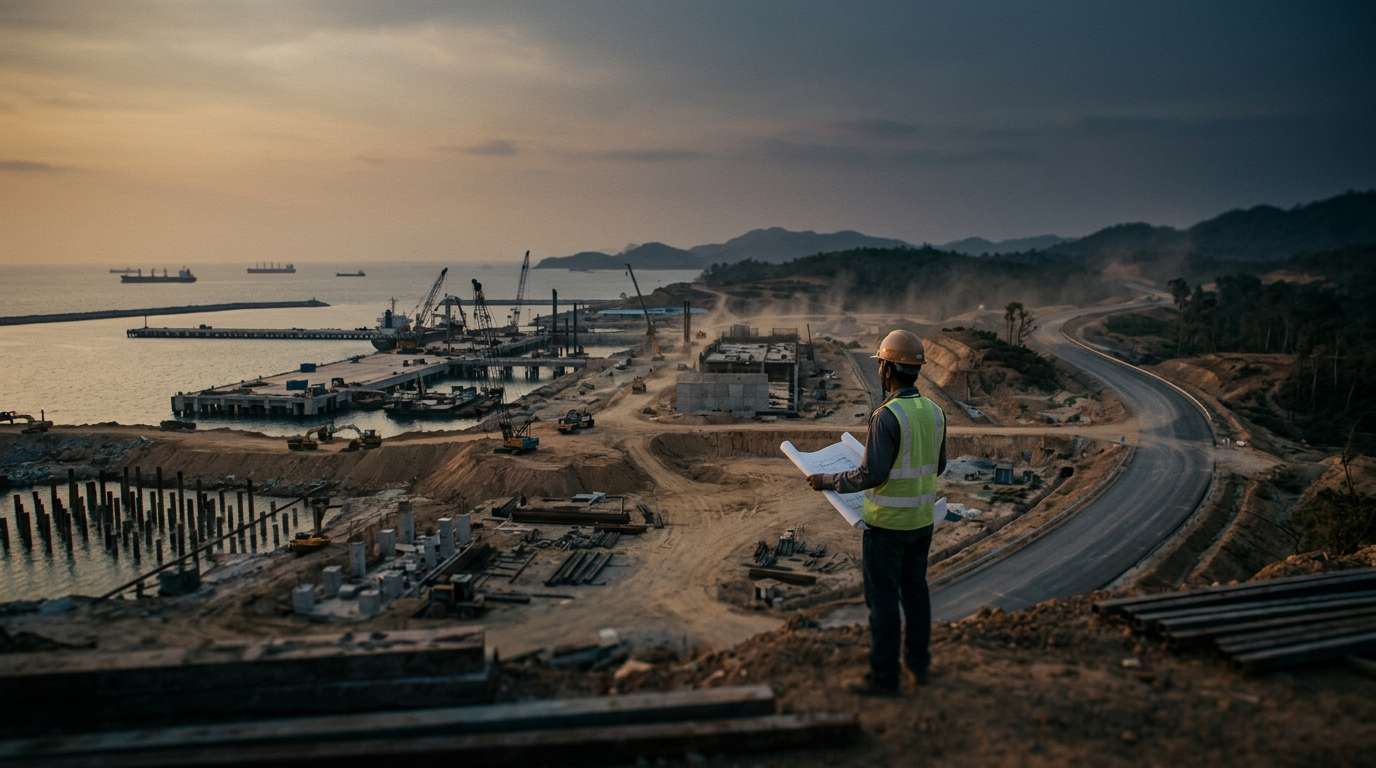
A recent announcement by Myanmar's administration has revived the Dawei deep-sea port and special economic zone project, according to a report in the Bangkok Post. The project, located on Myanmar's upper peninsula, aims to create a vital logistics corridor connecting to Thailand and providing a direct trade route to the Andaman Sea, bypassing the busy Straits of Malacca. While the strategic logic is sound, the project's long and troubled history highlights the immense gap between high-level ambition and on-the-ground execution.
A History of False Starts
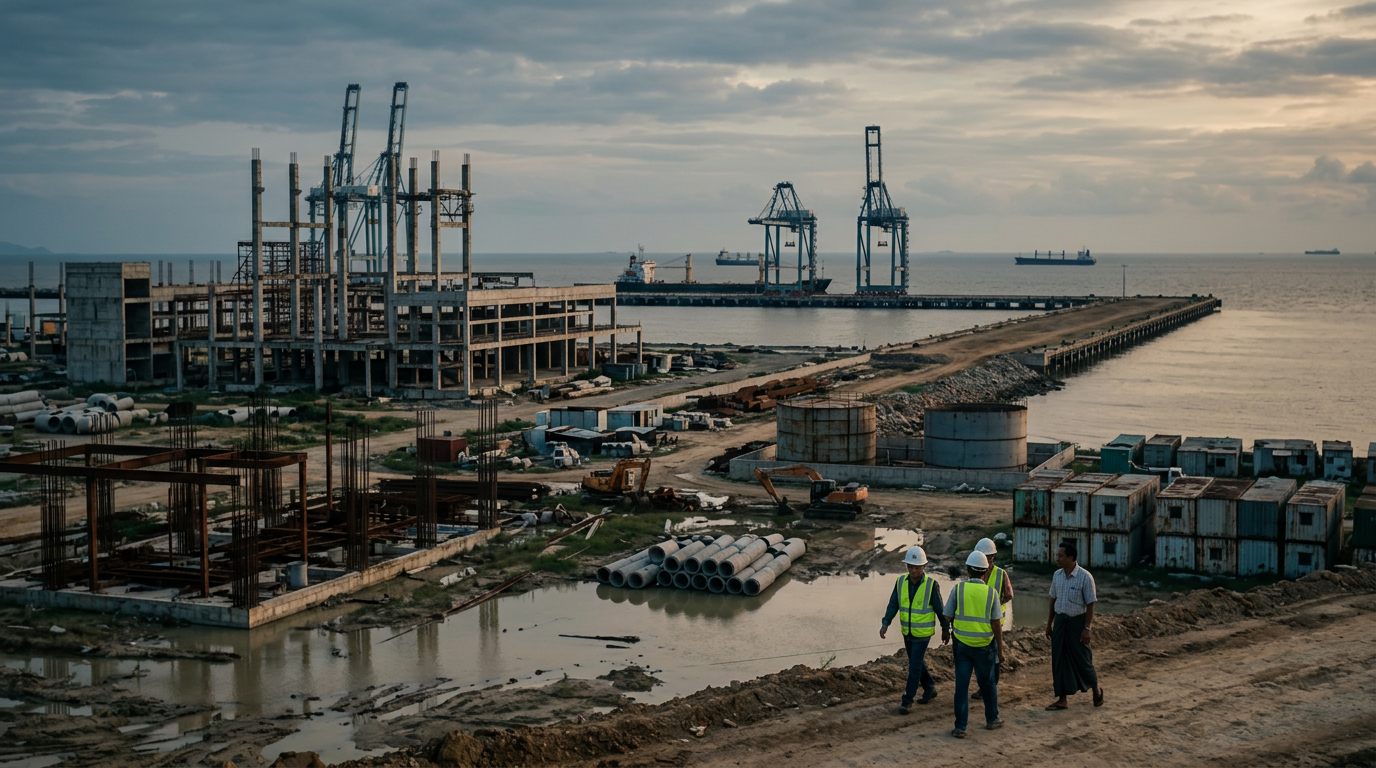
The Dawei project is not a new idea. It was first launched with significant fanfare years ago, with a Thai industrial conglomerate leading the initial development. The vision was to build a world-class industrial and logistics hub, complete with a deep-water port, power plants, and a road link to Thailand. However, the initial phase stalled due to financing difficulties and concerns about the project's commercial viability. Subsequent attempts to restart the development with Japanese and other international partners also failed to gain traction, leaving the ambitious plans in limbo. This history serves as a case study in the complexities of large-scale infrastructure development in the region, where political will alone is insufficient to guarantee success.
Institutions and Investable Depth
The challenges that plagued Dawei in the past are illustrative of a broader theme in regional development. As the book "ASEAN Rising" notes, for any country to capitalize on its geographic or demographic advantages, it must have strong institutions. "Scale matters only when institutions can turn it into investable depth." In the context of Dawei, this means having the legal and regulatory frameworks in place to attract and protect foreign capital, the bureaucratic capacity to manage complex land acquisition and permitting processes, and the technical skill to oversee construction and operations. Without these foundational elements, grand projects remain just that: announcements that generate headlines but do not result in realized investment or tangible economic activity.
The View from the Ground
Beyond the institutional framework, the practical challenges of execution are immense. FDI announcements may travel quickly, but delivering a project of this magnitude depends on the slower, more difficult work of securing land, obtaining permits, ensuring a reliable power supply, and developing a skilled local workforce. The current political and security situation in Myanmar adds significant layers of complexity and risk for any potential investor or contractor. While the project promises a shorter, faster route for Thai goods to reach global markets, its success depends entirely on the capacity of Myanmar's administration to create a stable and predictable environment for development on the ground. The physical infrastructure of roads and ports must be built on a foundation of trust and effective governance.
What to watch
For the Dawei project to move from recurring announcement to economic reality, observers should watch for signs of credible, long-term financing from international partners, not just state-level agreements. The establishment of a transparent and empowered project management authority, insulated from political instability, would be a significant step. Ultimately, progress will be measured not by statements of intent, but by the tangible, on-the-ground work of building the necessary infrastructure and the institutions required to support it.