
ASEAN Analysis & Commentary
Every analysis published on ASEAN Rising is sourced, datestamped and signed. We're more interested in being right in 12 months than first in 12 minutes.
Foundation pieces
Start here. The three pieces below set out the lens ASEAN Rising uses to read every story.
ASEAN Rising's core lens. Execution Economics is the study of whether countries, companies and institutions can convert obvious potential into delivered outcomes - and which six pillars decide the answer.
The region has capital, demographics, location and policy ambition. None of that has ever been the binding constraint. The next decade is an execution test, not a potential test - and it is already being scored.
Malaysia is the test case for whether ASEAN's middle powers can turn FDI, semiconductors and data centres into compounding domestic capability. Read the live coverage and execution scorecard.
Analysis tagged #Vietnam
 Vietnam
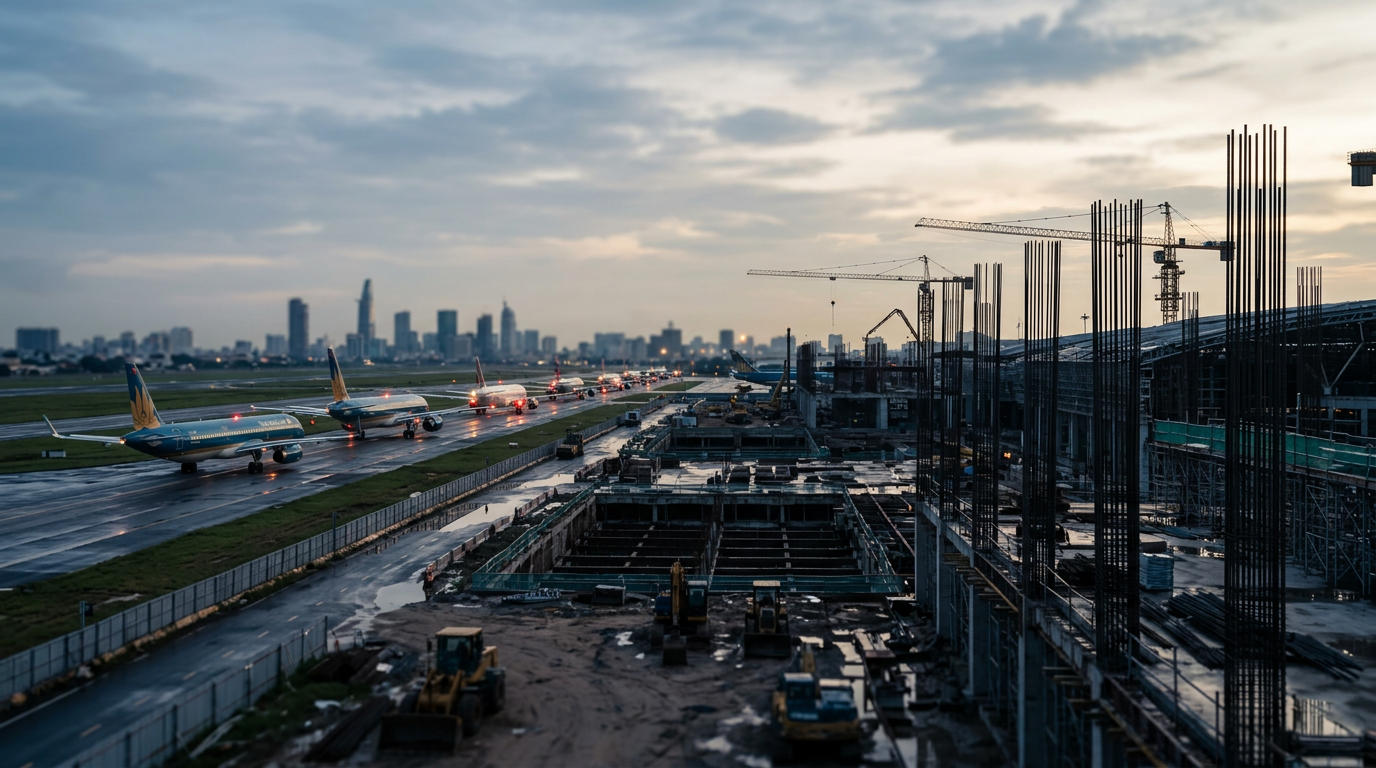
The Price of Hesitation in Airport Infrastructure
Delayed infrastructure projects, such as airport expansions, carry substantial economic costs. For ASEAN to maintain its growth trajectory, the focus must be on effective and timely execution rather than just ambitious announcements.
 Vietnam
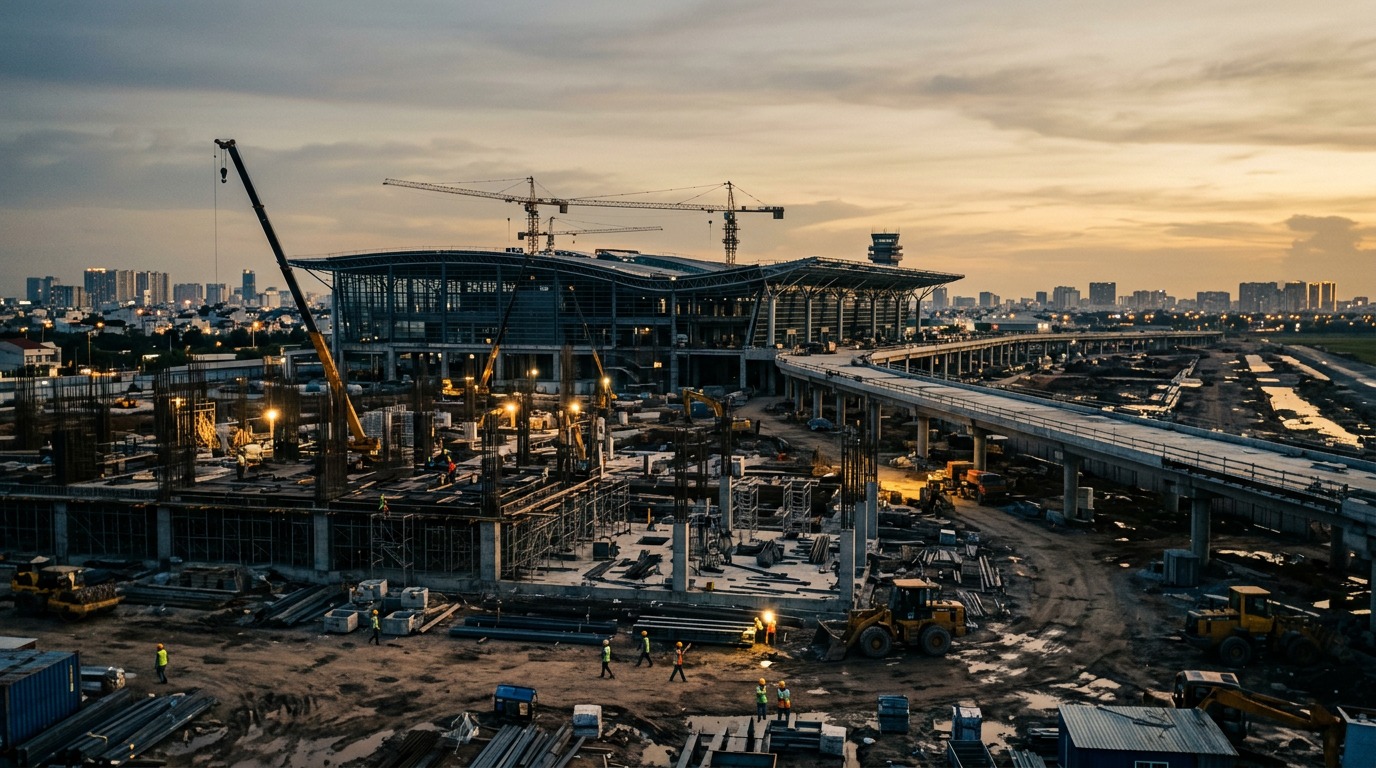
The Price of Hesitation in Airport Infrastructure
Delayed infrastructure projects carry substantial economic costs, a reality that underscores the importance of state capacity and timely execution in achieving national and regional goals.
 Vietnam
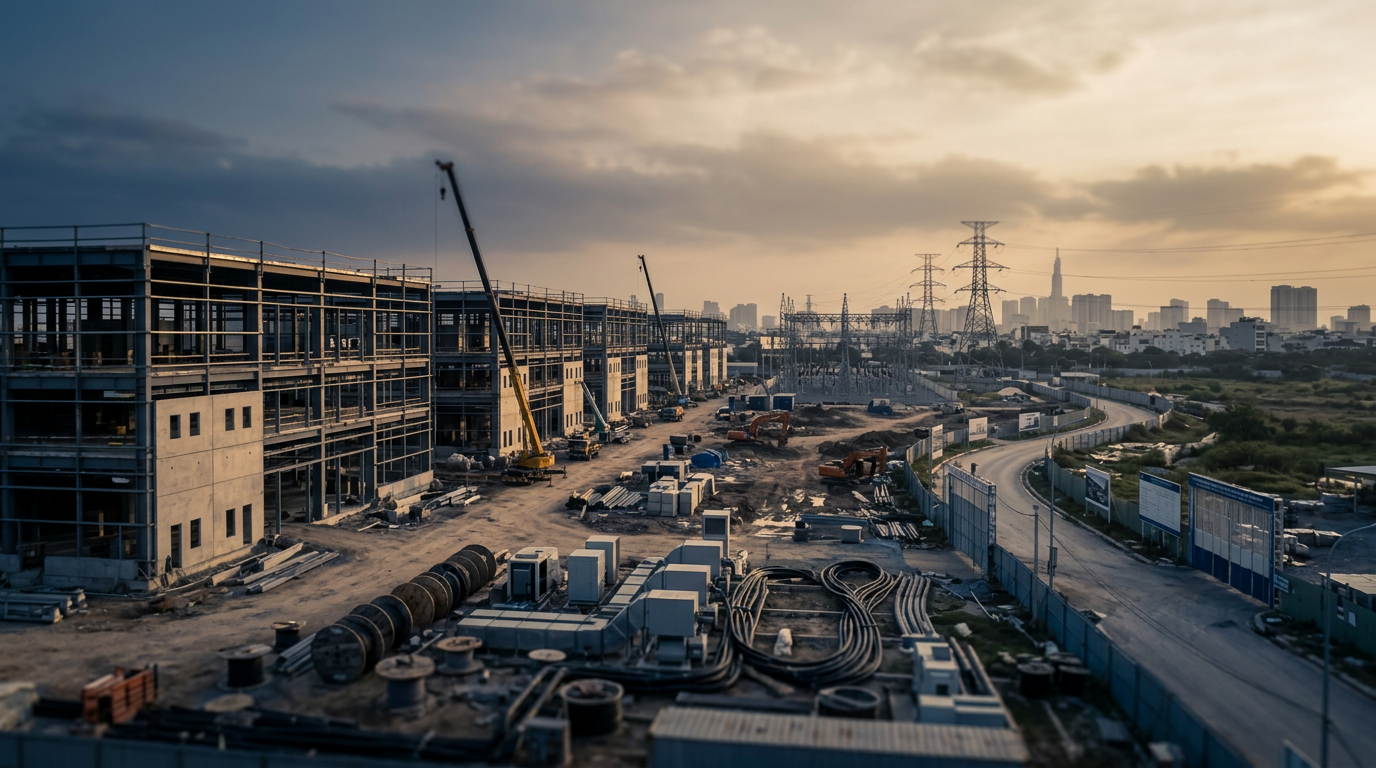
's data center ambitions depend on execution
Vietnam's ambition to become a major data center hub in Southeast Asia is attracting investor attention. Translating that ambition into reality will depend on the slower work of matching digital demand with land, permits, and reliable power.
 Vietnam
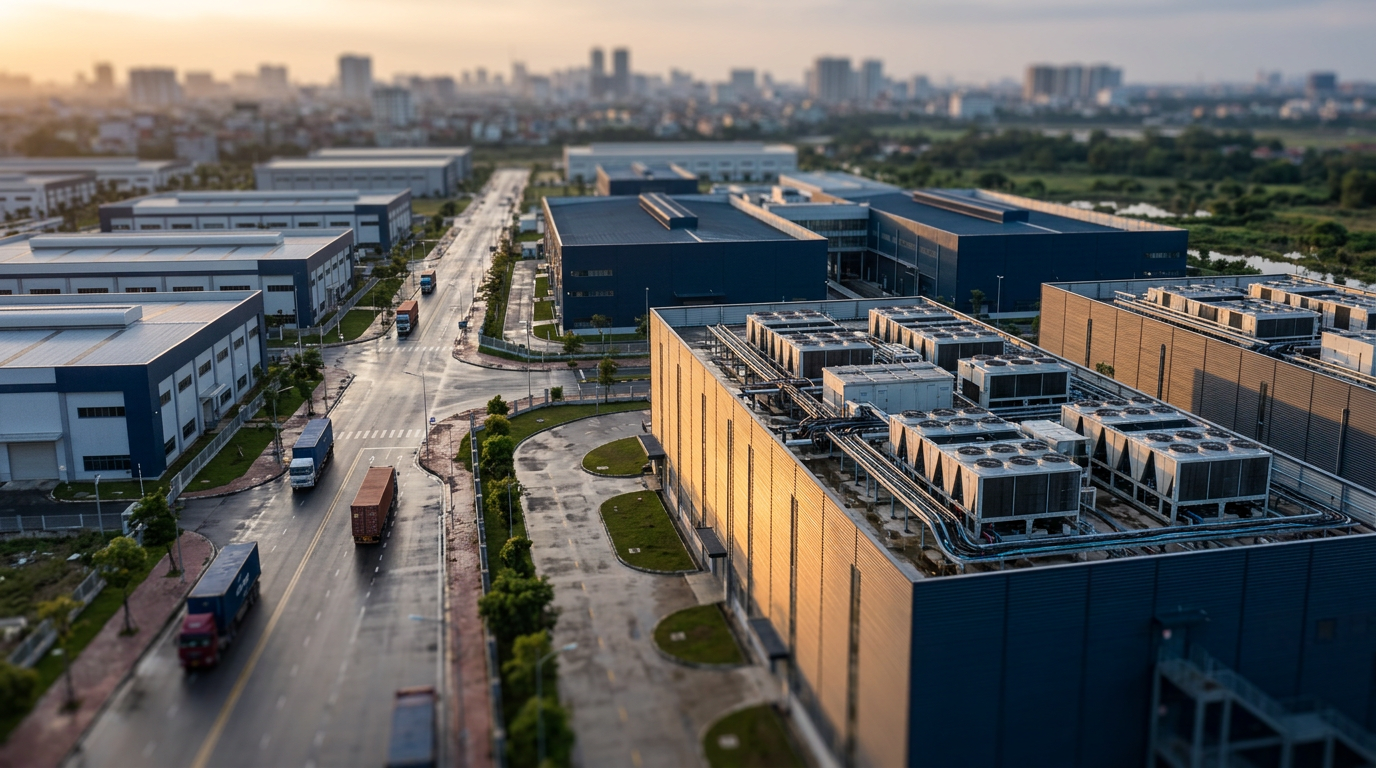
's Push for AI Sovereignty
Hanoi's recent courtship of global tech giants like Qualcomm and Samsung for AI and semiconductor investment is not just about upgrading its technology sector. It reflects a deeper, region-wide ambition for sovereign AI, where control over compute, data, and digital identity.
 Vietnam
, the US, and the Trade Dependency Question
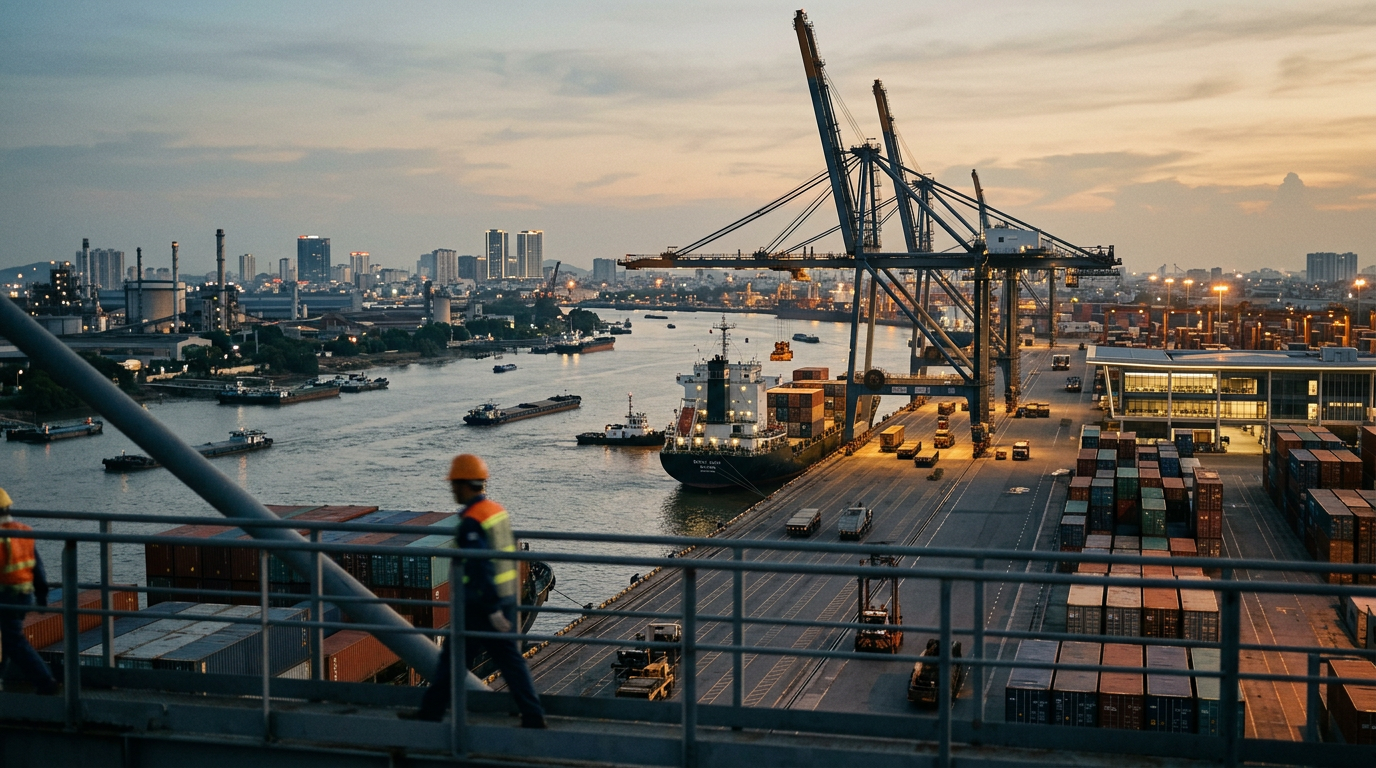
Recent US-Vietnam trade talks show a pattern of diversification across ASEAN. Deeper ties with Washington are a response to the structural reality of China's deep, and permanent, economic footprint in the region.
 Laos
Laos-Vietnam Infrastructure Projects Test State Capacity
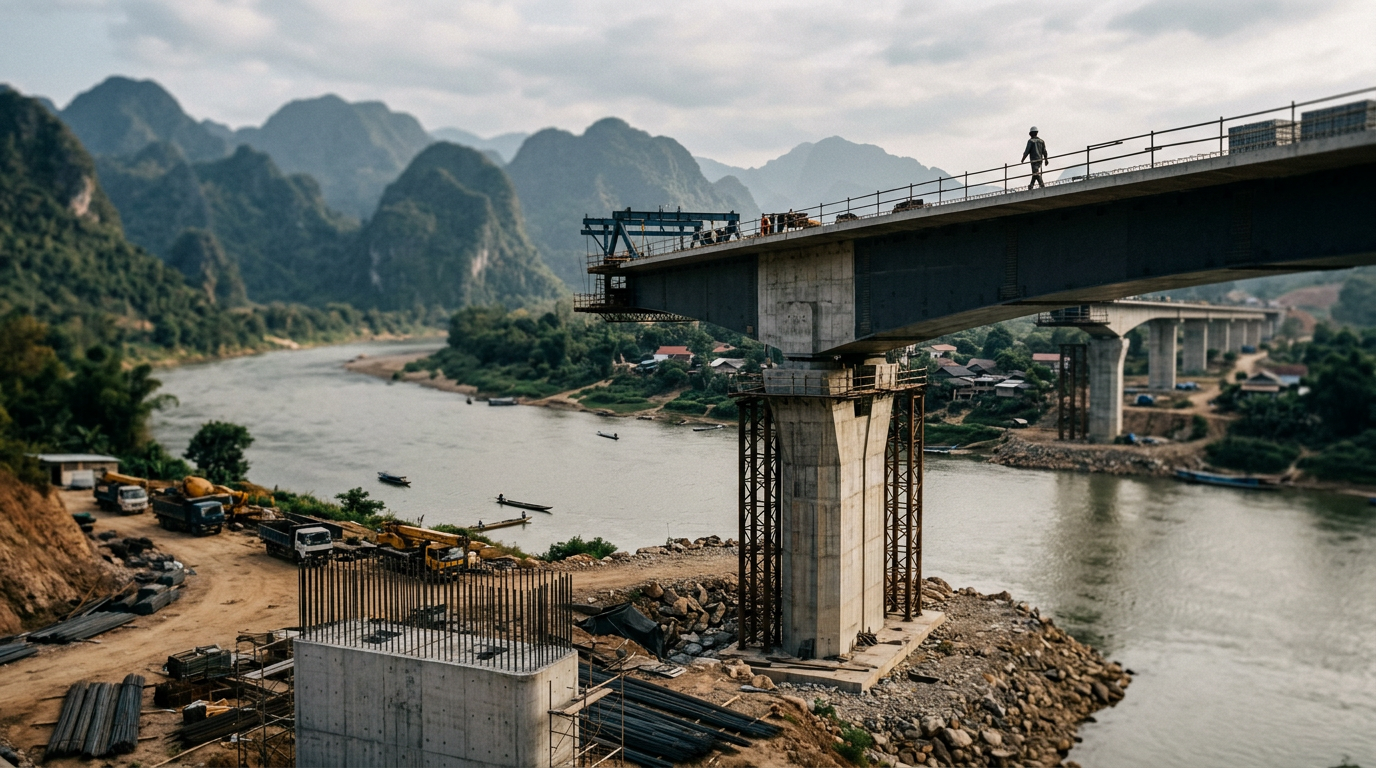
Laos and Vietnam are advancing transport and energy projects, but the real measure of success will be their ability to translate announcements into operational infrastructure, a key theme in ASEAN Rising.
 Vietnam
's U.S. Trade Talks and the Test of Optionality
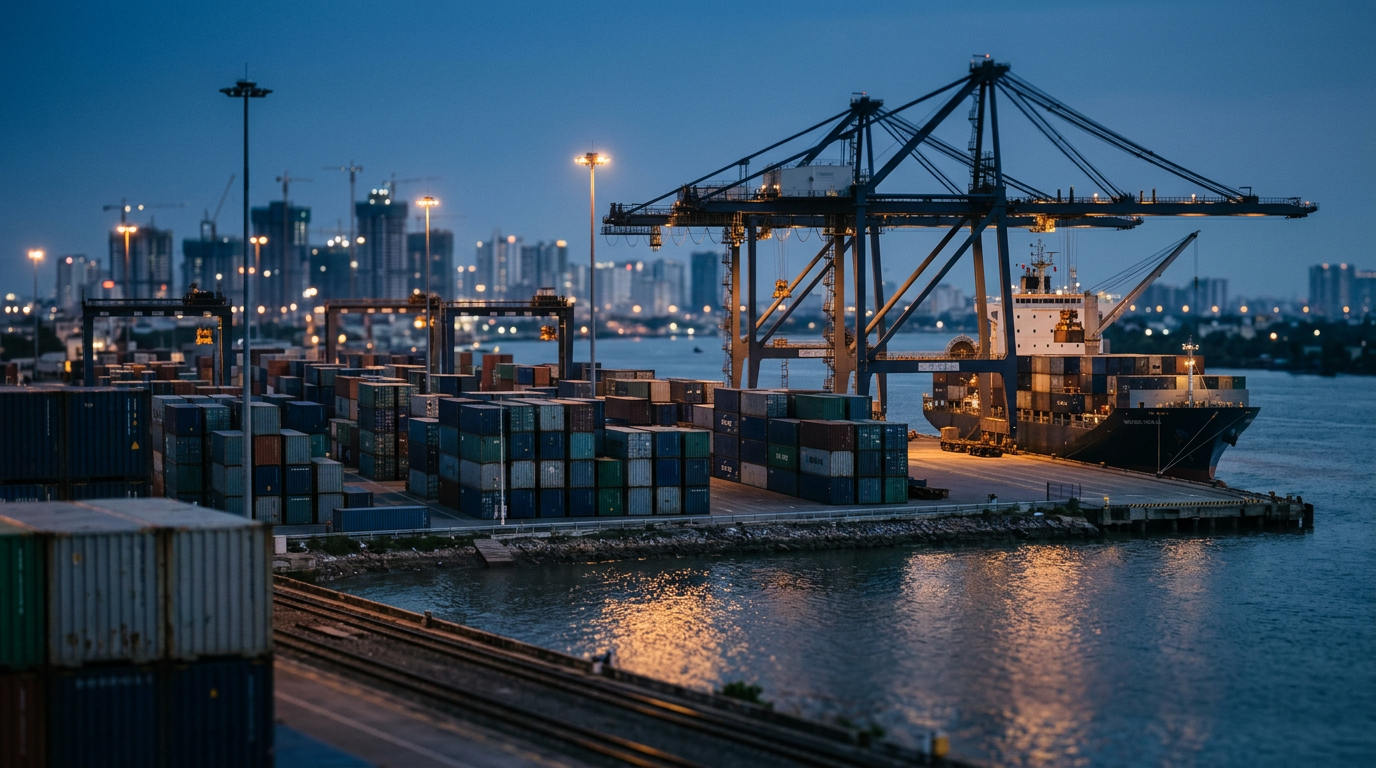
Hanoi is testing a core assumption of its foreign policy: that it can keep its strategic options open while managing a deep, structural trade dependency on China. A new trade agreement with the United States would be a stress test of this balancing act.
 Vietnam
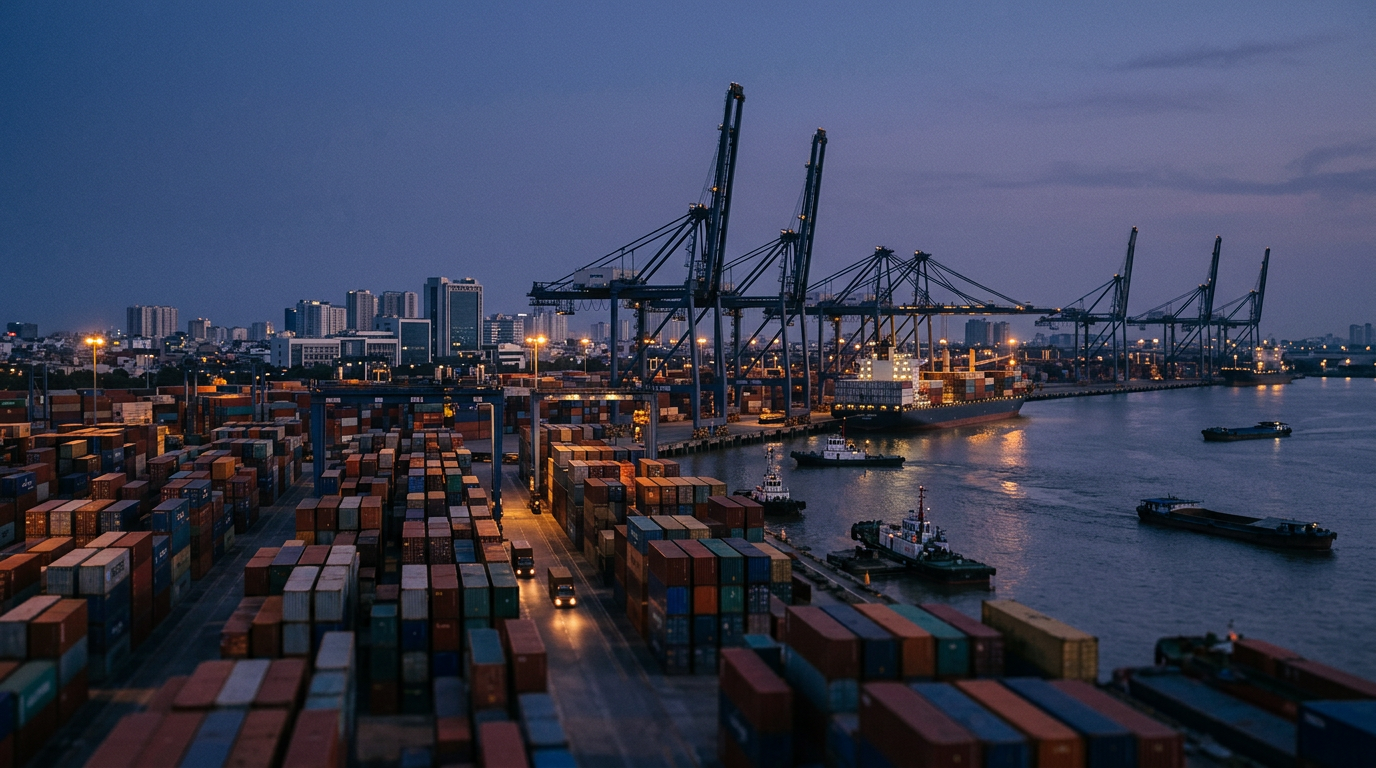
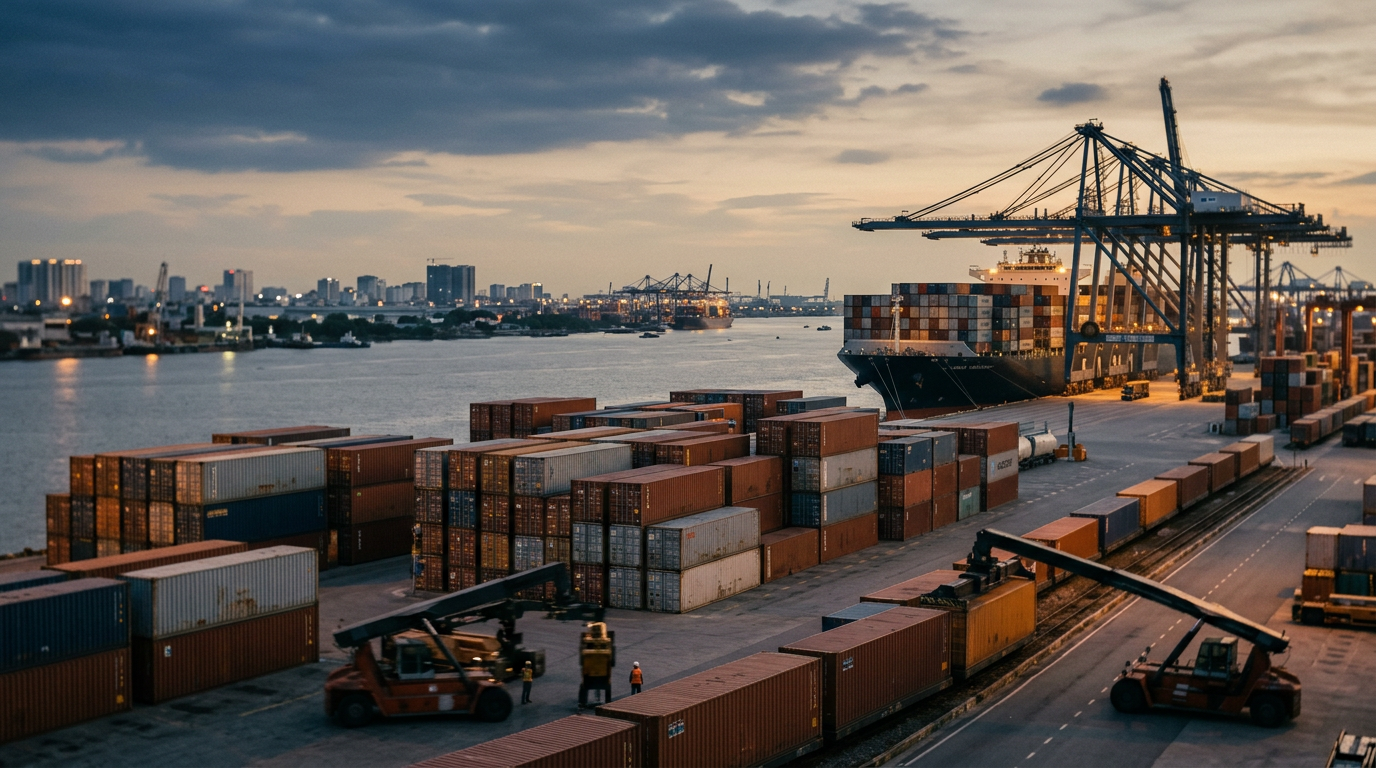
A reported trade deal with the US shows Vietnam is managing its trade relationships to maintain strategic optionality, a core theme of ASEAN
 Vietnam
, the US, and the China Trade Equation
Vietnam is pursuing a trade deal with the United States, but this commercial diplomacy is shaped by its deep and structural trade relationship with China.
 Vietnam
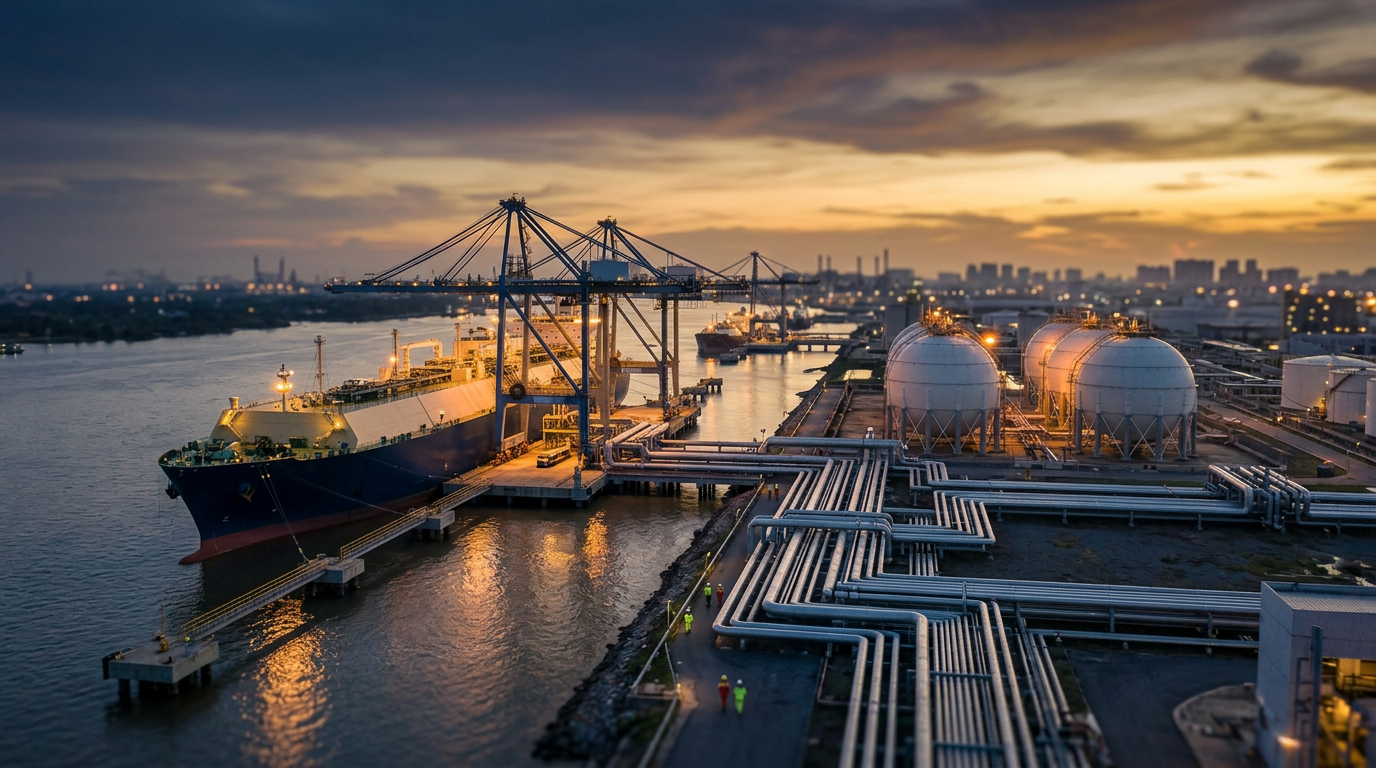
's LNG pivot is a test of strategic optionality
Hanoi's search for long-term LNG contracts is not just about energy security. It is a strategic move to manage its dependency on coal and diversify its options in a complex geopolitical environment.
 Vietnam
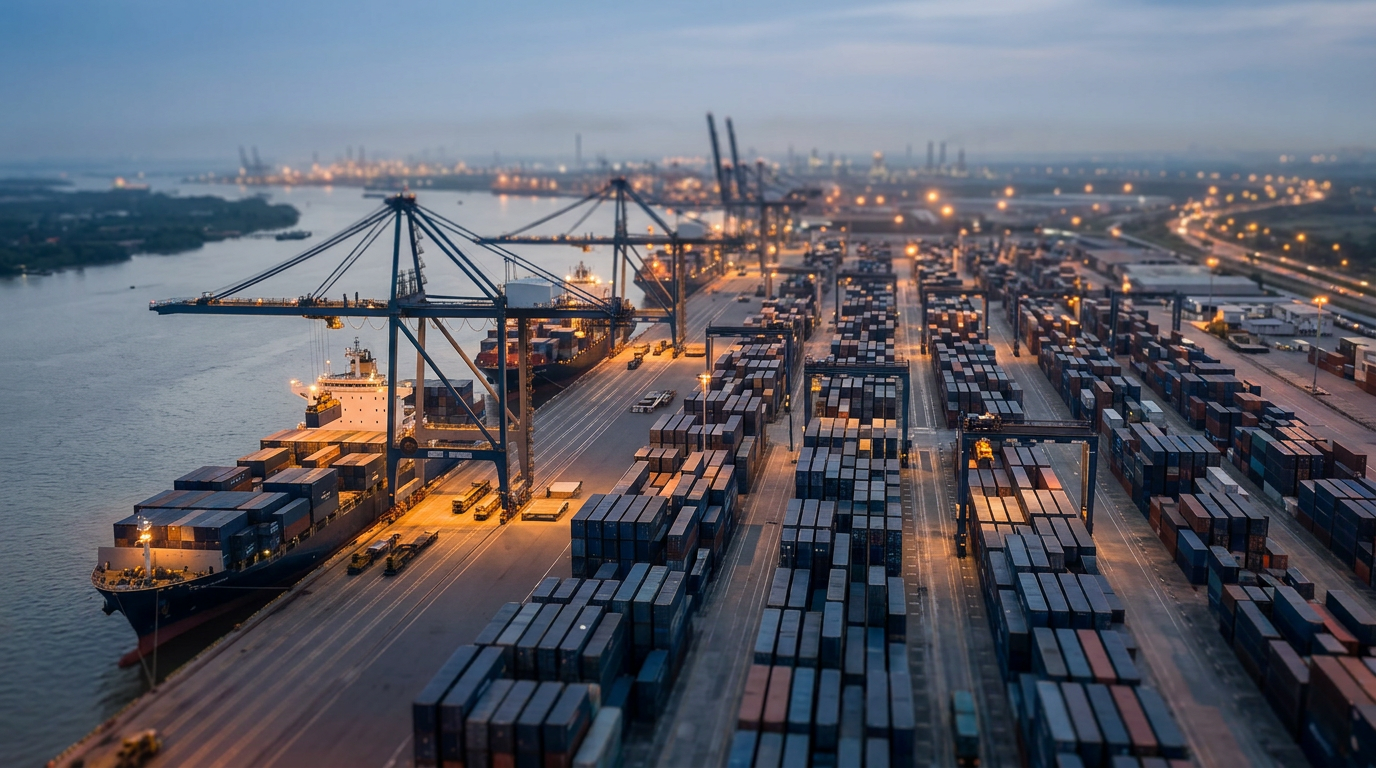
 Airlines' Airbus Order Underscores the Value of Execution
Vietnam's aviation sector growth is a tangible result of its focus on institutional capacity and reliable infrastructure development, a core theme of ASEAN Rising.
 Vietnam
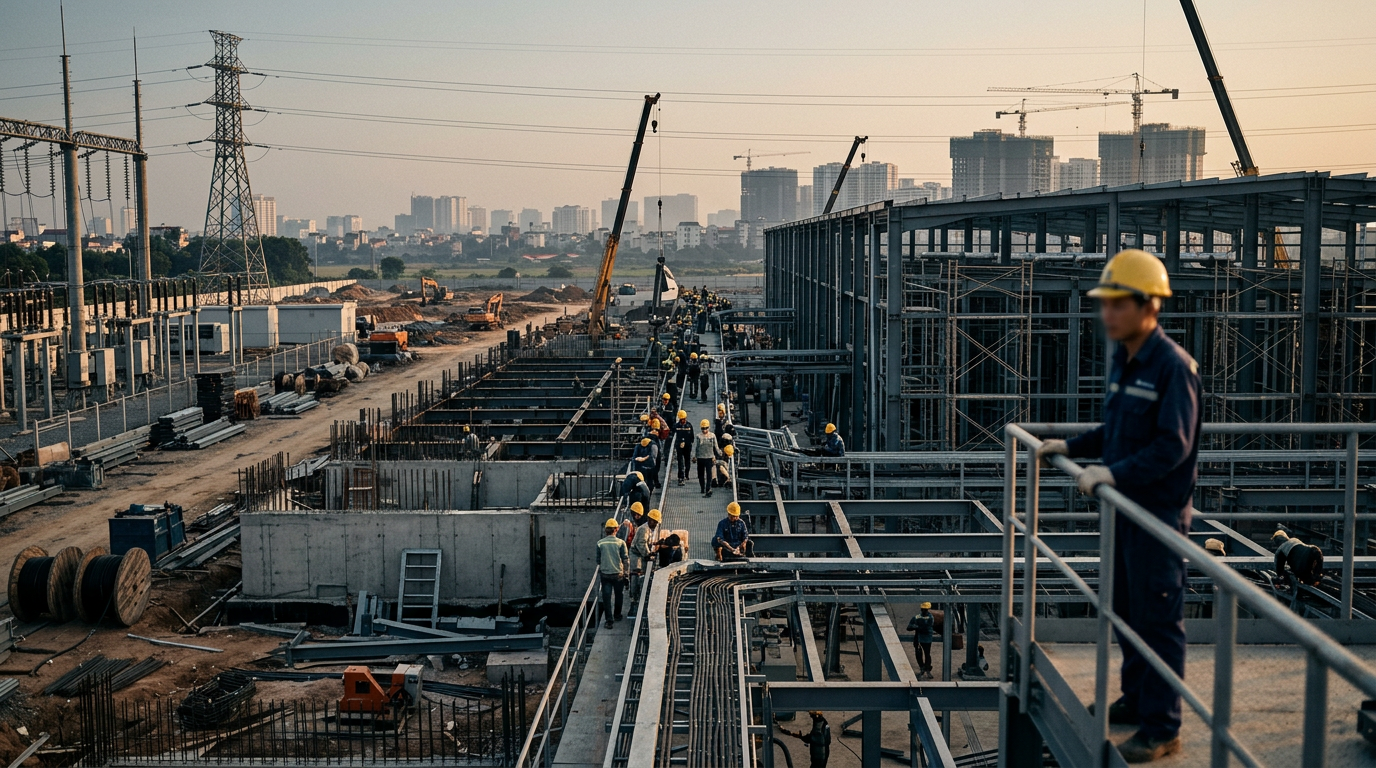
's data center ambitions depend on execution
A recent MoU for a new AI data center in Vietnam highlights the country's ambitions. Yet, as ASEAN Rising notes, hyperscale capacity follows integrated infrastructure, not just cheap power.
 Vietnam
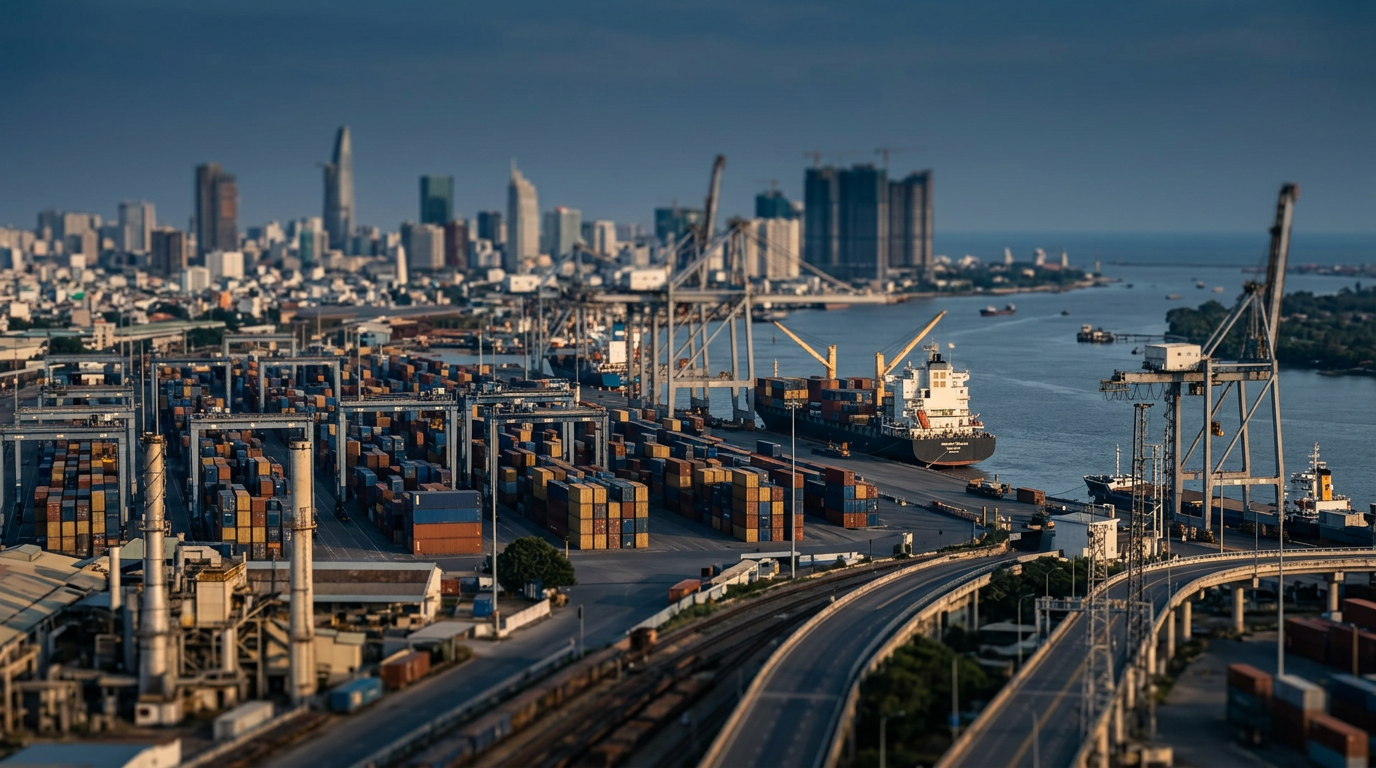
's Northern Strategy for FDI
Northern Vietnam attracted 80.5% of new manufacturing FDI in the first half of the year, with electronics and semiconductor investments concentrated in the region.
 Vietnam
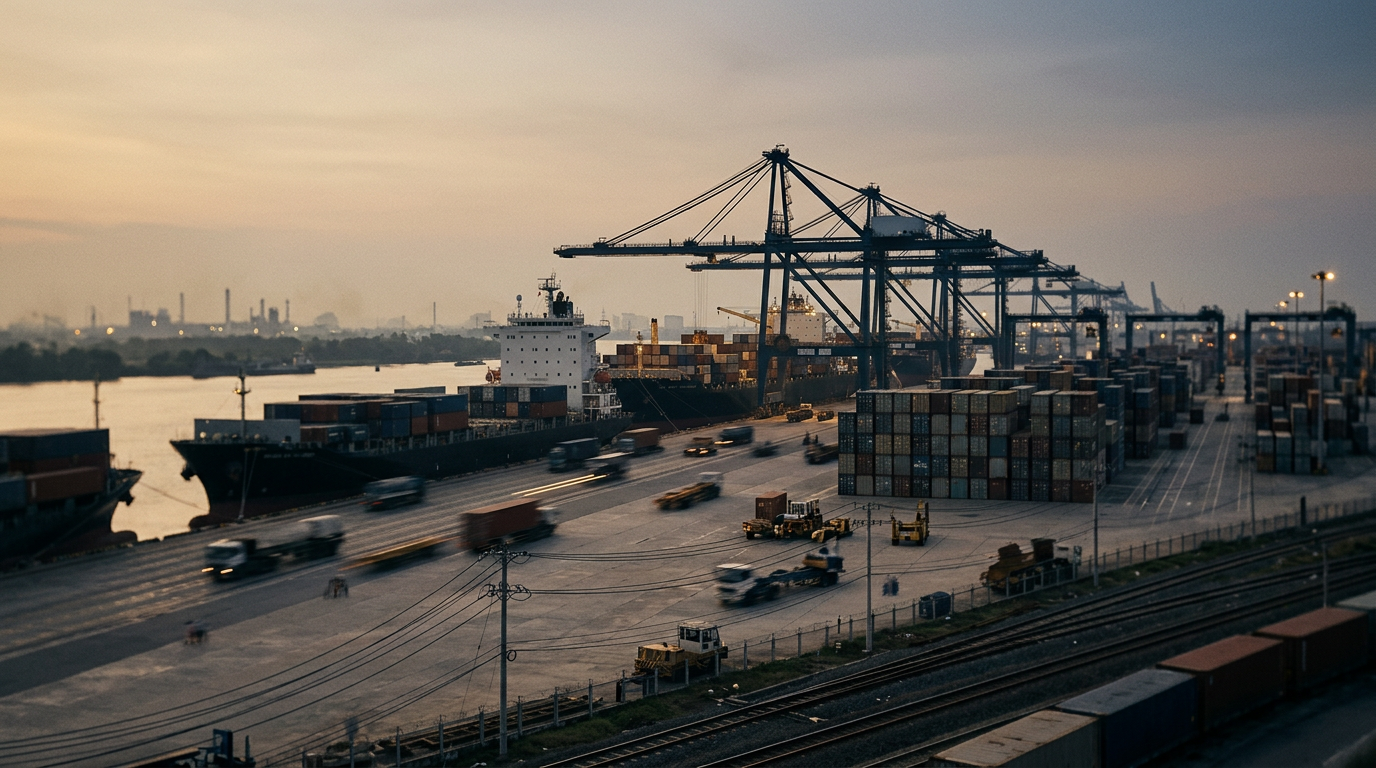
's Trade Boom and the China Question
Vietnam's record trade figures for 2026 are impressive, but they also sharpen the longstanding question of how to manage its deep, structural trade relationship with China.
 Vietnam
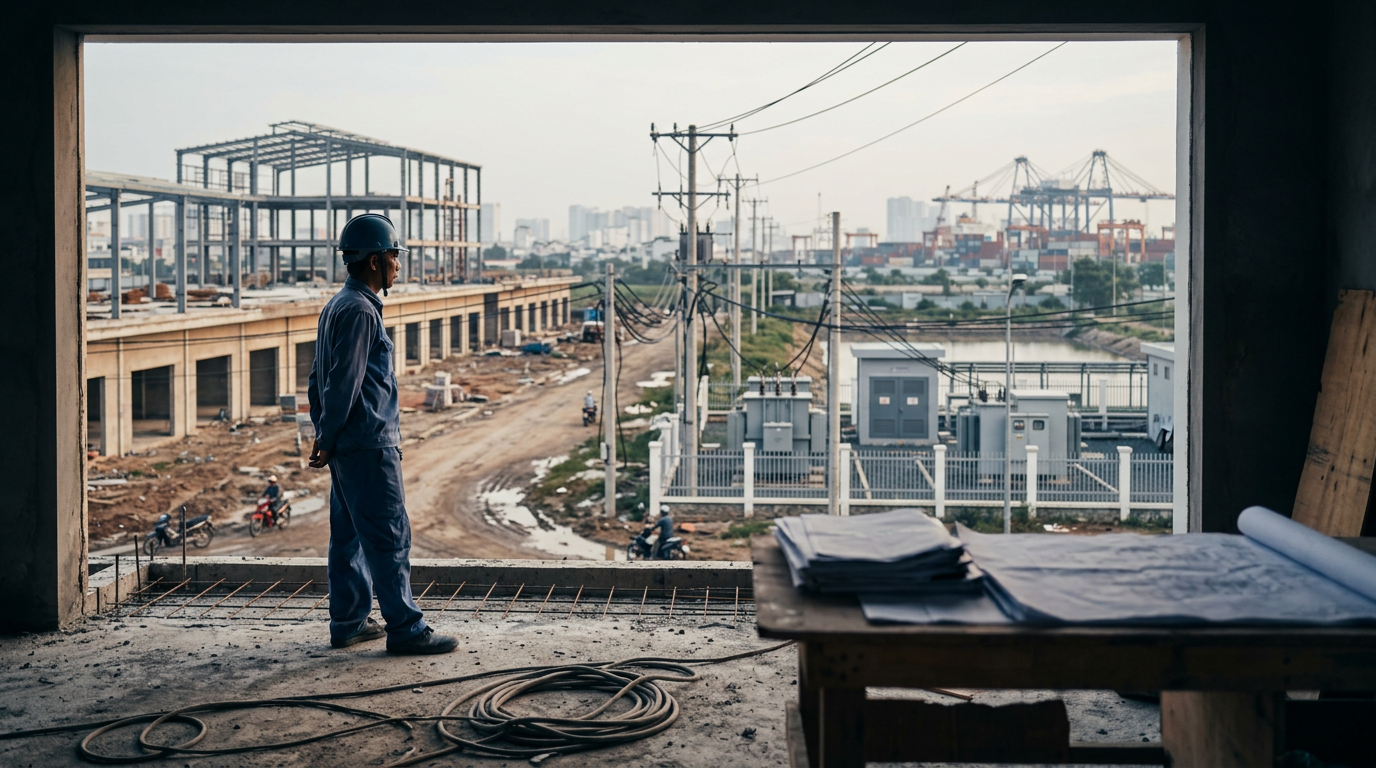
, Samsung, and the Usable State
Samsung's strong profit report from its Vietnam operations is a useful reminder that a usable state is often more valuable than an exciting one.
 Vietnam
Indonesia, Vietnam: Scaling franchise retail is hard
The world's largest F&B chain has closed 89 overseas stores, many in Indonesia and Vietnam. The closures show how ASEAN consumer growth stories depend on executional basics: land, permits, power, and talent.
 Vietnam
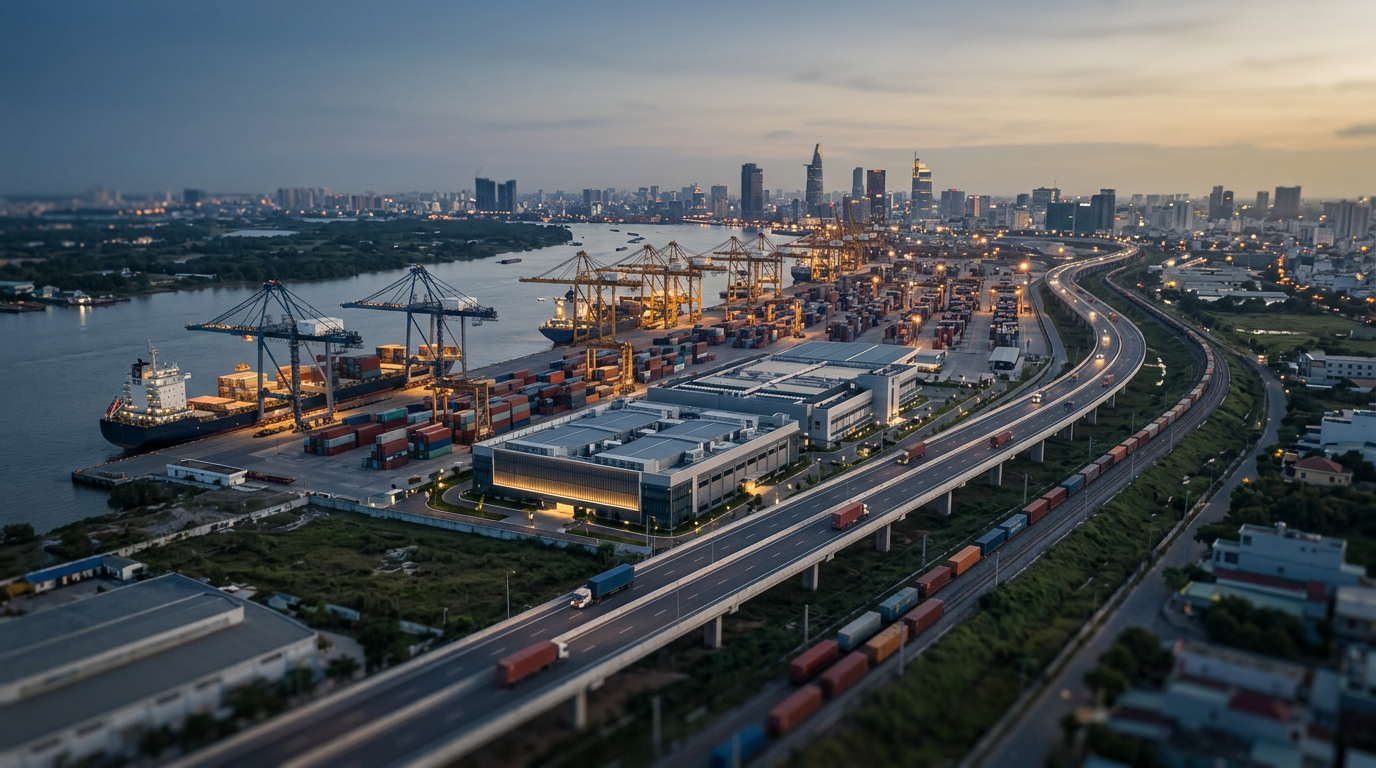
Samsung's Vietnam Profits Highlight the FDI-to-Growth Pipeline
A surge in profitability at Samsung's Vietnam plants highlights the difference between announced and realised FDI. The lesson is not about any single country, but about the institutional capacity required to convert investment promises into economic reality, a core theme of.
 Vietnam
, Semiconductors, and the Middle-Income Trap
Vietnam has attracted significant FDI in electronics assembly. Can it now build the institutions and talent to move up the value chain into semiconductor design and fabrication, and escape the middle-income trap?
 Vietnam
's Data Centre Buildout Tests Its Coordination
Vietnam's fast-growing data centre market is attracting billions in investment. Success will depend on whether the country can coordinate utilities, planning, and connectivity at the same speed.
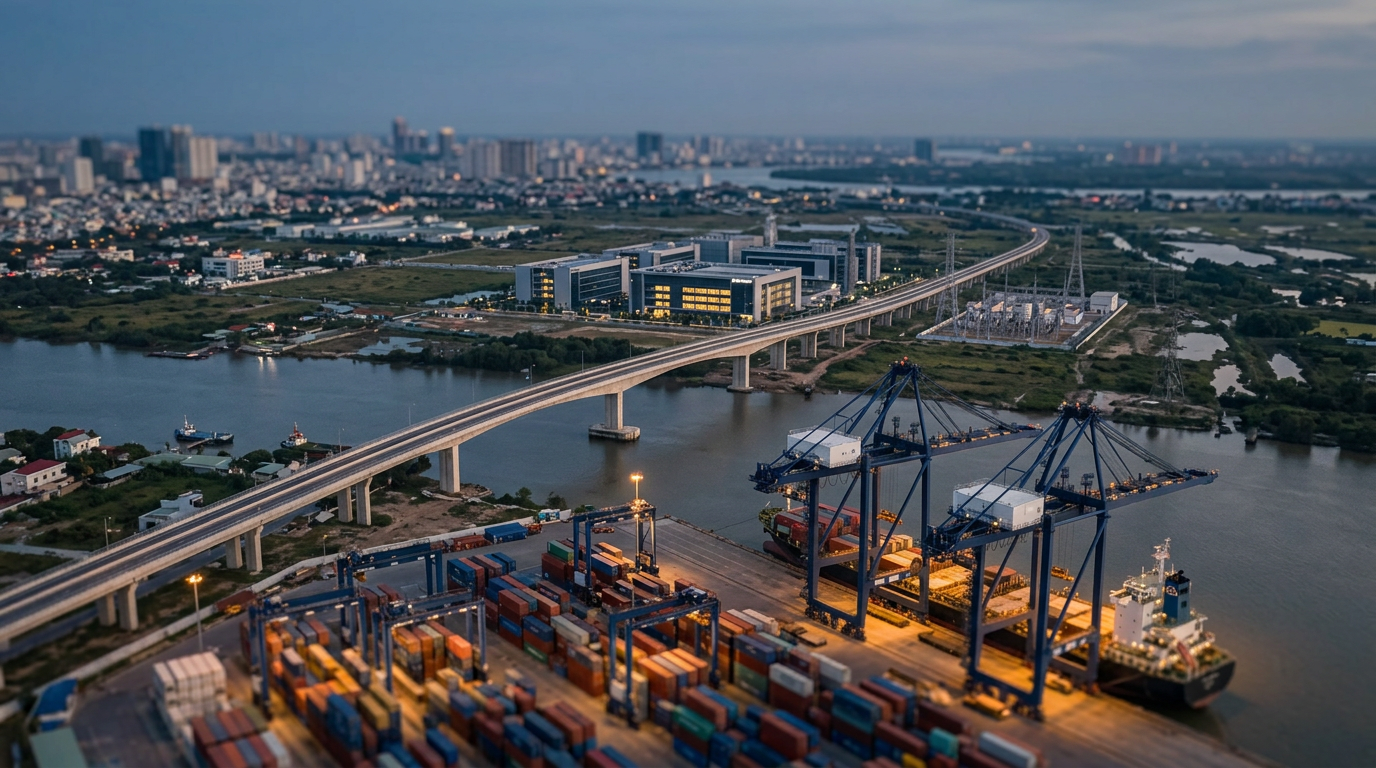 Vietnam
: From FDI Pledges to Realised Flows
A new wave of technology investment highlights Vietnam's appeal, but turning FDI announcements into realised flows depends on the slower work of improving institutions and infrastructure.
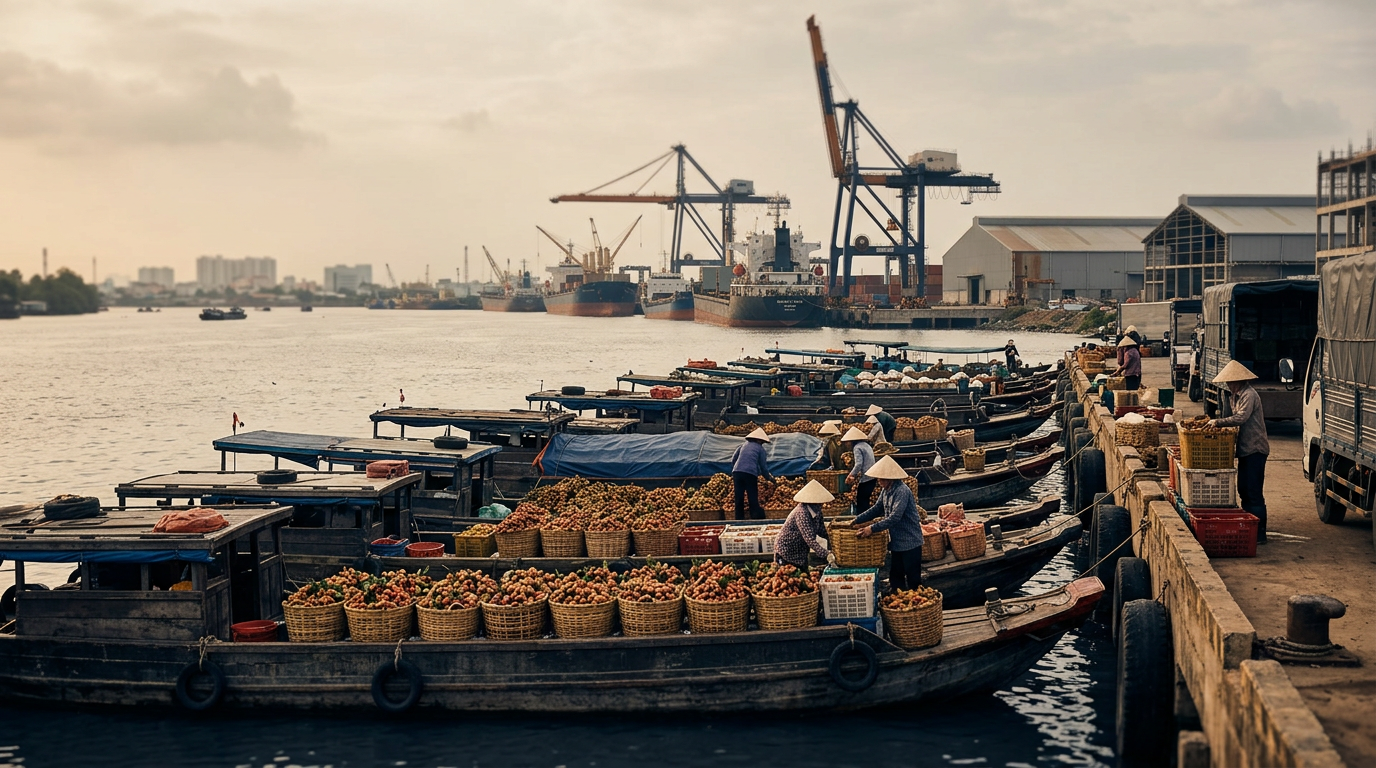 Vietnam
's Lychee Trade and the China Question
A fall in Vietnam's lychee exports illustrates the complex trade relationship between ASEAN nations and China, where managing dependency is a key theme.
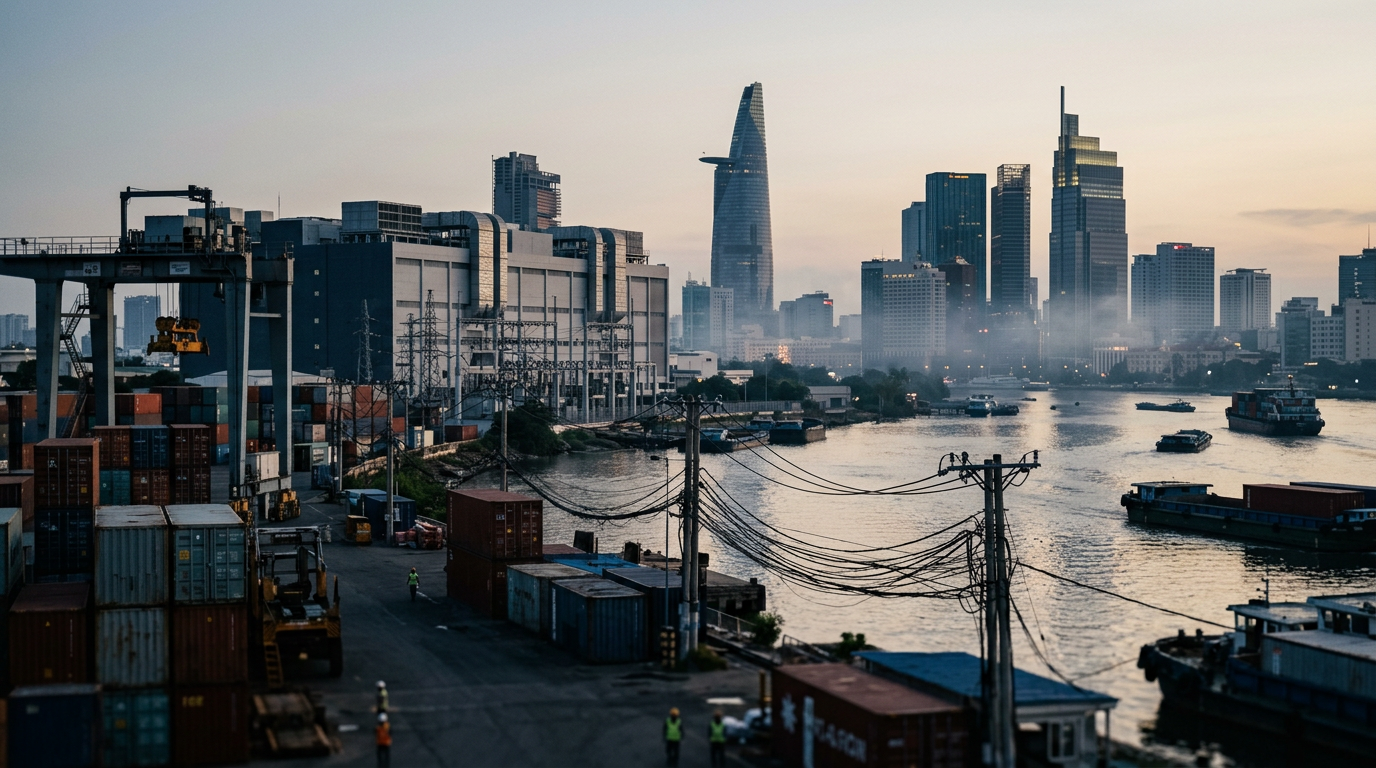 Vietnam
's Data Center Ambition Meets an Infrastructure Bottleneck
Vietnam's ambition to become a digital hub is attracting investment, but the country's infrastructure and regulatory framework require significant development to support this growth.
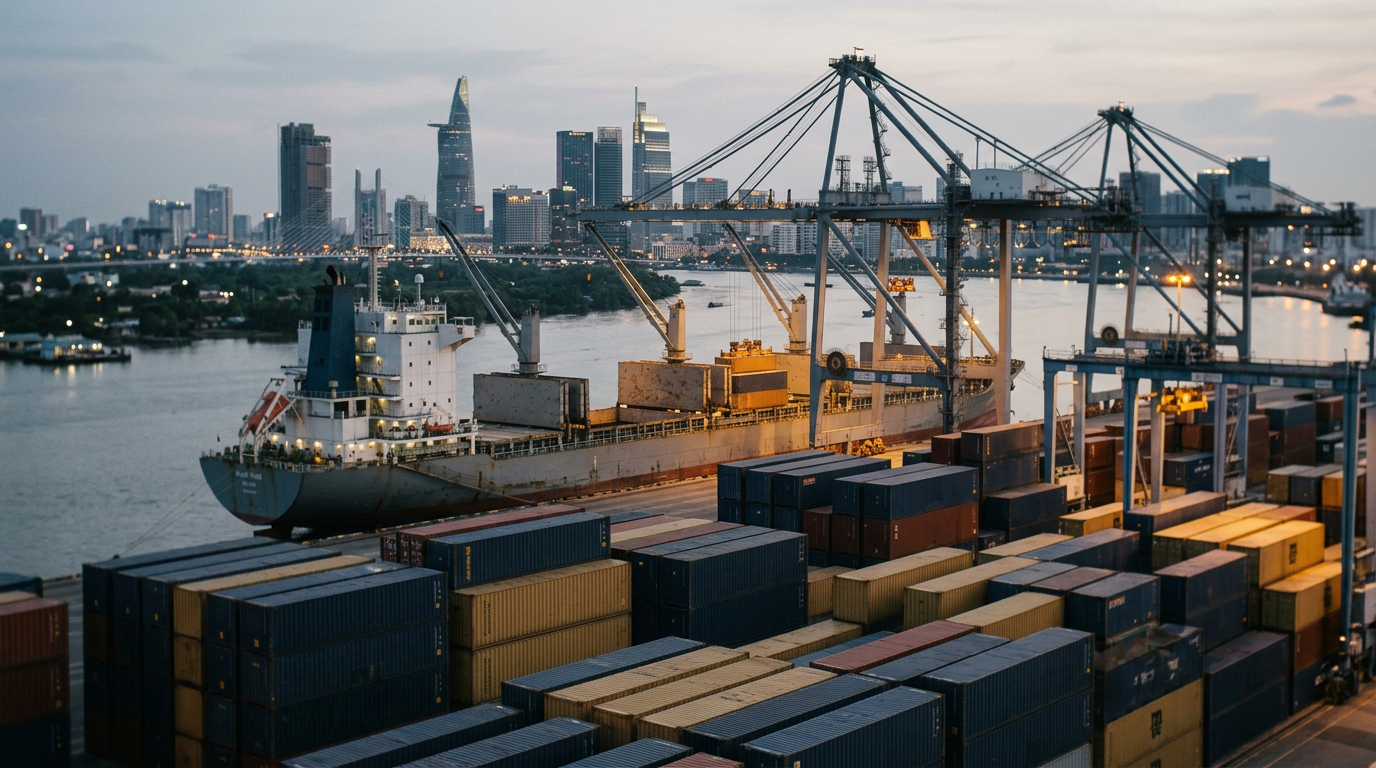 Vietnam
's FDI Win Is a Story of Institutions
Singaporean FDI into Vietnam reflects a sophisticated, institution-driven approach to capital allocation within ASEAN, favoring regulatory clarity and execution over sheer market size.
 Vietnam
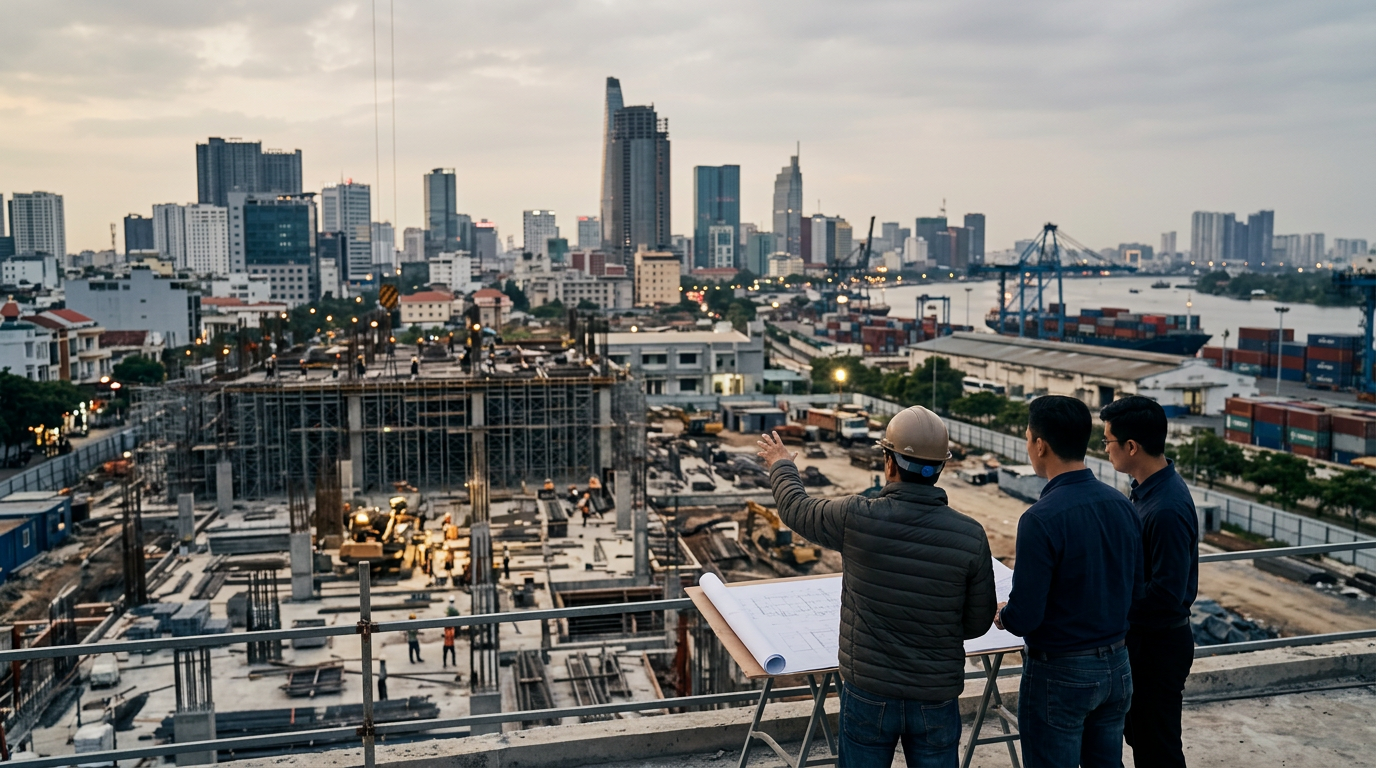
's AI Ambition Meets the Infrastructure Test
Vietnam is building domestic AI capacity, but its success will depend on coordinating capital, connectivity, and power. Where these elements work in concert, hyperscale capacity can follow.
 Vietnam
's Expressway Plans and the Pursuit of a Usable State
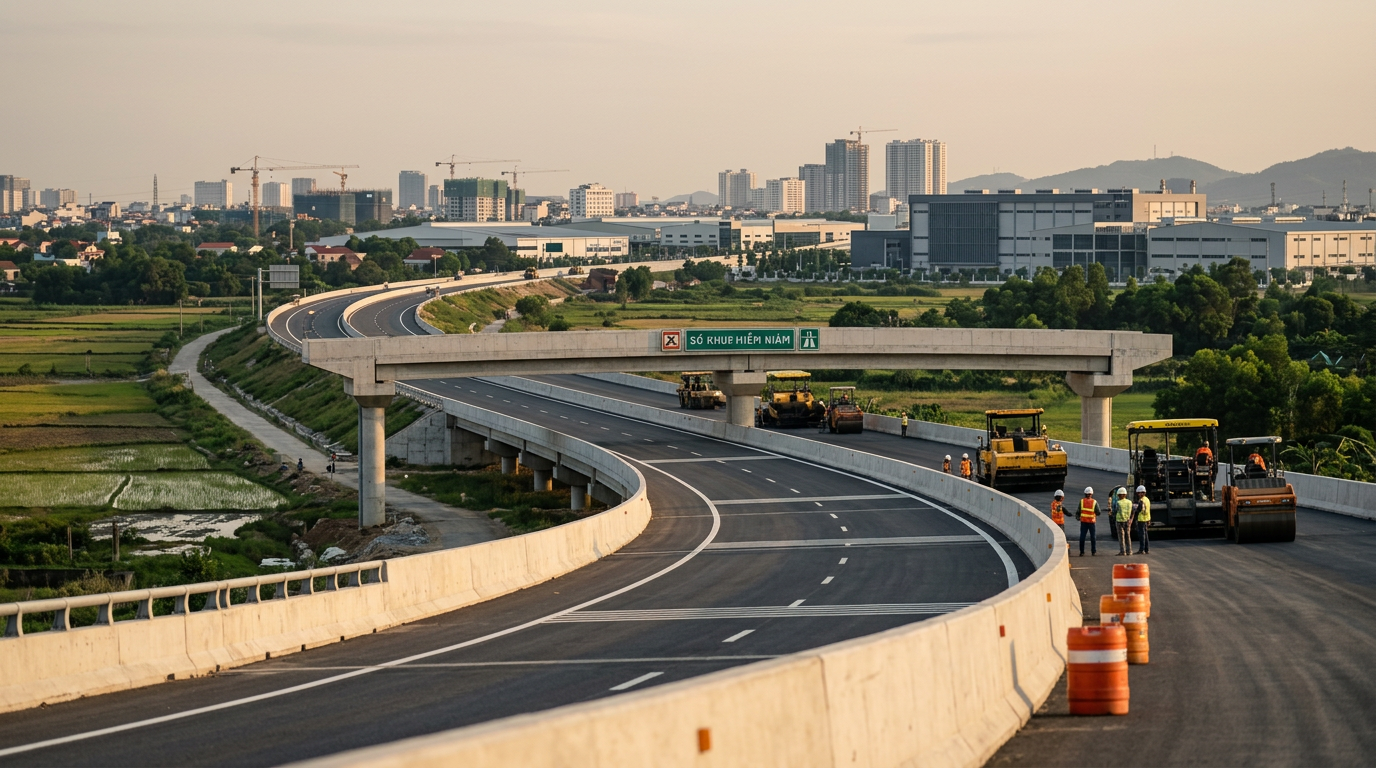
Vietnam is studying a pilot scheme for dedicated passing lanes on its expressways. This seemingly small adjustment is part of a larger, more significant effort to build a usable state with reliable institutions that can deliver infrastructure on time and to specification.
 Vietnam
STT GDC has withdrawn from a planned data centre project in Vietnam. VNG aims to acquire STT GDC
 Vietnam
The new Ho Chi Minh City private hospital chapter is an encouraging development for healthcare in Vietnam, but its success will depend on attracting and retaining specialized talent.
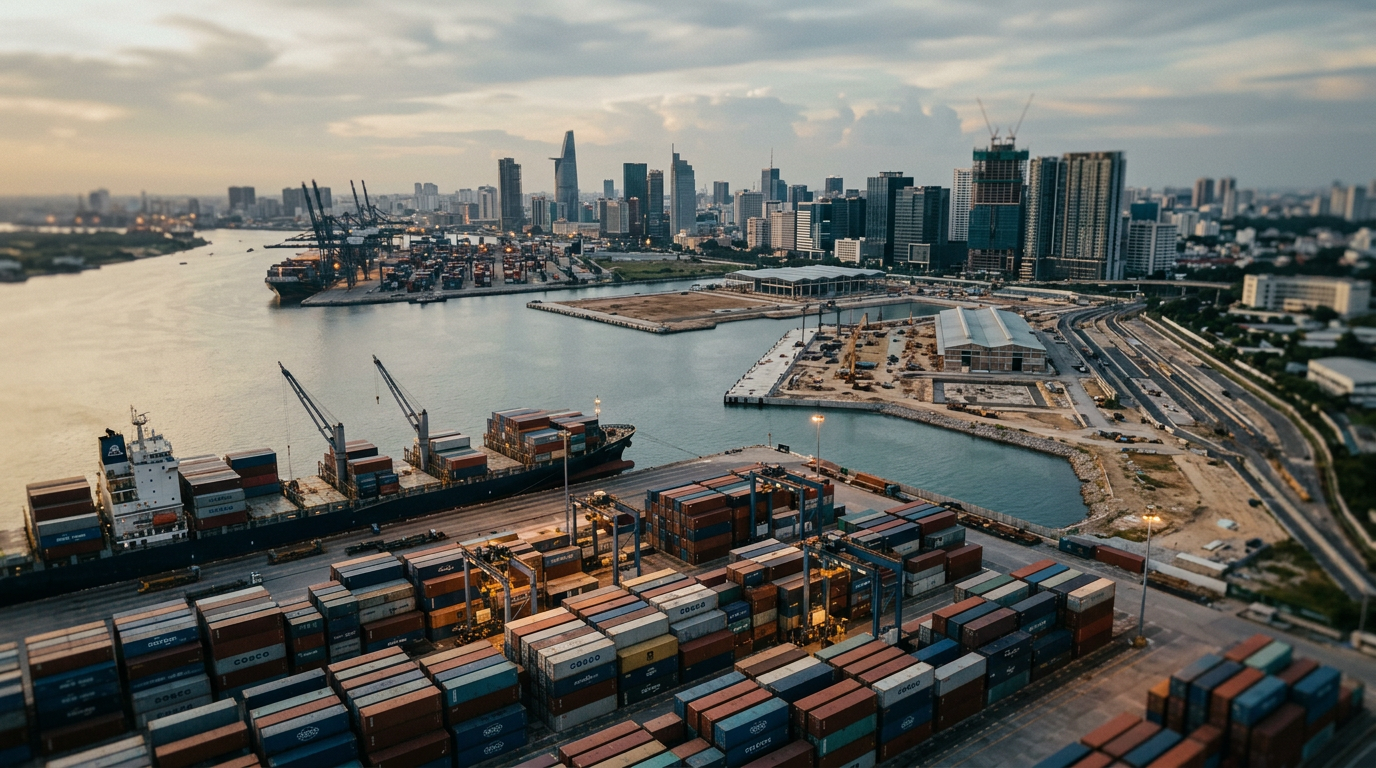
Cosco Shipping's Expansion Plans Spotlight ASEAN's Logistical Gaps
The Singapore-based logistics firm's planned investments in Vietnam, Malaysia, and Indonesia reflect a broader regional need for more reliable and integrated infrastructure to support growing trade volumes.
 Vietnam
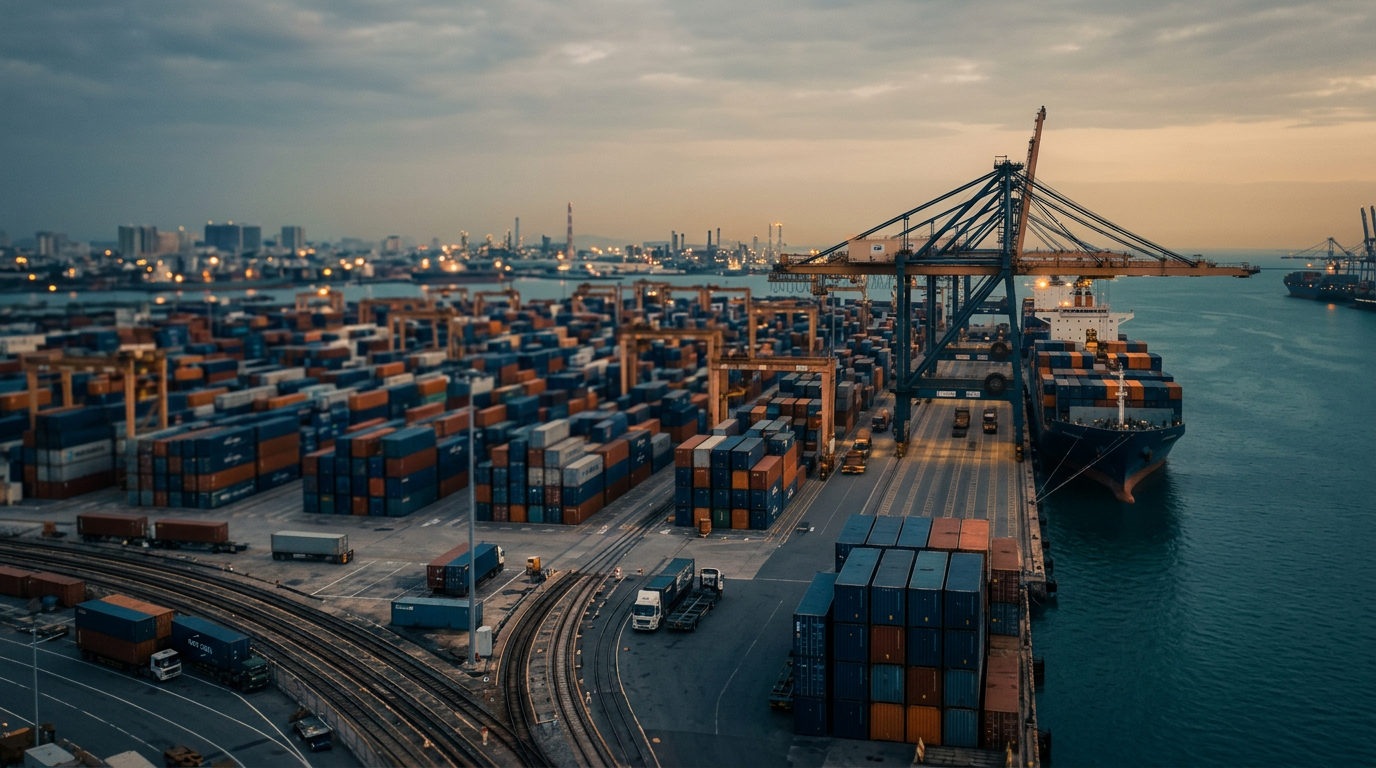
's Export Crunch and the China Question
Vietnam's ambitious export targets for the remainder of 2026 highlight a structural challenge for all of ASEAN: how to manage deep, and deepening, trade and investment ties with China.
 Vietnam
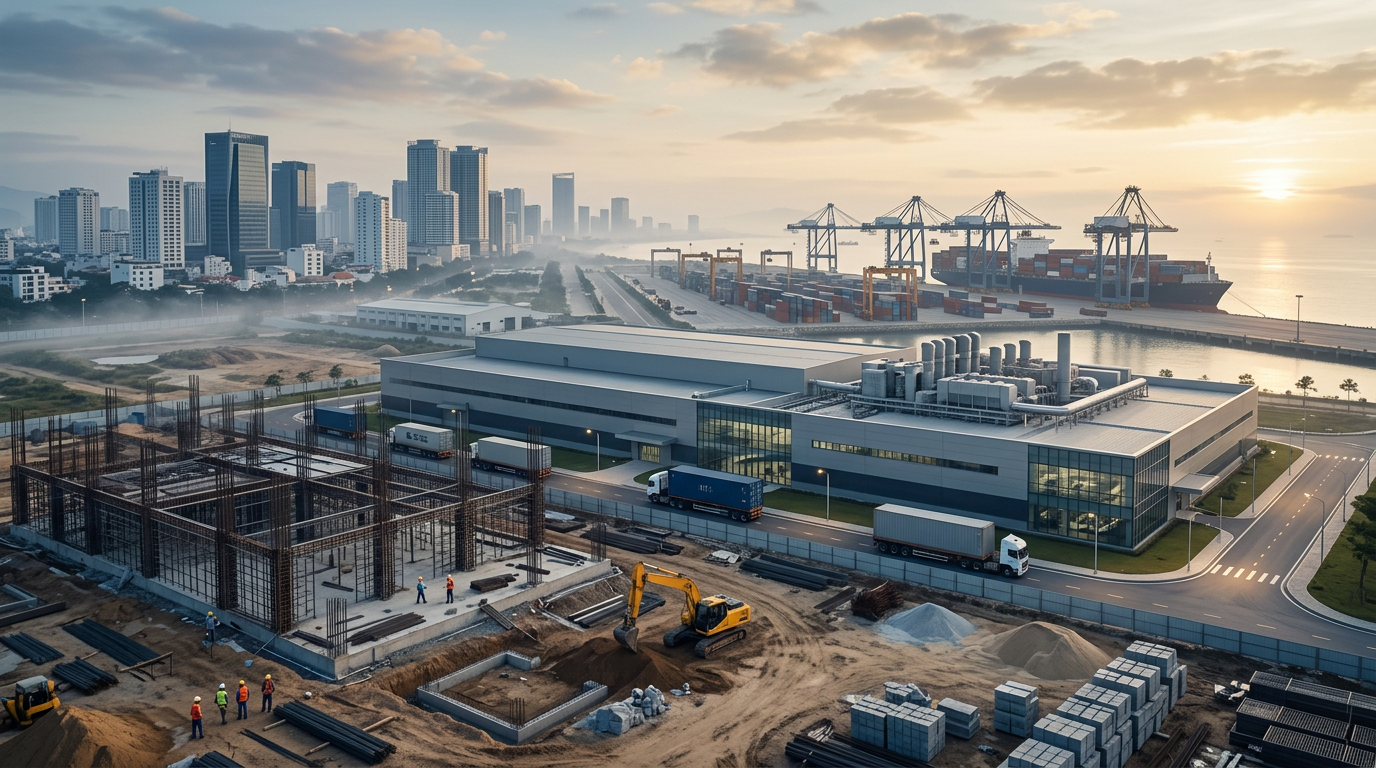
, China, and the semiconductor long game
Vietnam's semiconductor ambitions depend on turning announcements into realised flows of capital and talent. Institutions, infrastructure, and execution are the real metrics to watch.
 Vietnam
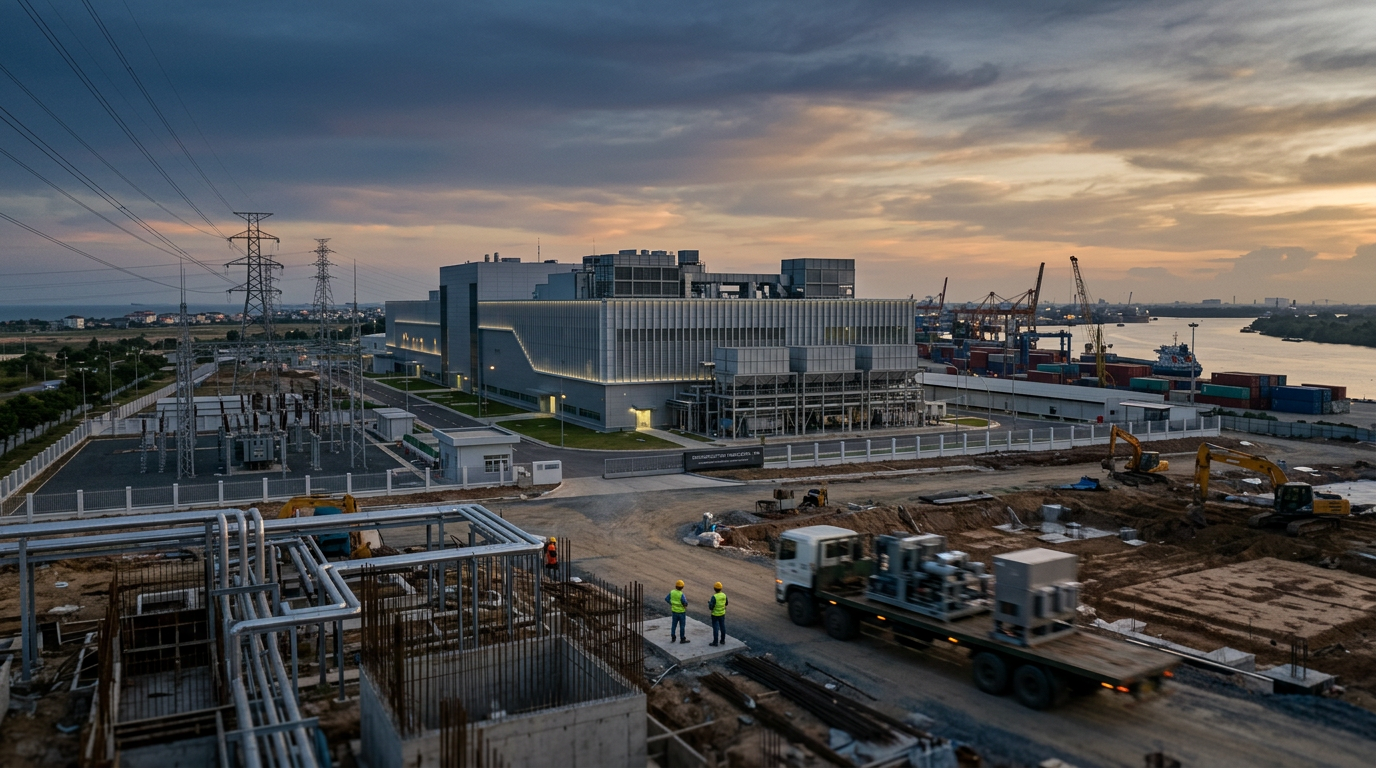
From Ambition to Execution in the ASEAN Semiconductor Race
FDI announcements travel quickly. Realised flows depend on the slower work of land, permits, power and talent reaching the ground. Can Vietnam and its neighbours build a true ASEAN semiconductor corridor?
 Cambodia
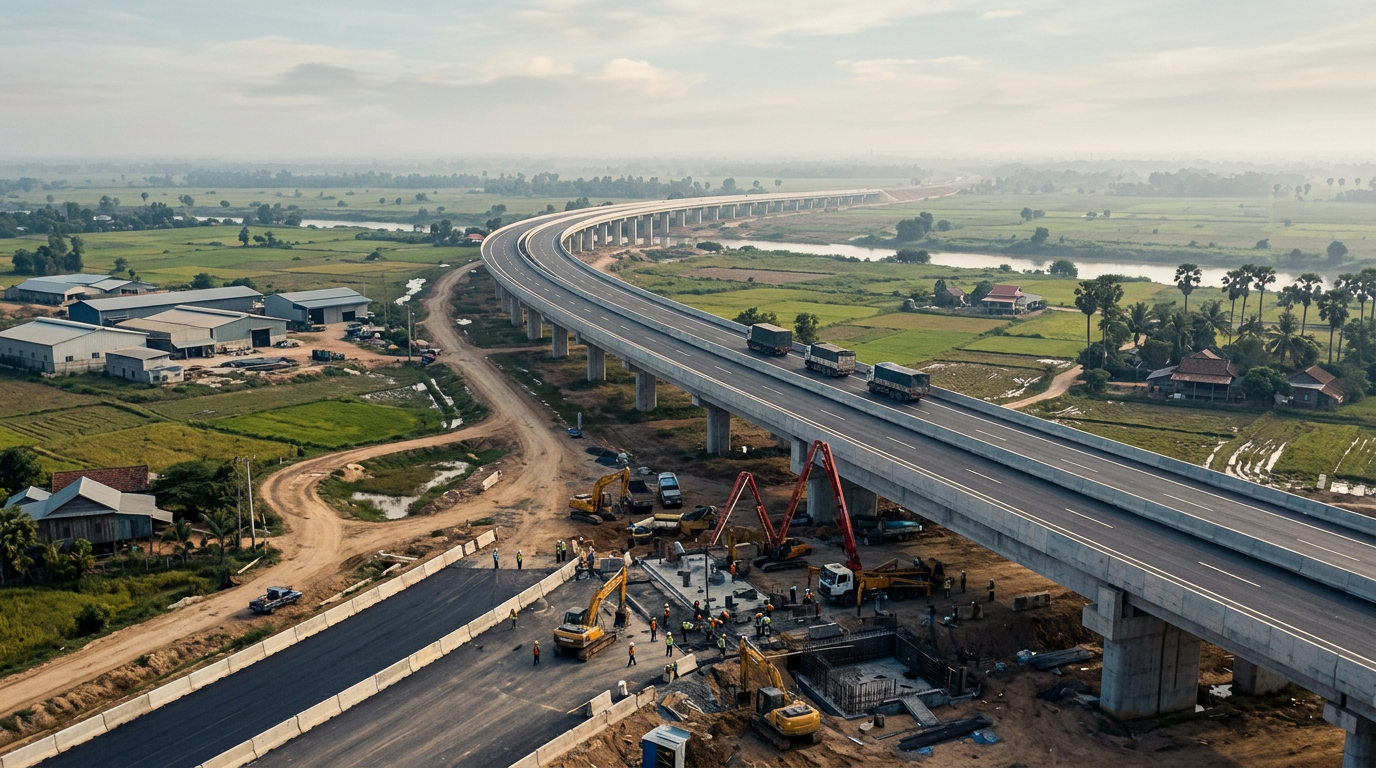
, Vietnam, and the Expressway to a Usable State
Cambodia's Phnom Penh-Bavet expressway project, connecting to Vietnam's Moc Bai border, is a case study in the power of reliable infrastructure delivery over mere announcements.
 Vietnam
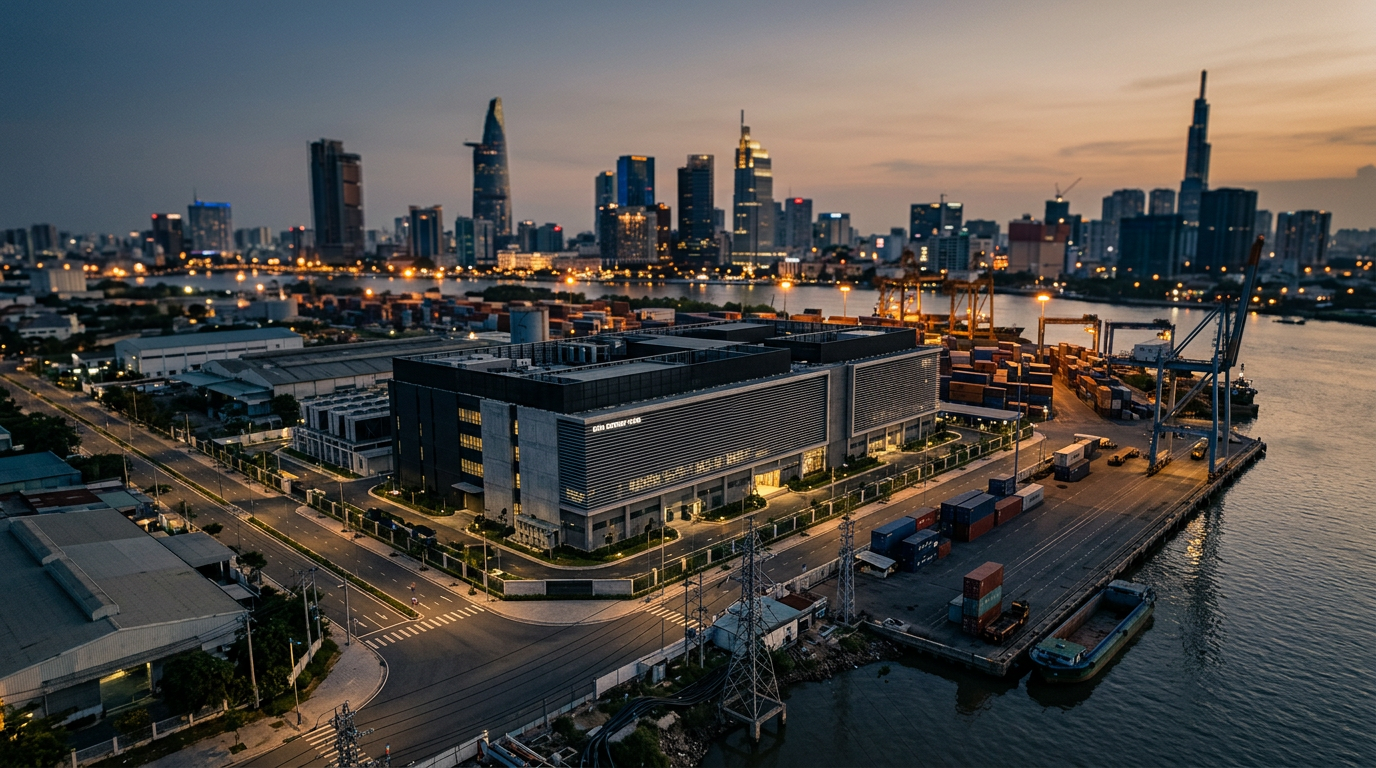
's Data Center Pivot Signals a Regional Shift
Vietnam's growing data center market, exemplified by Digital Core REIT's latest investment, shows how the lessons of capital coordination pioneered in Singapore are spreading across ASEAN.
 Vietnam
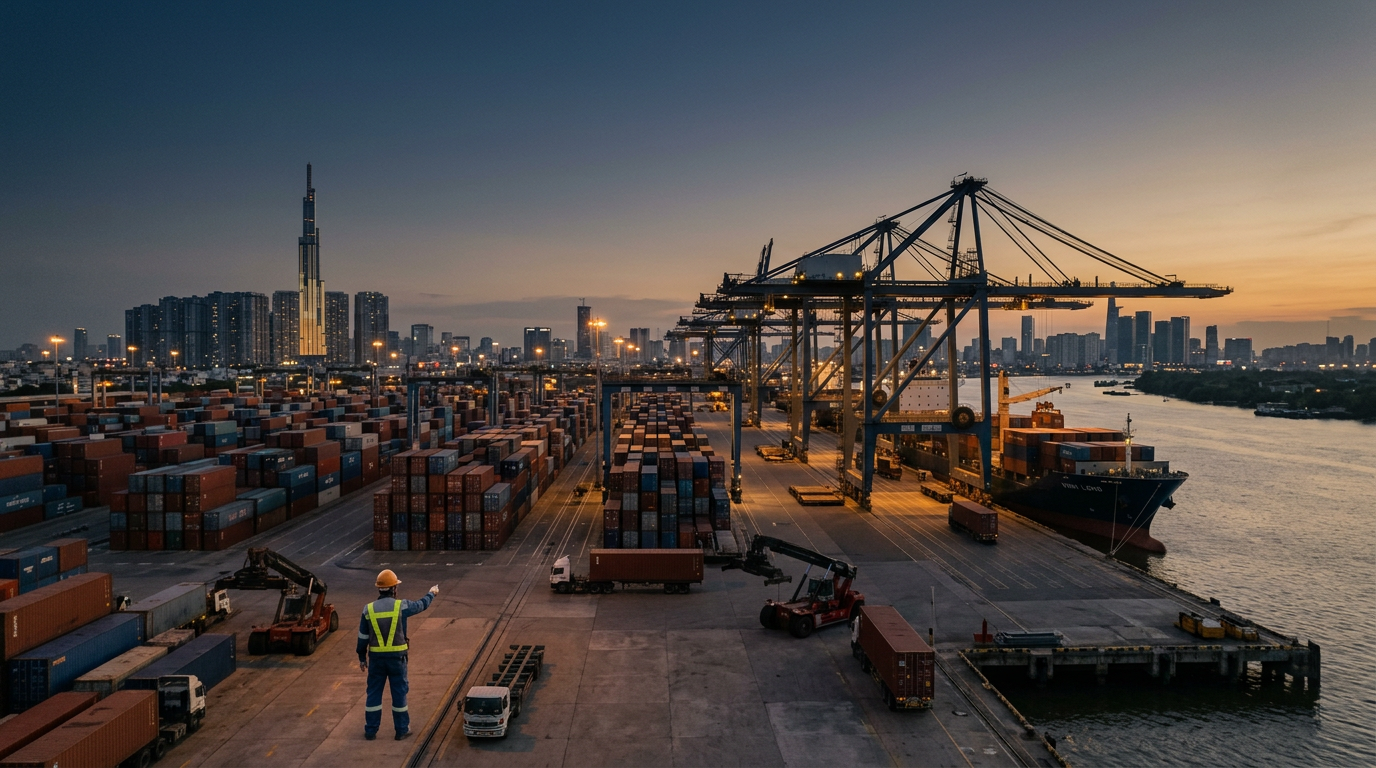
's FDI Surge Is A Story Of Execution
Foreign investment inflows to Vietnam surged in the first seven months of the year, but turning announcements into realised flows depends on the slower work of improving institutions and infrastructure.
 Vietnam
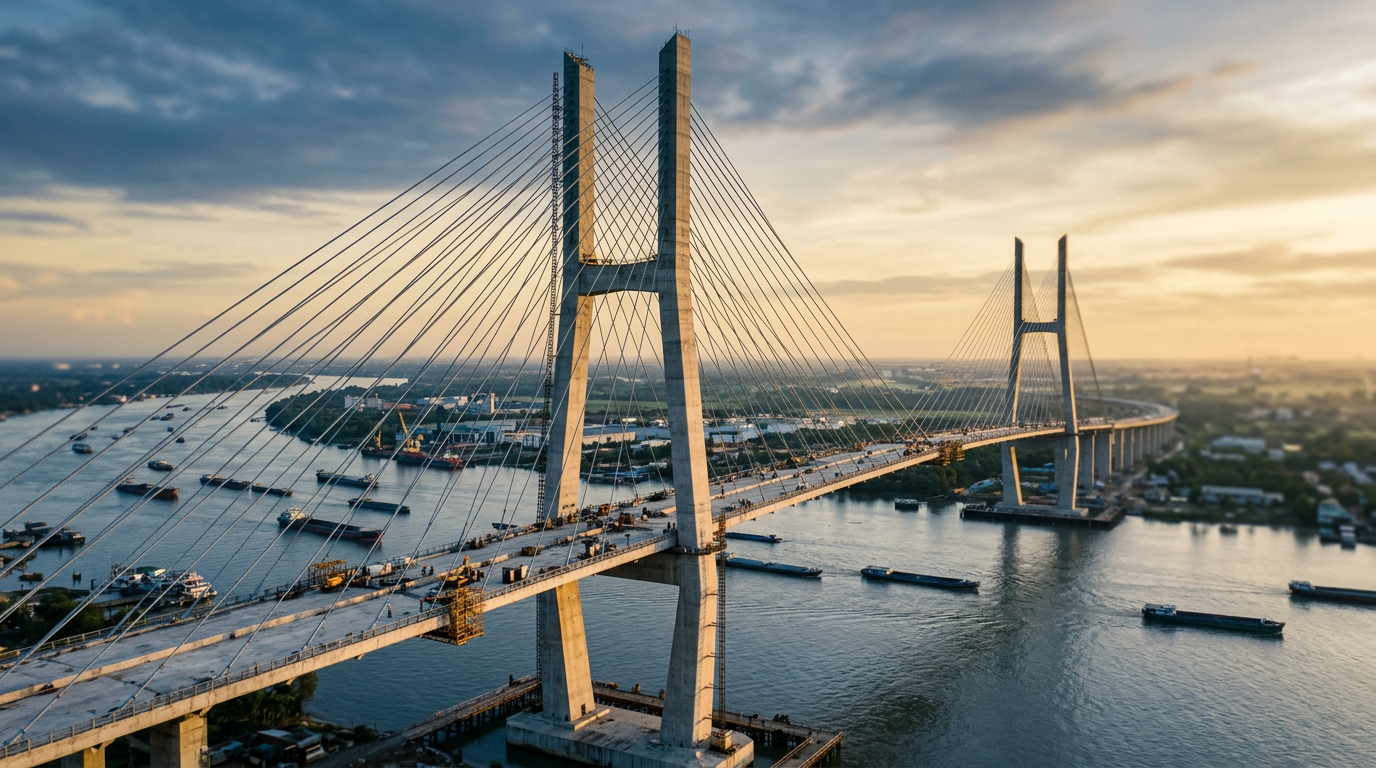
's My Thuan 2 Bridge: A Lesson in State Capacity
The near-completion of Vietnam's My Thuan 2 bridge, after years of delays, offers a case study in the importance of reliable state institutions for delivering complex infrastructure projects and bolstering investor confidence across the region.
 Vietnam
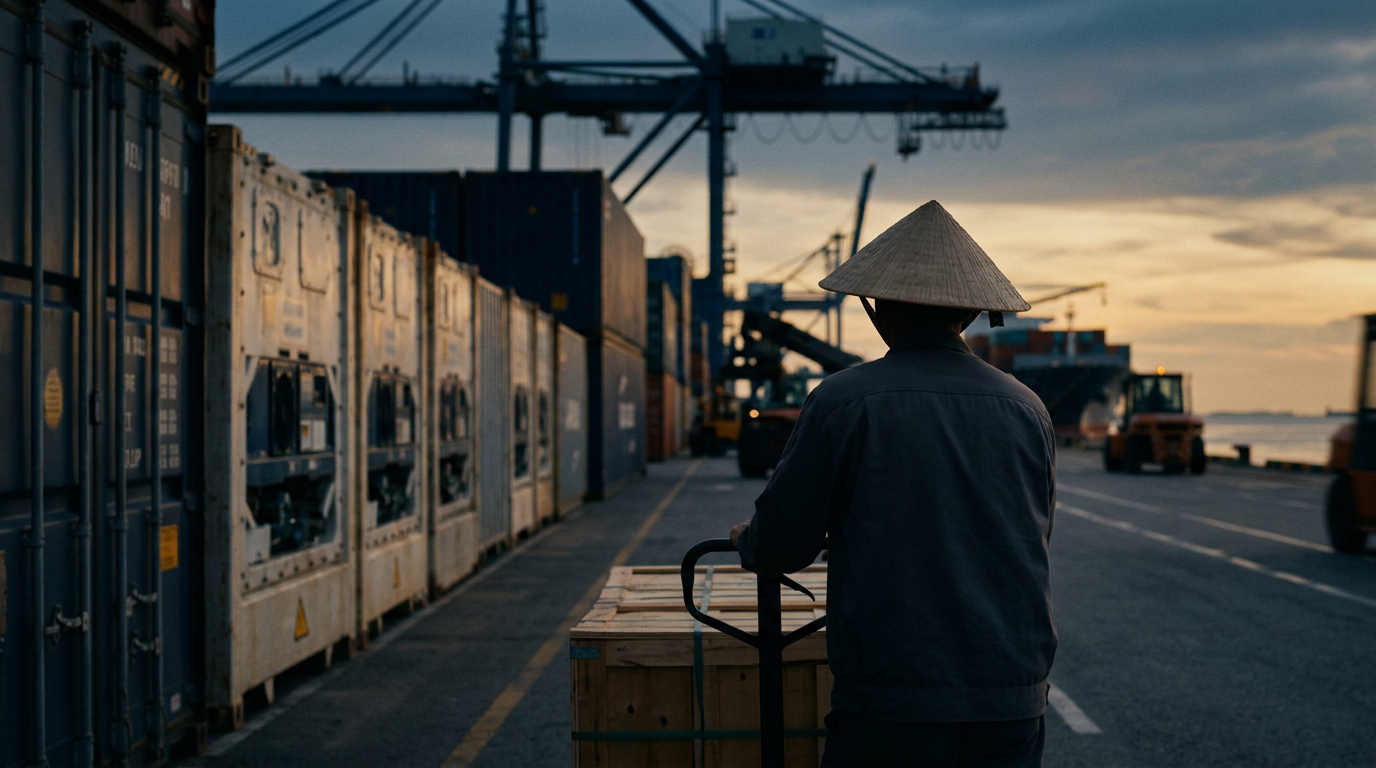
's Durian Boom and the China Trade Equation
Vietnam's durian sector is experiencing a surge in exports to China. While this is a significant economic win, it also brings into focus the long-term strategic questions ASEAN members face regarding their deep trade relationship with Beijing.
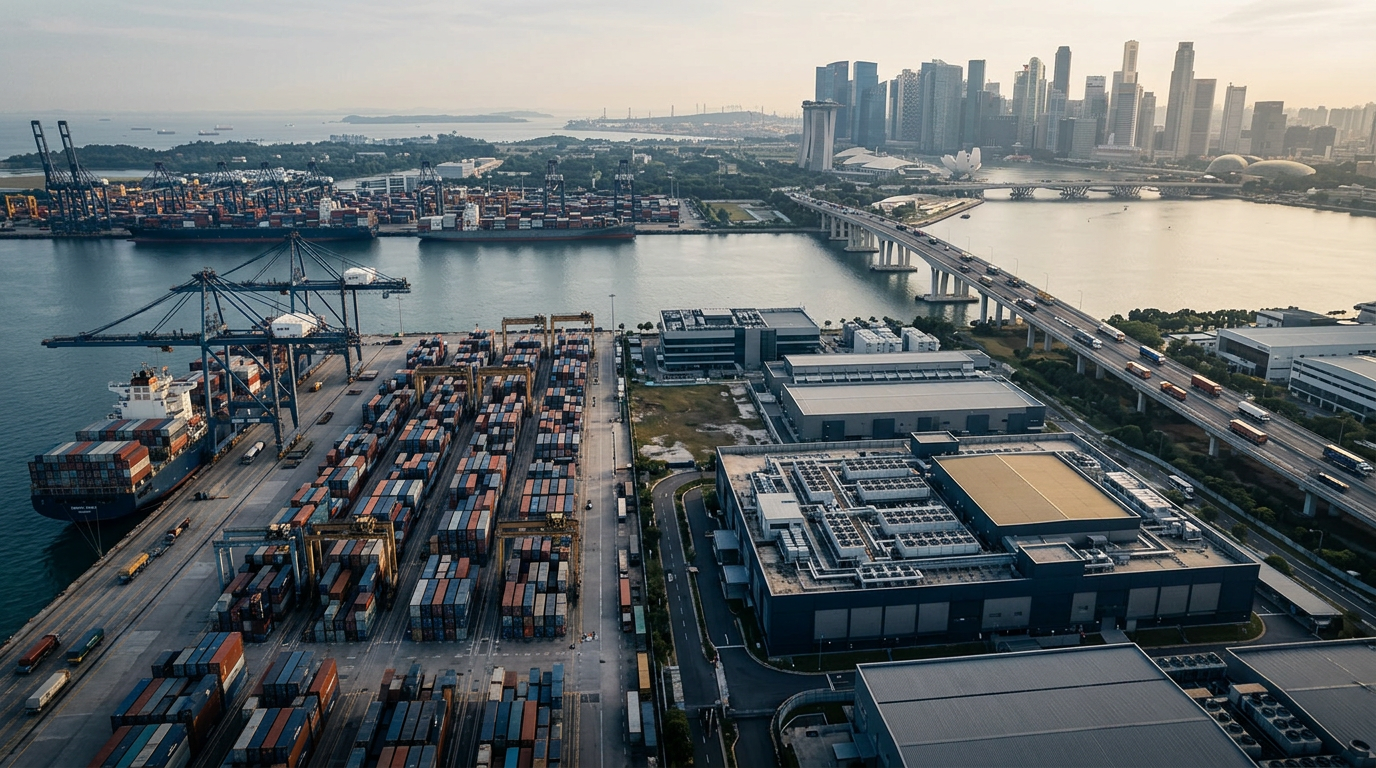
Vietnam and Singapore Ink a Semiconductor Deal. What Comes Next?
A new MoU links Vietnam's ecosystem with Singapore's business network. Realizing the gains will depend on execution.
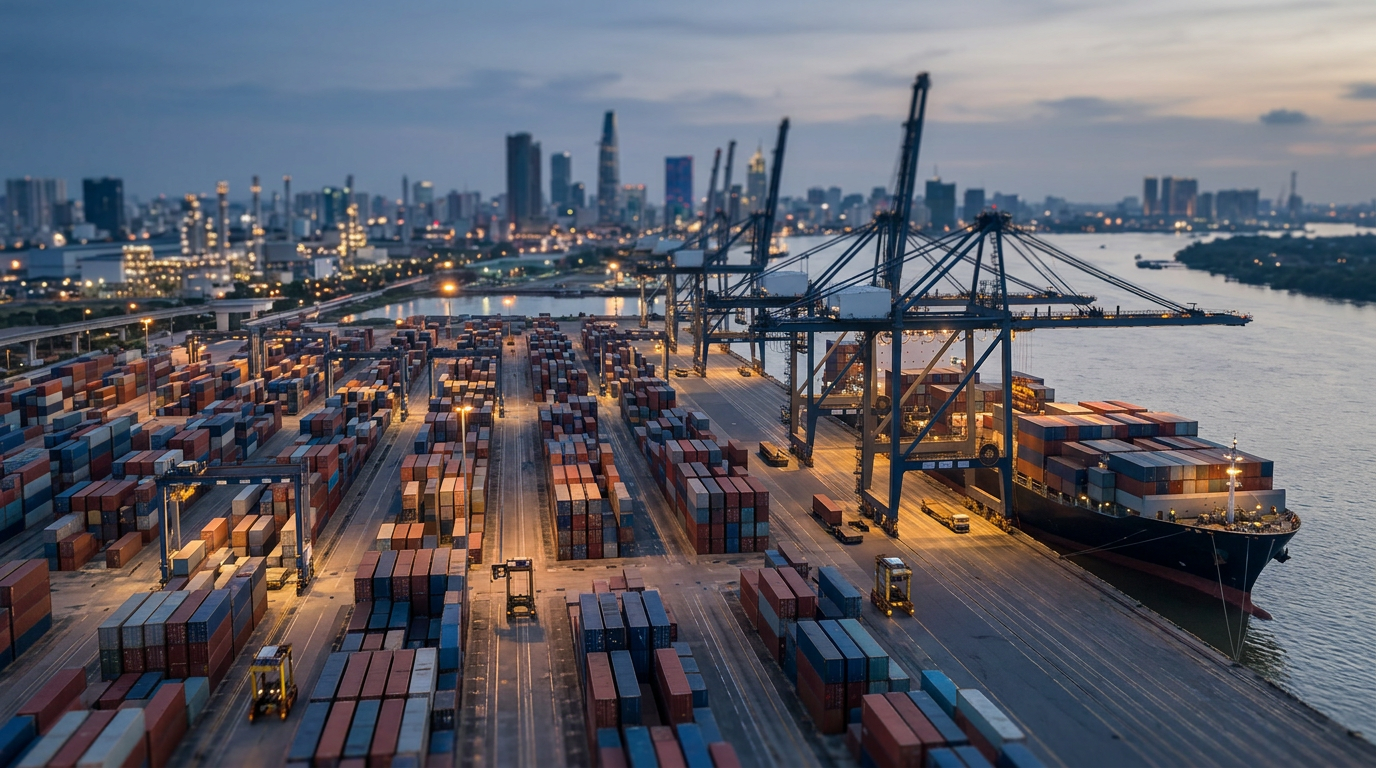 Vietnam
's Logistics Push and the ASEAN Doctrine of Optionality
A recent summit on U.S.-Vietnam trade is more than a routine business event. It is a clear example of a region-wide strategy: managing deep economic dependency on China by building the institutional and physical infrastructure for genuine economic choice.
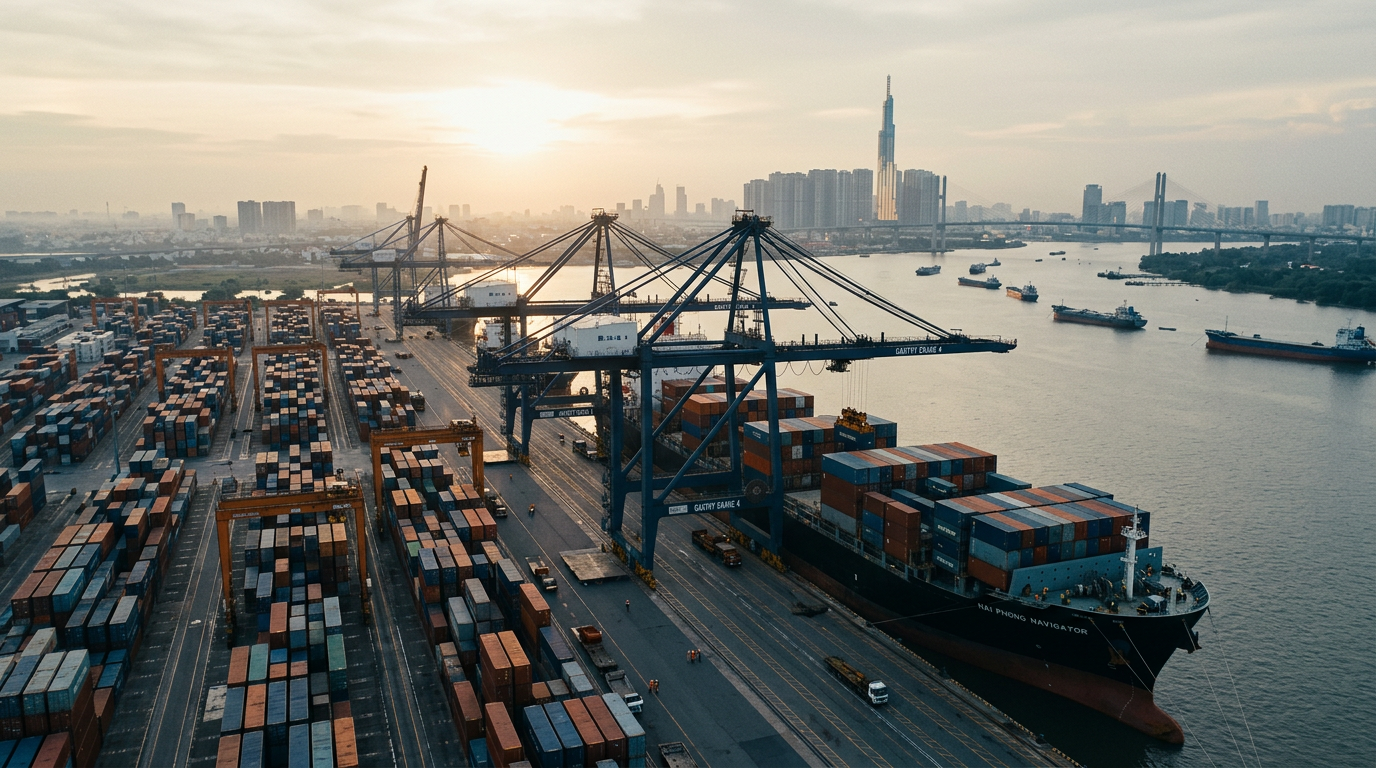 Vietnam
's FDI Boom and the Test of Execution
A surge in foreign investment is welcome news for Vietnam, but turning announcements into tangible assets requires a focus on institutions, infrastructure, and talent.
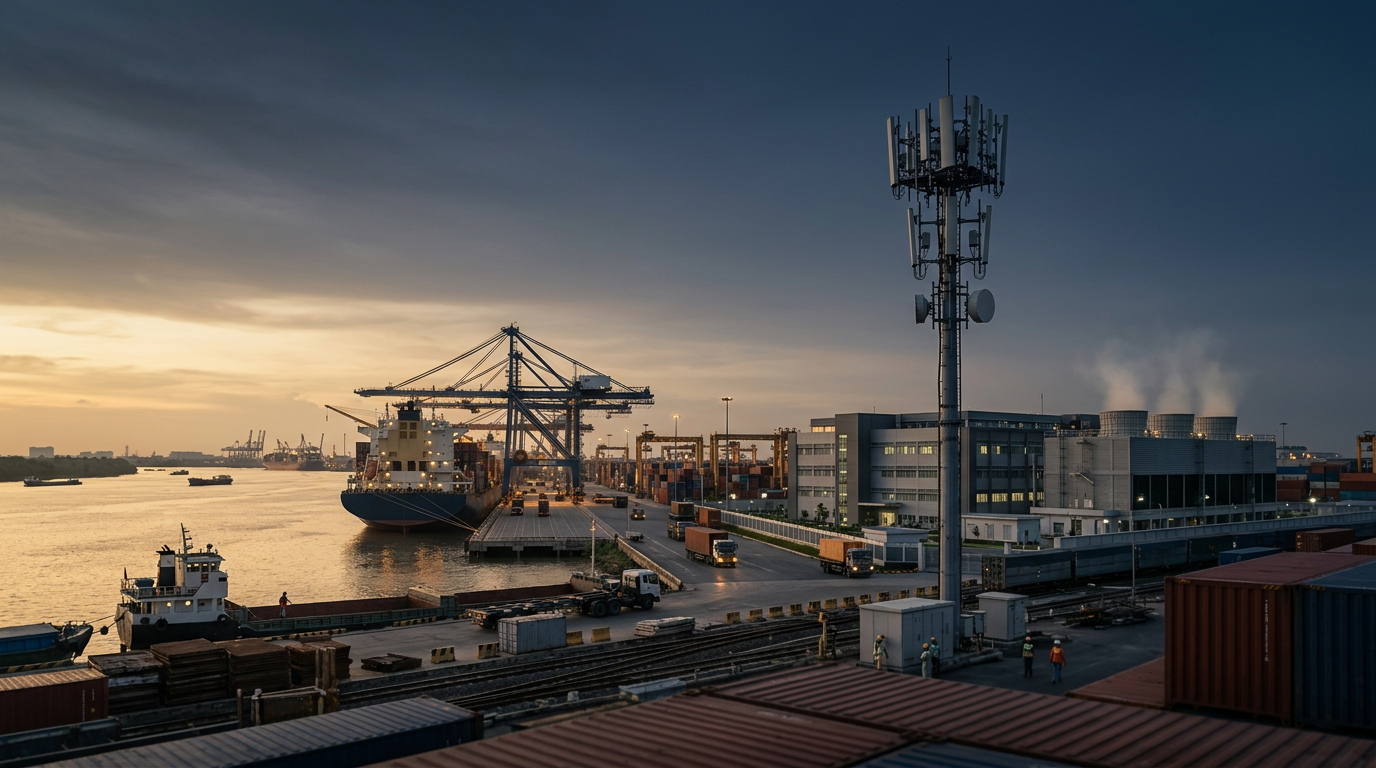 Vietnam
's 6G Push and the Sovereignty Question
Vietnam's national strategy for 6G and AI highlights a broader regional competition over the foundational layers of the digital economy: compute, data, and digital identity.
 Vietnam
's Currency Pressure and the China Question
A strengthening US dollar highlights a structural challenge for Vietnam and its neighbors: how to manage deep economic ties with China while navigating global financial volatility. The answer lies in building institutional resilience and securing economic optionality.