Vietnam
Vietnam's Expressway Plans and the Pursuit of a Usable State
Vietnam is studying a pilot scheme for dedicated passing lanes on its expressways. This seemingly small adjustment is part of a larger, more significant effort to build a usable state with reliable institutions that can deliver infrastructure on time and to specification.
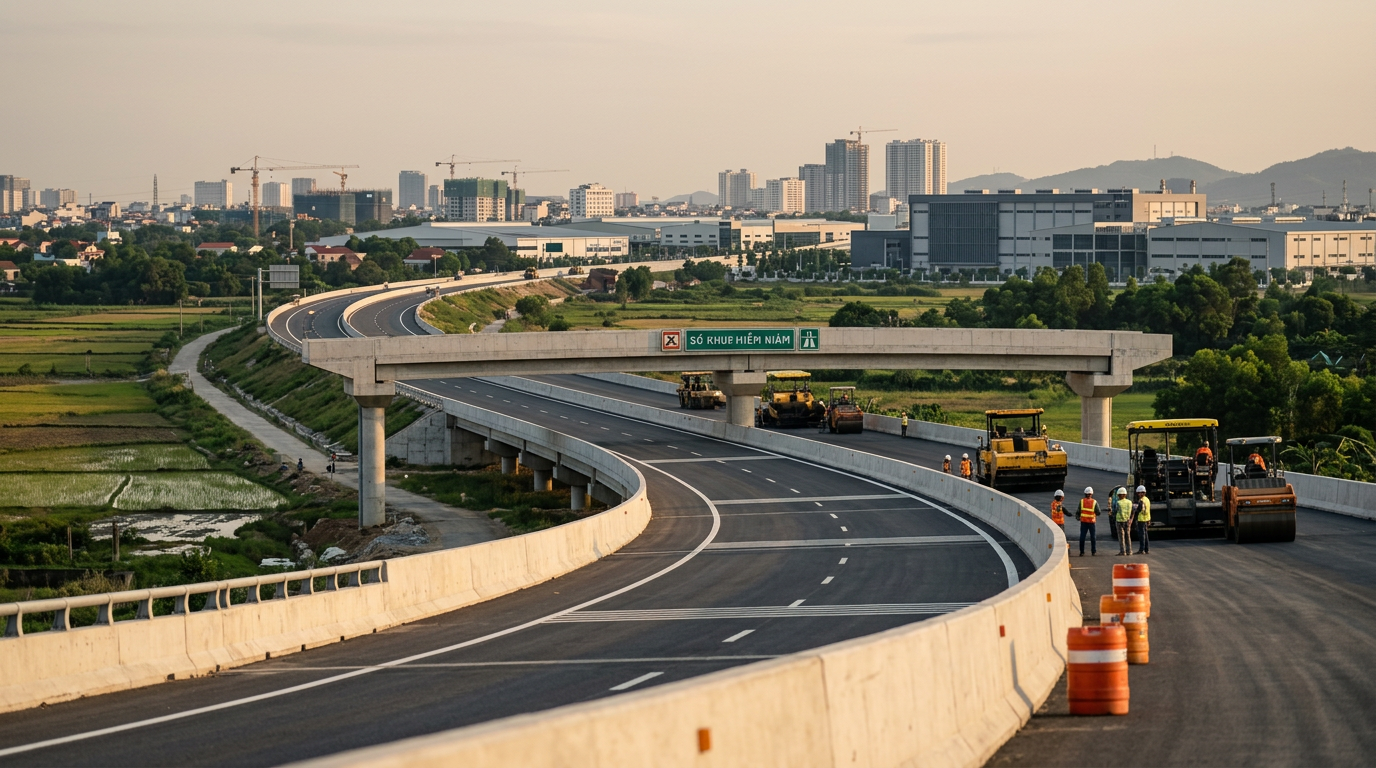
A recent proposal to pilot dedicated passing lanes on Vietnamese expressways is more than a technical adjustment to the highway code. As reported by vietnamnet.vn, the Ministry of Transport is studying a plan to designate the leftmost lane for passing only on certain sections of its expanding national expressway network. This seemingly minor policy refinement reflects a deeper theme in the country's development: the deliberate construction of a state that can effectively execute its plans and manage complex systems.
Infrastructure and Institutions
Vietnam has been clear about its ambition to expand its expressway system to 5,000 kilometers by 2030, a goal that requires immense capital and construction capacity. The passing lane proposal is an early signal that the government is also focused on the operational and institutional software that makes the hardware useful. An expressway system is not merely a collection of paved roads; it is a regulated environment that requires rules, enforcement, and user compliance to function safely and efficiently. The proposal shows an awareness that institutional quality is a core component of infrastructure development.
This focus on execution aligns with a central argument of ASEAN Rising: that a usable state, one that can deliver on its promises, is a significant source of competitive advantage. The book notes that "infrastructure that arrives on time signals more than infrastructure that is merely announced." By tackling the details of traffic management now, Vietnam's Ministry of Transport is demonstrating a commitment to building a truly functional network, not just a map of planned routes. This focus on institutional reliability is a quiet but powerful indicator of state capacity.
The Cost of Friction
The discussion around passing lanes also highlights the economic concept of friction. Inefficiently used infrastructure creates friction in the form of congestion, accidents, and unpredictable travel times. These are direct costs to the economy, impacting logistics, commerce, and public safety. By seeking to optimize traffic flow, the government is trying to reduce this friction. This is a practical application of building a more usable state where systems are designed to be as efficient as possible.
The pilot scheme, if implemented, will test not only driver behavior but also the state's ability to enforce the new rules. The capacity to regulate and ensure compliance is a fundamental aspect of institutional strength. Successfully managing a simple rule-change like a dedicated passing lane builds the institutional muscle needed for more complex undertakings. It is a small-scale, manageable test of the state's ability to implement and sustain a policy, providing valuable lessons for larger infrastructure projects down the line.
What to watch
Observers should monitor the progress of this pilot study, not for its immediate impact on traffic, but for what it says about Vietnam's approach to governance and execution. The key question is whether the proposal moves from study to successful implementation and enforcement. This will offer a small but telling sign of the country's capacity to build the reliable institutions needed to support its ambitious economic growth and infrastructure goals. The outcome will be an indicator of how well Vietnam is building a state that is not just exciting in its ambitions, but usable in its application.