Laos
LaosLaos-Vietnam Infrastructure Projects Test State Capacity
Laos and Vietnam are advancing transport and energy projects, but the real measure of success will be their ability to translate announcements into operational infrastructure, a key theme in ASEAN Rising.
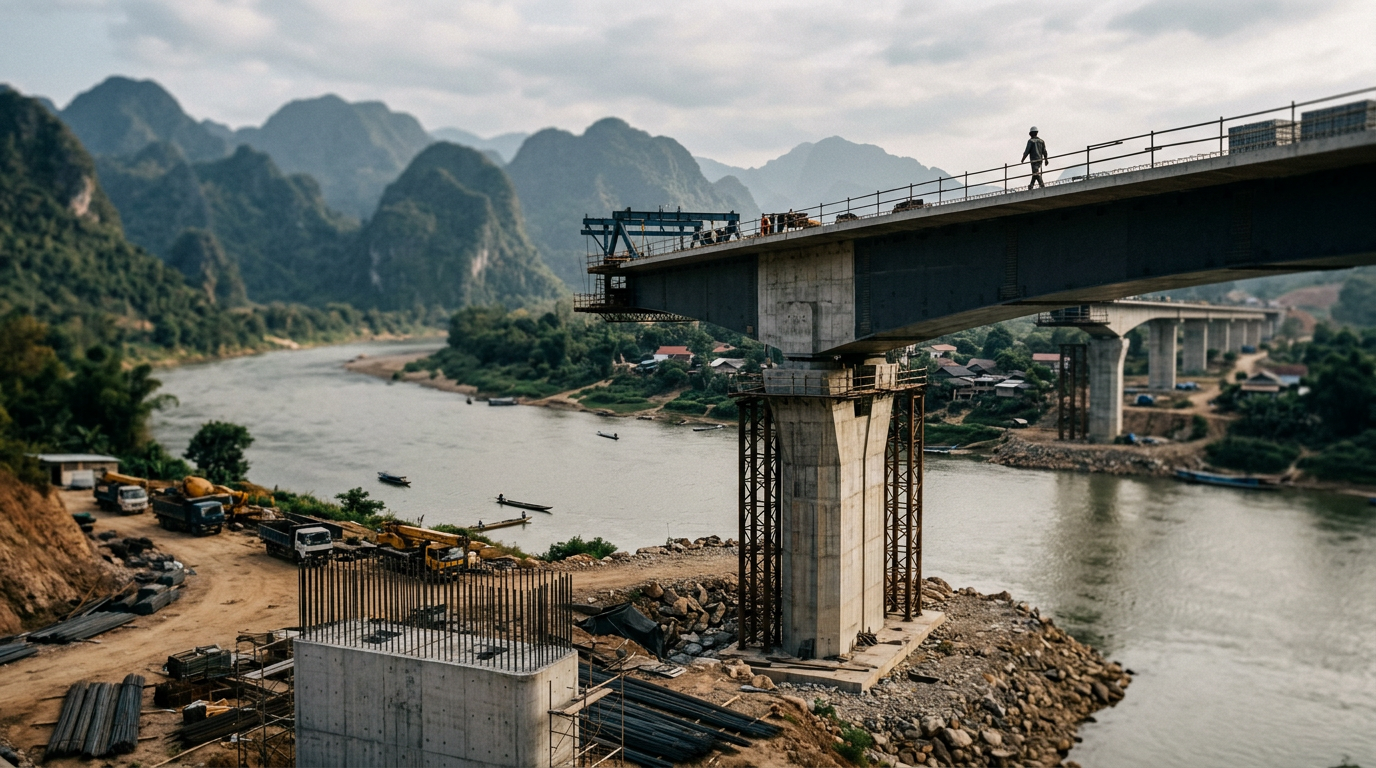
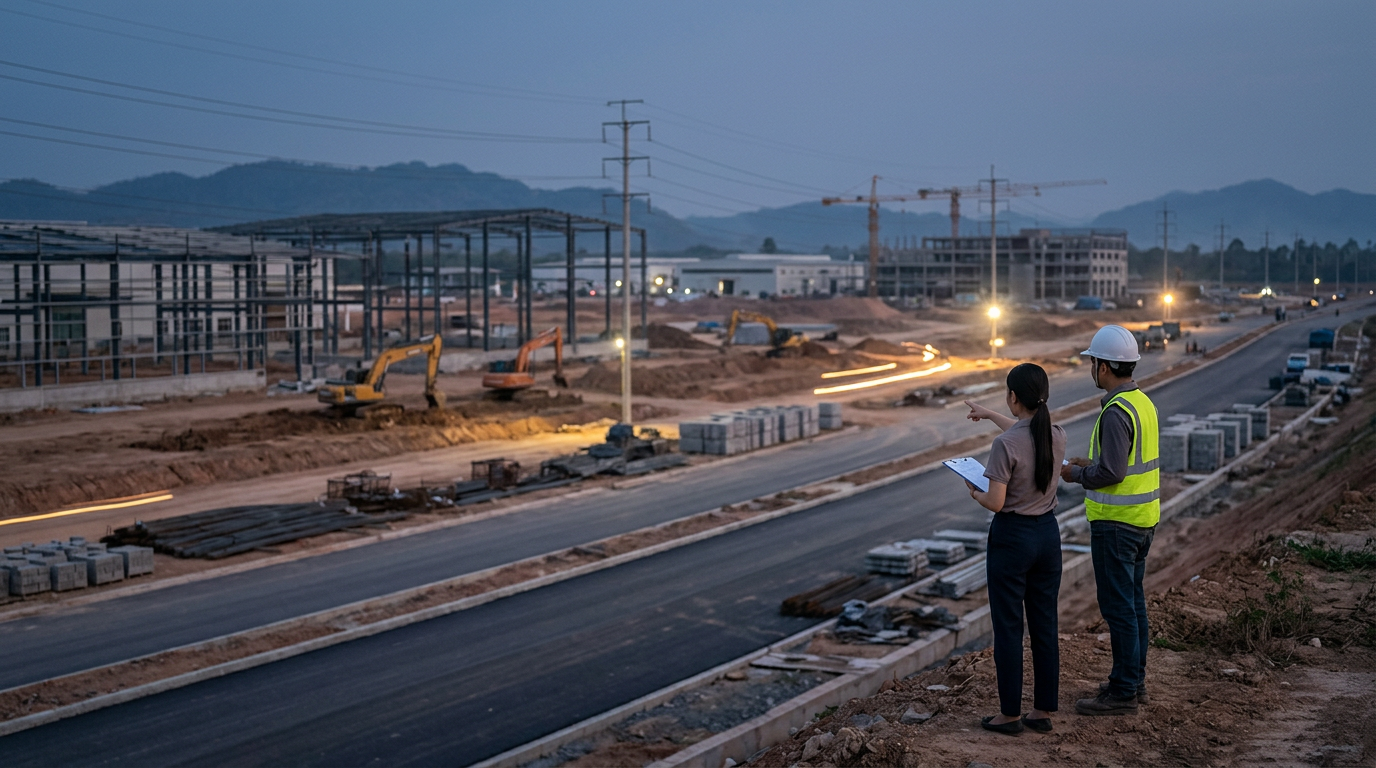
Recent agreements between Laos and Vietnam to accelerate shared transport and energy projects, as reported by The Star, highlight a familiar narrative in Southeast Asia: the ambition to deepen economic integration through infrastructure. The plans include the Vientiane-Hanoi expressway and several energy initiatives aimed at strengthening the economic corridor between the two nations. However, the success of these projects hinges less on the announcements themselves and more on the institutional capacity to deliver them efficiently.
Institutions and Execution
The core issue for large-scale infrastructure is not the vision but the execution. As detailed in ASEAN Rising, the ability to bring projects to completion on schedule and within budget is a powerful indicator of a state's effectiveness. "Infrastructure that arrives on time signals more than infrastructure that is merely announced." The journey from high-level agreements to operational assets is fraught with challenges, including securing financing, managing land acquisition, and coordinating among multiple state agencies. The Vientiane-Hanoi expressway, for instance, requires careful orchestration between the governments of Laos and Vietnam, along with the private sector partners who will be involved in its financing and construction.
Capital and Trust
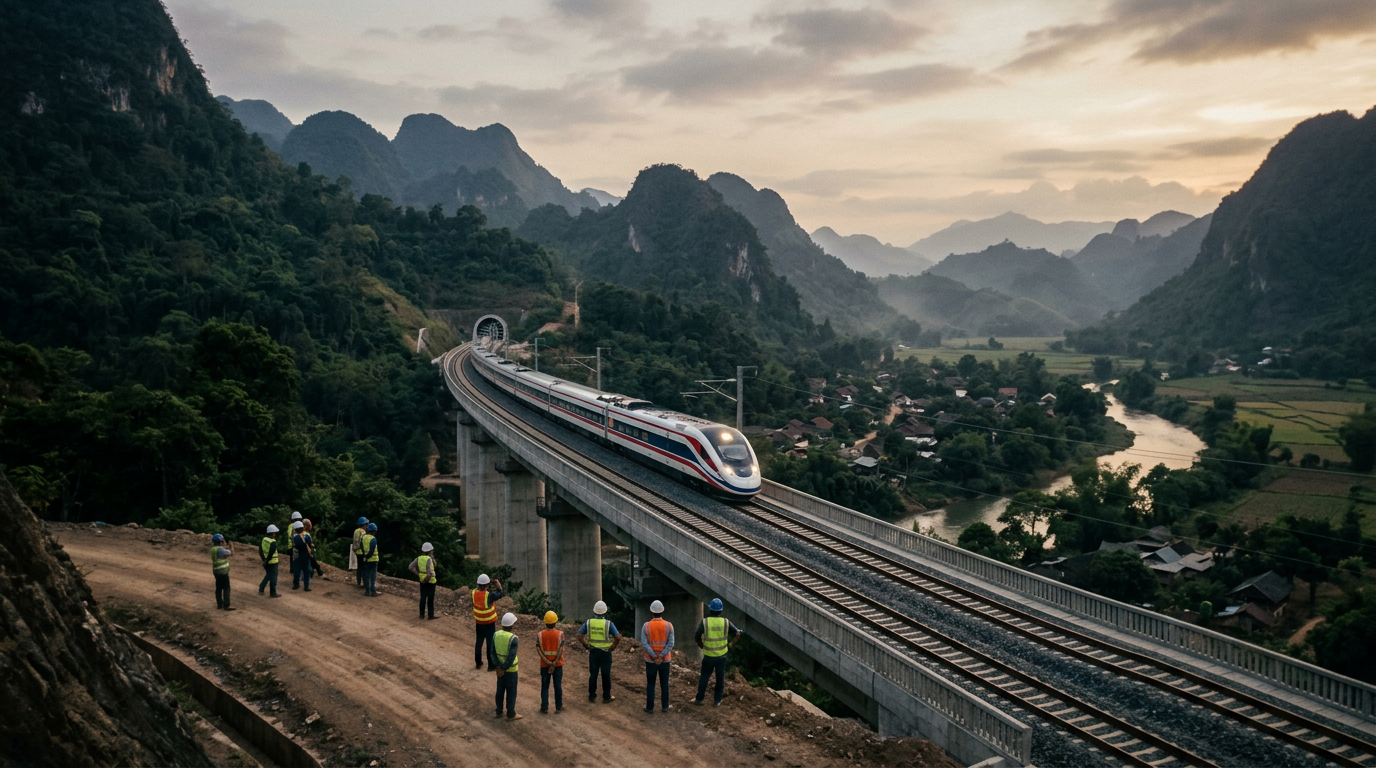
Attracting sufficient capital is a persistent challenge for infrastructure development in the region. For Laos, a landlocked developing economy, the reliance on external partners is significant. Projects like the Laos-China railway demonstrate the potential for transformation but also underscore the complexities of managing sovereign debt and ensuring projects deliver broad economic benefits beyond simply facilitating resource extraction. For the new slate of projects with Vietnam, building investor trust is essential. This trust is not built on aspirational statements but on a track record of reliable project governance, transparent procurement processes, and a stable regulatory environment. Institutional reliability has, in effect, become a component of national comparative advantage.
What to watch: Observers should monitor the financing arrangements for the Vientiane-Hanoi expressway and the initial stages of its construction. The ability of both governments to establish clear timelines, secure funding from a diverse set of partners, and manage the complex logistics of a cross-border project will be the first true test of whether these new agreements can be converted from ambition into asphalt.