Vietnam
Vietnam's Lychee Trade and the China Question
A fall in Vietnam's lychee exports illustrates the complex trade relationship between ASEAN nations and China, where managing dependency is a key theme.
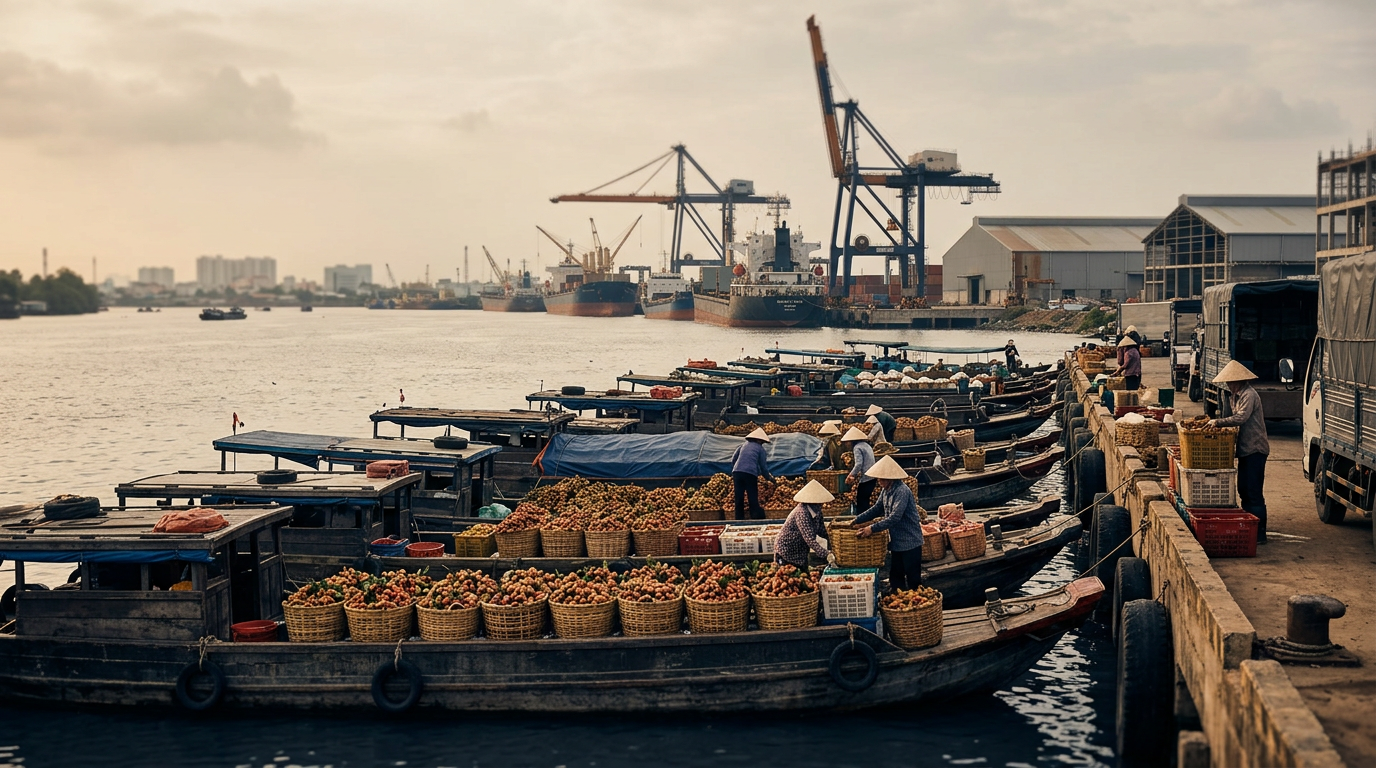
Vietnam's lychee exports, a significant indicator for its agricultural sector, have seen a notable downturn. According to a report from VnExpress International, exports fell by 51% year-on-year to US$16.4 million in the first half of 2026. This decline is attributed to higher domestic prices which have impacted the competitiveness of the fruit in its primary export market, China.
The Price of Proximity
The lychee trade situation highlights a broader pattern for Vietnamese agriculture and, by extension, for many sectors across ASEAN. China remains the largest market for Vietnam's lychees, but this reliance creates vulnerabilities. When Vietnamese lychee prices surged, Chinese buyers reportedly turned to their own domestic supply from regions like Hainan and Guangdong. This immediate shift demonstrates the precarious nature of depending on a single, powerful market, even one that is geographically close and has a strong appetite for ASEAN products. The underlying issue is not one of market access, but of market power. China's ability to substitute domestic products for imports gives it significant leverage over its trading partners.
From Trade Depth to Dependency
This dynamic is a core theme in my book. As "ASEAN Rising" explores, deep trade integration with China is a structural reality for the region. The focus for governments has shifted from seeking engagement to managing the consequences of that engagement. The book notes that "the question for ASEAN governments is no longer whether to engage, but how to manage dependency without losing optionality." The lychee example is a case study in this exact dilemma. Vietnam has benefited greatly from its agricultural exports to China, but this success has also created a dependency that can be exploited, intentionally or not.
Diversification as a Strategy
In response to these challenges, Vietnam has been pursuing a strategy of market diversification for its agricultural products, including lychees. Efforts are underway to increase exports to the US, Japan, and other markets. This is a logical and necessary step to regain some of the "optionality" mentioned in the book. However, diversification is a long-term project. It requires building new trade relationships, meeting different regulatory standards, and establishing new logistics chains. While China remains the default and most scalable market due to proximity and established networks, the risks of over-reliance are becoming increasingly clear. The current downturn in lychee exports serves as a strong reminder that for Vietnam and its ASEAN neighbors, balancing the immense opportunities of the China market with the strategic need for a diversified trade portfolio is a continuous and complex task.
What to watch: Observers should monitor the progress of Vietnam's trade diversification efforts, not just for lychees but across its export portfolio. The ability of Vietnamese exporters to establish a foothold in new, demanding markets will be a significant indicator of the country's long-term economic resilience. Also, watch for any policy adjustments from both Hanoi and Beijing regarding agricultural trade, as this specific sector often serves as a barometer for the wider bilateral relationship and the balance of economic power.