Vietnam
Vietnam's Export Crunch and the China Question
Vietnam's ambitious export targets for the remainder of 2026 highlight a structural challenge for all of ASEAN: how to manage deep, and deepening, trade and investment ties with China.
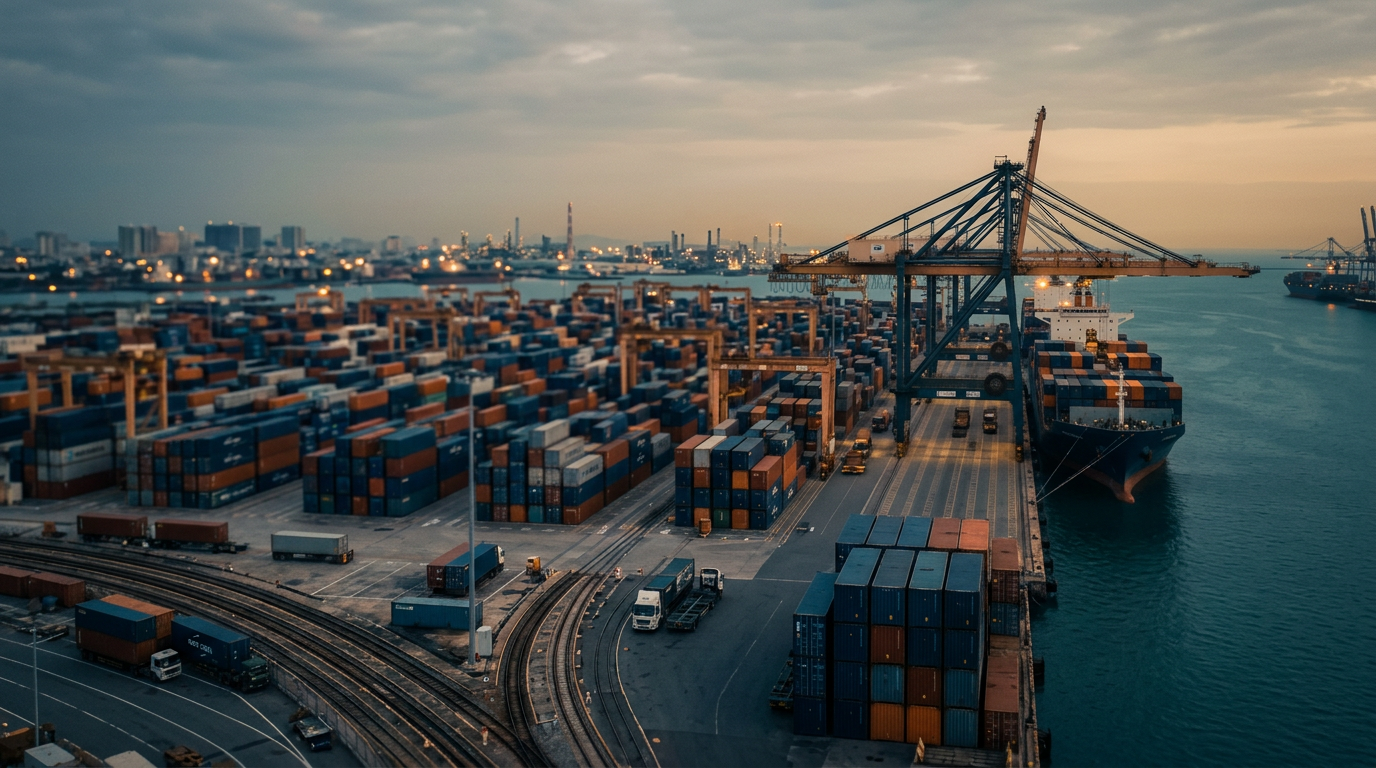
Recent analysis from VnExpress highlights the formidable task ahead for Vietnam, which must generate up to US$231 billion in exports in the last five months of 2026 to meet its annual target. This challenge is amplified by a global environment of persistent trade barriers, rising input costs, and fierce competition in its primary export markets. While the immediate focus is on the numbers, the situation points to a deeper strategic question facing Vietnam and its ASEAN neighbors regarding the structure of their trade, particularly their relationship with China.
The Gravity of the China Trade
China has become the indispensable economic partner for Vietnam and the wider ASEAN bloc. Decades of investment in supply chain integration, logistics, and production have created a powerful gravitational pull. For Vietnam, China is both a critical source of manufacturing inputs and a major market for its finished goods. This dual role makes the relationship both highly beneficial and complex. The export pressure reported by VnExpress cannot be understood without acknowledging this deep integration. Any slowdown or disruption in this intricate economic machinery has immediate and significant consequences for Vietnam's ability to hit its growth targets. As detailed in "ASEAN Rising," this integration is the result of deliberate policy and massive capital allocation over many years, creating a durable economic reality.
Managing Dependency
For policymakers in Hanoi, the focus is shifting from simple engagement to sophisticated management of its economic ties with Beijing. The book "ASEAN Rising" notes that for member states, the question is "how to manage dependency without losing optionality." This is the core of the challenge. Vietnam has actively pursued a "bamboo diplomacy" approach, swaying with the prevailing winds while maintaining firm roots. This involves diversifying its trade relationships, signing new-generation free trade agreements like the CPTPP and EVFTA, and strengthening ties with the United States, Japan, and South Korea. These efforts are designed to create strategic balance and reduce over-reliance on any single partner. The current export drive, however, shows the limits of diversification in the face of structural dependency. The sheer scale of China's economy means that even successful diversification efforts may only blunt, not eliminate, the economic reliance.
Institutions and Infrastructure
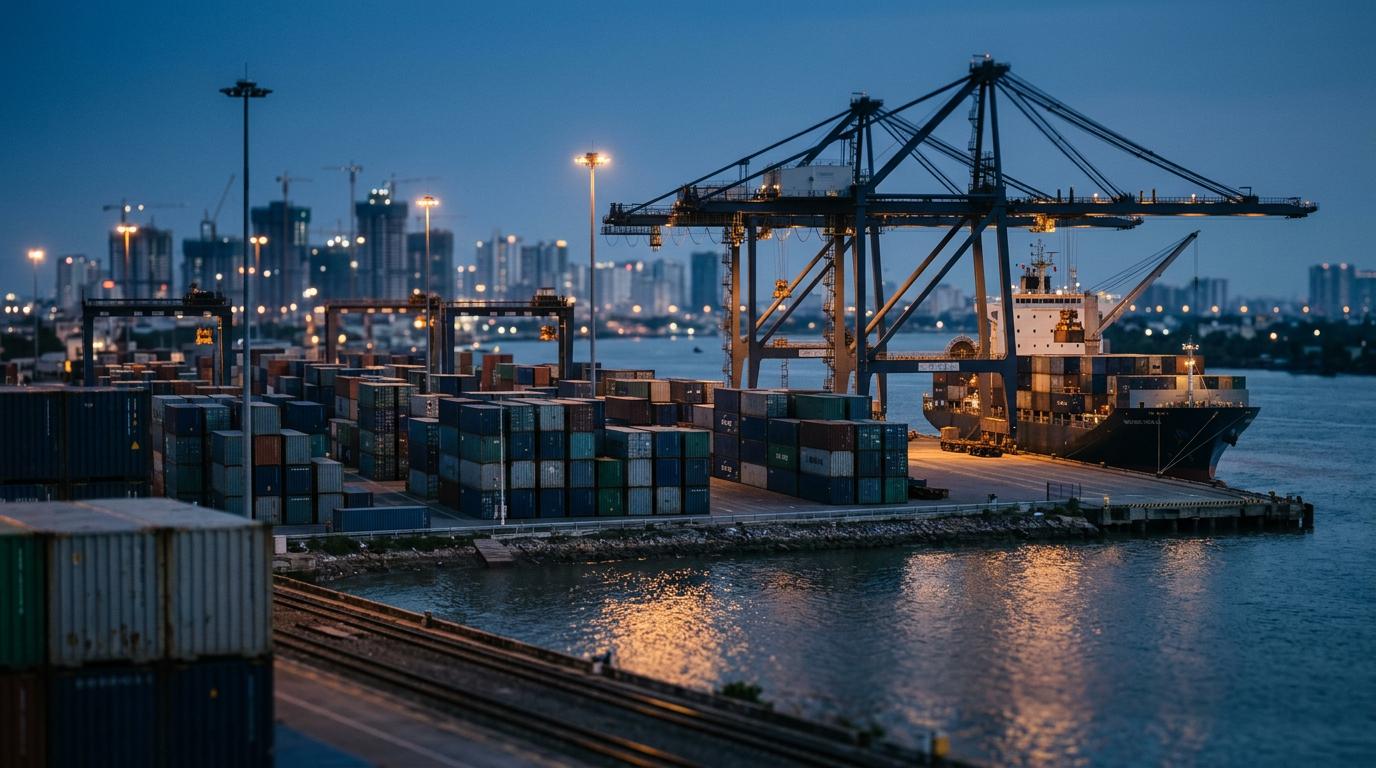
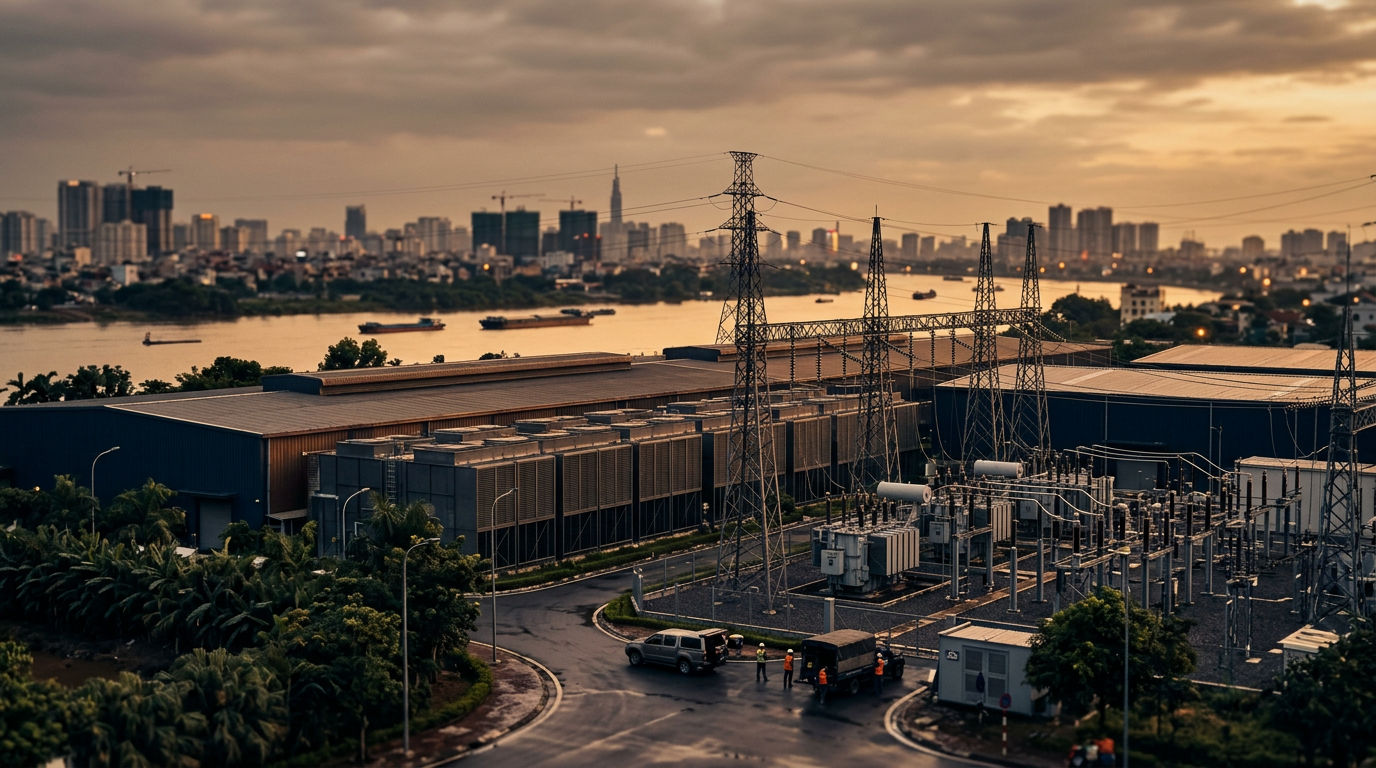
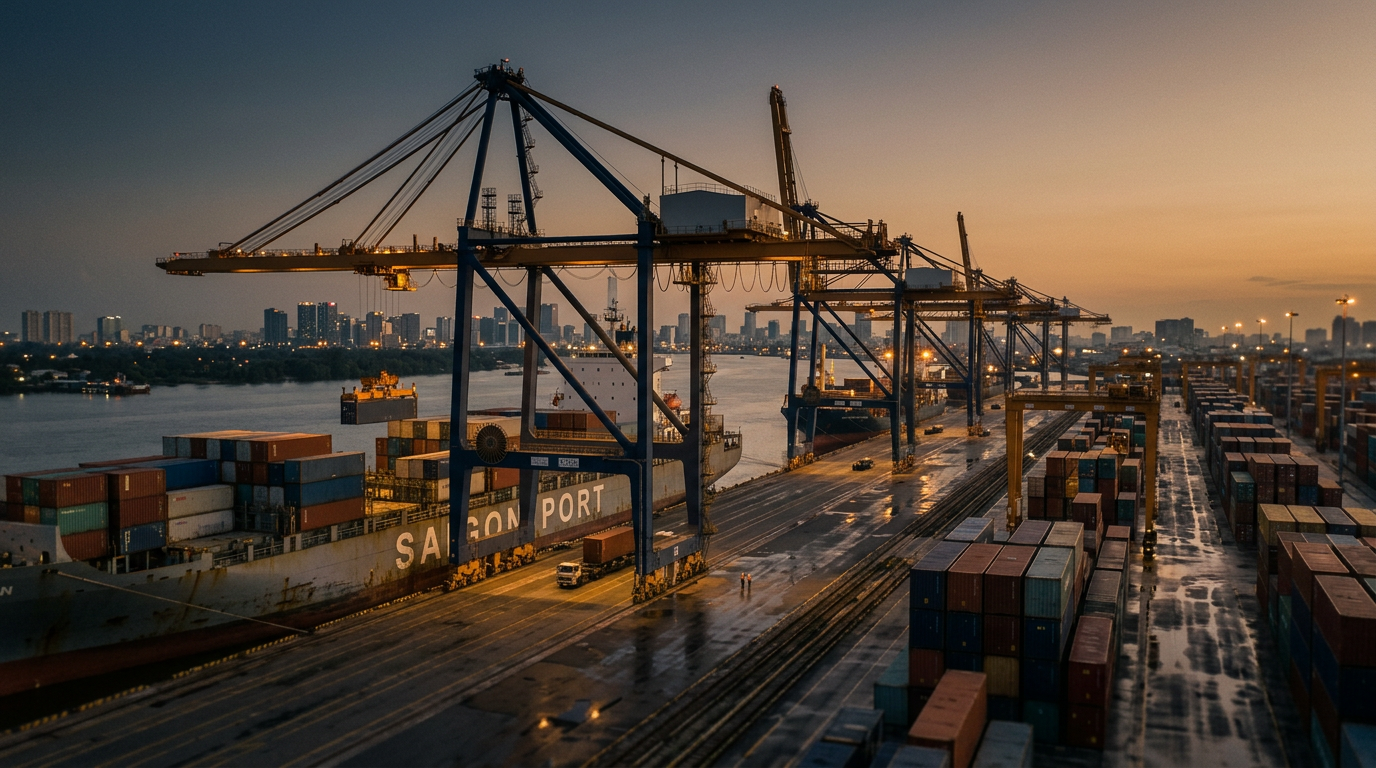
Vietnam's response to this challenge is rooted in strengthening its domestic institutions and investing in infrastructure. Upgrading its industrial parks, ports, and digital infrastructure is essential to moving up the value chain and improving the competitiveness of its exports. By enhancing its physical and institutional capital, Vietnam aims to become a more resilient and attractive node in global supply chains. This includes streamlining customs procedures, improving the legal framework for foreign investors, and developing a more skilled workforce. These are not quick fixes but long-term investments in the country's economic sovereignty. The success of these national efforts will determine how effectively Vietnam can navigate its relationship with China and maintain its economic trajectory.
What to watch: Monitor the composition of Vietnam's exports in the coming months. An increase in the export of high-value goods, such as electronics and machinery, would suggest that its strategy of industrial upgrading is paying off. Conversely, a continued reliance on lower-margin products like textiles and agricultural goods would indicate persistent challenges in shifting its economic structure and managing its deep-rooted trade connections.