Cosco Shipping's Expansion Plans Spotlight ASEAN's Logistical Gaps
The Singapore-based logistics firm's planned investments in Vietnam, Malaysia, and Indonesia reflect a broader regional need for more reliable and integrated infrastructure to support growing trade volumes.
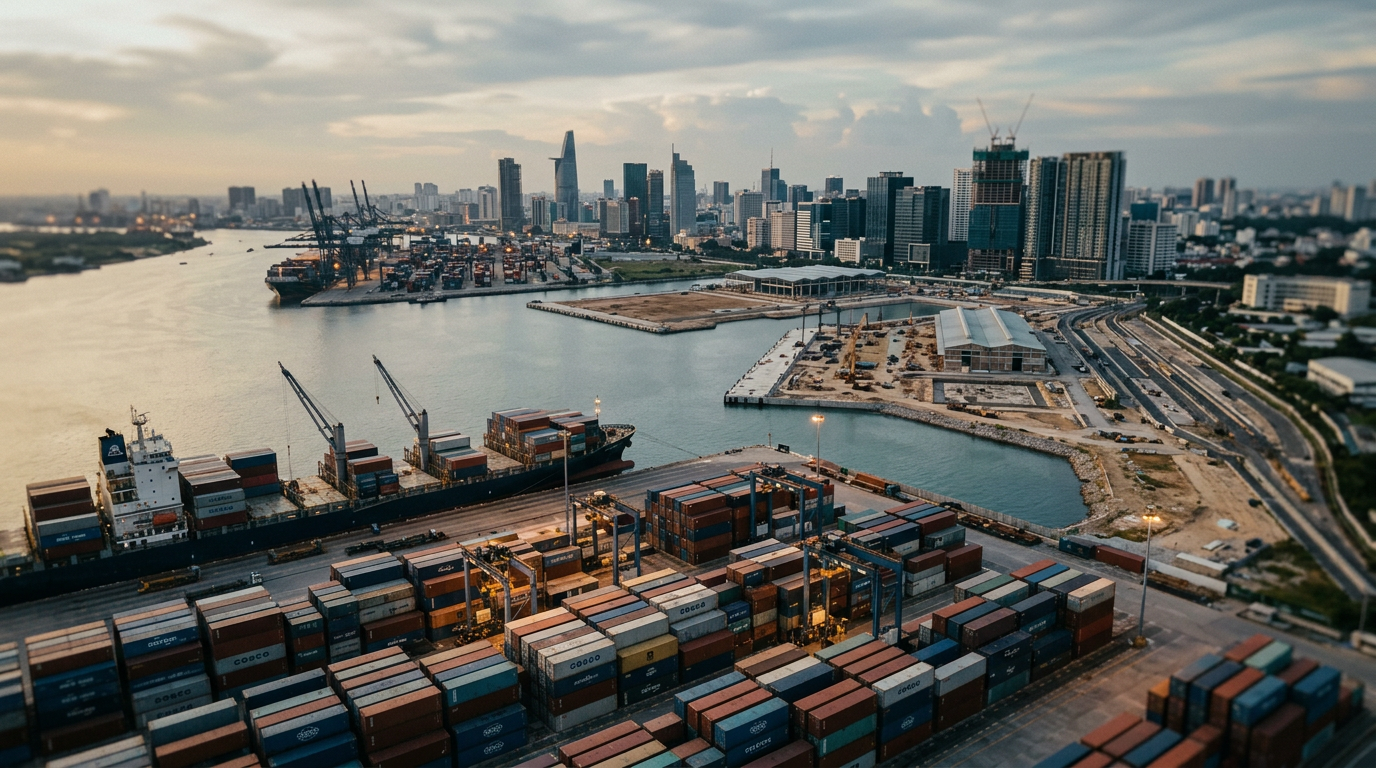
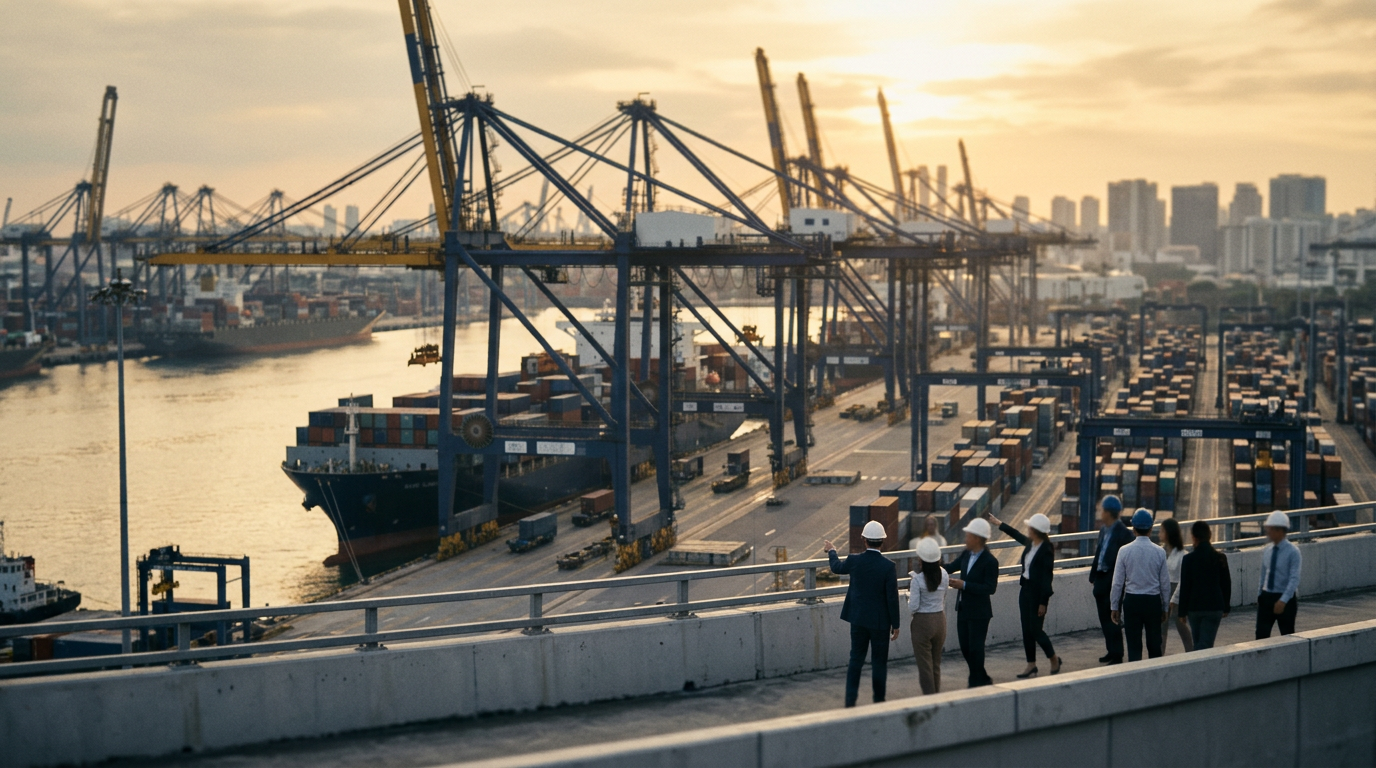
Singapore-based Cosco Shipping International is planning significant investments in Vietnam, Malaysia, and Indonesia over the next three to five years, anticipating a surge in Southeast Asian trade. According to a report from VnExpress International, the company is positioning itself to meet rising demand for logistics and supply chain services across the region.
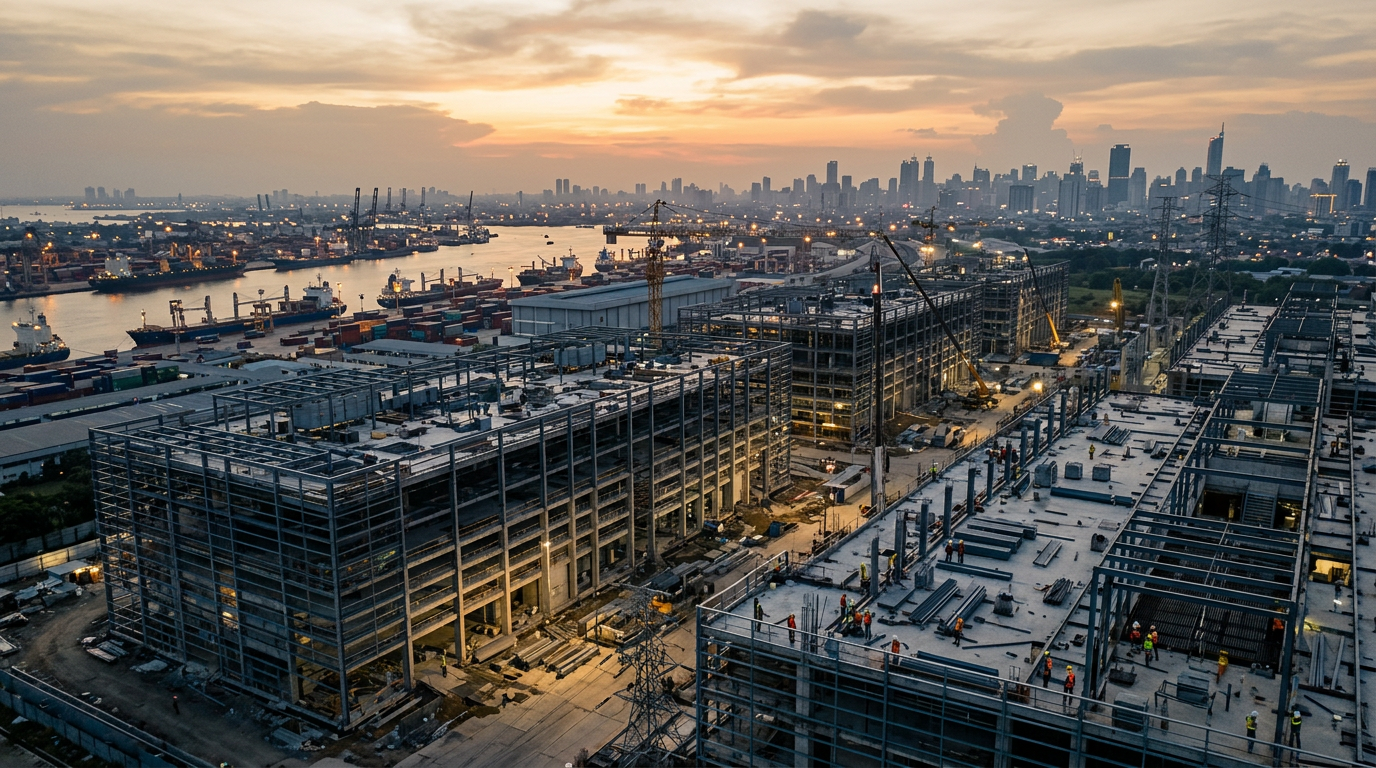
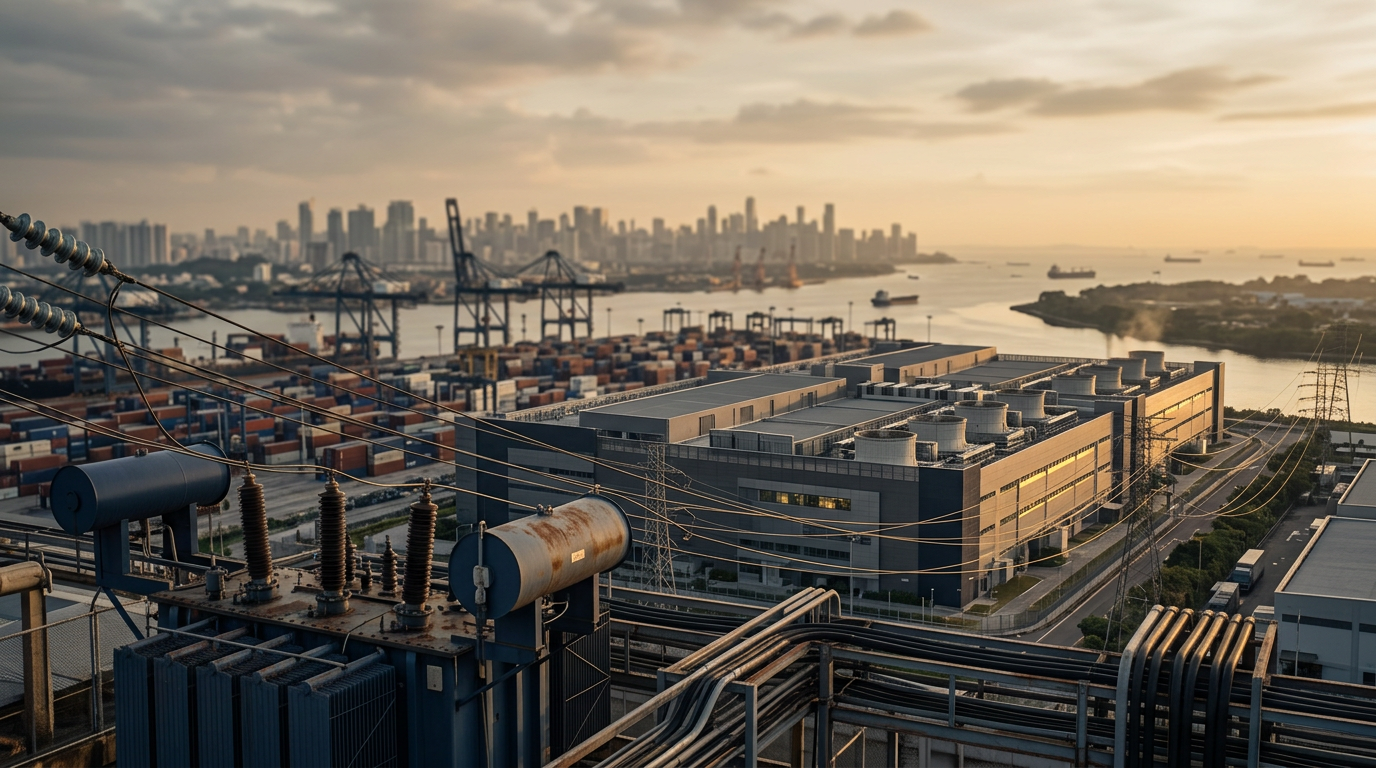
This move by a major logistics player highlights a core theme for the region's economic trajectory: the race to build not just more infrastructure, but better and more reliable infrastructure. The demand is not merely for ports and warehouses, but for an integrated system that reduces friction and lowers the cost of moving goods. Cosco Shipping's focus on these specific markets suggests where private capital sees the most immediate need and opportunity.
Institutions and Infrastructure
Logistics investments are a direct bet on the institutional capacity of a country. A port expansion or a new warehouse network is only as valuable as the regulatory environment that governs it. Efficient customs clearance, predictable regulations, and streamlined cross-border procedures are as much a part of the infrastructure as the concrete and steel. Without them, physical assets underperform and the costs of friction remain high.
As the book "ASEAN Rising" notes, "institutional reliability has become part of comparative advantage." Foreign direct investment in logistics flows toward environments where the state is usable and predictable. The decision by Cosco Shipping to expand in these specific countries is a vote of confidence in their respective governments' ability to deliver a stable operating environment. It signals a belief that these markets can provide the institutional support necessary to justify large capital expenditures.
The Execution Challenge
Announcing infrastructure projects is straightforward; executing them on time and on budget is the true measure of state capacity. The value of Cosco's planned investments will depend on the successful execution of both public and private sector projects. Delays in public works, such as connecting roads or port upgrades, can leave private warehouses stranded and inefficient. Likewise, bureaucratic delays in permits and approvals can stall private projects, leaving market demand unmet.
The challenge for Vietnam, Malaysia, and Indonesia is to ensure that their institutional frameworks can keep pace with their infrastructure ambitions. This means not only building new facilities but also improving the soft infrastructure of laws, regulations, and administrative processes. For investors like Cosco Shipping, a state that delivers on its promises is a valuable partner. An infrastructure project that arrives on time is a powerful signal to the market, attracting further investment and reinforcing a positive cycle of growth and development.
Capital and Competition
Cosco Shipping's investment plan reflects a broader trend of capital flowing into ASEAN's logistics sector, driven by the reconfiguration of global supply chains and the growth of intra-regional trade. As companies diversify their manufacturing bases, the demand for sophisticated logistics to connect these new hubs increases. This creates a competitive dynamic among ASEAN members to attract that investment.
Countries that successfully pair infrastructure development with institutional reform will capture a larger share of this capital. The ability to offer a seamless, low-friction environment for trade is a powerful incentive for international firms. The investments from companies like Cosco Shipping are therefore not just a response to current demand, but a strategic placement of capital in the economies best-positioned to facilitate future trade flows. The returns on these investments will be a barometer of which national strategies are proving most effective.
What to watch: The key indicator of success will be the tangible progress on both public and private infrastructure projects in these target countries over the next 24 months. Observers should monitor not only the groundbreaking of new facilities but also the implementation of policy reforms aimed at trade facilitation. The degree to which governments can reduce bureaucratic friction and deliver on their stated timelines will determine if the anticipated rise in trade demand is met with adequate logistical capacity or with bottlenecks and higher costs.