Vietnam
Vietnam's Durian Boom and the China Trade Equation
Vietnam's durian sector is experiencing a surge in exports to China. While this is a significant economic win, it also brings into focus the long-term strategic questions ASEAN members face regarding their deep trade relationship with Beijing.
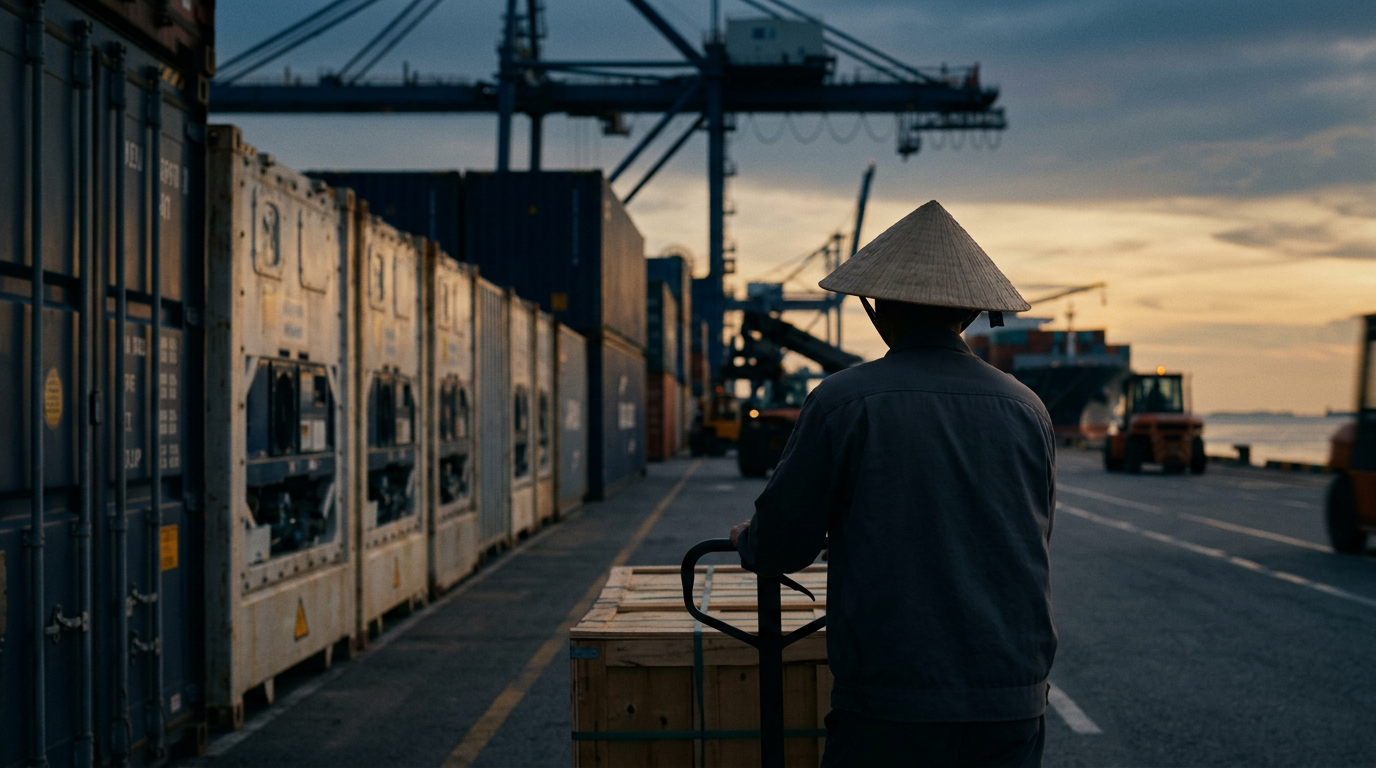
A recent report from VnExpress International projects that Vietnam's durian exports could reach a record $4.5 billion this year. The growth is attributed to expanded market access in China and improved export protocols. This single-product success story illustrates a broader economic reality for many ASEAN members: the immense opportunities and complex dependencies that come with deep trade integration with China.
The Gravity of the China Market
The durian boom in Vietnam is not an isolated phenomenon. Across Southeast Asia, agricultural producers, manufacturers, and service providers are increasingly gearing their operations toward the Chinese market. The sheer scale of consumer demand in China creates economic gravity that is nearly impossible for export-oriented economies to ignore. For a sector like Vietnam's agriculture, gaining official access to this market, as it did for durian in 2022, is transformative, creating jobs and boosting incomes.
However, this dependency comes with risks. Market access can be influenced by non-economic factors, including diplomatic tensions and regulatory shifts in Beijing. A sudden change in import standards or a politically motivated trade barrier could have significant consequences for industries that have become heavily reliant on Chinese buyers. This is not a hypothetical concern; various sectors in other countries have faced similar disruptions in the past. Therefore, while celebrating the short-term gains, governments and businesses must also consider the concentration risk.
Institutions and Infrastructure
To capitalize on the opportunity, Vietnam has invested in the institutional frameworks required for modern trade. The development of phytosanitary protocols and the establishment of traceability systems were prerequisites for gaining official access to the Chinese market for fresh durians. These are the behind-the-scenes, institution-building efforts that turn market potential into actual trade flows. They demonstrate a capacity to execute on complex bilateral agreements.
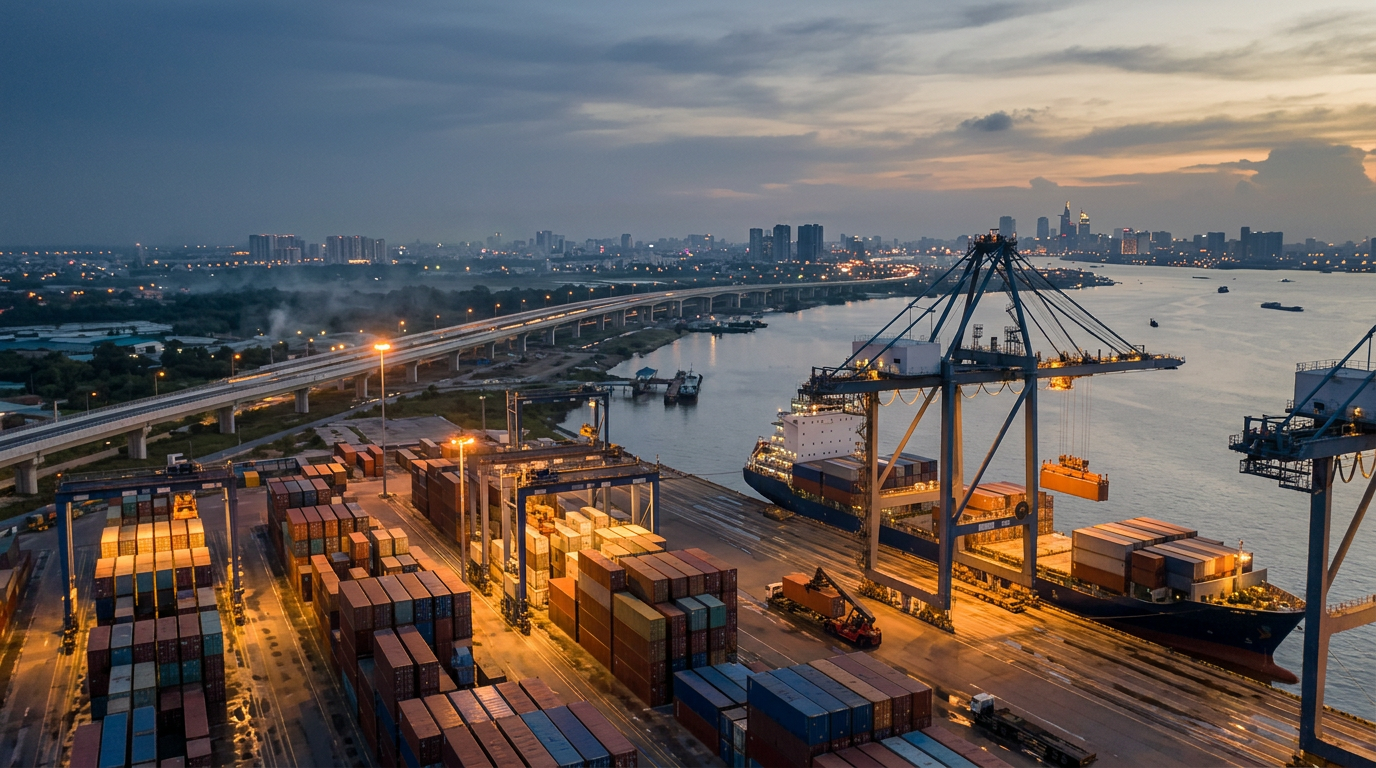
Infrastructure is the other side of the coin. Getting perishable goods like durian from farms in the Mekong Delta to consumers in China requires efficient logistics, including cold storage facilities, reliable road and port networks, and streamlined customs clearance. The surge in exports tests the limits of existing infrastructure and highlights the need for continued investment. Without robust physical and institutional infrastructure, the economic benefits of trade agreements cannot be fully realized.
Managing Dependency
The core issue for Vietnam and its ASEAN neighbors is how to structure their relationship with their largest trading partner. As the book "ASEAN Rising" notes, for member states, the question is "how to manage dependency without losing optionality." The durian trade is a case in point. The economic benefits are clear and immediate, but they also pull the Vietnamese agricultural sector deeper into China's economic orbit. Diversifying export markets for durian and other key products is a logical strategy, but finding markets with the same scale as China is a formidable task.
This is where regional frameworks within ASEAN could play a role, by promoting intra-regional trade and helping members access other international markets collectively. It is about building a portfolio of trade relationships, rather than relying on a single dominant partner. The growth in durian exports is a success, but it also serves as a reminder of the strategic tightrope that ASEAN nations must walk. What to watch
Observe whether Vietnam and other ASEAN agricultural exporters can translate the institutional capacity built for the China market into broader market access. Pay attention to investments in logistics and cold chain infrastructure, as these are leading indicators of a country's ability to support and expand high-value agricultural exports. Also, monitor ASEAN-level discussions on diversifying trade partners and reducing non-tariff barriers within the bloc, as these represent the most direct path to managing dependency on any single external market.