
ASEAN Analysis & Commentary
Every analysis published on ASEAN Rising is sourced, datestamped and signed. We're more interested in being right in 12 months than first in 12 minutes.
Foundation pieces
Start here. The three pieces below set out the lens ASEAN Rising uses to read every story.
ASEAN Rising's core lens. Execution Economics is the study of whether countries, companies and institutions can convert obvious potential into delivered outcomes - and which six pillars decide the answer.
The region has capital, demographics, location and policy ambition. None of that has ever been the binding constraint. The next decade is an execution test, not a potential test - and it is already being scored.
Malaysia is the test case for whether ASEAN's middle powers can turn FDI, semiconductors and data centres into compounding domestic capability. Read the live coverage and execution scorecard.
Analysis tagged #philippines

 Philippines
Manila Cruise Port Plan Moves to Feasibility Study
A plan to build a new cruise port in Manila is advancing, but the true test lies in its execution. For the Philippines, delivering infrastructure on time is more valuable than just announcing ambitious projects.
 Philippines
Manila's Cruise Port Plan and the Value of a Usable State
A planned P5-billion cruise port in Manila highlights the difference between announcing infrastructure and delivering it, a core theme in ASEAN's development.
 Philippines
The Philippines: From Digital Divide to Investable Depth
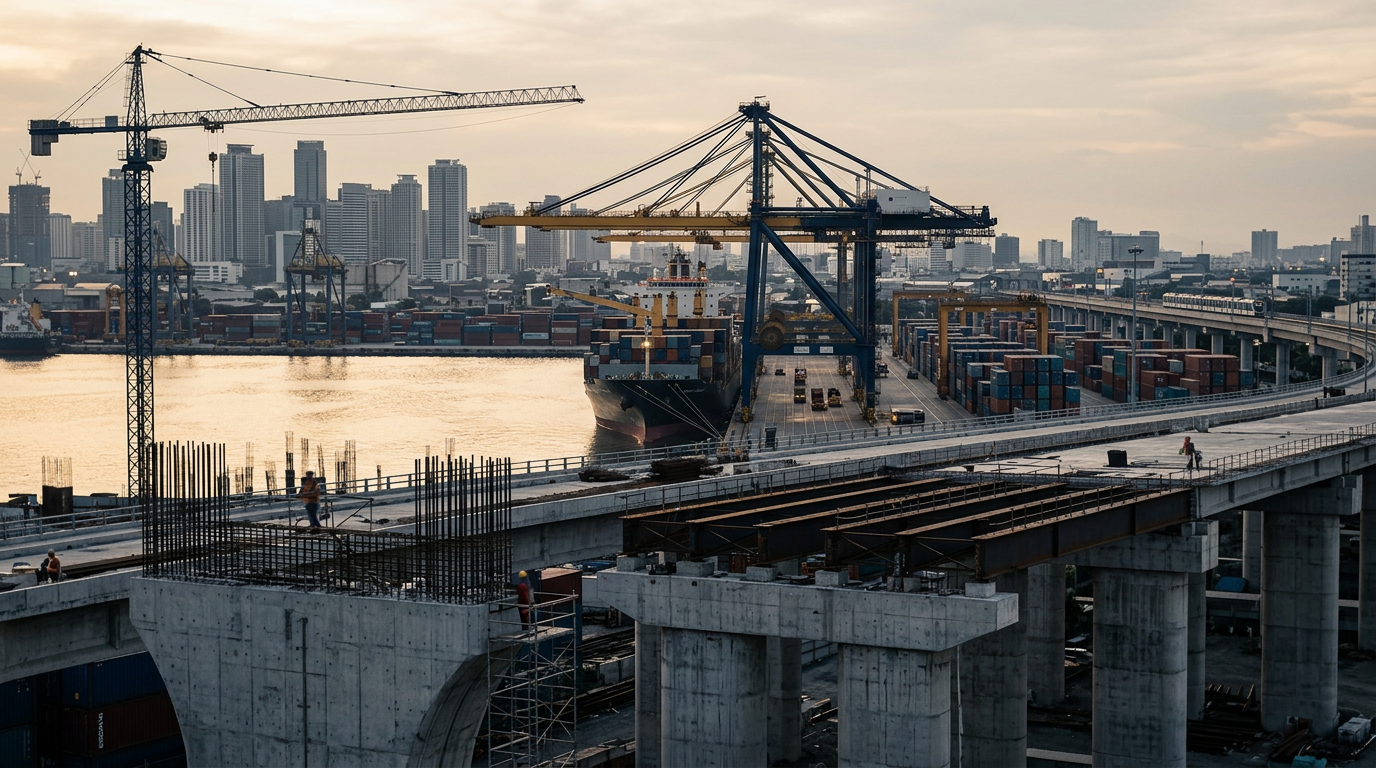
A recent internet outage spared subscribers of one Philippine provider, highlighting the growing importance of resilient digital infrastructure for the archipelago nation. While foreign direct investment announcements are easy, turning them into reality requires concrete steps.
 Philippines
The Philippines: Bank Credit, State Capacity, and the Cost of Friction
A usable state is often more valuable than an exciting one. Infrastructure that arrives on time signals more than infrastructure that is merely announced.
 Philippines
The Signal Value of Infrastructure That Arrives On Time
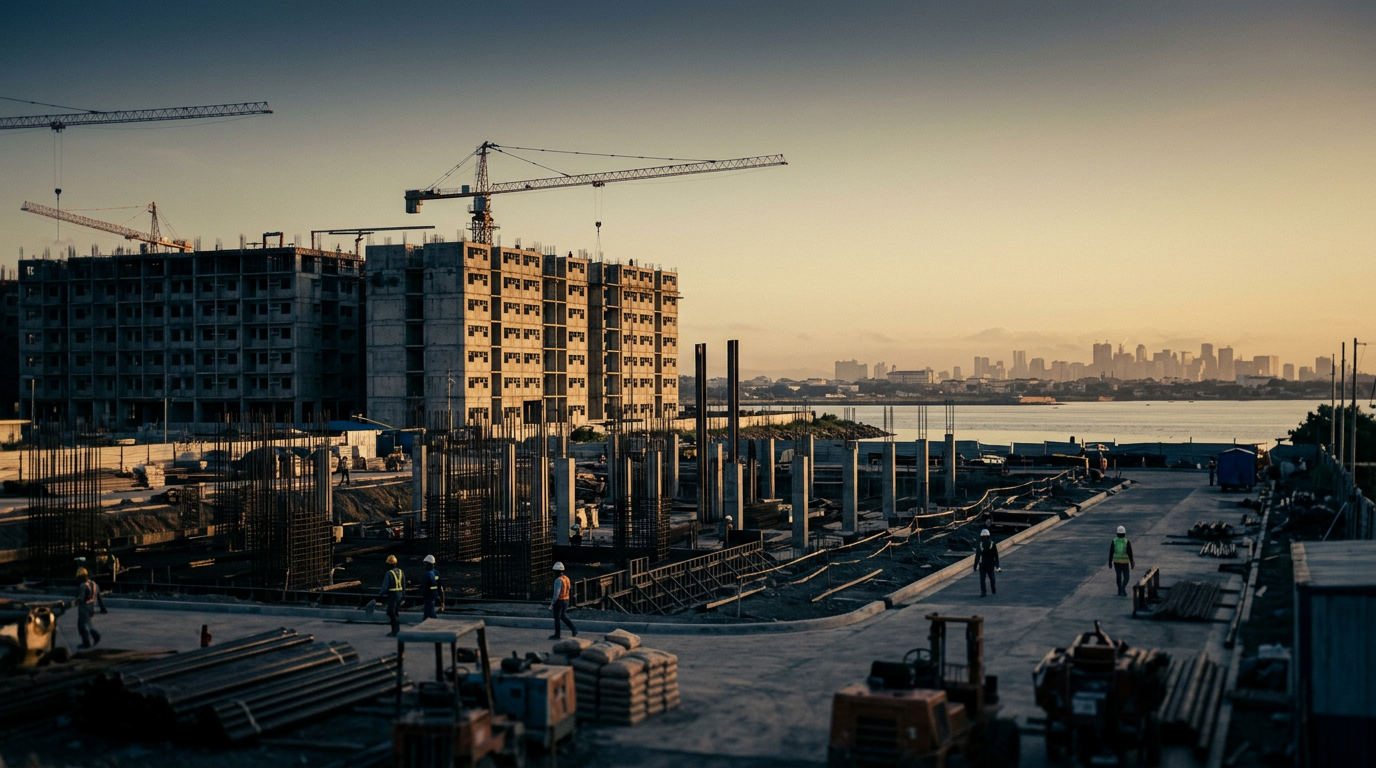
In the Philippines, the rapid progress of a public-private housing project in Cavite demonstrates the growing importance of institutional reliability and execution in driving ASEAN's competitive advantage.
 Philippines
The Philippines: Capital for Water Infrastructure
A follow-on share offer by a listed Philippine water company highlights the nation's challenge in delivering reliable infrastructure.
 Philippines
Philippine Real Estate and the Value of a Usable State
The expansion of Arthaland's sustainable project portfolio is a small-scale test of whether the Philippines has the institutional capacity to deliver infrastructure on schedule.
 Philippines
The Philippines' Data Industrial Complex
Toshiba's expansion of its hard disk drive manufacturing in the Philippines is a positive indicator, but the long-term success of the country's industrial ambitions depends on a deeper integration of infrastructure, talent, and institutional execution.
 Philippines
Robinsons Hotels and Resorts Award Signals Deeper Trends in Philippine Hospitality
An award for Robinsons Hotels and Resorts points to a deeper story about institutional capacity and its role in translating tourism growth into durable economic gains.
 Philippines
The Philippines Confronts Digital Scams
Caller ID apps are a private sector solution to a public sector problem, but a sustainable solution requires institutional heft.
 Philippines
 Tourism: Hotels Are Ready, But Is the Infrastructure?
The Philippines hospitality sector is winning awards, but the country needs more than just great hotels to attract and retain tourists.
 Philippines
Tourist Arrivals and Investable Depth in the Philippines
The Philippine hospitality sector is expanding, but turning tourist arrivals into durable, long-term investment requires more than new hotels. It requires a focus on the institutional capacity to deliver infrastructure, power, and talent.
 Philippines
Digital Trust in the Philippines: More Than Just an App
A campaign by a caller ID app in the Philippines puts a spotlight on the deeper issue of digital trust and institutional reliability in a rapidly growing economy.
 Philippines
Philippine Tourism: From Accolades to Assets
An award for a major hotel group is a positive signal. But converting tourism acclaim into durable economic growth requires a focus on institutions, infrastructure, and execution.

 Brunei
The Price of Mistrust: Scams and State Capacity in the Philippines
Digital trust is not a luxury, it is a core component of a modern economy. The government's ability to create a secure digital environment is a test of its capacity to deliver essential services.
 Philippines
: Hospitality Accolades Meet Investment Realities
The Philippine hospitality sector is winning awards, but the larger test is turning this into sustained, deep investment flows.
 Philippines
The Philippines' Hospitality Win and the FDI Test
The Philippines' Robinsons Hotels and Resorts was named the country's Leading Hotel Group, a welcome sign for its tourism sector. But turning awards into durable foreign investment requires strengthening the institutional capacity to deliver.
 Philippines
The Philippines Confronts Digital Scams
A popular app in the Philippines for identifying unknown callers highlights a growing challenge across ASEAN: building institutional trust in the digital economy.
 Philippines
Tourist Arrivals and Philippine Hotel Investment
Tourist arrivals are up, but hotel investment faces familiar headwinds. Turning tourist numbers into investable hotel properties requires land, permits, power, and talent.
 Brunei
The Infrastructure of Trust: Digital Security in the Philippines
In the Philippines, a new campaign by caller ID service Whoscall highlights the trust gap in digital communications, a problem that extends to the physical infrastructure challenges across Southeast Asia.
 Brunei
The Digital Trust Deficit: A Test for Philippine Institutions
The rise of digital scams in the Philippines, highlighted by a new public awareness campaign, exposes a critical deficit in institutional trust that extends beyond the digital realm.
 Philippines
The Philippines Confronts Digital Scams
The launch of a new anti-scam campaign by a caller ID application in the Philippines highlights the growing need for digital safety and robust institutions to combat online fraud.
 Brunei
The Quiet Foundation of Trust in the Digital Economy
Digital trust is not a given. It is built on reliable institutions and the capacity of the state to protect its citizens from digital harms like scams and fraud.
 Philippines
The High Cost of Digital Friction
A new campaign against phone scams in the Philippines highlights the economic cost of low-trust digital environments and the need for more reliable institutions.
 Philippines
The Unseen Infrastructure of Trust in the Philippines
Digital trust is a form of infrastructure. For the Philippines, rebuilding it is as important as any physical project.
 Philippines
The Infrastructure of Trust
A caller ID app in the Philippines illustrates the value of institutional reliability in the digital economy. The fight against scams is not only about consumer protection but also about building a usable state that can underpin commerce and deliver services efficiently.
 Brunei
The Infrastructure of Trust
In the digital economy, institutional reliability is a source of comparative advantage. A usable state is often more valuable than an exciting one.
 Philippines
Digital Trust as National Infrastructure
The Philippines is trying to fight a rising tide of digital scams. But individual solutions can only go so far without institutional support. What happens when trust in communications breaks down?
 Philippines
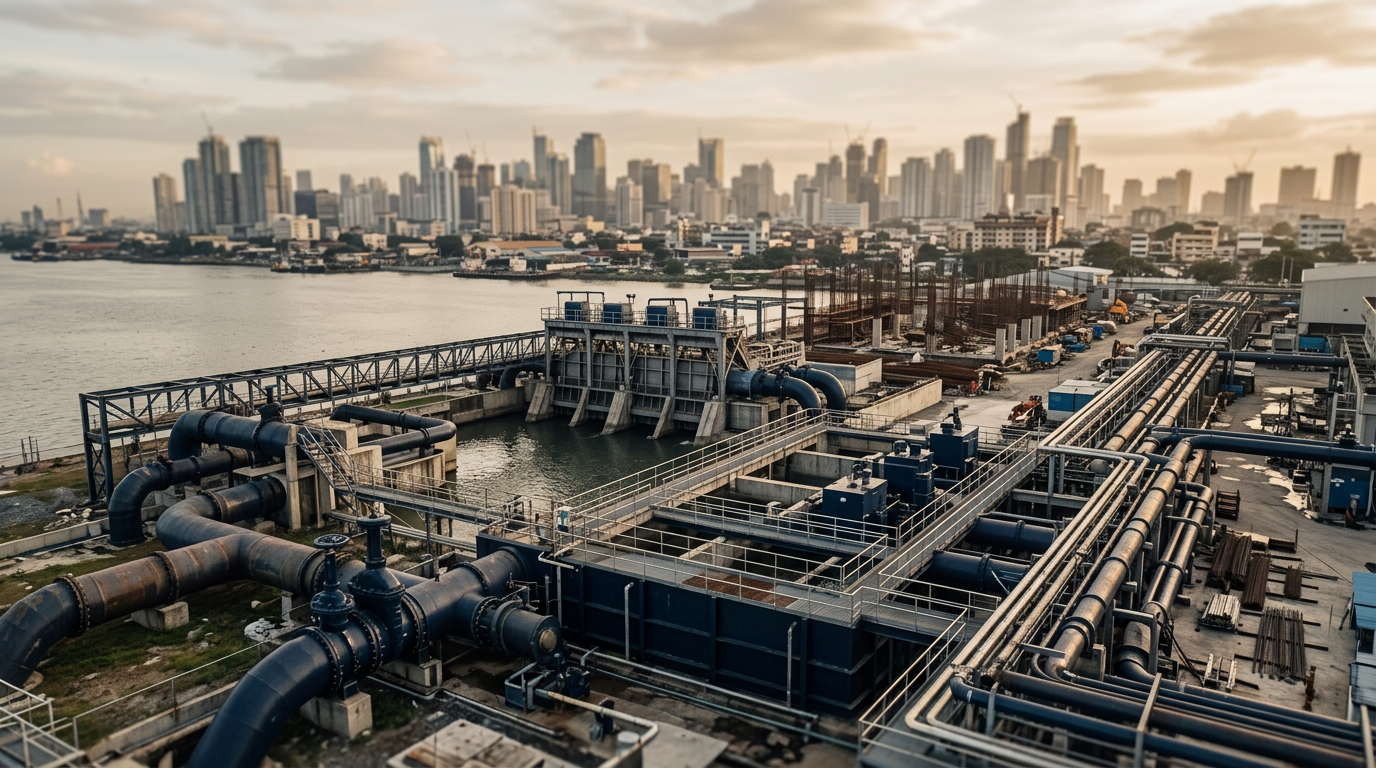
 Water Infrastructure and the Value of a Usable State
A planned P1.8 billion share offer by a Philippine water utility highlights the importance of reliable project execution over mere announcements.
 Philippines
Philippine Water Projects Highlight the Value of Execution
A planned P1.8 billion share offer for water infrastructure in the Philippines shows how reliable state capacity and timely execution are becoming a key part of regional comparative advantage.
 Philippines
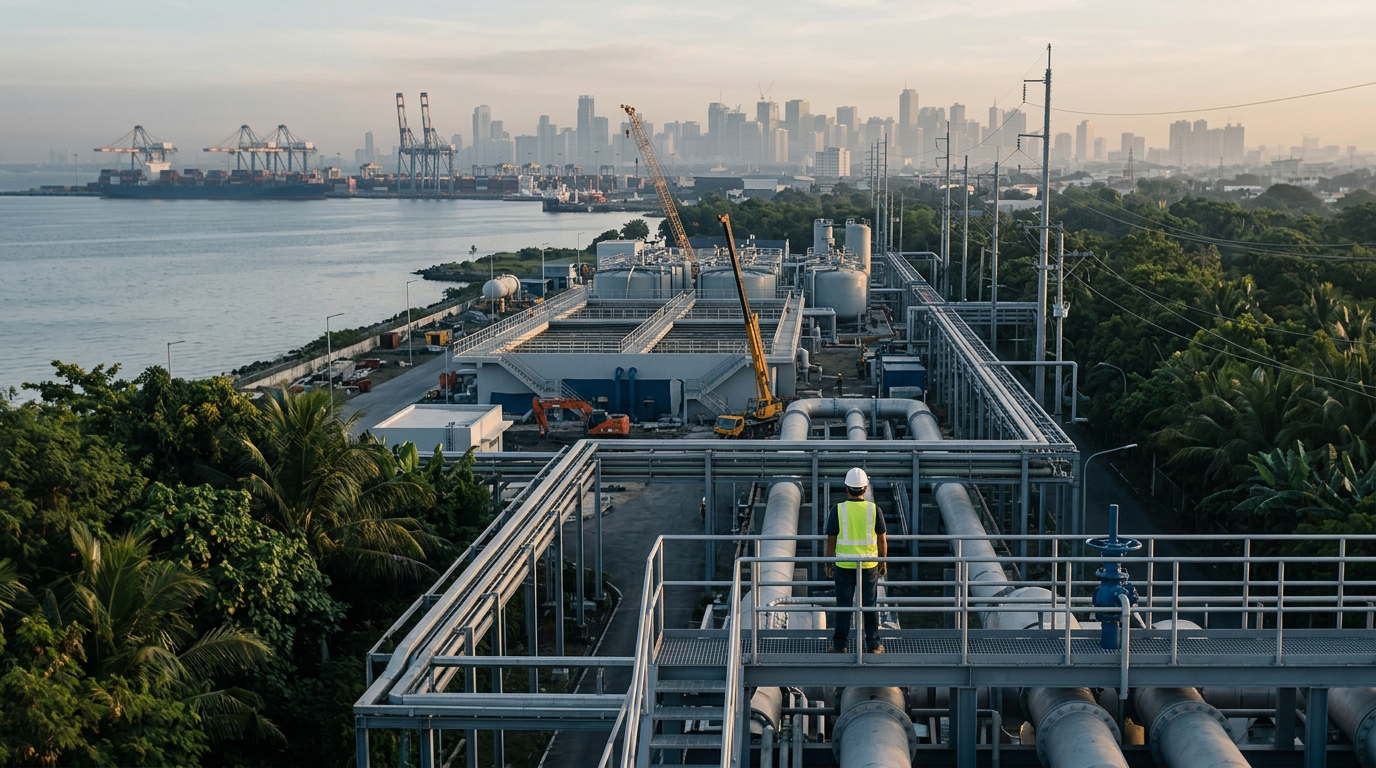
The Price of Water in the Philippines
A planned P1.8 billion share offer by Tubig Pilipinas highlights the slow, capital-intensive work of building basic infrastructure. For the Philippines, the capacity to execute matters more than ambitious announcements.
 Philippines
The Price of Water in the Philippines
A planned P1.8 billion share offer by a Philippine water company shows how private capital is filling the country's infrastructure gap, and the risks that come with it.
 Philippines
 Water Infrastructure and the Value of a Usable State
A planned P1.8 billion share offer by a Philippine water company highlights the capital-intensive nature of infrastructure development and the value of reliable execution over mere announcements.
 Philippines
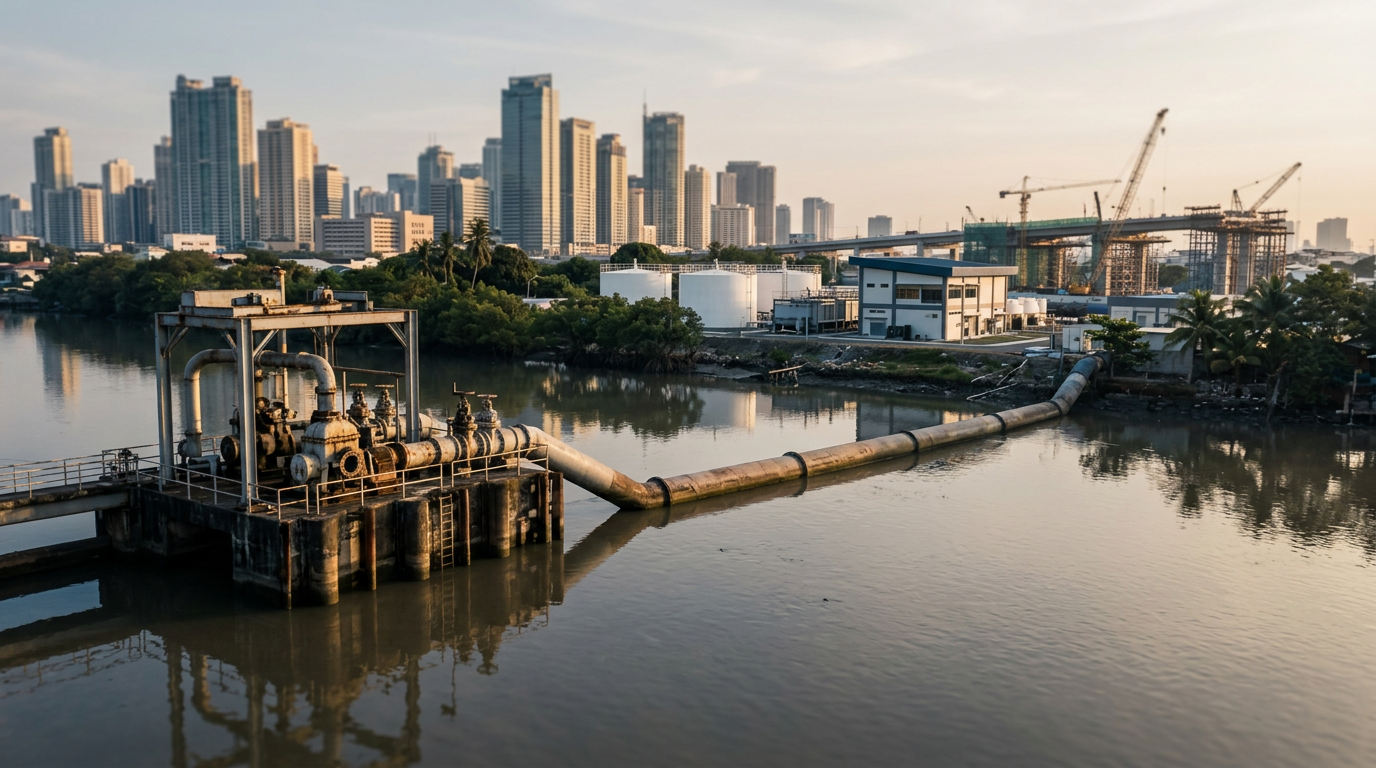
The Price of Water: Capital and State Capacity in the Philippines
A planned P1.8 billion share offer by Tubig Pilipinas highlights the deep connection between private capital and the state's ability to deliver basic infrastructure like clean water.
 Philippines
 Water Infrastructure: Capital Meets Capacity
A planned P1.8 billion share offer from a Philippine water utility highlights the connection between private capital and the state's ability to deliver basic services.
 Philippines
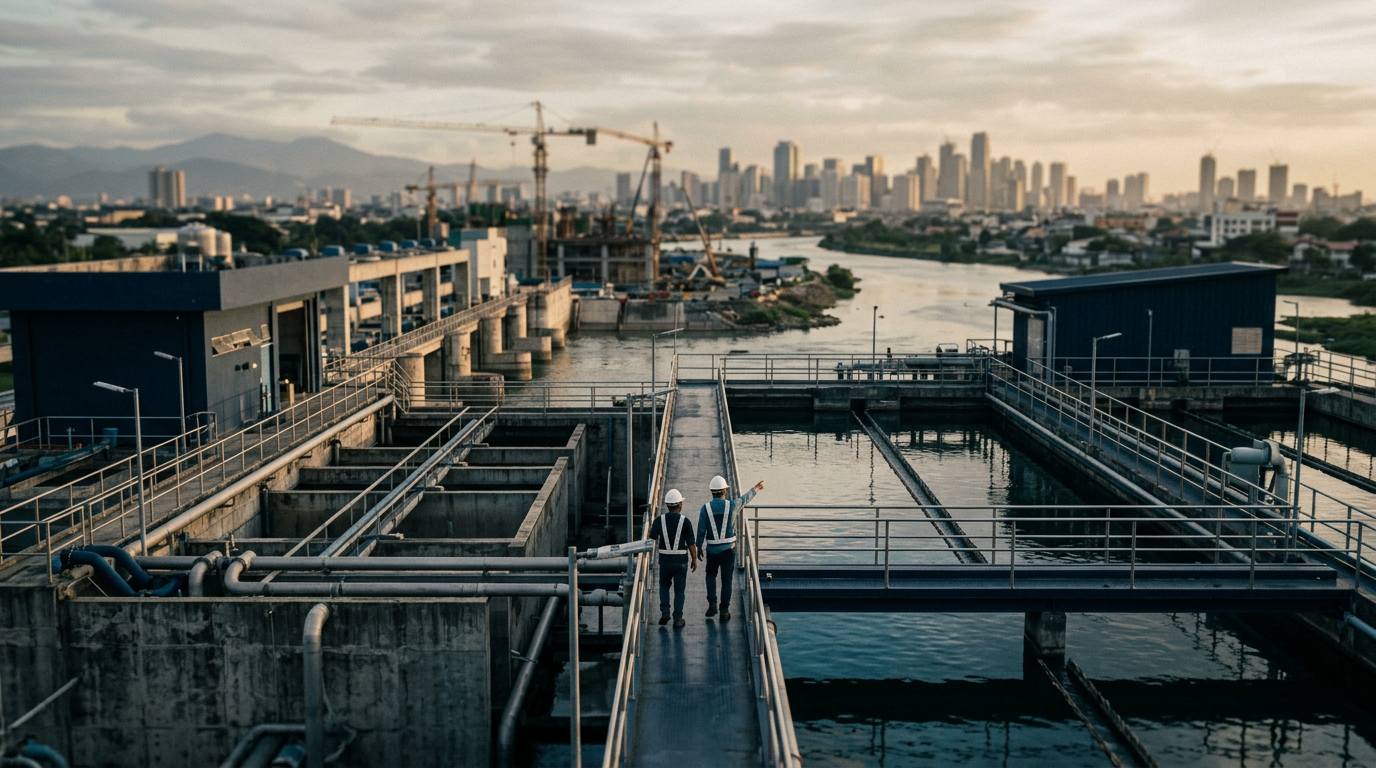
The Quiet Confidence of Philippine Water Infrastructure
A planned P1.8 billion follow-on share offer for a Philippine water utility signals the growing importance of execution over announcement, a key theme in ASEAN's infrastructure development.
 Philippines
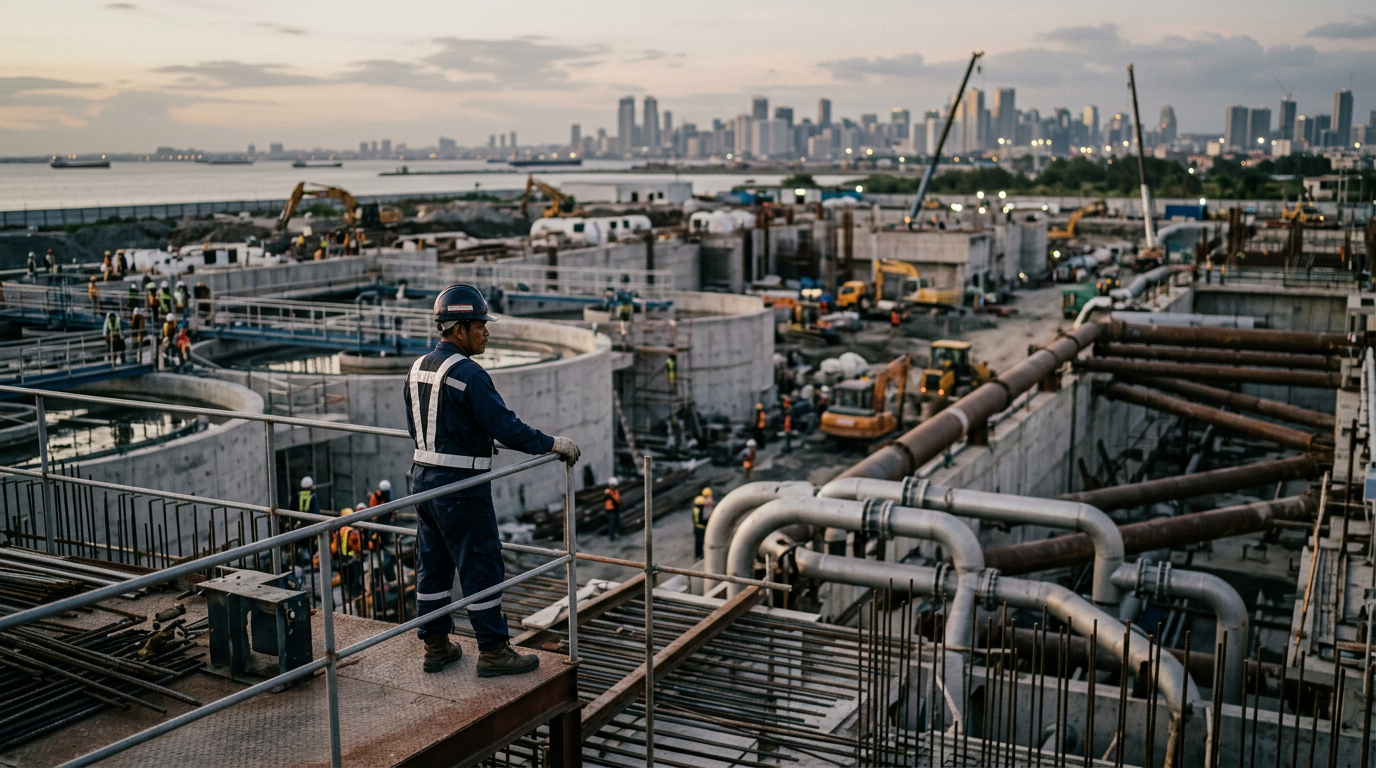
Philippine Water Utility's P1.8B Share Offer Shows Infrastructure Execution Challenge
A planned P1.8 billion share offer from a Philippine water utility highlights the execution challenges for infrastructure projects across the region.
 Philippines
The Philippines Confronts Its Water Infrastructure Gap
A plan by a Philippine water utility to raise P1.8 billion is a small but telling indicator of the country's broader infrastructure ambitions and the institutional hurdles it must overcome to achieve them.
 Philippines
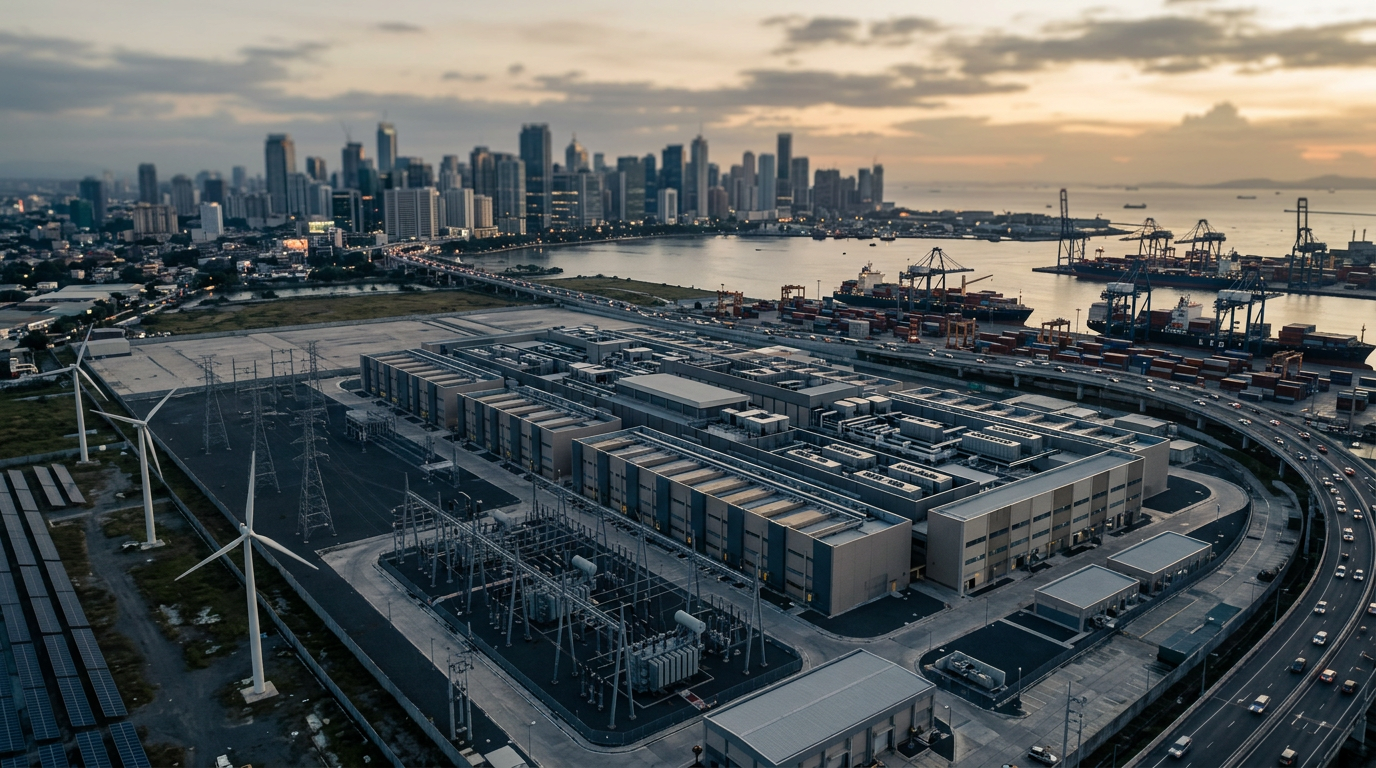
 Data Center Ambitions Require Coordinated Capital
The partnership between Meralco PowerGen and VITRO REIT to develop renewable energy-powered data centers in the Philippines is a positive step. However, sustained success in the hyperscale data center market requires more than just clean power; it demands a holistic approach to.
 Philippines
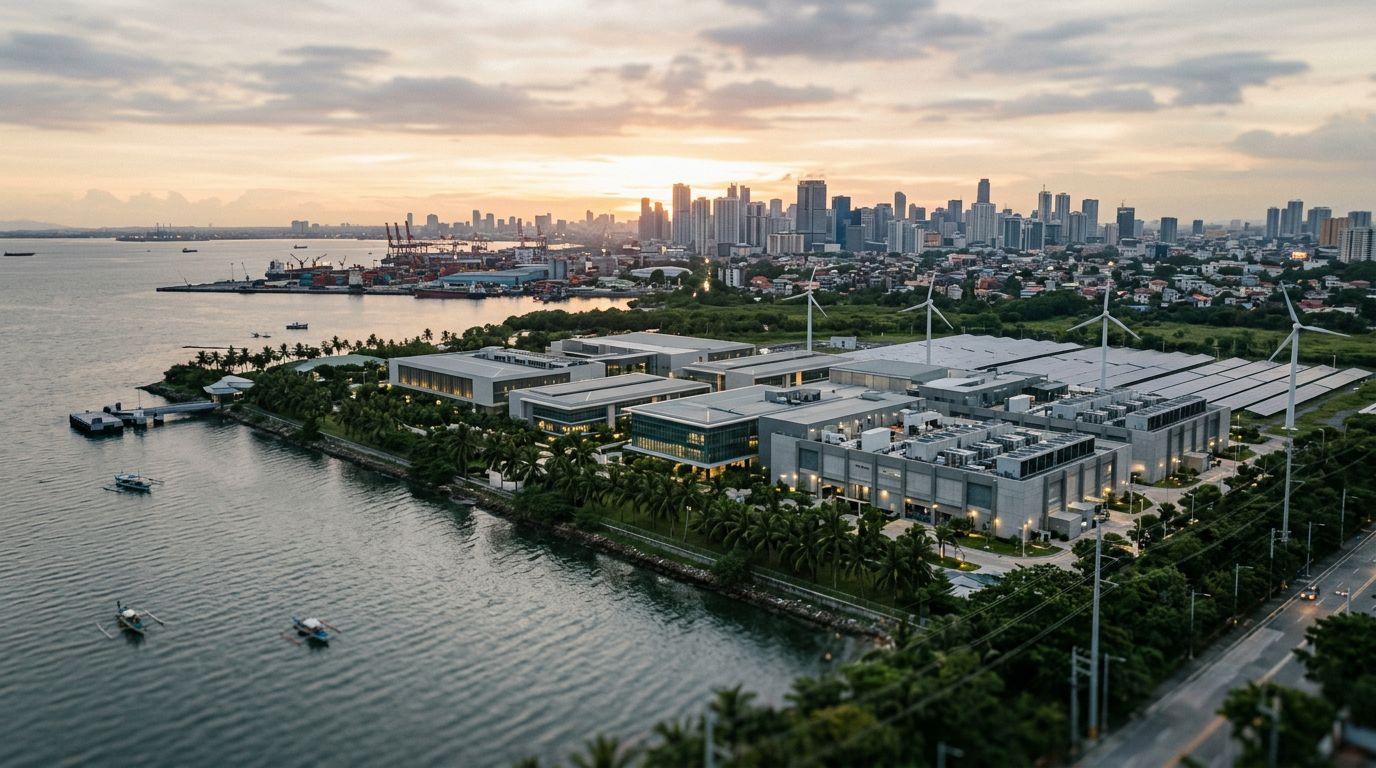
The Philippines Pursues Hyperscale with Green Energy
A new venture aims to power data centers with renewable energy, but attracting hyperscale investment requires more than just clean power.
 Malaysia
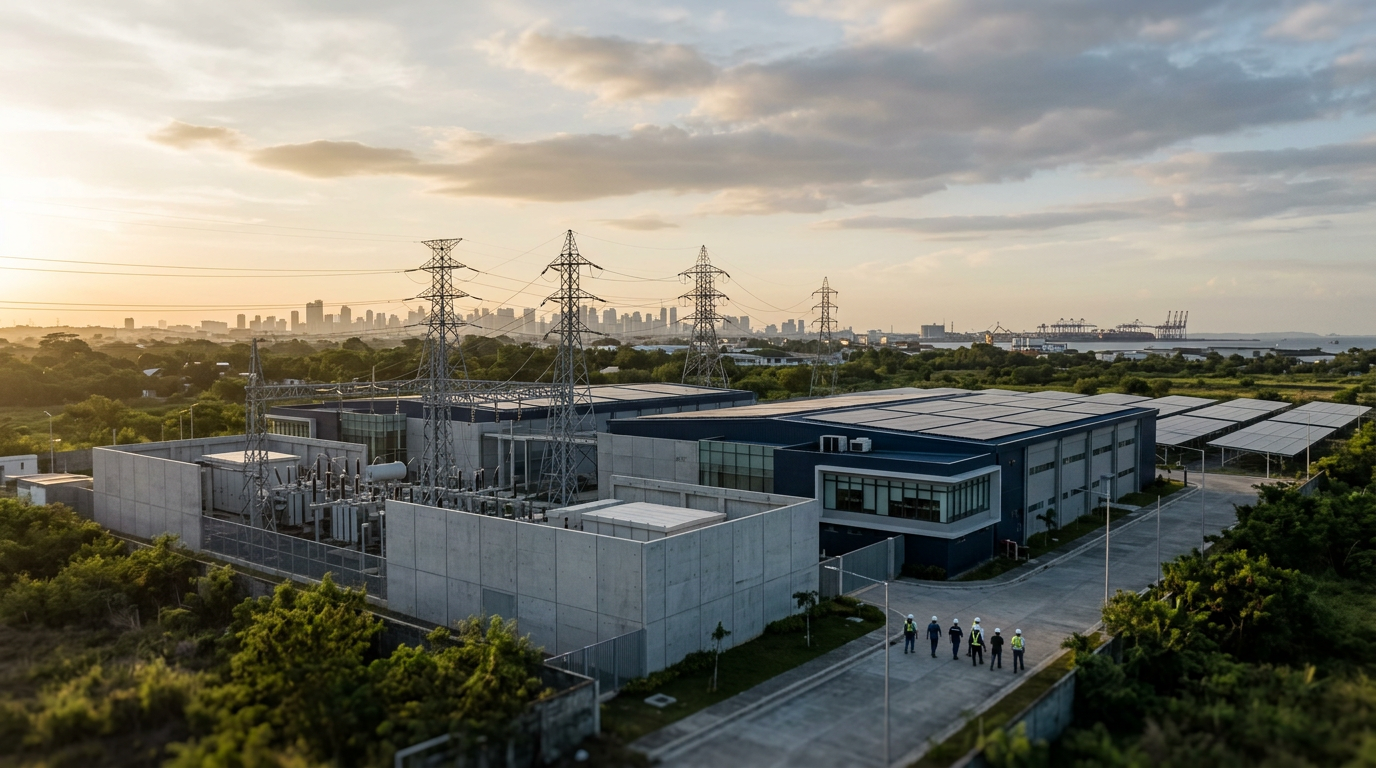
Philippine Data Centers: A Step Toward Hyperscale
Meralco PowerGen Corp. and PLDT's VITRO REIT are partnering to develop renewable energy-powered data centers, a move that highlights the growing importance of integrated infrastructure in attracting hyperscale investment.
 Philippines
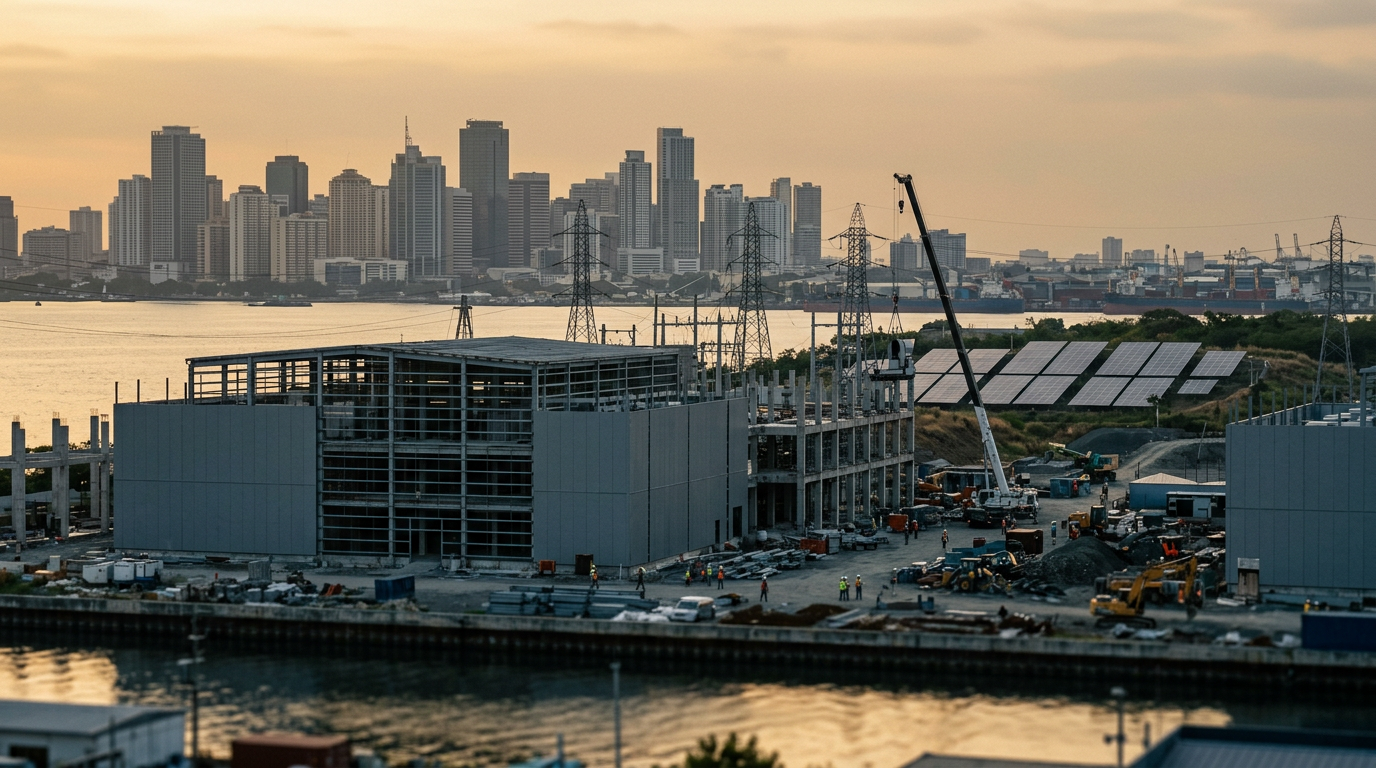
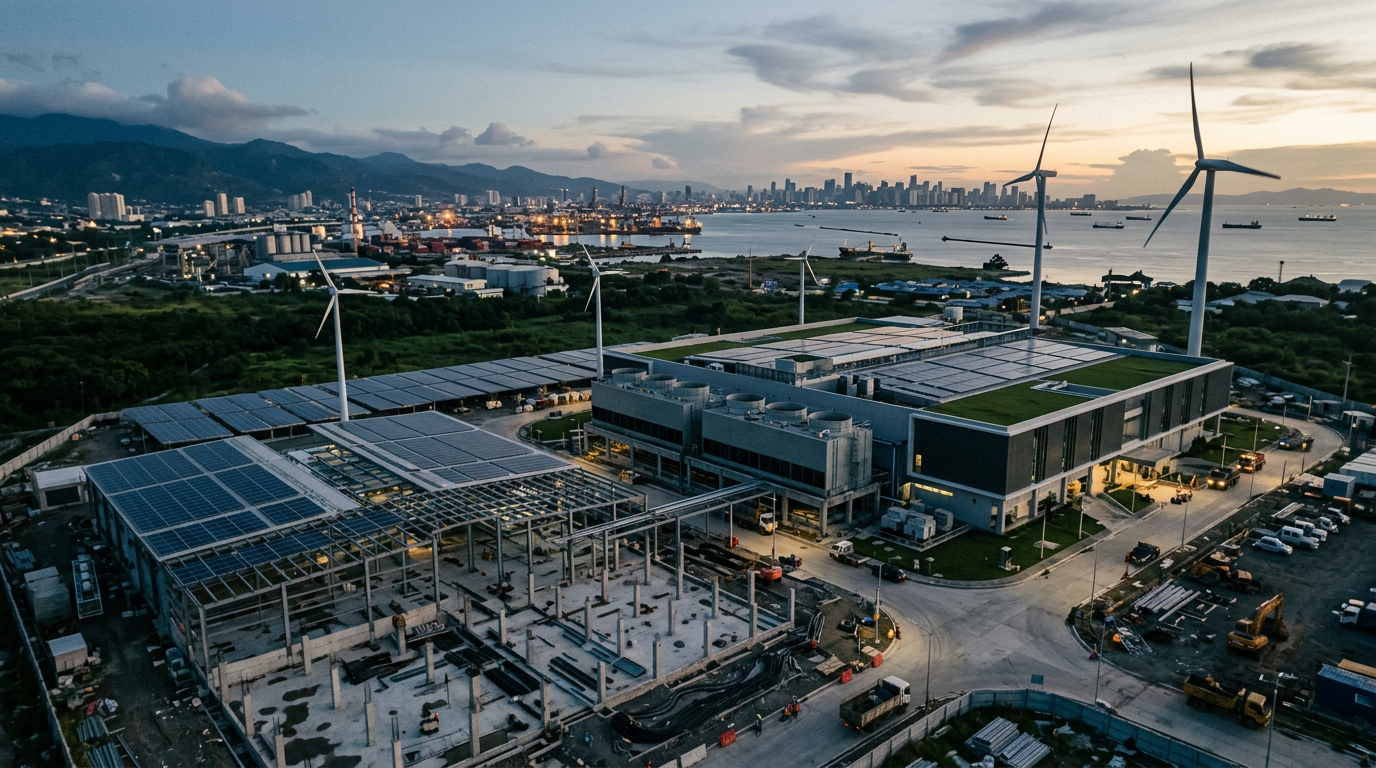
The Philippines' Data Center Land Grab Needs More Than Just Power
A new venture between Meralco and PLDT aims to power data centers with renewable energy. The project's success will depend on a level of capital coordination that goes well beyond electricity.
 Malaysia
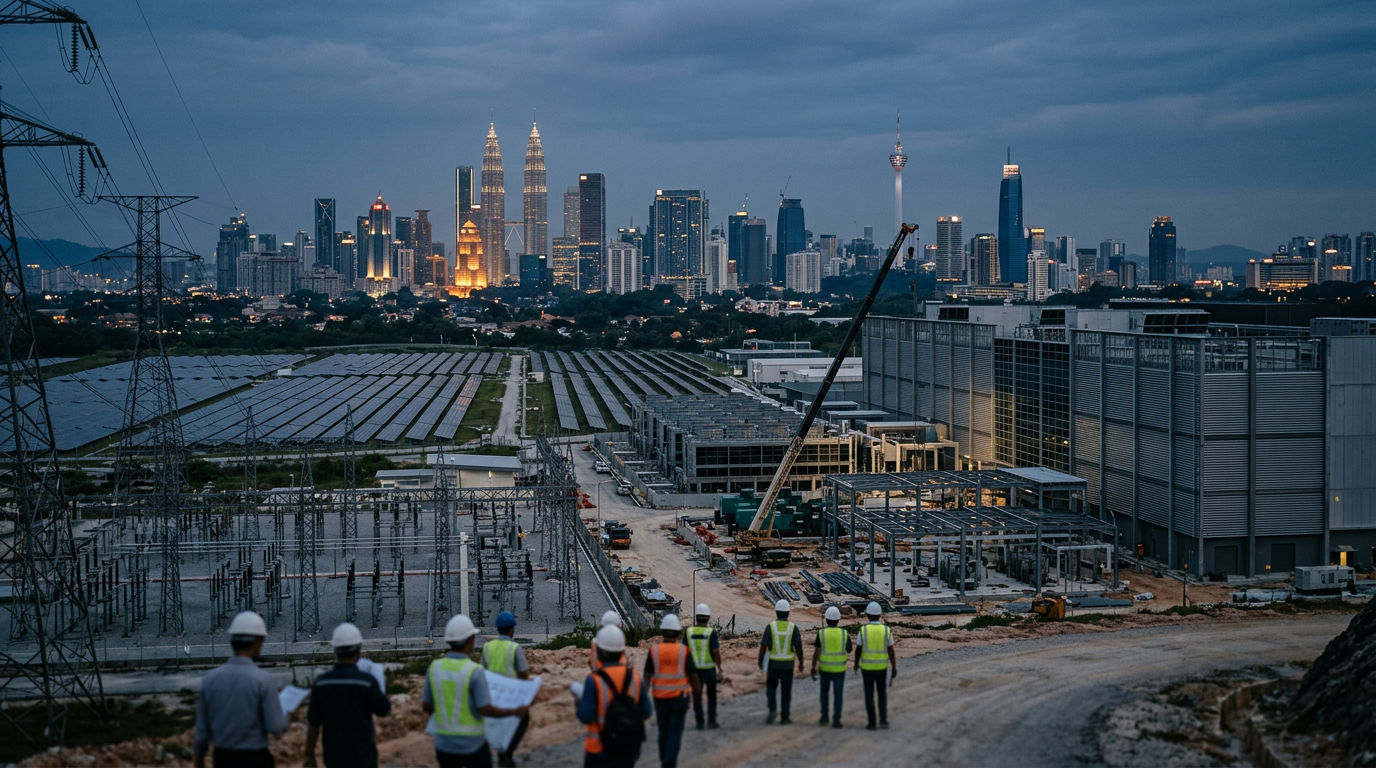
The Philippines Bets on Green Data Centers
A new venture in the Philippines aims to build data centers powered by renewable energy. Success will depend on coordinating capital, infrastructure, and regulation.
 Malaysia
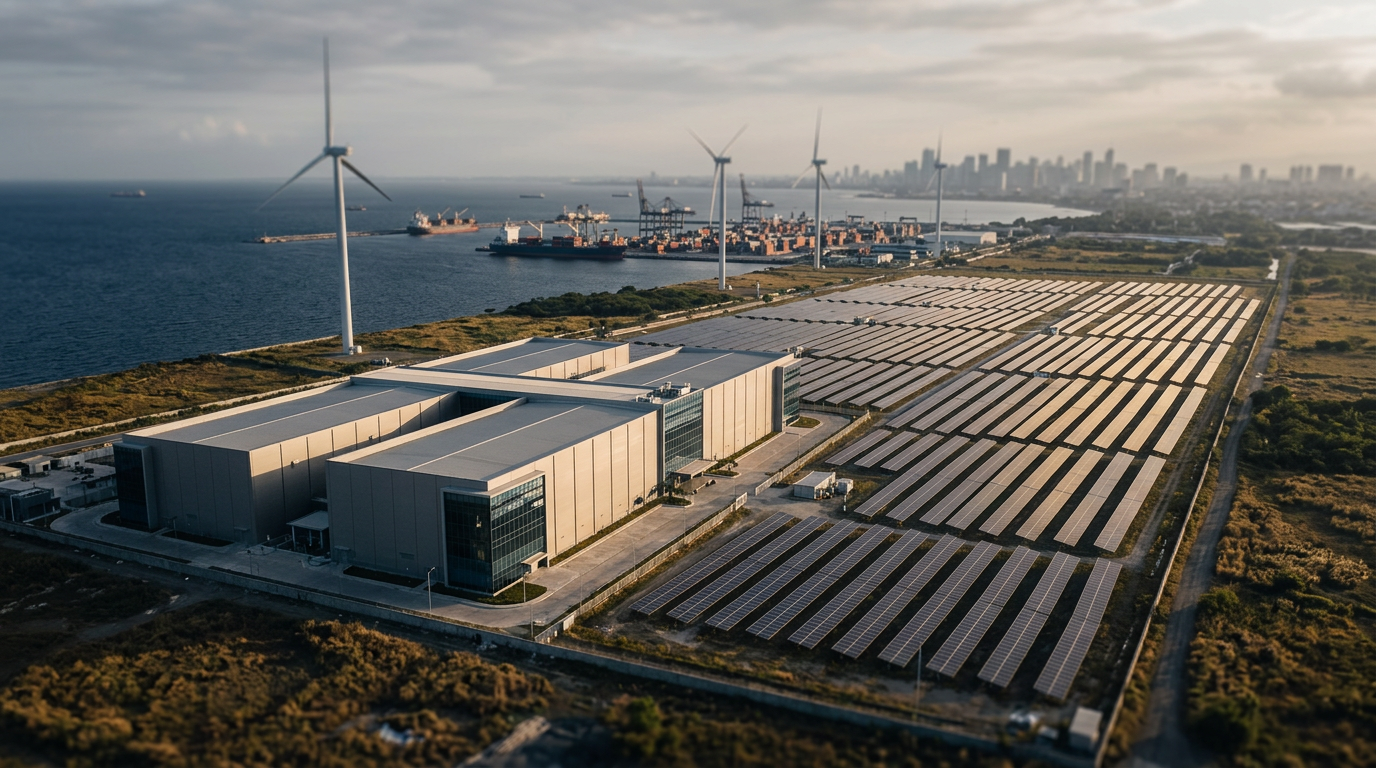
The Philippines' Data Center Ambition Hinges on Coordinated Power
A new venture aims to power data centers with renewable energy, but success will require more than just clean electricity. It demands the kind of deep capital and infrastructure coordination that has propelled regional leaders.
 Malaysia
The Philippines Pursues Hyperscale with Green Energy
A new venture in the Philippines aims to pair renewable energy with data centers, a test of the country's ability to coordinate capital and infrastructure to attract hyperscale investment.
 Philippines
Data Residency and Data Centers in the Philippines
A proposed data residency law in the Philippines aims to attract data center investment. However, attracting hyperscale capacity requires more than just legislative incentives; it depends on the coordinated delivery of power, connectivity, and planning.
 Philippines
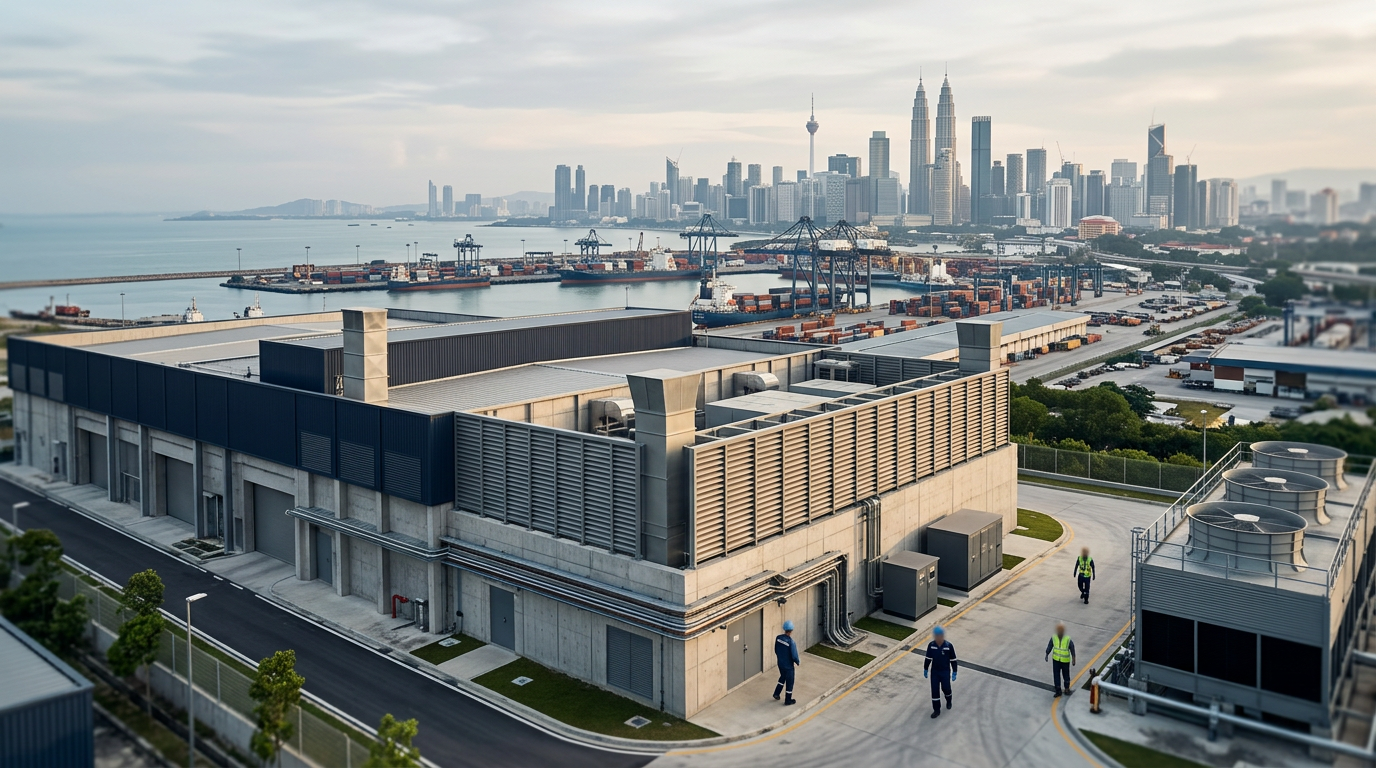
Sovereign AI needs more than model launches
ASEAN nations are launching national AI strategies, but the real test is who controls the compute, data, and digital identity rails that power the economy.
 Malaysia
Philippine Telco Globe Bets on Data Centers
Philippine telco Globe Telecom Inc. is focusing on its digital units, including data centers, to attract investor interest and mitigate a recent profit slowdown. The move highlights a broader regional trend where data center investment is not just about cheap power, but about.
 Philippines
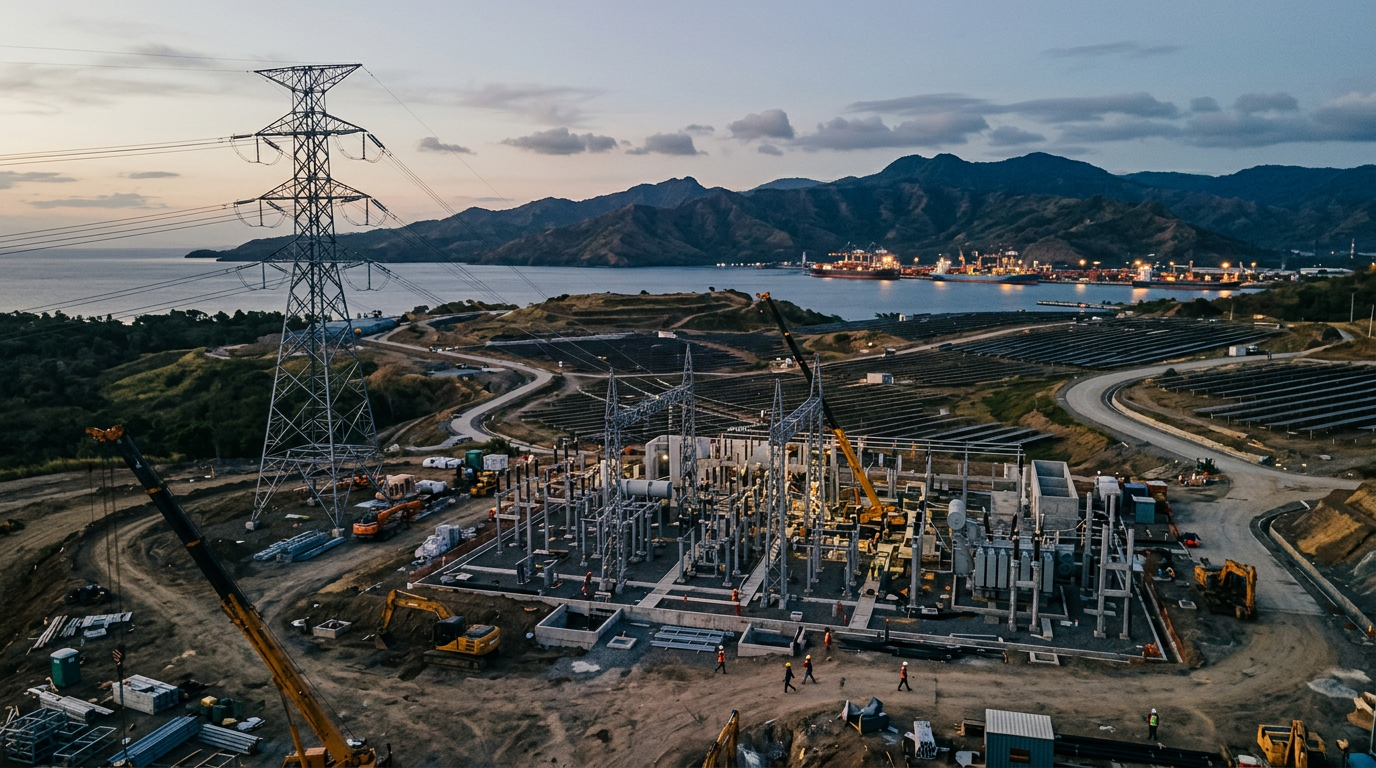
The Philippines: Turning Energy Ambition into Investable Grid Depth
Planned power projects are a strong signal, but converting them into realised investment flows will depend on the slower work of institutions and execution.
 Philippines
: Local Government Finance as a Bottleneck
The new financing mandate for Al-Amanah Islamic Investment Bank is a positive step. But the core challenge for the Philippines is not a shortage of capital, but a shortage of well-structured, investment-ready projects at the local level.