Brunei
The Infrastructure of Trust: Digital Security in the Philippines
In the Philippines, a new campaign by caller ID service Whoscall highlights the trust gap in digital communications, a problem that extends to the physical infrastructure challenges across Southeast Asia.
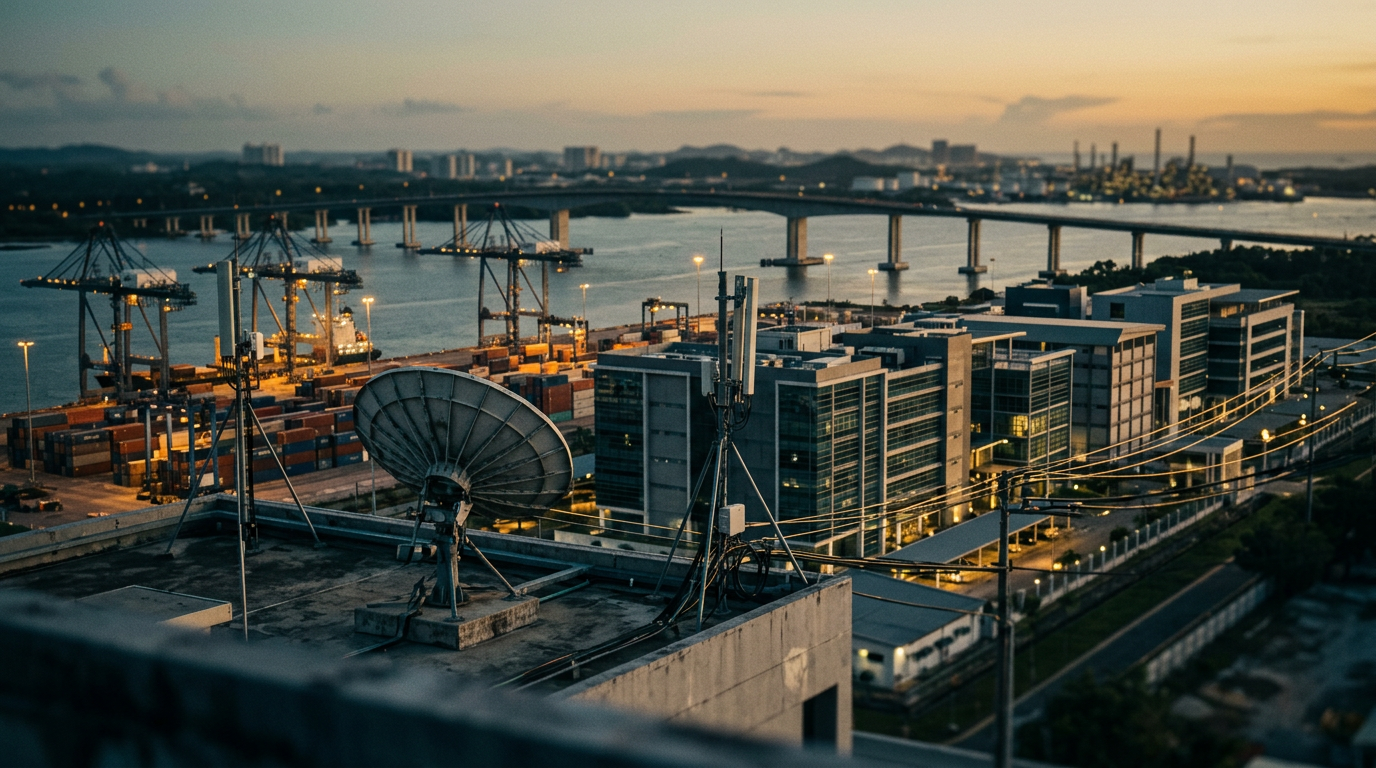
A new digital safety campaign in the Philippines is encouraging citizens to use a caller identification app to avoid scams, a popular concern. As reported by philstar.com, the "Di Lahat Dinededma" campaign by Whoscall aims to help Filipinos filter out fraudulent calls without missing important ones. This initiative points to a deeper issue: the erosion of trust in basic communication systems, a challenge that mirrors the broader concerns about institutional reliability across the region's physical infrastructure.
The Cost of Mistrust
The Whoscall campaign addresses a symptom of a wider problem. When citizens are unable to trust the calls they receive, it introduces a layer of friction into daily economic and social life. Every unknown number becomes a potential threat, and the cognitive load of constant vigilance is a tax on productivity and peace of mind. This erosion of trust in digital communication channels is a form of institutional weakness. A state that cannot assure the basic integrity of its communication networks is failing to provide a fundamental piece of modern infrastructure. This reflects a core theme of ASEAN Rising: the idea that a usable and reliable state framework is a powerful economic asset.
From Digital to Physical
The challenge of building and maintaining trust is not confined to the digital sphere. It is directly analogous to the issues plaguing physical infrastructure development in Southeast Asia. Grand announcements of new airports, railways, and ports can generate excitement, but their ultimate economic value is contingent on their execution and reliability. As the book notes, "Infrastructure that arrives on time signals more than infrastructure that is merely announced." The failure to deliver projects on schedule and on budget, or the perception that these projects are compromised by corruption, undermines public confidence and deters investment. Just as a scam call makes a citizen wary of their phone, a delayed infrastructure project makes businesses wary of a country's promises. Both are failures of state capacity that increase the cost of friction for everyone.
Reliability as an Advantage
In an increasingly integrated ASEAN, the reliability of institutions has become a form of competitive advantage. The ability to provide a secure digital environment or to deliver functional infrastructure efficiently is a powerful signal to international capital and talent. The Philippines' struggle with digital scams is not unique, but it underscores a regional imperative. Governments that can build and regulate dependable systems, both digital and physical, will create a more attractive environment for economic activity. A predictable, low-friction state is often more valuable to investors and citizens than one that makes grand but unfulfilled promises.
What to watch
Watch for how governments and the private sector collaborate to address the trust deficit in digital services, not just through public-facing campaigns but through stronger regulation and enforcement against fraud. Observe whether this focus on reliability in the digital realm translates into a renewed commitment to execution and transparency in major physical infrastructure projects. The nations that successfully build this foundation of trust will be better positioned to attract and retain capital and talent, strengthening their long-term economic standing within the bloc.