Philippines
The Price of Water in the Philippines
A planned P1.8 billion share offer by a Philippine water company shows how private capital is filling the country's infrastructure gap, and the risks that come with it.
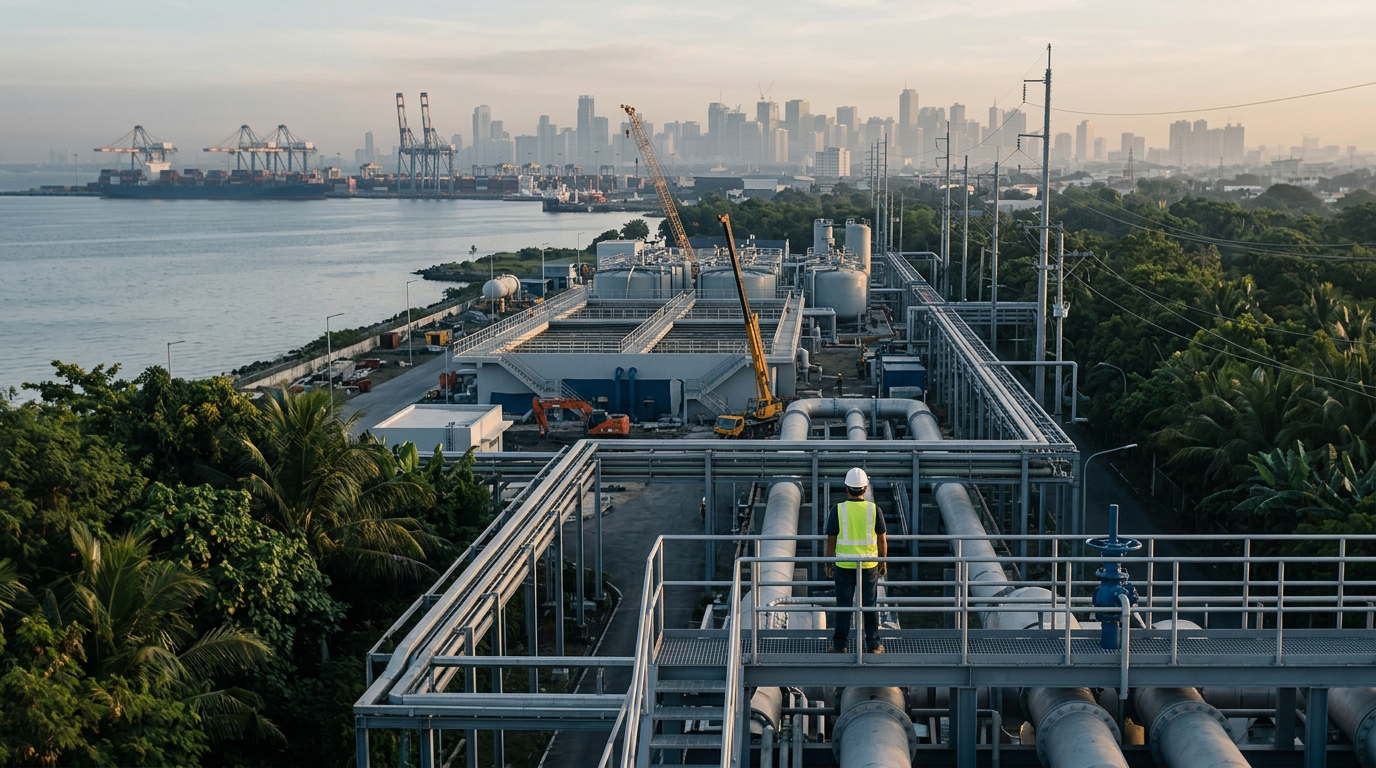
A recent announcement from the Philippine water infrastructure company Tubig Pilipinas Holdings Inc. signals a continued reliance on private capital to meet the country's infrastructure needs. The company plans to raise P1.8 billion from a follow-on share offer to fund its projects, as reported by philstar.com. This move highlights the persistent gap between state-led infrastructure ambitions and the realities of execution, a theme central to understanding development across Southeast Asia.
The Capital Structure of Water
Manila's water system has long been a case study in privatization. Since the 1990s, the capital region has been served by two private concessionaires, a model that has seen both successes in expanding access and controversies over tariffs and service quality. The Tubig Pilipinas plan to raise capital from public markets is a logical extension of this framework, moving beyond the original concession model to a more distributed form of private ownership and financing. By tapping the stock market, the company seeks a wider pool of capital to build out its water projects in various provinces. This approach allows for faster project development than relying solely on government budgets, which are often constrained and subject to political cycles. However, it also means that the financial returns for shareholders become a primary driver of project selection and operational management, which can sometimes conflict with the public service mandate of providing universal and affordable water access.
State Capacity and Private Solutions
The reliance on private firms like Tubig Pilipinas underscores a core issue of state capacity. The Philippine government, like many in the region, has ambitious infrastructure goals under programs like "Build, Build, Build" and its successors. Yet, the ability to plan, fund, and execute these projects efficiently remains a significant hurdle. As the book "ASEAN Rising" notes, the ability to deliver projects is a powerful signal of a government's effectiveness. "Infrastructure that arrives on time signals more than infrastructure that is merely announced," which is why the slow, steady work of private utility companies often accomplishes more on the ground than grand government pronouncements. The state's role shifts from being the direct provider of services to becoming a regulator of private entities. This requires a different, and often more sophisticated, set of institutional skills to manage contracts, oversee performance, and ensure that private profitability aligns with public good.
The Regulatory Test
The success of this model hinges on the quality and reliability of regulatory oversight. For water, this means ensuring that companies invest adequately in maintaining and expanding the network, that service standards are met, and that tariff adjustments are fair and transparent. The Philippine Metropolitan Waterworks and Sewerage System Regulatory Office has a long and complex history of managing its concessionaires, providing a template for how national and local regulators might oversee an expanding roster of private water providers. The challenge is to create a predictable and stable regulatory environment that encourages long-term investment while protecting consumers from monopolistic practices. Institutional reliability is a key component of national advantage. Attracting the necessary private capital for infrastructure, whether in water, energy, or transport, depends on the belief that contracts will be honored and rules will be applied consistently.
What to watch next is how the Philippine government and its regulatory bodies manage the growing influence of publicly-listed utility companies. The balance between attracting private capital for much-needed infrastructure and ensuring equitable public access to essential services like water will be a persistent test of the country's institutional strength. The terms of this P1.8 billion share offer, and the projects it funds, will provide a clear indication of the direction of infrastructure development and the evolving relationship between the state and private enterprise in the Philippines.