Philippines
 Tourism: Hotels Are Ready, But Is the Infrastructure?
The Philippines hospitality sector is winning awards, but the country needs more than just great hotels to attract and retain tourists.
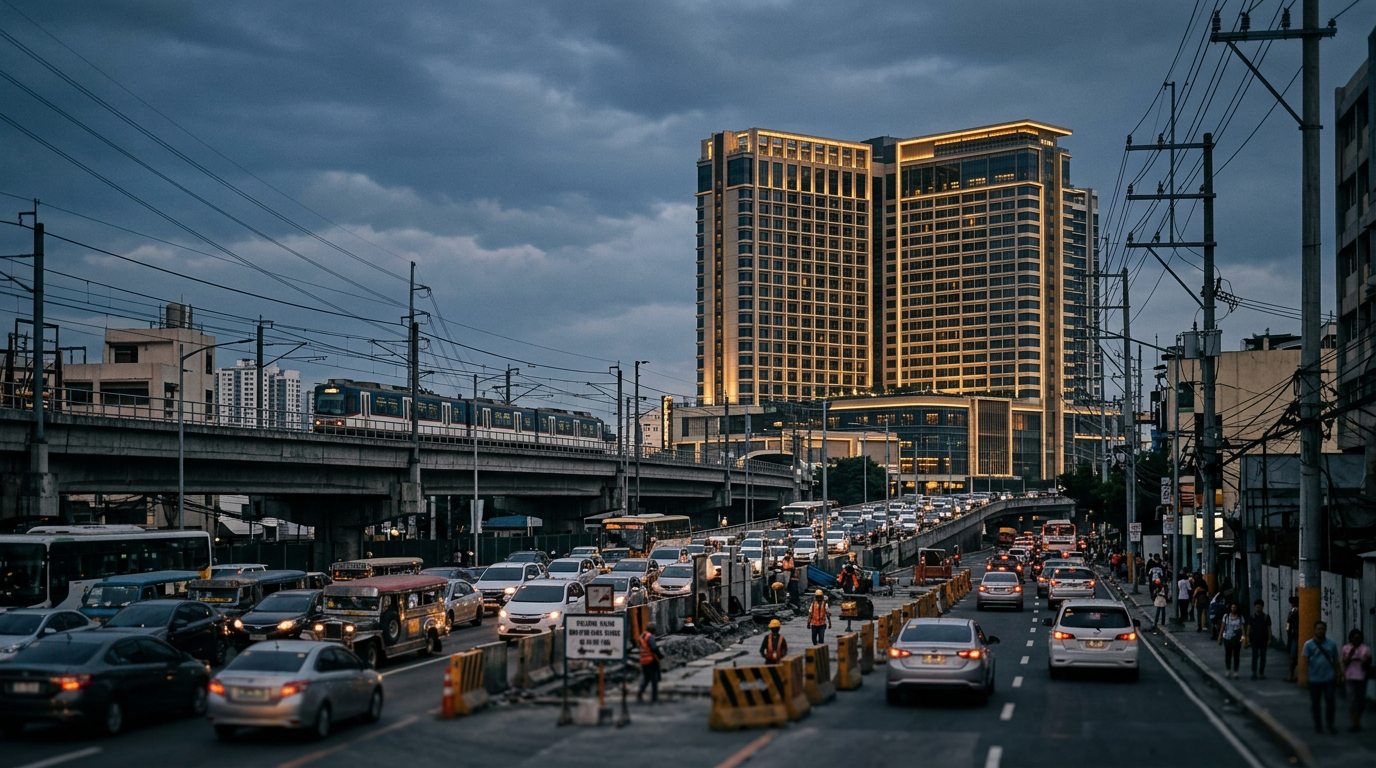
RHR, the hospitality arm of Robinsons Land Corp., was recently named the Philippines' Leading Hotel Group in the 2026 World Travel Awards, according to a report in philstar.com. While the local hospitality sector is clearly delivering a world-class product, the broader tourism and investment landscape in the Philippines faces persistent hurdles. Excellent hotels are a necessary, but not sufficient, condition for a thriving tourism sector.
Infrastructure Bottlenecks
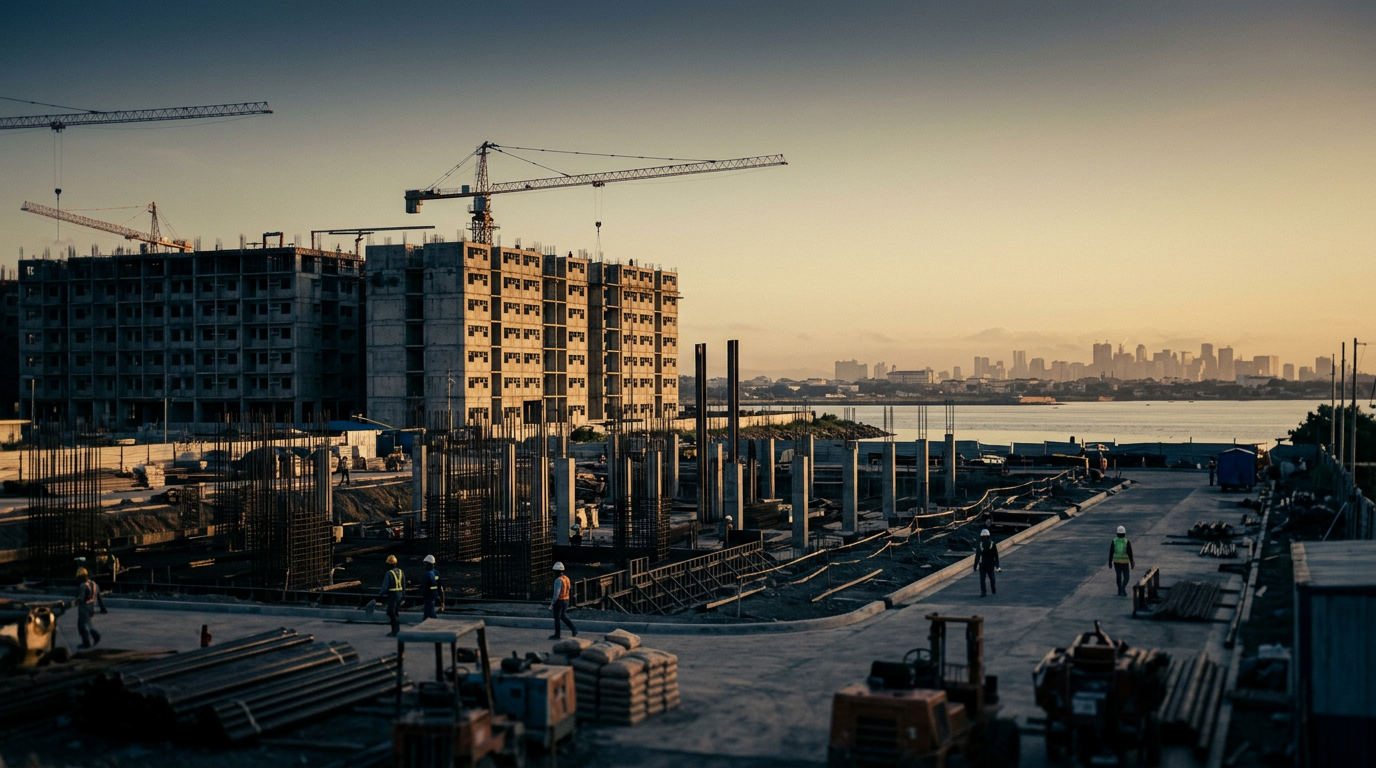
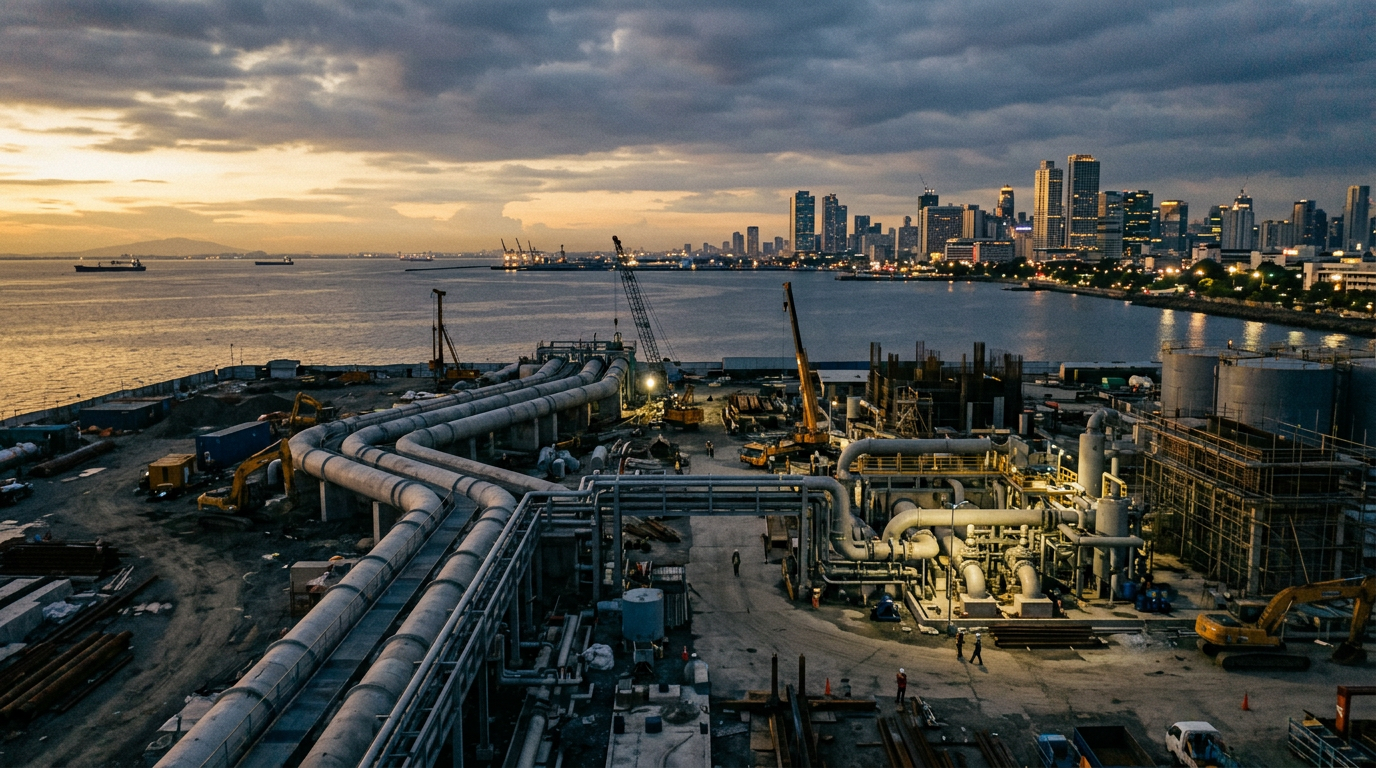
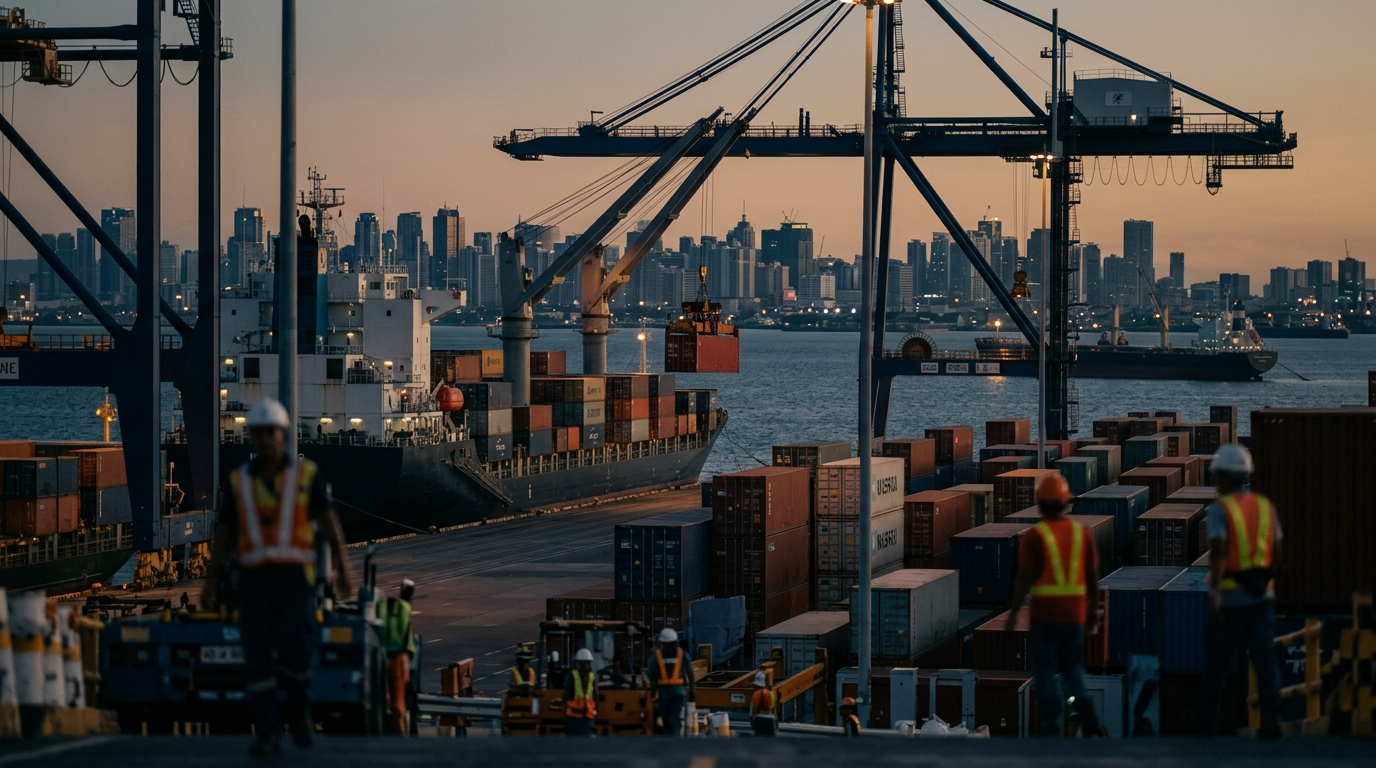
The Philippines, an archipelago of over 7,000 islands, has long been challenged by the need for robust infrastructure to connect its many destinations. While major hubs like Metro Manila, Cebu, and Boracay are well-served, many other potentially attractive tourist areas lack adequate airports, roads, and port facilities. This connectivity gap makes it difficult for tourists to explore the country beyond the usual spots and limits the dispersal of tourism-related revenue to other provinces.
For investors in the hospitality sector, this creates a significant risk. A new resort, no matter how luxurious, will struggle to attract guests if the local airport cannot accommodate enough flights or if the roads leading to it are in poor condition. The development of integrated tourism estates often depends on public-sector commitments to infrastructure, which can be slow to materialize.
Investment and Execution
The challenge is not a lack of ambition. The Philippine government has numerous plans and programs aimed at boosting infrastructure and attracting investment. However, as the book "ASEAN Rising" notes, there is often a gap between announcements and reality. "Realised flows depend on the slower work of land, permits, power and talent reaching the ground." Foreign direct investment in the tourism sector requires not just identifying a market opportunity but navigating a complex and often slow-moving bureaucracy.
Executing large-scale projects requires coordination between national and local government units, a process that can be fraught with delays. For the Philippines to translate its natural beauty and award-winning hospitality into sustained tourism growth, it must improve its ability to execute on its infrastructure plans. This means streamlining permitting processes, ensuring reliable power supplies, and building a deeper pool of skilled labor outside the capital region.
What to watch
Pay attention to how the national government allocates its infrastructure budget in the coming years and whether it prioritizes projects that directly support tourism development in emerging destinations. The pace of airport upgrades and the construction of new access roads will be a key indicator of whether the Philippines can build on the success of its hotel sector and create a more resilient and geographically diverse tourism industry.