Philippines
: Local Government Finance as a Bottleneck
The new financing mandate for Al-Amanah Islamic Investment Bank is a positive step. But the core challenge for the Philippines is not a shortage of capital, but a shortage of well-structured, investment-ready projects at the local level.

A recent announcement that the Al-Amanah Islamic Investment Bank of the Philippines will begin financing local government unit (LGU) projects is a welcome development. As reported by philstar.com, the move aims to address underfunding for local infrastructure and public services. While any new source of capital is helpful, the initiative highlights a deeper, more persistent challenge in the Philippines and across the region: the institutional capacity to translate funding into real-world projects.
The Project Pipeline Problem
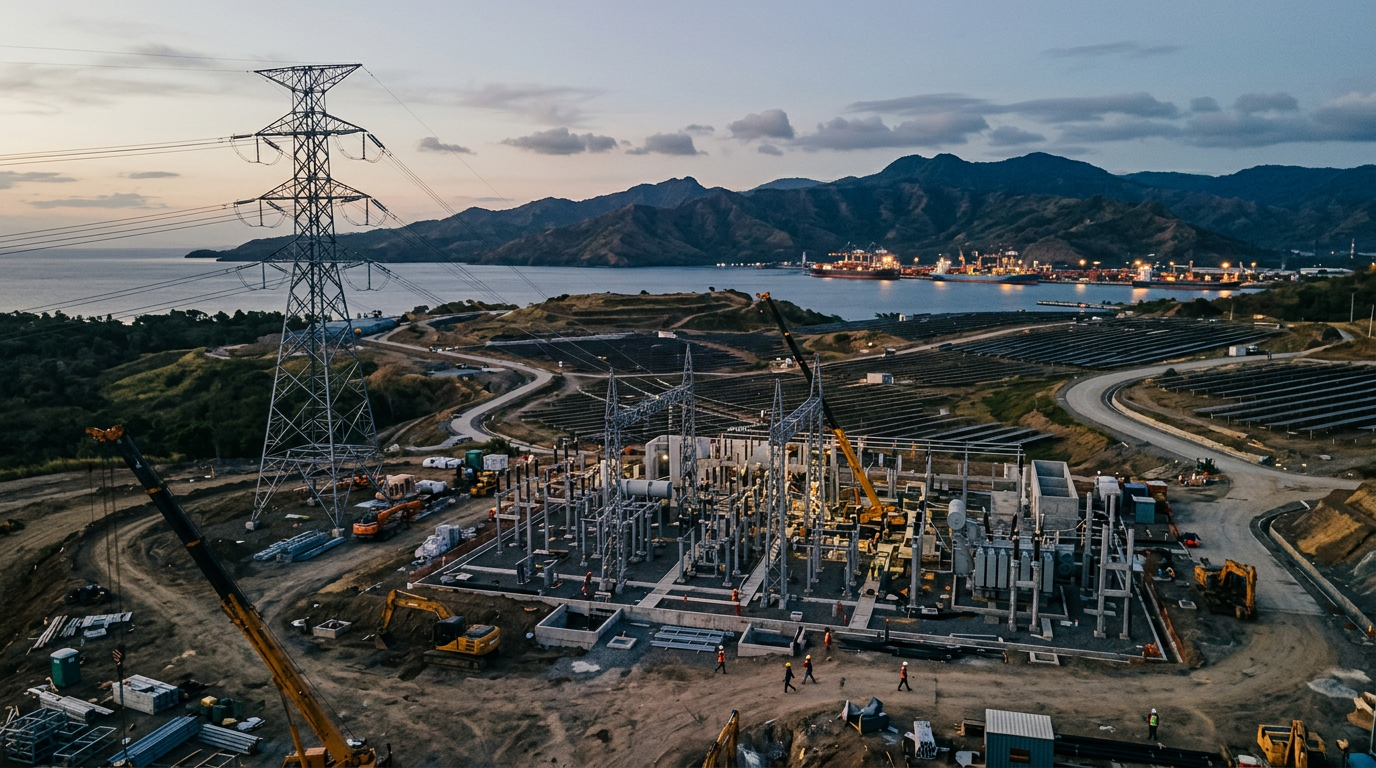
The central issue for Philippine infrastructure development is not a lack of available capital, but a deficit of well-prepared, bankable projects at the LGU level. National-level agencies and large private-sector firms have the expertise to structure complex deals. However, local governments, which are on the front lines of delivering essential services, often lack the technical capacity to move projects from the planning stage to financial close. This includes conducting feasibility studies, navigating complex permitting processes, and creating financial models that meet the standards of lenders like Al-Amanah Bank.
The result is a bottleneck. Capital sits on the sidelines while urgent needs for better roads, water systems, and public facilities go unmet. The problem is one of execution, not just finance. The book ASEAN Rising notes that for foreign investment, "realised flows depend on the slower work of land, permits, power and talent reaching the ground." The same logic applies to domestic public investment. Without the institutional framework to manage these details effectively, financing commitments from any source will struggle to find their way into the economy.
Institutions and Investable Depth
For the Philippines to absorb capital more effectively, the focus must shift from simply securing funds to building the institutional strength of its LGUs. This means investing in the human capital within local planning and development offices. It requires standardized frameworks for project evaluation and procurement that are transparent and efficient. It also means creating a supportive ecosystem where national government agencies provide technical assistance, not just top-down mandates.
Initiatives like the national government's Public-Private Partnership (PPP) Center are models of this approach, providing transaction advisory services to implementing agencies. Replicating this kind of support at a scale that reaches all provinces and municipalities is the next necessary step. When local institutions are strong, they create what the book refers to as "investable depth," turning abstract economic potential into a concrete pipeline of projects that can attract and deploy capital, whether from Islamic banks, development partners, or the private sector.
What to watch: The key metric for the Al-Amanah Bank initiative will not be the total amount of financing announced, but the number of LGU projects that successfully reach financial close and begin construction. Observers should also monitor whether the national government complements this new financing with expanded technical assistance programs for local governments, as this will determine whether the initiative addresses the symptoms or the root cause of the infrastructure gap.