Philippines
The Quiet Confidence of Philippine Water Infrastructure
A planned P1.8 billion follow-on share offer for a Philippine water utility signals the growing importance of execution over announcement, a key theme in ASEAN's infrastructure development.
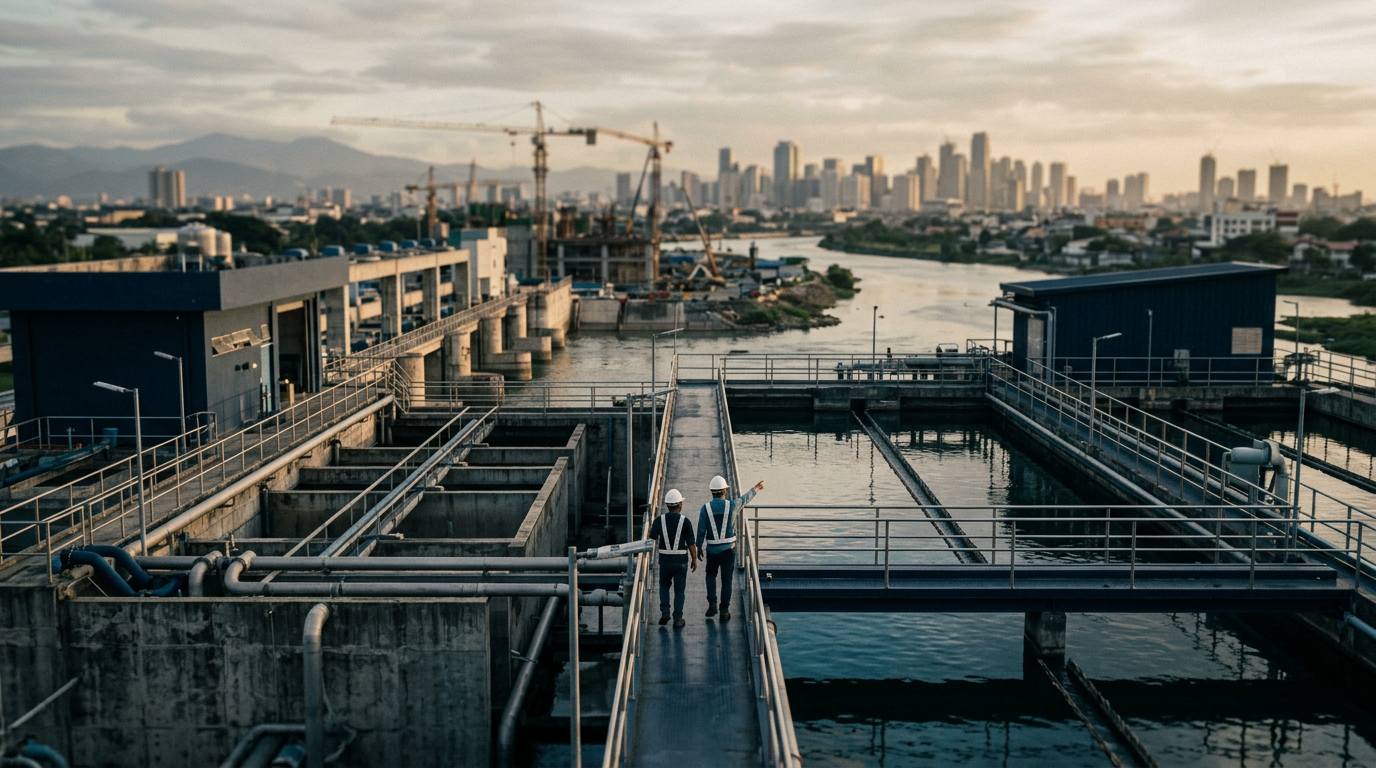
A planned P1.8 billion follow-on share offer by Tubig Pilipinas Holdings Inc., a listed water infrastructure company in the Philippines, signals a noteworthy trend in the country's utility sector. As reported by philstar.com, the fundraising is intended to finance its upcoming projects. While the sum may seem modest in a region defined by mega-projects, it highlights a quieter, more fundamental aspect of development: the steady work of building and funding essential services.
Execution Over Exuberance
The story of infrastructure in Southeast Asia is often told through the lens of groundbreaking ceremonies and ambitious multi-billion dollar announcements. However, the real measure of progress lies in execution. The ability to bring projects to completion and ensure their operational success is paramount. As the book "ASEAN Rising" notes, the capacity to deliver is a core component of state effectiveness. A project that is financed, built, and becomes operational creates tangible value and reinforces investor confidence in a way that grand pronouncements alone cannot. The Tubig Pilipinas plan to raise capital through a follow-on offer suggests a focus on a sustainable, market-driven approach to expansion, funding concrete projects through the stock market rather than relying solely on state budgets or international loans.
The Value of a Usable State
The core insight is that for businesses and citizens alike, reliability is a powerful asset. The chapter excerpt puts it plainly: "Institutional reliability has become part of comparative advantage." This is especially true for foundational infrastructure like water. Consistent and clean water supply is not an exciting headline, but its absence is a drag on public health, economic productivity, and social trust. Companies like Tubig Pilipinas operate at the intersection of private capital and public need. Their success depends on a predictable regulatory environment and the ability to execute their plans efficiently. A state that facilitates this process-through clear rules, fair enforcement, and a stable financial system-demonstrates its utility and, in turn, its strength.
Financing the Foundations
The planned share offer points to the maturing of capital markets in the Philippines as a vehicle for infrastructure funding. By tapping the public market, the company is not only seeking capital but also subjecting itself to the discipline and transparency that come with it. Investors, in turn, are given the opportunity to fund a tangible asset with a clear, long-term revenue model. This mechanism builds a virtuous cycle: successful projects attract more capital, which funds further development, all within a framework of public accountability. It is this steady, incremental building of state and corporate capacity that forms the bedrock of sustainable economic growth.
What to watch is how the Philippine market responds to this and similar follow-on offers for infrastructure projects. The success of such fundraising initiatives will be a strong indicator of investor confidence not just in the specific companies, but in the broader institutional framework that governs Philippine utilities. It will also signal the appetite for projects that prioritize consistent service delivery over headline-grabbing scale.