Philippines
Tourist Arrivals and Investable Depth in the Philippines
The Philippine hospitality sector is expanding, but turning tourist arrivals into durable, long-term investment requires more than new hotels. It requires a focus on the institutional capacity to deliver infrastructure, power, and talent.
An award for a Philippine hotel operator highlights a positive trend in the country's tourism and hospitality sector. Robinsons Hotels and Resorts (RHR) was recently named the Philippines' Leading Hotel Group by the World Travel Awards, according to a report from philstar.com. This recognition reflects the growth in the tourism industry, a significant contributor to the Philippine economy.
While such accolades are encouraging, they represent only one aspect of a much larger picture. The genuine test for the Philippines is whether it can translate the scale of its tourism potential into deep, sustainable, and long-term investment. This is a theme explored in ASEAN Rising, which notes that translating headline announcements into tangible economic impact is a common challenge across the region.
From Arrivals to Assets
The success of a hotel group is a positive indicator, suggesting confidence in the future of Philippine tourism. The expansion of hospitality chains like RHR is a response to anticipated demand from both international and domestic travelers. However, the development of tourist facilities often outpaces the development of the underlying infrastructure required to support them.
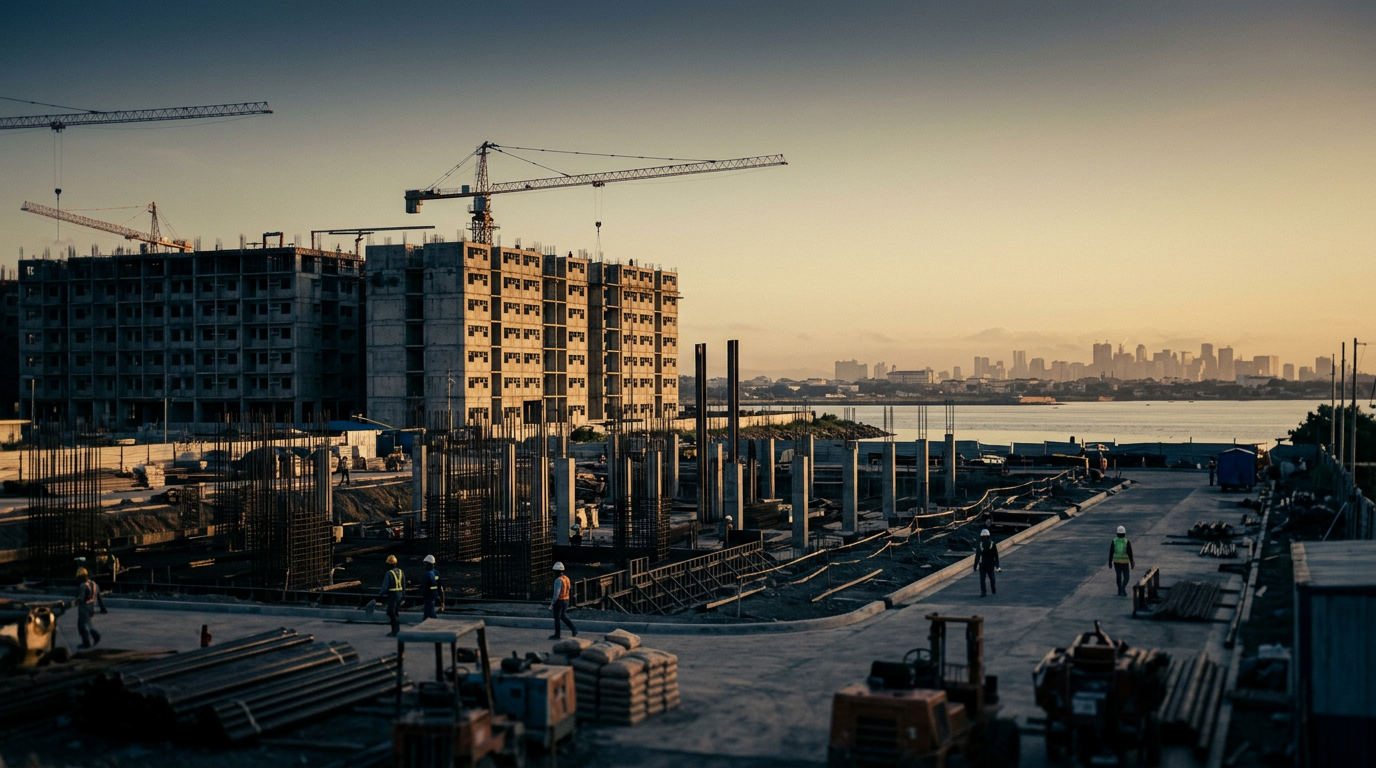
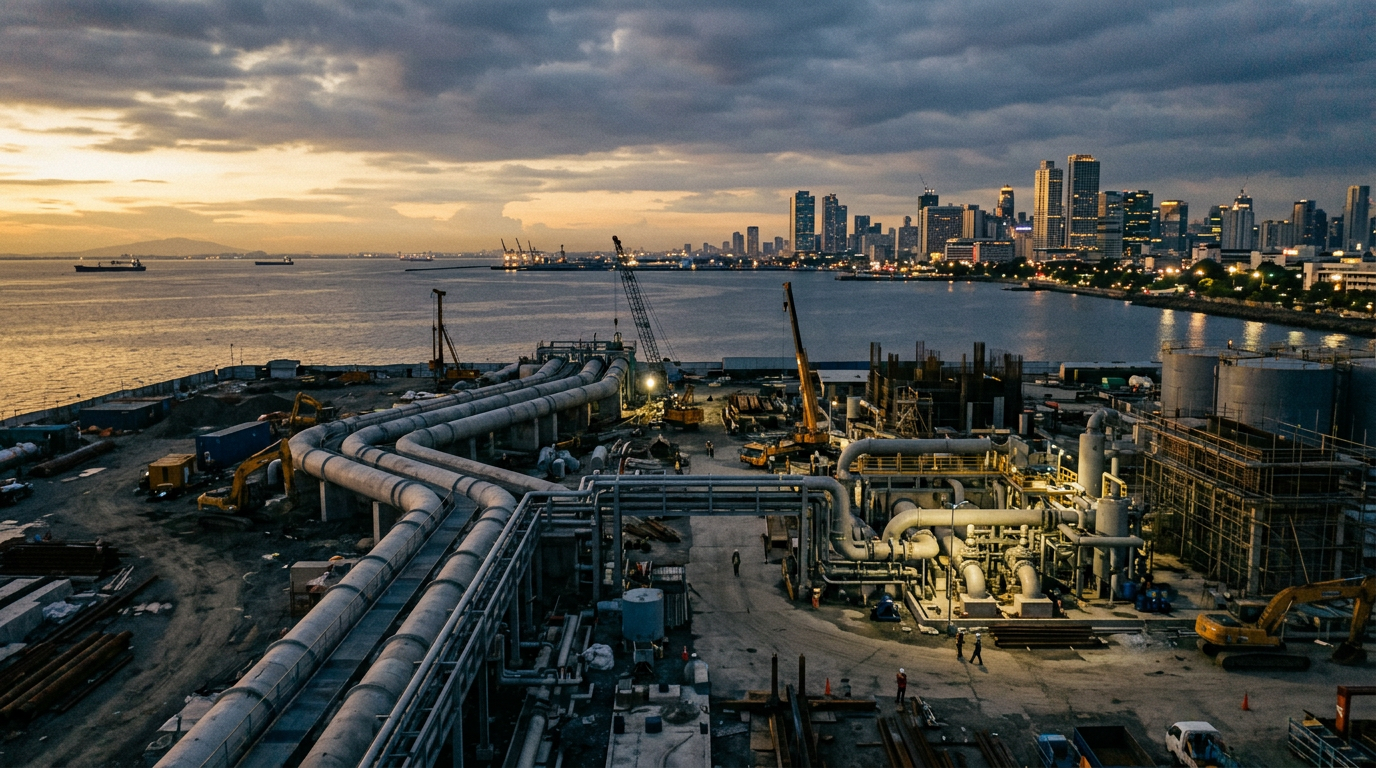
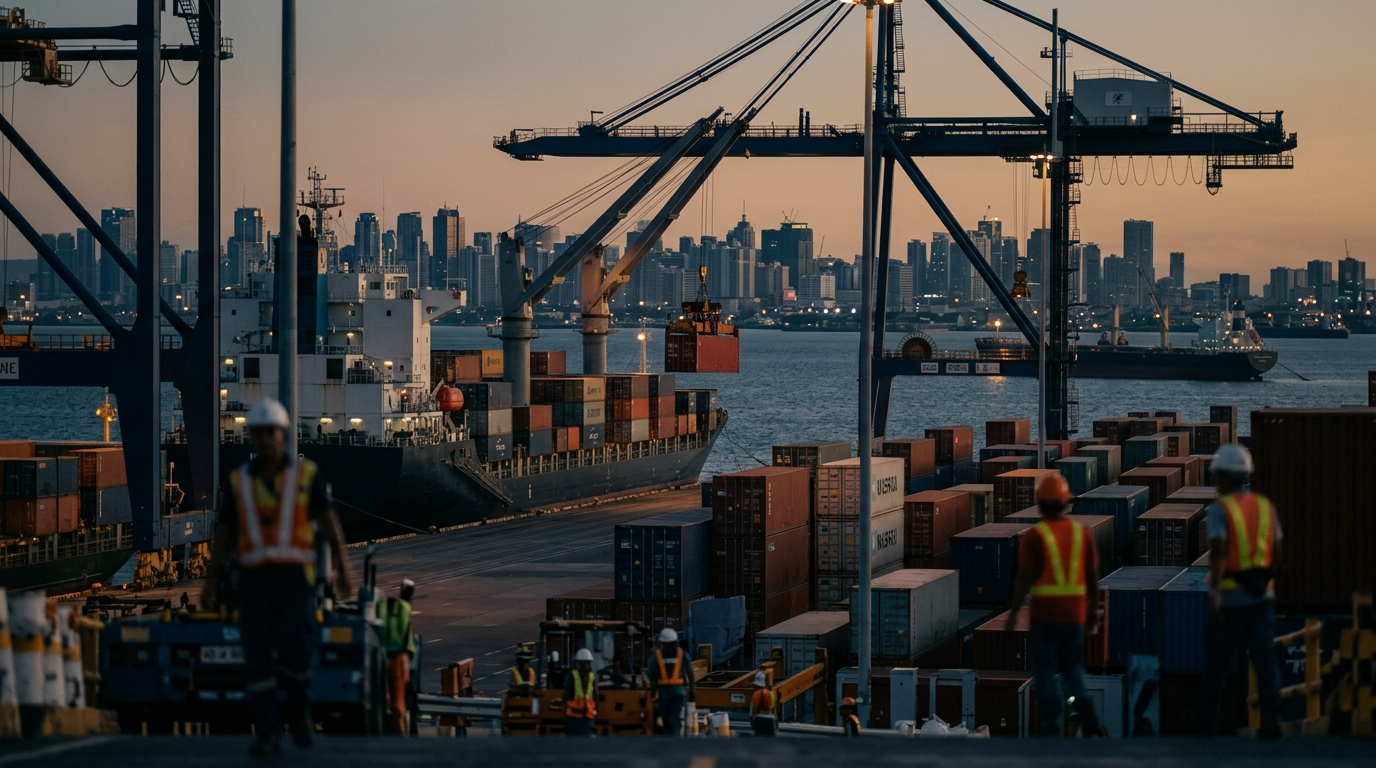
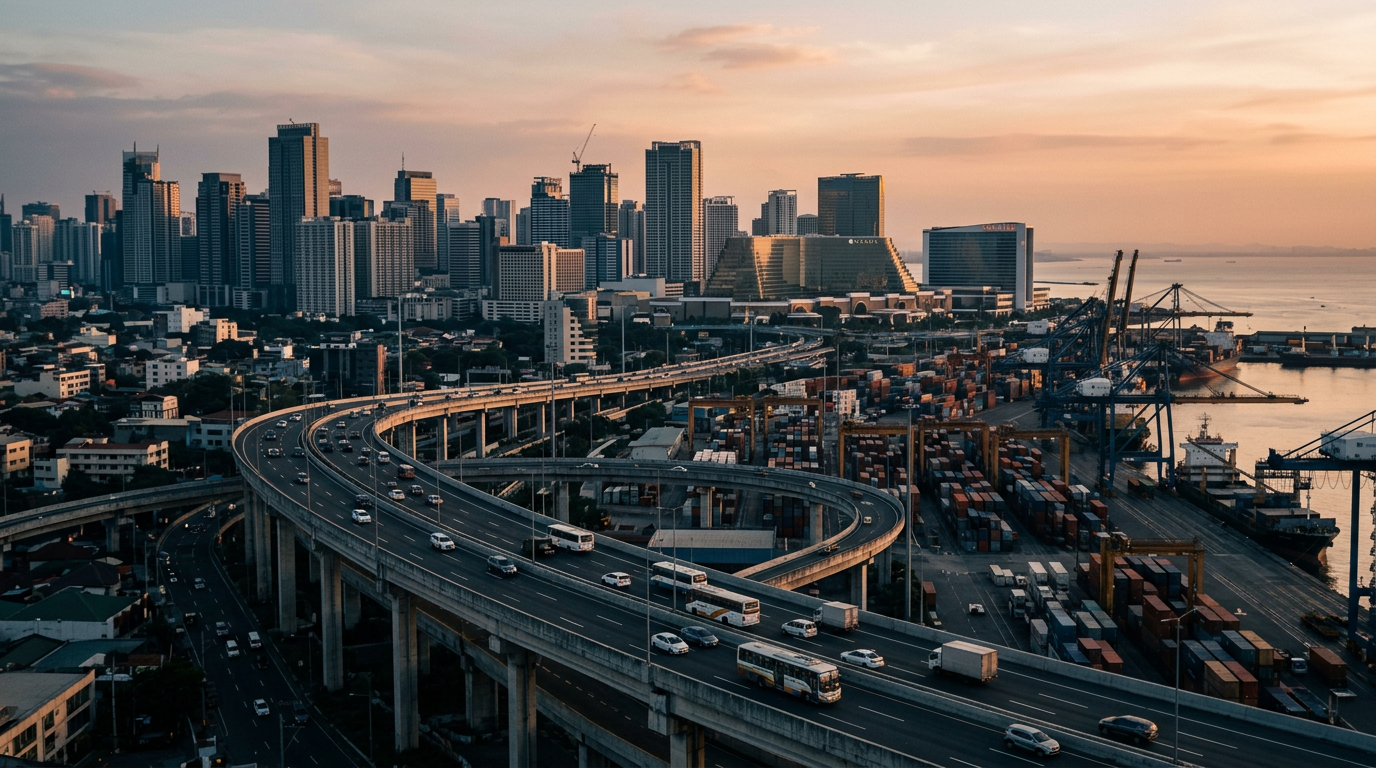
For investment to be truly sustainable, it cannot be confined to hotel construction. It must extend to the less glamorous but essential components of the visitor economy. This includes reliable power grids, efficient water and sanitation systems, and modern transportation networks that can handle a growing influx of people. Without these foundational elements, the tourism sector risks becoming a hollow facade, unable to deliver a consistently high-quality experience and thus unable to sustain its growth.
The Institutional Framework
The core challenge is institutional. As discussed in the book, "Scale matters only when institutions can turn it into investable depth." In the context of Philippine tourism, this means that the capacity of national and local government bodies to plan, permit, and provision for growth is paramount. The journey from a foreign direct investment announcement to a functioning enterprise is a long one.
Realised investment flows are contingent on the "slower work of land, permits, power and talent reaching the ground." This involves a coordinated effort between various government agencies to streamline regulations, ensure land titles are clear and secure, and provide access to reliable utilities. Furthermore, developing a skilled workforce-from hotel management to culinary arts to transportation logistics-is a long-term project that requires strategic investment in education and vocational training. The success of the Philippine tourism industry will ultimately depend not on the number of hotels built, but on the strength of the institutions that support them.
What to watch
Beyond the headline tourism arrival numbers, observers should monitor the progress of infrastructure projects that support the hospitality sector, particularly in energy and transportation. The ability of Philippine institutions to execute these projects and streamline the investment process for foreign and domestic capital will determine if the current momentum in tourism translates into lasting economic development. The key metric is not just the number of hotel rooms, but the broader ecosystem of assets and talent that underpins them.