
ASEAN Analysis & Commentary
Every analysis published on ASEAN Rising is sourced, datestamped and signed. We're more interested in being right in 12 months than first in 12 minutes.
Foundation pieces
Start here. The three pieces below set out the lens ASEAN Rising uses to read every story.
ASEAN Rising's core lens. Execution Economics is the study of whether countries, companies and institutions can convert obvious potential into delivered outcomes - and which six pillars decide the answer.
The region has capital, demographics, location and policy ambition. None of that has ever been the binding constraint. The next decade is an execution test, not a potential test - and it is already being scored.
Malaysia is the test case for whether ASEAN's middle powers can turn FDI, semiconductors and data centres into compounding domestic capability. Read the live coverage and execution scorecard.
Analysis tagged #data centers
 Thailand
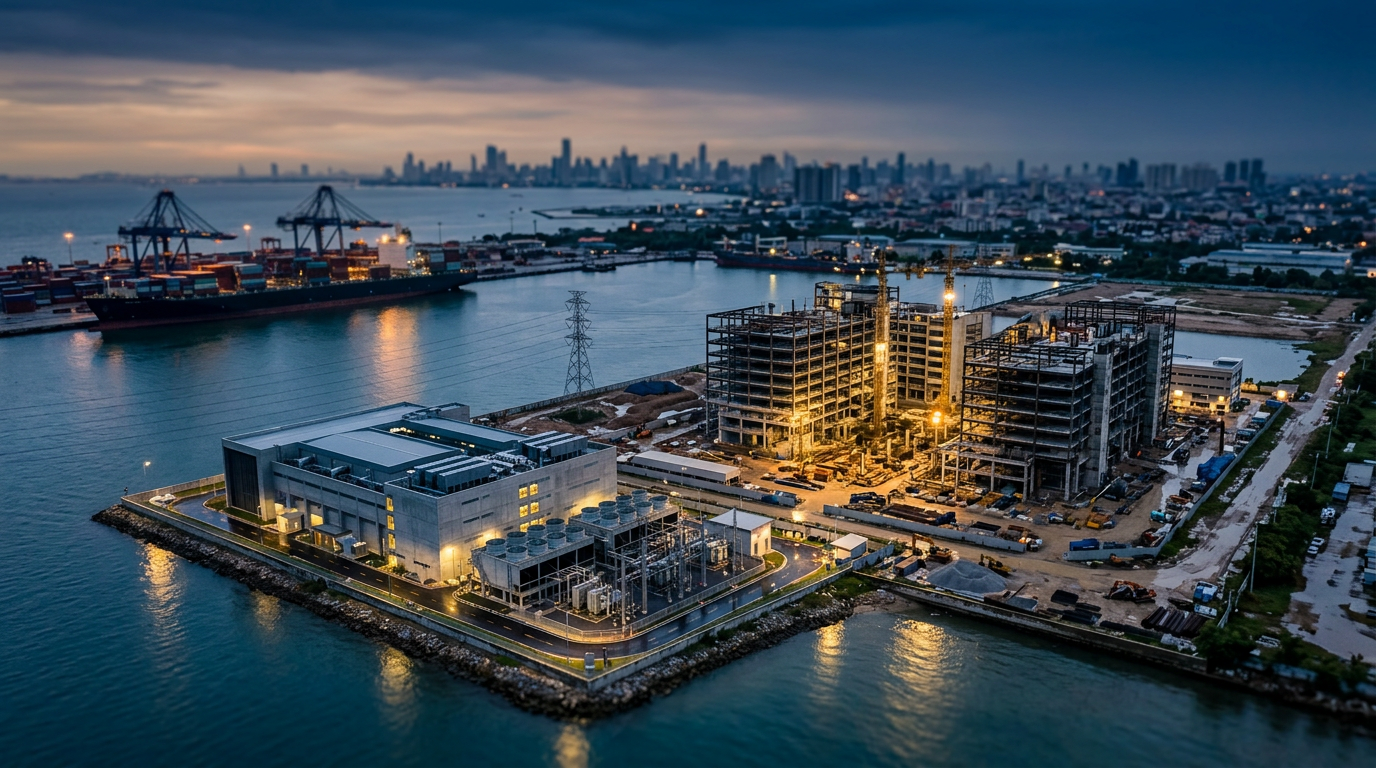
Data Center Investment Beyond Singapore
A recent IPO filing shows how demand for hyperscale data centers is spilling over from Singapore to its neighbors. Yet capturing this demand requires more than just cheap land and power.
 Thailand
Data Centers, Not Just Oil and Gas, Compete for Chips
Thailand's ambition to become a major data center hub is running into the global semiconductor shortage. The country's success depends on coordinating infrastructure and regulatory planning to attract hyperscale investment.
 Indonesia
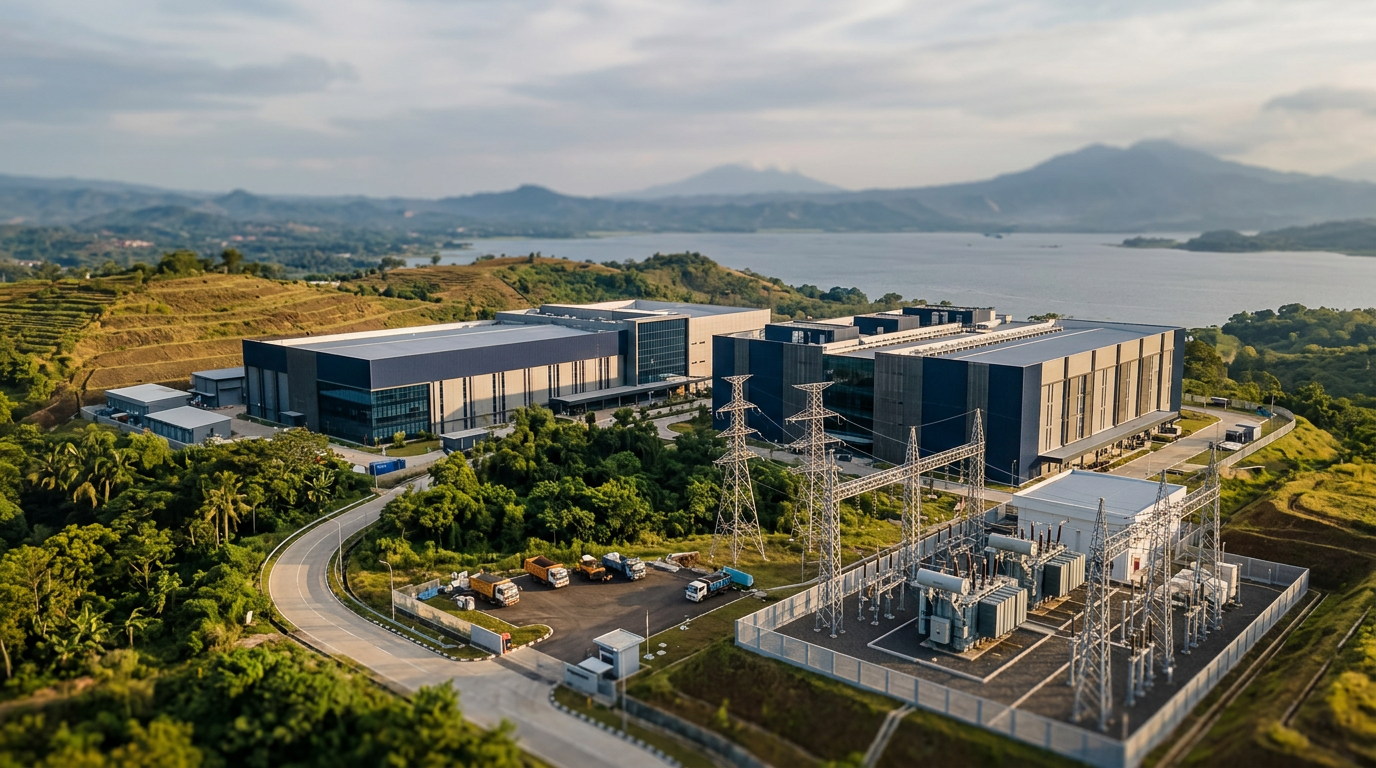
's Hyperscale Ambition Moves to Jatiluhur
A major new data center campus in West Java tests Indonesia's ability to coordinate infrastructure and power at scale. The 640 MW project is a bet on a new location, moving away from established hubs like Jakarta and Cikarang.
 Philippines
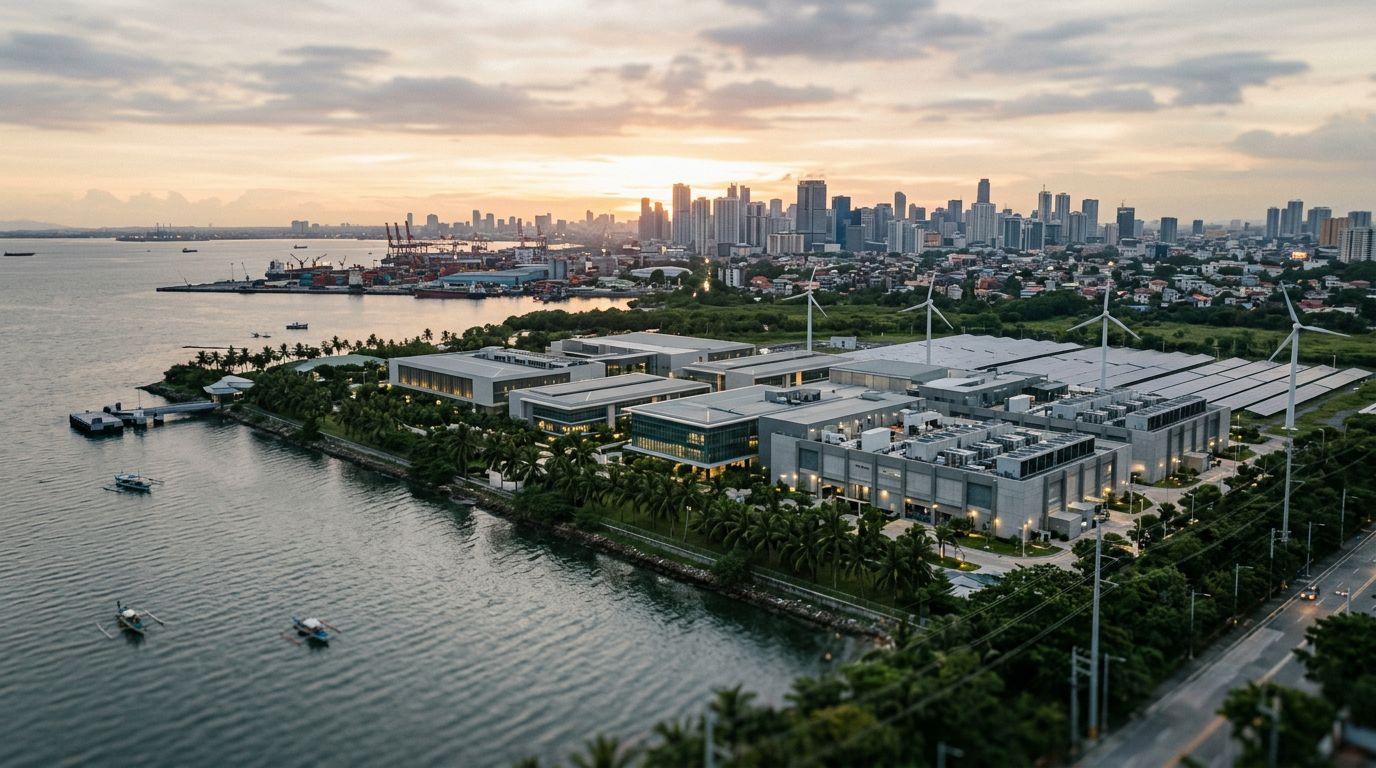
The Philippines Pursues Hyperscale with Green Energy
A new venture aims to power data centers with renewable energy, but attracting hyperscale investment requires more than just clean power.
 Malaysia
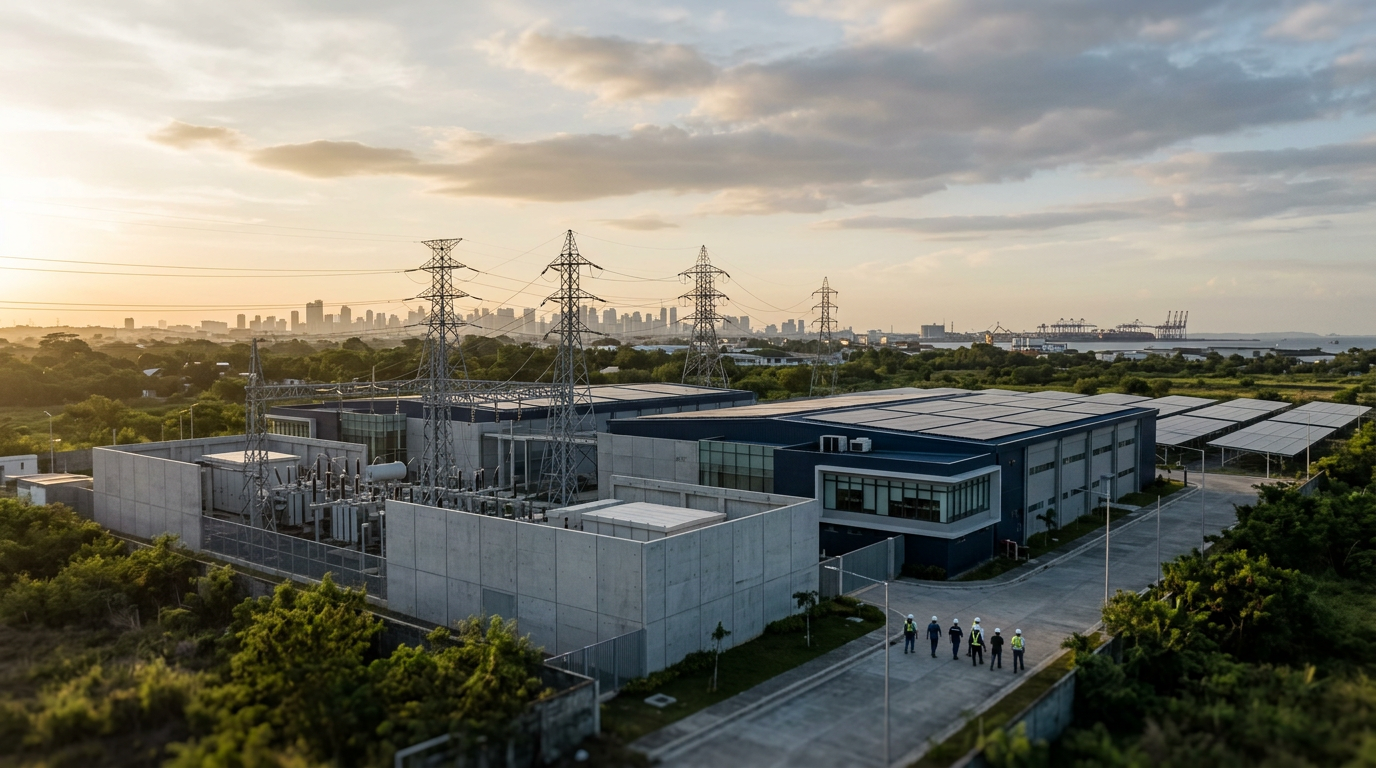
Philippine Data Centers: A Step Toward Hyperscale
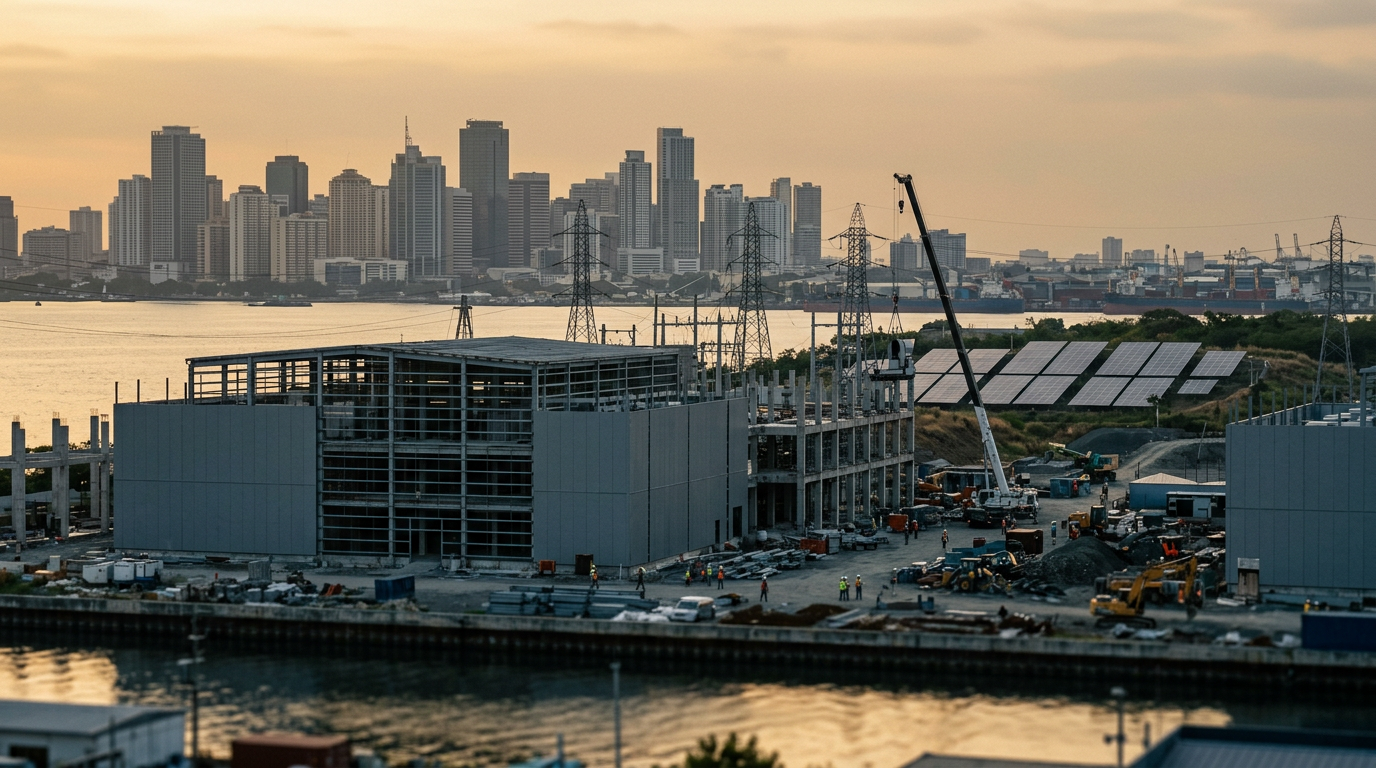
Meralco PowerGen Corp. and PLDT's VITRO REIT are partnering to develop renewable energy-powered data centers, a move that highlights the growing importance of integrated infrastructure in attracting hyperscale investment.
 Philippines
The Philippines' Data Center Land Grab Needs More Than Just Power
A new venture between Meralco and PLDT aims to power data centers with renewable energy. The project's success will depend on a level of capital coordination that goes well beyond electricity.
 Malaysia
The Philippines Bets on Green Data Centers
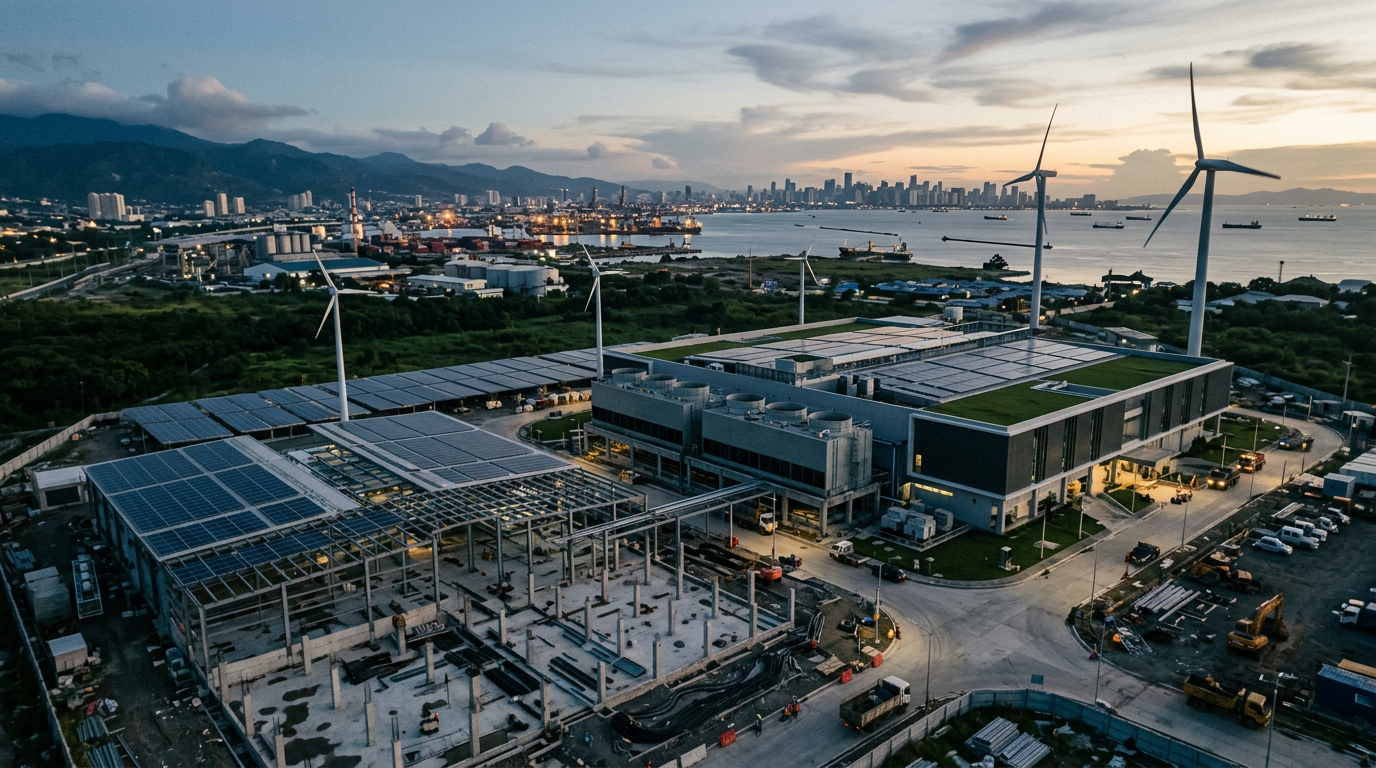
A new venture in the Philippines aims to build data centers powered by renewable energy. Success will depend on coordinating capital, infrastructure, and regulation.
 Malaysia
The Philippines' Data Center Ambition Hinges on Coordinated Power
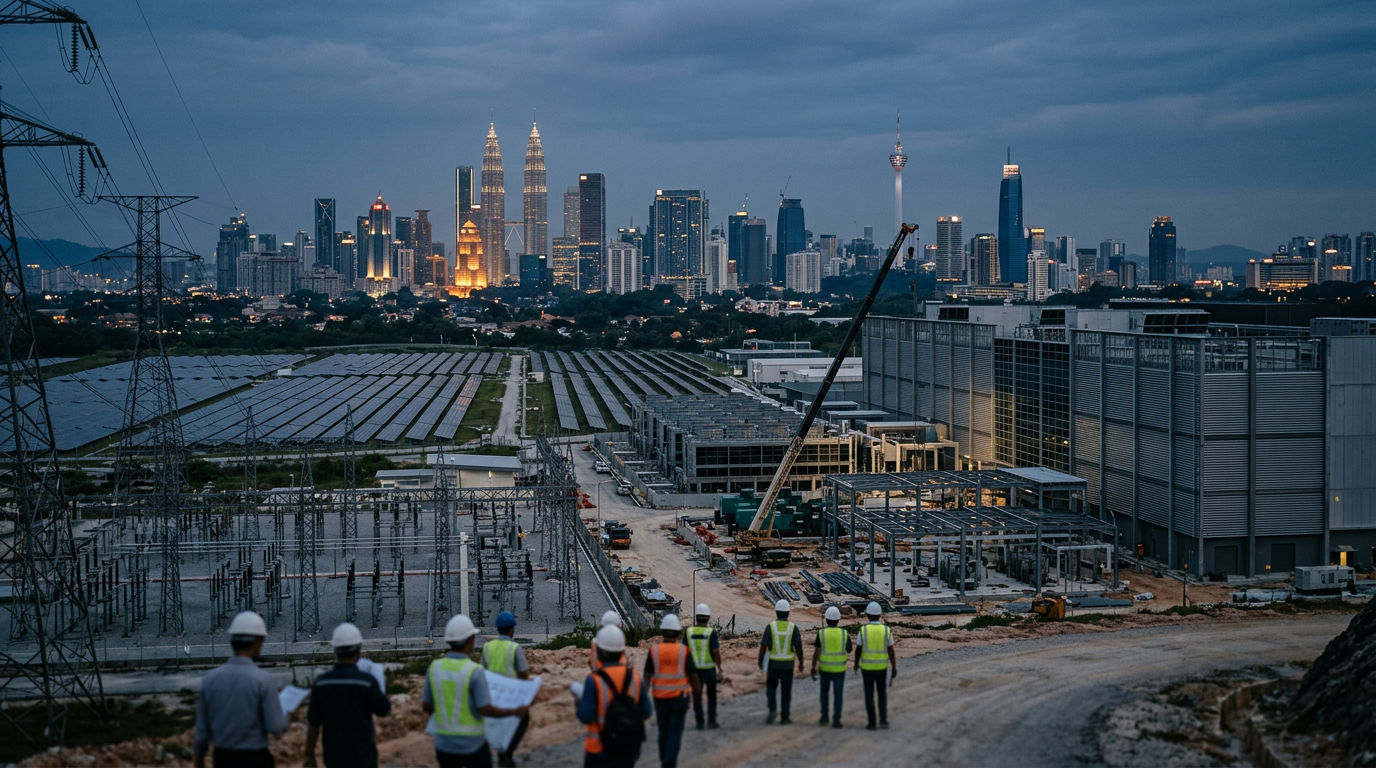
A new venture aims to power data centers with renewable energy, but success will require more than just clean electricity. It demands the kind of deep capital and infrastructure coordination that has propelled regional leaders.
 Malaysia
's Data Center Ambitions Test Its Power Grid
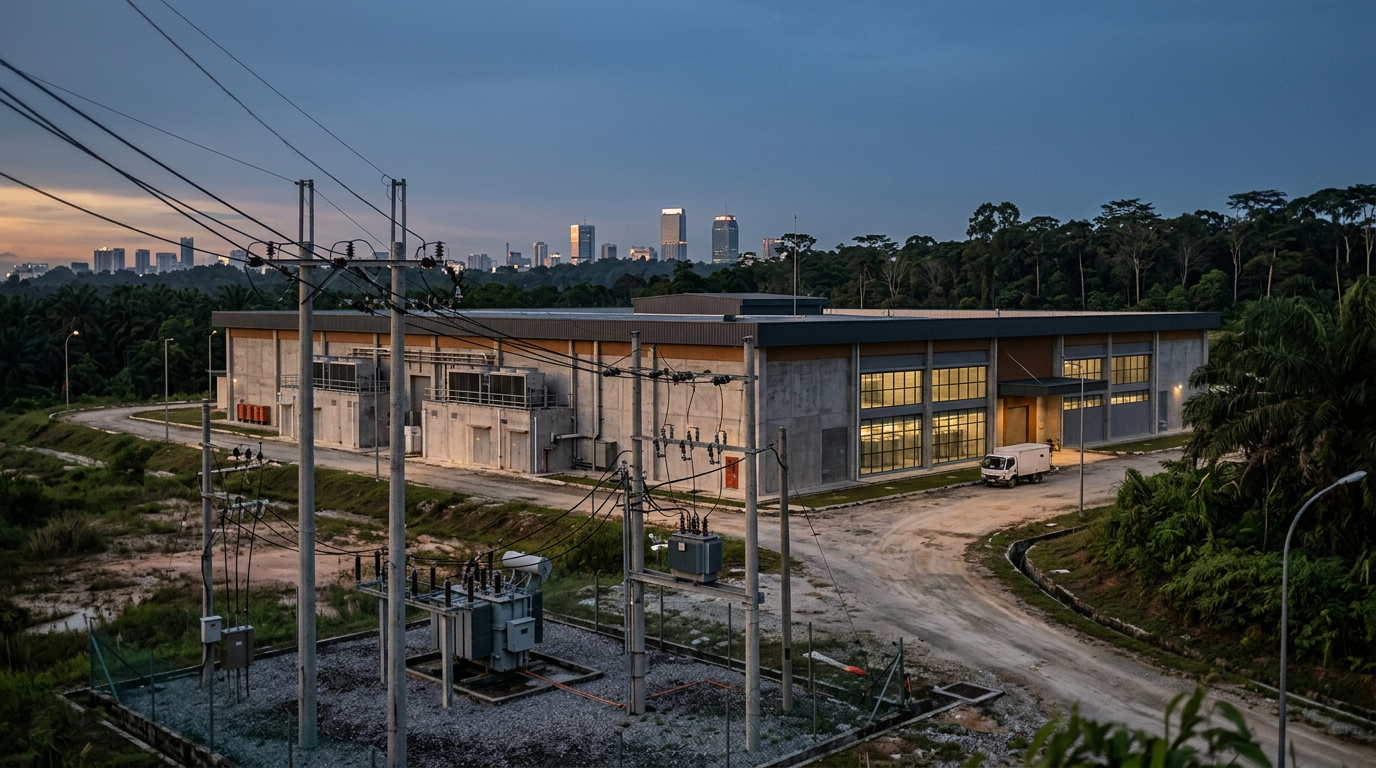
A new partnership between Meralco PowerGen and VITRO REIT to build renewable energy-powered data centers in Malaysia highlights the country's growing pains. While attracting hyperscale investment is a goal, the strain on the national power grid reveals the necessity of.
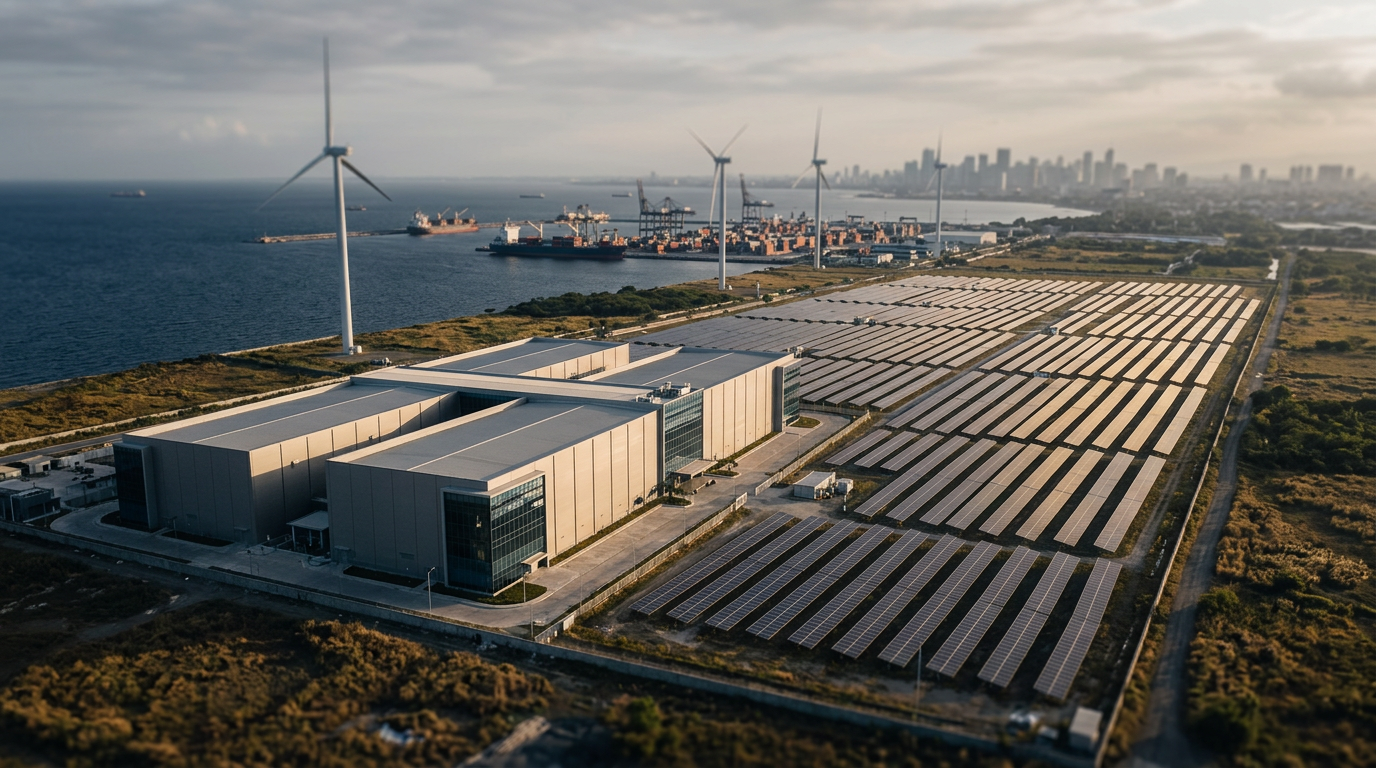 Malaysia
The Philippines Pursues Hyperscale with Green Energy
A new venture in the Philippines aims to pair renewable energy with data centers, a test of the country's ability to coordinate capital and infrastructure to attract hyperscale investment.
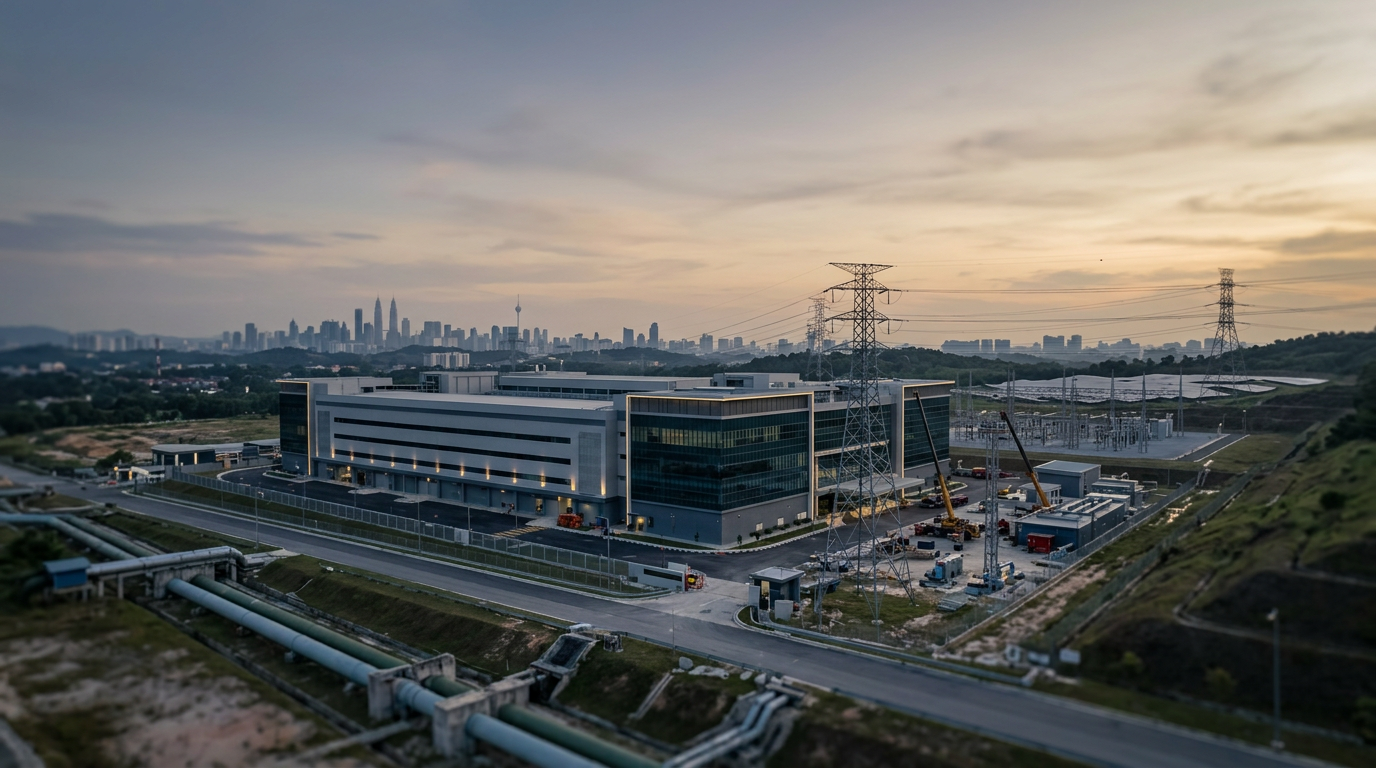 Malaysia
's Data Center Ambition Hinges on Coordinated Infrastructure
A recent joint venture to build renewable energy-powered data centers in Malaysia highlights the nation's ambition to become a regional hub. However, success will depend on more than just attracting investment; it requires the kind of deep infrastructure and utility.
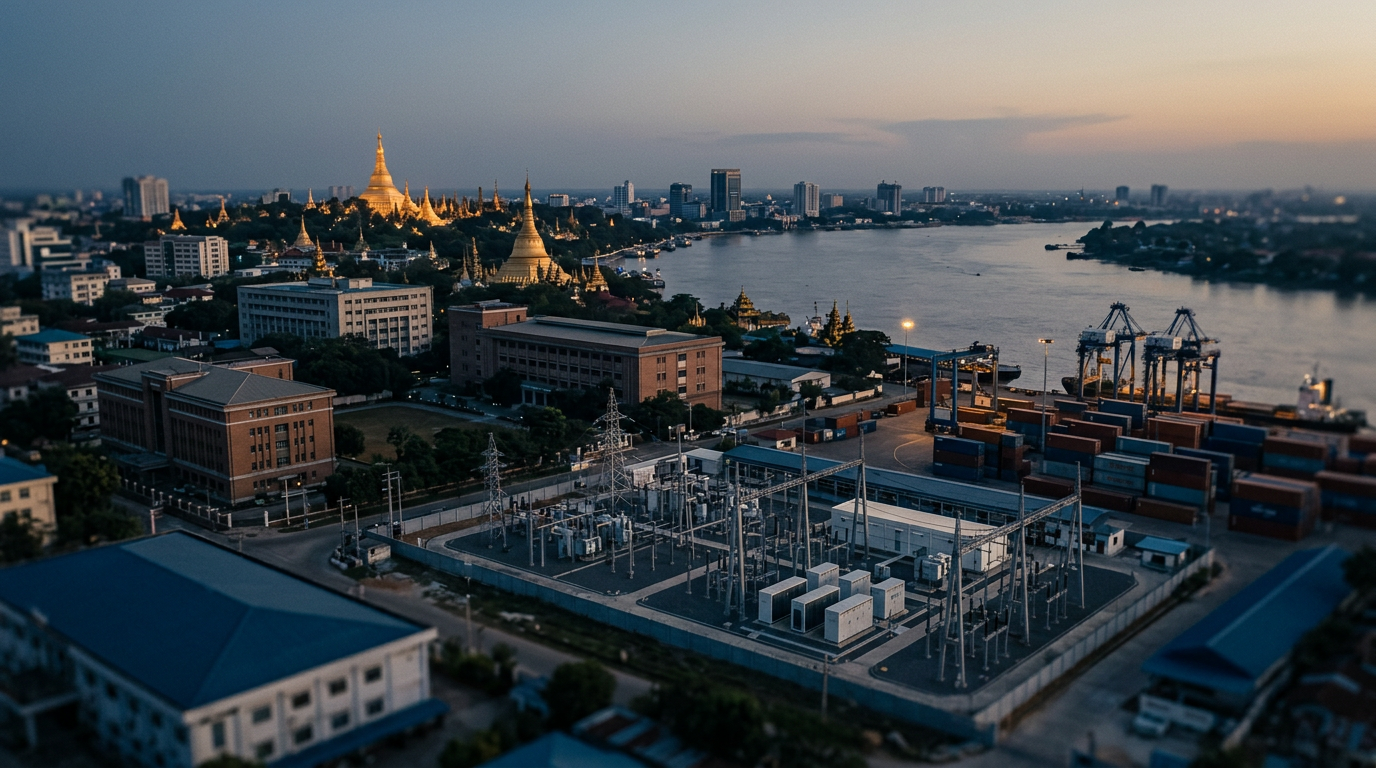
 Myanmar
Reliable Infrastructure is Comparative Advantage
The partnership between Infineon and Eaton on next-generation power infrastructure for data centers is a small but telling indicator of a larger trend across ASEAN: the growing importance of institutional reliability in delivering complex, high-value projects. It is a quiet.
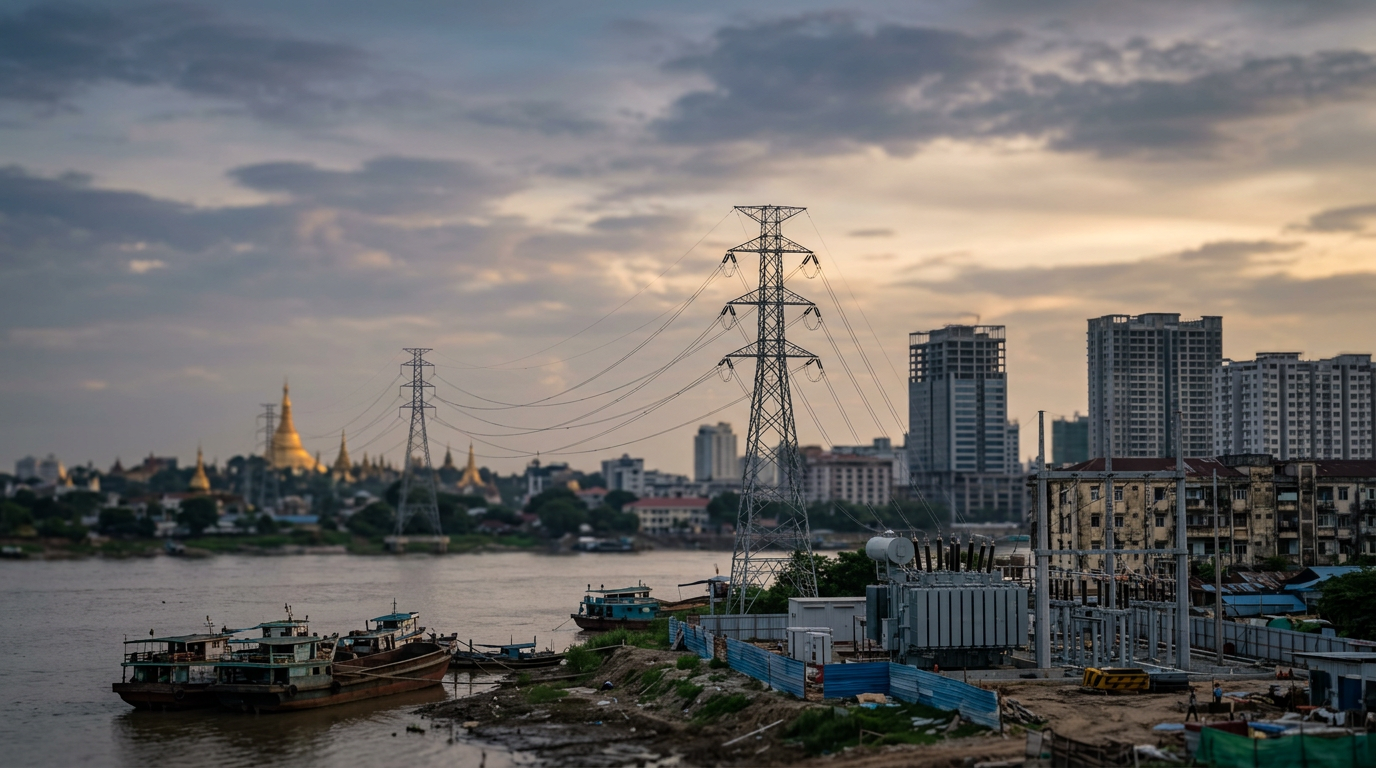 Myanmar
State Capacity and the Data Center
New power architectures for data centers are a reminder that institutional reliability has become part of comparative advantage. A usable state is often more valuable than an exciting one.
 Myanmar
Data Centers Demand State Capacity
The new generation of data centers in Southeast Asia demands a new generation of reliable public infrastructure, starting with the power grid.
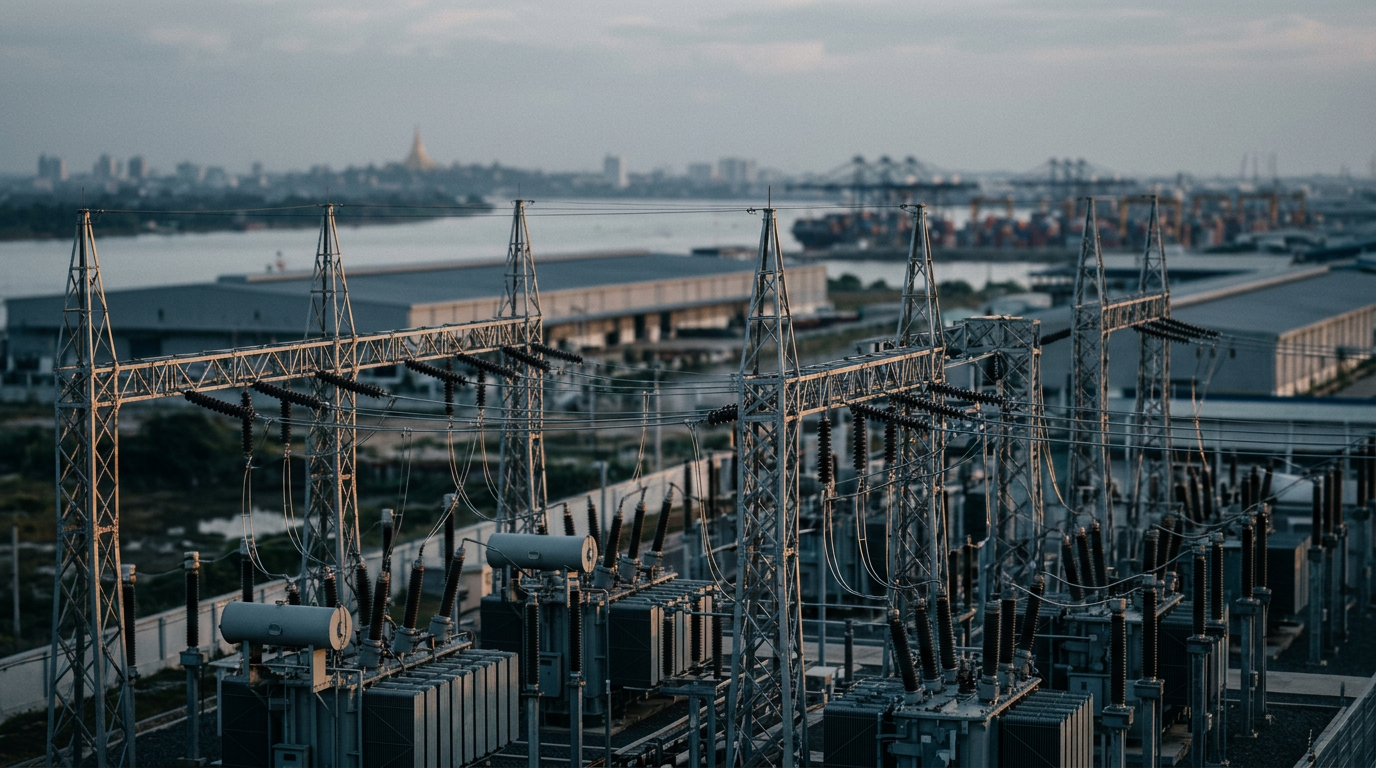 Myanmar
Reliable Power, Institutional Advantage
The recent partnership between Infineon and Eaton to develop next-generation power transformers for data centers highlights a core theme: institutional reliability is a key component of national comparative advantage.
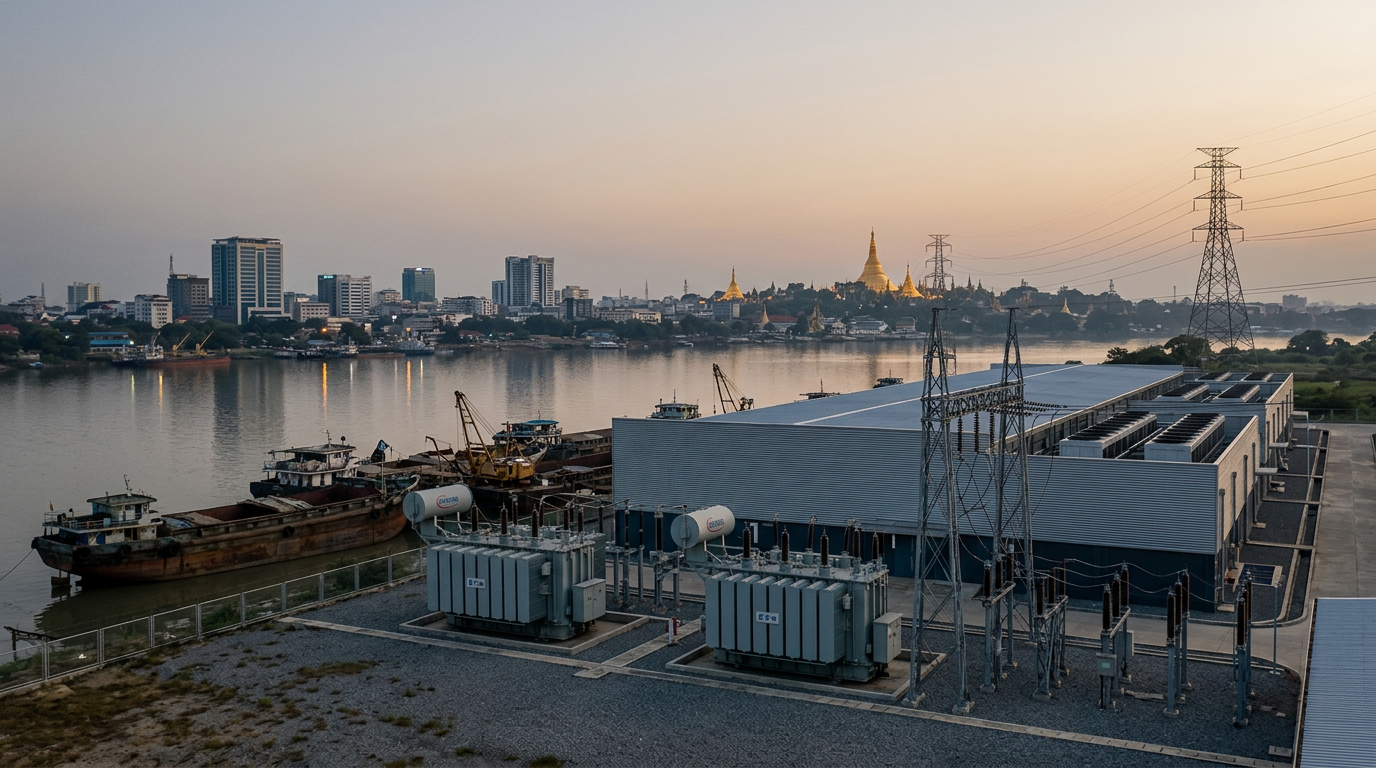 Myanmar
Reliability powers the new data center economy
The partnership between Infineon and Eaton on next-generation power transformers for data centers is more than a technical story; it is a signal about the kind of infrastructure that builds lasting economic advantage.
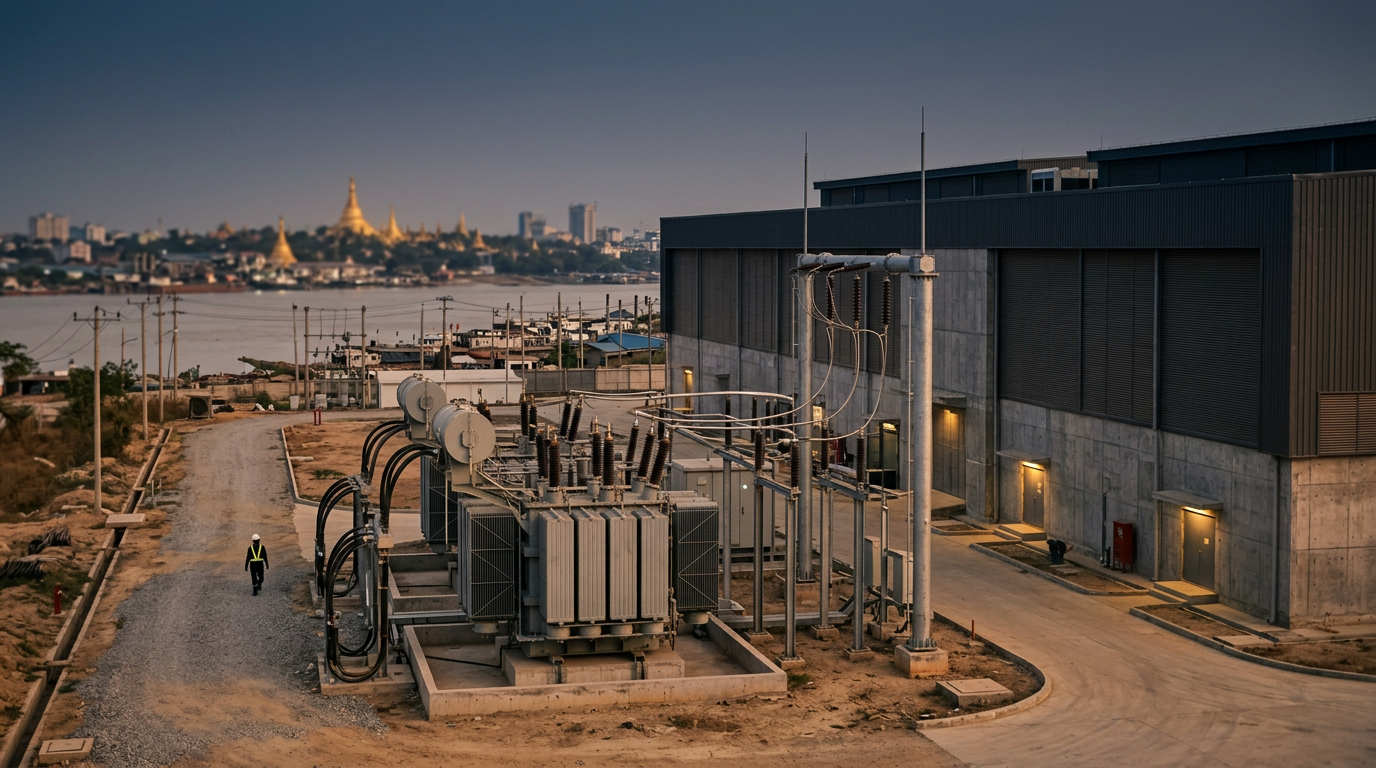 Myanmar
Reliability is the New Advantage in ASEAN Data Centers
A partnership between Infineon and Eaton to develop new power transformers for data centers highlights a shift in ASEAN. The region's growth now depends not just on announcing big projects, but on the steady execution of the infrastructure that enables them.
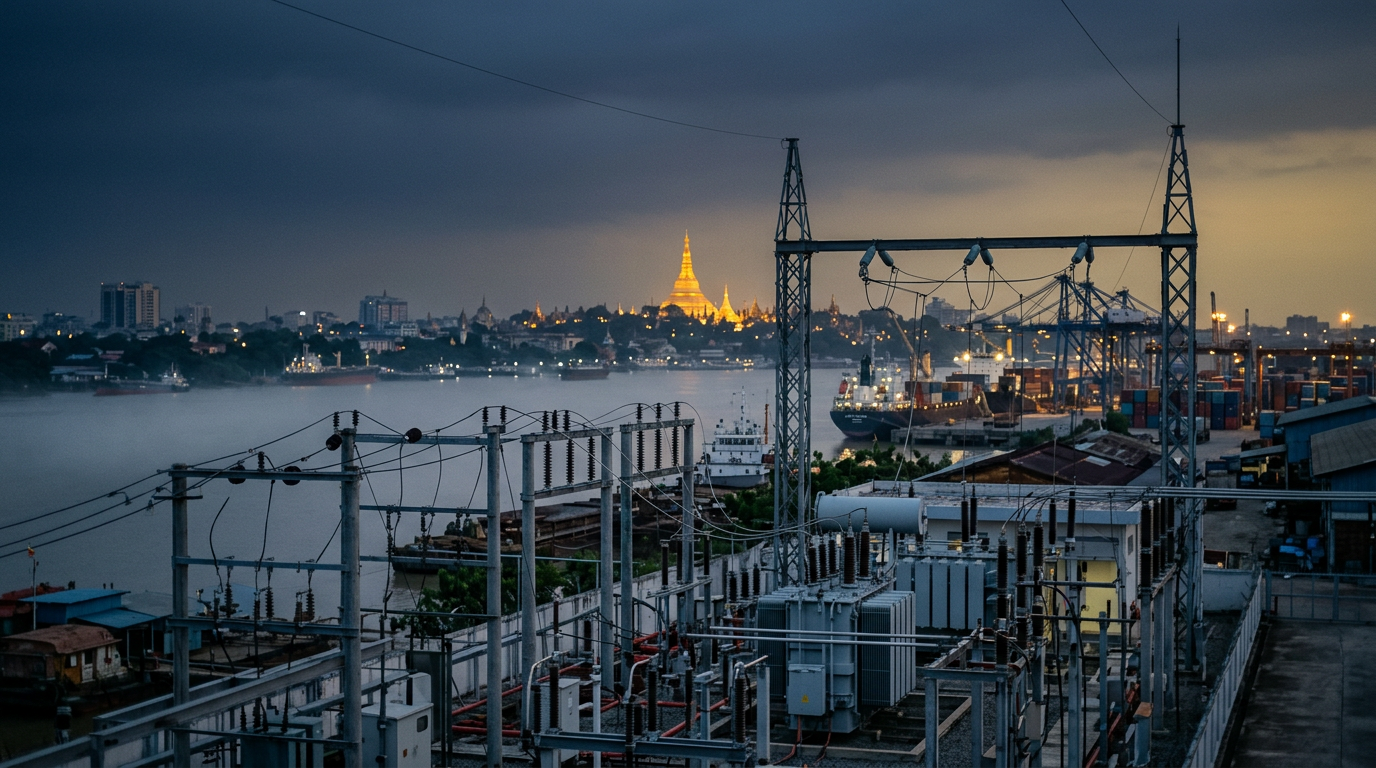 Myanmar
The Quiet Revolution in ASEAN's Power Infrastructure
A recent partnership between Infineon and Eaton in next-generation transformer technology is a reminder that in the race for digital leadership, reliable power is non-negotiable. For ASEAN, this is about more than just keeping the lights on.
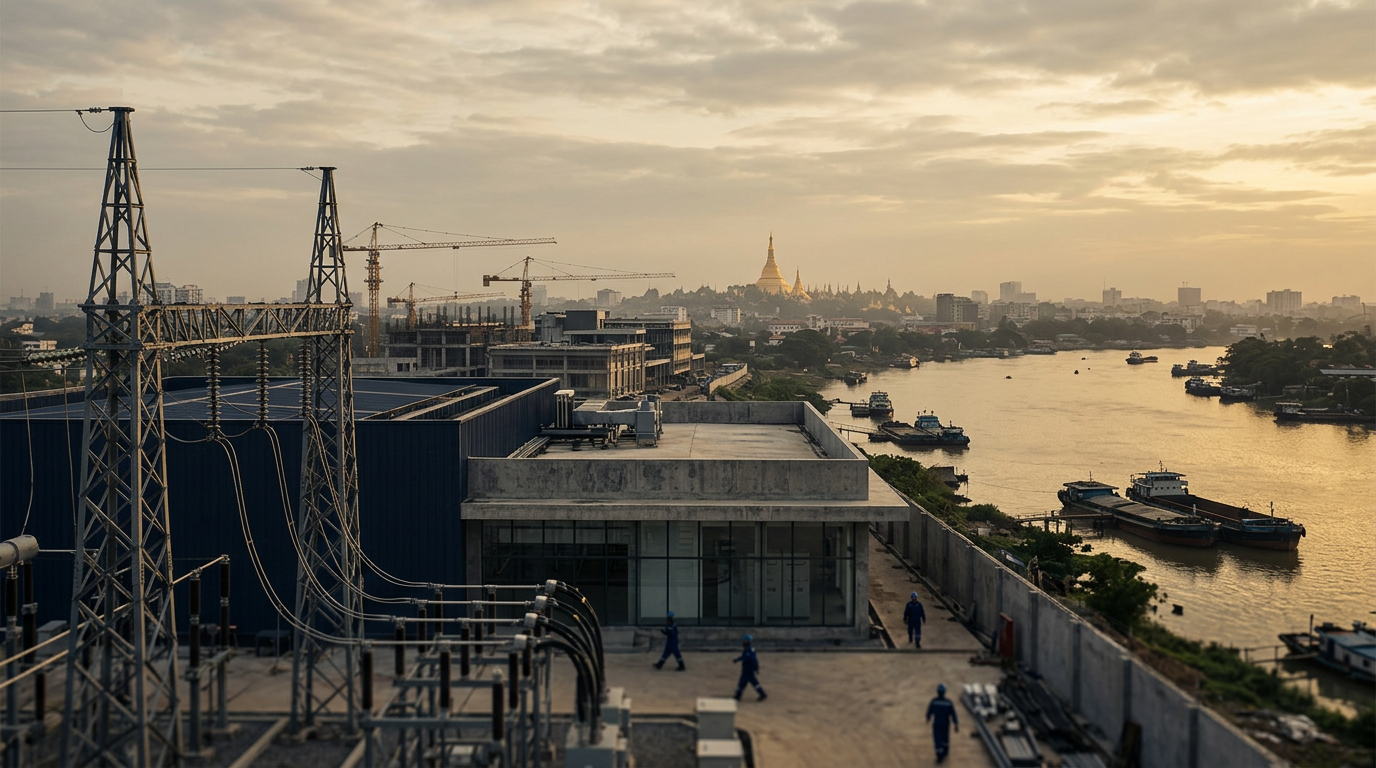 Myanmar
The Quiet Execution of Data Center Infrastructure
In Southeast Asia, the race to build the digital economy's backbone is not just about announcing new projects, but about the institutional capacity to execute them. On-time delivery of critical infrastructure signals a deeper competitive advantage.
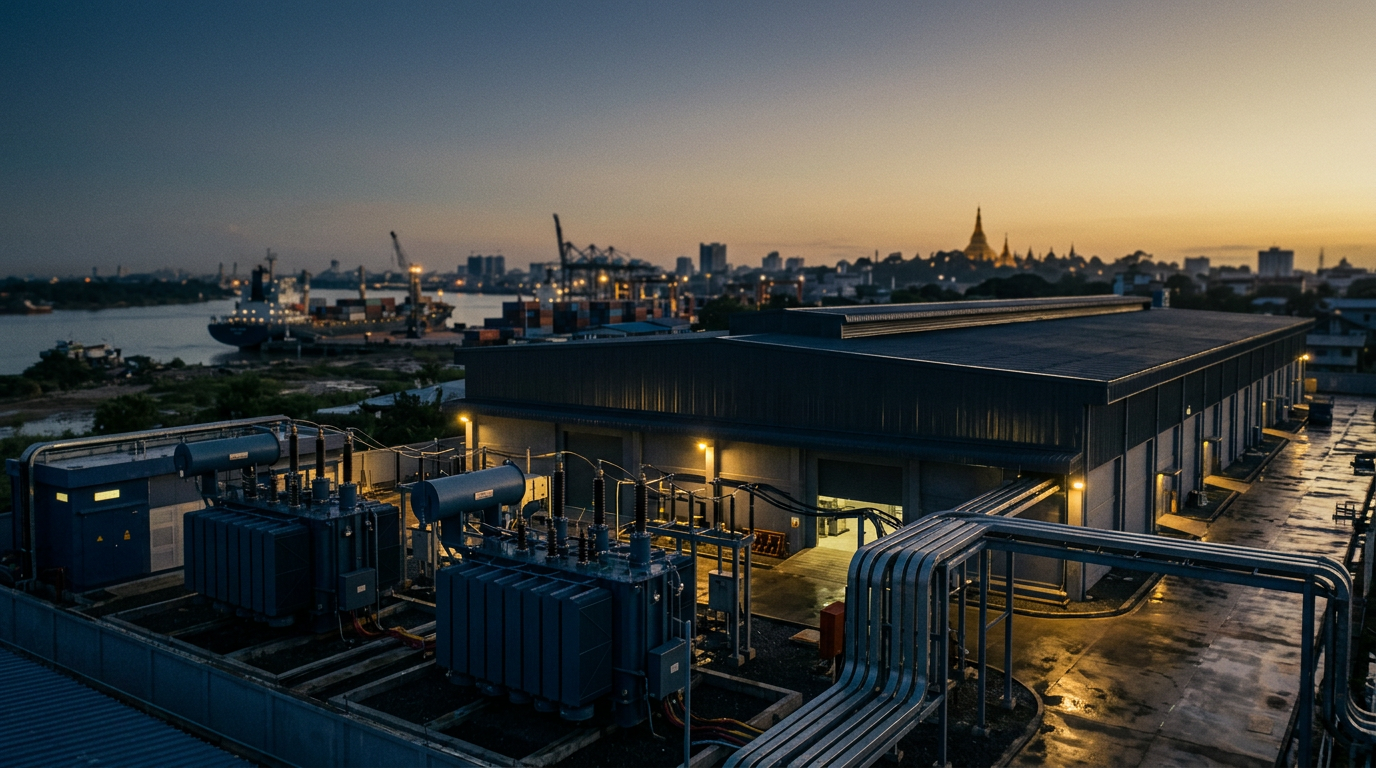 Myanmar
The Quiet Revolution in ASEAN's Power Infrastructure
A recent partnership between Infineon and Eaton to develop next-generation transformers for data centers highlights the growing need for sophisticated power management to support the region's digital ambitions. This shift underscores a core theme of ASEAN's development: the.
 Philippines
Data Residency and Data Centers in the Philippines
A proposed data residency law in the Philippines aims to attract data center investment. However, attracting hyperscale capacity requires more than just legislative incentives; it depends on the coordinated delivery of power, connectivity, and planning.
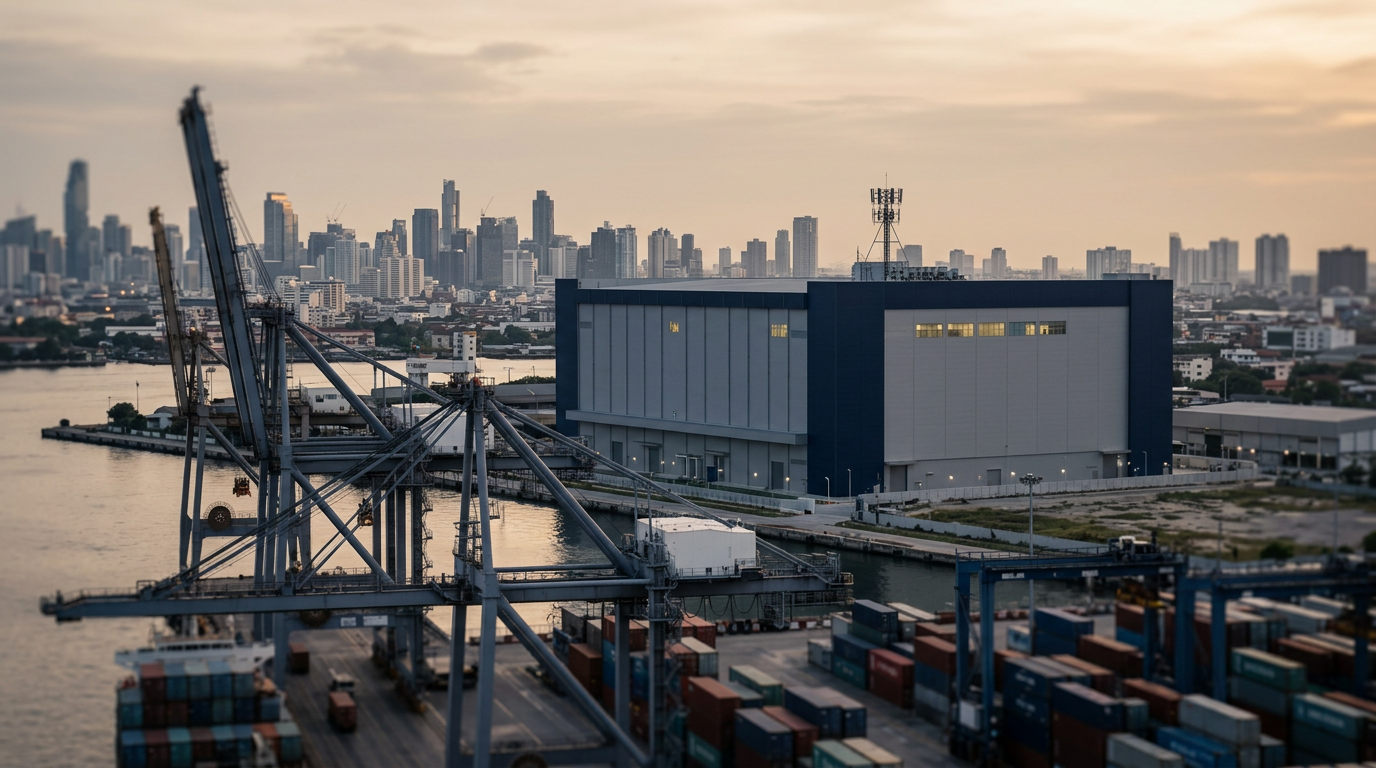 Thailand
 Enters the Hyperscale Arena
Meta's recent move to secure AI capacity in Thailand is a bet on the country's infrastructure and institutions, not just its power grid. For hyperscale data centers, execution is everything.

 Singapore
Samsung, KKR, and Singapore's Hyperscale Formula
Samsung's $1 billion investment into KKR's Helix data center platform shows how Singapore combines capital, coordination, and control to attract hyperscale capacity.
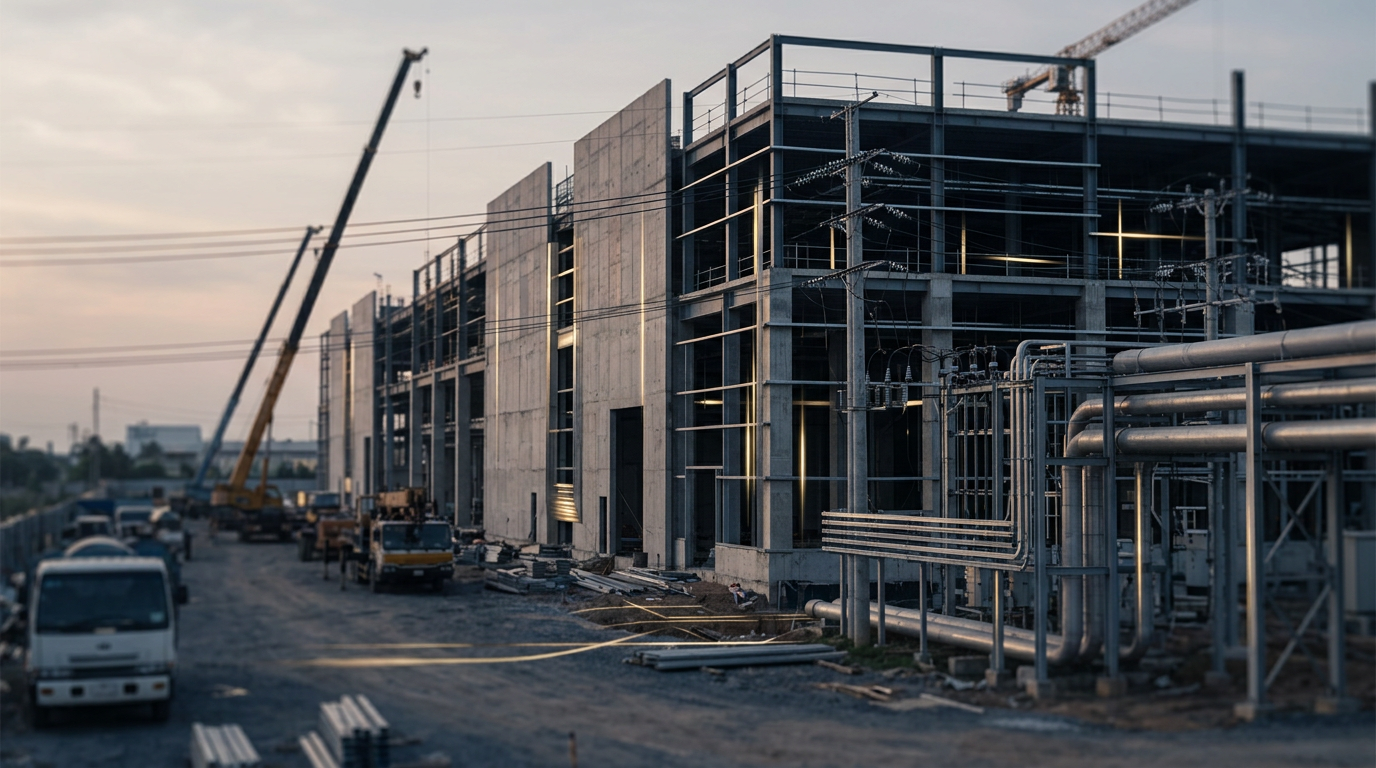
 Vietnam
's Data Center Ambitions Meet Reality
Vietnam's data center boom is hitting constraints. Power, site, and tariff issues are creating a reality check for investors, echoing the book's core theme: "Capital coordination is itself an industrial input."
 Malaysia
Philippine Telco Globe Bets on Data Centers
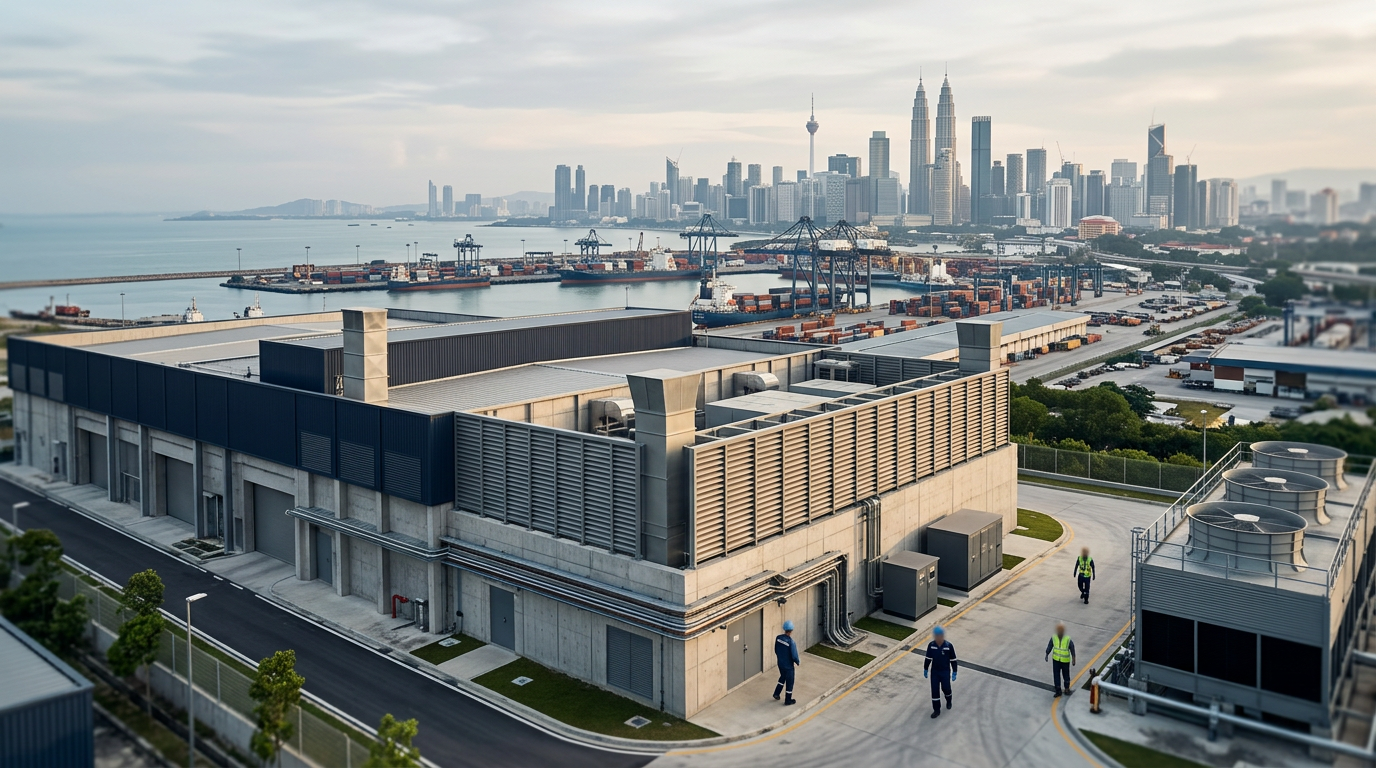
Philippine telco Globe Telecom Inc. is focusing on its digital units, including data centers, to attract investor interest and mitigate a recent profit slowdown. The move highlights a broader regional trend where data center investment is not just about cheap power, but about.
 Vietnam
's data center ambitions meet the institutional test
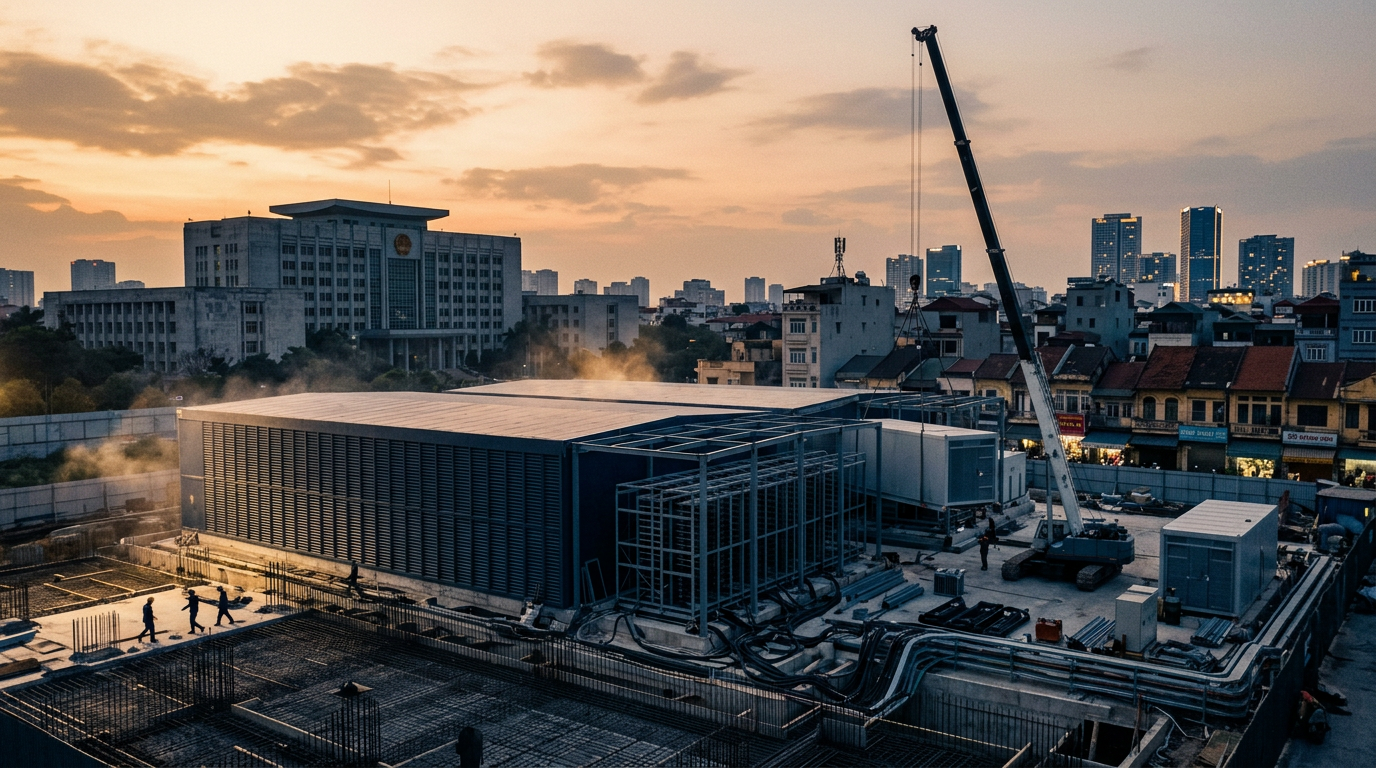
Foreign investors are noticing Vietnam's potential as a data center hub. Turning that interest into reality will require a concerted effort to align institutions, infrastructure, and talent.
 Vietnam
's Data Center Boom: From Ambition to Reality
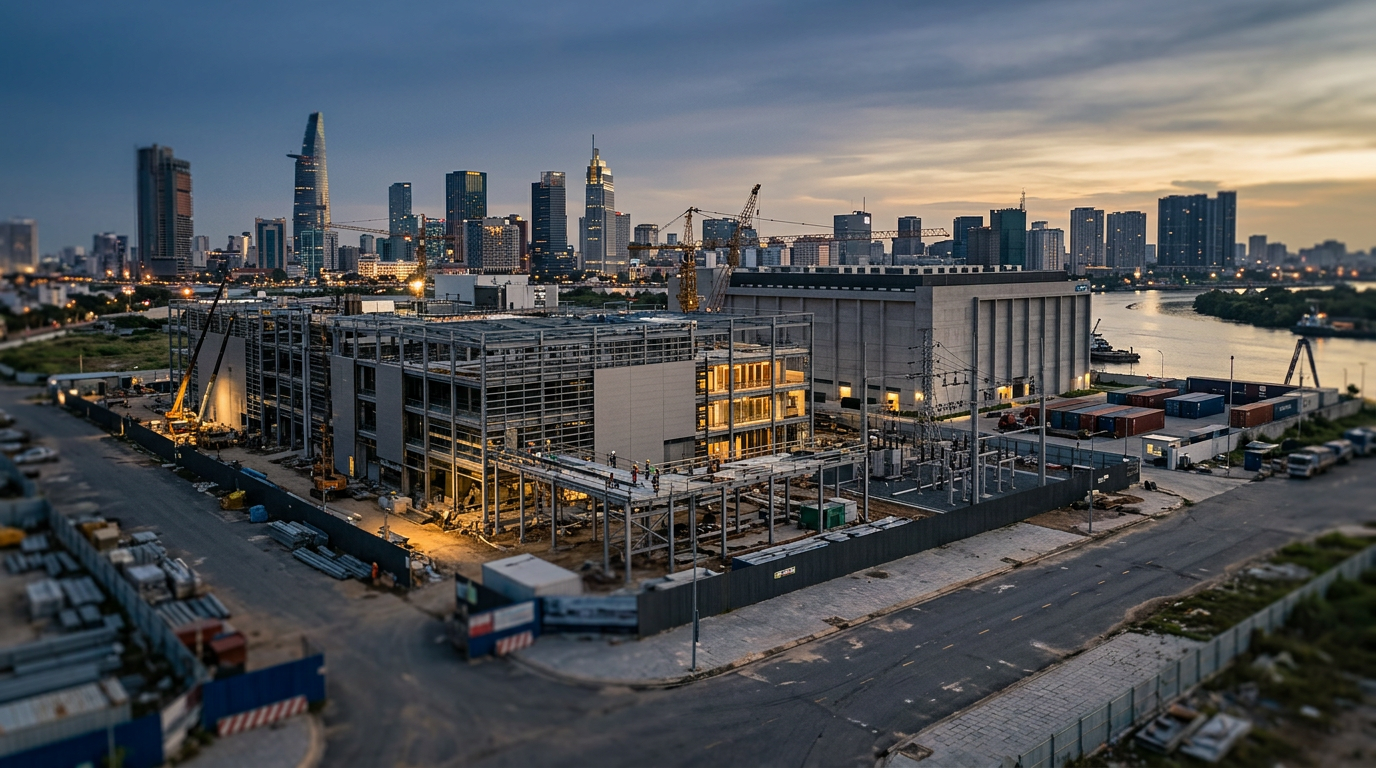
A development pipeline for hyperscale data centers shows rising demand for digital infrastructure in Vietnam, but turning announcements into operational assets requires institutional focus.
 Vietnam
's data center ambitions depend on more than capital
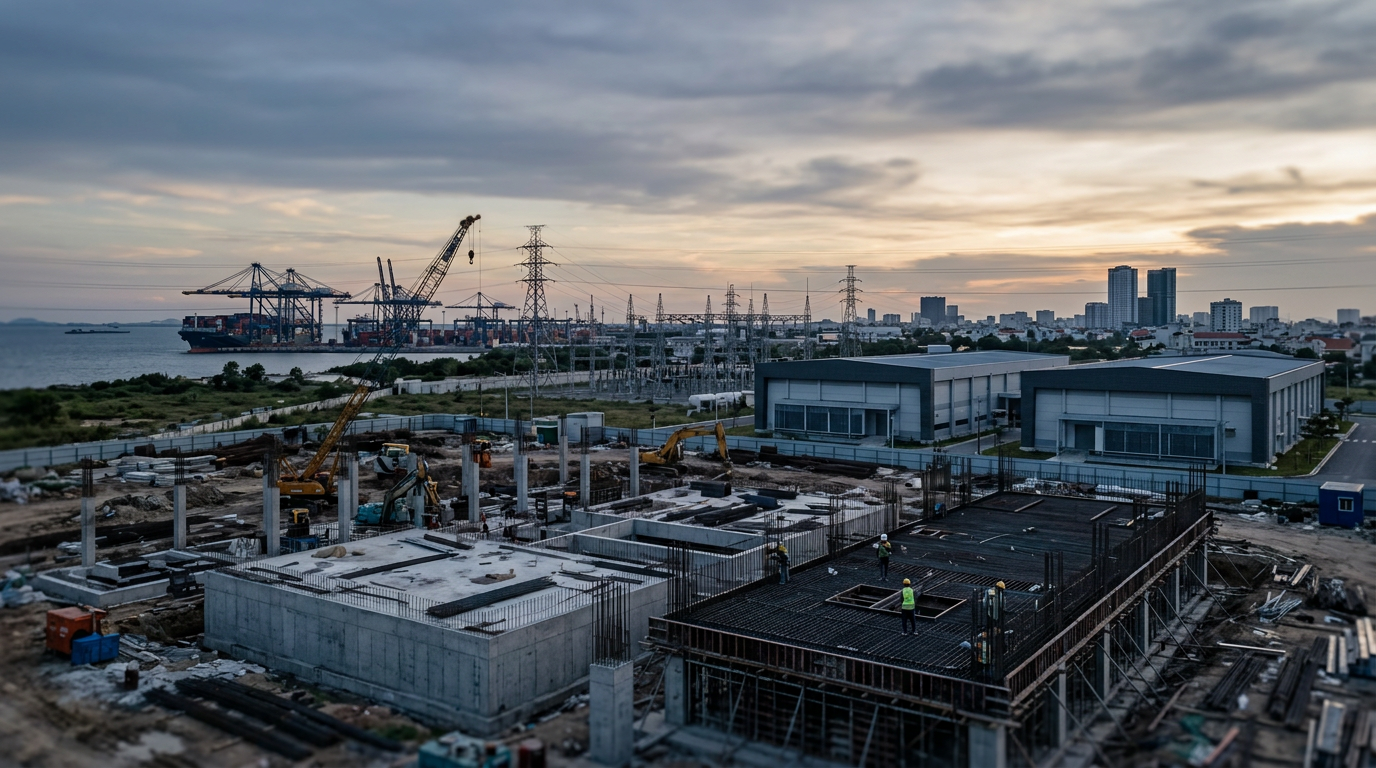
FDI announcements travel quickly. Realised flows depend on the slower work of land, permits, power and talent reaching the ground.
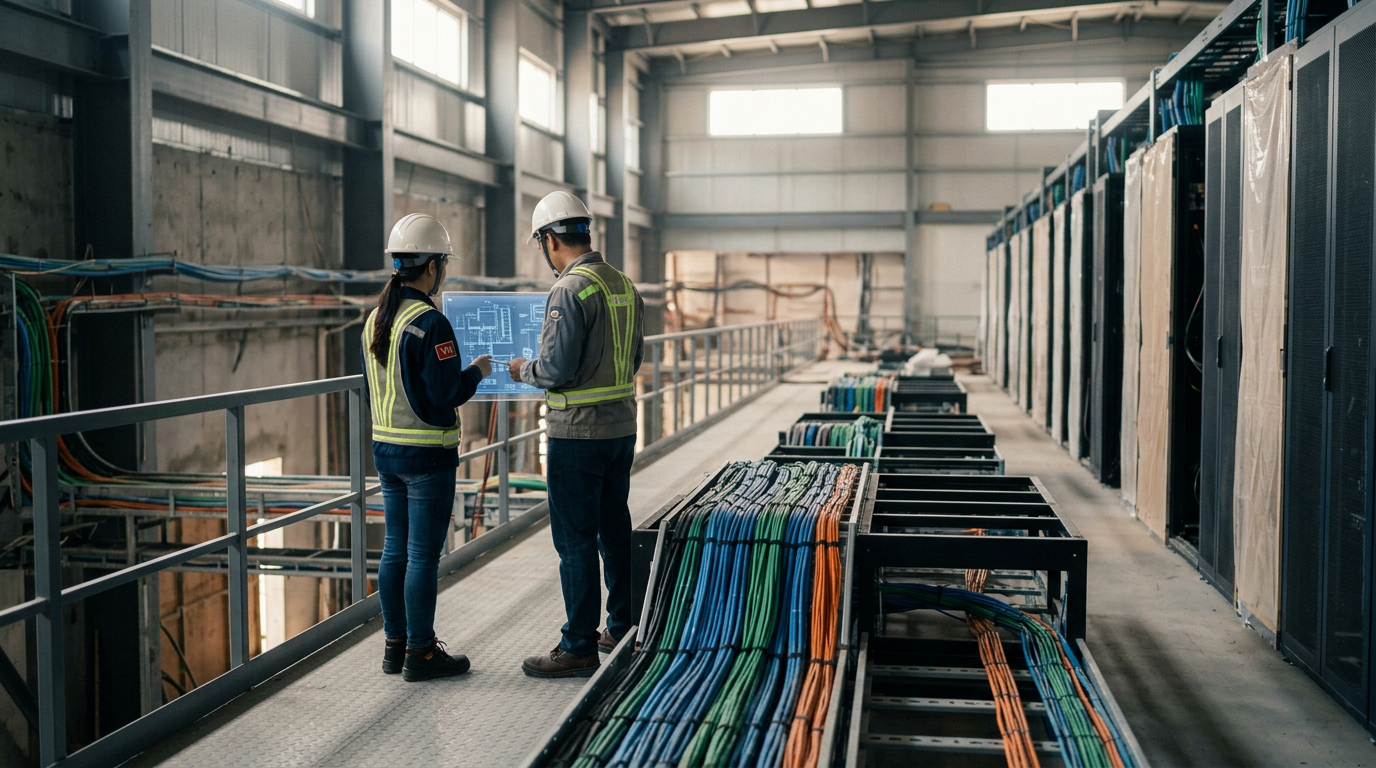 Vietnam
's data center ambitions depend on execution
Vietnam's pipeline of hyperscale data centers is a test of its institutional capacity. FDI announcements travel quickly. Realised flows depend on the slower work of land, permits, power and talent.
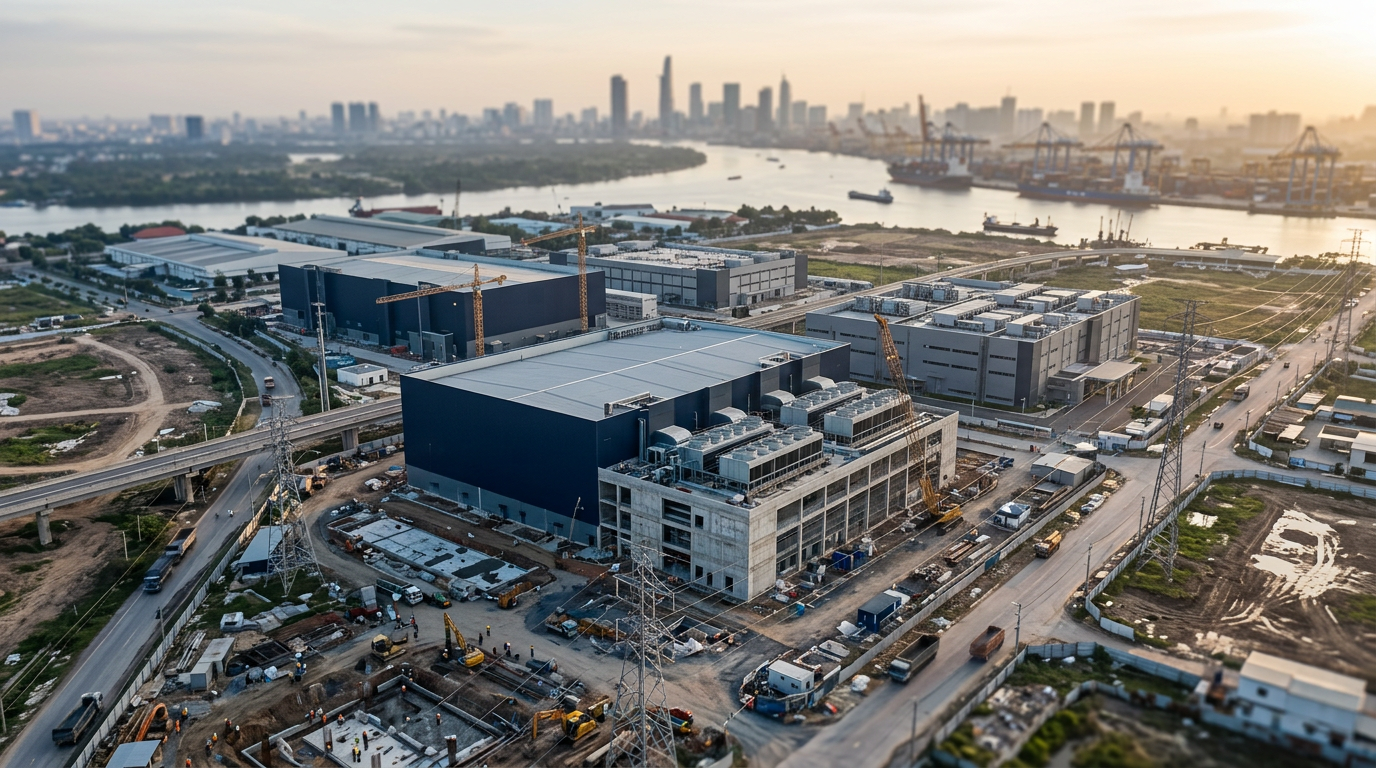 Vietnam
Data Centers Test Vietnam's Investment Framework
Vietnam's digital economy is attracting investor interest in hyperscale data centers. The test is whether institutions can deliver the power, land, and talent needed to realize these multi-billion dollar projects.
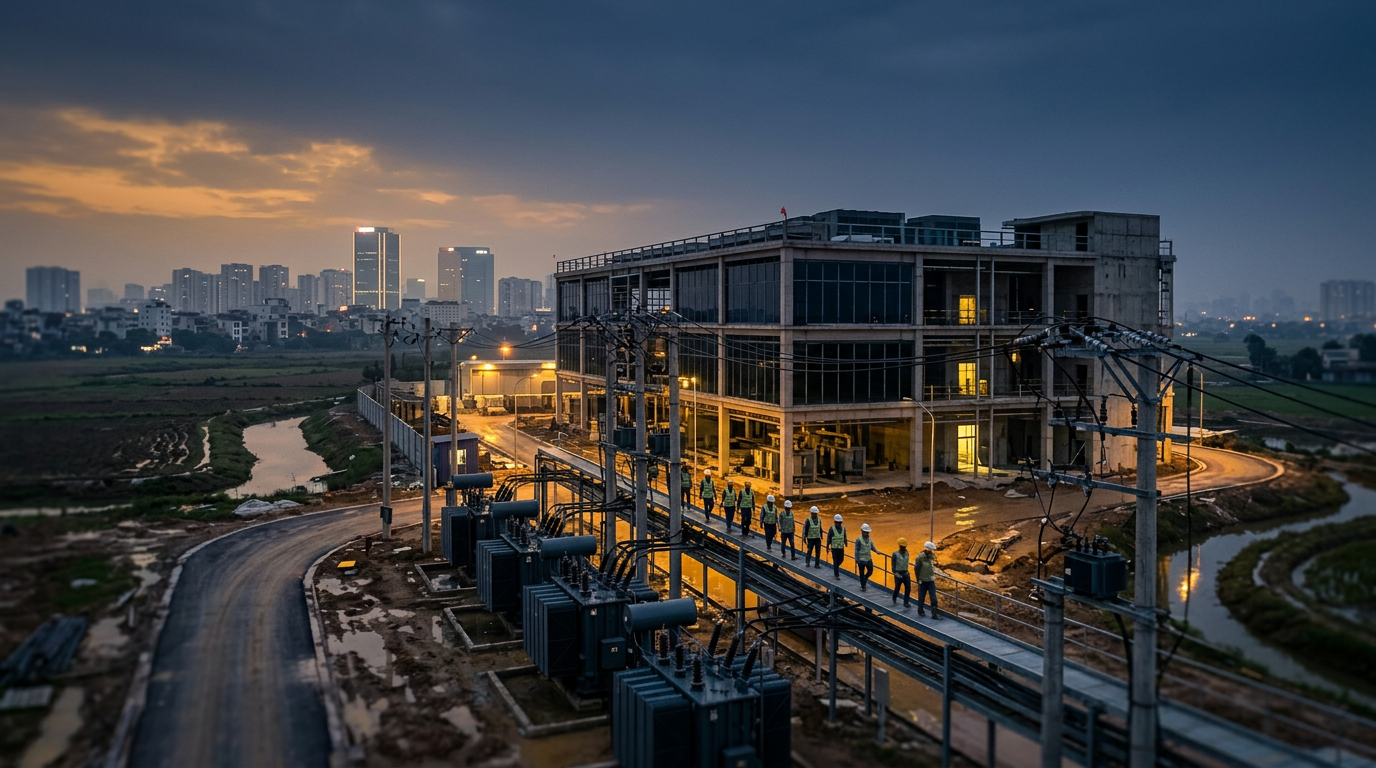 Vietnam
's Data Center Ambitions Test Its Institutions
Vietnam's digital economy is attracting investor interest in hyperscale data centers, but realising this ambition requires more than just scale. It is a test of institutional capacity to deliver the land, power, and talent needed for complex digital infrastructure projects.
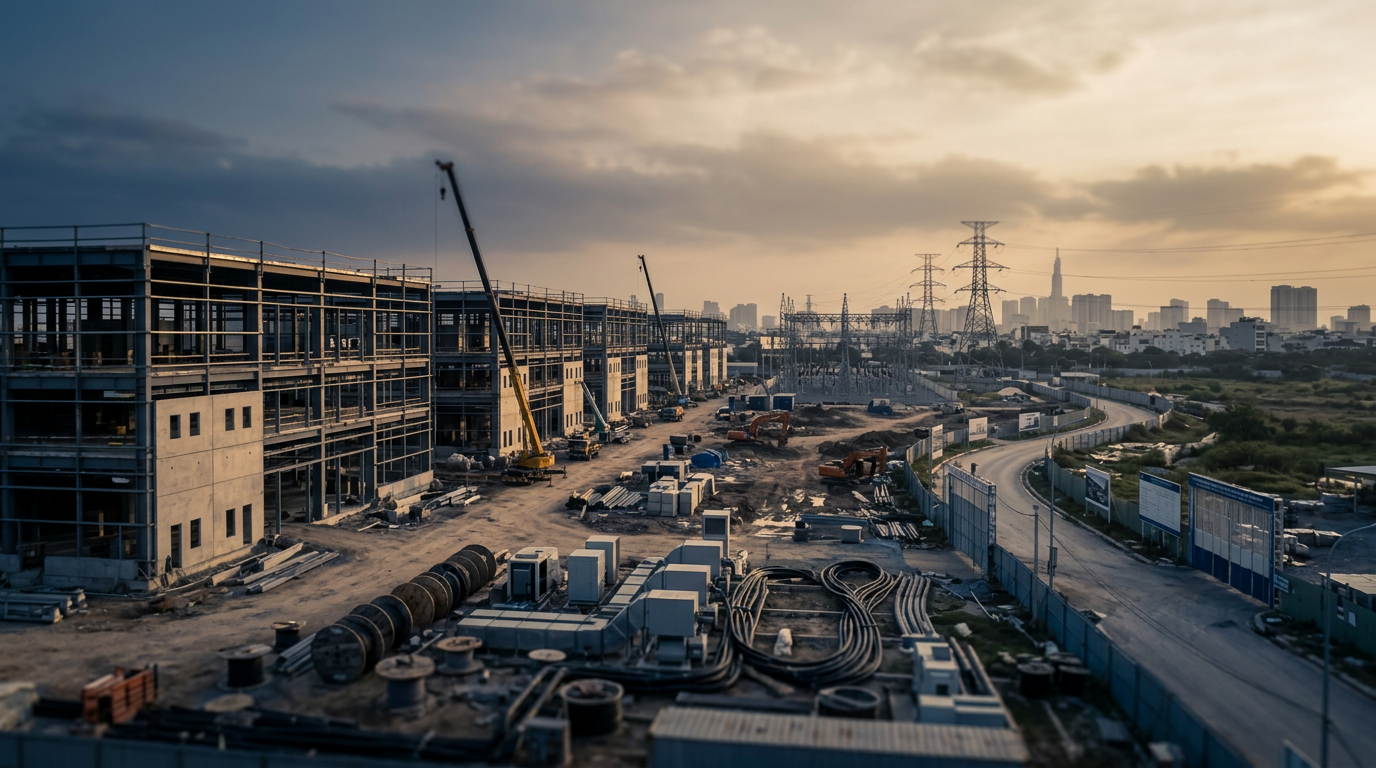 Vietnam
's data center ambitions depend on execution
Vietnam's ambition to become a major data center hub in Southeast Asia is attracting investor attention. Translating that ambition into reality will depend on the slower work of matching digital demand with land, permits, and reliable power.
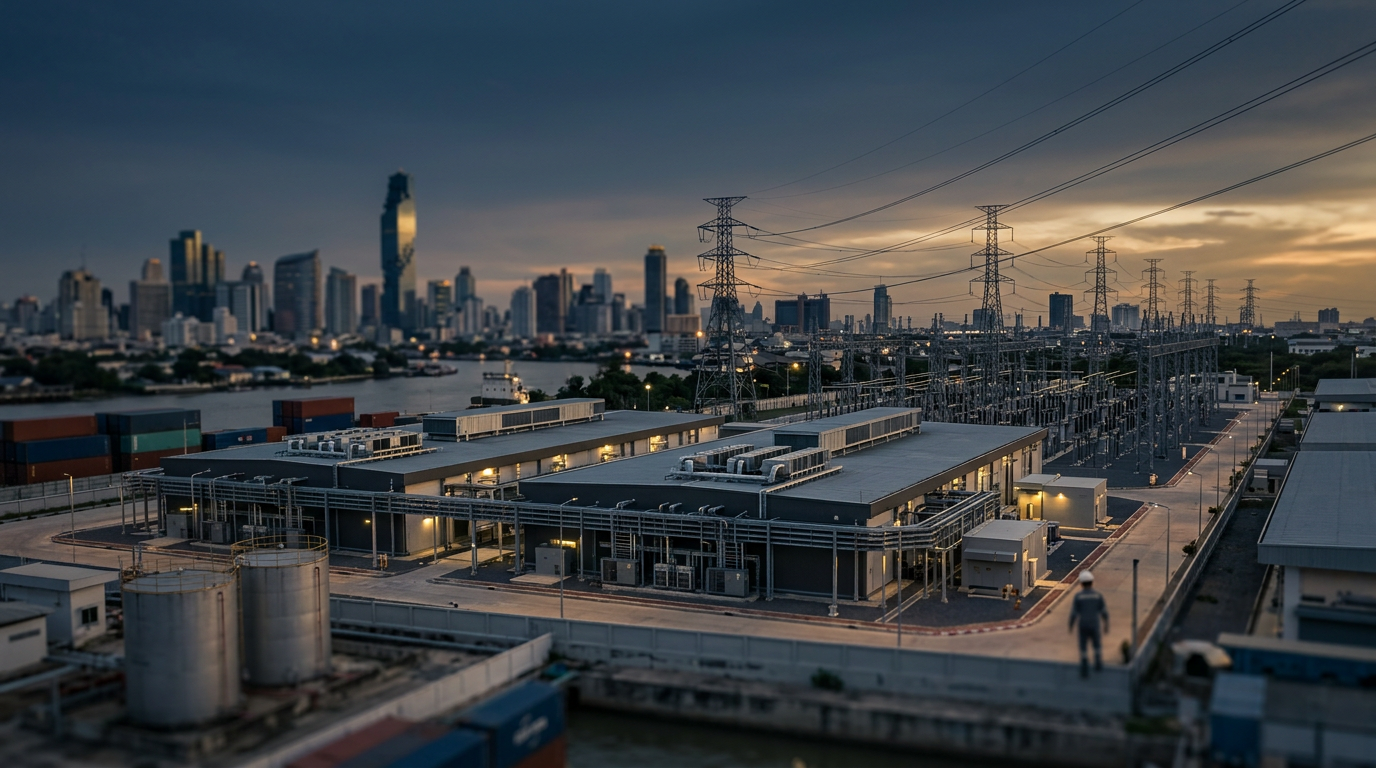 Thailand
 Defines Hyperscale in New Regulations
Thailand is set to introduce new data center regulations that classify facilities over 100MW as hyperscale, a move that highlights the critical role of state and utility coordination in attracting digital infrastructure investment.
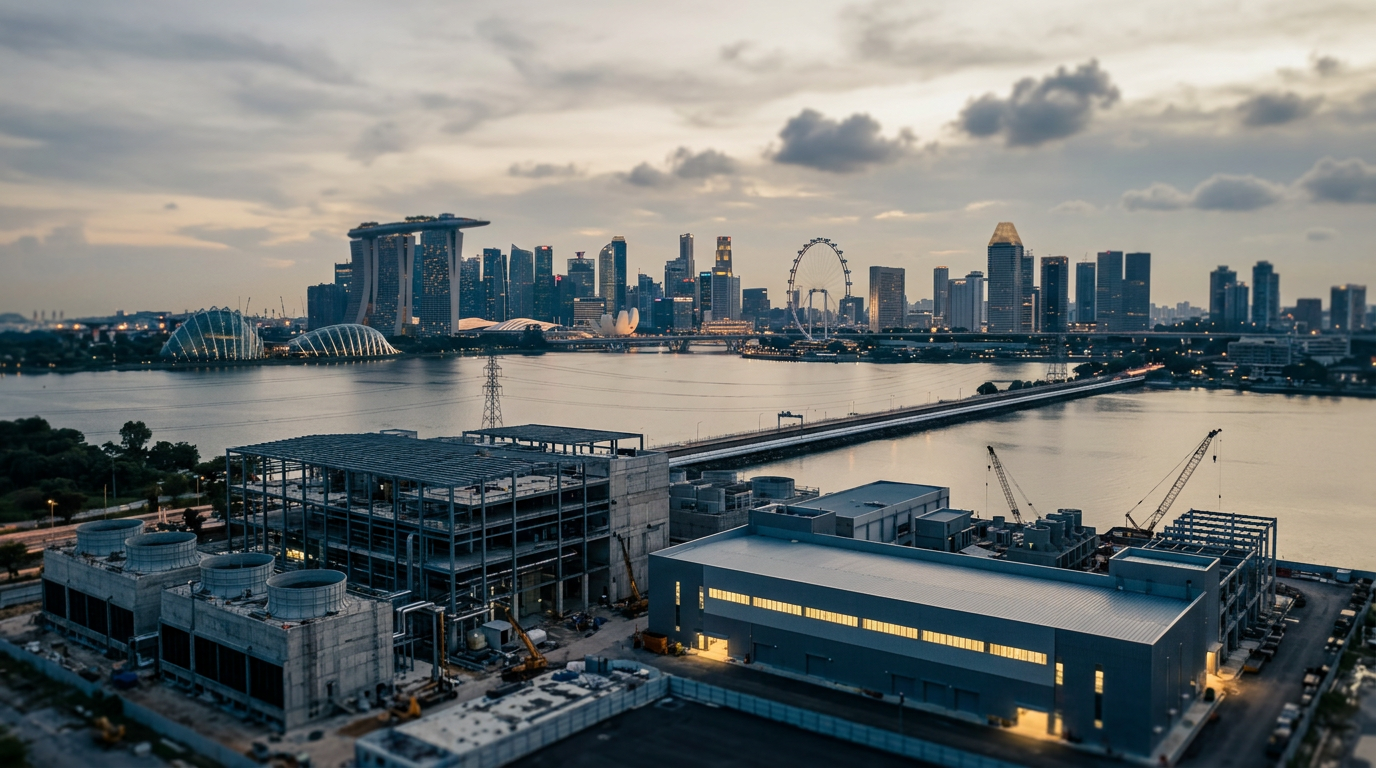 Singapore
, Malaysia, and the Data Center Surge
A new PwC forecast for data center investment in Singapore and Malaysia shows that capital follows coordination. Singapore's established ecosystem gives it a powerful head start, but Malaysia's industrial capacity is attracting significant investment.
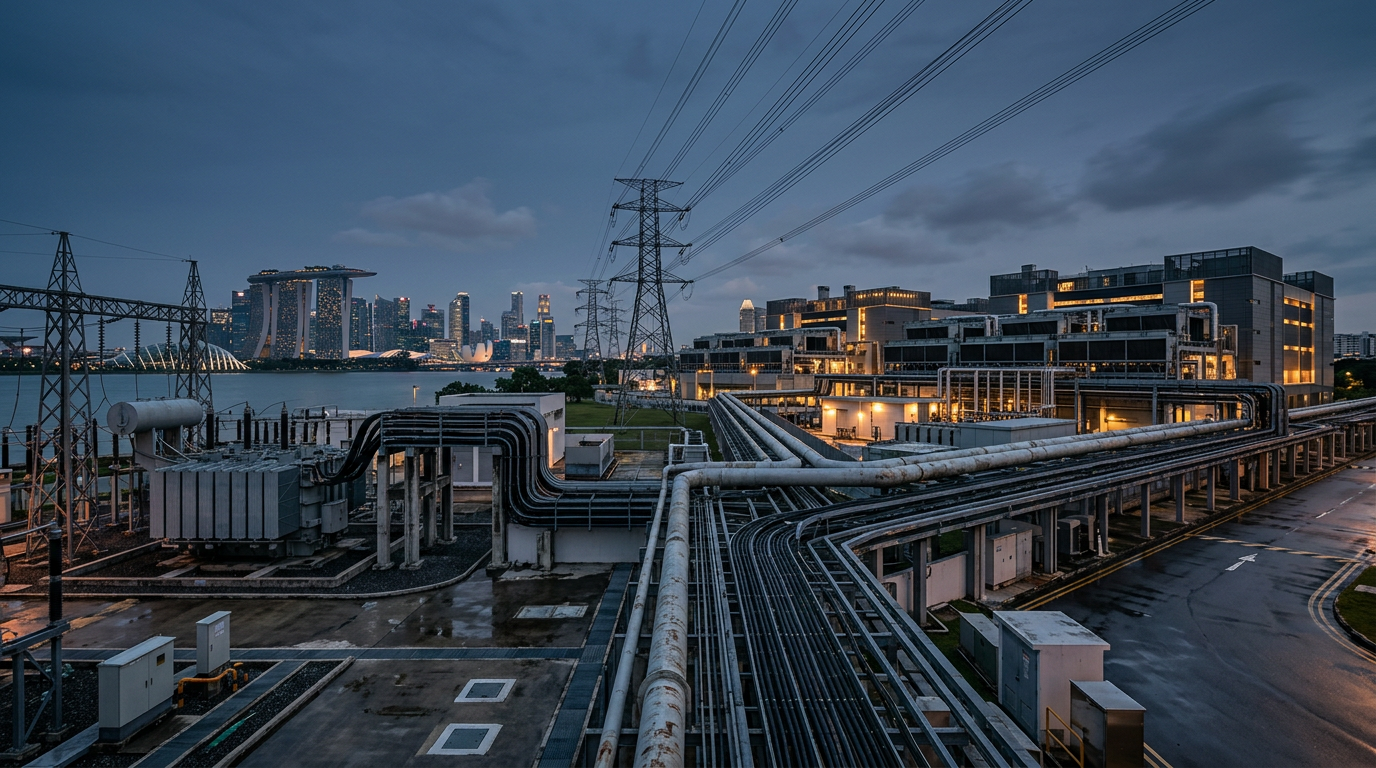 Singapore
Data Centers and the Coordination Premium
PwC projects Singapore's yearly data center investments to hit US$19.2 billion by 2050. This reflects a regional trend where coordinated planning of utilities, connectivity, and land is a key industrial input, as detailed in ASEAN Rising.
 Singapore
, Malaysia, and the Data Center Surge
A new PwC forecast on data center investment in Singapore and Malaysia highlights a core theme of ASEAN's growth: the institutional capacity to coordinate complex industrial inputs like power, connectivity, and planning.
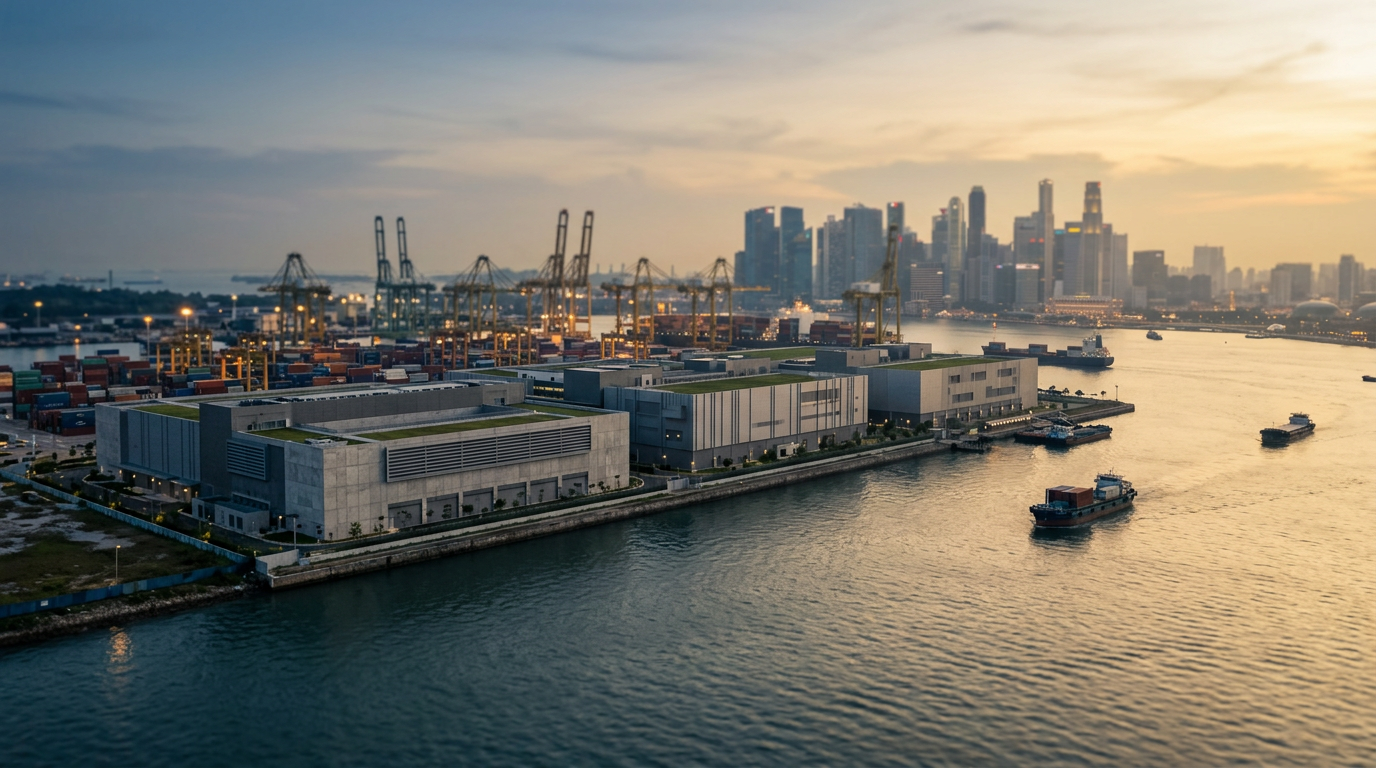 Singapore
, Malaysia, and the Hyperscale Squeeze
Data center investment is pouring into Singapore and Malaysia. While Singapore has a head start, Malaysia's own industrial policy is setting up a classic contest for hyperscale dominance.
 Singapore
, Malaysia, and the Data Center Land Rush
A recent PwC forecast for data center investment in Singapore and Malaysia highlights the institutional factors that attract hyperscale capacity. While Singapore has a head start, Malaysia is leveraging its own strengths in land and power to compete.
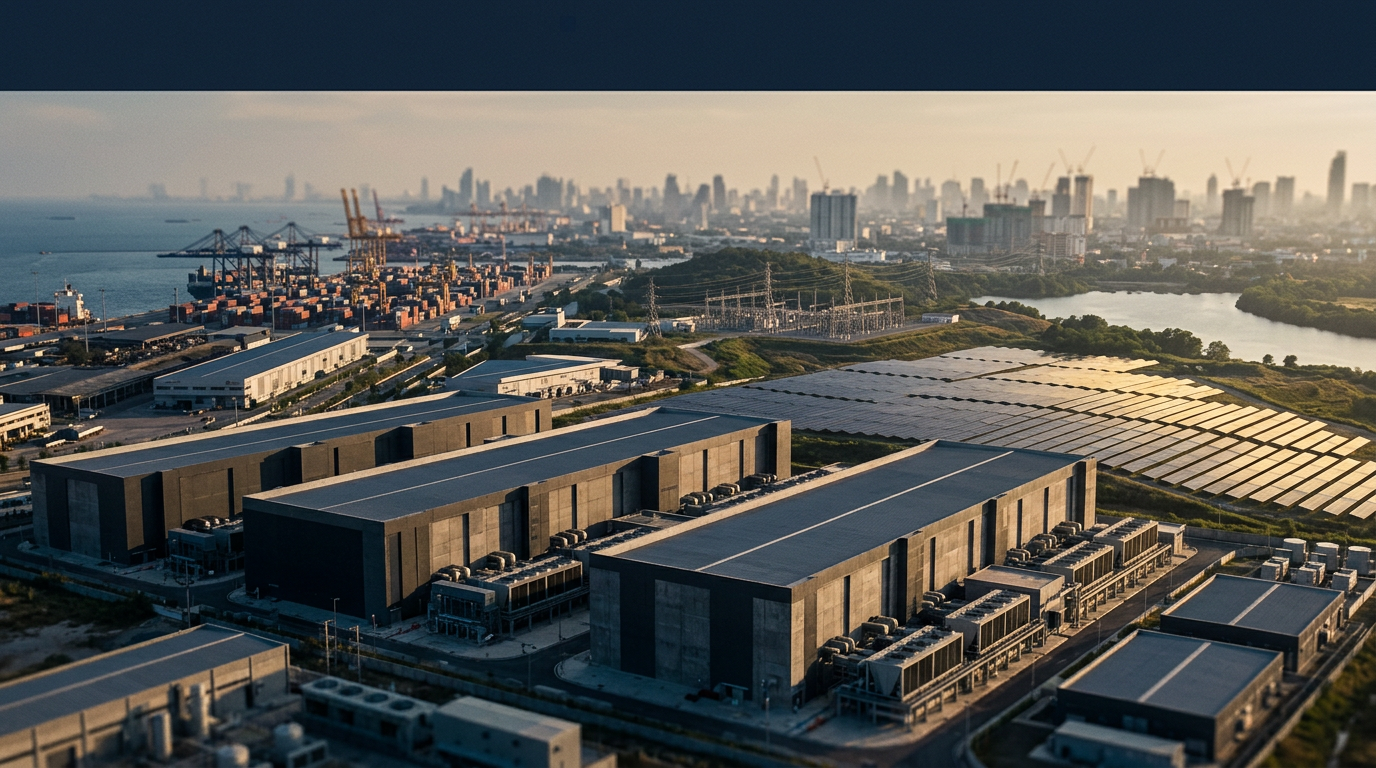 Thailand
 Defines Hyperscale Data Centers
Thailand is set to introduce new regulations to classify data centers, with facilities over 100MW designated as hyperscale. The move signals an attempt to compete for digital infrastructure investment, but attracting hyperscale projects requires more than just regulatory.
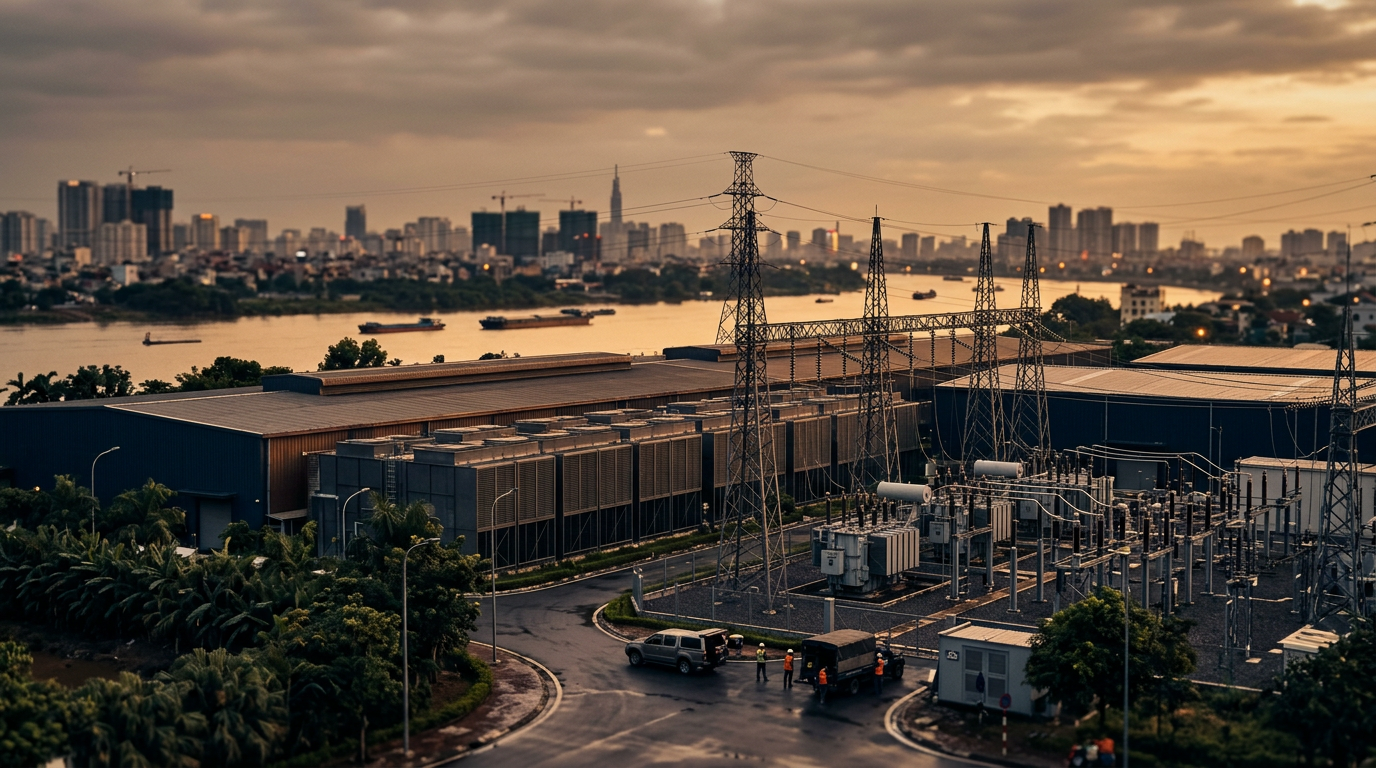 Vietnam
's Data Center Boom Hinges on Dependable Energy
Vietnam's ambition to become a digital hub requires not just more energy, but more reliable energy infrastructure. For data center investors, institutional reliability is as important as the cost per kilowatt-hour.
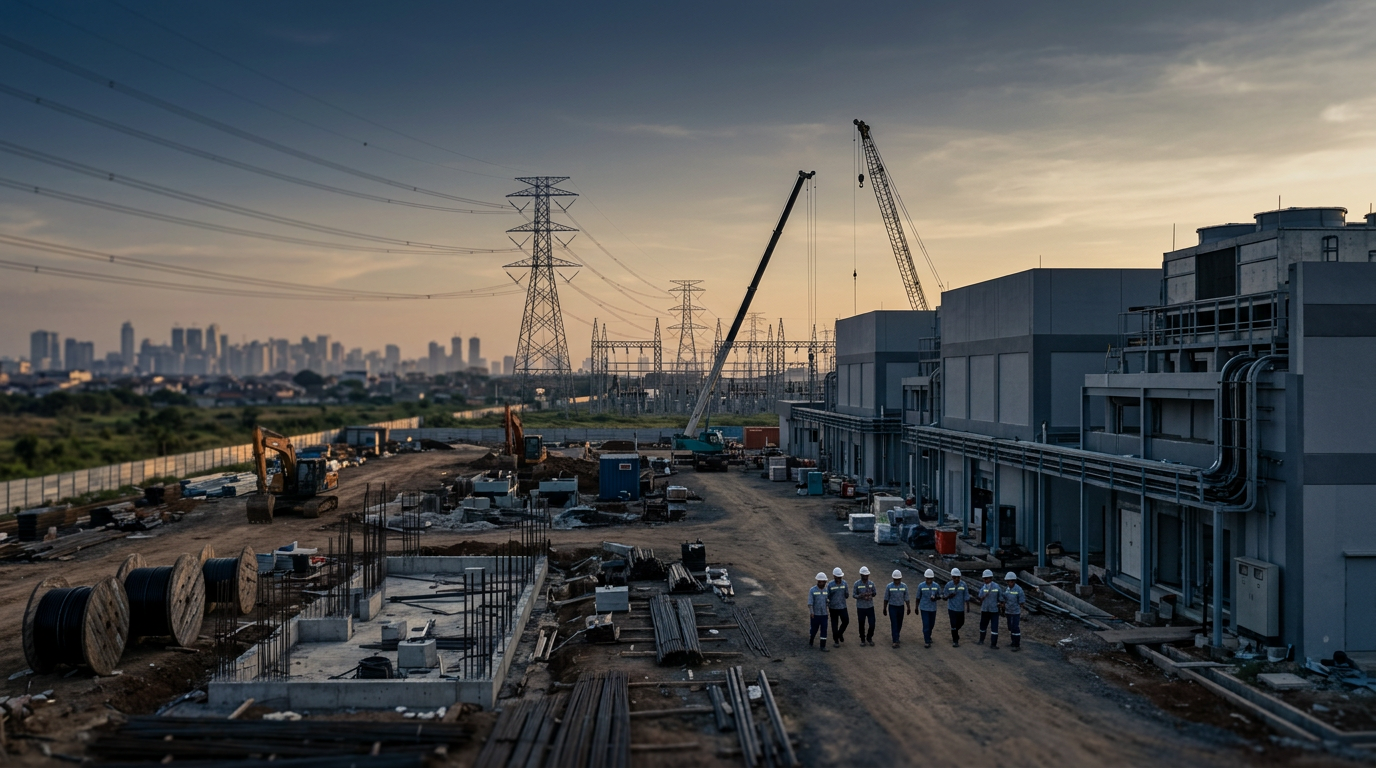 Indonesia
's AI Ambition Meets the Infrastructure Test
Foreign direct investment in data centers is flowing into Indonesia, drawn by the promise of a massive digital market. But turning these announcements into operational assets depends on the slower, harder work of securing land, power, and talent.
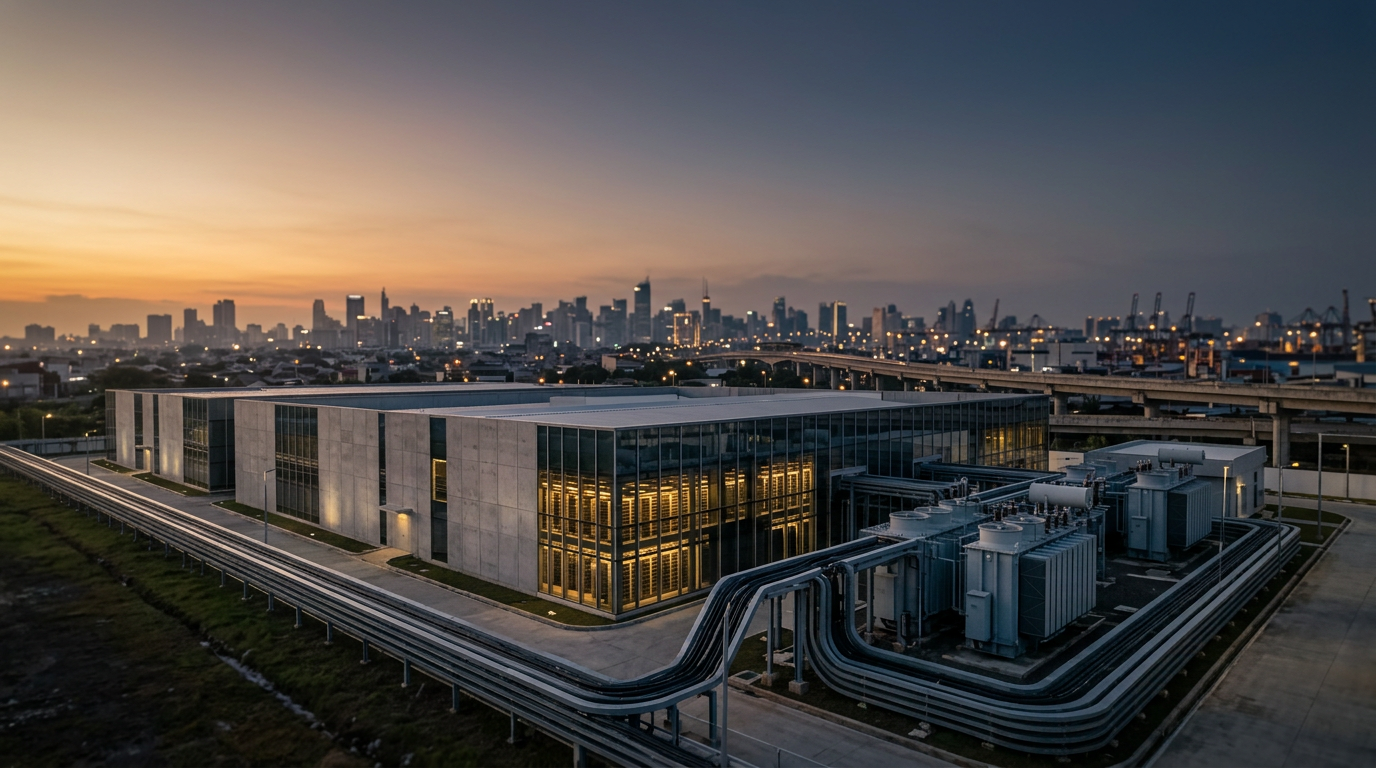 Indonesia
Coordinating Capital: The Data Center Boom in Indonesia
Singapore-based BDx's new 640 MW AI data center in Indonesia is a significant step, but its success will depend on more than just capital. It requires a complex interplay of infrastructure, regulatory alignment, and talent development, echoing the growth models of established.
 Indonesia
 and the Hyperscale Data Center Buildout
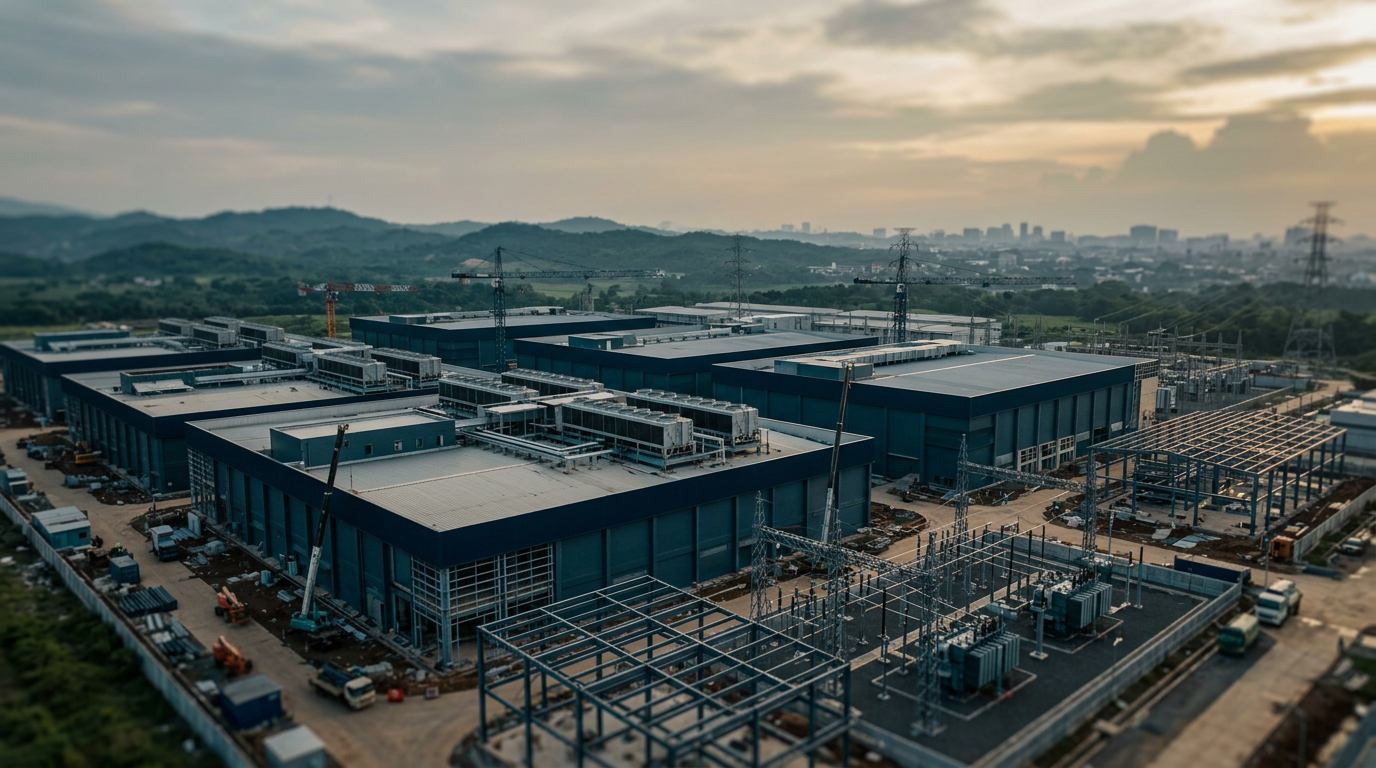
Where utilities, planning and connectivity move together, hyperscale capacity follows. That is the story of a new 640 MW AI data center campus in West Java, Indonesia.

Aligning Capital and Capacity in ASEAN Data Centers
As foreign capital builds out ASEAN's data center capacity, the region must focus on aligning infrastructure, planning, and talent to ensure long-term sovereignty.
 Malaysia
Sovereign AI in ASEAN is a question of control
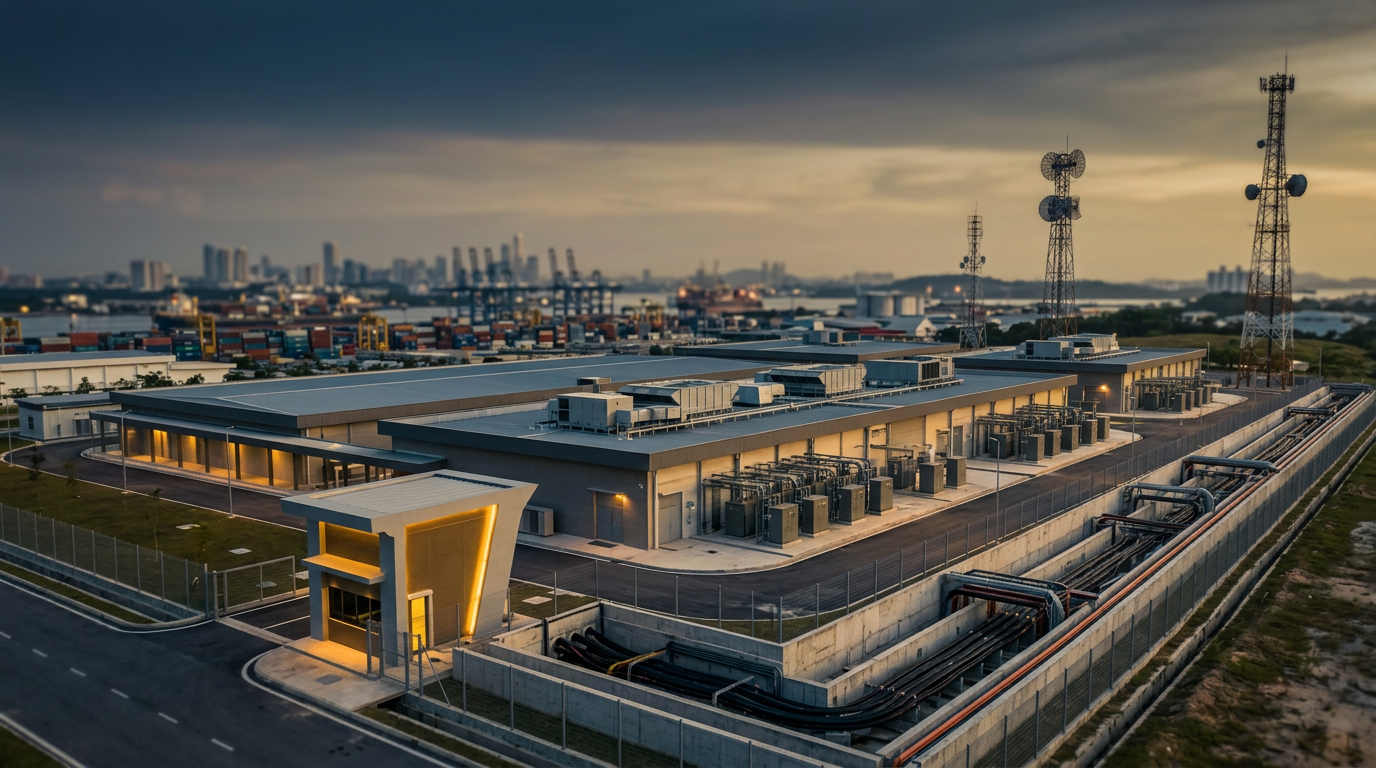
Alibaba Cloud's new public cloud region in Johor, Malaysia highlights the core challenge for ASEAN nations pursuing sovereign AI: it is not just about national models, but about who controls the underlying infrastructure, data, and digital identity systems.
 Malaysia
's Data Center Boom Needs More Than Power
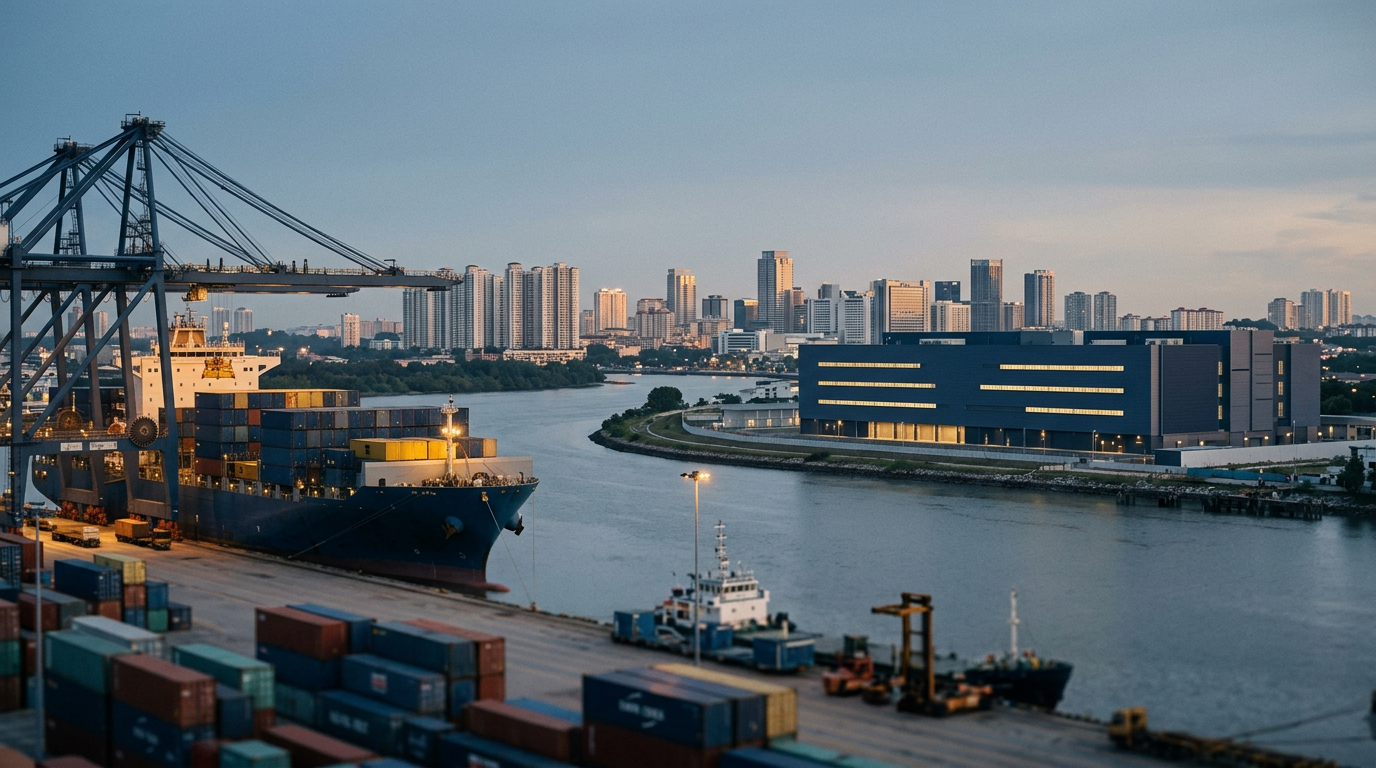
Malaysia's data center boom is real. But to compete with Singapore and lead the region, Johor needs more than land and power. It needs to master the complex art of capital coordination.
 Malaysia
's data center boom tests its infrastructure coordination
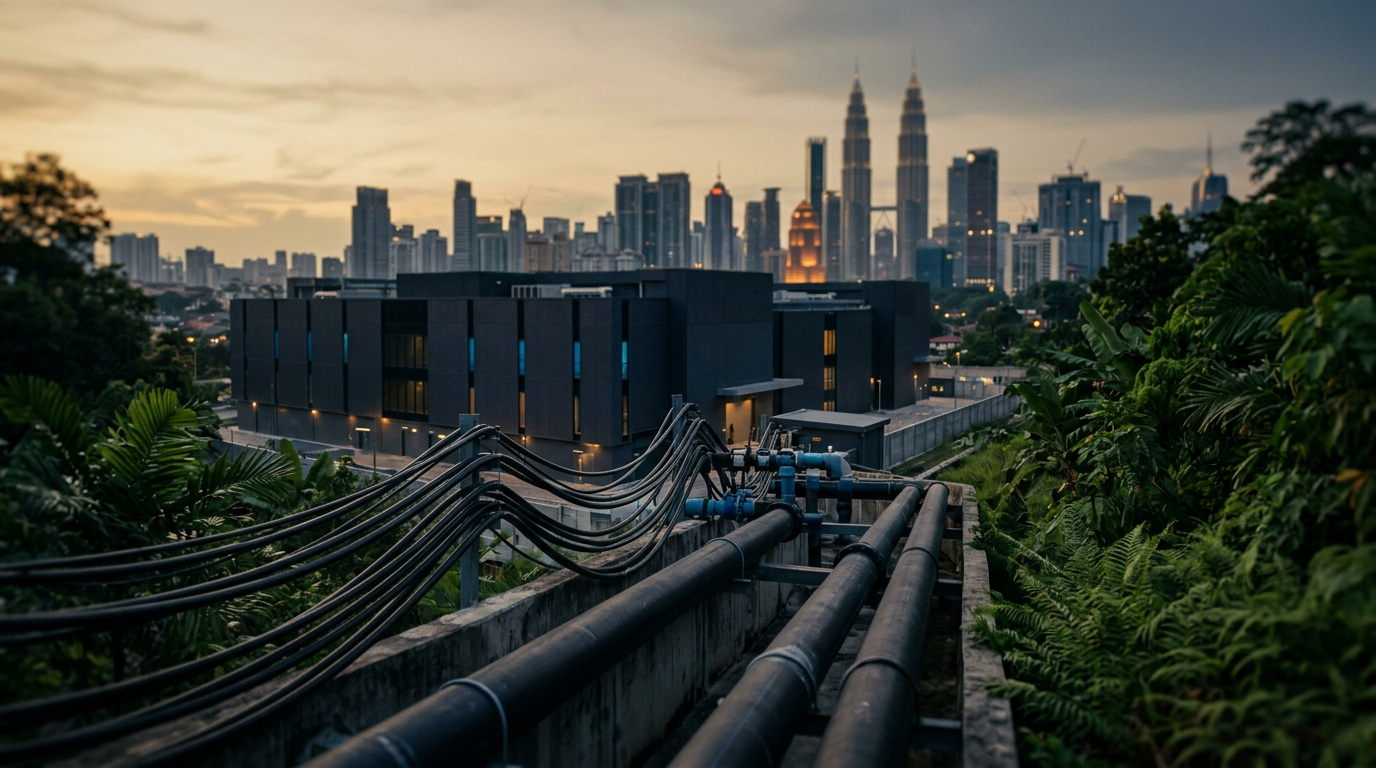
The rapid growth of data centers in Malaysia is a significant economic win, but it also presents a serious test of the country's ability to coordinate its infrastructure, particularly water and power resources. Success will depend on more than just attracting investment; it.
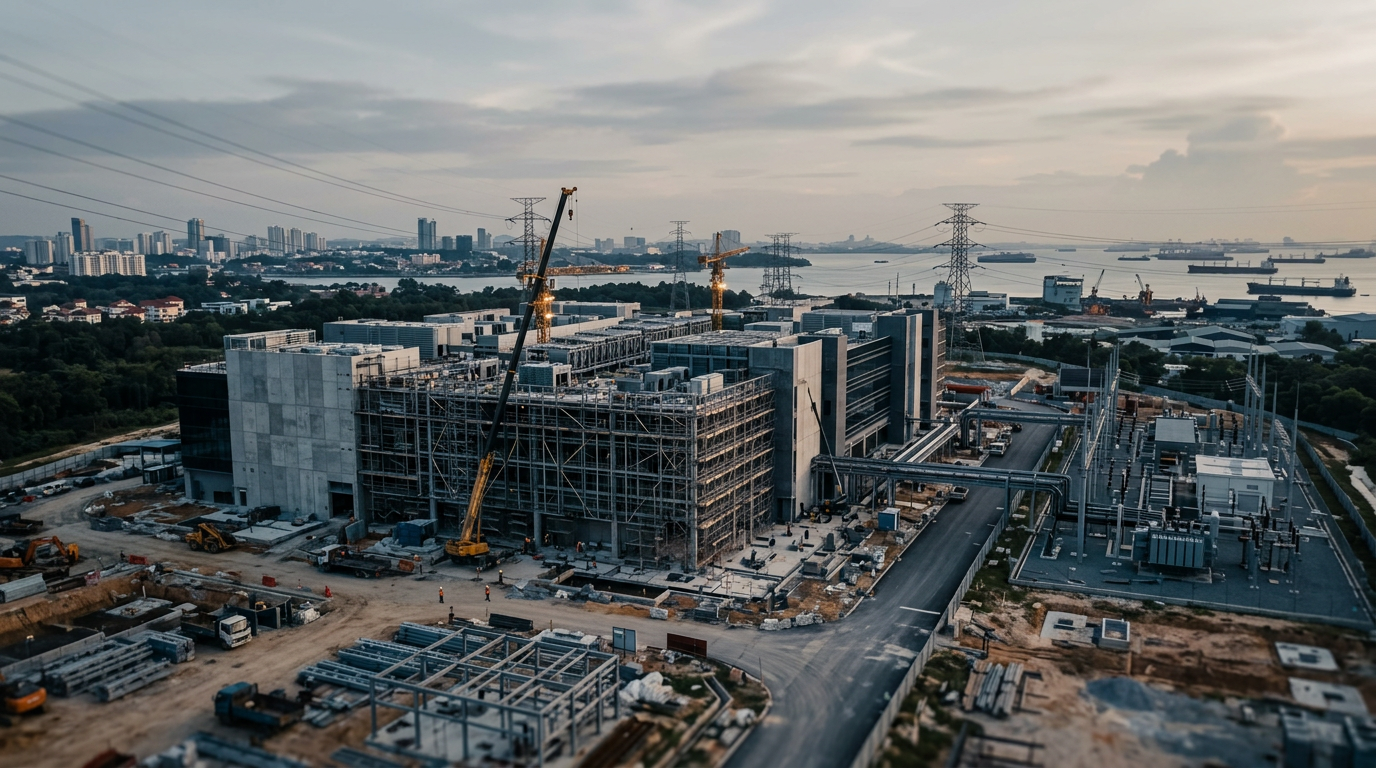 Malaysia
's Data Center Buildout Tests Its Coordination
Malaysia is rapidly building out its hyperscale data center capacity, especially in Johor. Success will depend on coordinating utilities, planning, and connectivity.
 Singapore
Data Center Safety and ASEAN's Hyperscale Execution Challenge
A recent fatality at a Thai data center construction site highlights the severe execution risks in building out the region's digital infrastructure.
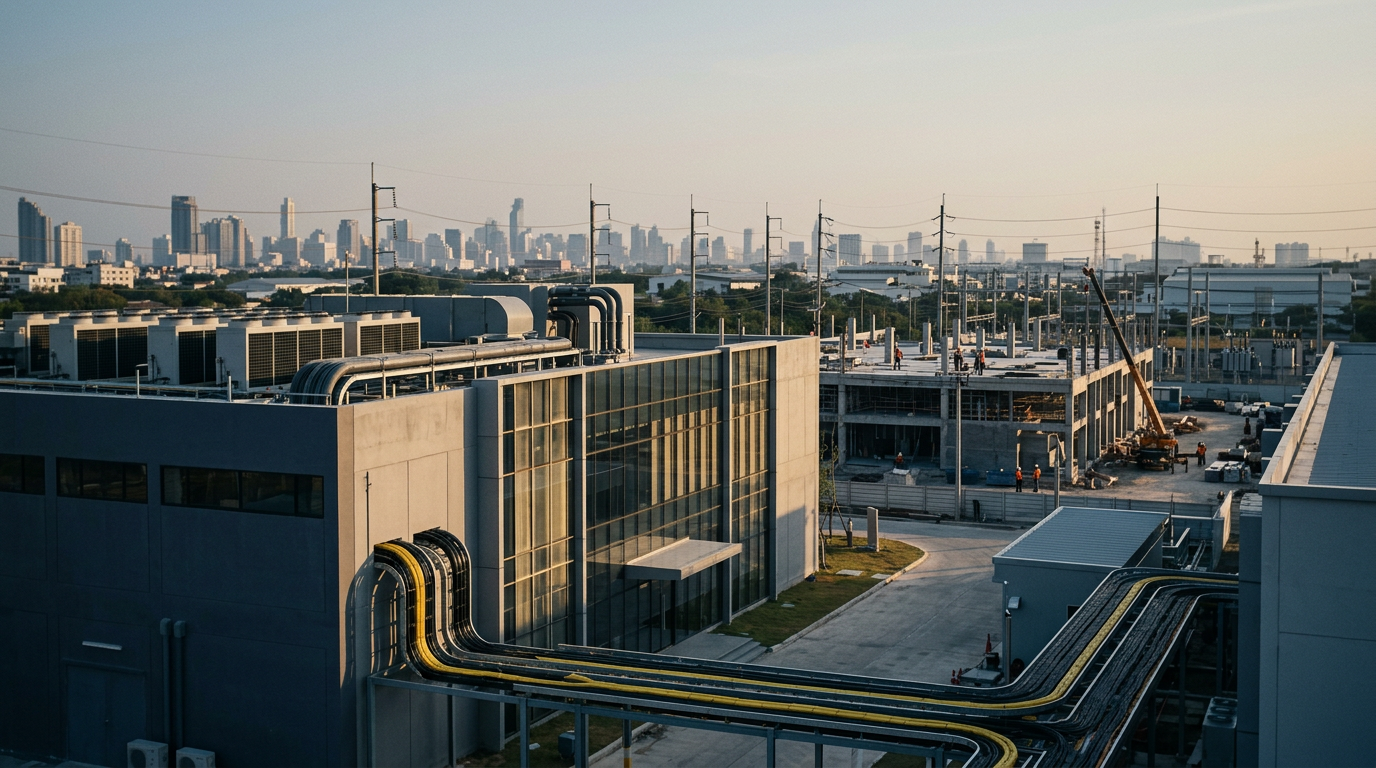 Thailand
Data center projects are surging in Thailand. The real test is not in attracting capital, but in coordinating the inputs that make it productive.