Malaysia
Sovereign AI in ASEAN is a question of control
Alibaba Cloud's new public cloud region in Johor, Malaysia highlights the core challenge for ASEAN nations pursuing sovereign AI: it is not just about national models, but about who controls the underlying infrastructure, data, and digital identity systems.
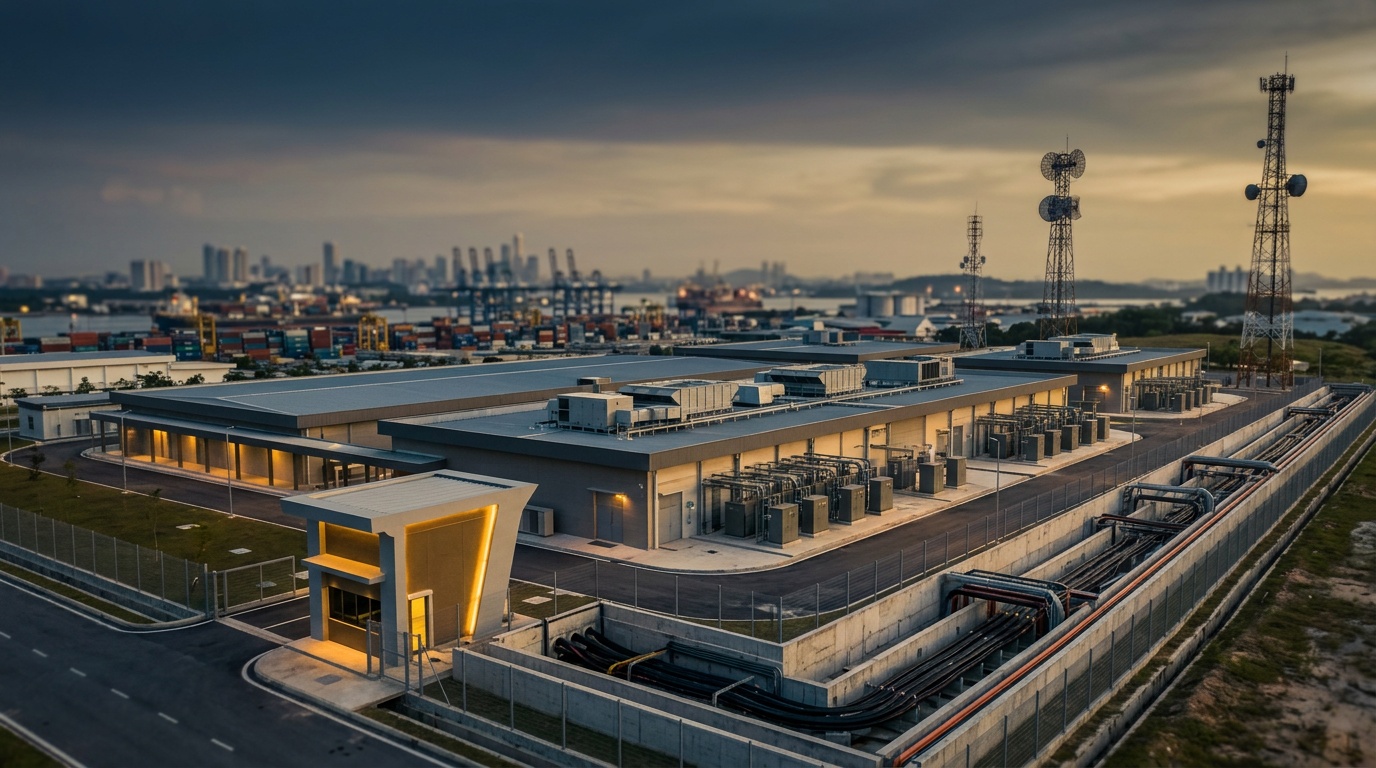
Alibaba Cloud Intelligence has opened a new public cloud region in Johor, Malaysia, aiming to meet what it describes as increasing demand for cloud and artificial intelligence services. As reported by Bernama, this expansion of data centre capacity reflects the broader competition among global technology firms for the enterprise business of Southeast Asian firms.
The Infrastructure Layer
The establishment of hyperscale data centres in ASEAN by firms like Alibaba, Amazon, and Microsoft is a direct play for the infrastructure layer of the region's digital economy. These facilities provide the raw computing power necessary to train and operate large AI models. For many businesses in Malaysia and across the region, leveraging these public cloud services is the most efficient path to adopting AI, avoiding the immense capital expenditure required to build and maintain their own infrastructure. However, this reliance on external providers raises questions about data residency, security, and long-term strategic autonomy. The physical location of the data centre in Johor is a nod to data sovereignty concerns, but the control over the hardware and the software stack remains with a foreign entity. This creates a dependency that national regulators are still grappling with.
Data, Identity, and Sovereignty
The push for "sovereign AI" is gaining traction within government circles across Southeast Asia. The concept, however, is often narrowly focused on the development of national large language models trained on local languages and cultural data. While important, this perspective overlooks more fundamental elements. As discussed in ASEAN Rising, the true test of sovereign AI is "not by model launches but by who controls the compute, the data layer and the digital identity rails that sit underneath everyday economic life." The new data centre in Johor is a clear example of this dynamic. It provides the compute, but it also positions a single commercial provider to become deeply embedded in the data and identity layers of Malaysia's economy. The platform's ability to process vast amounts of enterprise and consumer data, combined with its integrated identity and payment systems, creates a powerful gravitational pull. National digital identity programs and data governance frameworks must be robust enough to interact with these platforms without ceding ultimate control.
A Question of Execution
The challenge for ASEAN governments is not to resist the inflow of foreign technology and capital, but to channel it in a way that supports national and regional objectives. This is a matter of institutional execution. It requires clear and consistently enforced regulations on data governance, competition policy that prevents the formation of digital monopolies, and investment in public digital infrastructure, such as national identity systems and open payment rails. It also requires a deep pool of local talent capable of building, managing, and regulating these complex systems. The presence of global cloud providers can be a catalyst for talent development, but only if there are clear pathways for local engineers and data scientists to move into leadership roles and for local firms to build competitive services on top of the basic infrastructure. The Johor data centre is a single investment, but it represents the central bargain of the modern digital economy for every ASEAN member state.
What to watch
The key indicator to watch is not the announcement of more data centres, but the substance of government policy and the growth of the local ecosystem. Observe how ASEAN regulators collaborate on cross-border data flow and competition rules. Monitor the progress of national digital identity projects and their interoperability with commercial platforms. Finally, track the flow of venture capital into ASEAN-native software-as-a-service and AI companies that are building on top of, rather than being displaced by, the hyperscale cloud providers.