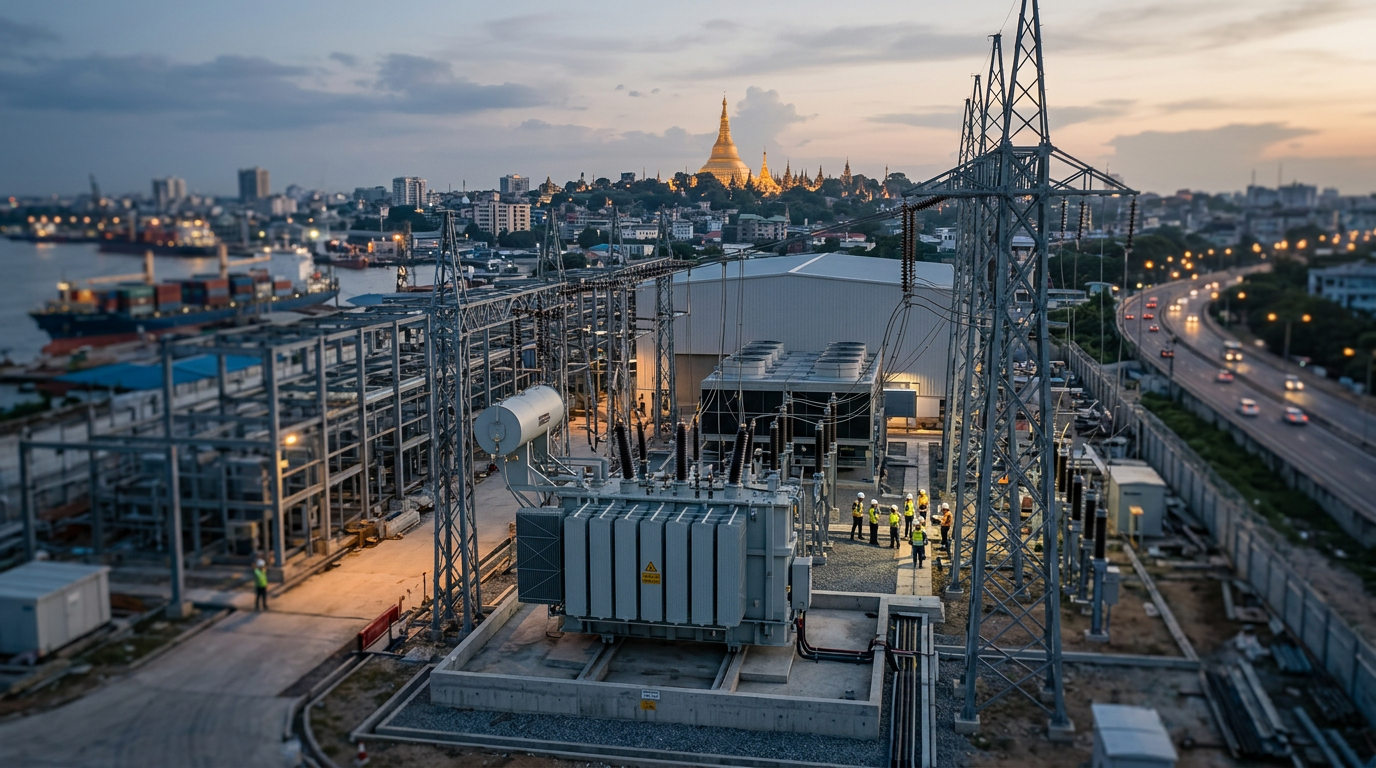
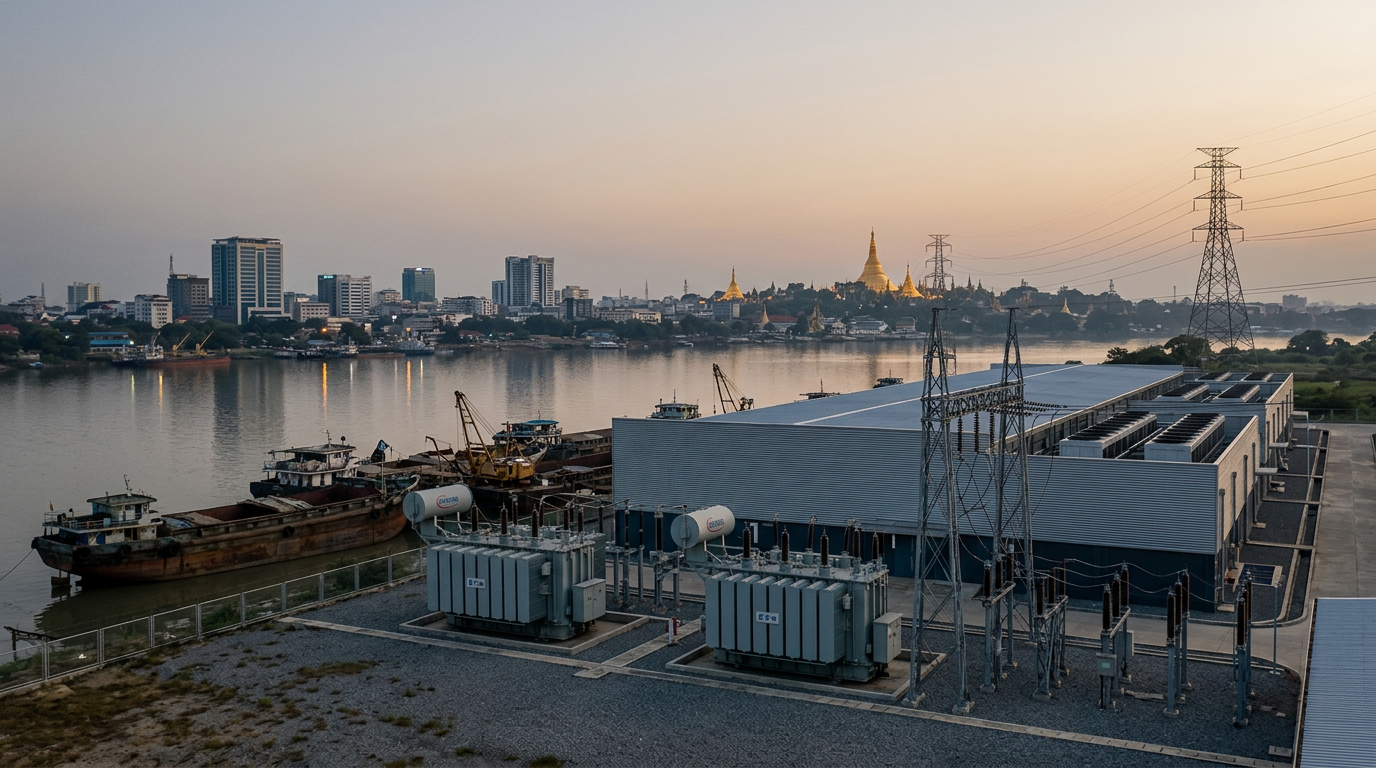
Myanmar
Reliability is the New Advantage in ASEAN Data Centers
A partnership between Infineon and Eaton to develop new power transformers for data centers highlights a shift in ASEAN. The region's growth now depends not just on announcing big projects, but on the steady execution of the infrastructure that enables them.
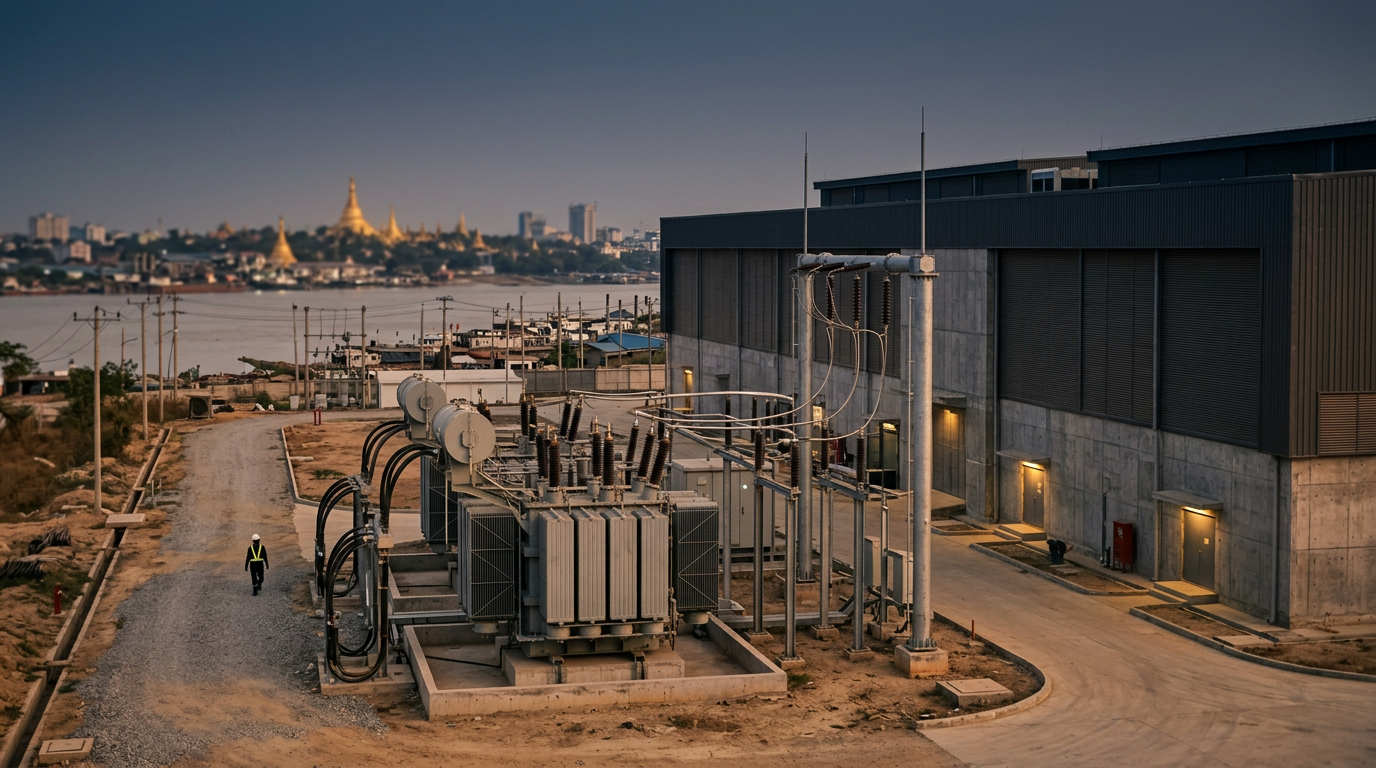
A recent announcement from Infineon and Eaton highlights a growing demand for specialized components in Southeast Asia's rapidly expanding data center market. The two companies are partnering to develop advanced solid-state transformers for high-voltage power architectures, according to a report in Data Center Dynamics. While the partnership is global, its implications are significant for ASEAN, where the race to build data centers is a test of national infrastructure and institutional capacity.
The Foundation of the Digital Economy
Data centers are the physical foundation of the digital economy. For ASEAN to host the platforms and services that are transforming commerce, finance, and daily life, it must provide globally competitive locations for these facilities. This requires more than just available land and tax incentives. It demands a sophisticated and resilient power grid, a deep network of fiber optic cables, and a regulatory environment that ensures stability and predictability for long-term investments.
The Infineon-Eaton partnership is focused on silicon-carbide-based technologies that improve the efficiency and reliability of power distribution within data centers. This kind of specialized, high-value manufacturing is exactly the sort of industrial activity that ASEAN governments are eager to attract. Yet, the ability to host such manufacturing, and indeed the data centers themselves, depends on the quality of the underlying national infrastructure. Without a reliable power grid and clear regulations, attracting these investments becomes much more difficult.
Execution Over Announcements
Grand pronouncements of new industrial parks or "digital hubs" are common across the region, but the real measure of progress is in execution. As the book "ASEAN Rising" notes, the ability to deliver infrastructure on schedule is a powerful signal to investors. This is where the concept of state capacity becomes tangible. It is the government's ability to not only plan but to execute complex projects, manage logistics, and provide the regulatory certainty that businesses require.
"Institutional reliability has become part of comparative advantage," and this is particularly true for capital-intensive sectors like data centers. Investors in this space operate on long time horizons. They are less interested in exciting promises than in the assurance of a stable operating environment. A country that can ensure its power grid will remain stable, its permits will be processed efficiently, and its policies will be consistent has a durable edge over one that only offers speculative potential.
The Cost of Friction
The development of a data center ecosystem involves a complex interplay of public and private sector actors. Governments must provide the core infrastructure and a clear legal framework. Private firms, from global technology giants to specialized component makers like Infineon and Eaton, make the direct investments in facilities and equipment. When the state's role is handled inefficiently, it creates friction that adds cost and risk for every other participant.
This friction can manifest as project delays, budget overruns, or a simple reluctance from investors to commit capital in the first place. For ASEAN to capture a greater share of the global digital economy, its member states must focus on reducing these transactional costs. Success will be defined not by the number of projects announced, but by the number of projects completed and operating successfully. The demand for advanced technologies is clear; the challenge is to build the institutional and physical infrastructure to meet it. What to watch: Pay attention to how ASEAN governments facilitate the construction of data center infrastructure beyond simple land allocation. The key metrics of success will be improvements to grid stability, the streamlining of permitting processes for industrial construction, and the development of local talent to manage these sophisticated facilities. The countries that deliver on these practical requirements will be the ones that attract the most significant and sustainable investments in the digital economy. The focus must be on usability and execution, not just announcements.